Blogs
Blogs

This article systematically elaborates on the definition, international classification, multi-dimensional performance comparison, safety verification data, and identification methods of cast aluminum materials, combining global authoritative standards and experimental data to clarify the safety boundaries of cast aluminum for cookware applications.
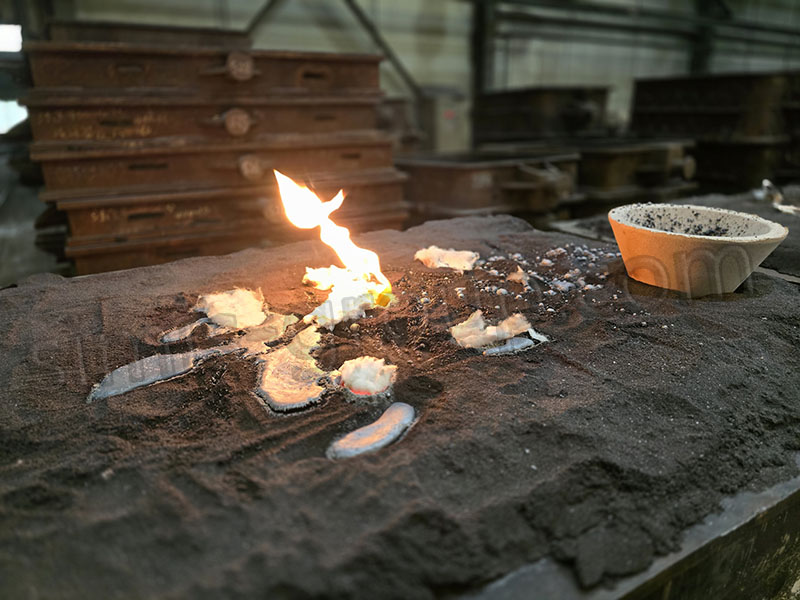
The core of sand casting is "molding sand." The type and properties of the molding sand (determined by aggregates and binders) directly determine the feasibility of the sand casting process and the quality of the castings. The selection of resin-bonded molding sand, coated sand, or organic ester water glass molding sand should be based on the specific requirements of the castings, comprehensively balancing quality, cost, and production feasibility. Simultaneously, choosing a professional sand casting foundry is crucial to ensure the rational application of molding sand and the stability of casting quality.
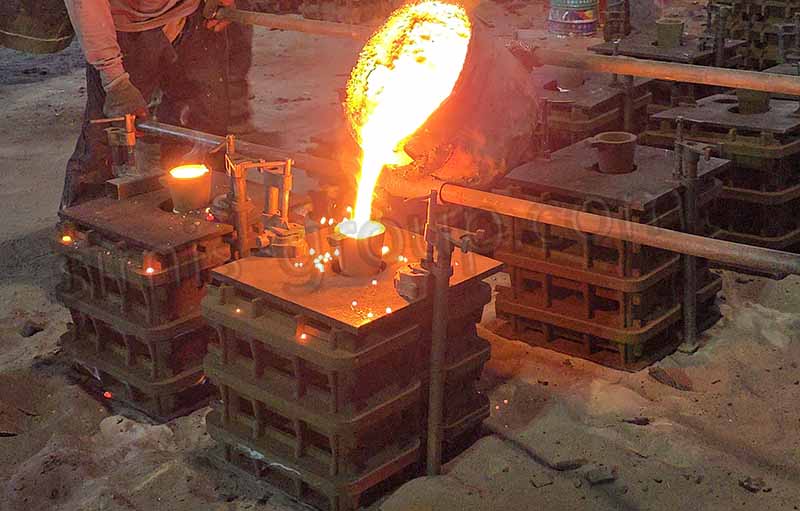
This article, from an engineering perspective, elaborates on the core concepts, structural design, functional principles, and common types of gates and risers in casting—two critical auxiliary structures that determine casting quality. It clarifies the key judgment criteria for whether a gate requires a riser (alloy shrinkage rate, casting wall thickness, casting process type) and details the application differences of gates and risers in various casting processes (sand casting, investment casting, high-pressure die casting, etc.). The article also analyzes the impact of improper gate and riser design on casting defects (slag inclusions, shrinkage cavities, etc.) and provides corresponding solutions.
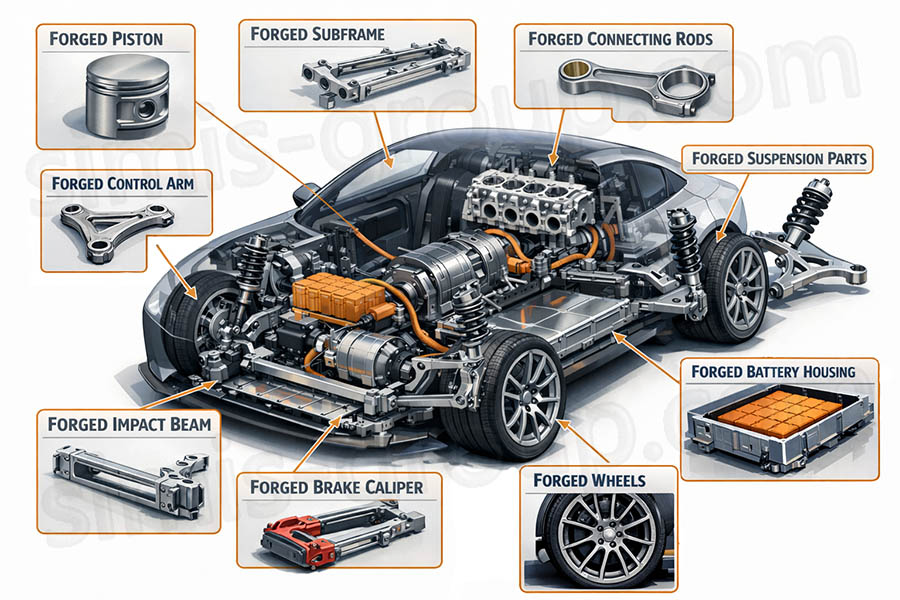
Forged aluminum has established itself as a core technology for EVs / hybrid vehicle and auto modification by addressing the most critical challenges in these fields: lightweighting for extended EV range, high strength for safety and performance, and durability for harsh operating conditions. Unlike forged steel, cast steel, and cast aluminum, it strikes a balanced chord between performance and practicality, making it irreplaceable for key components.
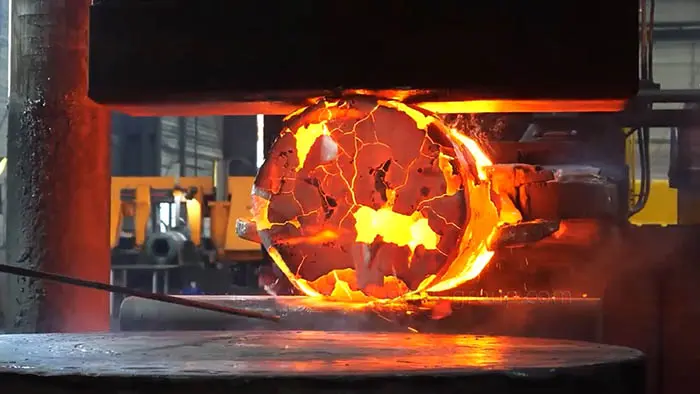
Hot forging utilizes high temperatures to improve the ductility of metals, reduce deformation forces, and allow materials to be smoothly formed into complex geometries. Simultaneously, the recrystallization process eliminates strain hardening and refines the grain structure, resulting in uniform mechanical properties and higher toughness. Compared to cold forging and warm forging, hot forging offers significant advantages in machining large/complex parts and achieving high toughness, while requiring less deformation force.
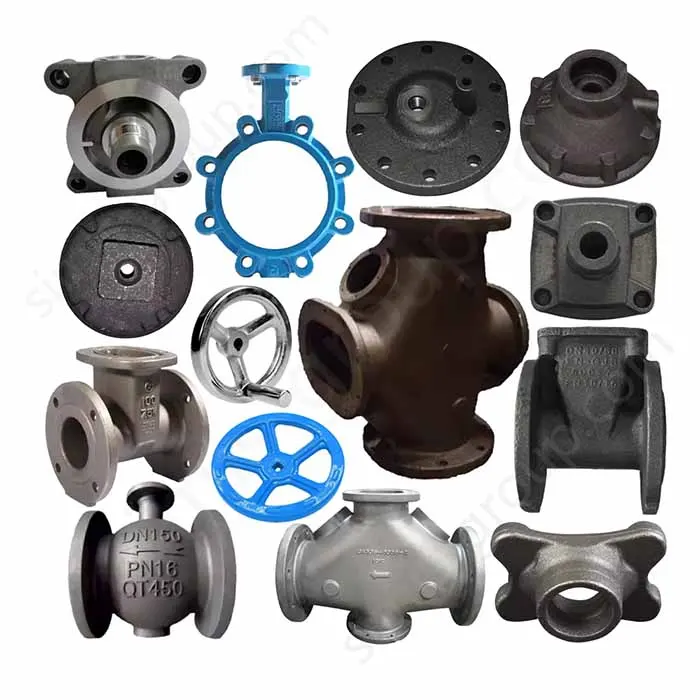
For buyers, choosing a reliable OEM custom valve and valve parts manufacturer is far more than a routine purchasing task. OEM cooperation involves complex challenges including design customization, mold development, precision manufacturing, quality consistency, certification compliance, and intellectual property protection.
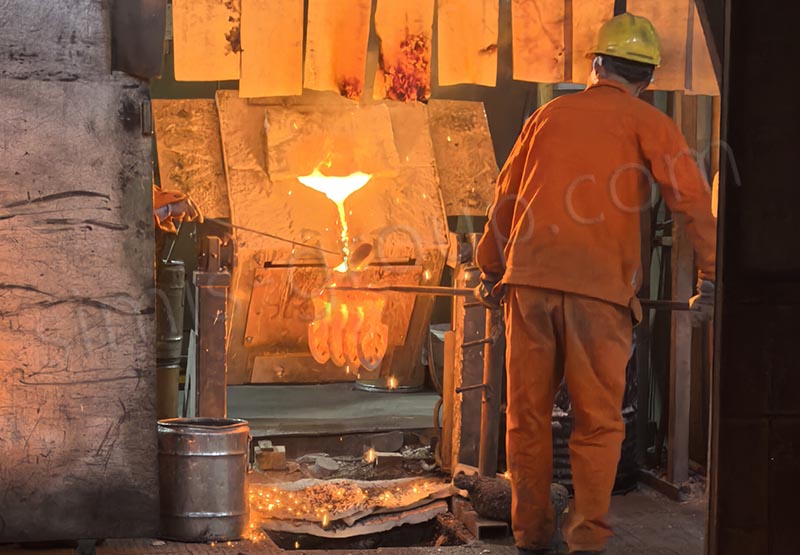
The superior surface finish of investment castings is due to precision in every step, from the wax pattern to the ceramic shell, to pouring and cooling. The absence of parting lines, the absence of sand particles, and the smooth flow of molten metal all contribute to a superior surface finish. While investment casting is costly and suitable for high-value-added parts.
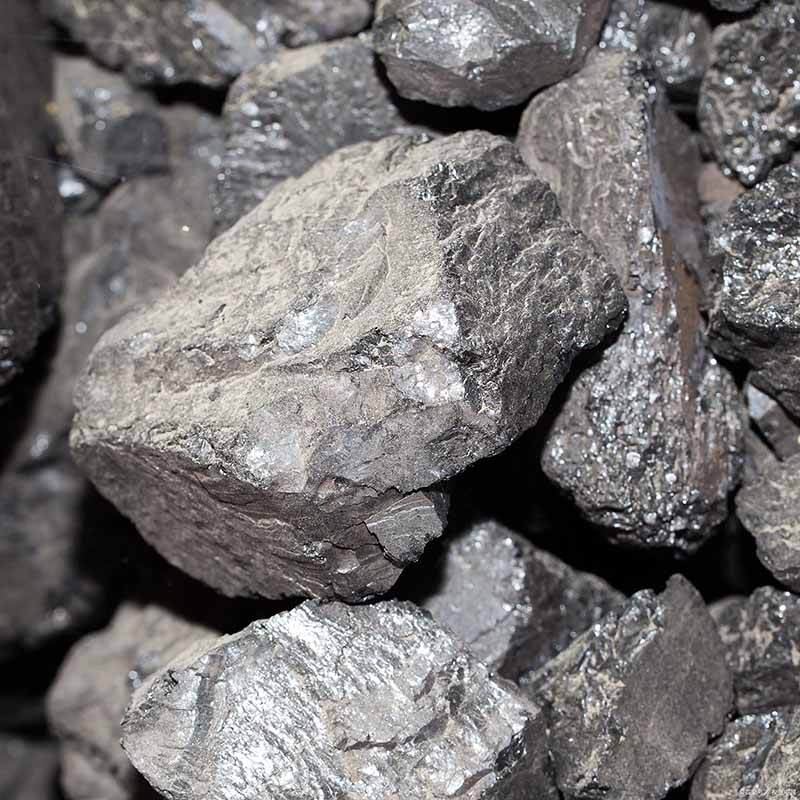
Most commonly used cast iron and cast steel are strongly magnetic, but by adjusting the alloy composition and performing specific heat treatment processes, the microstructure of steel and iron can be changed, making them lose their magnetism (weak magnetism). For example, austenitic cast iron and austenitic stainless steel castings respond very weakly to magnetic fields and cannot be attracted by ordinary magnets.
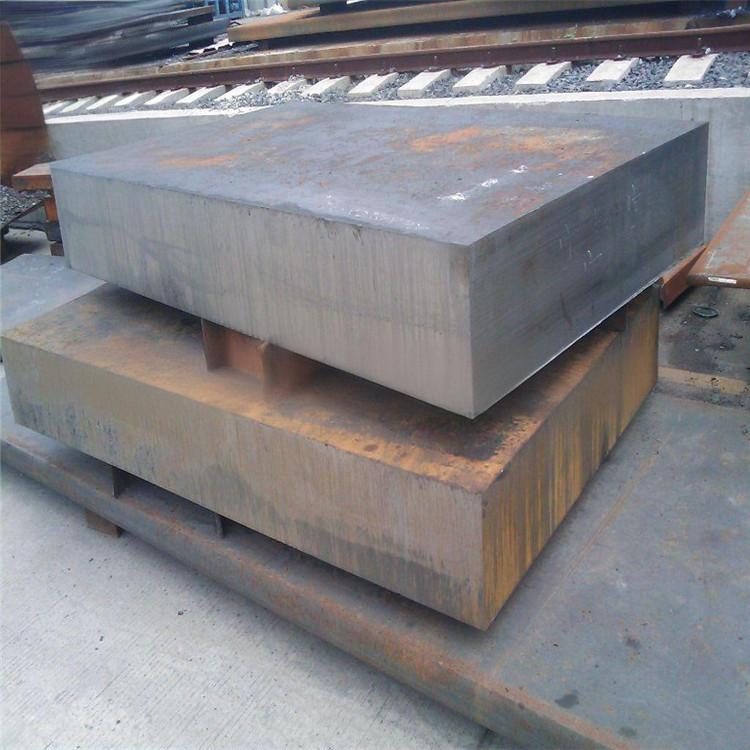
4130 Chromoly steel is unsuitable for casting due to its narrow solidification range, high hot crack sensitivity, and poor as-cast microstructure. However, forging can help optimize its microstructure and properties, improve economic efficiency, and enhance quality and reliability. Using various forging processes, 4130 Chromoly steel plays an important role in the manufacture of key components such as aerospace landing gear, high-performance racing connecting rods, oil drilling tools, and heavy machinery shafts.
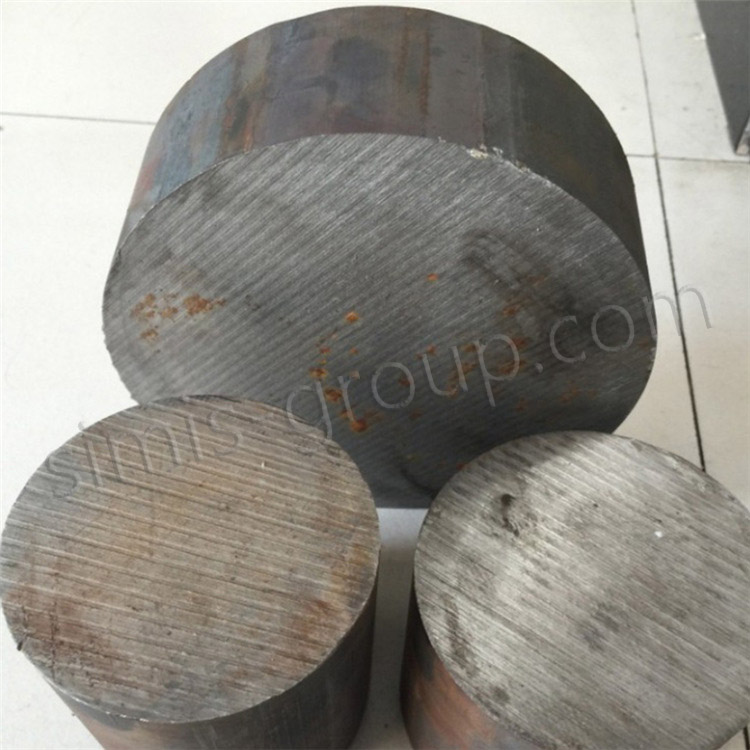
FCD400 is a ductile iron material with excellent comprehensive properties. It has good casting properties, mechanical properties and processing properties. It is particularly suitable for the production of castings with complex shapes and high strength and toughness requirements, such as automotive parts, piping systems, mechanical structural parts, etc.


