Custom Sheet Metal Fabrication Manufacturer in China
Custom Sheet Metal Fabrication Services & Workshop Capabilities
SIMIS Sheet Metal Fabrication Workshop Capabilities
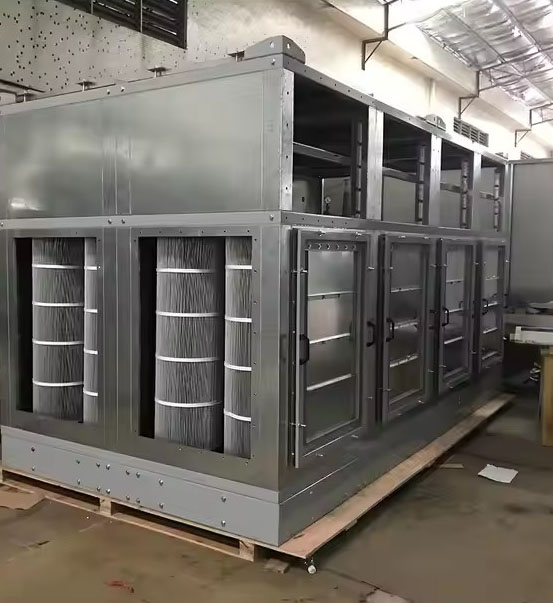
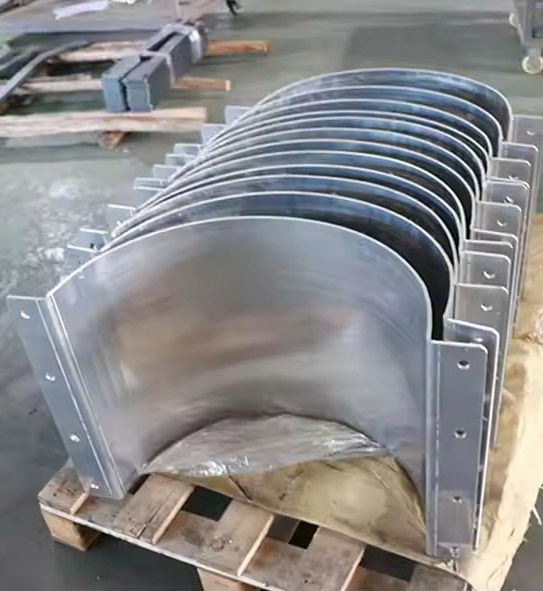
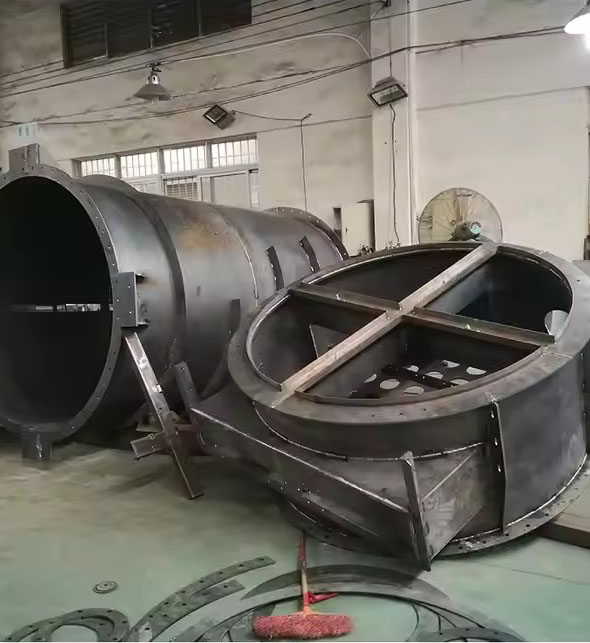
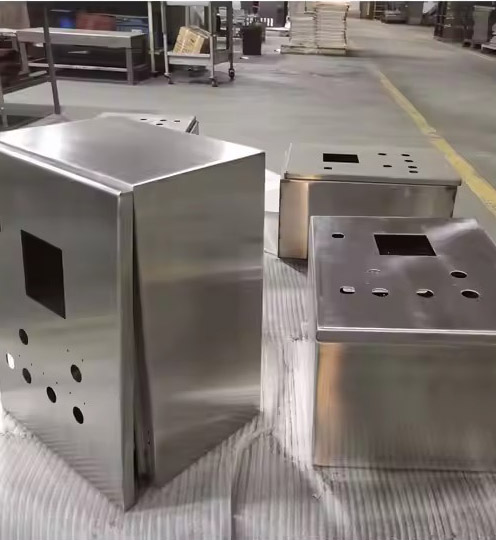
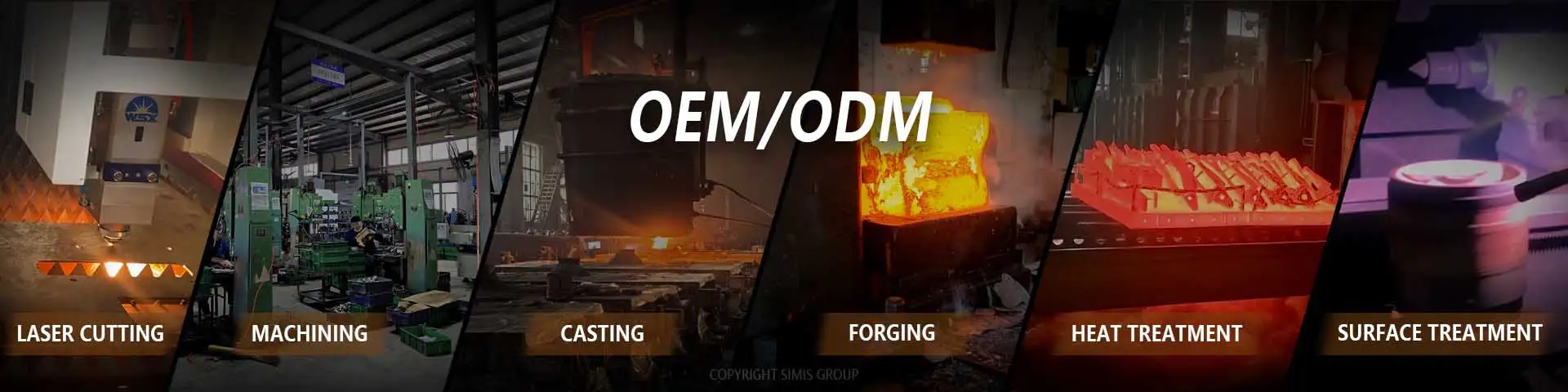
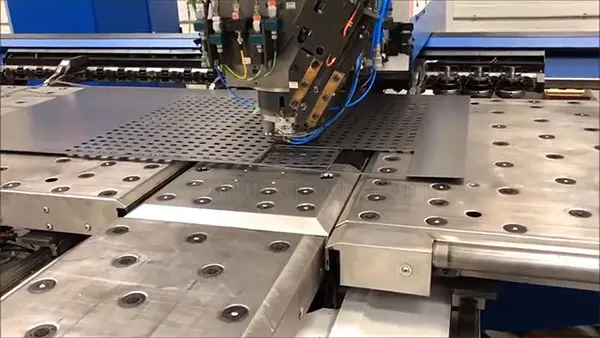
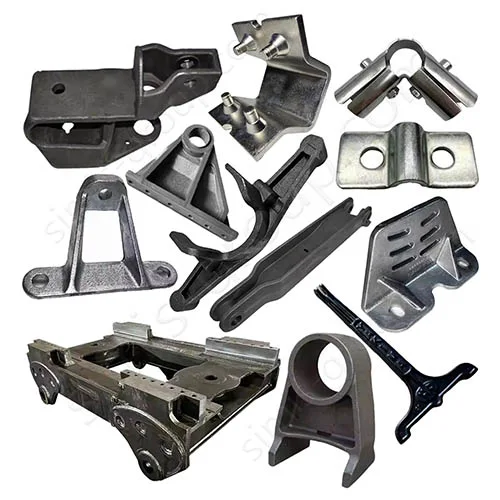
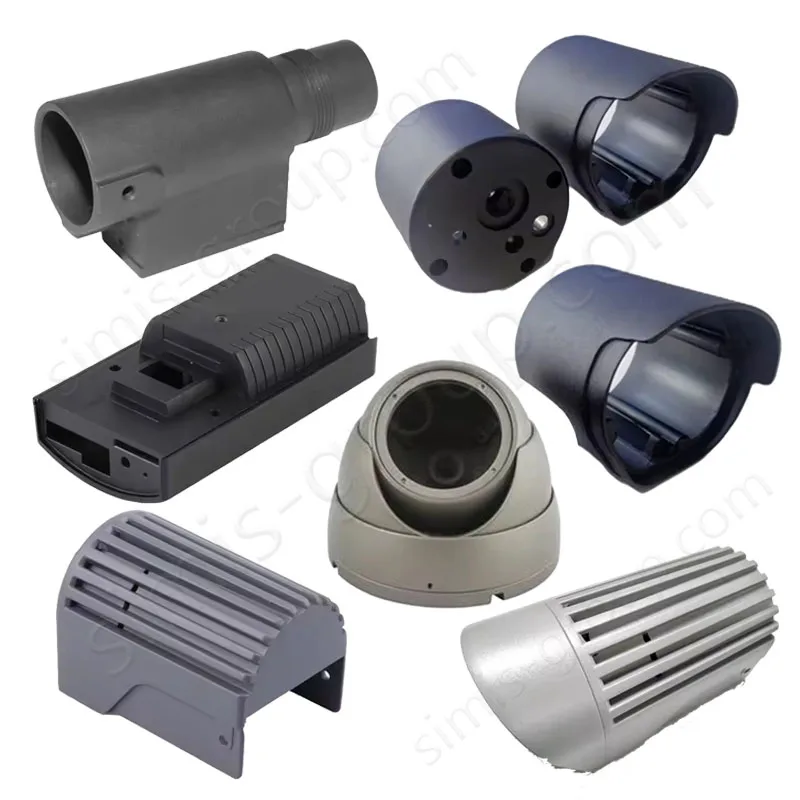
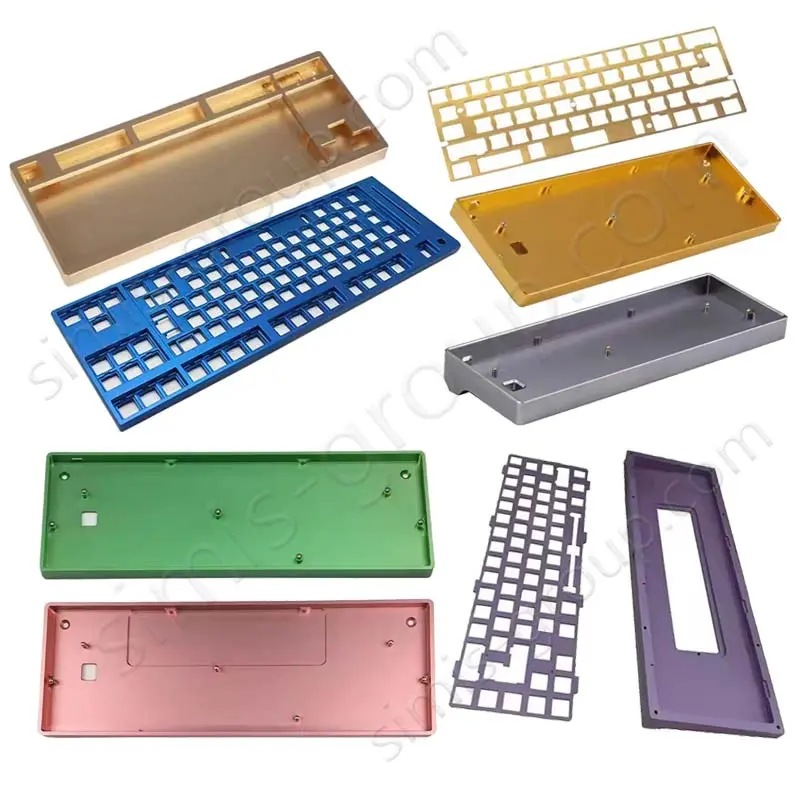
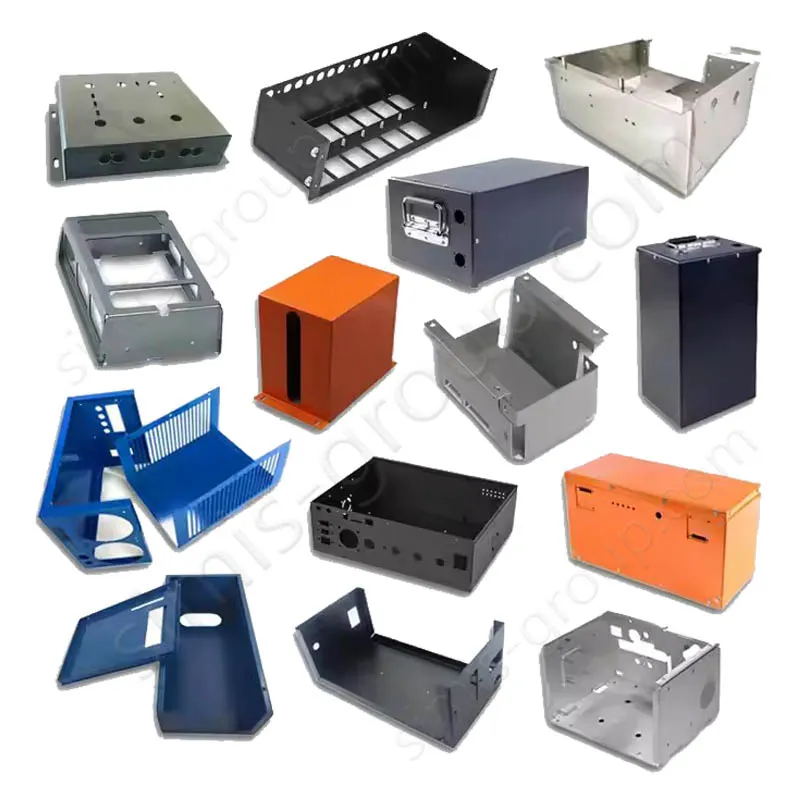
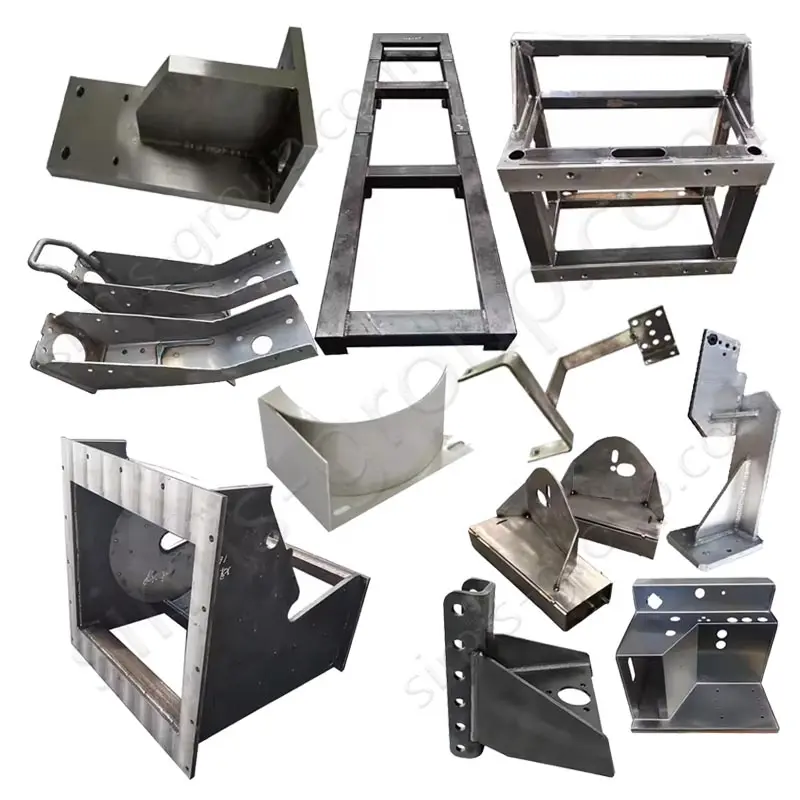
SIMIS provides custom sheet metal fabrication for OEM enclosures, brackets, cabinets, guards and welded assemblies manufactured from customer drawings. Our sheet metal workshop integrates CAD/CAM preparation, laser and mechanical cutting, CNC punching, press-brake bending, welding, fastening, finishing and dimensional inspection. Material grade, thickness, bend geometry, weld design and production volume are reviewed before selecting a manufacturing route.
| Equipment / operation | Reference equipment / range |
|---|---|
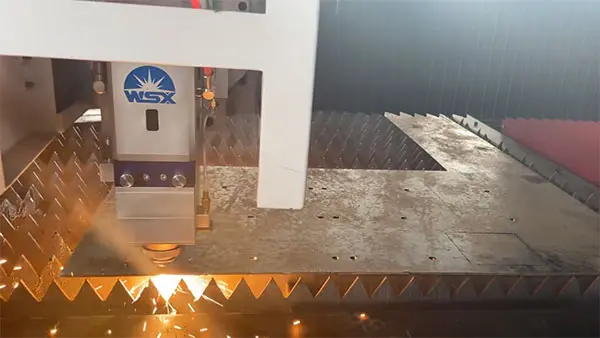
| Laser cutting | 3–6 kW; cutting bed up to 3,000 × 1,500 mm |
| Plasma cutting | Plate thickness 2–50 mm |
| Shearing | Maximum cut length 3,000 mm; thickness ≤20 mm |
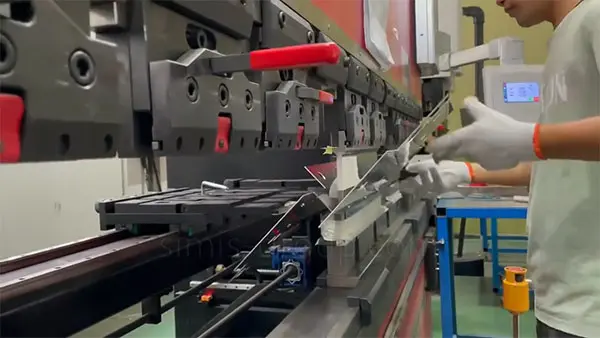
| CNC press braking | Maximum bending length 2,000 mm; maximum press rating 400T |
| Punching and CNC punching | Maximum press rating 160T |
| Welding and assembly | MIG/MAG, TIG and robotic welding |
| Overall processing envelope | Thickness 0.5–50 mm; width ≤3,000 mm; length ≤4,000 mm |
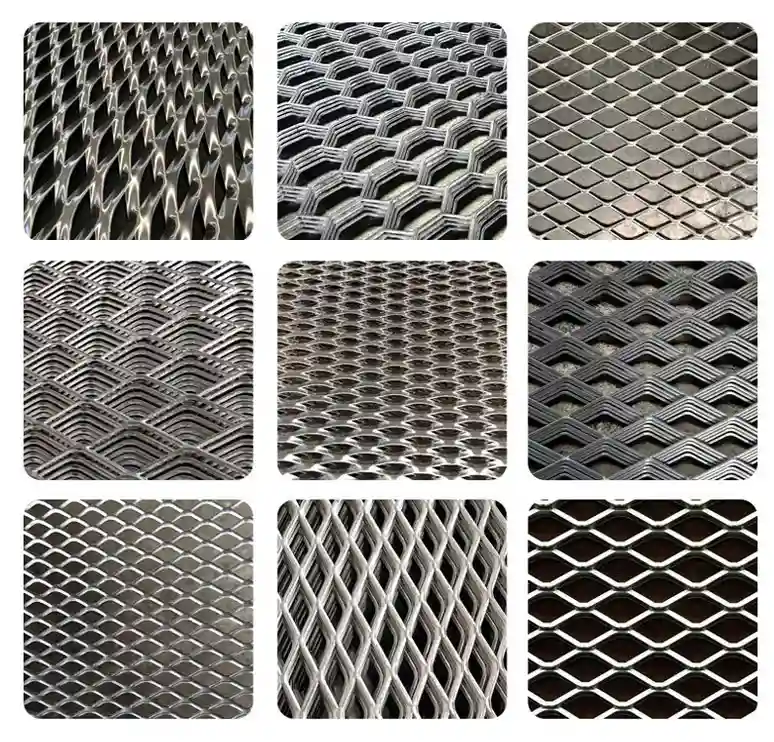
OEM Sheet Metal Parts, Enclosures & Assemblies





Sheet Metal Fabrication Process & Quality Control
Sheet Metal Fabrication Process Overview
SIMIS sheet metal fabrication follows the approved drawing and bill of materials: engineering review, blank cutting, hole making or stamping, press-brake forming, welding or mechanical fastening, optional special forming, and final trimming and inspection. The sequence may change with component geometry and quantity; not every part requires all operations.
Process checks can include incoming material identification, cut-edge and hole quality, bend angles and radii, fixture alignment, weld appearance, assembled dimensions and coating requirements. Any critical dimensional tolerance or inspection method should be stated on the customer drawing.
1. Sheet Cutting and Blank Preparation
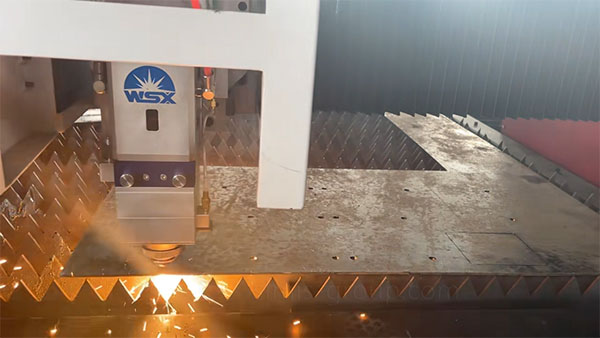
Prepare cutting layouts from the approved CAD files and material specification. Use laser cutting, shearing or plasma cutting according to sheet grade, thickness, part outline and required edge quality. Review nesting, cut-edge requirements and downstream forming before releasing the cutting program.
2. CNC Punching and Sheet Stamping
Produce specified holes, slots, louver features and local forms using CNC punching or approved stamping dies. Select tooling and punching sequences to suit sheet thickness, material strength, hole-to-edge distance and expected order volume. CNC punching and dedicated stamping tools serve different geometries and production quantities.
Inspect feature locations, burrs and surface condition after forming.
3. CNC Press-Brake Bending
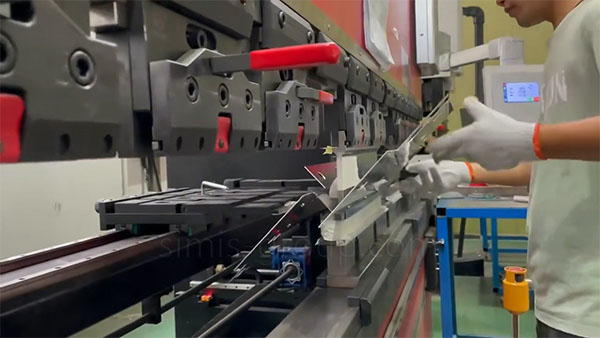
Form flanges, channels, brackets and enclosure panels on press brakes using tooling selected for material thickness, grade, bend radius and required angle. Account for bend allowance, springback, grain direction where relevant, and the available flange clearance before production.
4. Welding and Distortion Control
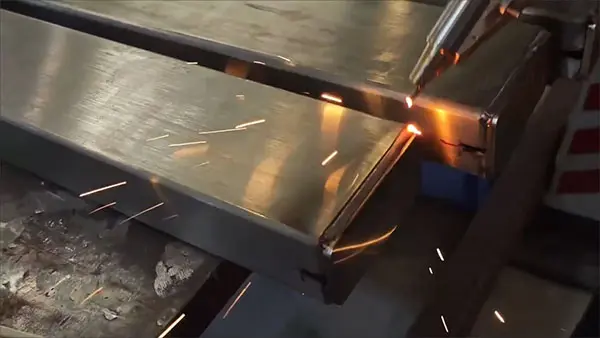
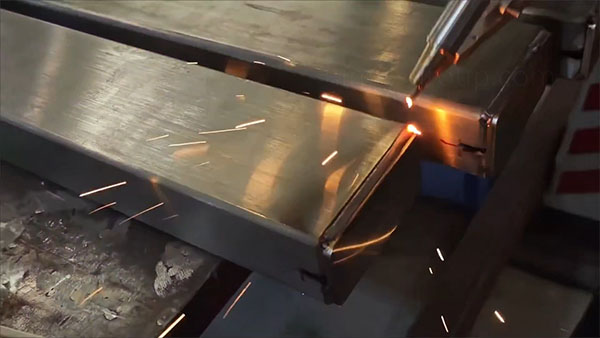
Join formed sheet metal components using suitable MIG/MAG or TIG welding procedures, with spot or other weld processes considered where required and available. Choose filler, joint preparation, fixture arrangement and weld sequence for the base material, sheet thickness, structural duty and surface appearance.
Check weld accessibility, visible defects, fit-up and distortion during fabrication. Where specified, verify weld size or integrity using the acceptance criteria and inspection method agreed for the OEM assembly; welding does not inherently maintain the same tolerance as a cut blank.
5. Riveting, Fastening and Assembly
Assemble sheet metal components using rivets, threaded fasteners, inserts or welded joints according to the product design. Fixtures and locating features help control hole alignment, panel gaps and assembly repeatability for cabinets, electronics housings, machine guards and brackets.
6. Stretch Forming and Shape Verification (If Required)
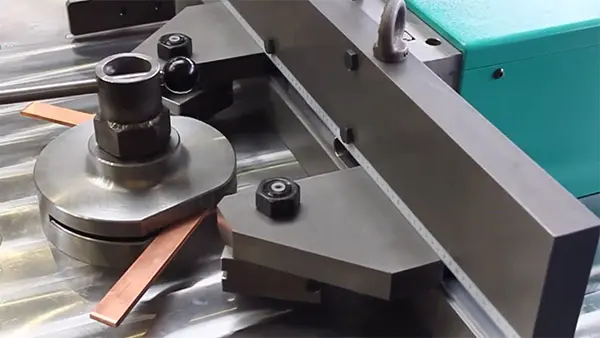
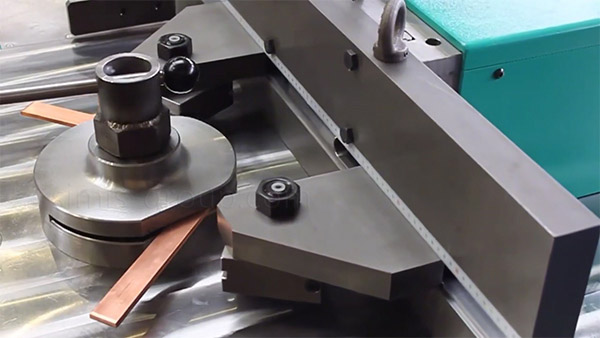
For components requiring curved or drawn sheet features, evaluate the use of stretch-forming or dedicated forming dies when the material, available tooling and equipment are suitable. Formability, minimum radii, thinning, surface marking and springback must be reviewed before committing to a production method.
7. Secondary Punching, Trimming and Final Inspection
Perform secondary hole punching, trimming, edge finishing and deburring where required after forming or assembly. Check access and datum references so that final hole patterns and mating edges align with the intended enclosure, bracket or welded structure. Apply specified cleaning and surface finishing, such as powder coating or passivation, only where suitable for the material and order requirements.
Complete final inspection of key dimensions, angles, flatness, hole positions, welds, fasteners and visible surface finish as applicable. Release parts against approved drawings and agreed quality documentation; inspection scope is tailored to the OEM project.
Sheet Metal Materials & Grades
Steel, Stainless Steel & Aluminum Sheet Materials
SIMIS fabricates OEM brackets, machine covers, electronic enclosures, cabinets and welded structures using selected carbon steel, stainless steel, aluminum sheet and galvanized steel. The grade, supply condition, thickness and protective finish should be specified before cutting and bending. The sheet metal route is checked for formability, weldability, coating compatibility and required service conditions.
| Material group | Grade examples | Typical OEM uses / process notes |
|---|---|---|
| Cold-rolled & hot-rolled carbon steel | AISI 1008, 1010; Q235B | Cabinets, brackets and structural covers. Cold-rolled grades suit formed and painted sheet parts; hot-rolled plate may require surface preparation. |
| Stainless steel | 304, 316/316L, 430 | Food-equipment covers, industrial panels, welded assemblies. Stainless grade and surface condition affect corrosion resistance and formability; weld finishing or passivation may be specified. |
| Aluminum sheet | 5052, 1100; 6061 | Lightweight covers, instrument enclosures and panels. 5052/1100 are often preferred for formed sheet; 6061 bendability depends strongly on temper and bend radius. |
| Galvanized steel | SGCC; DX51D+Z | Electrical boxes, ventilation covers and protective sheet parts. Cut edges and welded areas may need coating repair or other corrosion-protection measures. |
For finished assemblies, specify sheet grade and thickness, finish or color, corrosion requirements, hardware, weld acceptance criteria and critical tolerances. See CNC Machining for features needing additional machining and Surface Treatment for suitable coating options.