Custom Drive Shaft Manufacturer
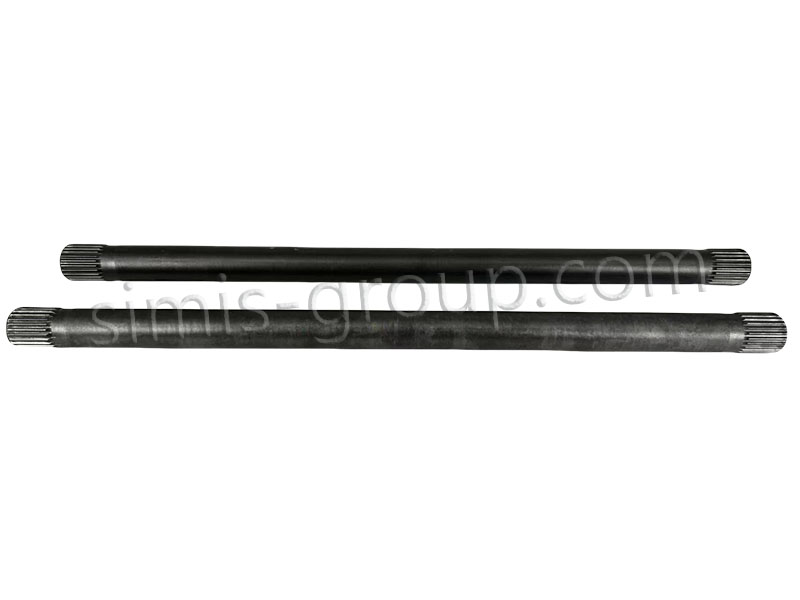
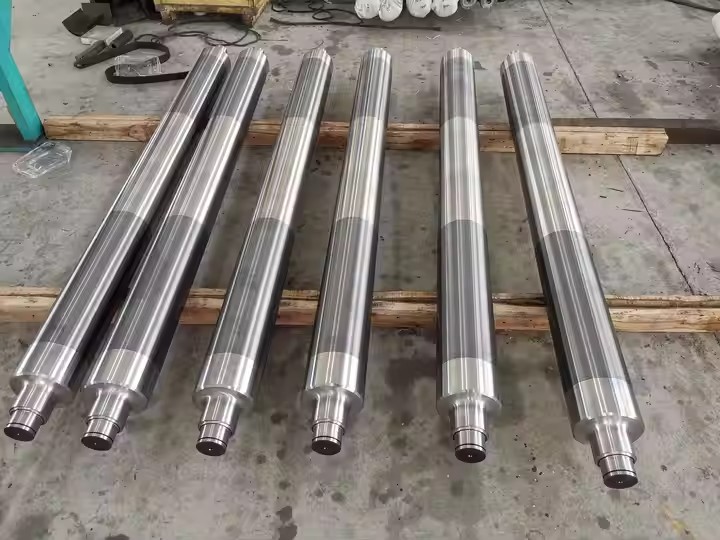

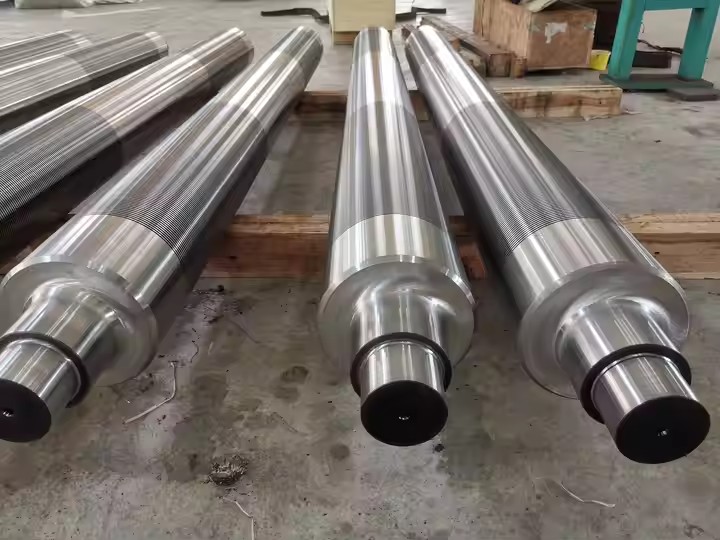
Drive Shaft

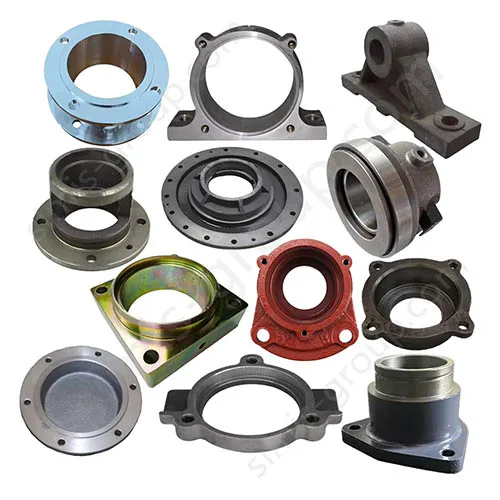
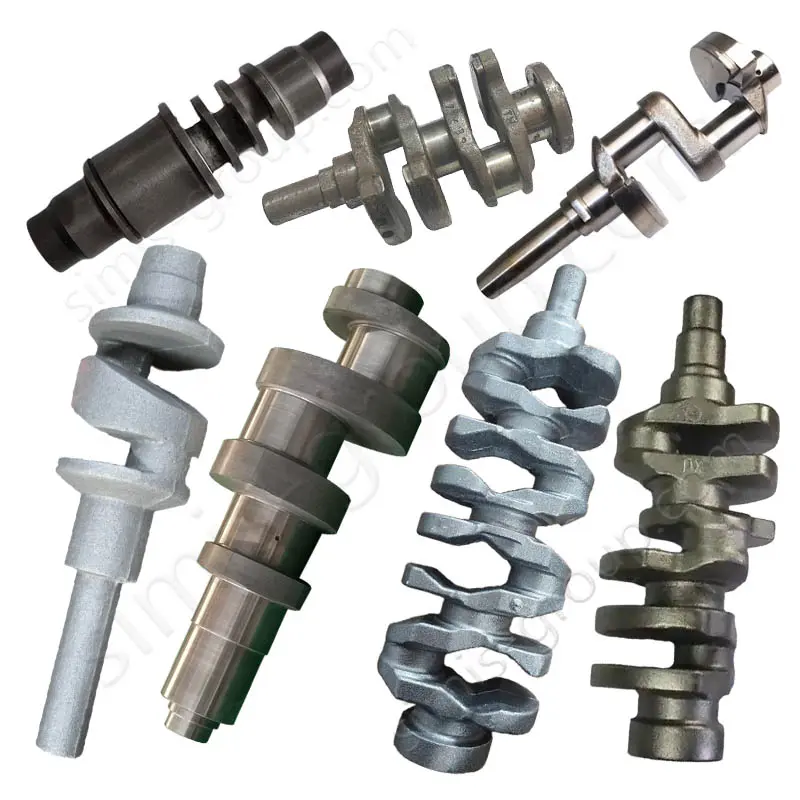
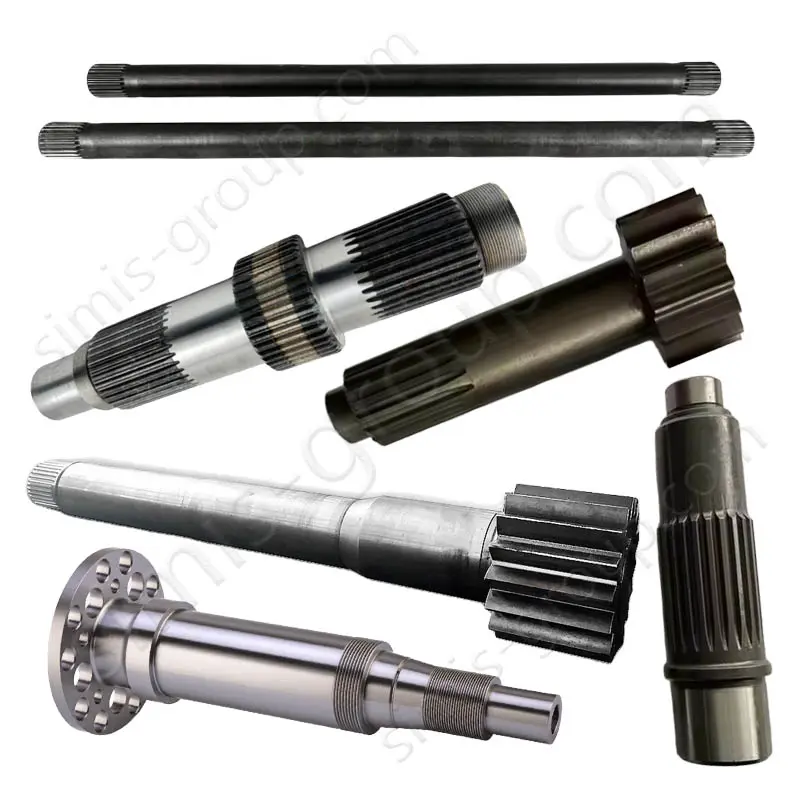
China Simis Company is a specialized OEM custom manufacturer of high-performance Drive Shafts (Propeller Shafts). These critical components transmit torque and rotational motion between the power source (engine/transmission) and the drive axle or final machine elements, often spanning a distance and compensating for angular misalignment.
Drive Shafts operate under severe conditions, including high torsional loads, high rotational speeds, bending stress, and cyclical fatigue induced by constant speed and angle changes. We utilize both Forging and High-Integrity Casting to manufacture components from Alloy Steel, Carbon Steel, and Aluminum Alloy, guaranteeing maximum durability, excellent torsional strength, and precise high-speed dynamic balance.
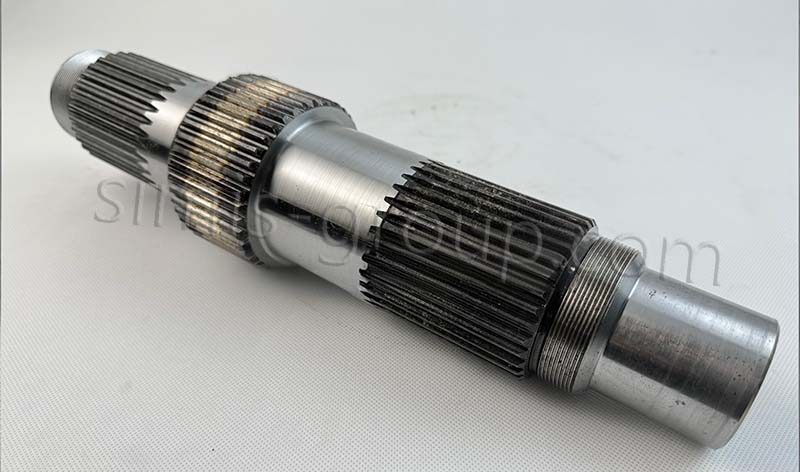
What Are the Manufacturing Processes for Drive Shaft?
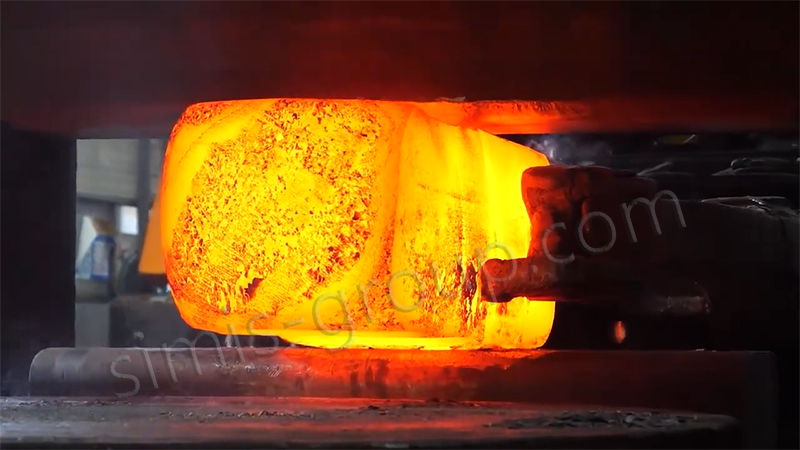
The selection of forging or casting depends on the specific component within the drive shaft assembly (e.g., the tube vs. the yokes/flanges). We mainly adopt 5 core processes including Precision Closed-die Forging, Open Die Forging, Sand/Shell Mold Casting, Tube Forming and Heat Treatment to meet different drive shaft production needs.
| Manufacturing Process | Material Focus | Component Type & Key Advantage |
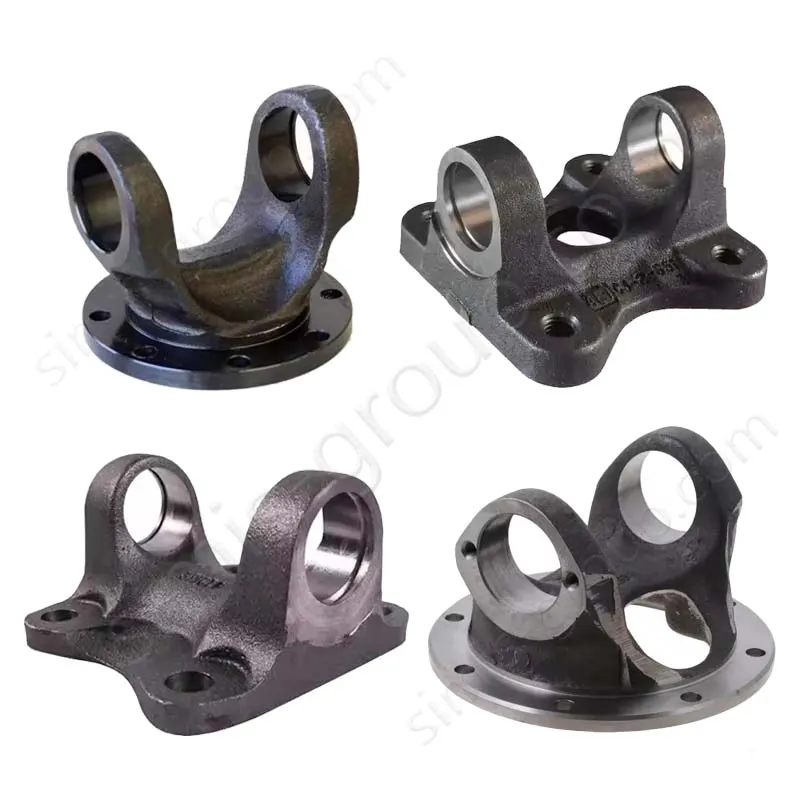
| Precision Closed-die Forging | Alloy Steel (AISI 4140, 4340), Carbon Steel. | Yokes, Flanges, and Spline Ends; forging aligns the material grain structure (fiber flow) with the stress lines, providing the highest torsional strength and impact resistance necessary for joint components. |
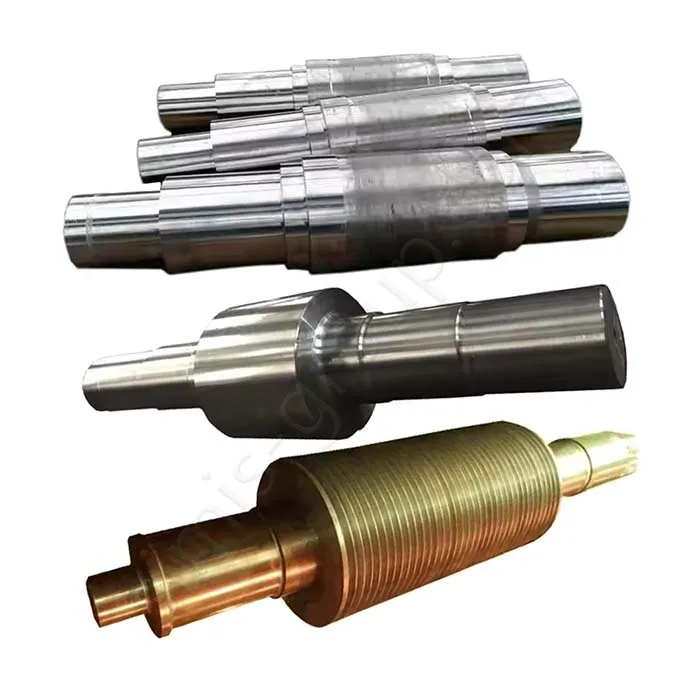
| Open Die Forging | Alloy Steel (4340, 8620). | Extra-Large Industrial/Marine Shafts, Forged Tube Stock; Ensures Internal Soundness and Core Strength in massive components or prepares high-integrity tube/bar stock for final fabrication. Followed by extensive CNC machining. |
| Sand Casting / Shell Mold Casting | Cast Steel, Ductile Iron. | Mounting Adaptors or Housings; cost-effective for larger components that bear moderate loads, ensuring internal integrity and high stiffness. |
| Tube Forming (Not Casting/Forging) | Carbon/Alloy Steel, Aluminum. | Shaft Tube Section; typically uses seamless drawn steel tube or high-strength aluminum extrusion, precision machined and welded to the forged components. |
| Heat Treatment | Alloy/Carbon Steel. | Quenching & Tempering (Q&T) or Normalizing to achieve specific yield strength and optimize toughness, crucial for resisting sudden torque spikes. |
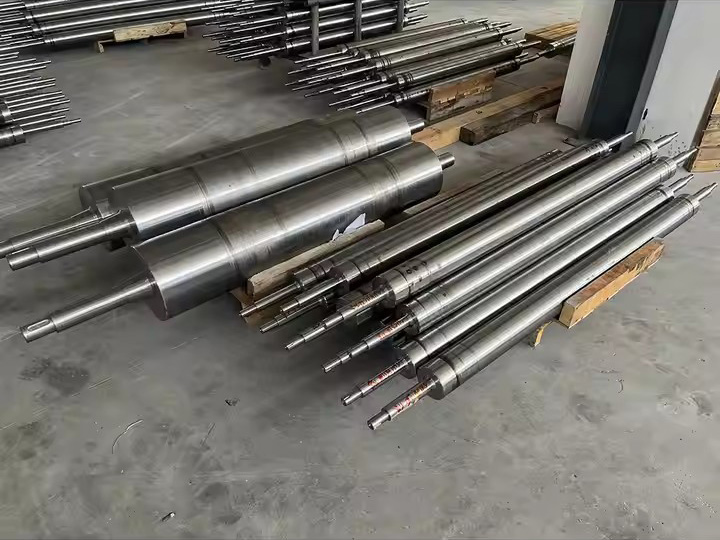
How to Select Drive Shaft Materials?
Materials must withstand significant torque without twisting permanently and possess high stiffness to prevent buckling at high RPM. We provide 5 main material types including Forged/Tube Alloy Steel, Forged/Tube Carbon Steel, Cast Ductile Iron, Tube/Cast Aluminum Alloy and Stainless Steel/Composite for drive shaft production, each with specific performance advantages matching different application requirements.
| Material Type | Primary Performance Requirement | Typical Drive Shaft Application |
Alloy Steel (Forged/Tube) | Maximum torsional strength, superior fatigue life, and high yield strength. | Heavy-duty trucks, industrial machinery, and high-performance racing cars. |
Carbon Steel (Forged/Tube) | Good strength, cost-effectiveness, and ease of welding. | General automotive and agricultural machinery applications. |
| Ductile Iron (Cast) | Excellent stiffness, good strength-to-cost ratio, and high vibration damping. | Industrial equipment, agricultural machinery, and medium-load automotive components. |
| Aluminum Alloy (Tube/Cast) (6061, 6082) | Lightweighting and high critical speed (higher stiffness-to-weight ratio). | High-performance and EV applications where reducing rotating mass is critical. |
Stainless Steel (304, 316) / Composite | Corrosion Resistance, Extreme Torsional Damping. | Marine Applications, High-Performance Drivelines. |
| Torsional Stiffness | Minimal Wind-Up. | The shaft must exhibit high stiffness to maintain consistent angular displacement under load, crucial for precise power transfer. |
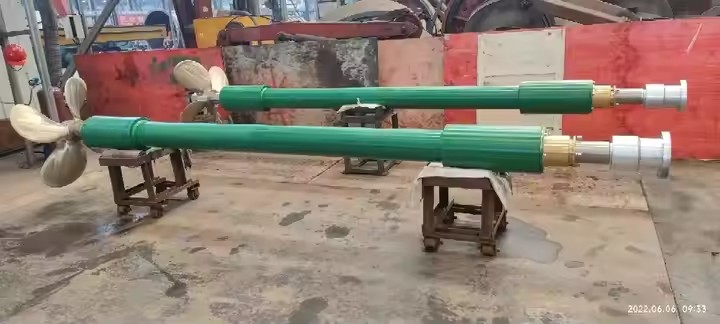
What Measures Ensure Drive Shaft Precision Machining and Quality Assurance?
Precision in geometry and balance is paramount, as a small imbalance at the shaft's center translates to massive dynamic forces at the ends. Our core quality assurance measures include dynamic balancing, runout tolerance control, weld integrity testing and spline geometry precision machining to guarantee each drive shaft meets strict performance standards.
·Dynamic Balancing:
Every finished drive shaft assembly must undergo multi-plane dynamic balancing at operating or above-operating speeds. This highly precise process minimizes vibration, protects universal joints and bearings, and prevents shaft "whipping" at high RPM.
·Runout Tolerance:
Critical spline ends, flange faces, and journal surfaces are CNC machined to extremely tight tolerances to ensure minimal Total Indicated Runout (TIR) and prevent coupling misalignment.
·Weld Integrity:
If the shaft tube is welded to the forged yokes, automated, high-precision welding (e.g., friction welding) and subsequent NDT (e.g., UT or MPI) are used to certify the weld's integrity against fatigue failure.
·Spline Geometry:
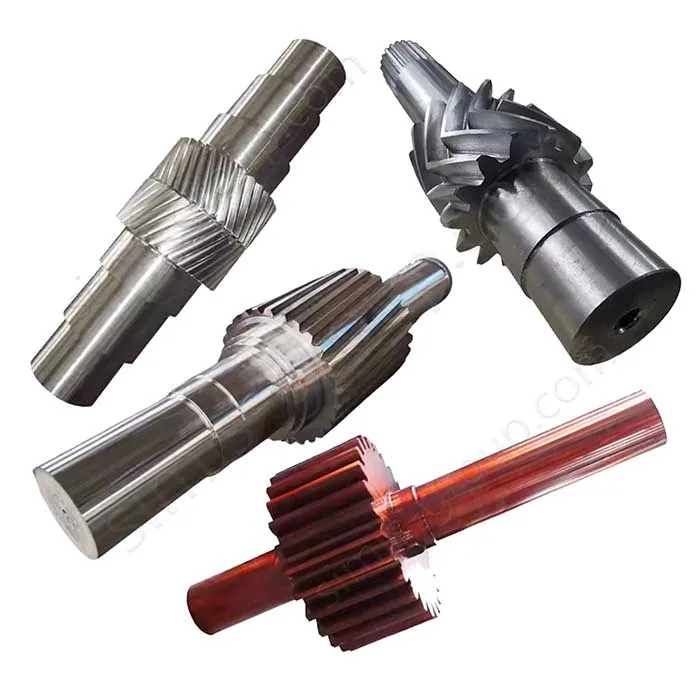
Spline features are precision machined or cold-formed to maximize contact area, ensuring maximum torque transfer and minimizing backlash.
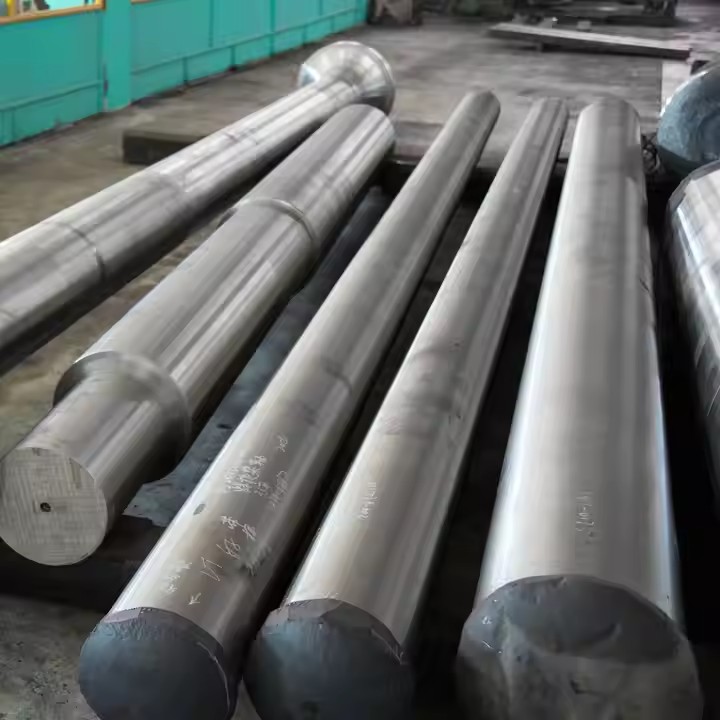
What Are the Key Application Areas for Drive Shafts?
Our custom drive shafts are engineered to handle the severe dynamic loading and high RPM requirements of advanced transportation and heavy industrial machinery. The main application sectors include Heavy Trucks & Commercial Vehicles, Performance Automotive & Off-Road, Agricultural & Construction Machinery and Industrial & Marine Propulsion.
| Application Sector | Typical Drive Shaft Type | Primary Operating Challenge | Material/Process Highlight |
| Heavy Trucks & Commercial Vehicles | Multi-Piece Driveshaft Assemblies (High Torque). | Cyclical Torsional Fatigue, High Loads at Low Speed, Low NVH. | Forged Steel Yokes/Flanges; Alloy Steel Tubing; MPI Tested Welds. |
| Performance Automotive & Off-Road | High-Stiffness, Lightweight Monotube Shafts. | High RPM Critical Speed, Rapid Torque Changes, Lightweighting. | Aluminum/Composite Shafts; Precision CNC Machining; G 6.3 Dynamic Balance. |
| Agricultural & Construction Machinery | PTO (Power Take-Off) Shafts, Axle Drives. | High Intermittent Shock Loading, Harsh Contamination, High Torque. | Forged Alloy Steel Ends (Induction Hardened); Focus on wear resistance on spline couplings. |
| Industrial & Marine Propulsion | High-Power, Long-Span Industrial Couplings. | Torsional Damping, Extreme Length/Mass, Low-Speed Alignment. | Open Die Forged or Seamless Bar Stock; Special Marine-Grade Alloys (SS). |
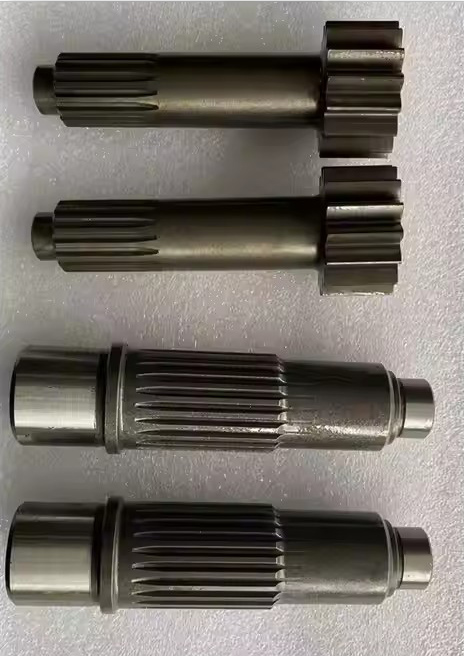
What Are the Advantages of Simis OEM Custom Drive Shafts?
Partnering with Simis ensures safety, high performance, and optimal fatigue resistance for your driveline components:
·High-Speed Dynamic Balance Guarantee:
Our expertise centers on achieving stringent dynamic balance specifications, minimizing operational NVH and maximizing component lifespan, especially for high-speed applications.
·Torsional Strength Optimization:
We utilize specialized Forging techniques and controlled heat treatment to ensure the yoke and flange components possess the required yield and ultimate torsional strength to handle peak torque loads without failure.
·Full Process Control:
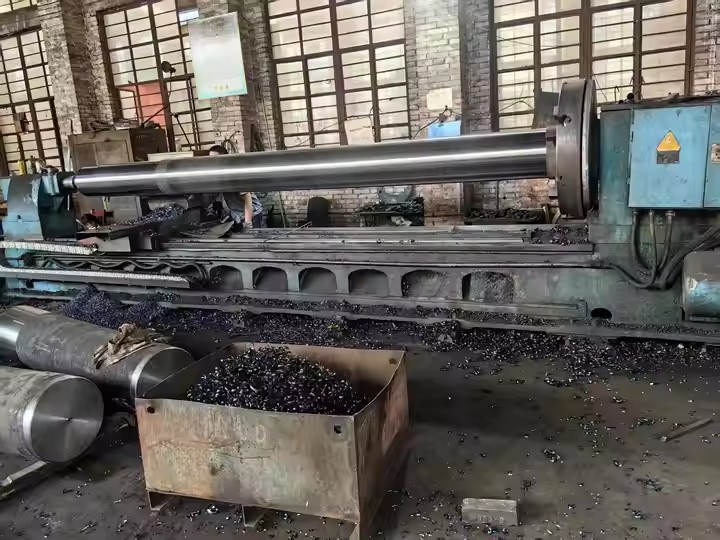
We manage the entire supply chain, including precision forging/casting of components, high-strength tube acquisition, automated welding, multi-plane CNC machining, and final dynamic balancing certification.
·Fatigue Life Certification:
We design and manufacture components to resist cyclical bending and torsional fatigue, which is critical for compliance in long-term, heavy-duty applications.
How to Get a Quote for Custom Drive Shafts?
China Simis Company is your expert global partner for custom forging and casting Drive Shafts, engineered for maximum torsional strength, high-speed dynamic balance, and extreme fatigue resistance.
Please submit your 2D technical drawings, 3D models (showing spline geometry and mounting interfaces), and specific requirements for material grade, maximum torque rating (Nm), and required dynamic balance class to our engineering department for a consultation and detailed quotation.