Custom Crankshaft Manufacturer
Crankshaft

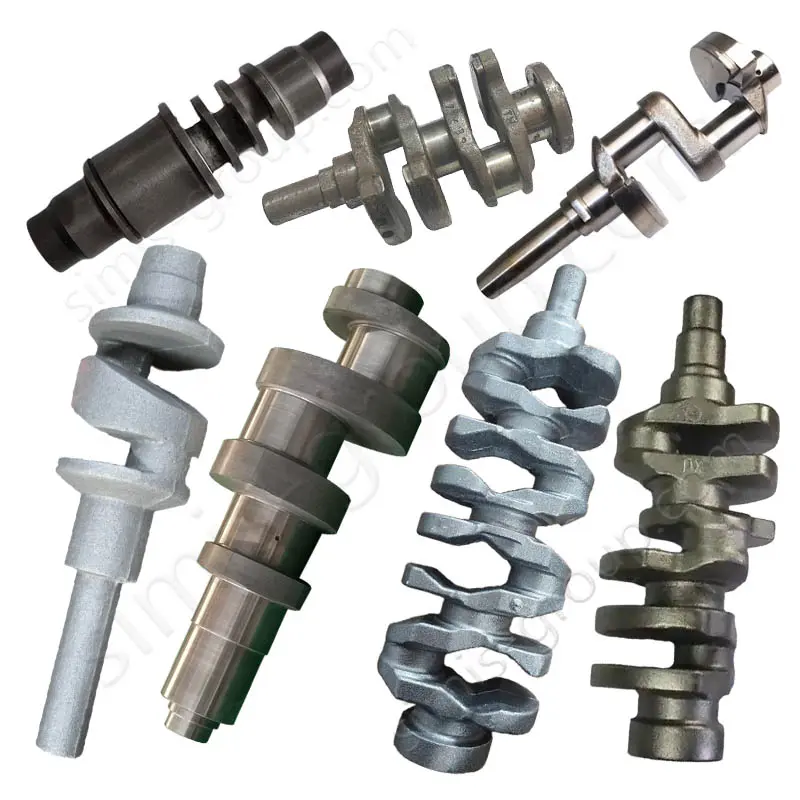
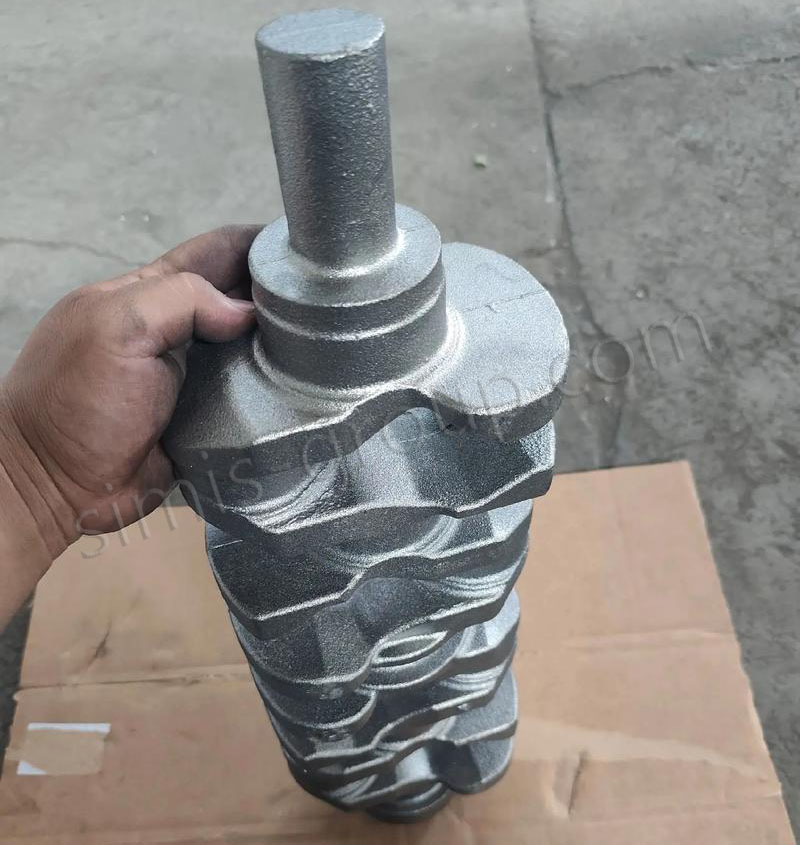
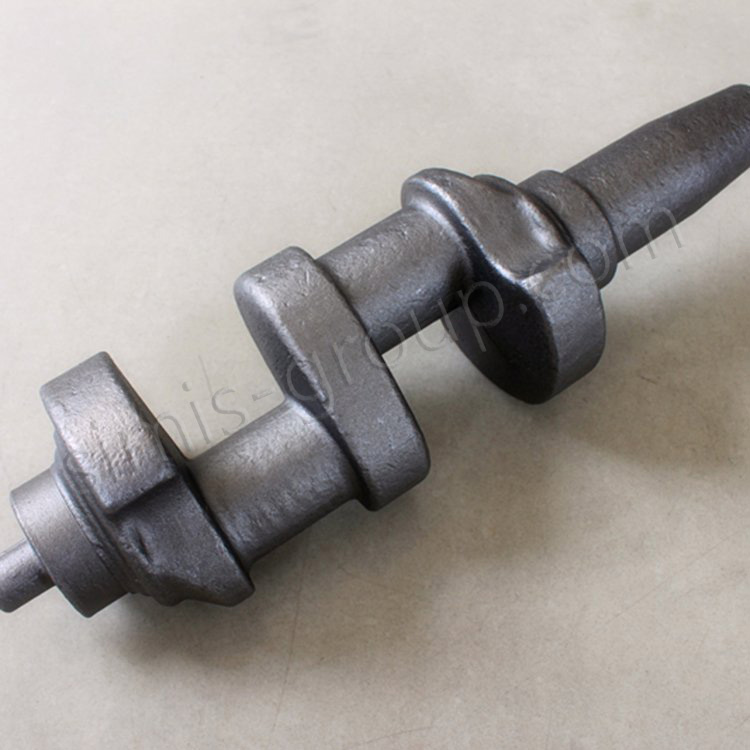
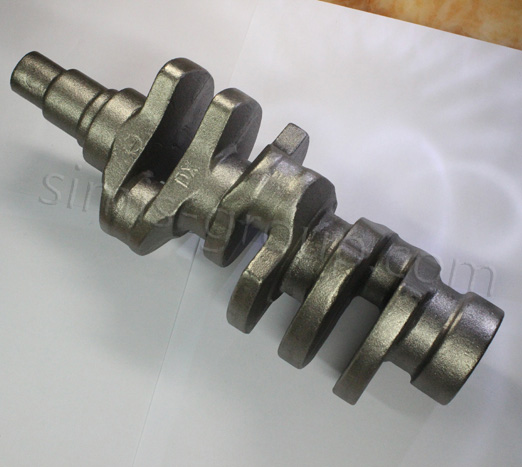
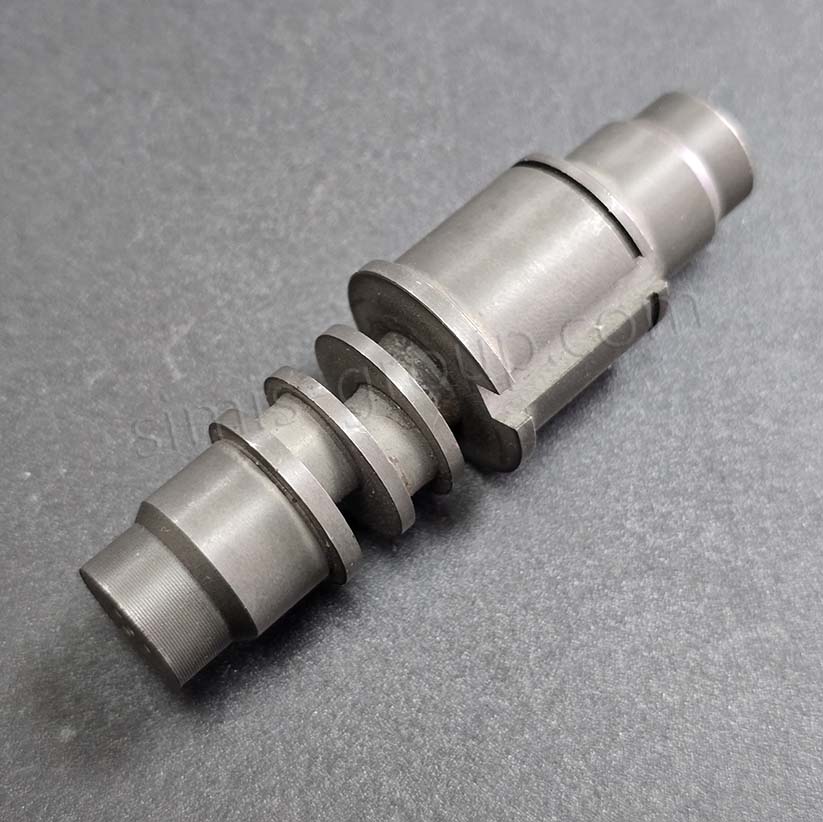
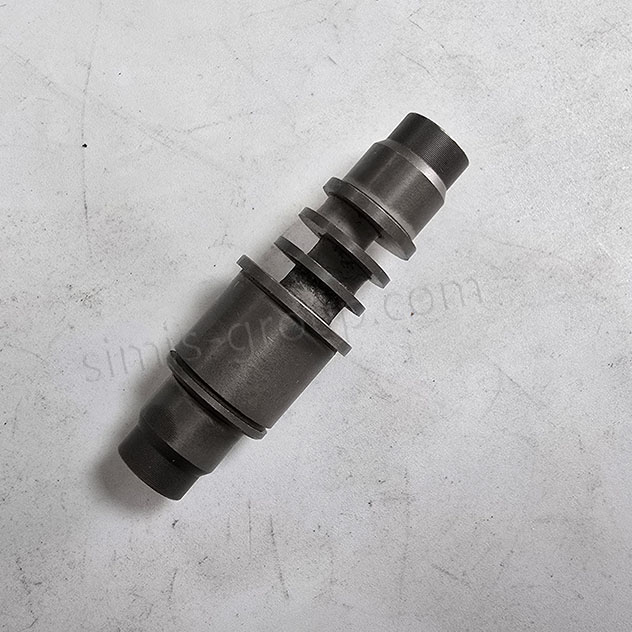
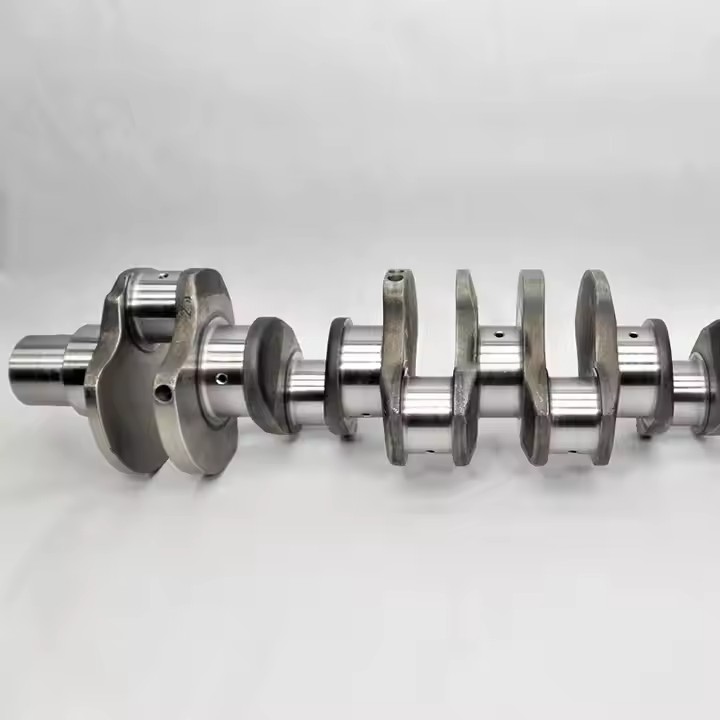
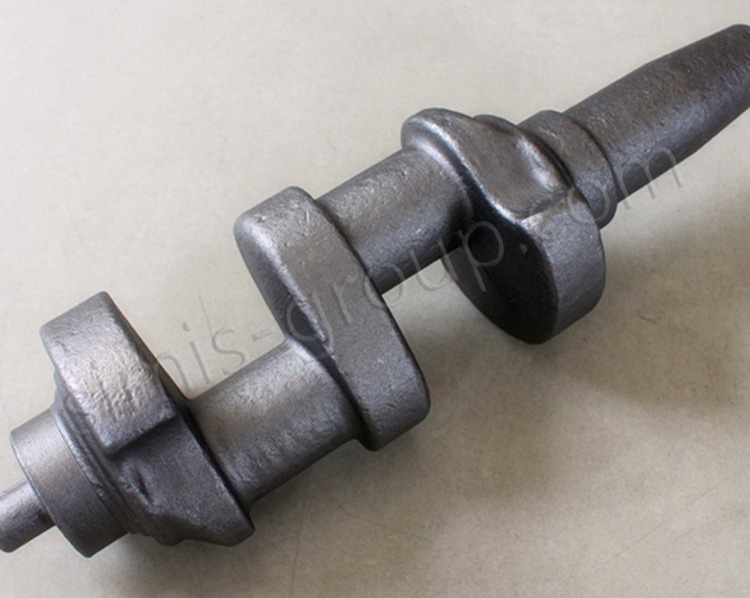
China Simis Company is a specialized OEM custom manufacturer of high-specification Crankshafts. As the pivotal component in an internal combustion engine, compressor, or heavy-duty pump, the crankshaft converts the linear force of the piston into usable rotational torque, transferring power to the drivetrain. Its failure is catastrophic to the entire power unit.
Crankshafts are subjected to the most severe stresses in a machine: extreme bending and torsional cyclical loads, high-cycle fatigue, and high friction at the bearing journals. We utilize both Precision Forging (for maximum performance) and High-Integrity Casting (for volume production) to manufacture crankshafts from Alloy Steel, Ductile Iron, and Cast Iron, ensuring superior fatigue life, exceptional torsional rigidity, and micro-precision dynamic balance.
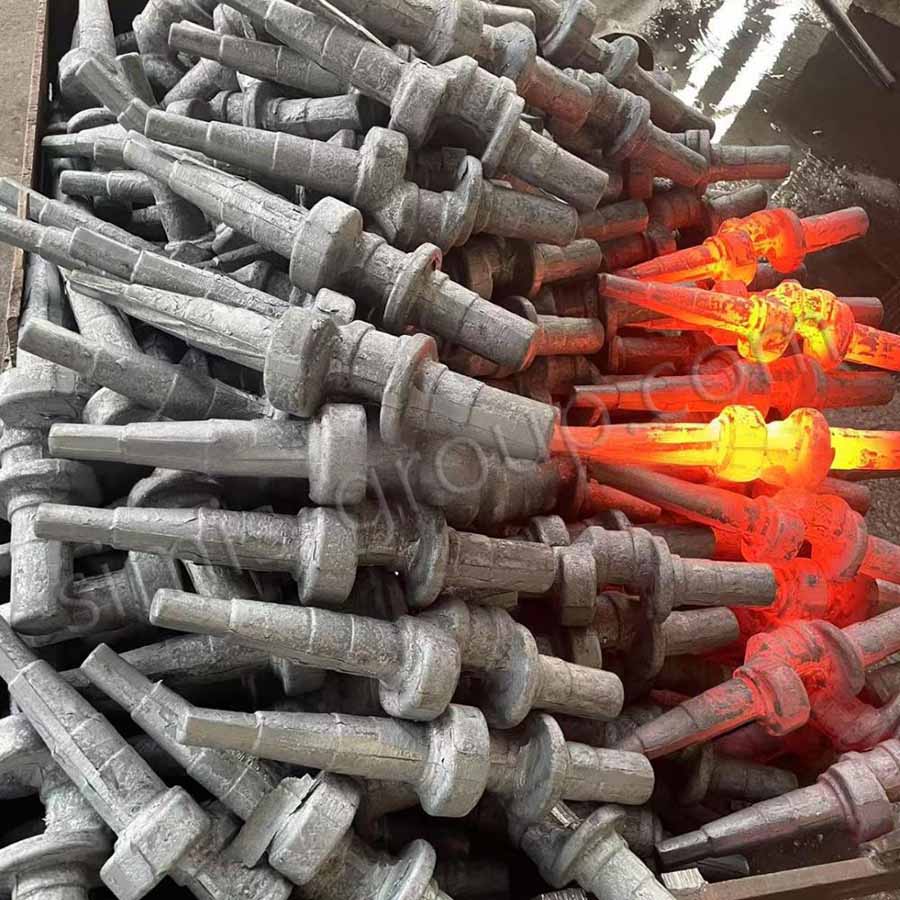
What Are the Manufacturing Processes for Crankshaft?
The choice of manufacturing process is directly proportional to the engine's required performance level and expected lifespan. We mainly adopt 4 core processes including Precision Closed-die Forging, High-Integrity Casting, Heat Treatment and Precision CNC Machining to meet different crankshaft production needs.
| Manufacturing Process | Material Focus | Crankshaft Type & Key Advantage |
| Precision Closed-die Forging | Alloy Steel (e.g., AISI 4340, 4140). | High-Performance/Heavy-Duty Crankshafts; mandatory for achieving optimal grain flow alignment and zero internal defects, providing the highest fatigue life and toughness. |
| High-Integrity Casting (Sand Casting/Shell Mold Casting) | Ductile Iron (e.g., QT800-QT1000). | Mass Production/Moderate-Load Crankshafts; cost-effective, allowing for complex counterweights and structures to reduce subsequent machining. |
| Heat Treatment | Alloy Steel, Ductile Iron. | Mandatory Quenching & Tempering (Q&T) processes are used for overall strength, while Induction Hardening or Nitriding is applied to journals for ultra-high surface hardness and wear resistance. |
| Precision CNC Machining | All Alloys. | Absolutely Critical. Used for finishing bearing journals, oil holes, and balance features, guaranteeing micron-level dimensional accuracy for flawless dynamic balancing. |
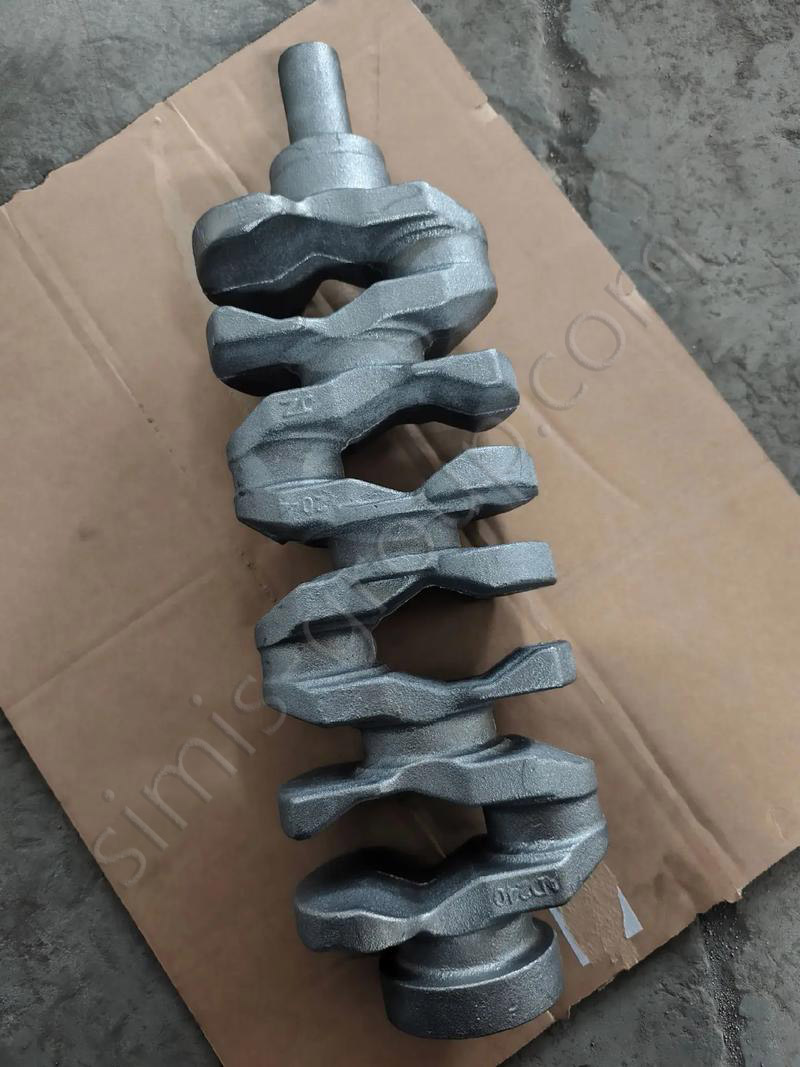
How to Select Crankshaft Materials?
The material must not only resist static fracture but, more importantly, survive billions of load cycles without initiating fatigue cracks. We provide 2 main material types including Forged Alloy Steel and Cast Ductile Iron for crankshaft production, each with specific performance advantages matching different application requirements.
| Material Type | Primary Performance Requirement | Typical Crankshaft Application |
| Alloy Steel (Forged) | Maximum fatigue strength, toughness, and superior wear resistance achieved through surface hardening. | High-end automotive, heavy-duty truck, and marine diesel engines where life expectancy is critical. |
| Ductile Iron (Cast) | Good strength/stiffness and vibration damping (NVH) at a lower cost than forging. | Standard passenger vehicle engines and small generators. |
| Surface Hardness | Wear Resistance. | Journals and pins require extremely high surface hardness (achieved via induction hardening or nitriding) to withstand high friction and maintain dimensional stability. |
| Internal Cleanliness | Zero Defects. | The material must be free of internal inclusions or porosity, as these act as stress concentrators and fatigue crack initiation sites. |
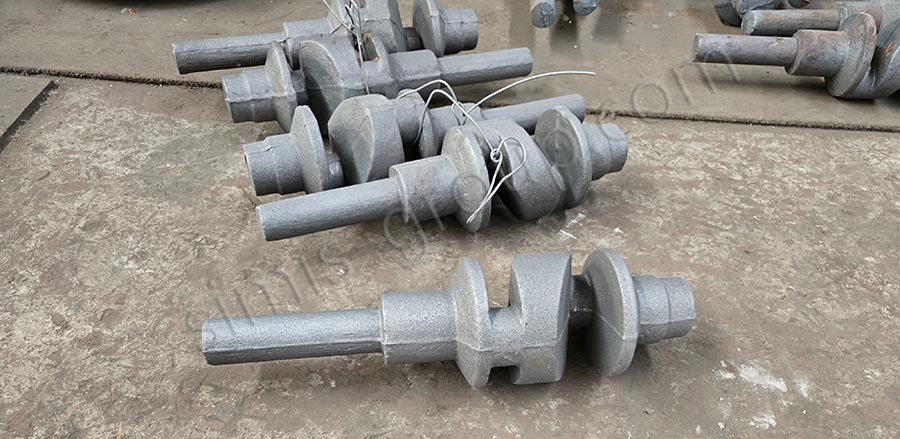
What Measures Ensure Crankshaft Micro-Precision Machining and Quality Assurance?
Crankshaft reliability is defined by its geometric accuracy, surface integrity, and final dynamic balance. Our core quality assurance measures include journal precision control, dynamic balancing, fillet rolling and non-destructive testing to guarantee each crankshaft meets strict performance standards.
·Journal Precision:
The roundness, cylindricity, and coaxiality of the main journals and crank pins must be held to micron-level tolerances, ensuring perfect bearing fitment and stable oil film maintenance.
·Dynamic Balancing:
High-precision balancing is performed by adjusting mass (drilling balance holes) to achieve the required dynamic balance tolerance, minimizing vibration and noise in high-speed applications.
·Fillet Rolling:
Fatigue-critical fillet areas (where the crank arm meets the journal) are subjected to Shot Peening or Rolling to introduce compressive residual stress, significantly improving the local fatigue endurance limit.
·Non-Destructive Testing (NDT):
All crankshafts undergo mandatory MPI (Magnetic Particle Inspection) or UT (Ultrasonic Testing) after final machining and heat treatment to certify the absence of any surface or subsurface cracks.
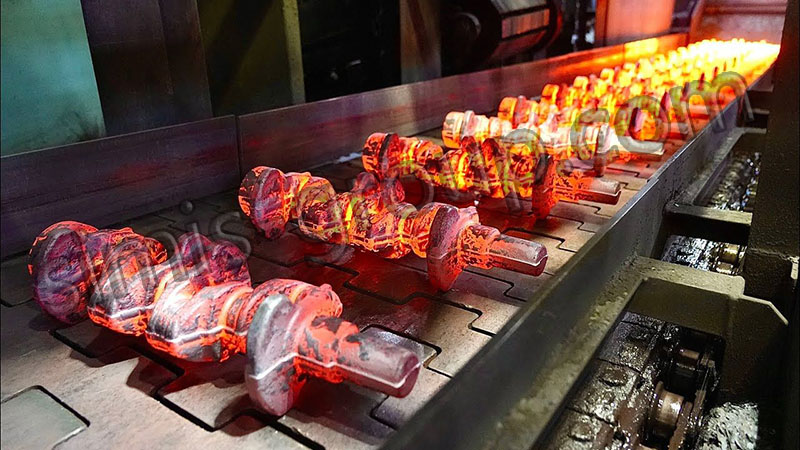
What Are the Key Applications for Simis Custom Crankshafts?
Our custom components are at the core of high-stress mechanical systems. The main application fields include Automotive & Engine, Heavy Machinery and Marine & Power Equipment.
·Automotive & Engine:
Crankshafts for passenger cars, high-performance engines, and heavy-duty truck engines.
·Heavy Machinery:
Crankshafts for excavators, mining equipment, and large industrial compressors.
·Marine & Power:
Crankshafts for ship engines, industrial generator sets, and large pump systems.
What Are the Advantages of Simis OEM Custom Crankshafts?
Partnering with Simis for custom crankshafts ensures maximum component strength, reliability, and precision:
·Ultra-High Fatigue Life Assurance:
We master both Forging process optimization and precise heat treatment (including localized hardening) to guarantee the fatigue life of the crankshaft meets or exceeds OEM standards.
·Micro-Precision Dynamic Balance:
We utilize specialized CNC and balancing equipment to ensure the final product maintains the minimal residual imbalance required for smooth, high-RPM operation.
·Material and Process Flexibility:
We offer expertise in both Forged Alloy Steel (for maximum performance) and Cast Ductile Iron (for high-volume cost efficiency), providing the optimal solution for your specific load and cost requirements.
·Integrated Quality Control:
We provide comprehensive traceability and quality assurance from raw material testing through final NDT, hardness certification, and dimensional reporting.
How to Get a Quote for Custom Crankshafts?
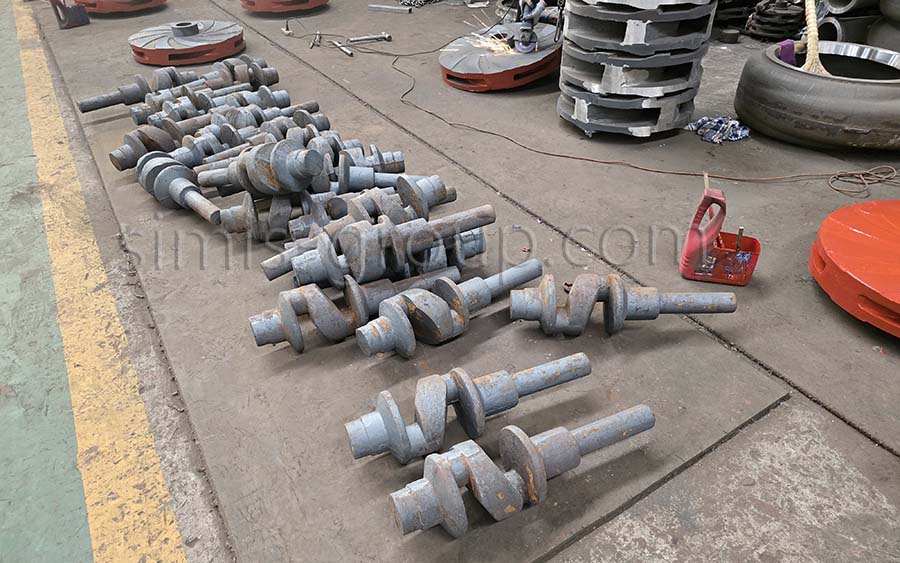
China Simis Company is your expert global partner for custom forging and casting Crankshafts, engineered for superior fatigue life, maximum torsional rigidity, and precise dynamic balance.
Please submit your 2D technical drawings, 3D models (showing journal dimensions), and specific requirements for material grade, target fatigue life (cycles), and required dynamic balance tolerance to our engineering department for a consultation and detailed quotation.