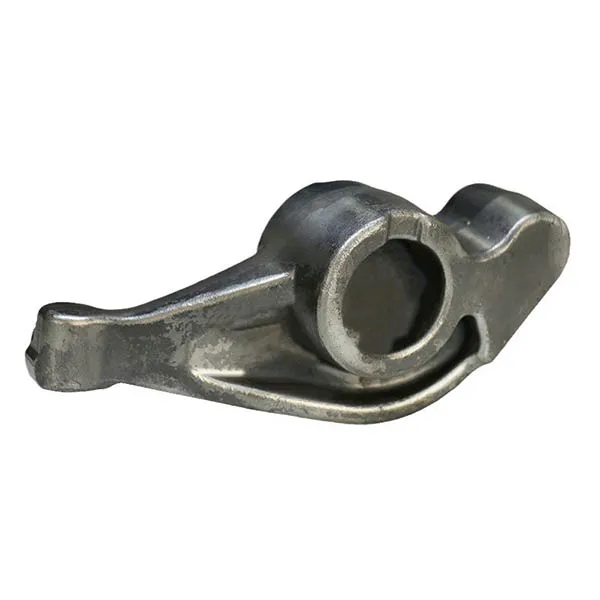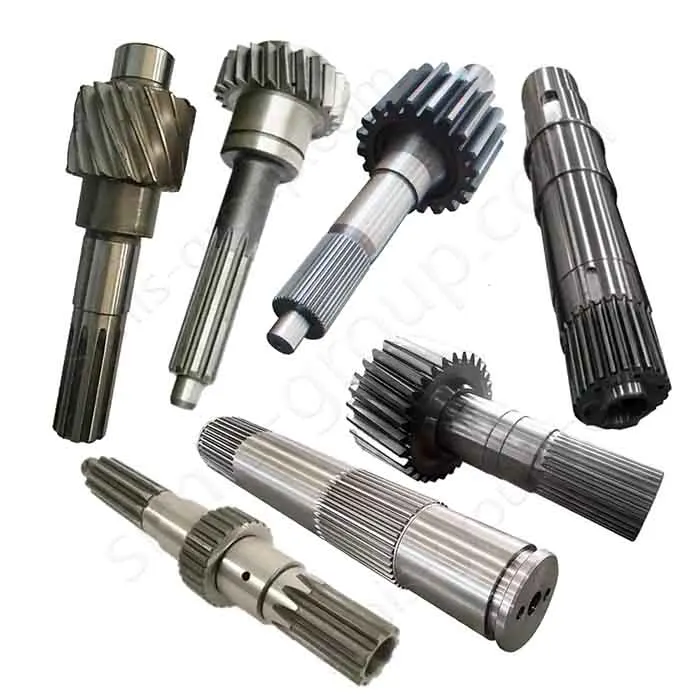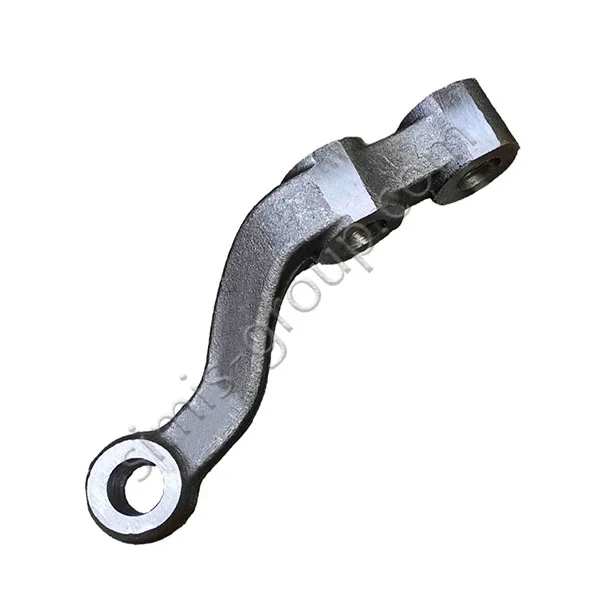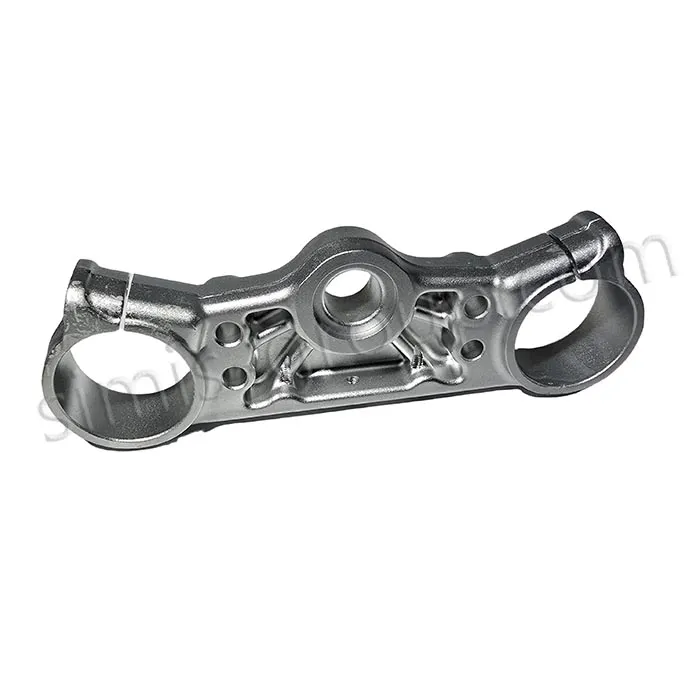
Custom Clutch Shift Fork Manufacturer
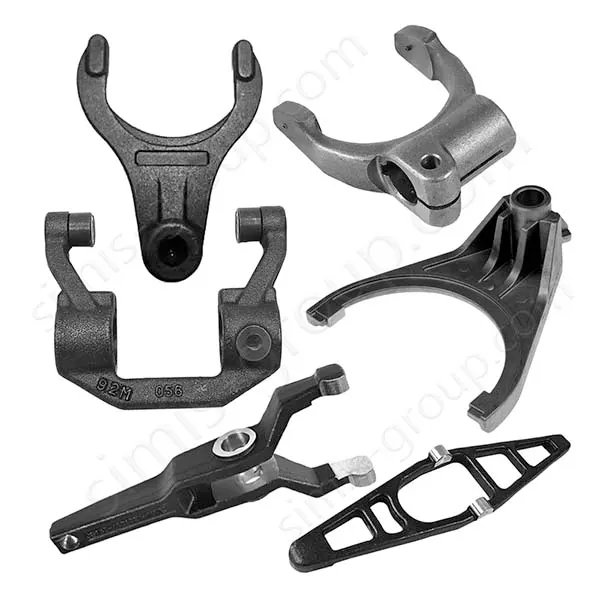


Clutch Shift Fork

Frequently Asked Questions About Custom Clutch and Transmission Shift Forks
1. What types of clutch and transmission shift forks can SIMIS manufacture?
SIMIS manufactures custom metal clutch release forks and transmission shift forks for automobiles, commercial vehicles, tractors, construction machinery and industrial transmission equipment. Our OEM products include clutch release levers, gearbox selector forks, synchronizer shift forks, heavy-duty transmission forks and related metal fork components. Depending on the drawings, manufacturing may involve closed-die steel forging, steel investment casting, ductile iron shell mold casting, sand casting or suitable aluminum alloy forging.
2. What is the difference between a clutch release fork and a transmission shift fork?
A clutch release fork is a mechanical lever used to operate the clutch release mechanism. A transmission shift fork is part of a gearbox selection mechanism and typically moves a sliding collar, synchronizer sleeve or related shifting component. Although both products are fork-shaped metal parts, their shapes, mounting arrangements and functions differ. SIMIS manufactures each type according to its specific OEM drawing rather than treating them as interchangeable components.
3. Can SIMIS manufacture forged steel clutch shift forks?
Yes. Closed-die forging is an important SIMIS manufacturing process for suitable carbon steel and alloy steel clutch release forks and transmission shift forks. Forging forms the heated steel within shaped dies to produce the required component profile. SIMIS supplies custom steel forgings in customer-specified grades, including suitable medium-carbon steel and low-alloy steel materials. The finished dimensions and any additional processing requirements follow the approved drawings and purchase specifications.
4. Does SIMIS offer cast shift forks in steel or ductile iron?
Yes. SIMIS provides suitable investment-cast steel shift forks and ductile iron forks manufactured through shell mold casting or sand casting. Investment casting is relevant to relatively compact, complex-shaped steel components, while shell mold and sand casting can be used for compatible iron fork designs. The appropriate casting method and material grade depend on the customer's product drawings, application and order requirements.
5. What information is required for an OEM clutch shift fork quotation?
Please provide 2D drawings or available 3D CAD models, the required fork type, specified material grade, main dimensions and expected order quantity. Important component details may include the fork opening, pivot or shaft mounting interface and contact-end configuration. Customers can also identify the intended vehicle or transmission application and whether forged blanks, castings or finished metal components are required. Send your drawings and inquiry to info@simis-group.com.
OEM Custom Clutch Release Fork and Transmission Shift Fork Manufacturer
Custom clutch shift forks are metal components used in clutch release systems and mechanical transmission mechanisms. They are found in a wide range of vehicles, agricultural machines, construction equipment and industrial gearboxes. Depending on their function, these parts transmit mechanical movement to a clutch release bearing, a gearbox sliding sleeve or another component within the transmission system.
SIMIS specializes in OEM forged steel clutch release forks, custom transmission shift forks, alloy steel selector forks, ductile iron shift fork castings and related metal transmission components. We manufacture products according to customer-supplied technical drawings, material grades and production requirements.
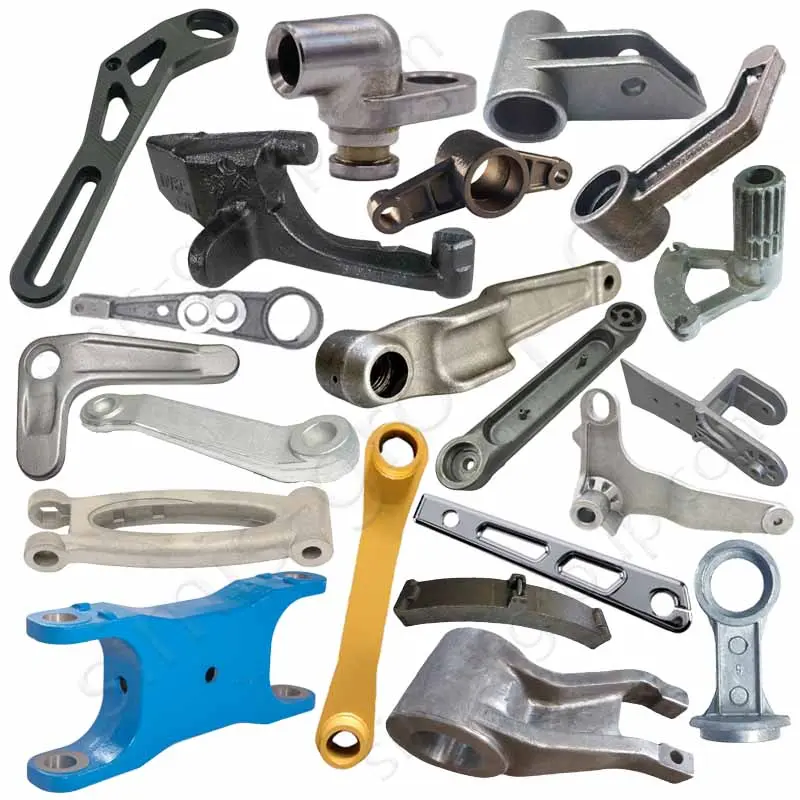
Clutch release forks and gearbox shift forks have different shapes and connection arrangements. A clutch release fork may include two contact arms, a central opening or reinforcing section and an extension connected to the operating mechanism. A transmission shift fork often has a curved or U-shaped engagement section together with a guide, shaft connection or mounting boss.
These components are manufactured from different metals according to their applications. Carbon steel and alloy steel are common materials for suitable forged forks. Ductile iron and cast steel are used for selected cast components, while aluminum alloys may be specified for certain lightweight transmission parts.
SIMIS offers closed-die forging, investment casting, shell mold casting and sand casting for suitable shift fork products. Customers can order raw forgings, cast blanks or finished metal components within the agreed manufacturing scope. We supply individual OEM parts rather than complete clutch or transmission assemblies.
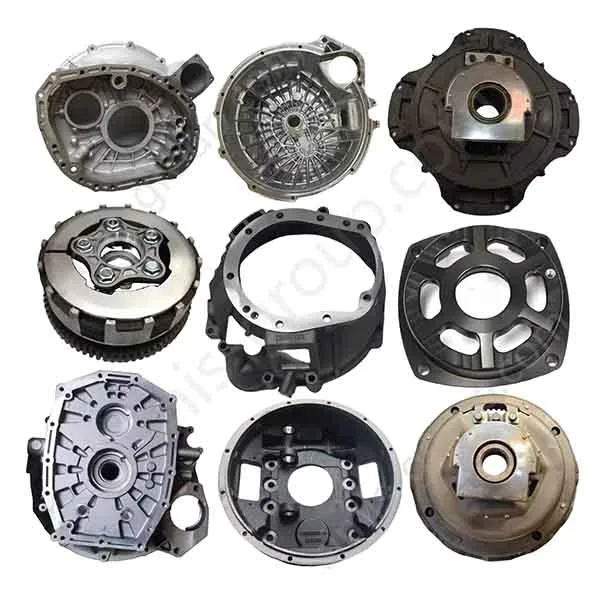
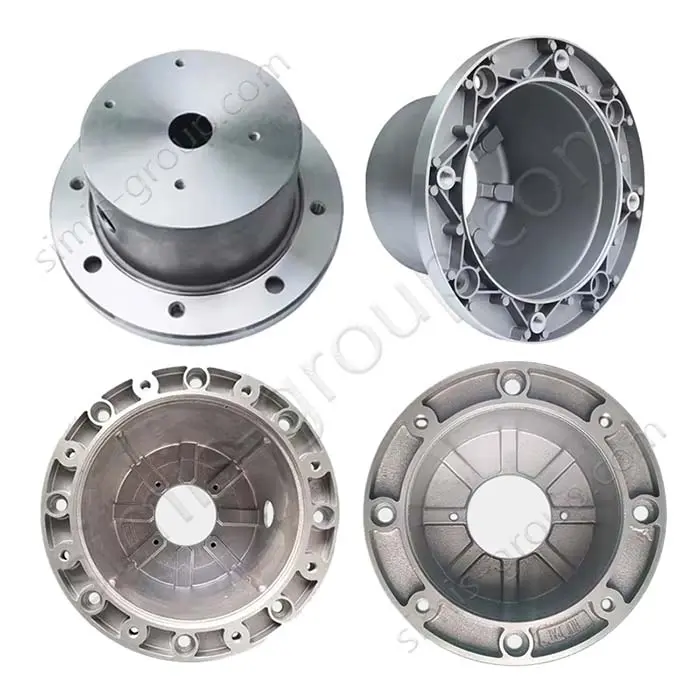
Our related production capabilities also cover custom clutch housings and other metal components used in vehicle powertrain and transmission equipment.

Types of Custom Clutch Forks and Gearbox Shift Fork Components
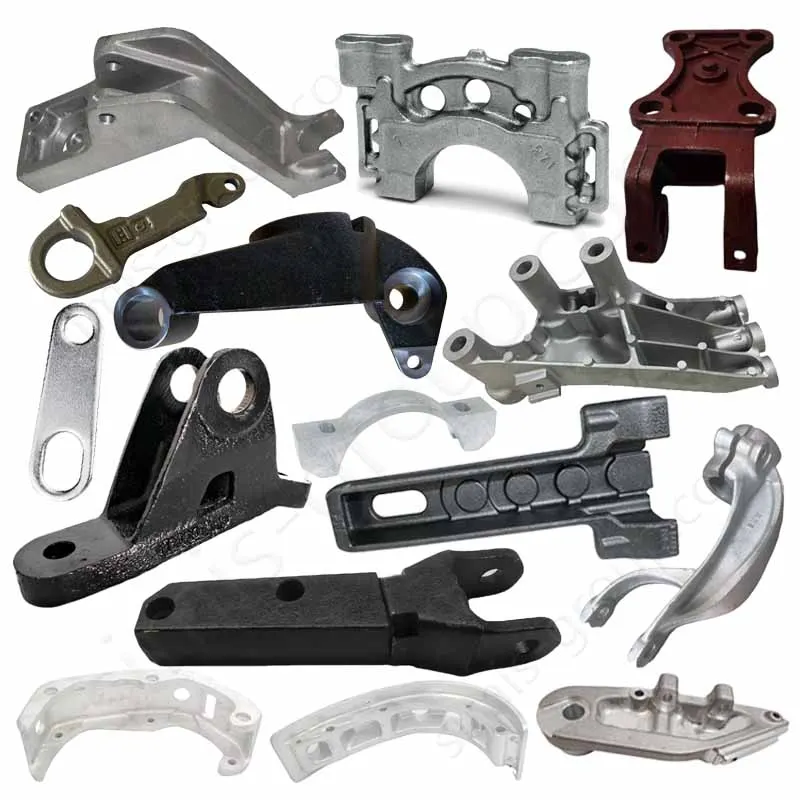
SIMIS manufactures different types of fork-shaped metal parts for clutch and transmission mechanisms. The actual component shape depends on the vehicle, gearbox or machinery design. Products may be manufactured as a single forged or cast body, with additional components included only when specified by the customer.
| Product Type | Typical Metal Components | Applications |
|---|---|---|
| Clutch Release Forks | Fork-shaped release levers with contact ends, pivot features and operating connections. | Manual clutch release mechanisms in vehicles and machinery. |
| Manual Transmission Shift Forks | Selector forks with curved engagement arms and specified guide or shaft connections. | Manual transmission gear-selection mechanisms. |
| Synchronizer Shift Forks | Fork components used with designated synchronizer sleeves or sliding collars. | Automotive and commercial vehicle gearboxes. |
| Automated Transmission Selector Forks | Customer-specific selector forks and operating components for compatible actuated gearboxes. | Selected automated manual and dual-clutch transmission mechanisms. |
| Heavy-Duty Clutch Forks | Larger release forks, reinforced fork bodies and heavy-duty connecting levers. | Commercial trucks, agricultural machinery and construction equipment. |
| Industrial Gear Selector Forks | Custom fork-shaped levers, selector components and related transmission links. | Industrial gearboxes, mechanical transmissions and specialized machinery. |
Custom Clutch Release Forks
A clutch release fork is a mechanical lever used to transfer movement from the clutch actuation mechanism to the release bearing or associated release components. Its shape commonly includes two arms forming a fork, together with a pivot or support connection.
SIMIS manufactures custom clutch release forks in suitable forged steel, cast steel and ductile iron materials. Different customer designs may require long release levers, compact fork bodies or fork-shaped components with integrated supporting features.
Transmission and Synchronizer Shift Forks
Transmission shift forks are used in selected gearboxes to move sliding collars or synchronizer sleeves during gear selection. They are commonly shaped to engage the relevant moving component and connect to a shift rail or actuation mechanism.
Suitable shift forks can be produced through steel forging, investment casting or ductile iron casting depending on the specified material and geometry. SIMIS manufactures the metal component to the customer's approved drawing, including the required mounting and engagement features.

Closed-Die Forging, Investment Casting and Ductile Iron Casting for Shift Forks
SIMIS provides several manufacturing processes for custom clutch and transmission shift forks. Closed-die steel forging is a core process for suitable forged forks, while investment casting, shell mold casting and sand casting provide additional manufacturing routes for different steel and iron components.
A forged steel fork and a cast ductile iron fork may have similar functions but are produced using different manufacturing principles. Forging forms a solid metal blank through plastic deformation, whereas casting produces the component by solidifying molten metal inside a mold. SIMIS supplies components through the processes specified or agreed for each OEM project.
| Manufacturing Process | Suitable Materials and Parts | Process Characteristics |
|---|---|---|
| Closed-Die Steel Forging | Carbon steel and alloy steel clutch release forks, selector forks and connecting levers. | Forms heated steel billets in shaped dies to create suitable near-net-shape metal parts. |
| Steel Investment Casting | Relatively compact cast steel forks, intricate selector components and shaped transmission parts. | Lost-wax casting can form detailed external features in compatible steel grades. |
| Ductile Iron Shell Mold Casting | Suitable ductile iron gear selector forks and repeat-production transmission components. | Uses resin-bonded sand shells for compatible cast iron shapes. |
| Sand Casting | Larger ductile iron forks and other suitable cast steel or iron components. | Provides flexibility for different component sizes and cast metal shapes. |
| Aluminum Alloy Closed-Die Forging | Selected customer-specified lightweight shift forks and related operating levers. | Forms compatible aluminum alloys in dies for suitable lightweight component designs. |
Closed-Die Forging for Steel Clutch and Shift Forks
Closed-die forging is one of the main SIMIS manufacturing methods for custom carbon steel and alloy steel clutch forks. The process begins with a suitable steel billet, which is heated and then placed between shaped forging dies. Mechanical pressure or forging force deforms the billet to produce the required component shape.
The forging method is widely used in automotive and industrial machinery components where a solid metal part with an appropriate forged structure is required. For shift forks, it can form the main lever body, fork arms, supporting sections and other suitable external features within one forging.
SIMIS provides custom closed-die forging services for carbon steel, alloy steel and other suitable metals. Products are manufactured using the customer-specified material grade and approved component drawing.
Our related steel forging manufacturing capabilities support a broad range of vehicle and machinery components. The precise manufacturing route, forging condition and finished supply requirements are determined for each order rather than assumed from the part name alone.

Investment Casting for Steel Transmission Forks
Investment casting, also called lost-wax casting, is another SIMIS manufacturing process for suitable custom steel shift forks. A wax pattern representing the component is surrounded by a ceramic shell. After the wax is removed and the mold is prepared, molten steel is poured into the resulting cavity.
This casting method is relevant to relatively compact steel parts with detailed external geometry. Certain transmission shift forks contain curved engagement sections, reinforcing ribs or integrated mounting features that can be produced through an appropriate investment casting process.
SIMIS provides custom steel investment casting using suitable ceramic shell systems. Carbon steel and alloy steel castings are supplied according to their own casting material specifications, which differ from those applicable to forged steel bar or forgings.
Shell Mold Casting for Ductile Iron Shift Forks
Shell mold casting is used for suitable iron and steel components requiring repeatable cast shapes. The process forms a relatively rigid mold shell from resin-coated sand around a heated pattern. The prepared shell mold is then used to produce the required casting.
For compatible ductile iron shift fork designs, shell mold casting can form curved fork arms, connection bosses and supporting features according to the customer's approved geometry. Ductile iron is a distinct material family from gray cast iron and is specified by its own grade and material requirements.
SIMIS supplies custom shell mold castings for suitable transmission and machinery components. The required iron grade, quantity and finishing scope are specified by the customer.
Sand Casting for Larger Clutch Release and Transmission Forks
Sand casting can be used for larger or more substantial clutch and transmission fork components manufactured from suitable ductile iron or cast steel. The process uses a prepared sand mold to form the required part shape as molten metal solidifies.
This method is relevant to selected heavy machinery components and larger transmission parts, including products for agricultural and construction equipment. The suitability of sand casting depends on the component geometry, specified material and OEM production requirements.
SIMIS provides custom sand casting services for ductile iron, cast steel and other suitable metals. Products can be supplied in the casting condition or with the additional operations specified in the purchase order.

Carbon Steel, Alloy Steel, Ductile Iron and Aluminum Materials for Shift Forks
Custom clutch and transmission shift forks are manufactured from different metal materials. Carbon steel and low-alloy steel are important for suitable forged components, while ductile iron and cast steel provide casting options for customer-defined fork shapes. Certain lightweight shift fork applications may also use aluminum alloys.
SIMIS manufactures shift forks according to the material grade and product form stated in the customer's drawings. A wrought alloy steel such as AISI 4140 is not interchangeable with a cast alloy steel simply because both materials contain alloying elements. Likewise, a forged aluminum component and a cast aluminum component require different material specifications.
| Material | Material Characteristics | Potential Shift Fork Components |
|---|---|---|
| AISI 1045 / C45 Carbon Steel | Medium-carbon steel grades used for suitable forged and machined mechanical components. | Forged clutch release forks, selector levers and transmission links. |
| AISI 4140 / 42CrMo4 Alloy Steel | Chromium-molybdenum low-alloy steels used in appropriate forged machinery components. | Custom forged transmission forks and heavy-duty clutch operating parts. |
| AISI 4340 Alloy Steel | Nickel-chromium-molybdenum alloy steel used for selected forged mechanical components with specified properties. | Specialized customer-defined high-duty fork and lever forgings. |
| Cast Carbon Steel / Cast Alloy Steel | Steel casting materials manufactured under appropriate casting material specifications. | Investment-cast shift forks and complex steel transmission components. |
| ASTM A536 Ductile Iron | Spheroidal graphite cast iron available in different grades with specified mechanical properties. | Shell-molded or sand-cast clutch and transmission forks where approved. |
| 6061 / 6082 Aluminum Alloys | Wrought aluminum alloys used for suitable lightweight forged or machined metal components. | Selected lightweight shift forks and operating levers with customer-defined contact features. |
| Specified Stainless Steel Grades | Stainless steel materials available in different wrought or casting forms, depending on grade. | Specialized corrosion-resistant fork components when specified by the customer. |
Carbon Steel Forgings for Clutch Release Forks
Medium-carbon steels such as AISI 1045 and C45 are common material families in general machinery manufacturing. They can be used for suitable closed-die forged components where the grade and supply condition match the product specification.
For clutch release forks, carbon steel forgings may be supplied with fork arms, a central supporting structure and customer-defined mounting features. SIMIS manufactures the part according to the specified steel grade rather than assigning one universal material to every clutch release mechanism.
Alloy Steel Forgings for Heavy-Duty Transmission Forks
Alloy steels such as AISI 4140, 42CrMo4 and AISI 4340 contain additional alloying elements and are widely used for suitable mechanical forgings. Different grades have their own composition and manufacturing specifications, and they are not automatically interchangeable.
SIMIS manufactures alloy steel clutch and shift fork forgings according to customer drawings and material requirements. The specified material condition and any additional manufacturing operations are determined by the approved purchase documents.
Ductile Iron Castings for Gear Selector Forks
Ductile iron is a cast iron material containing graphite in a substantially spheroidal form. It is used in many machinery components and is available in different grades according to the applicable material specification.
Suitable ductile iron shift forks may be produced through shell mold casting or sand casting. SIMIS manufactures these castings to the customer's specified grade, geometry and supply condition. Gray iron and ductile iron are different material families and should not be substituted without the required approval.
Aluminum Alloy Shift Fork Components
Aluminum alloys may be specified for selected lightweight transmission components. Certain 6061 and 6082 wrought aluminum alloy parts can be manufactured through suitable forging or machining methods according to the component drawings.
For lightweight fork applications, any specified contact pads, inserts or other separate components are included only when required by the customer's design. SIMIS supplies the agreed metal component according to the approved material and manufacturing specifications.
Applications of Custom Clutch and Transmission Shift Forks
Clutch release and transmission shift forks are used in various vehicle and industrial machinery systems. SIMIS manufactures custom components for different transmission configurations, including manual clutch assemblies, mechanical gear selectors and selected actuated shifting mechanisms.
Passenger Cars and Light Commercial Vehicles
Passenger vehicles and light commercial vehicles with suitable clutch or transmission designs may use clutch release forks and gear selector forks. The metal components vary according to the transmission model, clutch actuation arrangement and gearbox construction.
SIMIS manufactures suitable forged and cast parts for customer-defined vehicle applications. Our related product range includes custom automotive and truck castings and forgings.
Heavy-Duty Trucks and Commercial Vehicles
Commercial vehicles may use larger clutch release mechanisms and different transmission selector arrangements. Their fork-shaped components can include forged steel operating levers, heavy-duty selector forks and specified cast metal parts.
SIMIS supplies customer-specified carbon steel, alloy steel and ductile iron components for suitable commercial vehicle transmission applications. The material, geometry and supply condition follow the OEM drawings.
Agricultural Tractors and Farm Machinery
Tractors, harvesters and other agricultural machines may use mechanical clutch release systems and transmission selector mechanisms. Their metal components can include clutch forks, gear shifting levers, selector fork bodies and related mechanical links.
SIMIS manufactures suitable agricultural machinery castings and forgings according to customer drawings, including transmission-related metal parts for specified equipment.
Construction and Mining Machinery
Construction and mining equipment can contain different mechanical transmission and gear-selection arrangements. Depending on the machine model, custom steel or ductile iron fork-shaped parts may be used in clutch and shifting mechanisms.
SIMIS supplies suitable forged or cast components for equipment manufacturers requiring customer-specific materials, sizes and mechanical connection features. Manufacturing requirements are defined by the applicable equipment drawings.
Industrial Gearboxes and Specialized Transmission Equipment
Industrial gearboxes and mechanical power transmission systems sometimes use fork-shaped selector components to move the relevant engagement mechanism. These parts differ in size and configuration depending on the gearbox arrangement.
SIMIS provides custom metal manufacturing for suitable industrial machinery components, including specified gear selector forks and related forged or cast parts.

Custom OEM Clutch Shift Fork Castings and Forgings Made to Drawings
SIMIS specializes in OEM metal casting and forging manufacturing for clutch, transmission and machinery components. We supply custom clutch release forks, gearbox shift forks, selector levers and related metal parts according to customer technical drawings and purchasing requirements.
Our main production methods for suitable shift fork products include closed-die forging of carbon and alloy steels, investment casting of specified steel grades, and shell mold or sand casting of ductile iron components. Other materials and manufacturing methods can be considered where they match the agreed product requirements.
Customers can purchase forged blanks, raw castings or finished metal shift fork components. The required material, fork geometry, connection features and production quantity are defined by the approved drawings. Additional CNC machining, heat treatment, surface finishing and inspection are performed only as specified in the customer documents and agreed manufacturing scope.
SIMIS manufactures individual metal parts rather than guaranteeing the shifting performance, operating life or durability of an entire clutch or gearbox assembly. Any component-specific functional or performance requirements are established in the customer specification.
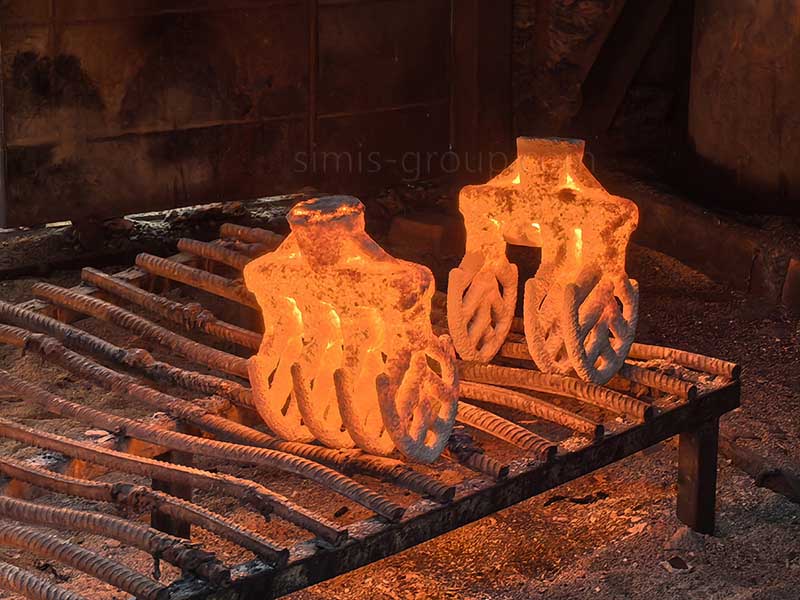
The following image shows a general investment casting foundry process. It illustrates SIMIS metal casting manufacturing and is not presented as a photograph of a finished clutch shift fork.
Request a Quote for Custom Clutch Release and Transmission Shift Forks
SIMIS welcomes OEM inquiries for custom forged steel clutch release forks, cast steel gearbox shift forks, ductile iron selector forks and other transmission-related metal components. We manufacture products according to customer drawings, specified materials and agreed order requirements.
For a quotation, please provide the following information where available:
Product drawings: 2D technical drawings or available 3D CAD models of the clutch or shift fork.
Component type: Clutch release fork, transmission shift fork, synchronizer fork or another specified selector component.
Material requirements: Carbon steel, alloy steel, ductile iron, aluminum alloy or another specified metal grade.
Product specifications: Main dimensions, fork opening, pivot or shaft mounting interface, and relevant contact-end features.
Order requirements: Estimated quantity, intended vehicle or machinery application, and whether forgings, castings or finished metal parts are required.
Additional machining, heat treatment, surface finishing or inspection requirements can be included according to the customer's technical documents. SIMIS will quote the specified material and manufacturing scope based on the supplied drawings.
Send your custom clutch shift fork drawings and OEM inquiry to SIMIS: info@simis-group.com