Custom Triple Clamp Yoke Manufacturer
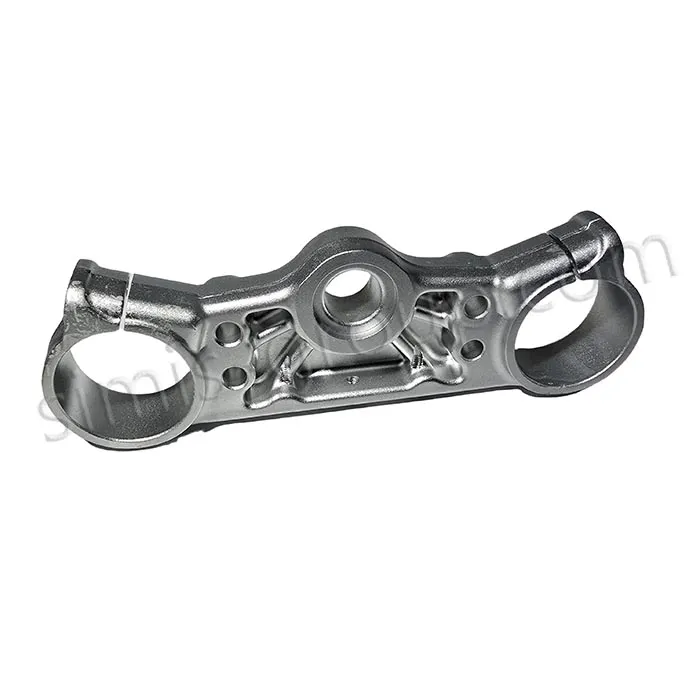
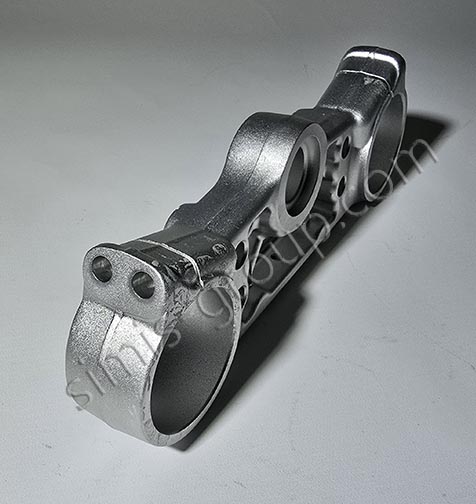
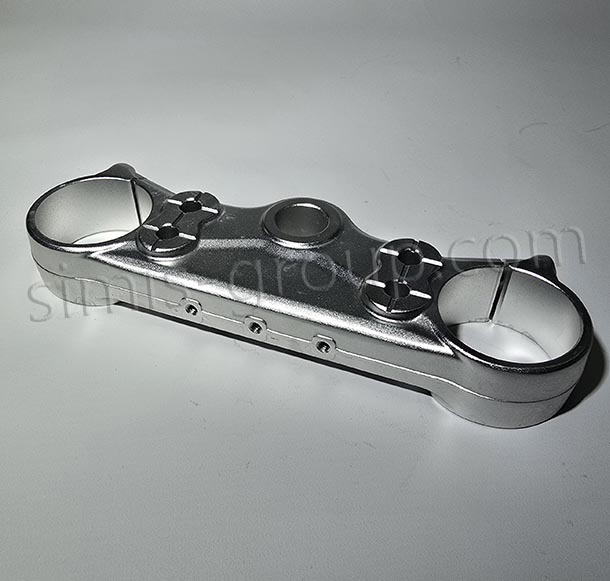
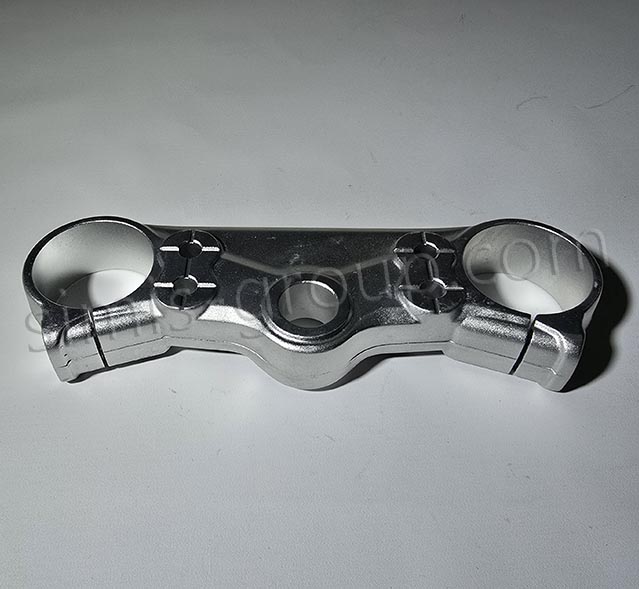
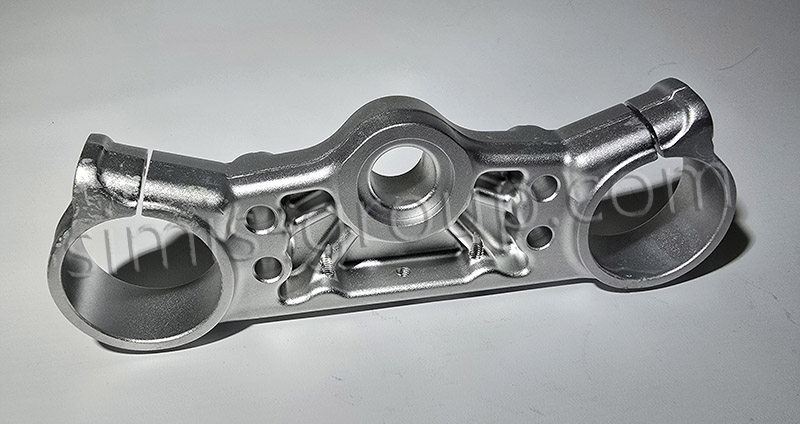
Triple Clamp Yoke

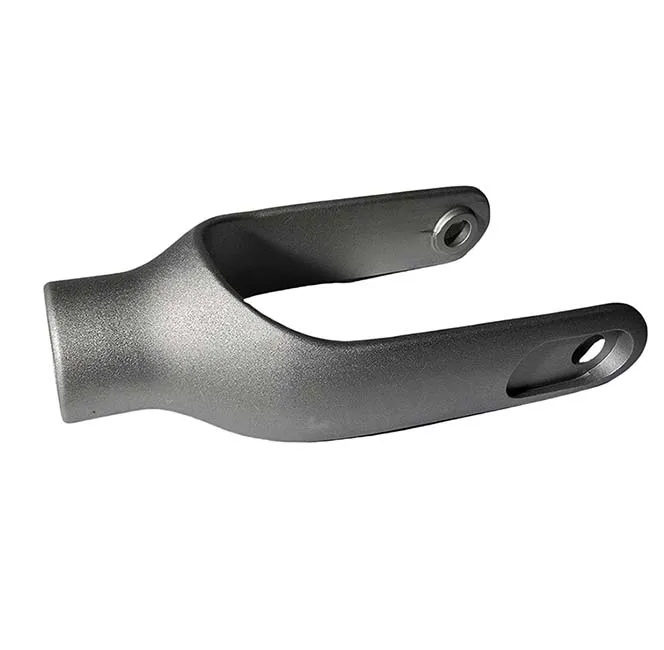
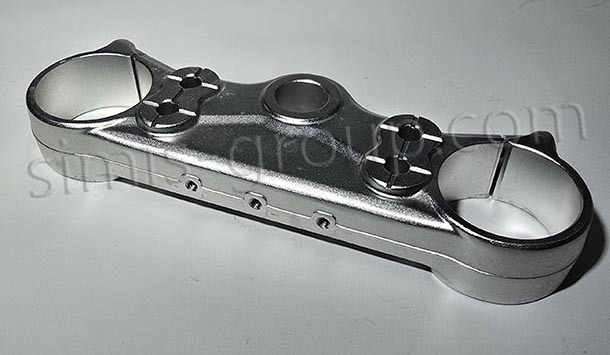
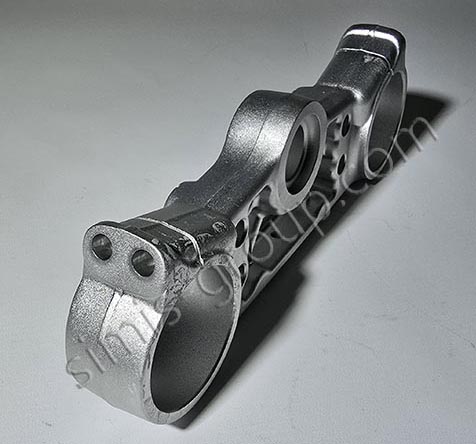
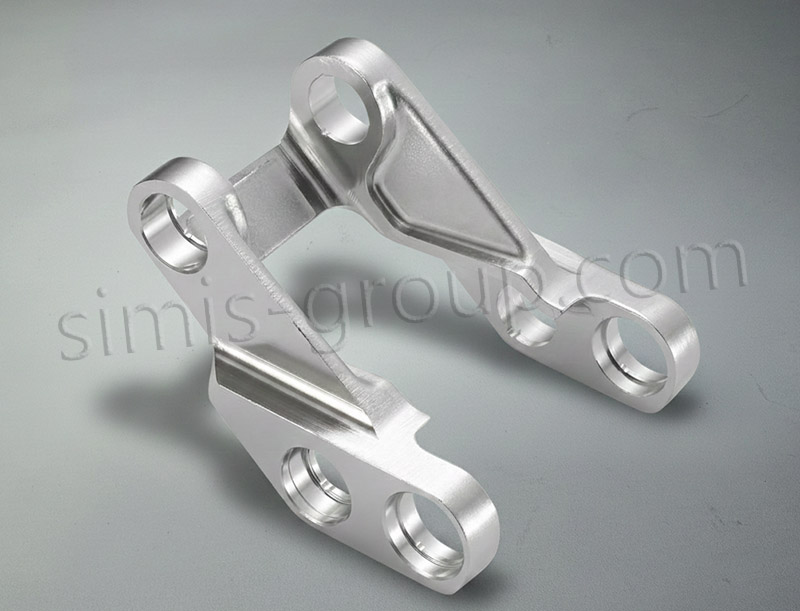
China Simis Company is a dedicated OEM custom manufacturer of high-rigidity, Safety-Critical Triple Clamp Yokes (often known as Triple Trees) for the global motorcycle, e-bike, and racing industries. These components connect the front forks to the frame's steering head, making them central to the motorcycle's handling, stability, and rider safety. The clamps must maintain absolute alignment and rigidity under extreme, dynamic loads generated by braking, cornering, and off-road impact.
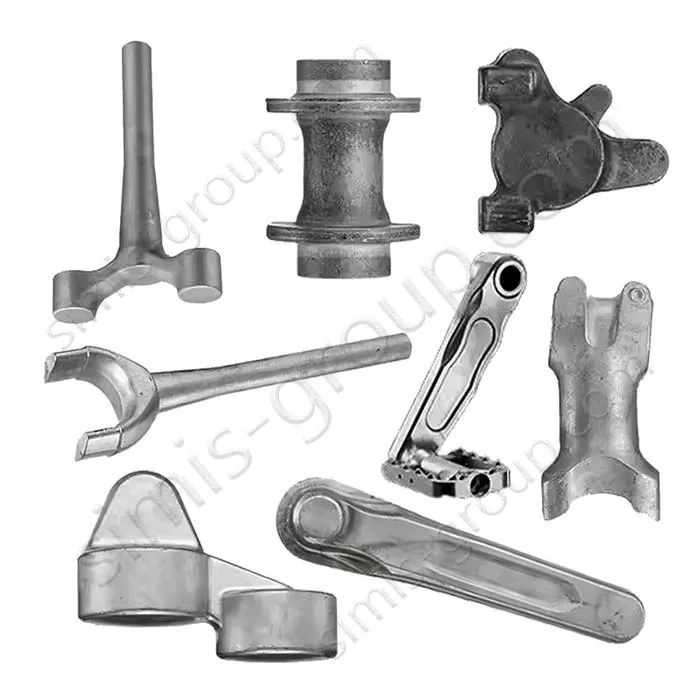
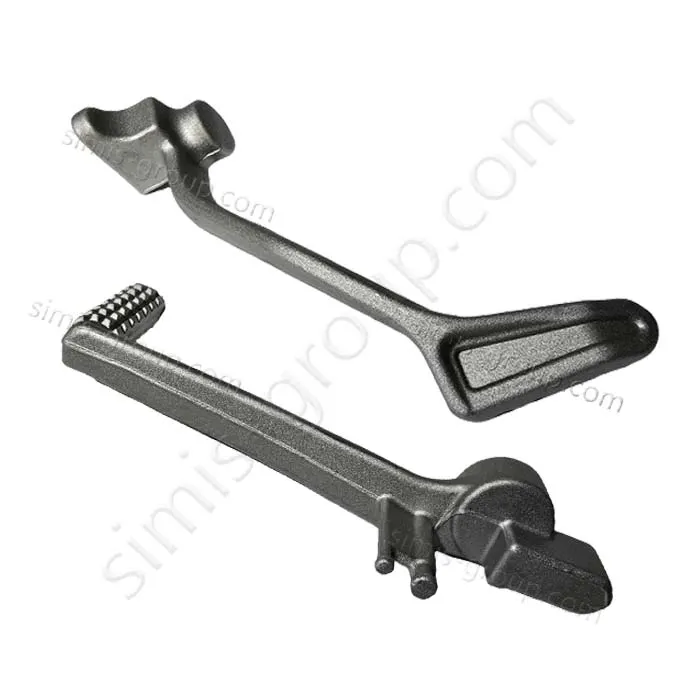
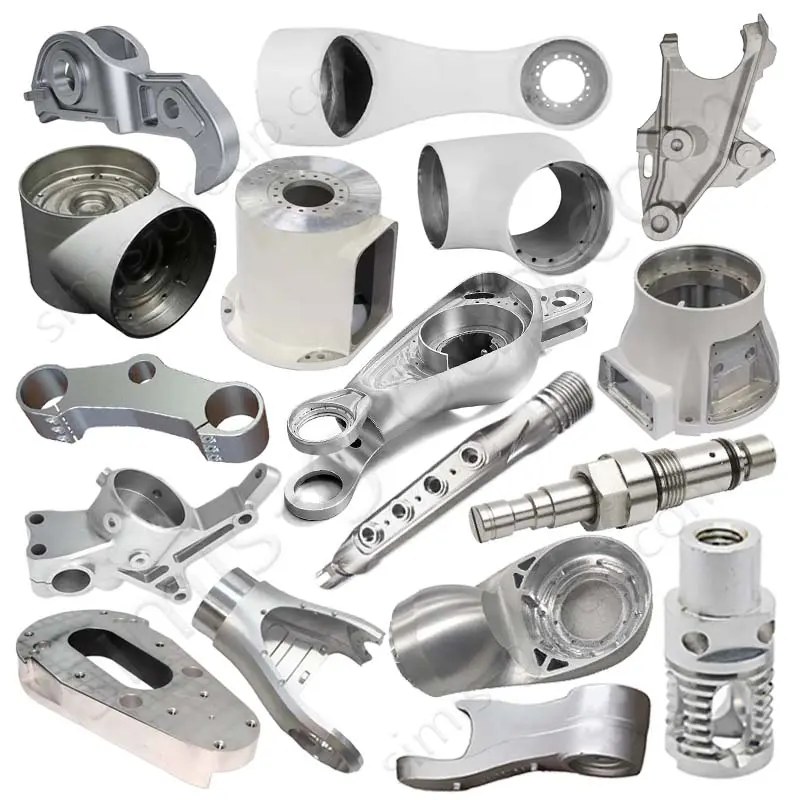
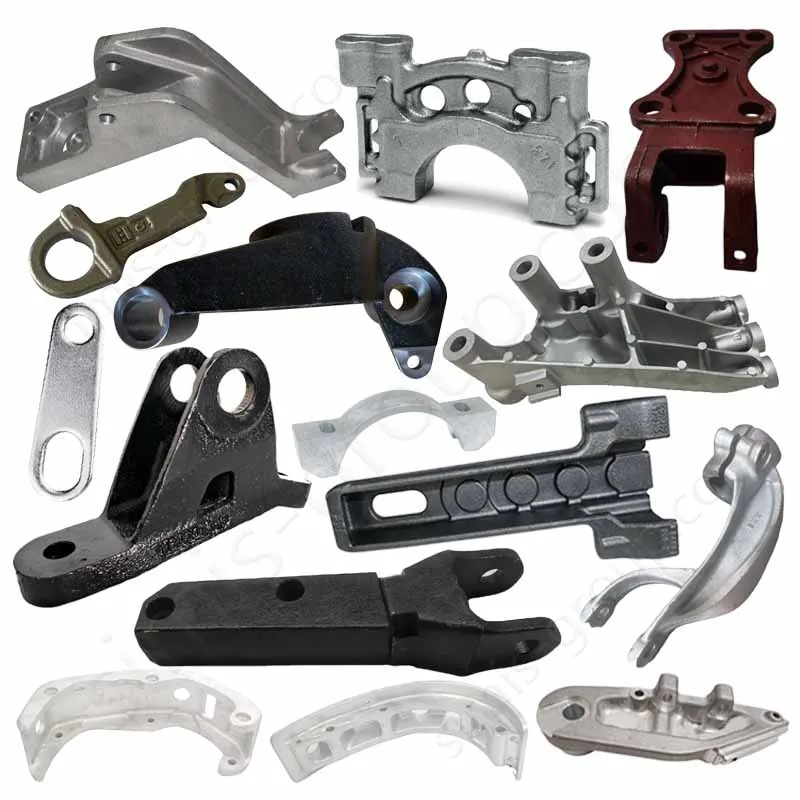
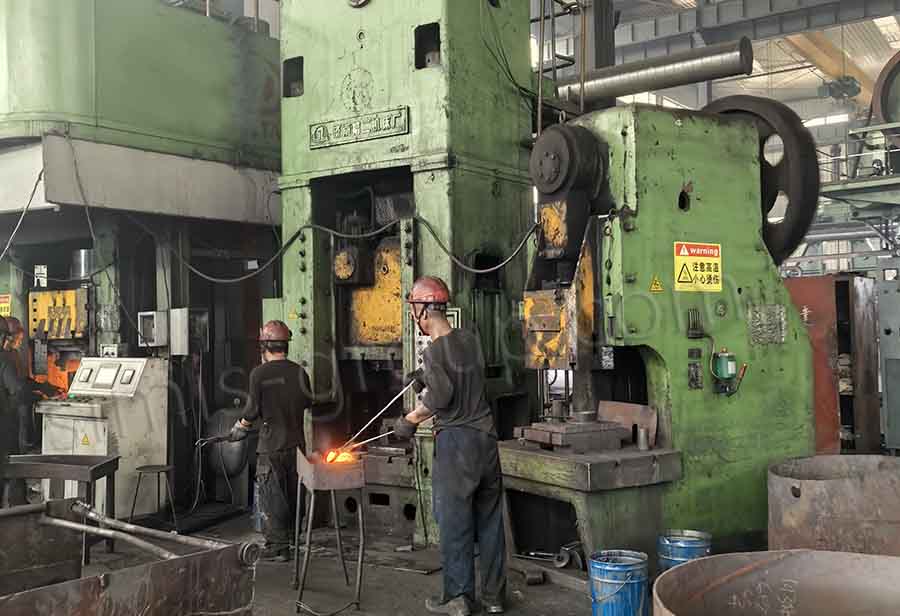
We utilize Precision Closed Die Forging for maximum fatigue strength in high-performance Aluminum and Alloy Steel clamps. Casting (Gravity Permanent Mold, Investment) is employed for complex shapes in high-volume or heavy-duty applications using Stainless Steel and Aluminum Alloy. Our primary focus is on achieving exceptional torsional stiffness, certified fatigue life, and ultra-precise fork bore alignment.
What are the manufacturing processes for Triple Clamp Yokes?
The process selection directly impacts the strength-to-weight ratio and structural integrity required to withstand the immense forces applied to the front wheel assembly, with each process carefully matched to the performance and volume demands of different triple clamp yoke applications.
| Manufacturing Process | Component Focus | Material Focus | Key Advantage for Triple Clamp Performance |
| Precision Closed Die Forging | High-Performance/Racing Clamps (Upper & Lower). | Aluminum Alloy (7075), Alloy Steel (4140). | Maximum Fatigue Resistance and Strength-to-Weight. Forging creates the optimal grain structure to withstand high cyclic bending and torsional loads. |
| Gravity Permanent Mold Casting | High-Volume Aluminum Clamps, Mid-Range Street Bikes. | Aluminum Alloy (6061). | Achieves better density and mechanical properties than sand casting for complex Al parts, offering a balance of cost and performance for high-volume markets. |
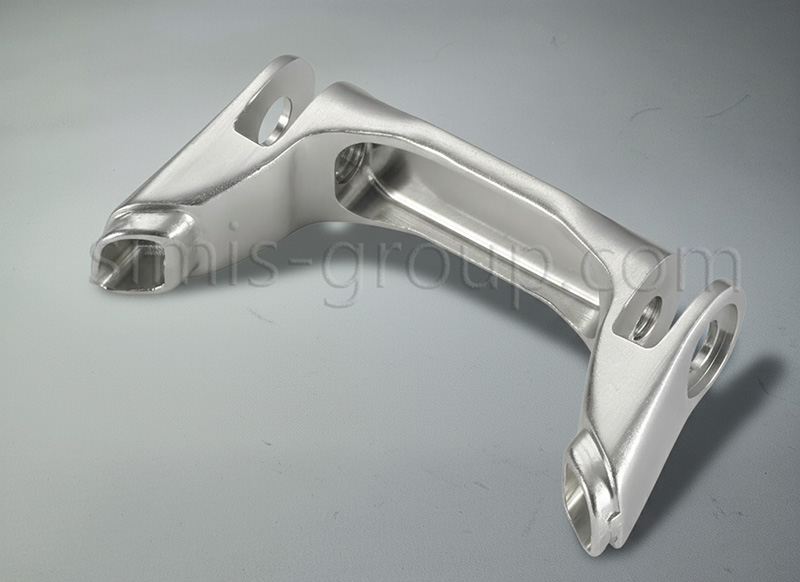
| Investment Casting | Small Mounting Brackets, Complex Steel/SS Yokes. | Stainless Steel, Alloy Steel. | High Precision and Detail. Suitable for intricate shapes where minimal machining is required, ensuring accurate bearing surfaces. |
| Sand Casting / Shell Mold Casting | Heavy-Duty/Utility Bike Clamps, Ductile Iron Components. | Ductile Iron, Cast Steel. | Cost-effective for larger, heavier components where ultimate light weight is not the priority, but structural integrity is mandatory. |
| Precision CNC Machining | Fork Bores, Steering Stem Bore, Handlebar Mounts. | All Materials. | Critical for Alignment. Ensures ultra-tight tolerances (e.g., IT 6 grade) on fork clamping bores and steering head interfaces for precise handling and zero wobble. |
| Hard Anodizing | All aluminum surfaces. | MIL-A-8625 Standard. | Surface Protection. Increases surface hardness and provides vibrant, UV-resistant colors (Black, Gold, Red, etc.). |
What Materials Are Suitable for Triple Clamp Yokes to Balance Strength-to-Weight and Toughness?
Material selection is crucial for minimizing unsprung weight (performance) while maximizing the rigidity and safety factor of the steering assembly, with each material grade selected based on the specific load and environmental demands of the application.
| Material Type | Primary Performance Requirement | Typical Triple Clamp Component & Application |
| High-Strength Aluminum Alloy (7075, 6061) | Maximum Strength-to-Weight, Excellent Fatigue Life. | Forged Upper and Lower Clamps for Superbikes, Motocross, and High-End Street Bikes. |
| Alloy Steel (AISI 4140) | High Tensile Strength, Extreme Toughness (After Heat Treatment). | Forged Steering Stems, Heavy-Duty Off-Road Clamps, and Structural Linkages. |
| Carbon Steel (AISI 1045) | Good Structural Strength, Cost-Effective. | General utility bike clamps, mounting brackets, or components not subjected to extreme racing loads. |
| Ductile Iron (ASTM A536) | Good Castability for Complex Shapes, Durability. | Clamps for smaller displacement, utility motorcycles, or specific heavy-duty industrial vehicles. |
| Stainless Steel (304, 316) | Corrosion Resistance for All-Weather/Marine Use. | Custom clamps or components in areas exposed to harsh environmental factors. |
What Quality Assurance and Safety Certification Apply to Triple Clamp Yokes?
Due to the safety-critical nature of the component, QA protocols are exceptionally stringent, focusing on alignment and structural soundness to ensure every triple clamp yoke meets the highest safety standards for rider protection.
·Torsional Rigidity Testing:
Clamps are tested under specified torque loads to ensure minimal Torsional Deflection, verifying that the front wheel assembly maintains alignment under cornering and braking forces.
·Fatigue Testing:
Cyclical load testing simulates braking and road impact over the component's lifetime, particularly focused on stress risers in the steering head and fork clamping areas.
·Dimensional and Alignment Control:
CMM verification is mandatory for Coaxiality and Parallelism of the fork clamping bores and the steering stem bore to guarantee precise steering geometry and safe handling.
·Structural Integrity (NDT):
MPI (Magnetic Particle Inspection) or Eddy Current Testing is performed on high-stress areas of forged parts to ensure freedom from surface flaws that could initiate fatigue cracking.
What Are the Component Categorization and Application Focus of Triple Clamp Yokes?
We tailor the manufacturing solution to the performance demands of the motorcycle category, ensuring each triple clamp yoke design is optimized for the specific operational conditions of the target vehicle type.
| Motorcycle Category | Component Focus | Core Requirement | Ideal Process Focus |
| Superbike & Racing | Upper/Lower Clamps, Stems. | Maximum Strength-to-Weight, Zero Flex. | Forged Aluminum (7075), Precision CNC Machining. |
| Off-Road & Motocross | Lower Clamps, Bar Mounts. | Impact Toughness, High Bending Resistance. | Forged Alloy Steel (4140) or Tough Forged Aluminum. |
| Street & Cruiser | Upper Clamps, Handlebar Risers. | Good Rigidity, High Aesthetic Finish, Cost-Effective. | Gravity Permanent Mold Casting Aluminum (6061) or Investment Casting Steel. |
What Are the Advantages of Simis OEM Custom Manufacturing for Triple Clamp Yokes?
Simis ensures the rigidity and certified safety required for confident high-performance motorcycle handling, with a suite of competitive advantages tailored to the needs of global motorcycle manufacturers and racing teams.
·Forging for Safety and Weight:
We prioritize Precision Forging for Superbike and Motocross components, maximizing material density and grain alignment, which is indispensable for component life and rider safety under extreme stress.
·Rigidity Guarantee:
Our manufacturing and CMM quality control processes guarantee the Torsional Stiffness required to maintain precise steering geometry, eliminating flex and improving rider feedback.
·Precision Bore Alignment:
We achieve ultra-precise alignment on fork clamping bores and the steering head stem, preventing binding and ensuring the seamless operation of the suspension and steering bearing.
·Process Flexibility:
We offer specialized solutions, combining the light weight and performance of Forged Aluminum with the durability and complex shaping of various Casting methods for diverse market demands.
How to Get a Quote for Custom Triple Clamp Yokes?
China Simis Company is your expert global partner for custom casting and forging Triple Clamp Yokes, engineered for safety-critical structural rigidity, maximum fatigue life, and ultra-precise steering geometry. To receive a detailed, customized quotation for your triple clamp yoke project, please submit the following technical documentation and specifications to our professional engineering department: 2D technical drawings or 3D CAD models, target weight parameters, required torsional stiffness metrics (e.g., maximum allowable deflection), preferred material grade (such as 7075 aluminum alloy or 4140 alloy steel), any mandatory safety certification standards, and expected production volume. Our team will conduct a comprehensive review of your requirements and provide a quotation package that includes unit pricing, production lead times, quality assurance protocols, and delivery terms tailored to your project timeline and application needs.