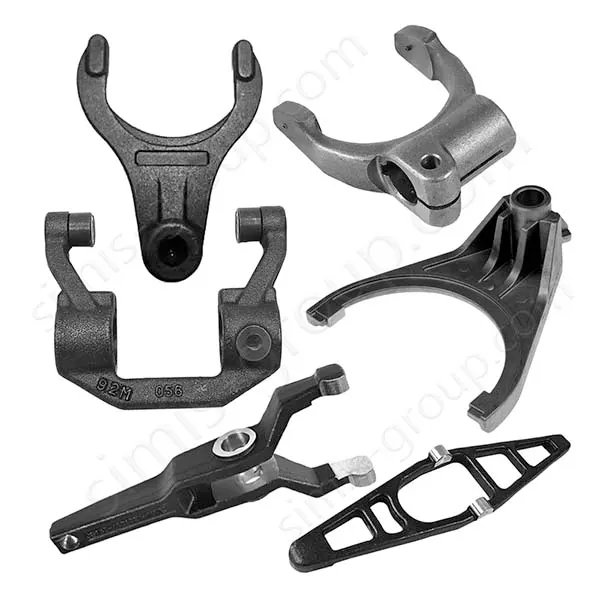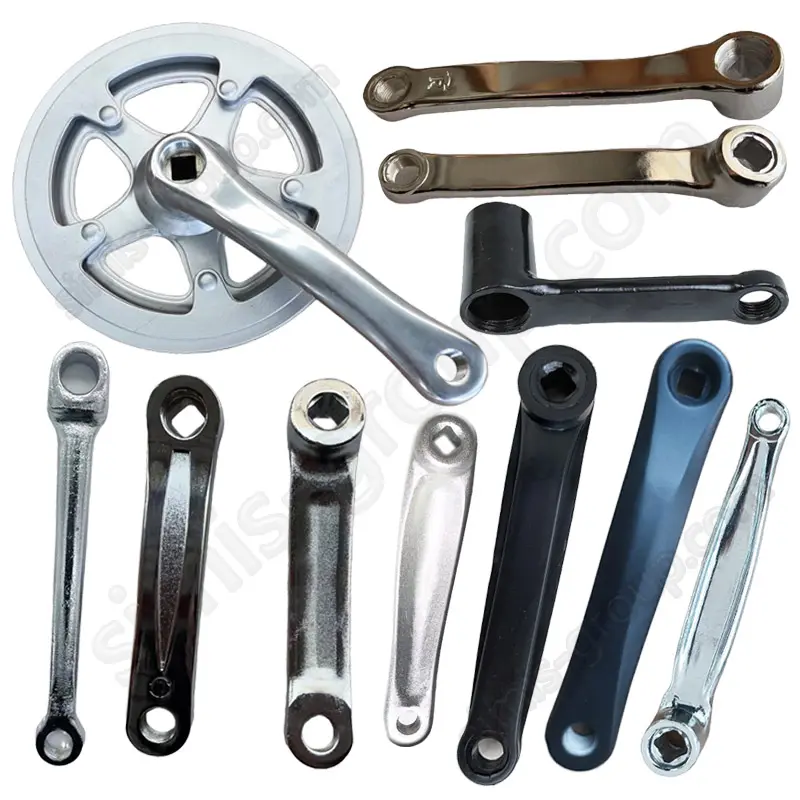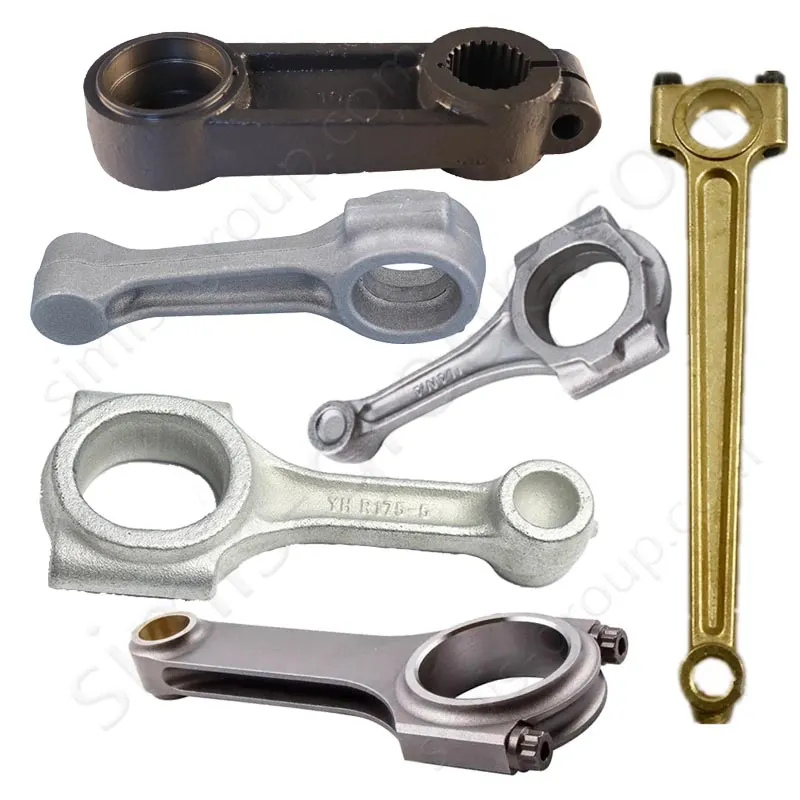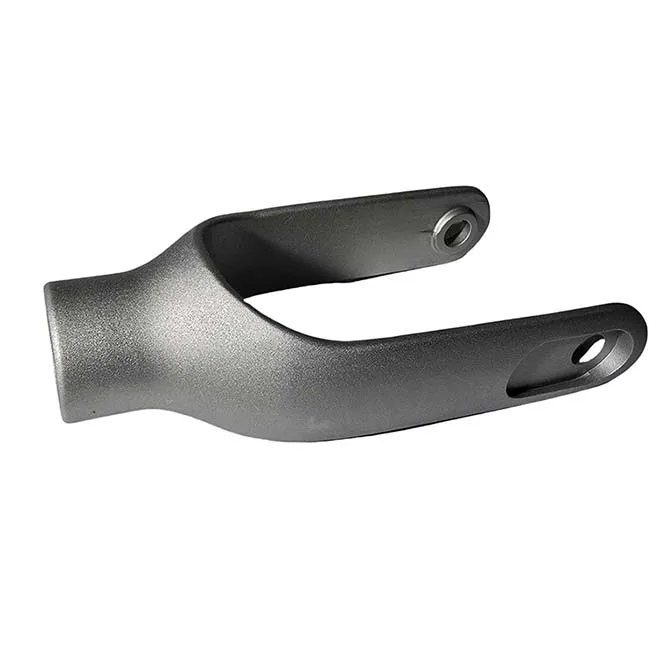
Custom Bicycle Parts Manufacturer


Bicycle Parts

Custom Bicycle Parts Manufacturing FAQs
Can SIMIS manufacture bicycle components from my 2D drawings or 3D CAD files?
SIMIS accepts drawing-based inquiries for custom metal bicycle components, including crank arms, hub parts, pedal components, frame dropouts, brackets and related fittings. Our team reviews part geometry, material requirements, critical dimensions and expected order quantity to assess manufacturing feasibility and prepare a quotation. These are custom-manufactured parts, not a catalog of ready-to-ship retail bicycle accessories.
Should my bicycle part be forged, cast or CNC machined?
There is no single process for every bicycle component. Forging may be appropriate for highly loaded parts where fatigue performance and material flow are important. Casting can suit complex shapes or parts that benefit from near-net-shape production. CNC machining can produce an entire component or finish critical interfaces on castings and forgings. The final route depends on your drawing, alloy, load requirements, tolerance targets and production volume.
Which features need special attention when manufacturing bicycle parts?
The answer depends on the component. Crank arms and pedal spindles require careful consideration of cyclic loading; hubs require accurate bearing fits and alignment; stems and clamping components depend on correct contact geometry and fastener interfaces; and dropouts need accurate axle positioning. Identify critical dimensions, load cases and inspection requirements on the drawing so they can be evaluated before production.
What information is needed to quote an OEM bicycle component?
Please send your 2D drawing or 3D model, material grade or performance target, annual or batch quantity, key tolerances, surface-finish requirements and any applicable testing standard. If the process has not been selected, we can assess suitable options based on these requirements. Tooling, sample approval, inspection scope and delivery schedule can then be discussed for your specific project.
OEM Custom Bicycle Metal Parts Manufactured to Your Drawings
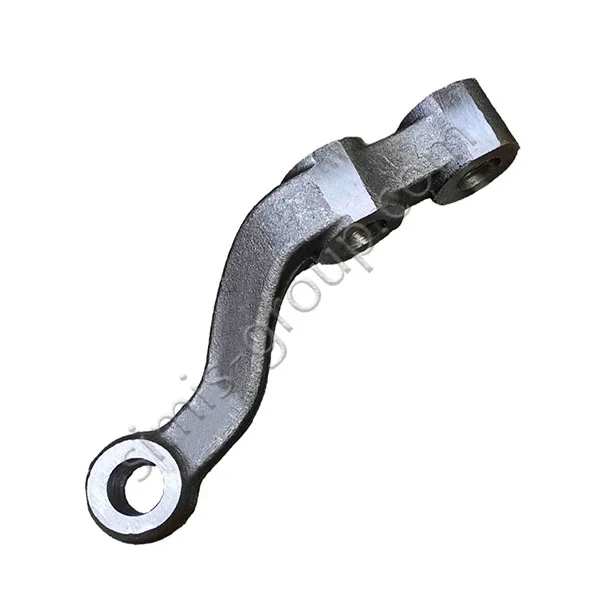
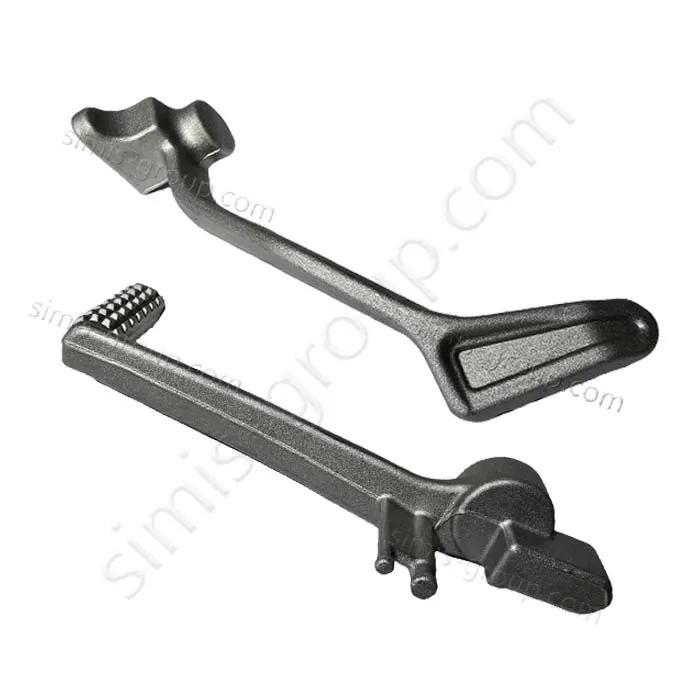
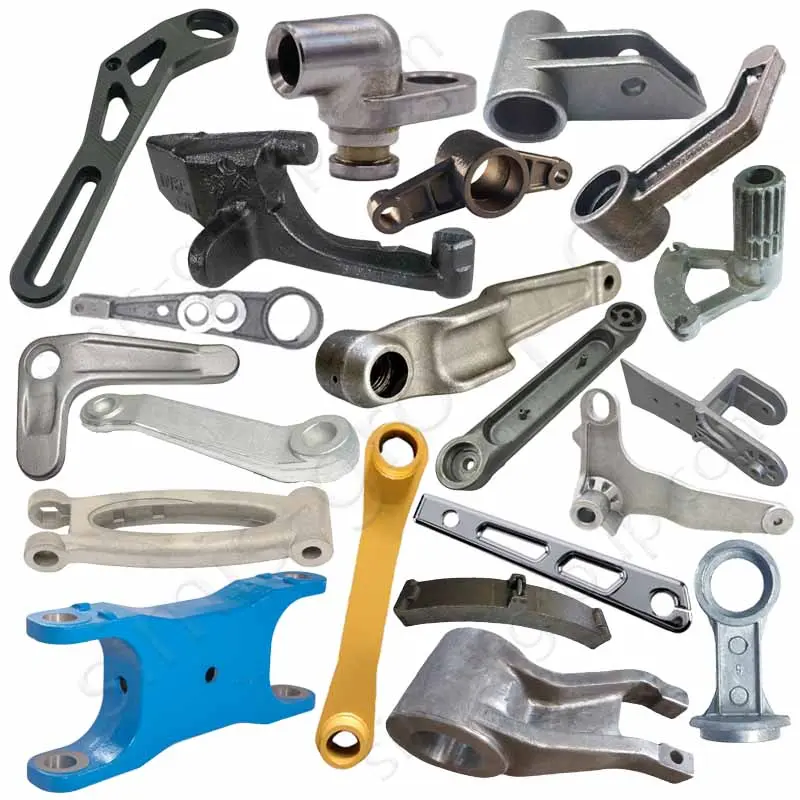
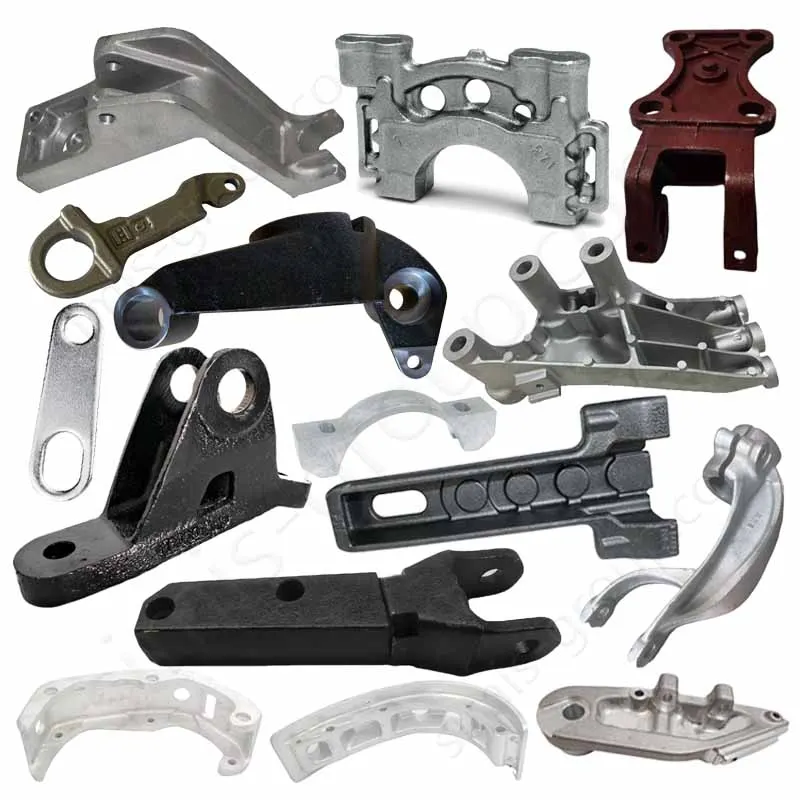
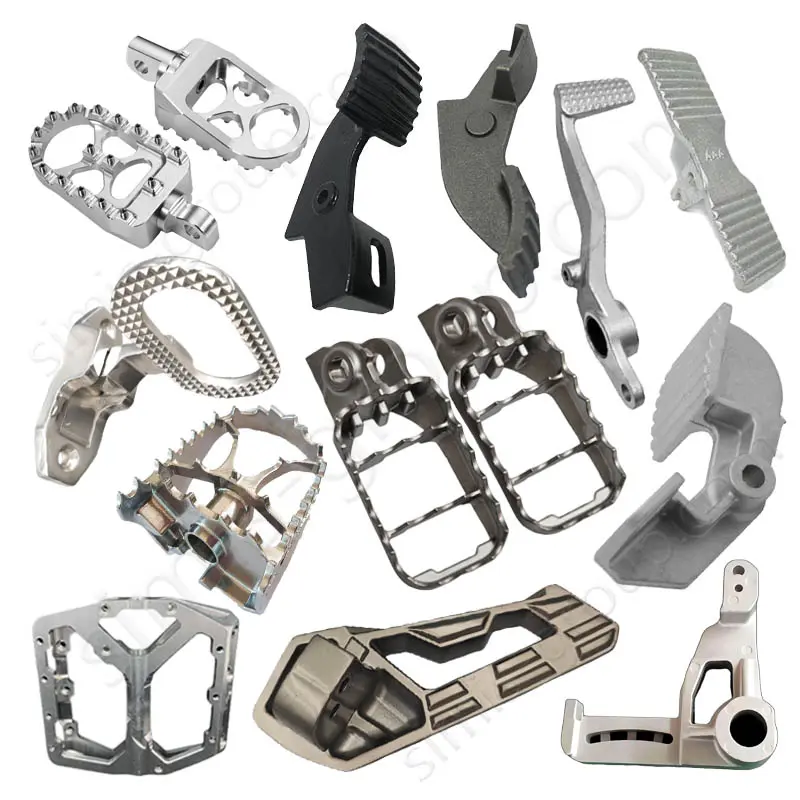
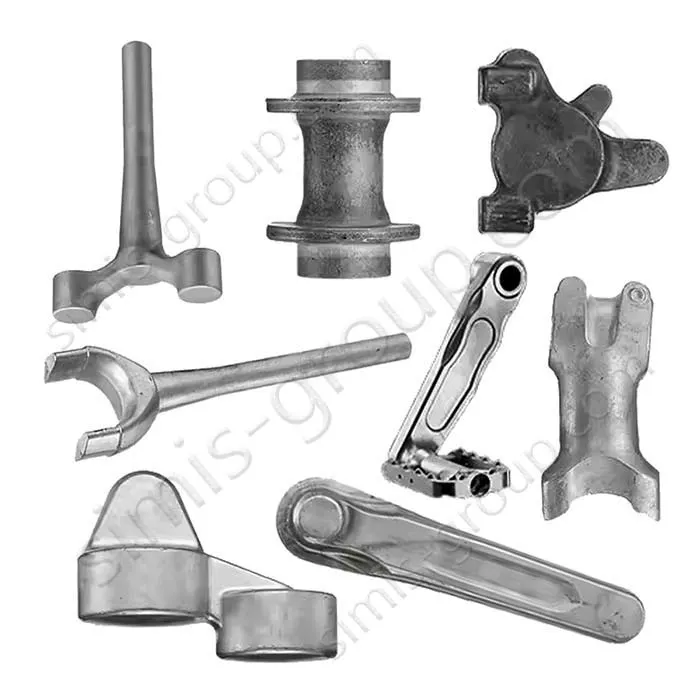
SIMIS supports OEM manufacturing inquiries for custom metal bicycle parts used in road bikes, mountain bikes, urban bicycles, cargo bicycles and e-bikes. The scope includes components such as crank arms, pedal parts, hub components, stems, frame dropouts, brake mounts and other mechanical fittings. We focus on manufacturing to customer-supplied specifications rather than selling standardized aftermarket parts.
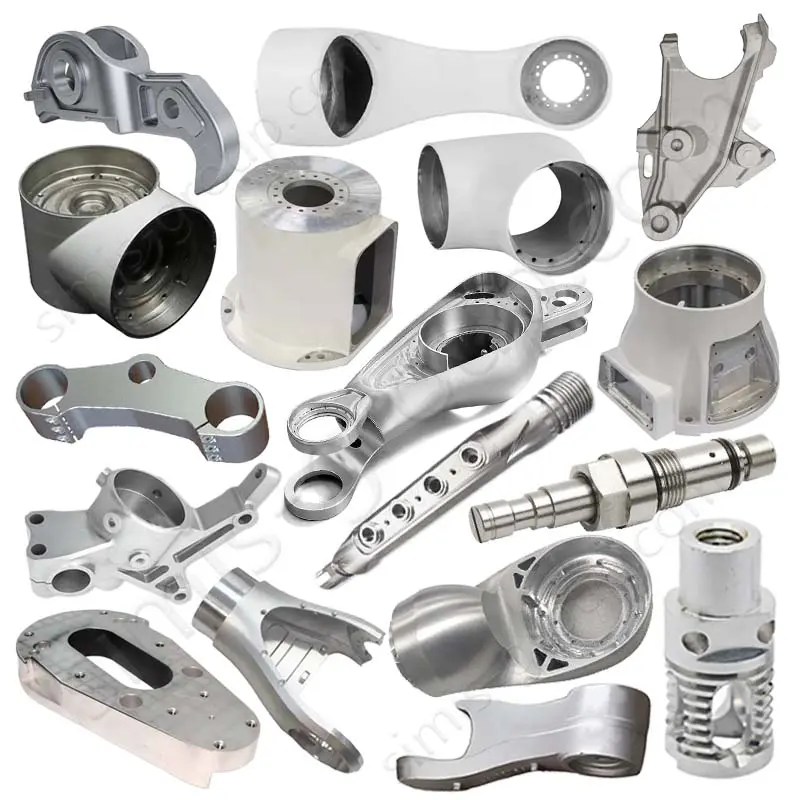
Each design calls for its own manufacturing assessment. A lightweight aluminum component, a wear-resistant steel spindle and a complex mounting bracket may need different materials, forming processes and machining steps. By considering function, geometry, quantity and inspection requirements together, SIMIS can help customers evaluate casting, forging, CNC machining and finishing routes for their projects.

Which Bicycle Components Can Be Custom Manufactured?
The most useful starting point is the part's function, not its appearance. Different bicycle assemblies create different loading, fit and surface-finish requirements:
Drivetrain and pedal components: crank arms, pedal bodies, pedal spindles, sprocket-related metal parts and connection features must account for torque transmission, wear and repeated loading. See our custom crank and crank arm and custom metal pedal pages for related component categories.
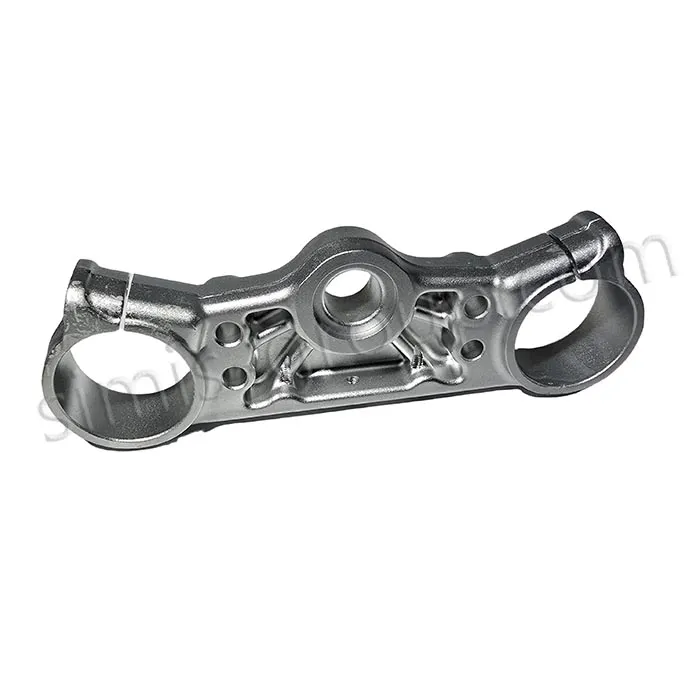
Steering and frame interfaces: stems, clamps, fork-related fittings and dropouts require suitable strength, reliable fastening and consistent alignment. Related designs are discussed on our custom front fork components page.
Braking and mounting parts: brake brackets, caliper mounts and levers require attention to stiffness, connection geometry, corrosion resistance and the applicable safety requirements.
Utility and e-bike components: battery mounts, support brackets, racks and metal enclosures may prioritize structural strength, dimensional fit and economical repeat production.
Not every part in these groups is suitable for the same process. The drawing, application and customer specifications determine whether it is appropriate for a particular SIMIS production route.

Choosing Casting, Forging and Machining for Bicycle Parts
Process selection is a manufacturing decision tied to performance, geometry and production economics. The following options are examples for engineering evaluation rather than fixed process assignments for every design.
| Process | Potential bicycle applications | Decision factors |
|---|---|---|
| Closed-die forging | Crank arms, high-load levers and selected structural fittings | Fatigue loading, material flow, tooling and batch size |
| Cold forging | Selected small shafts, fasteners and spindle-like parts | Formability, production volume, die design and final machining |
| Pressure die casting | Suitable aluminum or zinc alloy housings and pedal-body designs | Part geometry, tooling investment, alloy and quantity |
| Investment casting | Selected complex steel or stainless-steel fittings | Complexity, minimum sections, material and finishing needs |
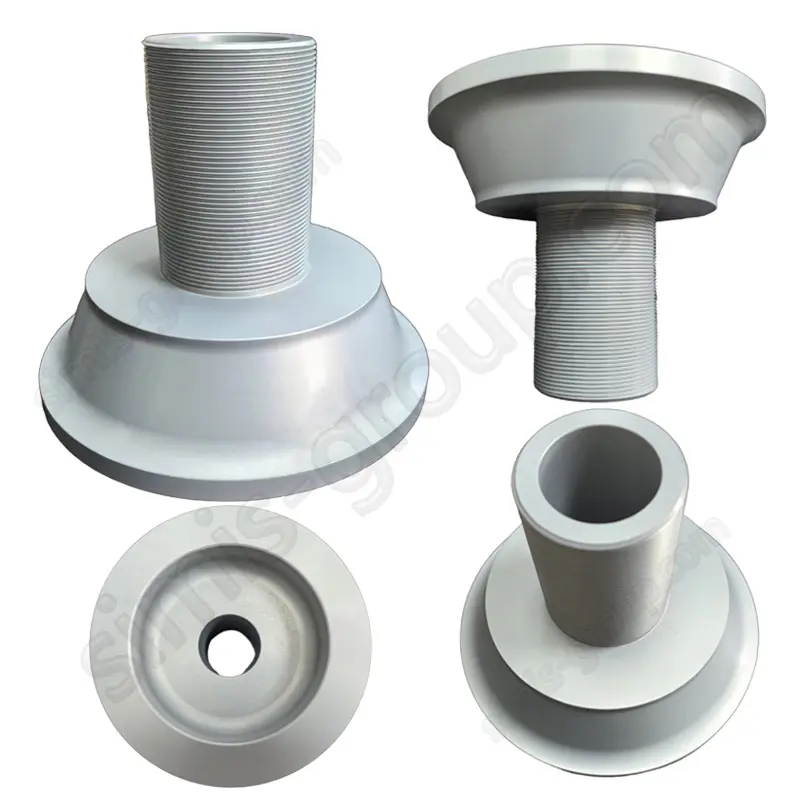
| CNC machining | Hub interfaces, bearing seats, threads, bores and precision features | Tolerances, surface finish, stock removal and batch quantity |
A component may be machined directly from stock or produced as a casting or forging followed by selective CNC finishing. For example, a load-bearing forged blank can still require accurate drilling, boring, threading or surface treatment before assembly. The best route is the one that meets the agreed technical requirements at an appropriate total production cost.


Materials and Engineering Requirements for OEM Bicycle Components
Material selection should be based on the loads, environment, target mass, joining method and manufacturing route shown in the customer's specifications. Typical materials considered for metal bicycle components include:
Aluminum alloys: often considered where reduced weight, corrosion resistance and machinability are important. Alloy and temper must be matched to the process and required properties.
Alloy steels: relevant for highly loaded shafts, spindles and selected structural parts where toughness, strength or wear performance is important.
Stainless steels: an option for fittings exposed to water, salt or repeated outdoor use, subject to grade, design and cost.
Carbon steels: an option for cost-sensitive fittings and hardware when the required mechanical and corrosion properties can be achieved.
Before manufacture, the most important drawing details often include bearing bores and fits, axle location, spline or thread profiles, clamping faces, hole position, wall thickness, surface roughness and edge transitions. For fatigue-loaded parts, load history and critical stress locations should also be considered. Exact grades, tolerances and finishes should be agreed for each project; they should not be assumed from a generic product category.

Inspection and Quality Planning for Custom Bicycle Parts
Quality requirements should be defined by the component's risk, function and customer specification, rather than applying the same test list to every bicycle part. Depending on the approved drawing and production process, inspection planning may cover:
Dimensional checks: critical bores, center distances, threads, spline features, mounting faces and related tolerances.
Material verification: specified composition, mechanical properties, heat-treatment condition or hardness when required.
Process-specific inspection: visual inspection and suitable additional checks for casting or forging defects based on part criticality.
Functional or fatigue testing: agreed test methods for safety-relevant assemblies, including applicable ISO 4210 requirements when specified by the customer and relevant to the component.
The exact inspection plan, acceptance criteria and supporting reports should be confirmed before production. Learn more about SIMIS manufacturing inspection capabilities on our quality control page.

Applications: Road, Mountain, Electric and Utility Bicycles
Bicycle applications create different manufacturing priorities. A road-bike component may focus on mass and stiffness; a mountain-bike fitting may see high impact and repeated vibration; an e-bike bracket may need to accommodate motor or battery loads; and a cargo-bike component may prioritize robustness and service life. These differences can influence alloy choice, part geometry, machining requirements and the inspection plan.
For that reason, the inquiry should identify the application and operating conditions in addition to the component name. A clear drawing and performance specification are more useful for quotation than selecting a manufacturing process before the design has been evaluated.

Working with SIMIS on a Drawing-Based Bicycle Parts Project
For a custom bicycle component, our manufacturing discussion begins with the drawing rather than a fixed catalog specification. The review focuses on whether the geometry, material, tolerances and order quantity are compatible with a practical production route.
Share the design: provide a 2D drawing, 3D CAD file or reference sample, plus the component's function and target quantity.
Review manufacturability: assess possible casting, forging or machining routes and identify features needing clarification.
Agree on requirements: confirm material, critical tolerances, finish, inspection plan and any necessary tooling or prototype work.
Prepare the quotation: discuss unit price, tooling cost where applicable, sampling approach and indicative lead time for the approved specification.

Request a Quote for Custom Bicycle Metal Parts
Are you sourcing custom bicycle components for an OEM or industrial project? Send SIMIS your drawings, material and performance requirements, expected production quantity, and preferred inspection or finishing specifications. We can review the information and discuss a suitable manufacturing and quotation approach.
Send your inquiry: info@simis-group.com or use our contact form.