Custom Front Fork Manufacturer
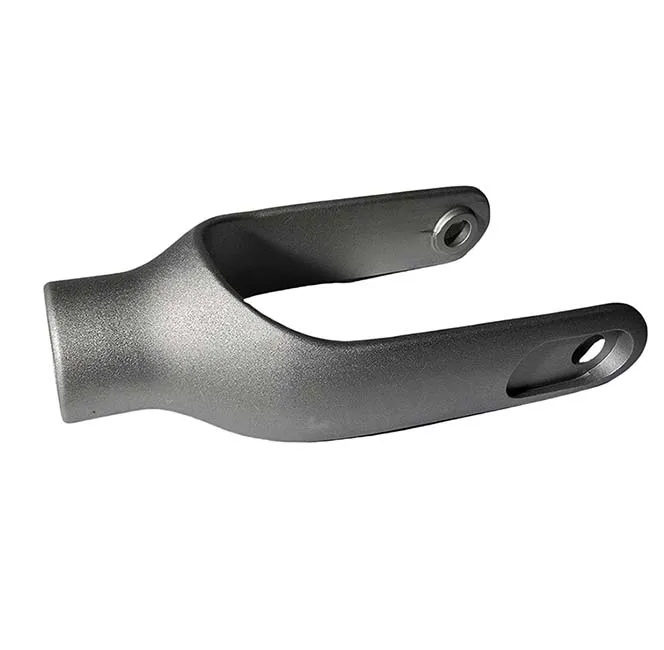
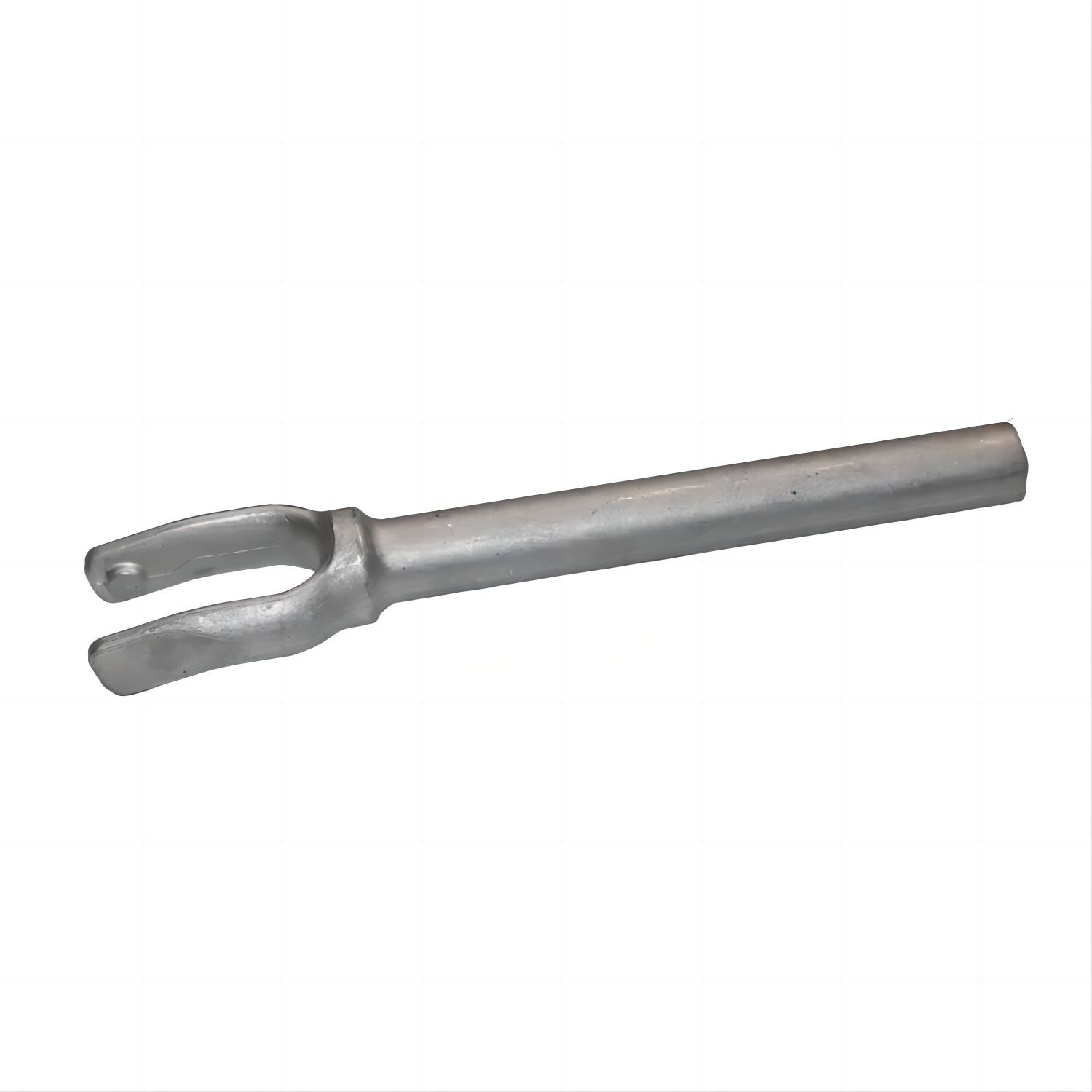
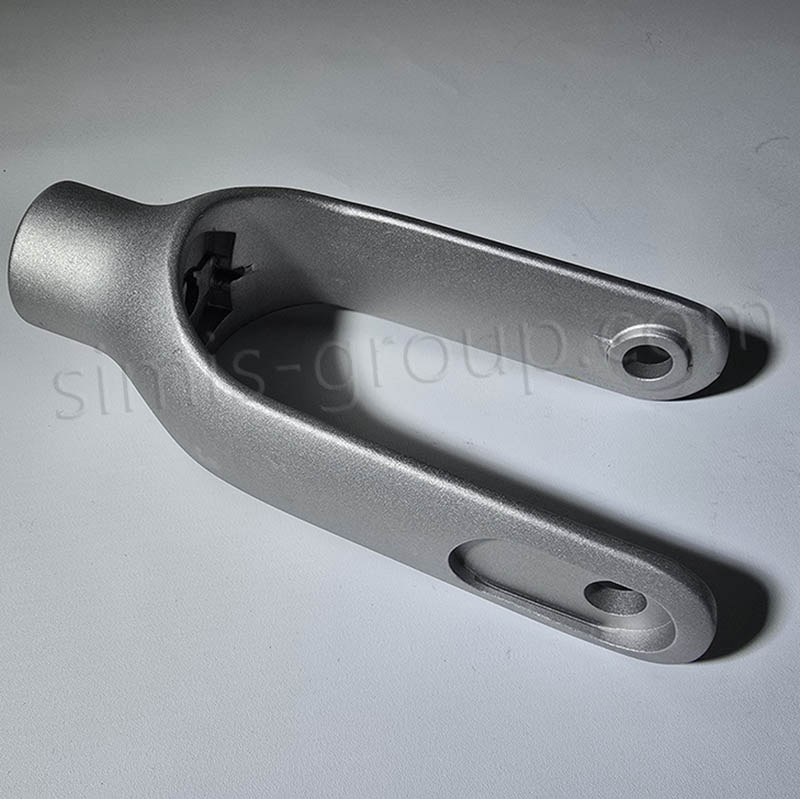
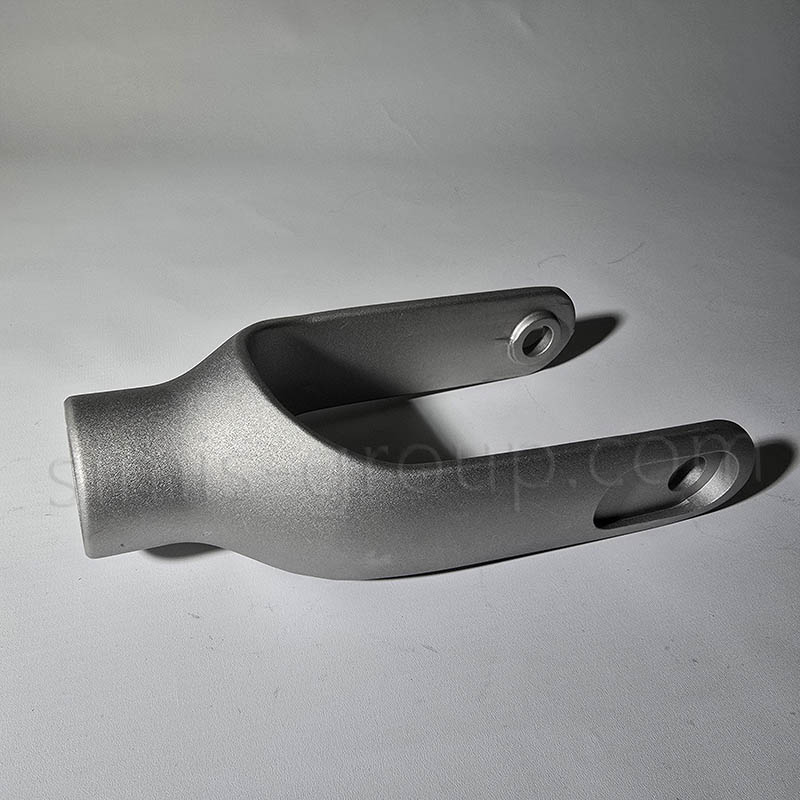
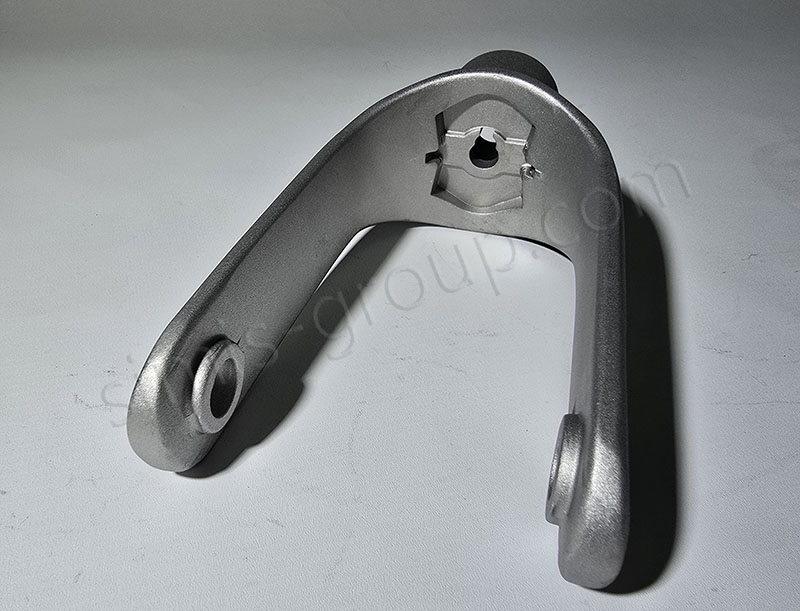
Front Fork

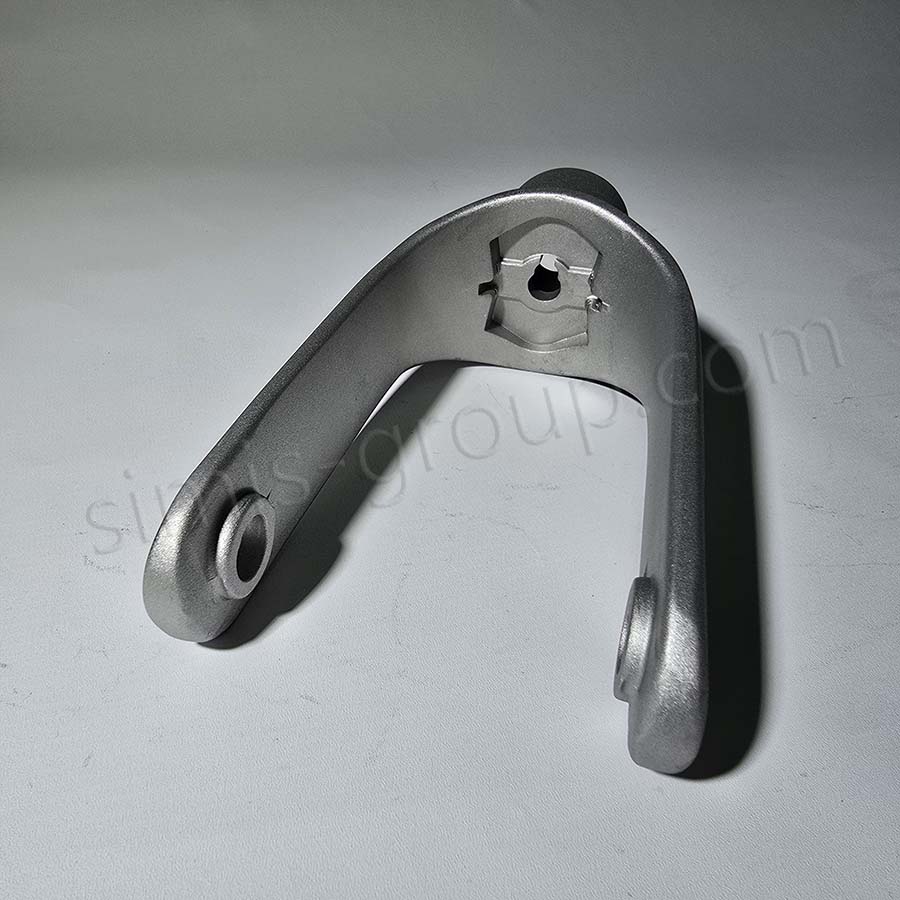
China Simis Company is a specialized OEM manufacturer of High-Strength Front Forks for two-wheeled vehicles, including electric scooters, bicycles, and motorcycles. The front fork is a safety-critical component that anchors the front wheel, provides the steering pivot, and often houses the suspension system (shock absorbers). It is subjected to complex, high-frequency stress, including vertical impact, fore-aft braking forces, and lateral steering torque.
Our focus is on maximizing the Strength-to-Weight Ratio, primarily through the use of high-strength Aluminum Alloy Forging. Forging ensures superior internal material structure and fatigue resistance, which is essential for components constantly subjected to cyclical road inputs. We guarantee the structural integrity, precise alignment of the steer tube for smooth bearing operation, and accurate interface geometry for axle and brake mounting.
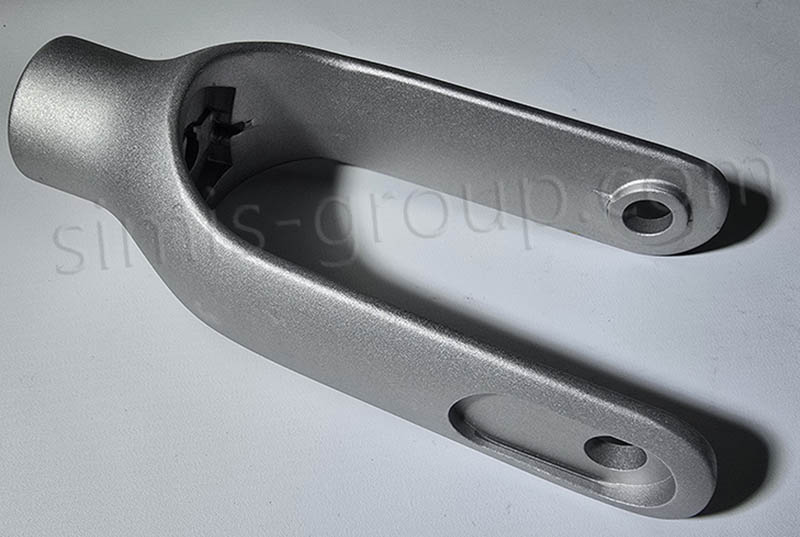
What manufacturing processes are used for front forks?
The manufacturing method is chosen to meet the dual demands of low mass and high stiffness, particularly for dynamic applications like cycling and motorcycling.
| Manufacturing Process | Component Focus | Material Focus | Key Advantage for Front Fork Performance |
| Precision Closed Die Forging | Fork Crown (Triple Clamp), Axle Mounts/Lugs, Steer Tube Ends. | High-Strength Aluminum Alloys (6061, 7075), Alloy Steel. | Maximum Fatigue Life and Stiffness. Optimizes grain flow for critical load points (e.g., where the stanchions meet the steer tube). Crucial for lightweighting. |
| Sand/Investment Casting | Complex Suspension/Disc Brake Mounts, Housing for Damping Cartridges. | Aluminum Alloys, Cast Steel. | Cost-Effective for Complex Features. Allows for near-net shape of intricate brake caliper mounting points or internal damping interfaces. |
| Precision CNC Machining | Steer Tube Bearing Races, Axle Bores, Brake Mount Faces. | All Materials. | Achieves Critical Geometric Accuracy. Ensures smooth steering bearing operation, perfect brake caliper alignment, and optimal axle clamping force. |
| Welding/Brazing | Joining Forged Crown/Lugs to Structural Tubing (Stanchions/Steer Tube). | Aluminum Alloys, Steel. | Used to assemble the final fork structure, requiring certified welding procedures and NDT to ensure joint strength. |
| Surface Treatment | Stanchion Tubes (if applicable). | Steel, Aluminum. | Wear Resistance and Friction Reduction. Hard chrome plating or anodizing on stanchion tubes to improve wear life and reduce sliding friction. |
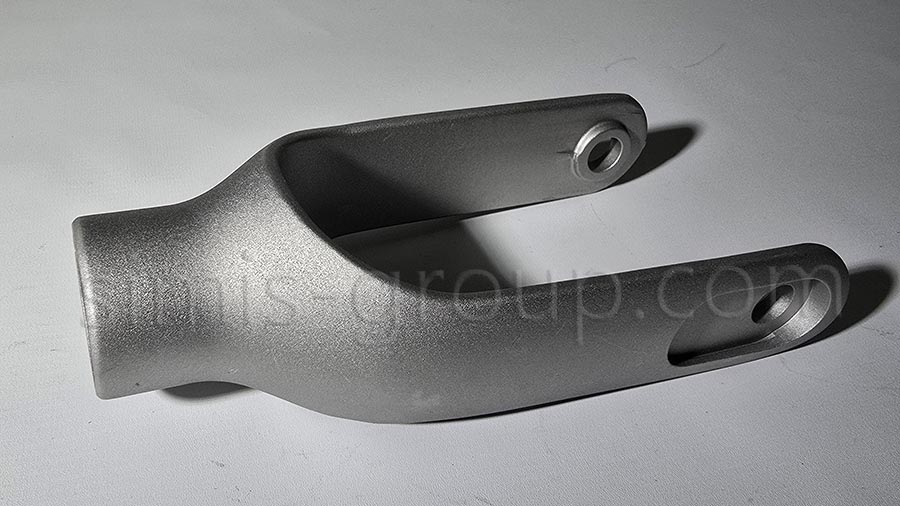
How to Select Front Fork Materials?
Material selection is dominated by the need for high strength-to-weight ratio to reduce unsprung mass and improve handling.
| Material Type | Primary Performance Requirement | Typical Front Fork Application |
| Forged Aluminum Alloy (6061, 7075) | Maximum Strength-to-Weight Ratio, Corrosion Resistance. | Racing Bicycles, Motorcycles, Premium Scooters (Main Structural Component). |
| Alloy Steel (4130, 4340) | Extreme Impact/Fatigue Resistance, High Rigidity. | Heavy-Duty Motorcycle Forks, Specialized Downhill Bikes. |
| Carbon Steel (AISI 1020, 1045) | Cost-Effective, Suitable for Standard Scooter/E-Bike Forks. | Standard Bicycles, Utility Electric Scooters. |
| Cast Aluminum Alloy | High Volume, Cost-Effective Complex Crown Designs. | Standard Commuter Bikes, Entry-Level Scooters. |
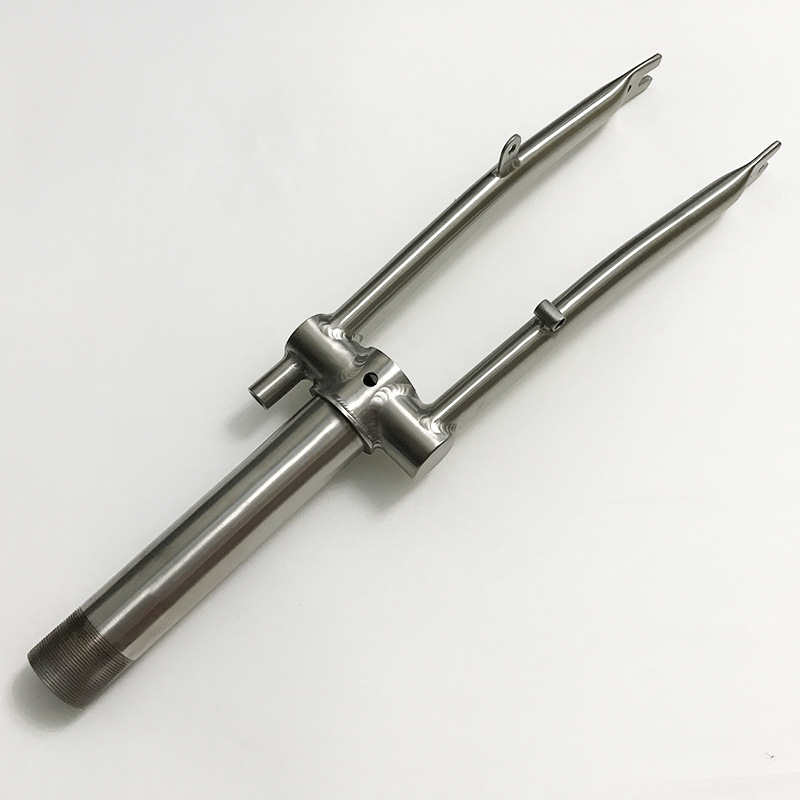
What Quality Assurance Measures Ensure Front Fork Alignment and Structural Integrity?
Quality control is paramount due to the fork's safety function, focusing heavily on geometric alignment and material soundness.
·Dimensional and Geometric Inspection:
CMM (Coordinate Measuring Machine) is used to verify the precise alignment between the Steer Tube Axis and the Axle Axis (Axle Offset/Rake) and the parallelism of the stanchion bores/mounts.
·Non-Destructive Testing (NDT):
Magnetic Particle Inspection (MPI) (for steel) or Dye Penetrant Inspection (DPI) (for aluminum) on all forged components and critical welds to detect surface flaws.
·Fatigue Testing (Safety Standard):
Mandatory testing under simulated braking, impact, and steering loads to comply with ISO, EN, or national safety standards (e.g., JIS for motorcycles).
·Material Certification:
Verification of the strength and heat treatment condition of the aluminum/steel forgings.
What Design Types and Features Are Available for Custom Front Forks?
We offer custom manufacturing for various fork architectures:
·Rigid Forks:
Non-suspended forks (common in scooters, fixed-gear bikes). Focus on lightweighting and stiffness.
·Suspension Forks (Telescopic):
Motorcycle and performance bicycle forks that use stanchions/sliders to house internal shock absorption mechanisms (cartridges, springs).
·Single-Sided Forks:
Specialized designs where the wheel is mounted cantilevered from one side of the fork leg.
·Integrated Mounts:
Custom forging for direct integration of disc brake caliper mounts (e.g., Post Mount or Flat Mount).
What Are the Key Application Areas of High-Strength Front Forks?
| Application Sector | Typical Fork Type | Primary Operating Challenge | Material/Process Highlight |
| Motorcycles & Scooters | Telescopic Suspension Forks, Triple Clamps. | High Speeds, Extreme Impact Absorption, Rigidity under Braking. | Forged Alloy Steel/Aluminum; Hard Chromed Stanchions; Certified Welds. |
| Racing & Mountain Bikes | Lightweight Suspension Forks, Rigid Forks. | Minimal Weight (Unsprung Mass), High Fatigue Life, Torsional Stiffness. | Forged 7075 Aluminum Alloy; High-Precision CNC Machining. |
| Electric Bikes (E-Bikes) | Heavy-Duty Suspension Forks (to handle higher E-Bike weight/speed). | Increased Load Capacity, Long-Term Durability, Cost Efficiency. | Forged Aluminum/Steel; Reinforced Crown Design. |
| Premium Electric Scooters | Integrated Suspension Forks, Single-Sided Arms. | Compact Design, Lightweighting, Durability against Urban Impact. | Forged Aluminum Alloy; Precision Axle/Brake Mounts. |
What Are the Advantages of Simis OEM Custom Front Forks?
Simis delivers front forks that enhance vehicle performance, safety, and durability through superior material processing and precision assembly.
·Superior Strength-to-Weight:
Exclusive use of Forged High-Strength Aluminum Alloys ensures maximum structural integrity at the lowest possible mass, enhancing vehicle handling and energy efficiency (electric bikes/scooters).
·Guaranteed Safety Criticality:
Strict adherence to fatigue testing standards and comprehensive NDT of all forged and welded sections ensures the fork will perform reliably under extreme impact and braking forces.
·Precision Steering Alignment:
CNC machining guarantees perfect parallelism of the stanchions and accurate alignment of the steer tube races, leading to responsive, chatter-free steering.
·Optimized for Integration:
Expert design for seamless integration of complex suspension damping systems and modern disc brake mounting standards.
How to Get a Quote for Custom Front Forks?
China Simis Company is your expert partner for custom-forged and cast Front Forks, guaranteeing the highest standards of safety, lightweight performance, and structural rigidity for your vehicle platform.
Please submit your 2D technical drawings, CAD models, required material (e.g., Forged Aluminum 7075), target vehicle weight, suspension travel needs, and critical axle/brake mounting specifications to our engineering department for a consultation and detailed quotation.