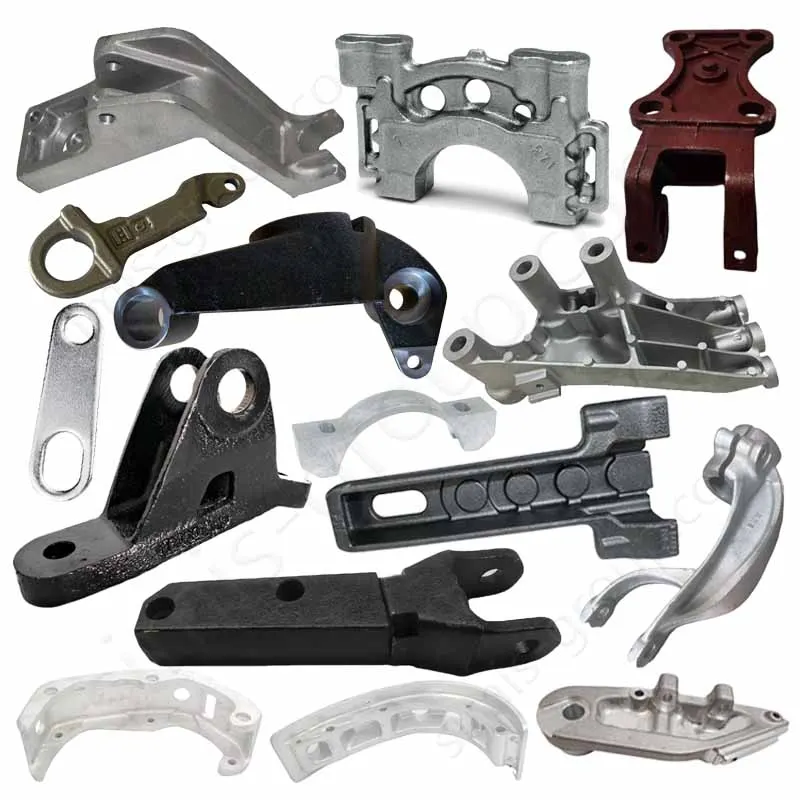
Custom Brake Caliper Manufacturer
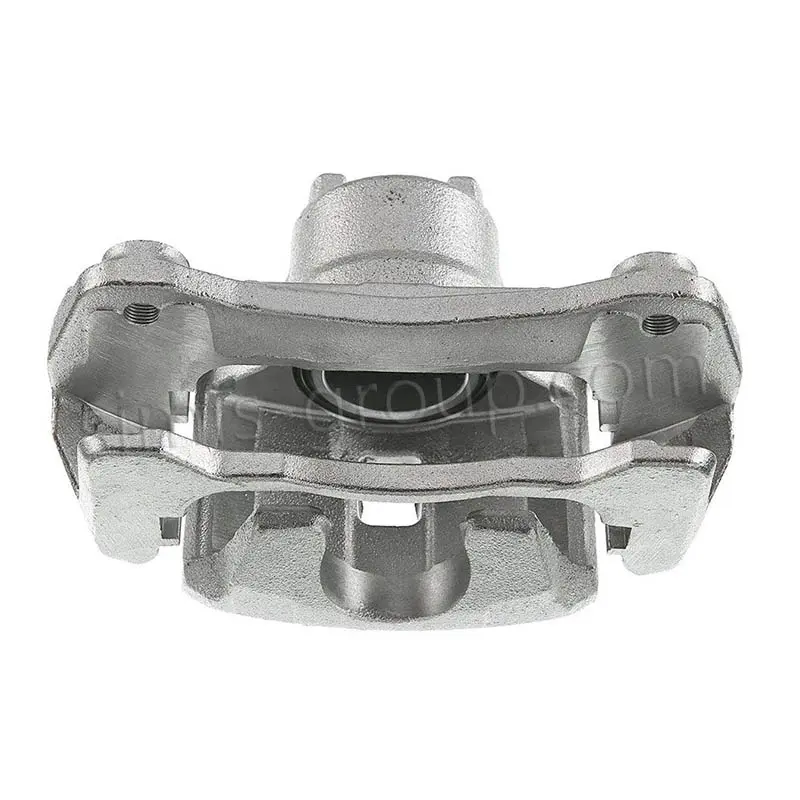


Brake Caliper

Frequently Asked Questions About Custom Brake Caliper Components
1. What brake caliper components can SIMIS manufacture?
SIMIS supplies custom brake caliper bodies, caliper housings, mounting brackets, guide-pin supports and related metal parts to OEM drawings. We manufacture suitable cast iron and cast aluminum components, forged aluminum caliper blanks and selected forged steel mounting parts. Depending on the order, customers may request castings, forgings, machined metal components or specified subassemblies. The complete hydraulic caliper, including its seals, pistons and brake system validation, is a separate agreed supply scope rather than an automatic feature of every metal part order.
2. Can SIMIS forge aluminum brake caliper bodies for performance vehicles?
Yes. SIMIS offers closed-die aluminum forging for suitable custom fixed-caliper bodies and related mounting components. Customer-specified 6061, 6082 or 7075 wrought aluminum alloys may be considered according to the part geometry and approved material condition. Forging forms the primary metal blank; piston bores, mounting faces and fluid passages are completed to the agreed drawings. A one-piece monoblock configuration is a product construction, not a universal guarantee of stiffness, pressure resistance or a particular certification.
3. Which casting processes are suitable for brake caliper housings and brackets?
For compatible designs, sand casting and shell mold casting can manufacture ductile iron or other approved iron caliper bodies and brackets. Aluminum gravity permanent mold casting and pressure die casting are manufacturing options for selected aluminum components. Pressure-containing hydraulic bodies need a casting route and porosity or leak-related acceptance requirements specifically validated by the OEM; a general die-cast aluminum component cannot be assumed suitable. SIMIS also offers investment casting for compatible smaller steel or stainless steel fittings.
4. What metals can be specified for OEM brake caliper manufacturing?
Common candidate materials include ASTM A536 ductile iron, specified gray iron for suitable noncritical structures, A356 or comparable cast aluminum, aluminum die-casting grades such as A380, and forged 6061, 6082 or 7075 aluminum. Carbon and alloy steel such as 1045 or 4140 may be specified for selected brackets or mechanical hardware. A356 cast aluminum and 6061 forged aluminum are different material families, and none of these alloys can be substituted in a brake application without customer approval.
5. What information should buyers send for a custom brake caliper quote?
Please provide 2D drawings or 3D CAD models, the caliper component type, exact material specification, critical mounting and hydraulic interfaces, and estimated order volume. Useful product details include fixed or floating configuration, piston bore layout where applicable, disc clearance, mounting-hole positions and required supply condition. For hydraulic pressure-containing components, include the applicable design pressure and customer-defined validation requirements in the drawing package. Send your RFQ to info@simis-group.com.
OEM Custom Brake Caliper Manufacturer in China
Custom brake caliper manufacturing involves producing metal components that support the braking mechanism and, in hydraulic designs, contain pistons and fluid passages. A typical disc brake caliper positions the brake pads around the disc and provides the structure through which piston force is transmitted. Its casting or forging must match the particular brake architecture, material specification and safety requirements established by the vehicle or equipment manufacturer.
SIMIS is an OEM metal parts supplier manufacturing forged aluminum brake caliper bodies, cast ductile iron caliper housings, cast aluminum caliper blanks, steel caliper brackets and related brake mounting components. We work from customer drawings rather than offering one universally interchangeable caliper model or assuming responsibility for a complete vehicle brake system.
A brake caliper body is distinct from the brake rotor, pads, piston seals, hoses or actuation controls. A complete finished caliper can include these elements, but the scope of a casting or forging purchase may be limited to the bare metal body or mounting bracket. The customer specifies the material, system interfaces, supply condition and applicable validation plan.
SIMIS supports the transportation market through its automotive and commercial vehicle castings and forgings. Related friction and support products include custom brake discs and custom brake drums, each with its own material and manufacturing requirements.

The original illustration compares disc and drum brake arrangements. It is provided for general product context, not as an engineering drawing or proof that SIMIS supplies every part shown in the illustration.
Types of Custom Brake Caliper Bodies, Brackets and Housings
Different brake systems use different caliper configurations. A fixed caliper body, a sliding floating caliper body and a separate carrier bracket are not the same product. SIMIS manufactures the metal geometry specified for the customer's chosen configuration.
| Component or Configuration | Typical Construction | Appropriate OEM Supply Scope |
|---|---|---|
| Floating / Sliding Caliper Body | Body arranged to slide relative to a support bracket, usually with piston or guide-pin features. | Approved cast iron or cast aluminum body blank and specified machined interfaces. |
| Fixed Caliper Body | Rigidly mounted caliper construction with piston positions on opposing sides. | Suitable forged aluminum or approved cast metal body; finished condition as ordered. |
| Monoblock Caliper Body | Caliper housing manufactured as a single structural metal body. | Customer-defined forged blank and finished structural body; no assumed hydraulic qualification. |
| Two-Piece Caliper Halves | Separate mating body halves with bolted or otherwise specified joining interfaces. | Forged or cast metal halves produced to the approved assembly drawing. |
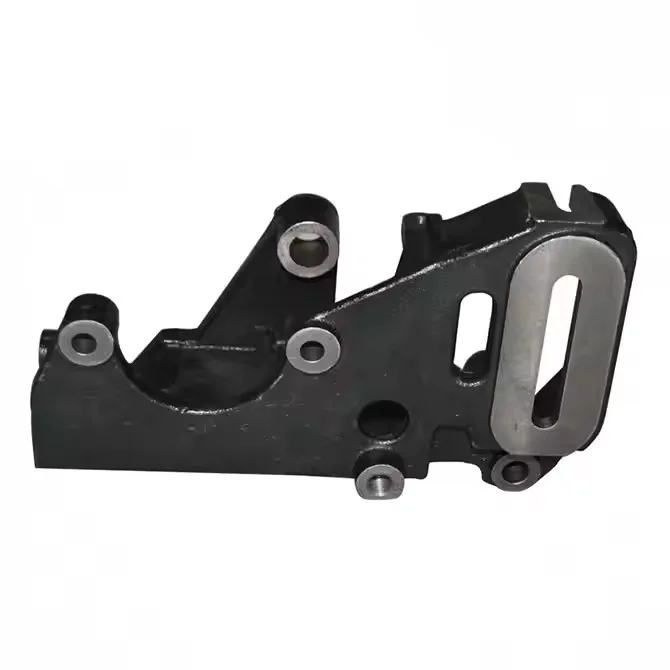
| Caliper Carrier / Mounting Bracket | Bracket providing mounting points, sliding interfaces or caliper support. | Ductile iron or steel casting, aluminum forging or specified steel forging. |
| Guide-Pin and Support Hardware | Pins, supports, fastening interfaces and related mechanical components. | Selected forged or wrought metal parts supplied to component drawings. |
| Special-Purpose Caliper Housing | Nonstandard shapes for motorcycle, off-road, industrial or racing equipment. | Project-specific cast or forged metal housing subject to geometry and material review. |
Floating Caliper Bodies and Carrier Brackets
Floating calipers use a sliding arrangement to allow one-sided hydraulic actuation to clamp pads against the disc. The caliper body and its separate mounting carrier may be manufactured from different metal grades. Ductile iron castings and appropriate aluminum castings are possible choices where the OEM has established acceptable material and manufacturing requirements.
The guide pin interfaces and mounting arrangement depend on the specific brake design. SIMIS supplies the custom cast or forged parts, while the purchaser defines the complete sliding mechanism, hardware and brake system requirements.

Fixed and Monoblock Aluminum Caliper Bodies
Fixed caliper assemblies may have opposed pistons and may use one-piece or two-piece bodies. For suitable premium vehicle and motorsport-related designs, forged aluminum is a manufacturing option for the structural body. Closed-die forging provides a formed metal blank that can be completed to the required mounting and piston interfaces.
One-piece and two-piece describe caliper construction, while forging and casting describe manufacturing processes. A forged body is not automatically a finished leak-tested caliper, and the expected stiffness or performance cannot be inferred from the process name alone.
Custom Caliper Brackets and Metal Mounting Components
Brake caliper carriers, mounting ears, guide supports and related metal brackets can use shapes and grades that differ from the hydraulic caliper body. Depending on the customer drawings, these parts may suit ductile iron casting, steel casting, aluminum forging or selected carbon or alloy steel forging.
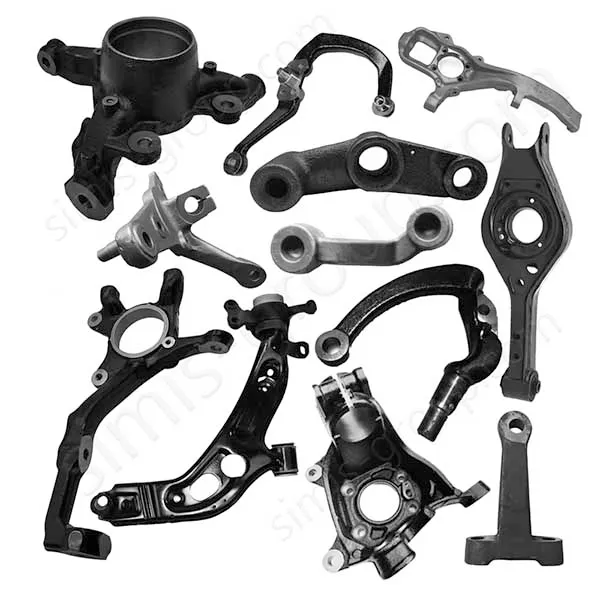
SIMIS can review material and process choices for appropriate steering knuckle interfaces and other adjoining OEM metal structures without assuming that the components are interchangeable across vehicle platforms.
Forging and Casting Processes for Brake Caliper Components
Aluminum closed-die forging and iron or aluminum casting are central manufacturing routes for suitable brake caliper metal parts. Each route has different tooling, geometry and material considerations. A production method should be specified after the customer has defined which surfaces carry hydraulic pressure, clamping loads and mounting loads.
| Manufacturing Process | Potential Caliper Parts | Process Consideration |
|---|---|---|
| Closed-Die Aluminum Forging | Suitable fixed or monoblock caliper blanks, structural bridges and mounting components. | Forms wrought aluminum using shaped dies; finished bores and fluid passages follow the approved drawing. |
| Ductile Iron Sand Casting | Floating caliper housings, support carriers and suitable heavy-duty cast components. | Forms cast iron structures using sand molds; grade and acceptance criteria are application-specific. |
| Shell Mold Iron Casting | Suitable repeat-production caliper brackets and smaller approved iron bodies. | Resin-bonded sand shells support selected cast shapes and tooling volumes. |
| Aluminum Gravity Permanent Mold Casting | Suitable cast aluminum housings and structural blanks. | Reusable metal mold route; hydraulic pressure containment requires customer-approved validation. |
| High-Pressure Aluminum Die Casting | Suitable high-volume nonpressure bodies, brackets and approved housing designs. | Porosity and pressure-integrity implications require specific review for hydraulic pressure-containing features. |
| Steel Investment Casting | Selected small caliper brackets, levers and related fittings. | Lost-wax process for compatible steel or stainless steel shapes. |
| Closed-Die Steel Forging | Selected caliper mounting brackets, pins and highly loaded mechanical connectors. | Forged steel route for compatible components rather than a default method for every caliper housing. |
Closed-Die Aluminum Forging for Fixed Caliper Blanks
SIMIS provides closed-die forging and custom aluminum alloy forging for suitable OEM parts. A heated aluminum billet is shaped in prepared tooling to produce a structural blank with the specified general profile. Wrought aluminum grades can include 6061, 6082 and 7075 when approved by the customer.
The forging route is selected according to component geometry, mechanical requirements and production volume. It does not eliminate every possible material defect or independently certify a caliper for use on public roads. The finished part and acceptance requirements remain defined by the OEM.
Ductile Iron Sand Casting and Shell Mold Casting
SIMIS supplies sand castings and shell mold castings in suitable iron grades. These are relevant processes for customer-approved caliper carriers and selected cast iron housing configurations. Cast ductile iron offers different mechanical behavior from gray cast iron and should be selected using its own material grade.
Where cast housings contain hydraulic passages, the OEM must define the necessary soundness, dimensional and leak-related acceptance criteria. No universal casting method automatically establishes hydraulic pressure resistance for all caliper designs.

Gravity Mold and Pressure Die Casting for Aluminum Caliper Parts
SIMIS operates gravity permanent mold casting and pressure die casting processes for aluminum components. A356 and compatible foundry alloys can be considered for appropriate gravity-cast parts, while A380 and other qualified die-casting grades may be suitable for selected volume-production components.
Casting feasibility does not mean every aluminum die casting is suitable for a hydraulic caliper body. Pressure containment, residual porosity and required validation must be explicitly reviewed by the equipment manufacturer, especially for fluid-carrying features.
Investment Casting and Steel Forgings for Related Hardware
For selected smaller steel fittings, brackets and linkage components, SIMIS offers investment casting and steel forging. These processes may be appropriate for structural mounting components and other approved metal hardware. They are complementary to—not universal replacements for—the cast or forged caliper body.
Materials for Forged and Cast Brake Caliper Components
Material selection depends on the caliper configuration, hydraulic pressure boundary, mechanical load path, vehicle environment and purchasing specification. Forged aluminum, cast aluminum, ductile iron and steel are not interchangeable categories. SIMIS manufactures the OEM-specified grade in the production form appropriate to the component.
| Material / Grade | Manufacturing Form | Possible Caliper Component |
|---|---|---|
| 6061 / 6082 Aluminum | Wrought and forged aluminum alloy. | Customer-approved forged caliper body blanks and lightweight structural brackets. |
| 7075 Aluminum | Wrought and forged aluminum alloy. | Selected forged high-strength caliper bodies when corrosion and material condition are addressed by the design. |
| A356 Aluminum | Cast aluminum alloy for suitable gravity or other qualified casting routes. | Approved cast caliper housings and structural components. |
| A380 Aluminum | Aluminum die-casting alloy; distinct from wrought or gravity-cast grades. | Suitable die-cast brackets and customer-approved nonpressure or qualified housing designs. |
| ASTM A536 Ductile Iron | Spheroidal graphite cast iron, grade specified by OEM. | Suitable caliper carriers, floating caliper bodies and heavy-duty mounting components. |
| ASTM A48 Gray Iron | Gray iron casting material with different tensile behavior from ductile iron. | Only appropriate customer-approved caliper-related cast structures. |
| AISI 1045 / C45 Steel | Forged or wrought medium-carbon steel, subject to material specification. | Selected mechanical supports, mounting parts and guide-related components. |
| AISI 4140 / 42CrMo4 Steel | Related but not identical national specifications for chromium-molybdenum steel. | Customer-specified forged brackets and heavy-duty mechanical hardware. |
| Cast Steel / Stainless Steel | Specified casting grades under appropriate material standards. | Selected brackets and specialty fittings, not an assumed universal hydraulic body material. |
Forged 6061, 6082 and 7075 Aluminum
Forged aluminum alloys are relevant to suitable lightweight fixed caliper bodies and other high-strength structural parts. 6061 and 6082 are aluminum-magnesium-silicon alloys, while 7075 is an aluminum-zinc-magnesium-copper alloy. Their material conditions, corrosion performance and mechanical properties differ, so grade selection must follow the OEM drawing.
Cast A356 and A380 Aluminum
Cast aluminum materials offer other production routes for compatible caliper housings and brackets. A356 is used in suitable gravity or other specified casting applications; A380 is associated with pressure die casting. Neither cast alloy should be described as a direct substitute for a forged 6061 or 7075 caliper body without specific engineering approval.
Ductile Iron, Gray Iron and Alloy Steel
Ductile iron may be specified for caliper bodies and carriers designed around that material, while gray iron has distinct properties and should be confined to applications approved for its actual grade. Alloy steel is relevant to certain mounting brackets and other mechanical hardware. Steel casting grades must be identified separately from wrought and forged steel grades.
The choice between iron casting and aluminum forging is not a simple ranking of strength, stiffness or safety. Each brake component must be manufactured to the applicable drawing, material condition and acceptance criteria.
Applications of Custom Brake Caliper Castings and Forgings
SIMIS supplies suitable OEM metal caliper components for transportation and industrial equipment markets. The specific brake design, application and regulatory approval process are determined by the vehicle or equipment manufacturer.
Passenger Cars, SUVs and Light Commercial Vehicles
Passenger and light commercial vehicles use various fixed and floating disc brake layouts. Custom metal parts may include aluminum or ductile iron caliper bodies, sliding caliper carriers and other mounting components. SIMIS manufactures suitable metal blanks and finished parts to customer drawings for the intended vehicle platform.
Performance Vehicles and Motorsport Applications
Certain performance vehicle and motorsport brake designs specify lightweight forged aluminum fixed caliper bodies, including one-piece and multi-piece structures. SIMIS can produce compatible forged metal body blanks to the approved design. The forging process alone does not establish a vehicle or motorsport qualification, braking force or validated operating temperature.
Trucks, Buses and Commercial Fleet Equipment
Heavy commercial vehicles may use cast iron caliper carriers, caliper bodies and other substantial brake mounting components. Ductile iron castings can be considered for suitable customer-defined structures. Vehicle-specific mounting, loads, temperature exposure and pressure-related requirements are established in the OEM specification.
Motorcycles, Construction and Off-Road Machinery
Motorcycles, construction machines and other off-road equipment use a range of disc brake configurations. Custom caliper components can include forged aluminum structural bodies, cast metal brackets and specialized mounting hardware. Dust exposure, corrosive conditions and brake architecture vary by equipment and must be included in project requirements.

Custom Brake Caliper Bodies and Brackets Manufactured to OEM Drawings
SIMIS supplies metal castings and forgings made to customer drawings for brake caliper bodies, caliper mounting brackets and related OEM mechanical components. Our principal relevant routes include aluminum closed-die forging, ductile iron sand casting, shell mold casting, aluminum gravity casting and selected die-cast or investment-cast metal parts.
Customers can request raw castings, forged blanks or finished components with the specified interfaces. Machining of piston bores, mounting surfaces and fluid passages, as well as heat treatment, coating and inspection, are performed only as required by the approved purchase specification and agreed manufacturing scope.
Brake calipers are safety-critical parts. Structural stiffness, fluid tightness, pressure capability, fatigue performance and relevant vehicle-level approvals require a project-specific design and validation plan. SIMIS does not promise universal zero leakage, 100% pressure testing, guaranteed braking performance or certification for every metal casting or forging supplied.
Any inspection documentation, leak or proof-pressure testing, material traceability and regulatory requirements should be stated in the customer's purchase order. Final brake system performance remains dependent on the approved assembly, operating conditions and overall vehicle design.
Request a Quote for Custom Brake Caliper Castings and Forgings
SIMIS welcomes RFQs for OEM forged aluminum brake caliper bodies, cast ductile iron caliper housings, cast aluminum blanks, caliper mounting brackets and related brake metal parts. Please send the following information where available:
Technical drawings: 2D drawings and available 3D CAD models of the requested metal component.
Component and configuration: Fixed or floating body, monoblock or two-piece housing, caliper carrier, bracket or other specified part.
Material specification: Exact forging or casting alloy, applicable standard and required supply condition.
Critical interfaces: Mounting-hole pattern, piston bore locations or diameters, disc clearance, guide-pin or hydraulic passage features where relevant.
Project requirements: Estimated order quantity, intended equipment application, requested delivery condition and customer-defined pressure or safety validation requirements if applicable.
For the applicable drawing and purchasing requirements, SIMIS can review the proposed forging or casting route and provide a quotation for the agreed metal part scope. Send your OEM inquiry to info@simis-group.com.