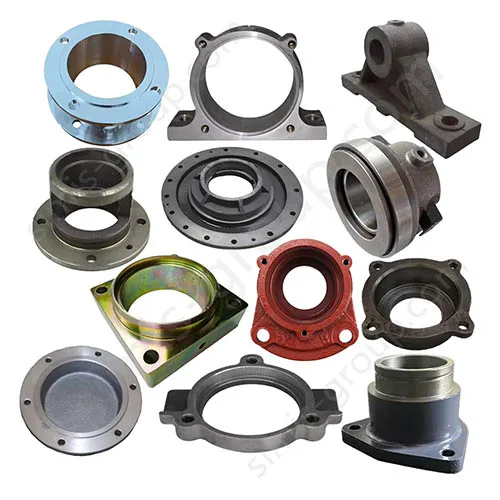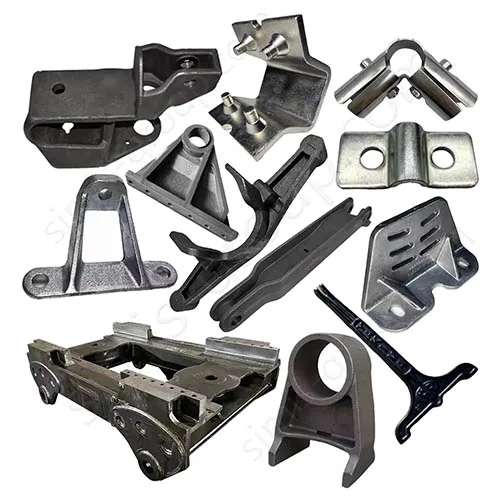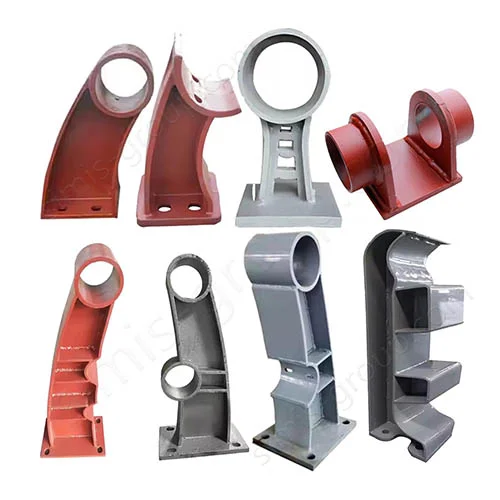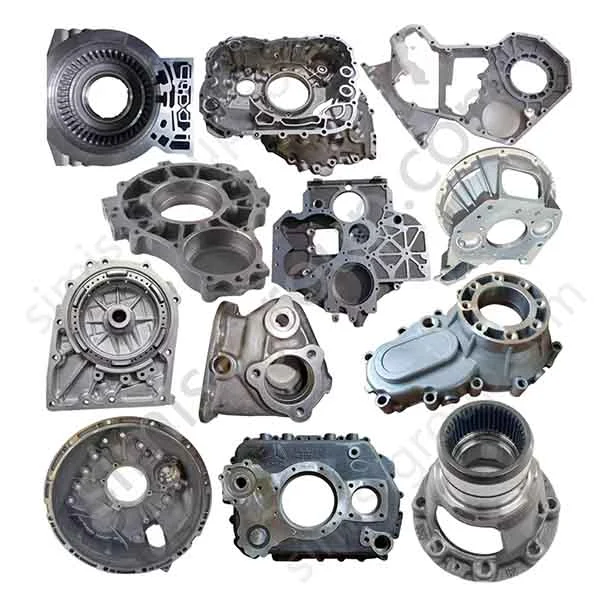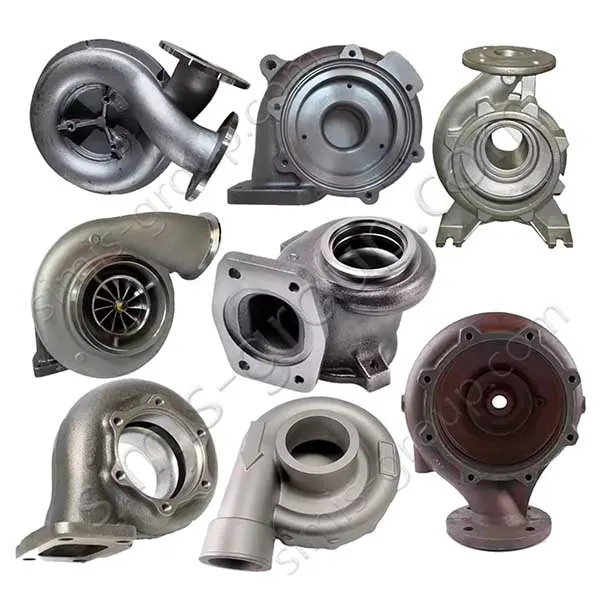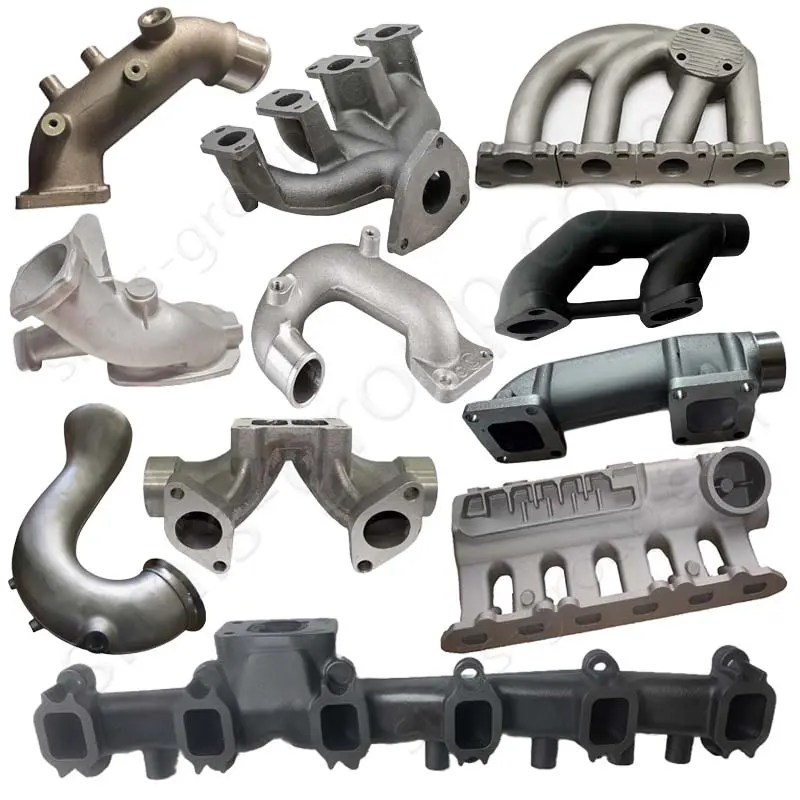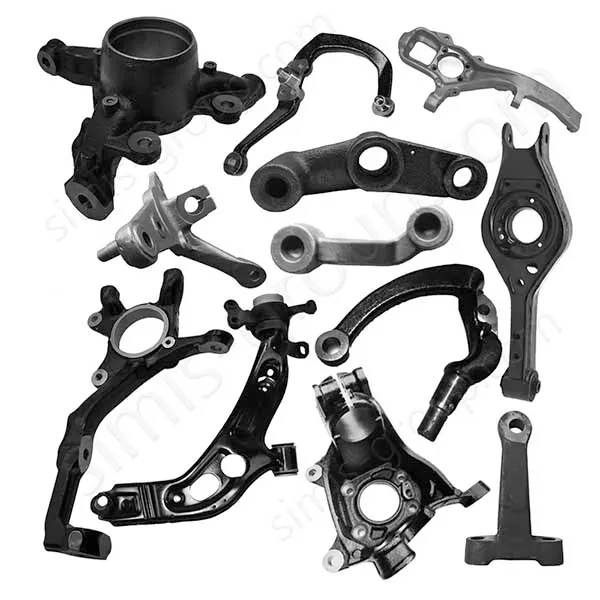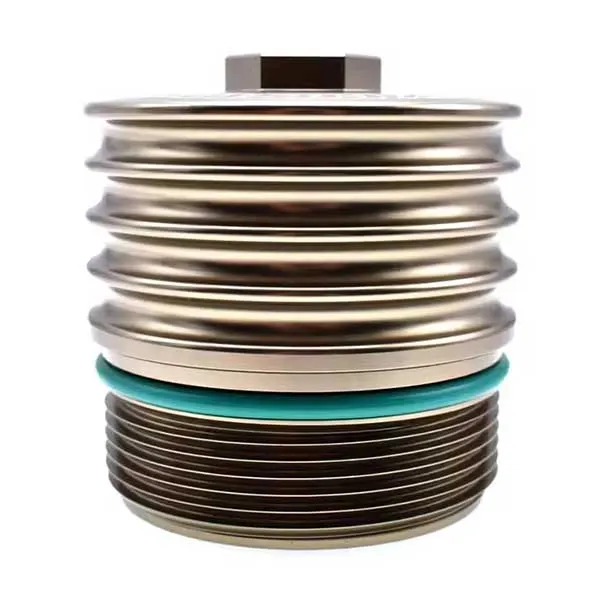
Custom Engine Bracket Manufacturer
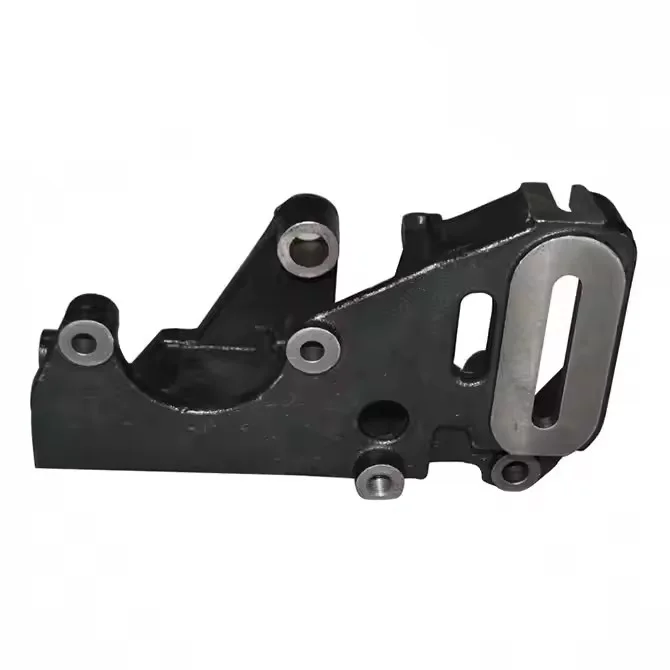
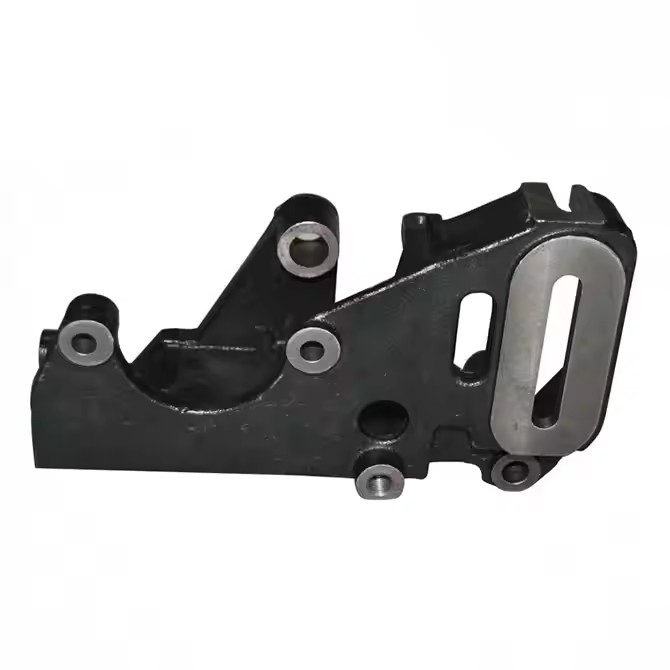
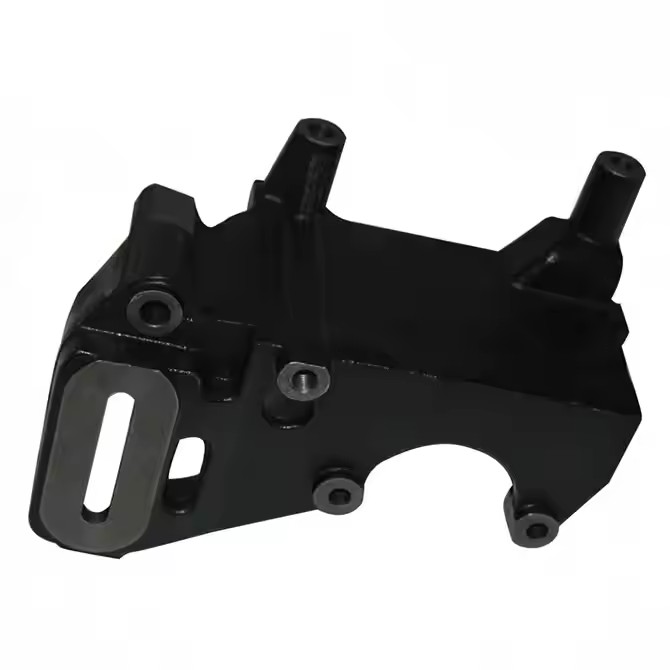
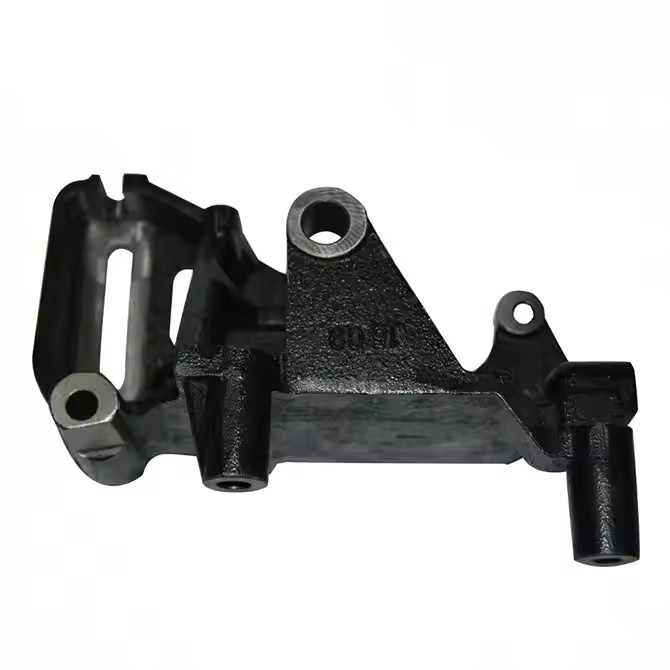
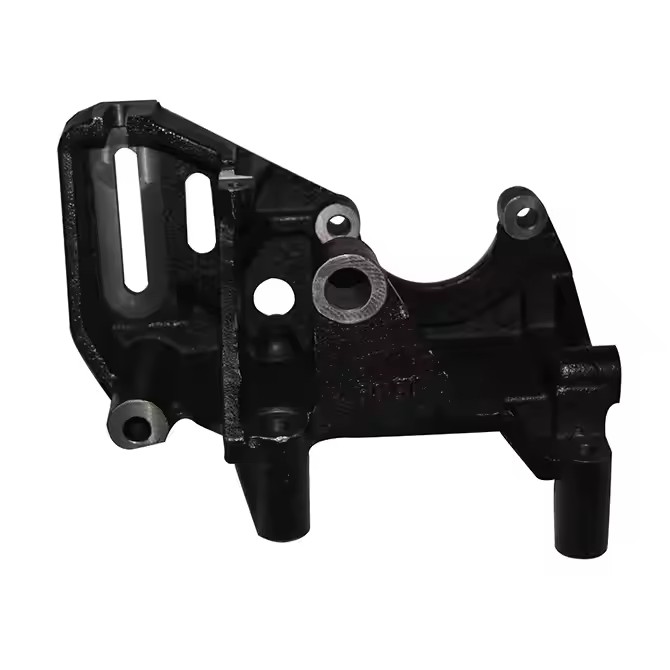
Engine Bracket

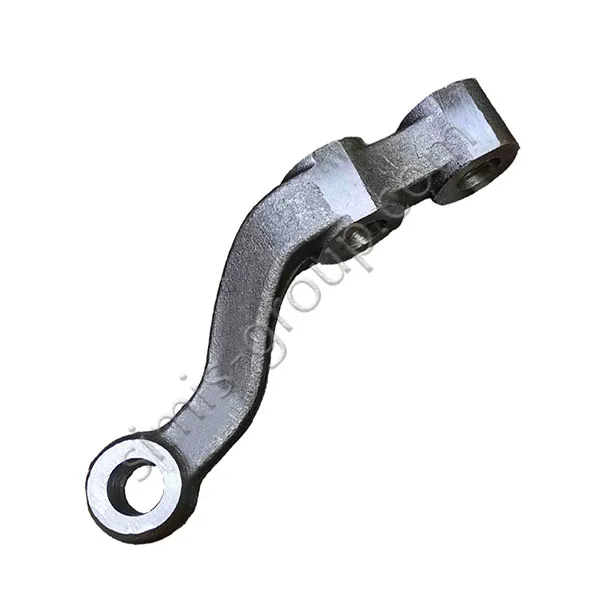
China Simis Company is a specialized OEM custom manufacturer of high-performance Engine Brackets (including front, rear, side supports, and suspension mounts). As critical components connecting the powertrain to the chassis or frame, these brackets demand exceptional fatigue strength, torsional rigidity, and precise vibrational isolation (NVH control).
We utilize both precision casting and high-integrity forging to produce robust solutions from Cast Iron, Carbon Steel, and Aluminum Alloys, ensuring reliability for light vehicles, heavy trucks, construction machinery, and specialized marine engines.
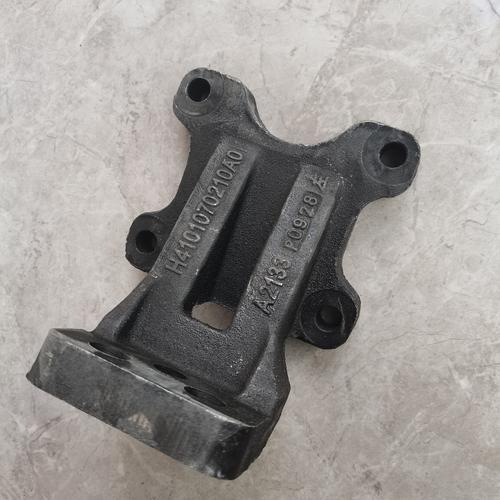
What Versatile Manufacturing Processes Are Used for Engine Bracket Performance Optimization?
The optimal process—casting or forging—is selected based on the bracket's required complexity, load type (static vs. dynamic/impact), and material specification. We adopt a variety of processes including sand casting, shell mold casting, permanent mold casting, pressure die casting, lost foam casting, closed die forging, sheet metal fabrication and precision CNC machining to meet diverse engine bracket production needs.
| Manufacturing Process | Applicable Material Range | Application Focus for Engine Brackets | Core Advantage |
| Sand Casting | Ductile Iron, Gray Iron, Carbon Steel | Large, heavy-duty engine mounts and structural supports requiring complex cast geometry. | Cost-effective for high-mass components requiring structural rigidity and damping. |
| Shell Mold Casting | Ductile Iron, Carbon Steel | Mounts requiring improved surface finish and tighter tolerance in bearing or bushing insertion areas. | Better dimensional control and reduced machining allowance compared to general sand casting. |
| Permanent Mold Casting | Aluminum Alloy | High-volume aluminum mounts and accessory brackets demanding high material density and structural integrity. | Superior repeatability and material properties for critical aluminum applications. |
| Pressure Die Casting | Aluminum Alloy | High-volume, lightweight accessory brackets (e.g., alternator/AC mounts). | Fastest production rate for complex, thin-walled aluminum structures, optimizing cost and weight. |
| Lost Foam Casting | Ductile Iron, Aluminum Alloy | Single-piece mounts with complex internal voids or optimized internal ribbing. | Simplifies tooling for highly complex internal features. |
| Closed Die Forging | Carbon Steel, Alloy Steel | Safety-critical engine mounting arms and supports requiring maximum fatigue life and yield strength. | Achieves superior grain flow and material integrity, essential for dynamic loading. |
| Sheet Metal Fabrication | Carbon Steel | Lighter-duty accessory brackets and fabricated structural mounts where welding is feasible. | Cost-effective for simple geometries, customization, and integrated assemblies. |
| Precision CNC Machining | All Alloys | Mandatory for all mounting faces, bushing interfaces, and bolt hole true positions. | Guarantees the dimensional accuracy and flatness required for correct engine/accessory alignment. |
What Materials Are Used for Engine Brackets to Manage Load, Fatigue, and Weight?
We specify materials that provide the best balance of stress tolerance and damping properties for the operating environment. The main materials applied for engine brackets include aluminum alloy, ductile iron, carbon steel, alloy steel and gray iron, each with distinct performance characteristics to match different application requirements.
| Material Type | Core Performance Attributes | Primary Application Scenarios for Engine Brackets |
| Aluminum Alloy | Significant lightweighting, corrosion resistance, and good machinability. | Dominant for passenger vehicle accessory brackets and lightweight engine mounts. |
| Ductile Iron | High strength, excellent stiffness, and good vibration damping (NVH). | Heavy-duty engine mounts, truck transmission supports, and high-stress chassis brackets. |
| Carbon Steel | High strength and toughness; excellent weldability (if fabricated) and versatility (cast or forged). | Forged structural mounts or heavy-duty cast supports requiring high yield strength. |
| Alloy Steel | Highest strength and fatigue life among steels. | Safety-critical forged engine mounting arms in performance vehicles or heavy equipment. |
| Gray Iron | Superior vibration damping (NVH control) and low cost. | Non-critical accessory brackets where damping is valued over maximum strength. |
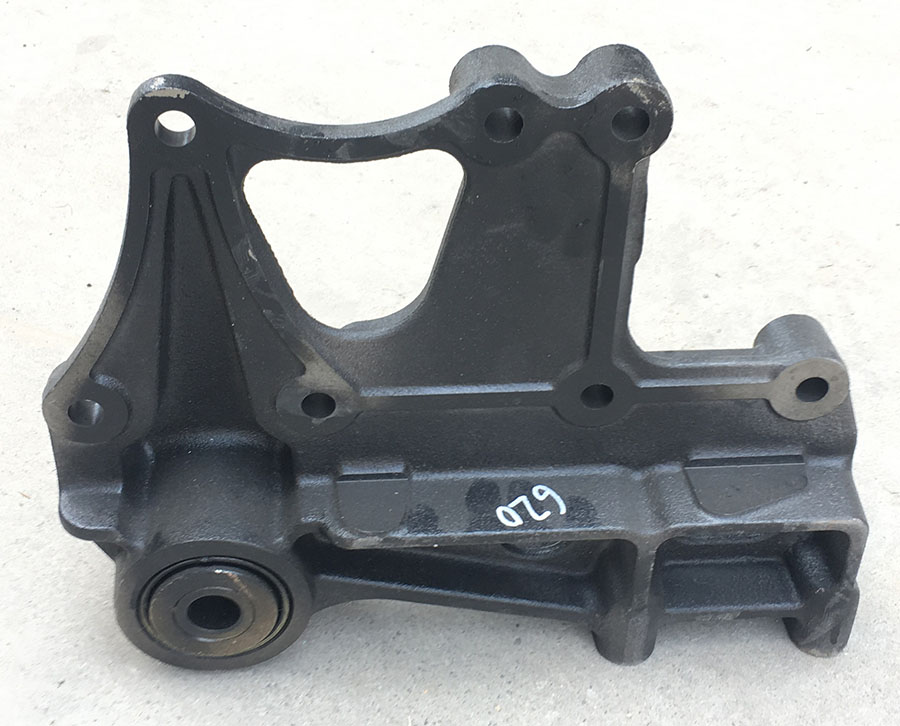
How to Ensure High-Precision Machining and Quality Assurance of Engine Brackets?
Precision in an engine bracket is essential for achieving proper engine alignment, minimizing stress on the block, and optimizing the damping geometry. We implement a series of strict quality control measures including alignment and mounting accuracy control, weld joint preparation, fatigue testing and structural inspection to ensure the high quality of engine brackets.
·Alignment and Mounting Accuracy:
CNC machining ensures tight tolerances on all mounting holes and planar surfaces to guarantee zero misalignment between the engine and the chassis/frame.
·Weld Joint Preparation:
For brackets intended for fabrication, surfaces are machined to ensure optimal joint strength and quality.
·Fatigue Testing:
Material certification focuses on achieving high-cycle fatigue limits necessary for engine operation (millions of cycles).
·Structural Inspection (NDT):
Utilizing Magnetic Particle Inspection (MPI) and Ultrasonic Testing (UT) on forged and cast steel brackets to verify internal soundness and confirm structural integrity in high-stress zones.
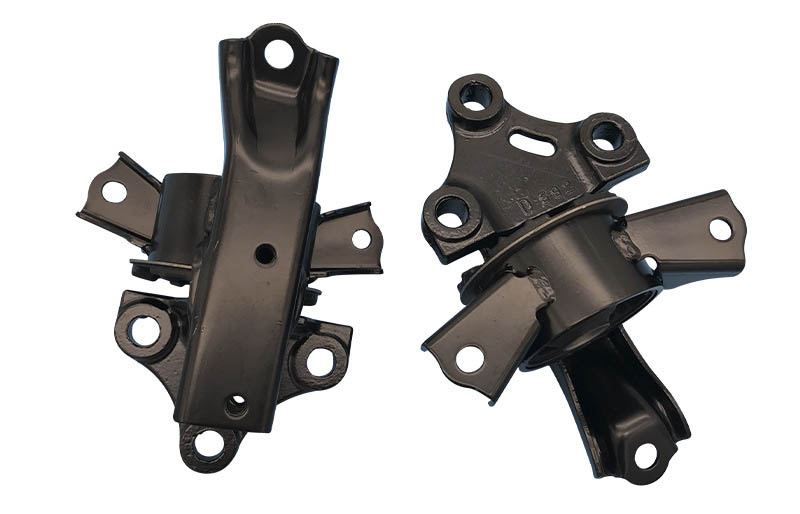
What Are the Key Application Areas of Engine Brackets?
Our custom brackets are foundational to securing and isolating engines across various demanding sectors, covering automotive & EV, heavy-duty & commercial, industrial machinery, aerospace & defence, and construction & mining fields.
| Application Sector | Typical Component | Core Performance Needs | Simis Material/Process Focus |
| Automotive & EV | Engine Mounts, Alternator/A/C Brackets, Transmission Supports. | Lightweighting, NVH Damping, High Volume Production. | Aluminum Alloy (Die/Permanent Mold), Ductile Iron (Casting/Forging). |
| Heavy-Duty & Commercial | Engine Lift Hooks, Structural Frame Mounts, Power Steering Pump Brackets. | High Static Load Capacity, Extreme Durability. | Ductile Iron (Sand Casting), Carbon/Alloy Steel (Closed Die Forging). |
| Industrial Machinery | Motor Mounts, Pump Supports, Bearing Housing Supports. | Rigidity, Vibration Control, Long Service Life. | Gray Iron, Ductile Iron (Sand Casting). |
| Aerospace & Defence | Actuator Mounts, Critical Structural Supports for APUs. | Minimal Weight, Maximum Reliability/Fatigue Life. | Forged Aluminum/Alloy Steel. |
| Construction & Mining | Heavy Engine Mounting Arms, Chassis Brackets. | High Shock Load Resistance, Reliability in Harsh Environments. | Forged Carbon/Alloy Steel, Ductile Iron. |
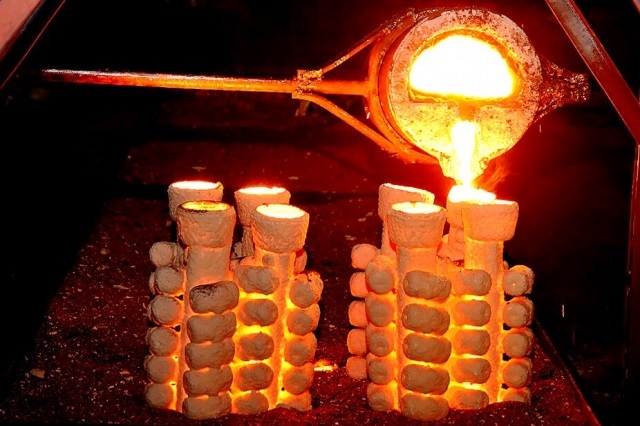
What Are the Advantages of Simis OEM Customization for Engine Brackets?
Partnering with Simis for engine brackets ensures engineered safety, optimal performance, and supply reliability. Our core advantages include NVH control expertise, fatigue life assurance, integrated supply chain service and process versatility to meet diverse customer needs.
·NVH Control Expertise:
We provide design optimization to maximize the damping effects of cast iron or minimize mass for aluminum, directly impacting vehicle noise and ride comfort.
·Fatigue Life Assurance:
We specify the precise material grade and manufacturing process (casting vs. forging) to meet the required finite element analysis (FEA) targets for service life.
·Integrated Supply Chain:
We offer a single source responsible for casting/forging, high-precision machining, and structural inspection, streamlining quality verification and logistics.
·Process Versatility:
We can quickly adapt production between aluminum casting for lightweight vehicles and steel forging for high-impact industrial machinery based on project demands.
How to Get a Quote for Custom Engine Brackets?
China Simis Company is your dedicated partner for high-performance Engine Brackets, offering the strategic advantage of multi-process manufacturing (Casting, Forging, and Fabrication) to optimize performance, weight, and cost.
Please submit your 2D technical drawings, CAD models, required material and process (e.g., Forged 4140 Alloy Steel or Cast Aluminum A356), critical fatigue life requirements, and expected annual volume to our engineering department for a consultation and detailed quotation.