Custom Bridge Guard Bracket Manufacturer
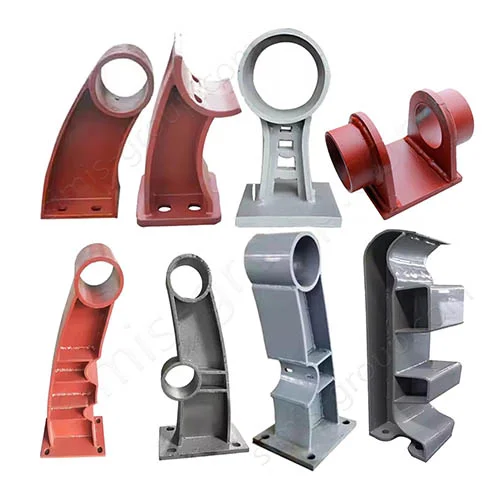
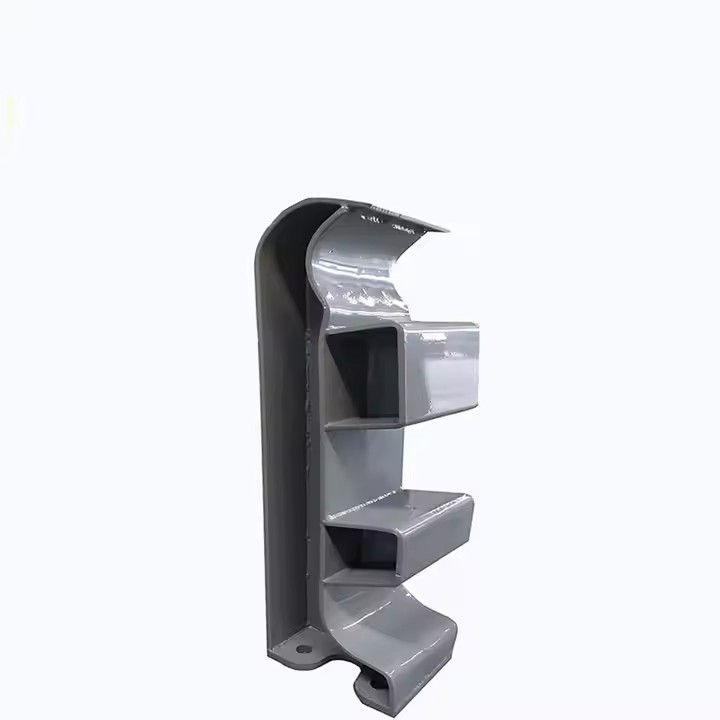
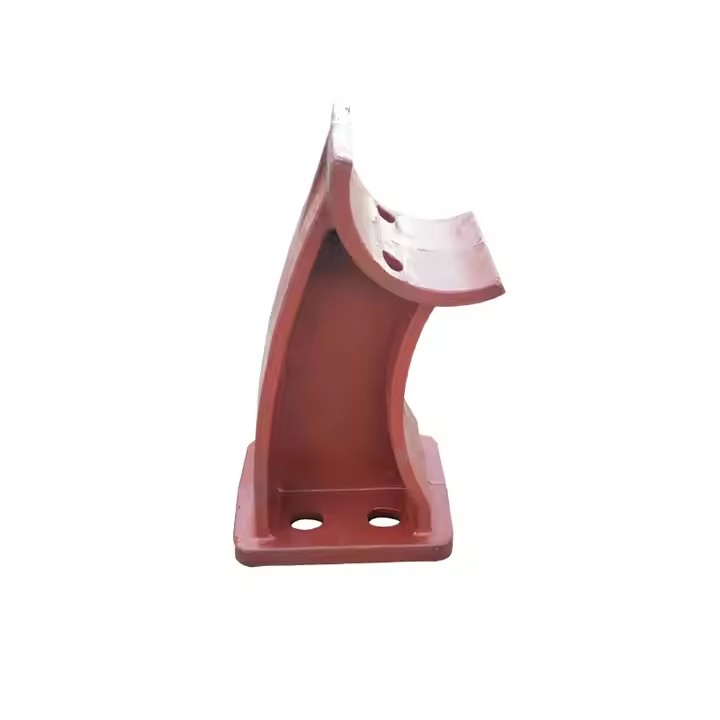
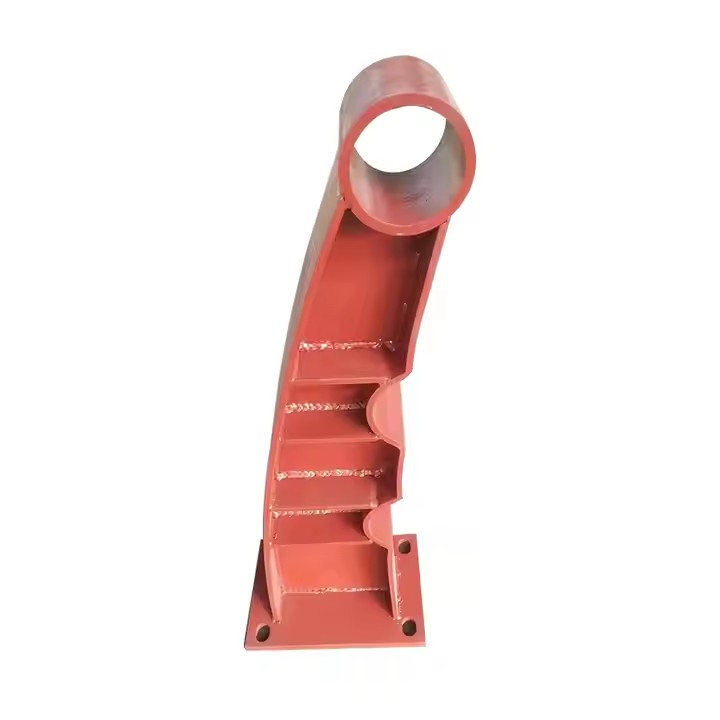
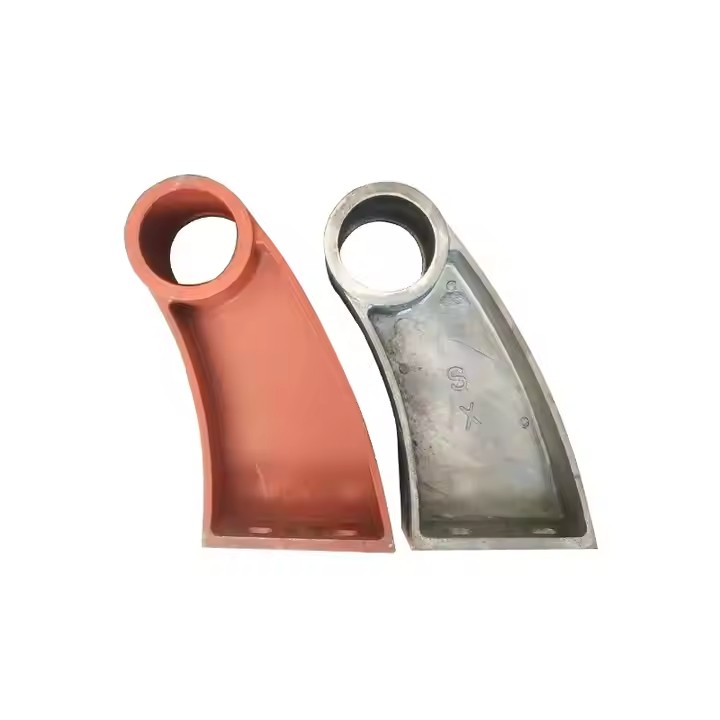
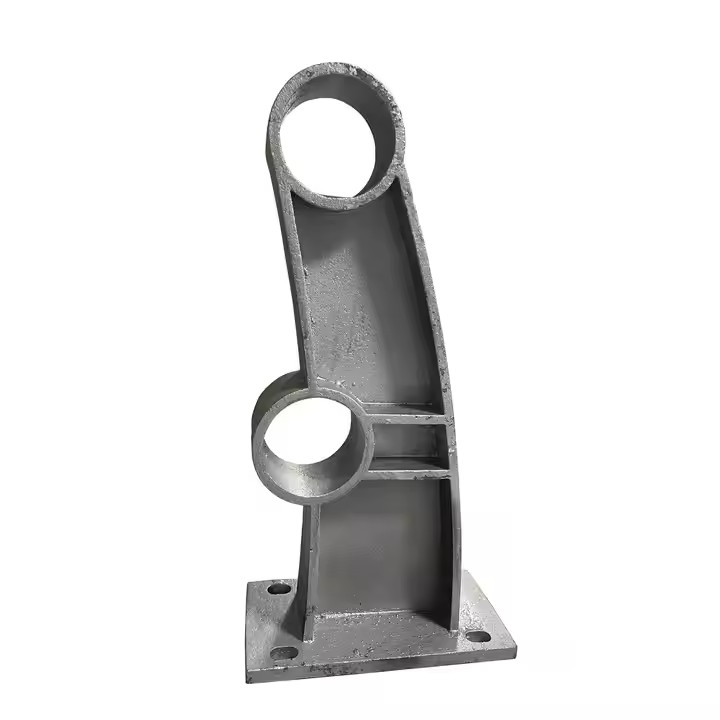
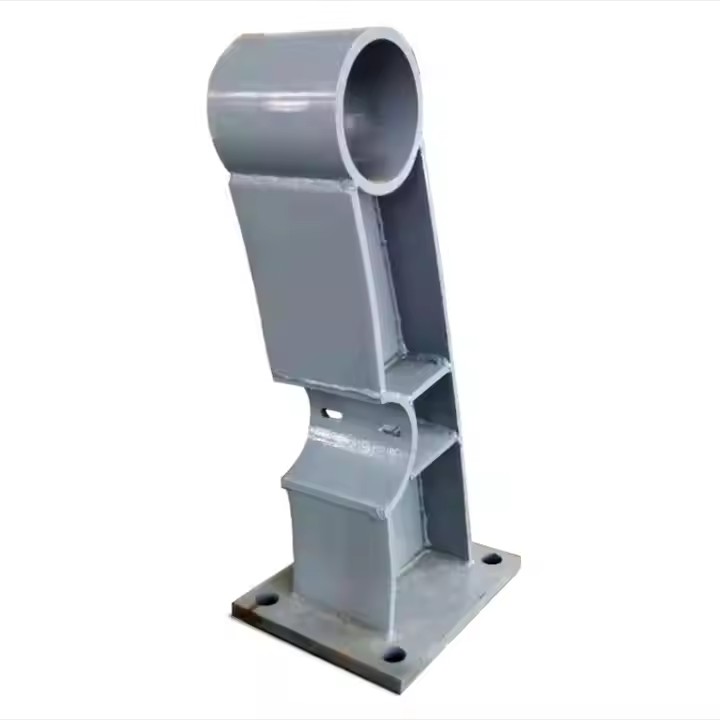
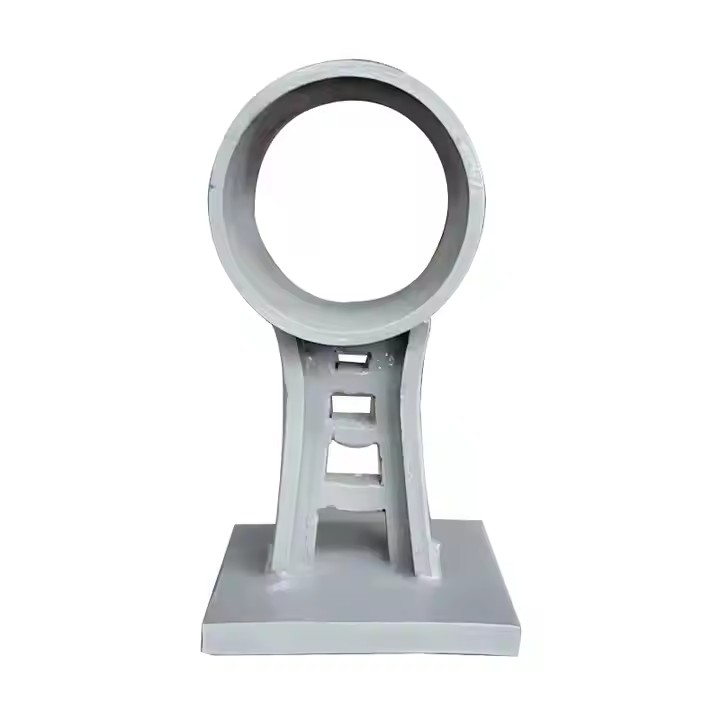
Bridge Guard Bracket

Custom Bridge Guardrail Brackets: OEM Manufacturing FAQs
Can SIMIS manufacture bridge guard brackets according to our drawings?
Yes. SIMIS supports OEM manufacturing of custom bridge guard brackets, guardrail supports and railing connection components based on customer drawings. Depending on the specified material, bracket geometry and production volume, the proposed manufacturing route may include ductile iron casting, steel casting, fabricated steel structures, CNC machining and protective surface finishing. Each project is reviewed against its installation dimensions, structural requirements and inspection specifications.
Which material is suitable for a bridge guardrail bracket?
Material selection depends on the bracket's structural function, loading conditions and exposure environment. Ductile iron may be considered for engineered cast supports where the specified grade and component design meet the project's requirements. Cast steel and fabricated structural steel are alternative options for other connection configurations. Gray cast iron is more appropriate for certain non-impact-rated or decorative applications and should not be assumed suitable for vehicle-containment safety components.
How are anchor bolt holes and guardrail connections controlled?
The important features typically include anchor-hole spacing, mounting-face geometry, post or rail interface dimensions, bracket height and connection angles. Where the drawing requires closer tolerances than the casting process can consistently achieve, these features can be finished by CNC machining. The actual anchor design, fastener grade, embedment and supporting bridge structure must be evaluated by the responsible project engineer.
Can the brackets meet bridge safety or impact-resistance standards?
SIMIS can review customer-specified material, dimensional, coating and inspection requirements for individual brackets. However, manufacturing a bracket does not independently establish the impact rating or regulatory approval of a complete bridge barrier system. Where vehicle containment or other safety performance is required, the applicable standard, validated system design and acceptance documents must be provided and confirmed for the project.
What information should we provide for a quotation?
Please send 2D drawings, available 3D models, the required material grade, approximate dimensions and weight, mounting-hole details, surface-treatment specifications and estimated order quantity. For structural or safety-related applications, include the design loads, barrier-system requirements, required inspection documentation and applicable project standards. These details help determine casting feasibility, machining operations and an appropriate quotation.
Custom Bridge Guardrail Brackets for Infrastructure Projects
Bridge guardrail brackets are metal connection components used to position and support railing posts, guardrail elements or other protective structures on bridges and elevated infrastructure. Depending on the arrangement, a bracket may connect a vertical post to a deck edge, secure a rail to a supporting member, or form part of a larger anchoring assembly.
Unlike generic industrial mounting brackets, bridge railing supports may be exposed to outdoor corrosion, thermal movement, vibration and lateral forces transmitted through the railing. Their functional requirements depend on the particular bridge and barrier design. A pedestrian handrail bracket, an architectural railing support and a vehicle-containment connection should not be treated as interchangeable products.
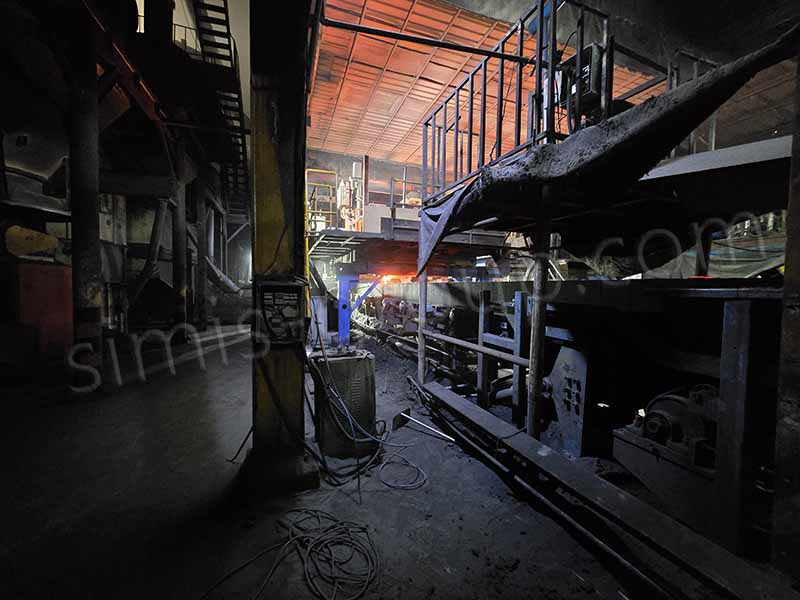
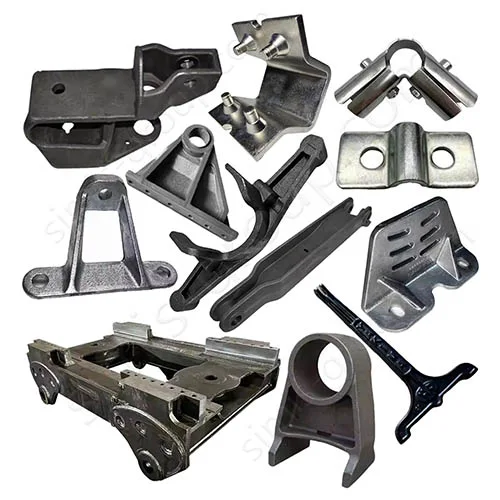
SIMIS provides drawing-based casting and machining support for custom bracket geometries, including curved supports, reinforced mounting arms, flanged connections and non-standard installation angles. Our wider municipal engineering metal parts capabilities also cover related components used in infrastructure projects.
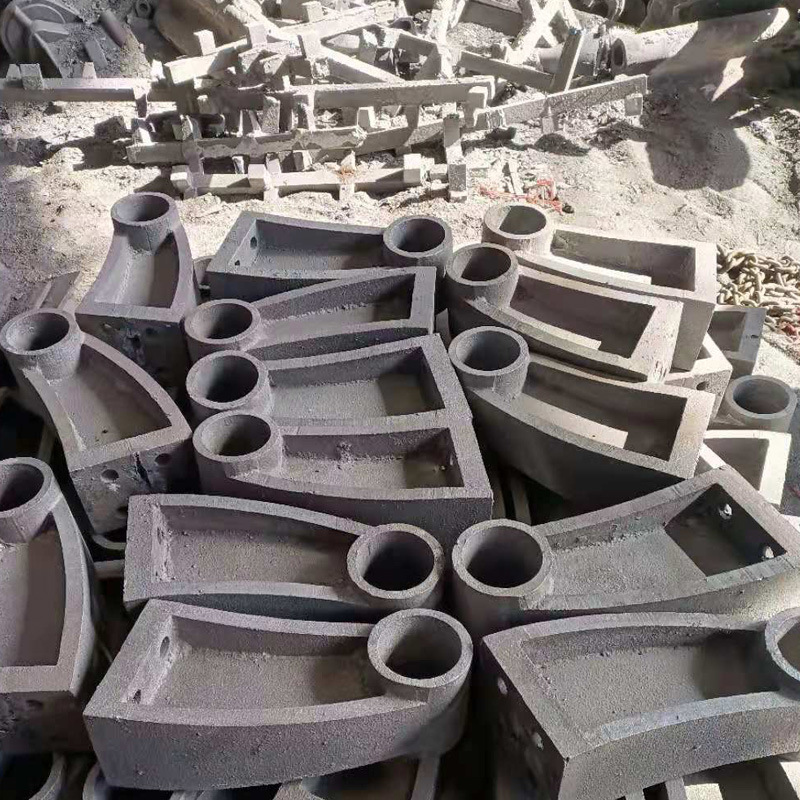
Manufacturing Processes for Custom Bridge Guard Brackets
The manufacturing process should be selected for the actual bracket design rather than assuming every bridge guardrail support must be cast. The component's size, material, rib structure, load path, annual demand and connection details influence whether casting or steel fabrication is more appropriate.
Sand casting for integral iron brackets
Sand casting is a practical candidate for medium and large cast iron brackets with curved profiles, integral strengthening ribs, thickened mounting bosses or other complex features. A one-piece casting can consolidate multiple geometric features, although the final structural suitability depends on the material grade, section design and casting quality.
SIMIS can assess parting lines, draft angles, gating, feeders, machining allowances and inspection access through its sand casting foundry capabilities. Special attention is given to transitions between mounting bosses, thin webs and thicker structural sections.
Shell mold casting for repeatable smaller supports
For suitable smaller or medium-sized components produced in repeated batches, shell mold casting may offer useful dimensional consistency and surface definition. The process still requires a review of tooling cost, feasible casting size, material specification, solidification and the critical surfaces that need machining.
Fabricated and welded steel brackets
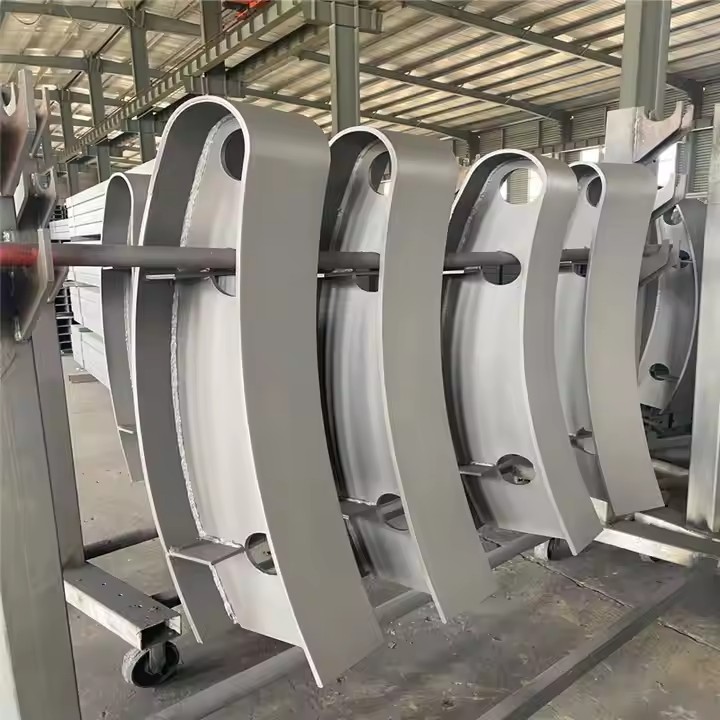
Some bridge railing support designs are better suited to cut, formed and welded structural steel. Steel plate, curved sections, tubular connections and reinforcing gussets may be assembled using controlled welding procedures. Such designs require attention to weld access, fixture location, dimensional distortion and the appropriate weld inspection requirements.
For these configurations, SIMIS can assess relevant metal cutting, forming and welded fabrication processes. Casting and fabrication are alternative engineering routes; the correct choice must follow the customer's structural design.
| Manufacturing Route | Potential Application | Key Considerations |
|---|---|---|
| Sand Casting | Cast iron brackets with integrated ribs, bosses and curved supporting geometry | Soundness, wall thickness, casting draft, feeding and machining allowance |
| Shell Mold Casting | Suitable repeat-production cast brackets | Tooling, dimensional consistency and achievable part size |
| Steel Fabrication | Plate, tubular and welded structural support assemblies | Weld design, distortion, fixtures and joint inspection |
| CNC Machining | Critical holes, locating interfaces and mounting surfaces | Functional datums, fit and geometric tolerances |
Material Selection for Bridge Guardrail Supports
Selecting a material for a bridge guard bracket requires more than comparing tensile strength. The design may also depend on ductility, fracture behavior, connection geometry, corrosion exposure and the consequences of component failure. The customer should specify the material standard and grade appropriate to the structure.
| Material | Potential Advantages | Selection Notes |
|---|---|---|
| Ductile Iron | Castability for integral shapes with defined strength and ductility grades | Grade, impact behavior, local section properties and suitability must be verified |
| Gray Cast Iron | Casting flexibility for certain decorative or non-impact-rated supports | Brittle fracture behavior limits suitability for impact-sensitive structures |
| Cast Steel | Alternative for engineered structural cast connections | Material grade, heat treatment and casting inspection require review |
| Structural Steel | Suitable for plate and welded support arrangements | Weldability, joint detailing and protective coating are important |
| Stainless Steel | Potential corrosion-resistant option for specified environments | Structural performance, material cost and connection compatibility must be assessed |
Where a ductile iron solution is proposed, SIMIS can review relevant custom ductile iron manufacturing requirements. The iron casting process must be coordinated with the specified chemistry, graphite structure, mechanical properties and acceptance criteria.
Structural Load Paths and Bridge Railing Connections
A bridge guard bracket transfers forces from a railing or post into its supporting structure. These forces may include lateral loads, vertical loads, connection moments and, where applicable, dynamic or accidental actions. The relevant combinations and acceptance criteria are established by the project's structural design.
Railing-to-bracket connection
The upper connection must match the actual railing member, post section or rail attachment. Important dimensions may include rail height, post socket geometry, bolt clearance, bearing contact and the relative angle between the rail and the bridge edge. Connections must be evaluated as part of the complete installed assembly.
Bracket-to-bridge anchorage
At the lower connection, anchor-hole spacing, edge distance, mounting-face geometry and fastener access can affect installation. Bracket manufacturing cannot independently establish the suitability of concrete anchors, reinforcing steel, embedded plates or the supporting bridge deck. Those aspects remain part of the engineered anchorage design.
Ribs, bosses and local stress concentrations
Reinforcing ribs and thickened mounting bosses can be incorporated into a cast bracket, but abrupt geometry changes may increase local stress or complicate sound casting production. Root radii, transitions, bolt-hole placement and attachment geometry should therefore be reviewed together. More material does not automatically mean a safer or better-performing bracket.
Precision CNC Machining for Mounting Accuracy
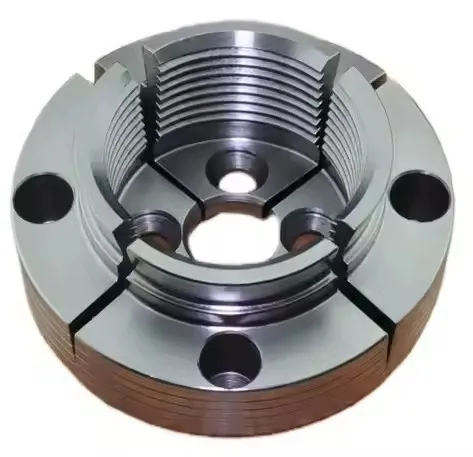
Casting provides the primary bracket geometry, while CNC machining may be used for interfaces requiring defined dimensions or geometric tolerances. SIMIS can discuss a suitable CNC machining process for functional features identified on the customer's drawing.
Anchor bolt holes and mounting patterns
Anchor holes may be cast with subsequent machining, or drilled to final size according to the drawing. Their diameter, center spacing, positional tolerance and access for installation tools are important. Cast-in openings and elongated holes may be acceptable where explicitly designed, but should not be substituted without engineering approval.
Mounting-face flatness and bearing contact
The bearing face may require machining to meet the specified flatness, perpendicularity or reference dimensions. However, a perfectly flat machined surface is not automatically required for every bracket; the appropriate contact arrangement may include engineered bedding or grout details specified by the installer.
Post location and angular alignment
Curved bridge profiles and sloping decks may require non-standard bracket orientations. The post location, attachment angle and installation height should be referenced to agreed drawing datums. Trial assembly or dedicated checking gauges may be included in the inspection plan for repeat-production components.
Casting Design Review for Bridge Guard Brackets
Design for manufacture helps translate the engineered bracket geometry into a stable production process. The review should identify load-sensitive regions without changing the functional design or safety assumptions without the customer's approval.
Wall thickness and solidification
Thick bosses adjoining thinner ribs can create uneven solidification conditions. Casting design considers feeding, shrinkage risk and the resulting material structure. Gradual transitions may improve manufacturability where they are compatible with the approved engineering design.
Draft angles and machining allowances
Sand-cast geometry requires appropriate draft, parting-line locations and stock on surfaces that need subsequent machining. The casting plan must preserve enough material for final bolt holes, locating faces and other critical mounting features.
Patterns, cores and repeat production
If a bracket includes cavities, pockets or special connection recesses, pattern and core feasibility should be checked before tooling. For recurring infrastructure orders, inspection datums and production gauges can help maintain consistency between batches.
Corrosion Protection for Outdoor Bridge Hardware
Bridge railing hardware can be exposed to rain, road deicing chemicals, industrial pollution, humidity and, in coastal areas, salt-laden air. Protective finishing should therefore be selected according to the material, installation environment, maintenance strategy and project coating specification.
Surface preparation and protective coatings
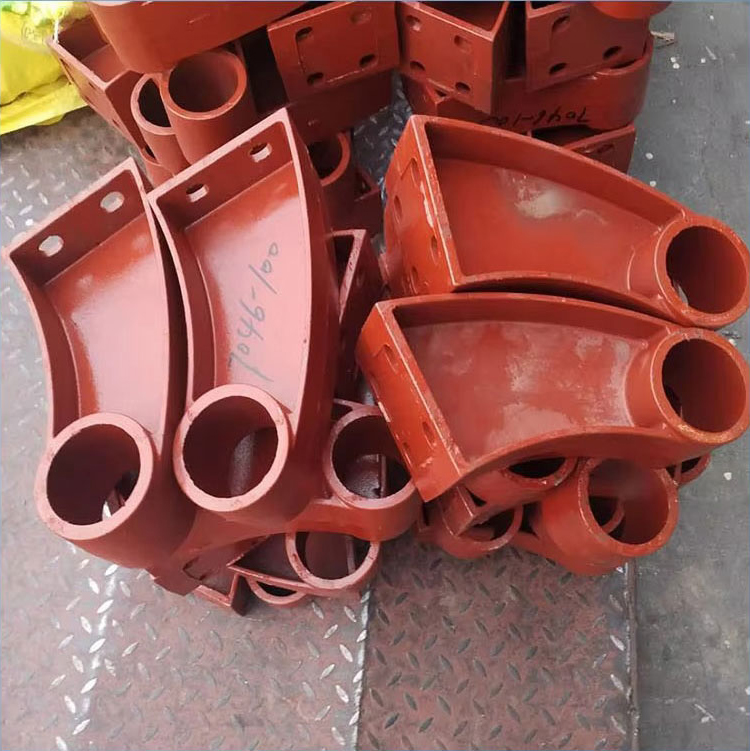
Casting surfaces may require cleaning, blasting and preparation before painting or other coating application. A project may specify zinc-rich primers, industrial coating systems or other approved corrosion-protection methods. Coating compatibility with the base material and the required thickness, adhesion and repair procedures should be confirmed.
Galvanizing and material compatibility
Hot-dip galvanizing may be considered for certain steel assemblies or suitable cast components, but it is not automatically appropriate for every iron casting or bracket geometry. The chosen grade, surface condition, section design, venting and drainage requirements must be reviewed with the galvanizing process and the customer's specification.
Coating-sensitive fitting dimensions
Protective coatings can affect hole clearance, contact surfaces, threaded connections and component assembly. The manufacturing plan should identify masked areas, post-coating operations and inspection dimensions where required. SIMIS can coordinate these requirements through its metal surface treatment processes.
Quality Inspection for Custom Bridge Guard Brackets
Inspection requirements should be established before production, particularly when the bracket is part of an engineered safety system. A suitable quality plan covers the specified material, casting or weld quality, important dimensions, finishing and traceability where required.
| Inspection Area | Typical Project Requirements |
|---|---|
| Material | Grade identification, chemical composition and specified mechanical properties |
| Casting or Weld Quality | Visual acceptance, relevant defect criteria and project-specified NDT |
| Critical Dimensions | Hole diameter, anchor spacing, mounting-face geometry and bracket orientation |
| Protective Finish | Surface preparation, coating appearance, thickness and other specified criteria |
| Documentation | Material reports, dimensional reports, inspection records and lot identification as agreed |
Dimensional and assembly verification
CMM measurement, templates or conventional gauges may be used to inspect critical mounting features. Where appropriate, a trial fit with the specified rail connection or mating fixture can confirm assembly geometry. The inspection method and allowable deviations are determined by the drawing.
Non-destructive testing and material verification
Magnetic particle, ultrasonic or other examinations may be specified for suitable materials and locations. These tests have limitations and should use defined acceptance criteria. They do not establish that a component is entirely free of defects or automatically prove its structural load capacity.
Load testing and barrier-system approval
Static component testing, proof loading, fatigue testing or complete barrier-system validation may be required by different projects. These are distinct activities and should not be presented as interchangeable. A bracket's inspection report does not replace the engineering approval, anchorage verification or crash testing required for a vehicle-containment system.
For project-specific production records and inspection planning, see SIMIS quality control capabilities. The final documentation package should be agreed with the buyer before manufacturing.
Bridge Railing Applications and Connection Types
Pedestrian and architectural bridge railings
Pedestrian bridges and landscaped municipal structures may require curved, ornamental or low-profile railing supports. Dimensional fit, finish appearance and corrosion protection are relevant, together with the governing pedestrian railing loads and installation requirements.
Road and highway bridge barriers
Where a component is incorporated into a highway vehicle-containment barrier, its material, configuration and connections must conform to the approved barrier design. A similar-looking bracket is not automatically an acceptable replacement for a tested system component.
Railway bridges and elevated infrastructure
Railway and elevated structures can involve vibration, maintenance access and project-specific environmental conditions. The supporting bracket should be designed and verified according to the actual application, rather than relying on a generic statement of railway compliance.
Guardrail post bases and other connectors
Bridge railing brackets are related to, but not identical with, post anchorage shoes or general structural connectors. SIMIS also supplies drawing-based guardrail post bases and custom metal brackets and connectors for different installation arrangements.
Request a Quote for Custom Bridge Guard Brackets
SIMIS supports OEM bridge guardrail bracket manufacturing based on approved engineering drawings. A complete quotation should consider the manufacturing route, material grade, tooling, critical machining operations, protective finishing, inspection scope and expected order volume.
For an efficient RFQ, please provide: 2D technical drawings and available STEP or other 3D models; material grade and applicable specification; required dimensions and tolerances; mounting-hole and railing interface details; design loads or approved barrier-system references where relevant; coating requirements; required test and inspection documentation; and anticipated batch and annual quantities.
Our engineering and production teams can review the proposed casting or fabrication route, machining feasibility and project-specific inspection requirements. Any structural redesign or material substitution should be approved by the customer's responsible engineer before production.
Send your custom bridge guardrail bracket drawings and purchasing requirements to info@simis-group.com for a manufacturing feasibility review and quotation.