Custom Parking Barrier Bollard Manufacturer
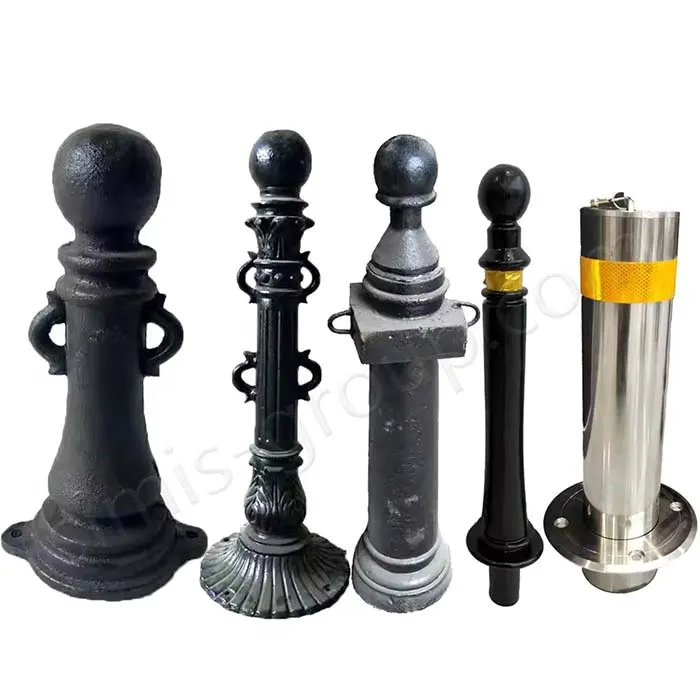


Parking Barrier Bollard

Custom Parking Barrier Bollard Manufacturing FAQs
Can SIMIS manufacture parking bollards to our drawings and installation layout?
Yes. SIMIS reviews customer drawings for custom cast or machined metal bollards, decorative posts, mounting bases, removable-bollard components and related hardware. Please identify whether the component is for visual guidance, pedestrian-space separation, parking-lot protection or part of an engineered vehicle-impact barrier. We evaluate material, manufacturing process, key interfaces and inspection requirements before confirming feasibility and quotation scope.
What is the difference between a decorative bollard and a crash-rated bollard?
A decorative or traffic-guidance bollard may mark a boundary or discourage access without having a verified vehicle-impact rating. A crash-rated barrier is an engineered system, not merely a heavy cast-metal post: the complete design may include the post, connections, anchors and supporting foundation, together with documented impact testing. Ratings under standards such as ASTM F2656/F2656M or ASTM F3016/F3016M should only be claimed for the applicable tested design and conditions. SIMIS does not assume a crash rating for a drawing-based component unless the required evidence is provided and verified.
Should custom parking bollards be cast iron, steel, stainless steel or aluminum?
The choice depends on the intended function. Sand-cast gray or ductile iron can suit ornamental or specified non-crash-rated cast posts; steel may be appropriate for structural fabricated or cast designs when engineered and approved; stainless steel is a candidate for corrosion-conscious architectural details; and aluminum can be considered for lightweight decorative components. Material grade alone cannot establish impact performance, especially for brittle materials or lightly anchored installations.
Can you manufacture removable bollards with custom base and locking details?
SIMIS can review drawings for removable-post sockets, cast bases, covers, locating features and machined lock or pin interfaces. Hole locations, mating clearances, drainage provisions, fastener access and coating allowances should be specified. A complete removable safety-barrier assembly, including its operating and security performance, must be validated by the responsible system designer.
What information do you need for an OEM bollard quotation?
Send 2D drawings or 3D CAD files, the material specification, post height and diameter, wall thickness or casting sections, base dimensions, anchor-bolt pattern, surface finish, annual or batch quantity and installation environment. If the bollard is intended for vehicle impact protection, also supply the approved structural design, foundation/anchorage details, applicable performance standard and required test or certification documentation.
Custom Parking Barrier Bollards and Architectural Metal Posts
Parking barrier bollards are upright metal posts used around car parks, entrances, pedestrian routes and urban spaces. Depending on the design, they may guide vehicle movement, separate pedestrian and vehicle areas, protect site features from minor contact, or form one element of an engineered access-control system. Custom parking bollards must therefore be specified by more than appearance or diameter alone.
SIMIS supplies drawing-based metal manufacturing services for OEM bollard projects. The scope may be a one-piece iron casting, an architectural stainless-steel component, an aluminum casting, a steel fabricated part, or a combination of castings and machined installation hardware. We select possible processes from the customer-defined geometry, material, quantity and functional requirements rather than assuming every bollard must be cast.

Bollard Types and Their Manufacturing Requirements
The intended installation determines which geometric features matter and whether decorative casting methods or more involved engineered production should be evaluated. The categories below are manufacturing descriptions, not claims of protective performance.
| Bollard type or component | Typical design focus | Manufacturing considerations |
|---|---|---|
| Decorative cast bollards | Architectural profile, textured or ornamental cap, visible finish | Casting draft, parting line, surface appearance, dimensional repeatability |
| Fixed parking-area posts | Post geometry, mounting base, anchor-hole arrangement | Base thickness, mounting interfaces, fastener access, approved material |
| Removable bollard parts | Post-to-socket fit, lift or lock features, cover | Mating clearances, locating faces, drain openings, machining datum |
| Lightweight pathway markers | Lower weight, form and decorative appearance | Aluminum casting or other lightweight construction where permitted |
| Engineered vehicle-security barrier components | Specified system design and impact-related demands | Approved load path, foundation integration and separately verified system rating |
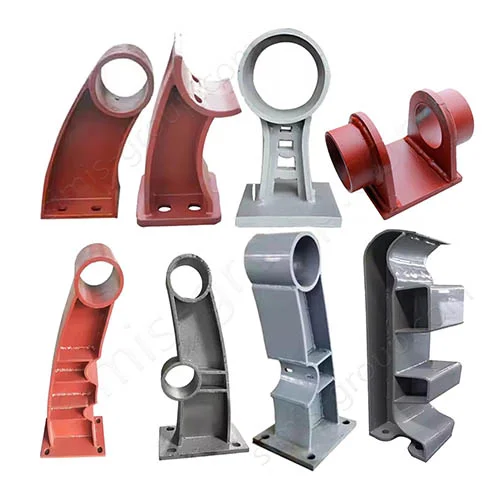
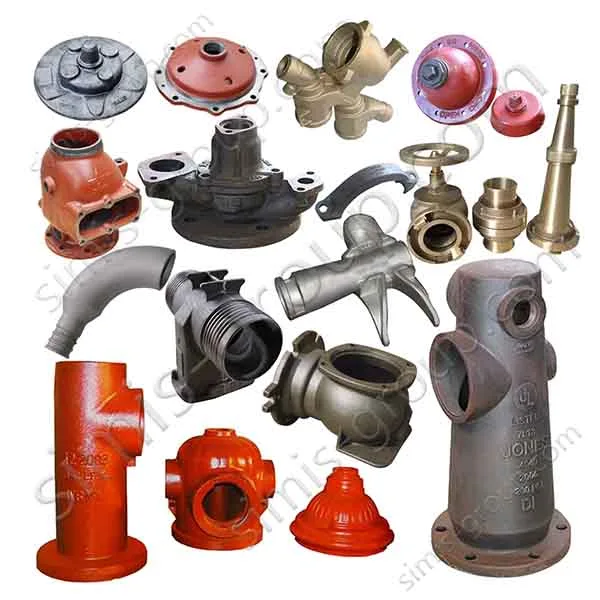
For other outdoor infrastructure products, SIMIS also provides drawing-based municipal engineering castings and forgings, guardrail base components and bridge guardrail brackets. These are different product types, each requiring its own engineering specification.
Choosing a Manufacturing Process for Metal Bollards
Sand Casting for Ornamental Iron Bollards and Heavy Cast Bases
Sand casting can be a practical route for iron bollards with decorative profiles, integral base flanges, thick cast sections or traditional streetscape details. Pattern design, draft, wall transitions, gating and machining stock influence casting feasibility. A substantial cast-iron section does not by itself make a bollard crash-rated; any safety-critical use requires a separately approved system design and verified performance.
Investment Casting for Smaller Detailed Components
For suitably sized stainless-steel or alloy-steel caps, removable fittings, decorative accessories and complex hardware, investment casting may offer good shape definition and reduced machining on non-critical surfaces. It is usually less attractive for large, simple posts. Tooling, casting envelope, surface requirements and annual demand should be reviewed before choosing the process.
Aluminum Die Casting for Lightweight Architectural Parts
Aluminum die casting can be evaluated for repeat-production ornamental housings, caps or other non-crash-rated components with appropriate wall sections. A cast aluminum cover or decorative bollard should not be represented as a certified vehicle-protection device without the necessary system-level evidence. For lower-volume aluminum designs, other casting or machining routes may be more economical.
Steel Fabrication, Forging and CNC Machining
Tubular steel posts, welded base plates and reinforcing elements may suit metal fabrication rather than a one-piece casting. Selected fastening and locking details may use forged blanks where the geometry and material justify them. CNC machining is useful for anchor holes, mating faces, threads, removable sockets and locating features requiring tighter tolerances than the primary shaping process provides.

Material Selection for Outdoor Bollard Components
For outdoor applications, the material decision depends on the specified load cases, durability expectations, climate and surface appearance. The customer should state a material grade, or authorize SIMIS to propose alternatives for engineering approval. The following examples are starting points for design review—not interchangeable substitutes.
| Material family | Potential use | Important considerations |
|---|---|---|
| Gray cast iron | Decorative or specified non-impact-rated bollards | Excellent shape flexibility for cast profiles, but brittle fracture behavior can limit suitability for impact-sensitive duties |
| Ductile cast iron | Engineered cast posts and bases where approved | Evaluate grade, section properties, impact behavior, casting quality and anchorage together |
| Cast or fabricated steel | Defined structural bollard elements or mounting components | Material grade, connections, local buckling, weld details and system design require review |
| Stainless steel | Architectural covers, decorative posts, removable fittings | Specify grade such as 304/316 only when appropriate to corrosion exposure and fabrication route |
| Aluminum alloy | Lightweight decorative posts, caps and housings | Alloy, section thickness, fastening and service loads may constrain the design |
For an individual iron component, refer to the relevant iron casting capabilities and customer-approved material specification. Outdoor finishes may include paint, powder coating, suitable galvanizing systems or other specified protection; finish compatibility, coating thickness and repair expectations are agreed as part of the project scope.
Base Plates, Anchoring Interfaces and Installation Accuracy
The connection between the bollard and the ground or support structure is often more important than the appearance of the upper post. From a manufacturing standpoint, drawing details should identify which installation features need machining and which may remain as-cast or as-fabricated.
Base geometry: flange outside diameter or width, plate thickness, post-to-base location and any required seating face.
Anchor pattern: bolt-hole diameter, pitch circle or X/Y coordinates, positional tolerances and edge distances.
Removable-post interfaces: socket fit, insertion depth, anti-rotation features, lock-pin holes and any drainage path.
Finish allowances: paint or coating buildup on locating surfaces, exposed threads and components that must slide or lock.
Installation information: ground level, intended foundation or sleeve geometry and accessibility for assembly tools.
Anchor capacity, concrete behavior, embedment, reinforcement and suitability for a specified vehicle impact are engineering matters for the responsible site designer. The dimensions and inspection of a metal casting cannot independently verify the performance of the installed bollard system.

Dimensional and Inspection Requirements for OEM Bollard Parts
Inspection should reflect the drawing, function and approved manufacturing route. An architectural post may need consistent height, concentricity and finish appearance, while a removable socket requires tighter assembly-related dimensions. Where a part is incorporated into an engineered protective system, additional material and traceability documents may be specified by the OEM.
Dimensional checks: overall height, section dimensions, base-hole spacing, mounting datums and orientation.
Material records: specified casting or steel grade and any required chemical or mechanical test reports.
Cast or weld integrity: visual inspection and, where specified, appropriate non-destructive examination based on material and component duty.
Surface acceptance: visible defects, coating appearance and any customer-defined thickness or finish requirements.
Functional checks: fit of sockets, locking components and mating hardware when these are part of the purchase order.
For vehicle-impact-rated products, the buyer must identify the approved barrier design and relevant full-system verification. ASTM F2656/F2656M addresses vehicle security barrier crash testing; ASTM F3016/F3016M addresses low-speed protective devices. Neither a material certificate nor routine dimensional inspection of a single post is equivalent to proof of a tested crash rating.
Typical Applications of Custom Parking and Traffic Bollards
Bollard geometries vary across sites. At a shopping-center entrance, architectural consistency and pedestrian circulation may be priorities. In a car park, post positioning, maintenance access and attachment details may be central to the design. At a controlled vehicle entrance, the engineer may specify a tested barrier assembly with explicit foundations and traffic-threat conditions.
Commercial parking lots and garages: custom fixed-post geometry, corner markers and replacement metal components.
Hotels, shopping streets and public plazas: decorative cast iron or stainless-steel appearance with agreed installation details.
Municipal streetscapes and pedestrian zones: dimensional consistency across repeated posts and specified outdoor finishes.
Facility entrances: metal parts manufactured for customer-approved access-control or engineered protective systems.
For related outdoor castings, see custom street lamp bases and other products in the municipal engineering category. Different products should not be assumed to have the same structural or collision requirements.

Request an OEM Quote for Custom Parking Barrier Bollards
SIMIS works with OEM purchasers who require metal bollards or individual bollard components made to project drawings—not generic retail bollards sold in standard stock sizes. We can review the proposed manufacturing route, tooling needs, critical machining operations and agreed inspection scope before preparing a quotation.
Design files: 2D drawings and, if available, 3D CAD models showing all required geometry.
Product function: decorative, fixed, removable, guidance or part of a separately engineered vehicle-impact system.
Material and finish: specified alloy or casting grade, visible surface condition and any protective finish.
Installation details: base and socket drawings, anchor-hole pattern, mating parts and tolerances.
Project quantities: sample quantity, expected annual demand, delivery location and target schedule.
Additional requirements: any required inspection records, material certificates, drawing revisions and applicable performance documents.
Please contact SIMIS or email info@simis-group.com with your drawings. We will review manufacturing feasibility and provide a quotation based on the agreed OEM component requirements.