Custom Communication Parts Manufacturer


Communication Parts

Frequently Asked Questions About Custom Communication Base Station Parts
1. What types of communication base station parts can SIMIS manufacture?
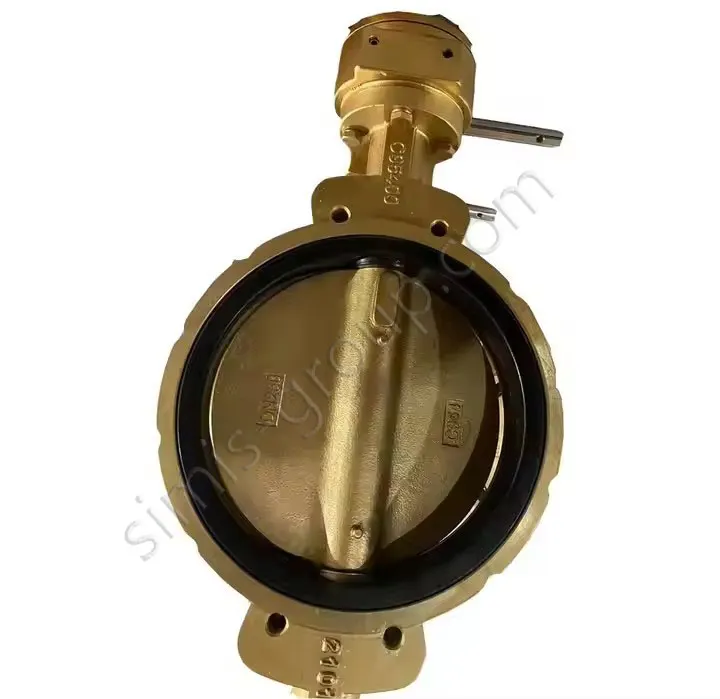
SIMIS manufactures custom copper and copper alloy components for wireless communication base stations, telecommunication equipment and data center infrastructure. Our OEM product range includes copper alloy connector housings, brass mounting bodies, grounding terminals, conductive connection components, busbars, metal shielding parts, heat-dissipation components and structural supports. Manufacturing options include suitable copper alloy casting, cold forming, extrusion, metal fabrication and additional operations specified by customer drawings.
2. Does SIMIS offer copper alloy casting for telecommunication components?
Yes. SIMIS provides custom copper alloy casting services for suitable communication equipment components, including brass and bronze housings, shaped mounting parts, connector bodies and specialized metal brackets. Available processes include copper alloy sand casting, gravity permanent mold casting and suitable shell mold or other casting methods. The casting alloy and manufacturing process are determined by the customer's component drawings and material specifications. High-conductivity pure copper busbars are normally manufactured from appropriate wrought copper material rather than treated as ordinary brass or bronze castings.
3. Which copper materials are available for communication equipment parts?
Materials relevant to communication equipment include T2 copper, C11000 electrolytic tough pitch copper, H62 brass and other customer-specified copper alloys. For applications requiring oxygen-free copper, grades such as C10100 or C10200 may be considered when specified and available. Copper alloy castings use suitable casting grades, which are different from common wrought copper and brass specifications. SIMIS manufactures components according to the material grade and product form stated in the OEM purchasing documents.
4. Where are custom copper communication components used?
Custom copper and brass components are used in 4G and 5G base stations, antenna assemblies, radio communication equipment, data centers, network power distribution systems and selected satellite or industrial communication equipment. Typical applications include electrical connections, grounding, conductive paths, equipment mounting, thermal management and metal shielding assemblies. Each component is manufactured for its specified equipment configuration rather than supplied as a universal telecommunications part.
5. Can SIMIS manufacture copper communication parts from OEM drawings?
Yes. SIMIS specializes in manufacturing custom metal parts according to customer-supplied drawings and specifications. For a quotation, please provide 2D drawings or 3D CAD models, the required copper or copper alloy grade, component type, main dimensions, estimated order quantity and requested supply condition. Where relevant, customers can also specify the required electrical contact or surface finishing characteristics. Contact SIMIS at info@simis-group.com for custom communication equipment metal components.
OEM Custom Copper Communication Base Station Parts Manufacturer
Custom communication base station parts are metal components used in wireless communication equipment, telecommunication infrastructure and related electronic systems. Copper and copper alloys are used in these applications for their electrical conductivity, thermal properties and suitability for various metal component manufacturing processes.
SIMIS specializes in OEM copper communication parts, custom brass connector housings, copper alloy base station components, grounding terminals, conductive connection parts and communication equipment mounting structures. We manufacture suitable metal parts according to the specific drawings, materials and production requirements provided by our customers.
Communication equipment contains different types of metal components. Some form conductive connections between electrical assemblies, while others support antennas, circuit modules, cable interfaces or thermal-management equipment. Copper and brass parts may also be used as mechanical elements within electromagnetic shielding and grounding systems.
Different component functions require different material forms. High-conductivity copper busbars and electrical terminals commonly use wrought copper stock or formed metal. Brass and bronze casting processes can produce suitable three-dimensional housings, connectors and structural parts. Sheet metal components can also be used where thin-walled covers or shielding structures are required.
SIMIS supplies customer-defined metal components rather than complete communication base stations, antennas or electronic transmission systems. Our manufacturing scope may include castings, formed metal parts, machined components and specified assemblies according to the approved purchase documents.
Related metal products are also used in custom electrical equipment components. For communication projects, the required conductive, structural and mounting functions are determined by the equipment manufacturer's drawings and specifications.

Types of Custom Copper and Brass Communication Equipment Components
SIMIS manufactures metal parts for different communication and electrical equipment assemblies. The product categories include connector bodies, mounting structures, conductive components and parts used in grounding, shielding and heat management. Each product is manufactured according to the geometry and material specified by the OEM customer.
| Product Category | Custom Metal Components | Typical Applications |
|---|---|---|
| Copper Alloy Connector Bodies | Custom brass connector housings, connection blocks and mounting bodies. | Communication equipment connections and structural interfaces. |
| Grounding Terminals and Connectors | Copper terminals, grounding lugs, earthing connectors and associated fittings. | Equipment grounding and bonding connections. |
| Copper Busbars and Conductive Links | Flat copper bars, formed copper links and specified electrical connection pieces. | Power distribution within base stations and data center equipment. |
| EMI Shielding Metal Parts | Metal shields, covers, contact components and suitable conductive housings. | Radio-frequency and electronic equipment assemblies. |
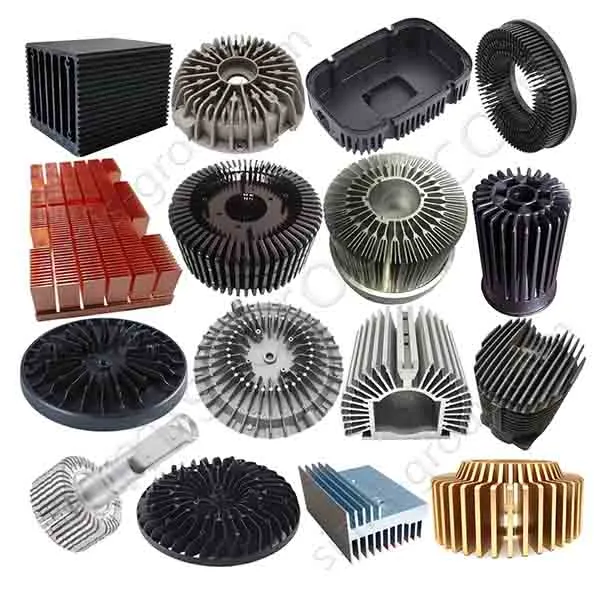
| Heat-Dissipation Components | Copper heat spreaders, heat sink components and related thermal connection parts. | Communication power equipment and high-heat electronic assemblies. |
| Mounting Brackets and Support Parts | Brass or bronze cast brackets, supports, mounting bases and shaped metal structures. | Communication modules, equipment frames and antenna accessories. |
| Specialized Communication Metal Parts | Customer-defined copper alloy housings, adapters, contact bodies and connecting components. | Wireless communication, network and specialized electronic equipment. |
Copper Alloy Connector Housings and Mounting Bodies
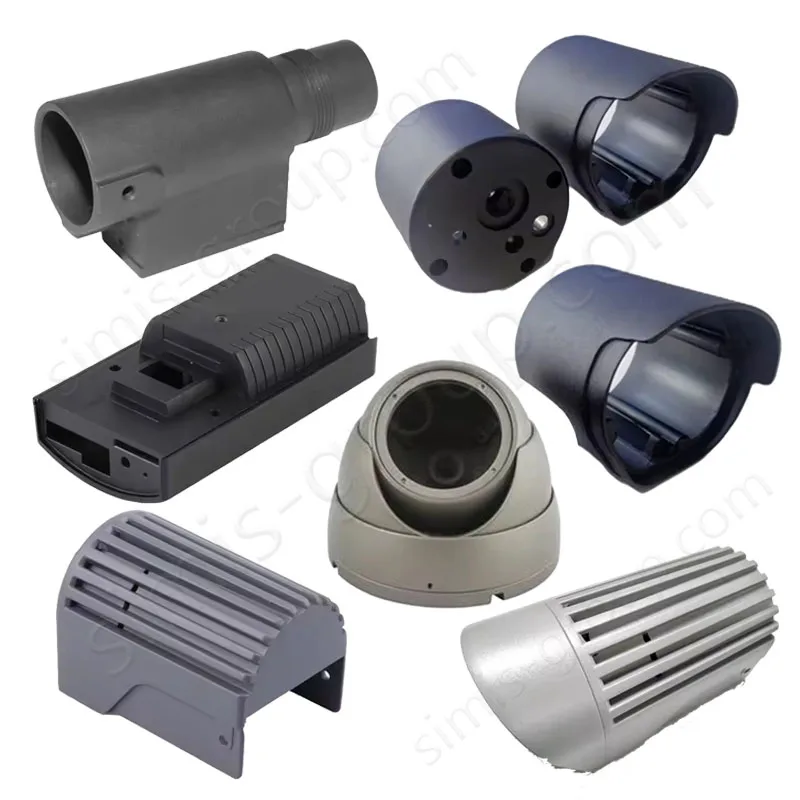
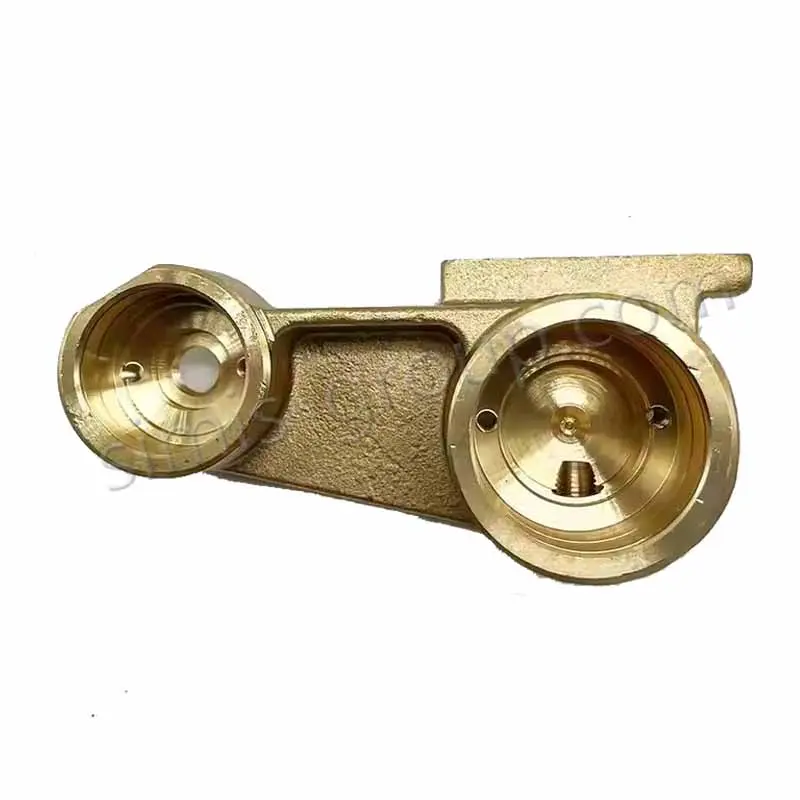
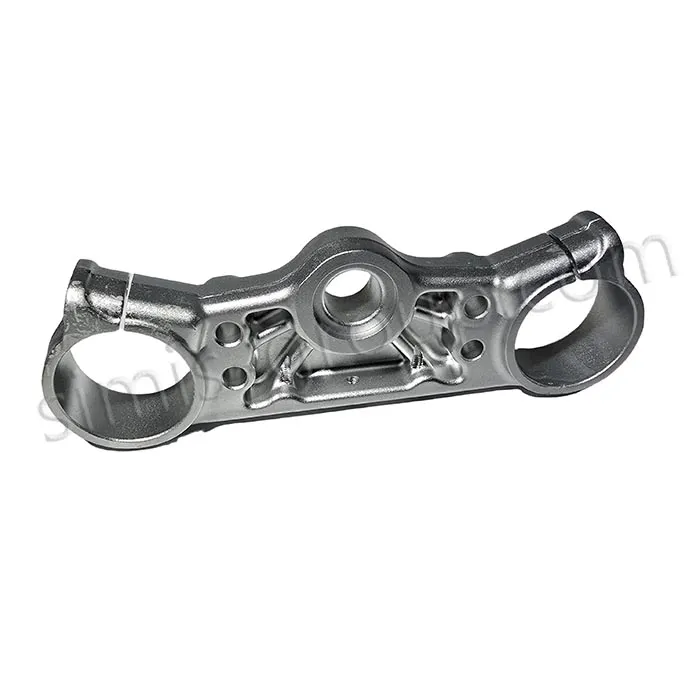
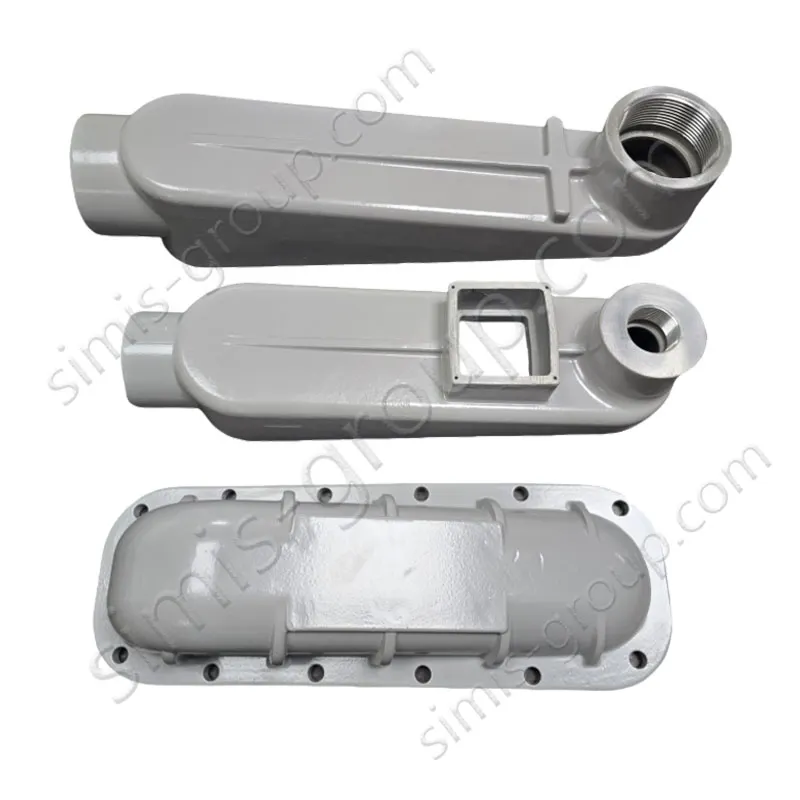
Copper alloy connector housings and mounting bodies are used to support various mechanical and electrical connections within communication equipment. Depending on the product, these parts may contain circular mounting features, shaped external supports, connection openings and other integrated metal details.
Brass and bronze casting can be used for compatible components with complex external shapes. SIMIS manufactures custom copper alloy parts according to the specified component geometry, material and quantity rather than offering only standard connector dimensions.
Copper Grounding Terminals and Conductive Connection Parts
Grounding terminals and conductive connectors are used to create specified electrical connections between communication equipment and its grounding or power distribution system. Common part constructions include copper lugs, terminal bodies, connection plates and shaped metal links.
These products frequently use high-conductivity wrought copper or suitable brass material. Cold forming, extrusion, stamping or machining may be used according to the customer's part drawing. The electrical performance of the finished connection depends on the specified material and complete installation arrangement.
Copper Busbars for Base Station and Data Center Equipment
Copper busbars are used in electrical power distribution equipment, including compatible communication power systems and data center installations. They are generally produced from suitable wrought copper bars, strips or plates and may contain bends, connection holes and other customer-defined features.
SIMIS can supply suitable custom conductive metal components according to customer drawings. These products are distinguished from brass and bronze castings because the required electrical conductivity and material product form can be different.
Electromagnetic Shielding Covers and Thermal Components
Metal shielding covers, conductive housings and related contact parts are used in electronic equipment assemblies. Copper and suitable copper alloys may be specified for certain shielding structures, conductive interfaces or specialized mechanical components.
The shielding performance of complete communication equipment depends on the actual assembly, including joints, openings, connections and other components. A copper alloy casting alone does not establish a specified electromagnetic compatibility or radio-frequency shielding rating.
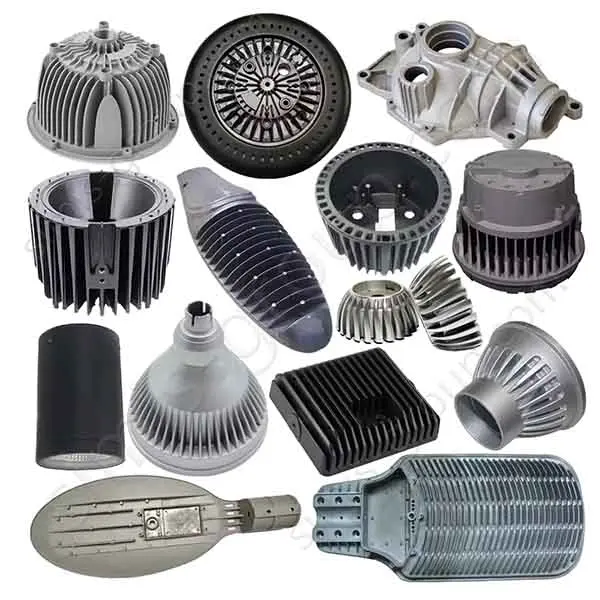
SIMIS also manufactures related custom copper and aluminum heat sink components and communication equipment enclosure housings for suitable OEM projects.

Copper Alloy Casting, Cold Forming and Metal Manufacturing Processes
Communication equipment metal components can be manufactured through different production processes. SIMIS offers copper alloy casting and related custom metal manufacturing services for suitable connector housings, structural supports and other customer-specified parts.
Copper alloy casting is relevant to components with complex three-dimensional shapes. By contrast, highly conductive copper busbars and electrical terminals generally use suitable wrought metal stock and forming processes. Distinguishing these product categories helps accurately describe the available manufacturing capabilities without treating every copper component as a casting.
| Manufacturing Process | Suitable Communication Components | Manufacturing Characteristics |
|---|---|---|
| Copper Alloy Sand Casting | Brass and bronze housings, mounting supports and larger shaped components. | Uses sand molds to produce suitable complex cast parts in different sizes and quantities. |
| Copper Alloy Gravity Permanent Mold Casting | Selected repeat-production brass or bronze connector bodies, brackets and housings. | Uses reusable metal molds for compatible copper alloy castings. |
| Copper Alloy Shell Mold Casting | Suitable shaped copper alloy components where an appropriate shell molding route is available. | Uses resin-bonded sand shells for compatible metal castings and repeat-production components. |
| Copper Alloy Investment Casting | Selected smaller connector bodies and complex metal fittings where feasible. | Uses lost-wax patterns and ceramic molds for suitable detailed component shapes. |
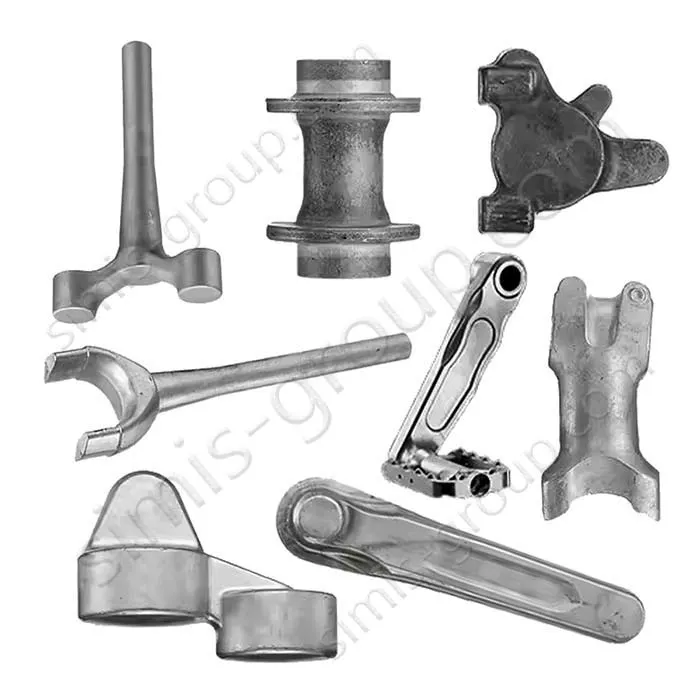
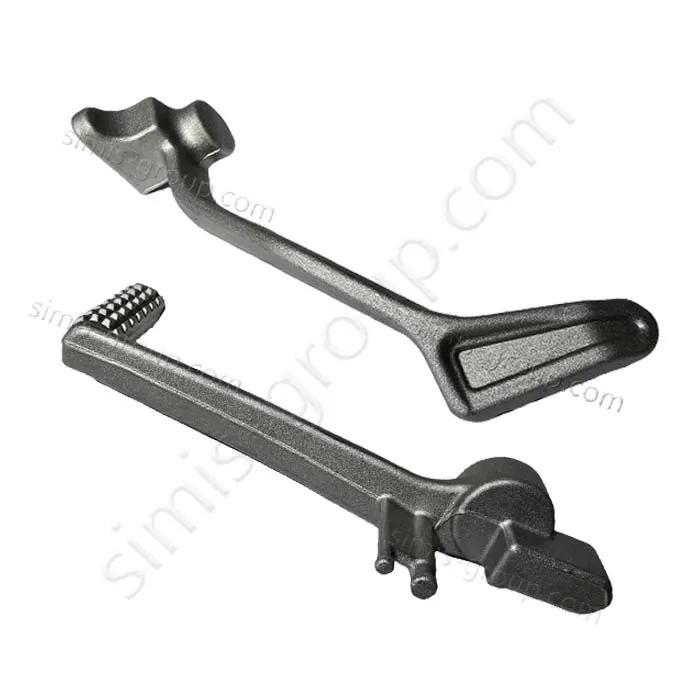
| Cold Forming and Extrusion | Copper terminals, connection components and selected formed brass parts. | Forms suitable wrought copper or copper alloy blanks into specified component shapes. |
| Sheet Metal Stamping and Bending | Copper busbars, conductive plates, shielding covers and formed connectors. | Produces suitable components from copper sheet, strip, plate or other metal stock. |
| CNC Machining | Finished connection features and customer-specified machining of cast or formed components. | Included according to the required drawings and purchasing specifications. |
Copper Alloy Sand Casting for Communication Metal Housings
Copper alloy sand casting is one of the manufacturing methods used for suitable brass and bronze components with complex external shapes. The process involves pouring molten metal into a prepared sand mold, allowing it to solidify and then removing the casting for the operations specified in the customer's order.
This casting method is applicable to a variety of copper alloy structural components, including mounting brackets, housings and larger connection bodies. It provides flexibility for different casting shapes and production quantities, particularly where the component is not a simple stamped or formed metal part.
SIMIS provides custom copper alloy casting services and sand casting manufacturing for suitable OEM components. The actual casting alloy is selected from the customer-specified material grades compatible with the process.
Gravity Permanent Mold Casting for Brass and Bronze Components
Gravity permanent mold casting uses reusable metal molds into which molten metal is poured under gravity. The method may be appropriate for certain repeat-production copper alloy components where the selected brass or bronze grade and product geometry support the process.
For communication equipment, potential products include compact housing bodies, connection components and shaped mounting parts. The process can be considered for customer-specific components that require integrated features and are compatible with a reusable metal mold.
SIMIS offers custom gravity permanent mold casting for suitable metal components. Material grades, finished dimensions and production quantities are defined by the OEM order.
Shell Mold and Investment Casting for Specialized Metal Parts
Shell mold casting uses resin-coated sand to form a relatively rigid mold shell. In suitable copper alloy foundry applications, this method can be used for compatible metal housings, connectors and other cast components requiring repeat-production tooling.
Investment casting, also known as lost-wax casting, is another manufacturing process that can be used for selected complex-shaped metal components. A wax pattern is surrounded by a ceramic mold material, after which the pattern is removed and the mold is filled with molten metal.
For copper alloy communication parts, the availability of either casting method depends on the specified alloy and component geometry. These are manufacturing options for suitable specialized parts rather than universal production routes for every copper connector or busbar.
Cold Extrusion and Forming of Copper Electrical Components
Cold forming and cold extrusion are relevant to certain copper and copper alloy electrical components. Suitable metal blanks can be formed using dies and pressing equipment to produce specified connection or terminal shapes.
For compatible communication equipment components, these processes may be used for formed copper terminals, contact bodies and other electrical connection parts. They are distinct from casting because the starting material is wrought copper or copper alloy stock rather than molten metal poured into a casting mold.
SIMIS provides custom cold forging and extrusion manufacturing for suitable copper alloy and other metal components. The exact manufacturing scope follows the customer drawings and order requirements.
Copper Sheet Metal Fabrication for Busbars and Shielding Parts
Copper busbars and metal shielding components often have forms better suited to cutting, bending or stamping than to casting. Flat copper bars, bent connection links and thin metal shielding covers are examples of products manufactured from suitable metal stock.
SIMIS supplies custom sheet metal fabrication services for appropriate communication and electrical equipment parts. Materials, thicknesses and finished shapes are determined by the customer specifications.
T2 Copper, C11000, H62 Brass and Other Communication Component Materials
Copper and copper alloys are available in a variety of grades for different electrical and mechanical applications. High-purity copper is widely associated with electrical conductivity, while brass and bronze alloys provide different combinations of mechanical strength, corrosion characteristics and manufacturing versatility.
SIMIS manufactures custom communication metal parts according to the grade and product form specified by the customer. It is important to distinguish high-conductivity wrought copper, wrought brass and cast copper alloys because their material specifications and manufacturing routes are different.
| Material Grade or Family | Material Characteristics | Potential Communication Parts |
|---|---|---|
| T2 Copper | A Chinese high-purity wrought copper designation used for suitable electrical and conductive components. | Copper terminals, conductive links, grounding parts and busbar components. |
| C11000 Electrolytic Tough Pitch Copper | High-conductivity wrought copper, commonly designated ETP copper. It is not an oxygen-free copper grade. | Electrical busbars, grounding conductors, connection plates and suitable heat spreaders. |
| C10100 Oxygen-Free Electronic Copper | A high-purity oxygen-free wrought copper grade with a separately specified composition. | Specialized customer-specified conductive or electronic components where available. |
| C10200 Oxygen-Free Copper | An oxygen-free wrought copper grade distinct from C11000 ETP copper. | Selected conductive and thermal components requiring the specified grade. |
| H62 Wrought Brass | A copper-zinc alloy containing approximately 62% copper, with its own wrought brass material specification. | Compatible brass connectors, mounting parts, brackets and formed components. |
| Other Wrought Brass Grades | Copper-zinc alloys available in different bar, sheet or forging forms according to grade. | Selected threaded connectors, contact housings and structural hardware. |
| Cast Brass and Bronze Alloys | Copper alloy casting grades with compositions and properties that depend on the specified alloy. | Custom cast housings, connection bodies, equipment supports and mounting parts. |
T2 Copper and C11000 for Conductive Components
T2 copper and C11000 ETP copper are associated with high-conductivity copper products. They may be used in suitable electrical terminals, connection parts, grounding components and busbars, depending on the customer's product specification.
T2 is a Chinese copper designation, while C11000 is a UNS copper grade. The exact chemical composition, material condition and relevant product standard should follow the customer's documentation. Similar electrical applications do not automatically make different national material designations interchangeable.
C11000 is electrolytic tough pitch copper, not oxygen-free copper. For equipment requiring a specific oxygen-free grade, the material specification must clearly identify the appropriate designation.
C10100 and C10200 Oxygen-Free Copper
C10100 and C10200 are examples of oxygen-free copper grades available for specialized applications. Their composition and material requirements differ from ordinary electrolytic tough pitch copper.
Where an OEM requires these grades for a particular communication component, the specification should identify the exact material and product form. SIMIS can review the manufacturing feasibility of suitable customer-defined parts rather than assuming every copper casting or connector requires oxygen-free material.
H62 Brass for Mechanical Connection Components
H62 brass is a copper-zinc alloy containing approximately 62% copper. It is used in a variety of formed and wrought metal products. Depending on the specified material condition and component geometry, H62 can be used for suitable connection hardware and structural metal parts.
H62 is a wrought brass designation and should not automatically be substituted for a cast brass grade. Components manufactured from H62 brass stock and components produced through brass casting require their own applicable material and manufacturing specifications.
Cast Brass and Bronze for Shaped Communication Housings
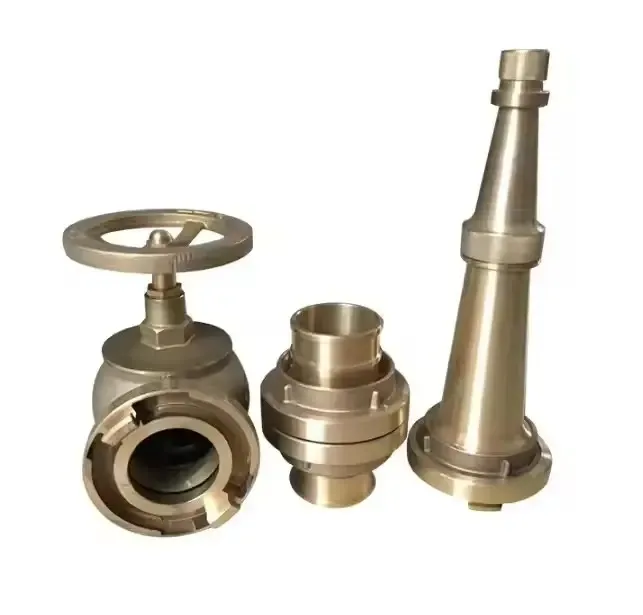
Cast copper alloys are used in many industrial connection and mechanical components where suitable three-dimensional shapes are required. For communication equipment, customer-defined brass or bronze castings may be used in compatible housings, mounting bases, supports and special connection bodies.
The actual casting grade must be identified separately from wrought copper grades such as C11000 or H62 brass. Casting alloys can offer different mechanical and manufacturing characteristics, but their conductivity should not be assumed identical to that of high-purity electrical copper.
Applications of Custom Copper Communication Base Station Parts
Copper and copper alloy components are used in communication infrastructure and electronic equipment for various electrical, mechanical and thermal functions. SIMIS manufactures custom metal parts for equipment manufacturers serving wireless networks, data centers and specialized communication systems.
4G and 5G Wireless Communication Base Stations
Wireless communication base stations contain radio equipment, power systems, antenna connections and supporting mechanical components. Copper and brass parts may be used for specified conductive connections, grounding terminals, equipment mounting and related assemblies.
SIMIS manufactures suitable metal components according to the drawings supplied by communication equipment manufacturers. The actual radio-frequency performance, operating bandwidth and network transmission capabilities are properties of the finished electronic system rather than the raw metal casting.
Data Centers and Network Power Distribution Equipment
Data centers use electrical distribution systems containing conductive bars, terminal connectors, grounding components and other metal parts. Copper is widely used in these applications because of its electrical conductivity and availability in different wrought product forms.
SIMIS can manufacture suitable customer-defined copper and brass components for related equipment. Conductive bars, formed links and other metal parts are supplied according to the specified material, geometry and order requirements.
Antenna and Radio Communication Equipment
Antenna systems and radio communication equipment use different types of metal housings, connectors, mounting bodies and electrical interfaces. Depending on the equipment, suitable copper alloys may be used for selected connection and structural components.
SIMIS manufactures customer-specific parts based on the provided drawings. The compatibility of a metal component with a given frequency band, antenna arrangement or transmission assembly depends on the complete equipment specification.
Satellite Communications and Specialized Electronic Systems
Specialized communication systems may use copper and copper alloy components in electronic housings, conductive paths, connectors and thermal-management assemblies. These applications include selected satellite communication ground equipment, industrial radio systems and other custom electronic machinery.
SIMIS supplies suitable metal components according to OEM drawings and purchasing specifications. Any application-specific environmental, radio-frequency or electronic compliance requirements are defined by the customer for the relevant equipment.
OEM Copper Communication Equipment Components Made to Customer Drawings
SIMIS provides drawing-based custom metal manufacturing for communication equipment components, including copper alloy connector housings, brass mounting structures, grounding parts, conductive connections and specialized mechanical components.
Our manufacturing capabilities include suitable copper alloy sand casting, gravity casting, cold forming, extrusion and metal fabrication. Different processes are used according to the material grade and component type. Customers can order suitable cast blanks, formed parts or finished metal components within the agreed supply scope.
Copper and copper alloy products are supplied according to the grade specified in the customer's drawings. T2 copper, C11000 ETP copper, H62 brass and cast brass or bronze grades belong to different material categories, and their applicable specifications are maintained separately for each purchase order.
Where specified, additional CNC machining, surface plating, finishing and inspection may be included according to the customer's approved requirements. SIMIS manufactures the ordered metal components rather than independently defining the electrical design or certification of the finished communication equipment.

Request a Quote for Custom Copper Communication Base Station Parts
SIMIS welcomes OEM inquiries for custom copper and brass communication equipment components, connector housings, grounding parts, conductive links, busbars and related metal components. We supply suitable castings, formed parts and finished metal components according to customer drawings and purchase requirements.
For a quotation, please provide the following information where available:
Product drawings: 2D technical drawings or available 3D CAD models.
Component type: Connector housing, grounding terminal, copper busbar, mounting part or other communication equipment component.
Material requirements: T2 copper, C11000, H62 brass or another specified copper or copper alloy grade.
Product specifications: Main dimensions, connection or mounting features and any specified conductive or surface requirements.
Order requirements: Estimated quantity and whether castings, formed parts or finished metal components are required.
Additional manufacturing and inspection requirements can be included according to the customer's approved purchasing documents. SIMIS will provide a quotation for the agreed material, component and supply scope.
Send your custom copper communication equipment parts drawings and OEM inquiry to SIMIS: info@simis-group.com