Custom Communication Enclosure Box Manufacturer


Communication Enclosure Box

Frequently Asked Questions About Custom Communication Enclosure Boxes
1. What communication enclosure components does SIMIS manufacture?
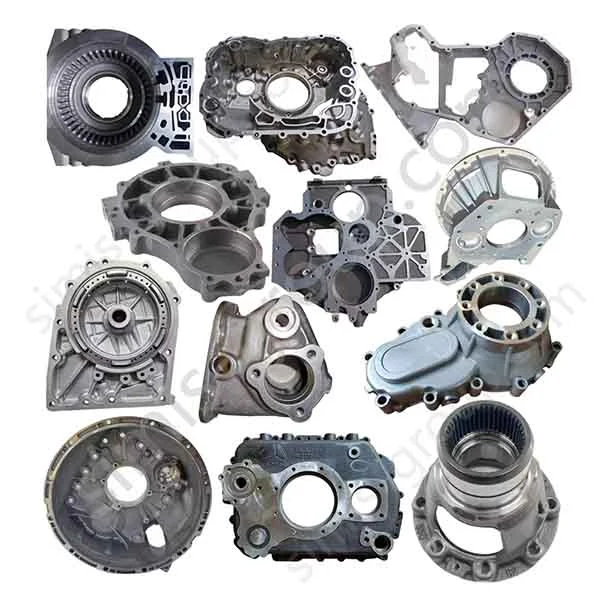
SIMIS manufactures custom metal communication enclosure boxes, telecom base station housings, RRU and radio equipment cases, cooling-fin covers, cast aluminum shells, mounting brackets and compatible outdoor equipment cabinets to OEM drawings. High-pressure aluminum die casting and gravity permanent mold casting are important routes for integrated metal housings. Sheet metal fabrication is suitable for larger steel, stainless steel and aluminum cabinets. Depending on the project, SIMIS supplies enclosure castings, fabricated panels, covers and specified finished metal components rather than automatically providing a complete working telecom device.
2. Can SIMIS die-cast aluminum 5G and remote radio unit housings?
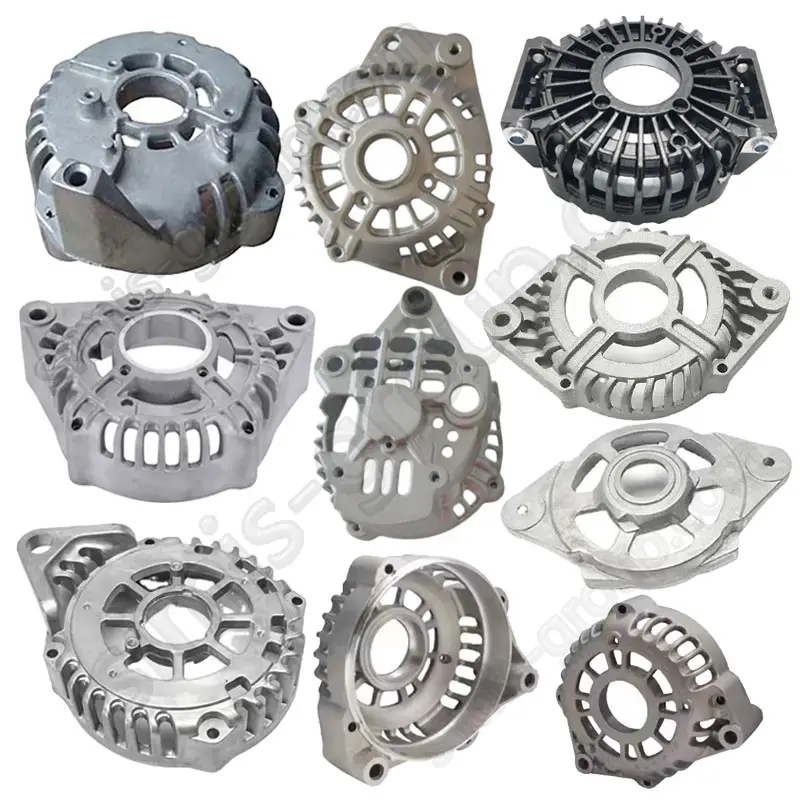
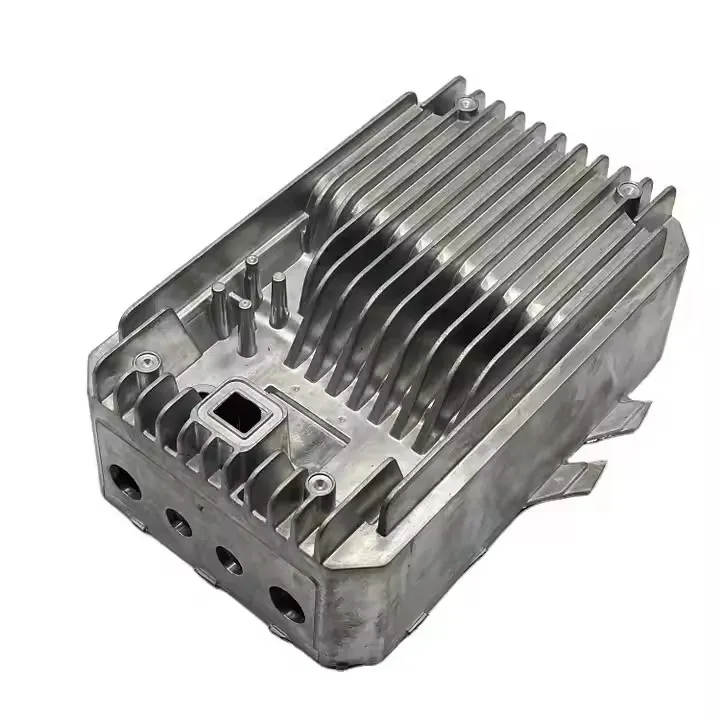
Yes. SIMIS provides aluminum alloy pressure die casting for suitable 5G remote radio unit (RRU), RF module and outdoor communication equipment housings. Alloys such as ADC12 and A380 can be specified for cast enclosure bodies incorporating external cooling fins, mounting bosses and cover flanges. Die casting creates the primary metal shape; sealing faces, threaded interfaces and connector features are completed only where required by the approved drawing. Aluminum construction alone does not establish an IP rating, RF shielding effectiveness or a particular cooling capacity.
3. Are sheet metal telecom cabinets and stainless steel enclosures available?
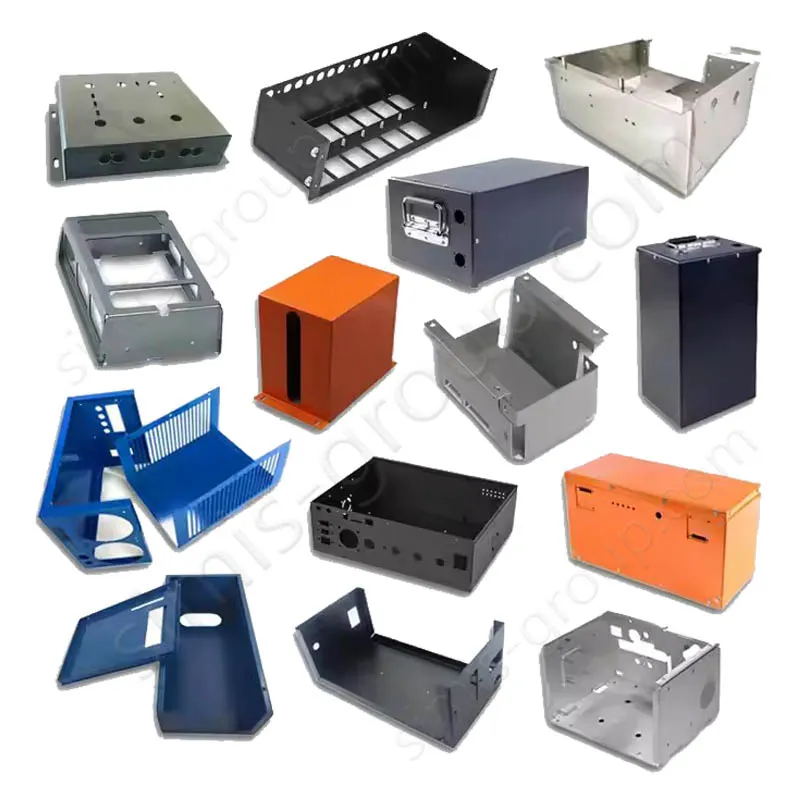
Yes. SIMIS also supplies suitable sheet metal communication cabinets, equipment covers, wall-mounted boxes and mounting panels in customer-specified aluminum sheet, galvanized steel or stainless steel. Fabrication may involve cutting, bending and joining the metal panels. For compact or intricately shaped radio housings, casting may be more suitable than sheet metal; for larger outdoor cabinets, sheet metal construction is often a practical option. Product dimensions, material and finish are specified by the customer.
4. Which materials can be used for outdoor telecom enclosures?
Common material choices include ADC12 and A380 die-casting aluminum, A356 aluminum for suitable gravity castings, 304 or 316 wrought stainless steel, galvanized carbon steel sheet, and selected cast iron or cast steel for robust supporting structures. Zinc alloy can be considered for suitable small cast fittings. Different grades are not interchangeable: A356 is a casting alloy with a different process window from ADC12, while 6061 and 6063 are primarily wrought aluminum product grades. Choose the material according to the approved housing geometry, exposure conditions and customer requirements.
5. What information should I provide for an OEM enclosure quotation?
Please send 2D technical drawings or available 3D models, the component type, desired material and production route, principal dimensions and expected order volume. Helpful enclosure-specific details include cooling-fin geometry, the cover or gasket joint, mounting arrangement, connector and cable entries, and whether a cast blank or finished metal housing is required. Target IP protection, EMI shielding and heat dissipation requirements should be specified where applicable; their verification is separately agreed for the complete relevant enclosure configuration. Email info@simis-group.com.
OEM Custom Communication Enclosure Box Manufacturer
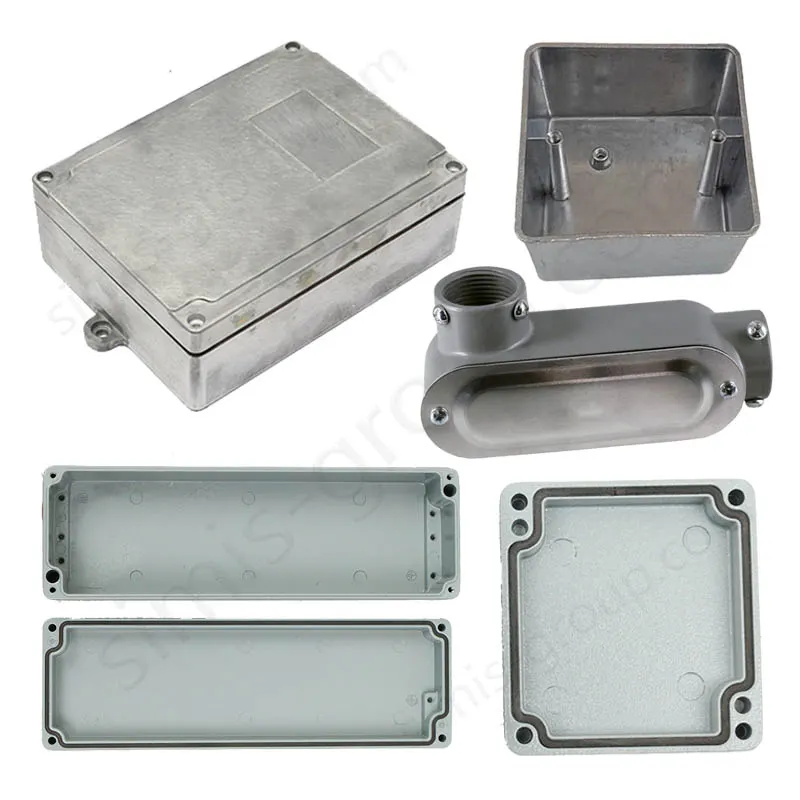
Custom communication enclosure boxes are metal housings used to support and protect electronics in telecommunications, radio systems, data networks and industrial communications equipment. A housing may provide mechanical mounting locations, a cover interface, cable entry points and surfaces used to transfer heat away from installed electronics. Its actual environmental and electromagnetic performance depends on the completed product configuration.
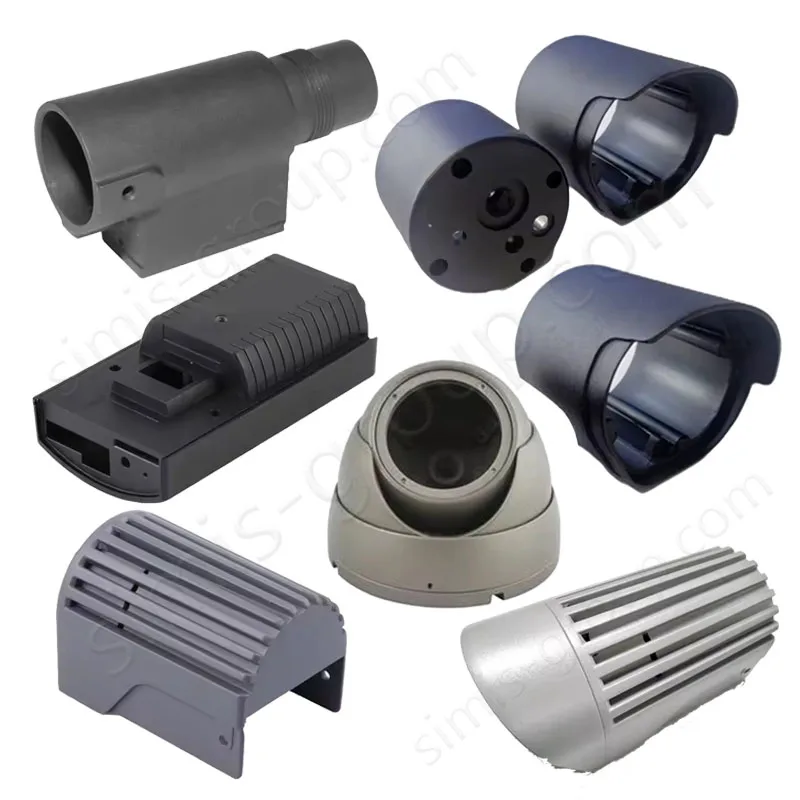
SIMIS supplies custom die-cast aluminum telecom housings, 5G radio enclosure castings, outdoor RRU cases, communication heat sink housings, stainless steel cabinets and galvanized steel equipment boxes manufactured to customer drawings. Our production options include aluminum pressure die casting, gravity permanent mold casting and sheet metal fabrication, along with suitable sand casting and forged metal attachment parts.
Outdoor remote radio units can use an aluminum enclosure with external fins and mounting features. Larger network distribution or control cabinets can use formed steel or aluminum panels. A separate cast metal support or mounting bracket may be supplied alongside an enclosure. SIMIS produces the agreed metal parts; the customer defines the antennas, electronics, seals, connectors, grounding scheme and equipment-level requirements.
Metallic enclosures may contribute to electromagnetic shielding when the conductive body, cover, seams and cable penetrations are appropriately configured. A radio-transparent antenna radome is a different product and should not be assumed to use the same continuous metal wall construction as an RF electronics housing.
SIMIS also manufactures custom communication base station metal parts and cast metal CCTV camera housings for related electronic and outdoor equipment applications.

Types of Telecom Housings, Radio Enclosures and Outdoor Equipment Boxes
Communication equipment uses a range of enclosure sizes and constructions. SIMIS manufactures the requested metal housing according to its intended electronics package and mounting arrangement. The following categories illustrate typical parts rather than standardized enclosure sizes.
| Enclosure or Part Type | Typical Metal Features | Suitable Manufacturing Method |
|---|---|---|
| 5G / RRU Radio Housing | Compact to medium-sized outdoor radio case with fins, connector zones and an assembly cover. | Aluminum pressure die casting; gravity casting when appropriate. |
| RF Filter or Communications Module Box | Smaller metal cavity with cover interface and internal mounting features. | Aluminum or compatible zinc alloy die casting. |
| Fin-Cooled Telecom Enclosure | Metal case incorporating external heat-dissipation ribs and an internal equipment mounting surface. | Aluminum die casting or approved gravity casting. |
| Outdoor Pole-Mount Housing | Cast metal body and separate brackets for installation on poles or structures. | Aluminum casting with suitable forged or fabricated brackets. |
| Telecom Distribution Cabinet | Larger box or rack-type construction with doors, covers and service panels. | Galvanized steel, stainless steel or aluminum sheet fabrication. |
| Industrial Control / Signal Box | Enclosure for controllers, data equipment or communications interfaces. | Sheet metal fabrication or aluminum casting depending on size. |
| Underground Protective Housing Parts | Heavy metal covers, frames or brackets in approved infrastructure installations. | Suitable sand cast steel or ductile iron components. |
5G Radio and RRU Aluminum Enclosures
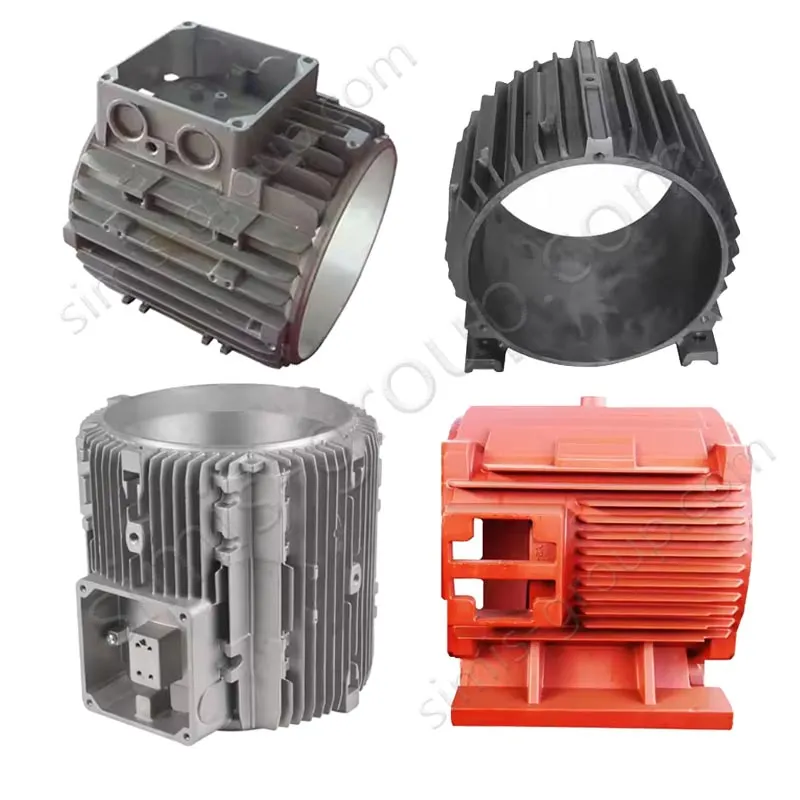
Outdoor radio enclosure castings may combine multiple mounting bosses, curved external profiles and finned cooling surfaces in one metal part. Aluminum pressure die casting is relevant when the product geometry and production volume support hard tooling. Gravity casting is another option for compatible shapes and wall sections. The precise radio assembly may require a separate lid, gasket and connector fittings, none of which should be assumed from the enclosure blank alone.
Large Telecom Cabinets, Panels and Distribution Boxes
For large sheet metal cabinets, cut and bent metal panels can be joined into a box with doors and mounting features. Stainless steel and galvanized steel are common choices where corrosion protection and mechanical enclosure construction matter. SIMIS provides custom metal enclosure cabinet boxes and related metal junction box components to drawings.

Aluminum Die Casting, Gravity Casting and Metal Fabrication Processes
The primary manufacturing method for a communication enclosure depends on its geometry, material, order quantity and integration of cooling and mounting features. SIMIS emphasizes aluminum casting for suitable compact radio housings and sheet metal production for large cabinets. Forging is a complementary process for solid mounting hardware, not the normal production route for an open, thin-wall enclosure body.
| Manufacturing Process | Suitable Enclosure Components | Technical Scope |
|---|---|---|
| Aluminum Pressure Die Casting | RRU housings, radio equipment covers, finned cases and small RF boxes. | Molten aluminum is injected into a steel die to form complex repeat-production shapes. |
| Gravity Permanent Mold Casting | Selected thick-section aluminum telecom cases, covers and supports. | Aluminum is cast in a reusable metal mold under gravity for compatible geometry. |
| Sheet Metal Fabrication | Large outdoor cabinets, internal trays, service doors and mounting plates. | Cutting, bending and joining galvanized steel, stainless steel or aluminum sheet. |
| Aluminum / Iron Sand Casting | Selected low-volume housings, large covers and heavy infrastructure support parts. | Expendable sand molds allow appropriate complex or substantial casting shapes. |
| Shell Mold / Investment Casting | Selected small cast brackets or special metal connector bodies. | Supplementary foundry routes for compatible shapes and alloys. |
| Steel or Aluminum Forging | Solid mounting yokes, support arms and selected pole-clamp connectors. | Hot or cold forming of suitable wrought metal billets; not typical for hollow cases. |
| Specified Finishing | Cover flanges, threaded inserts, coatings and mating surfaces. | Only the machining, coating and inspection defined by the customer order. |
High-Pressure Aluminum Die Casting for Radio and Base Station Housings
Aluminum die casting is a principal manufacturing route for compact communication equipment housings. It is appropriate for compatible shapes incorporating cooling fins, threaded mounting bosses, reinforced corners and lid flanges. The die reproduces the required housing geometry through repeated filling and solidification. Applicable alloy examples include ADC12 and A380; exact specifications are identified in the drawing.
A die-cast shell may still require specified work on connector openings, gasket seating areas or mounting interfaces. Neither thin-wall die casting nor the presence of cooling fins automatically proves an enclosure is sealed, electromagnetically shielded or rated for a defined heat load. SIMIS provides OEM aluminum pressure die casting and custom aluminum alloy casting for suitable electronic housing applications.
Gravity Permanent Mold Casting for Selected Aluminum Enclosures
Gravity permanent mold casting pours molten aluminum into a reusable metal mold. It can be appropriate for selected thick-wall housings, support structures and radio cases where the required shape and quantities fit the process. An alloy such as A356 may be specified for suitable gravity cast components. A356 and A380 are different casting alloys and should not be treated as direct substitutes.
SIMIS supplies gravity permanent mold aluminum castings according to customer drawings. Required covers, cable entry features and component interfaces are specified individually rather than assumed to be supplied with every casting.

Sheet Metal Fabrication for Large Telecom and Network Cabinets
Sheet metal fabrication is often an appropriate manufacturing method for large communications cabinets, outdoor distribution boxes and network equipment panels. Galvanized carbon steel, 304/316 stainless steel or aluminum sheet can be cut, formed and joined according to the approved enclosure construction. Panel doors, mounting plates and cable entry arrangements vary by application.
SIMIS provides custom sheet metal fabrication for suitable cabinets and assemblies. The degree of weather protection depends on the specified door construction, gaskets, hardware and penetrations, not solely on whether the cabinet is steel or stainless steel.
Sand Casting and Forging for Selected Heavy Enclosure Parts
Sand casting is an option for compatible large metal covers, bases, housings and infrastructure support components. Ductile iron or cast steel may be specified for particular heavy mechanical parts, but these materials are not the default choice for a lightweight finned outdoor radio housing. SIMIS supplies custom sand casting services for appropriate OEM projects.
Where a telecom enclosure requires separate solid mounting connectors or reinforced supports, suitable carbon steel or alloy steel forgings may be included in the bill of materials. SIMIS provides closed-die steel forging for approved metal attachment components. Forged mounts do not make the enclosure itself a forged product.
Materials for Cast Aluminum, Stainless Steel and Galvanized Telecom Enclosures
The right material depends on the geometry, production route, mechanical exposure and equipment requirements. Aluminum alloys are commonly considered for finned electronics housings; formed steel and stainless steel are relevant to larger cabinets. Selected cast iron and cast steel are reserved for approved protective frames, bases and related supports.
| Material or Grade | Production Route / Characteristics | Potential Communication Parts |
|---|---|---|
| ADC12 Aluminum Alloy | Aluminum-silicon-copper casting alloy widely used for high-pressure die casting. | Outdoor radio cases, die-cast cooling-fin covers and module housings. |
| A380 Aluminum Alloy | Aluminum die-casting alloy for compatible complex shapes and larger production runs. | Radio equipment housings, RF module boxes and finned enclosures. |
| A356 Aluminum Alloy | Aluminum casting alloy used in suitable gravity or sand cast components. | Selected thicker housings, covers and mounting bases. |
| 6061 / 6063 Wrought Aluminum | Wrought grades typically used in sheet, extrusion and selected forged products. | Fabricated panels, extruded sections, mounting components and heat sinks. |
| 304 / 316 Stainless Steel Sheet | Wrought stainless steel grades chosen for specified exposure and corrosion requirements. | Coastal or industrial outdoor cabinets, doors, covers and brackets. |
| Galvanized Carbon Steel Sheet | Steel sheet with zinc coating; performance depends on grade and coating specification. | Outdoor communication cabinets, equipment racks and mounting panels. |
| ASTM A536 Ductile Iron | Spheroidal graphite cast iron, subject to its grade and casting requirements. | Approved protective covers, heavy cast frames and infrastructure bases. |
| Carbon / Alloy Steel Forgings | Customer-specified wrought steel materials formed into solid shapes. | Mounting yokes, heavy-duty brackets and other mechanical attachments. |
ADC12 and A380 for Pressure Die-Cast Aluminum Housings
ADC12 and A380 are relevant to pressure die casting of compact electronics enclosure components. Their castability makes them useful for housings with cooling fins, cover walls and integrated mounting features. A specified protective coating or surface treatment may be needed for a particular exposure environment. Their thermal and shielding performance must be evaluated in the context of the complete housing.
A356 and Wrought Aluminum Grades for Other Components
A356 is a casting alloy used for compatible gravity or sand castings. It differs from ADC12 and A380, and process selection should follow the design. In contrast, 6061 and 6063 are typically supplied as wrought metal products and can be used for suitable panels, structural attachments, extrusions or heat sink components rather than automatically treated as die-casting grades.
Related projects may use custom aluminum heat sink components in addition to a separate communication housing. An extruded heat sink and a die-cast integrated-finned case are distinct constructions with different manufacturing constraints.
Stainless Steel, Galvanized Sheet and Cast Structural Materials
Galvanized sheet metal is relevant to many standard communications cabinets, while 304 and 316 stainless steel are options for specified corrosion-exposed environments. Ductile iron and cast steel can be used for approved robust protective structures or heavy mounting parts, not assumed necessary for every telecom box. SIMIS manufactures materials to the customer-specified grade and purchase condition.

Applications of OEM Communication Enclosure Boxes
Custom metal communication enclosures are used in equipment carrying radio-frequency, network, signaling and industrial control electronics. SIMIS supplies the metal housings and components described by OEM drawings, with the applicable device and installation requirements defined by the equipment manufacturer.
5G Base Stations and Outdoor RRU Equipment
Outdoor remote radio units and related communications electronics can use finned metal housings that integrate attachment points and surfaces for transferring heat. Die-cast aluminum offers a practical manufacturing route for compatible enclosure shapes. The equipment developer specifies whether the housing is pole-mounted, wall-mounted or integrated into another structure, along with its sealed connections and required RF performance.
Broadband, Data Networks and Communications Distribution
Fiber-related distribution equipment, network interfaces and data communications systems may require smaller outdoor boxes or larger indoor rack and cabinet components. Sheet metal construction is relevant to many cabinets and panels. Die-cast aluminum is an option for selected compact electronic modules. An enclosure for networking electronics should not be confused with a complete fiber-optic closure or certified cable sealing assembly.
Railway, Smart City and Industrial Signal Systems
Signaling and industrial communications equipment may operate in enclosures mounted near roads, rail infrastructure or production sites. SIMIS manufactures appropriate cast aluminum housings, fabricated stainless steel cabinets, galvanized equipment boxes and separate support fittings. Required environmental and electrical compliance is established by the project specifications.
Industrial Automation and Outdoor Control Electronics
Automation controllers, wireless gateways and factory communications hardware also use metal enclosure components. Suitable products may include aluminum cast cases, access covers, mounting panels and fabricated steel cabinets. SIMIS supplies metal parts for these applications; the finished device integrator determines the electronics package, ventilation, grounding and environmental performance.

Custom Telecom Enclosure Castings and Fabrications Made to OEM Drawings
SIMIS provides a manufacturing route for selected telecom enclosure castings, housing components, fabricated cabinets and supporting metal parts. Orders can include aluminum die-cast blanks, gravity cast covers, sheet metal panels, finished mechanical housing components and specifically agreed subassemblies. The appropriate process is selected from the approved drawings, material requirements and production volume.
Housing features may include external cooling fins, cable entries, gasket grooves, assembly bosses, hinge locations, fixing flanges and equipment mounting zones. Where specified, SIMIS can perform associated machining, finishing and inspection. Such operations are included according to the purchase scope, not presented as a universal guarantee of assembly-level performance.
Important OEM distinction: an aluminum casting provides a conductive metal structure, but effective EMI/RFI shielding additionally depends on seams, coatings, conductive gaskets, grounding and penetrations. Similarly, an IP65, IP66 or IP67 claim applies to a tested or otherwise verified enclosure configuration under the relevant standard, not automatically to an unassembled casting. Heat dissipation depends on thermal interfaces, fin geometry, airflow, ambient conditions and internal heat load.
SIMIS does not assign a standard EMI attenuation in decibels, thermal resistance, ingress protection rating, corrosion test duration or equipment certification to all communication boxes. Customers specify any required tests, acceptance criteria, coatings and documentation for the ordered configuration. This approach keeps OEM purchasing requirements clear without implying that the casting supplier certifies the entire telecom device.
Request a Quote for Custom Communication Enclosure Boxes
SIMIS welcomes OEM inquiries for custom die-cast 5G radio housings, outdoor RRU enclosure components, finned aluminum communication boxes, stainless steel panels, galvanized steel telecom cabinets and related cast or forged mounting parts.
To request a quotation, please provide the following five items where available:
Product drawings: 2D technical drawings or 3D CAD files showing the housing body, lid and required mounting features.
Enclosure type: RRU housing, RF module case, outdoor telecom box, sheet metal cabinet, equipment cover or mounting component.
Material and process: Requested ADC12/A380 die casting, A356 gravity casting, stainless steel or galvanized sheet fabrication, or another approved metal route.
Critical product interfaces: Overall envelope, cooling fins, gasket and lid interface, mounting pattern, cable and connector openings, and specified environmental or EMI requirements.
Purchasing requirements: Estimated order quantity, whether raw castings or finished metal components are needed, and any agreed finishing or inspection scope.
Please send your OEM drawings and project inquiry to info@simis-group.com. SIMIS will quote the materials, manufacturing processes and metal components covered by the agreed specification.