Custom Motor Housing Manufacturer
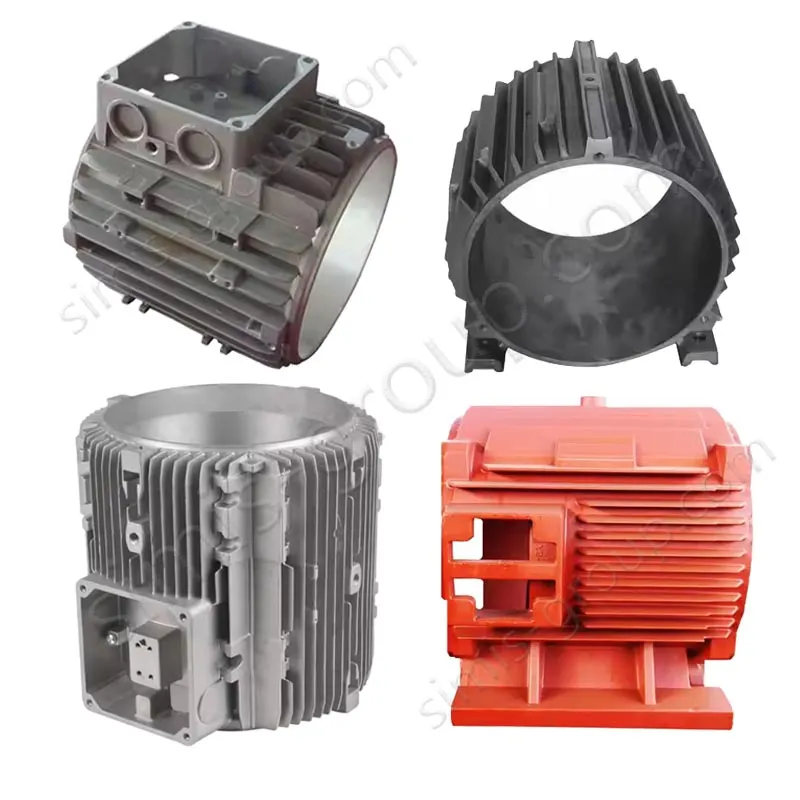
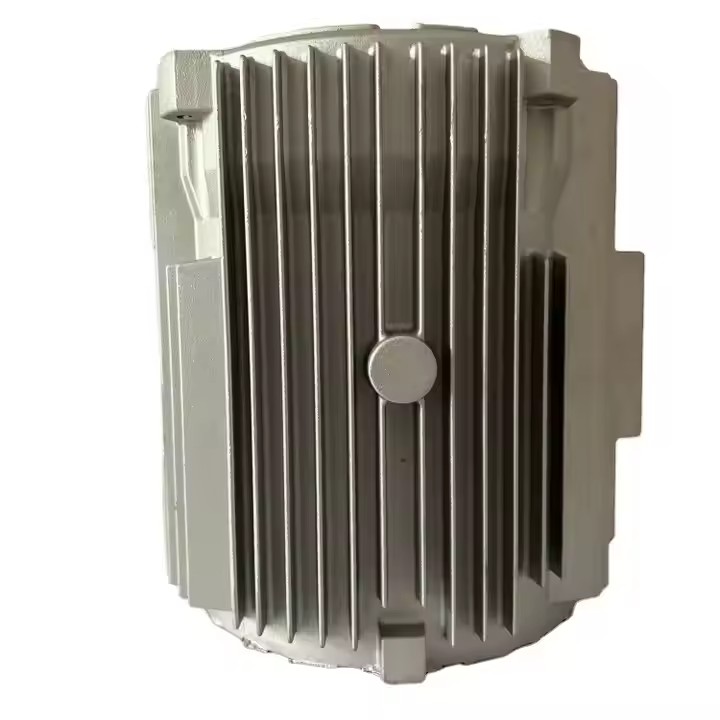
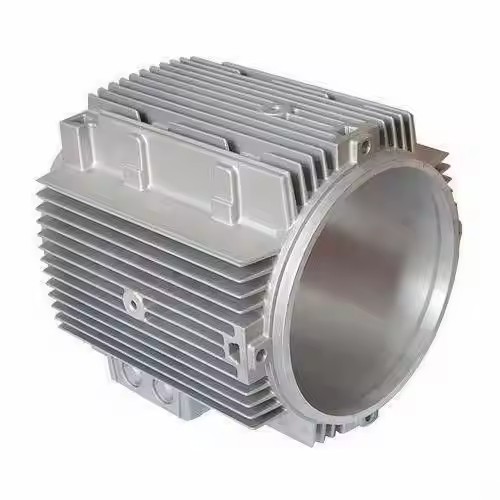
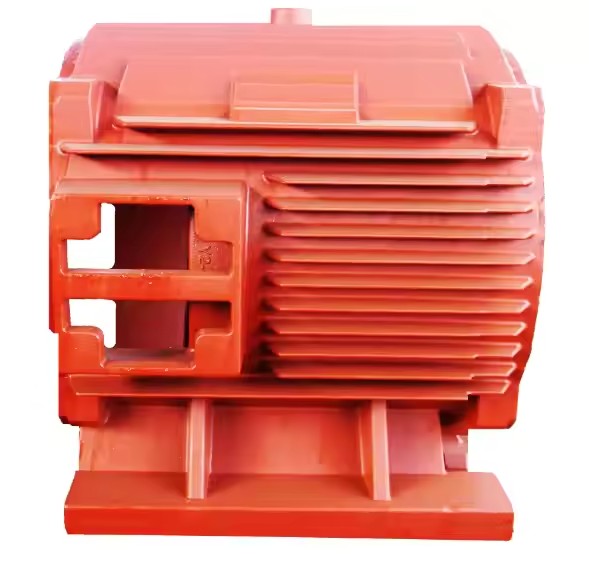
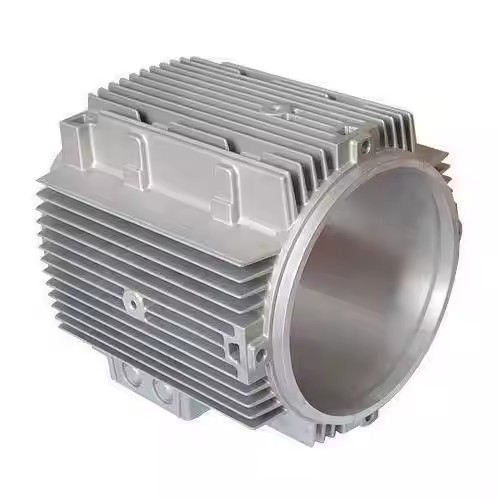
Motor Housing

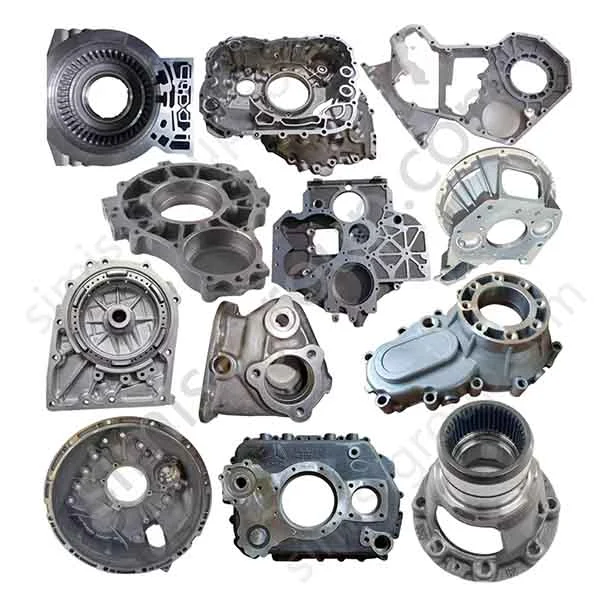
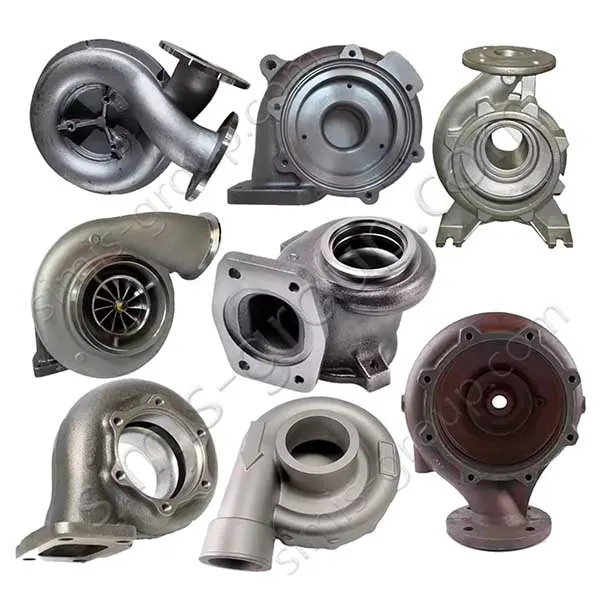
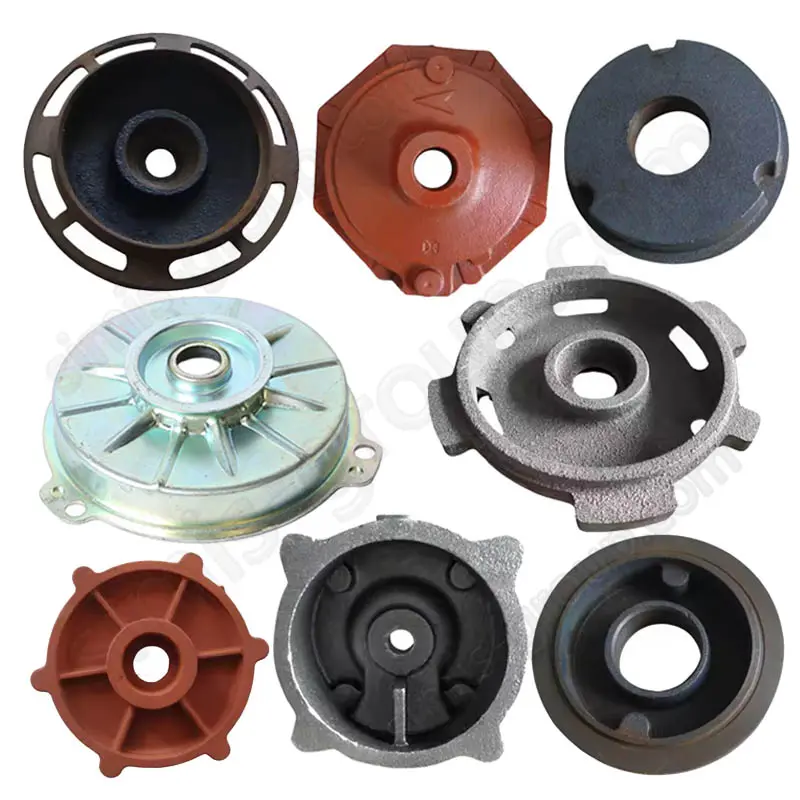
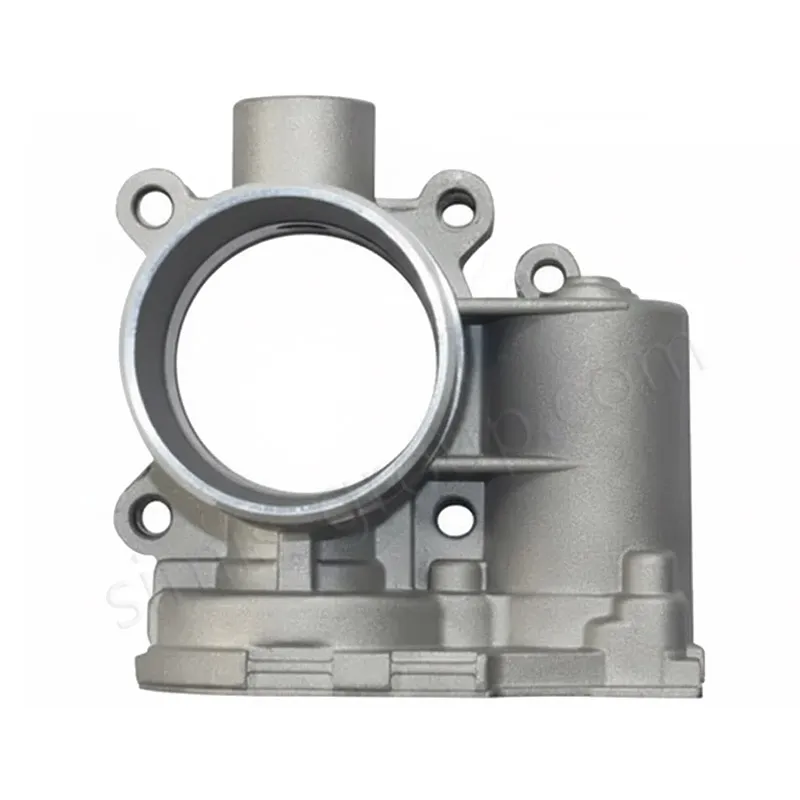
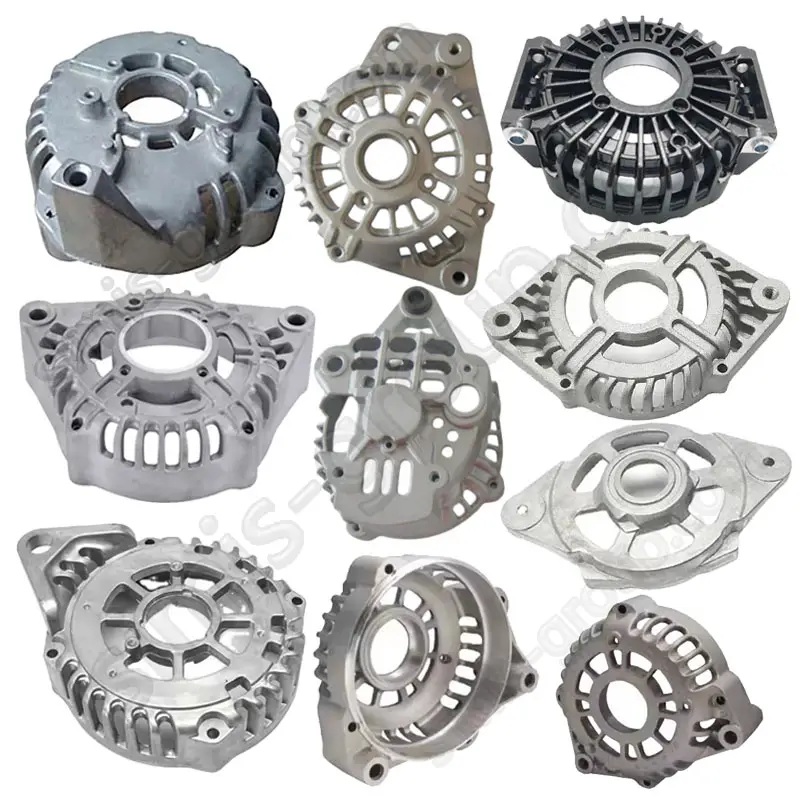
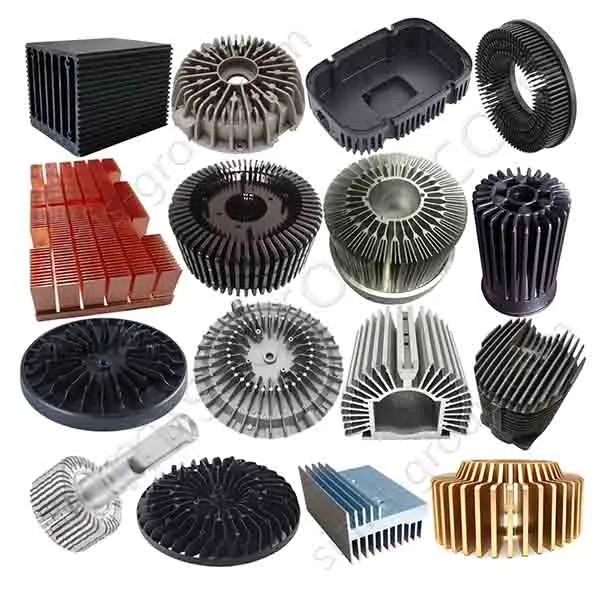
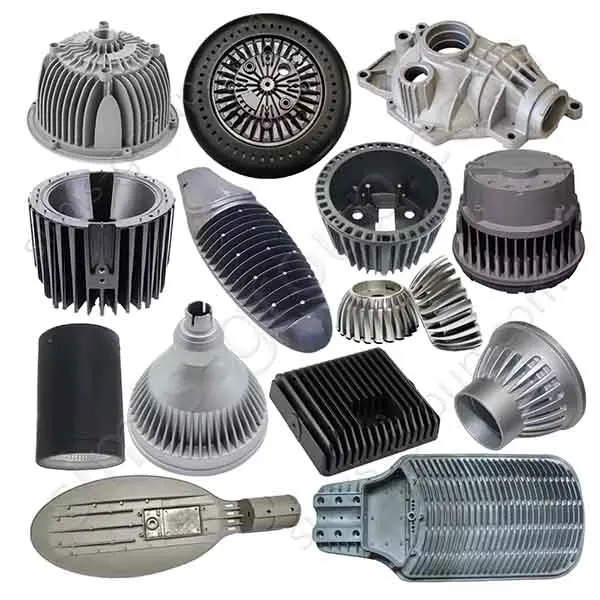
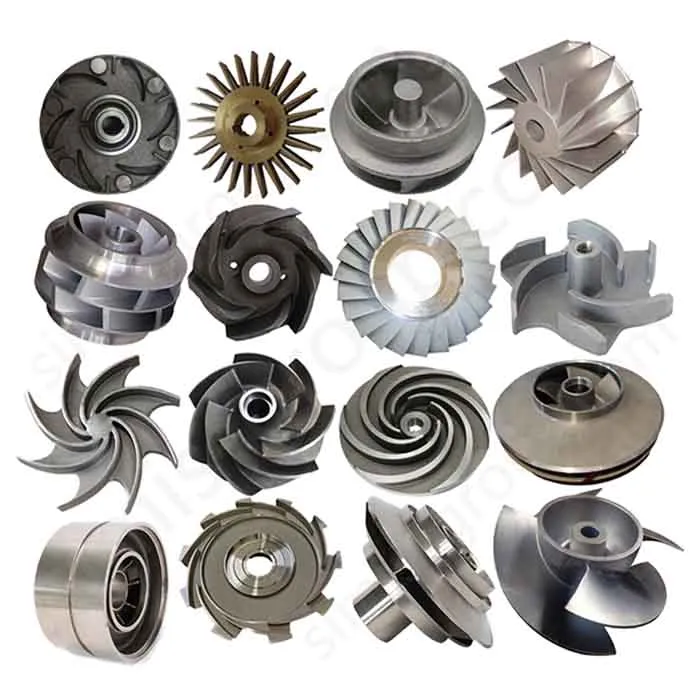
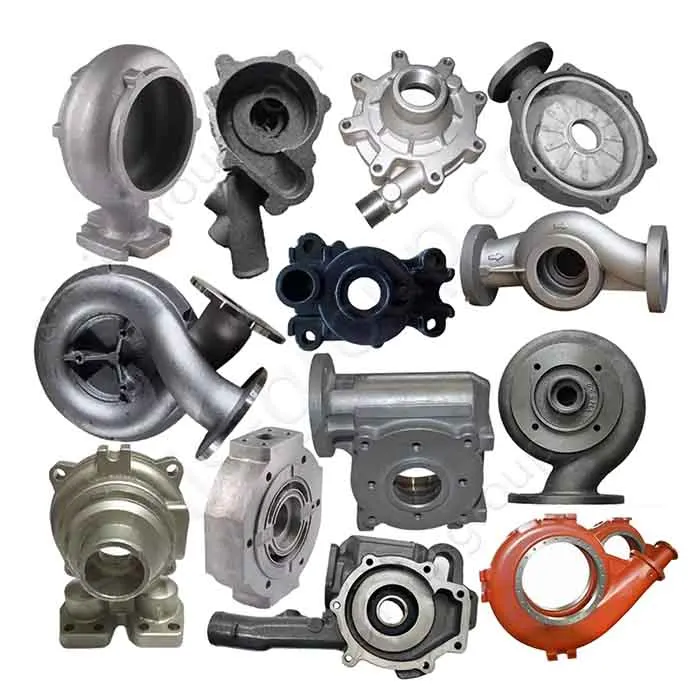
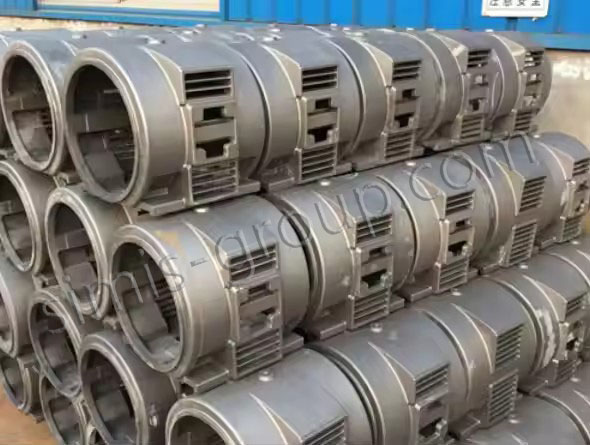
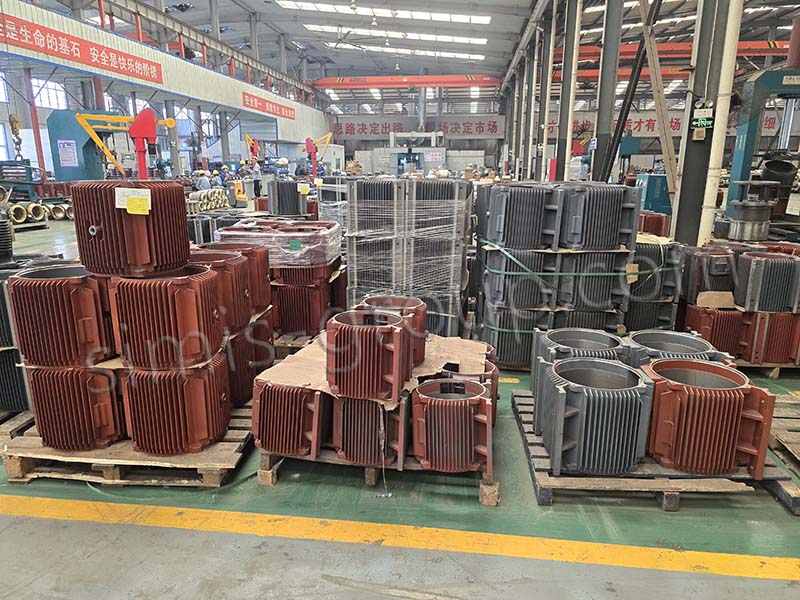
China Simis Company is a specialized OEM custom casting manufacturer of high-integrity Motor Housings (Motor Frames or Enclosures). The housing is a critical structural element that secures the stator core, provides a precise mount for bearings, facilitates essential heat transfer, and protects the motor's internal electrical components from the operating environment.
Motor Housings operate under constant vibration, thermal stress, mechanical load, and demanding environmental conditions. We utilize precision casting processes, including High-Pressure Die Casting and Lost Foam Casting, to produce robust and high-efficiency housings from Aluminum Alloy, Cast Iron, and Steel, ensuring maximum structural stiffness, effective thermal management, and strict environmental (IP) compliance.
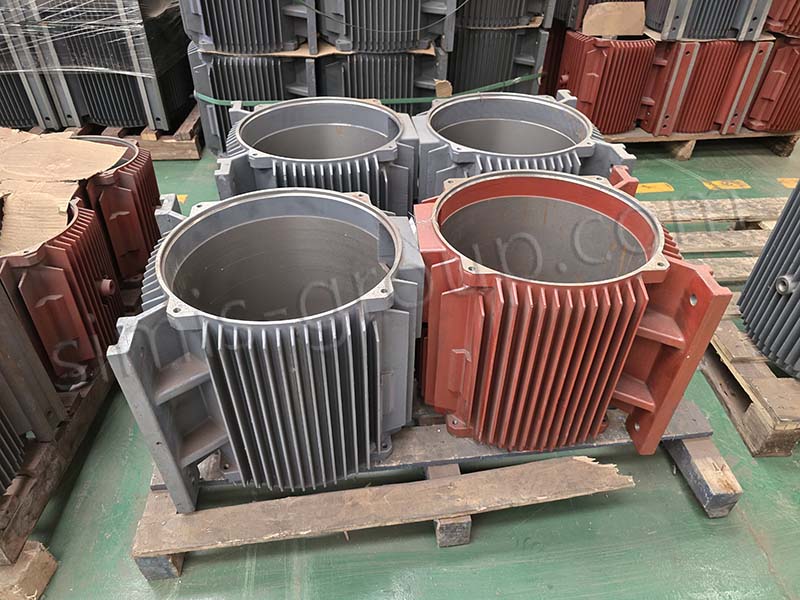
What Are the Manufacturing Processes for Motor Housings?
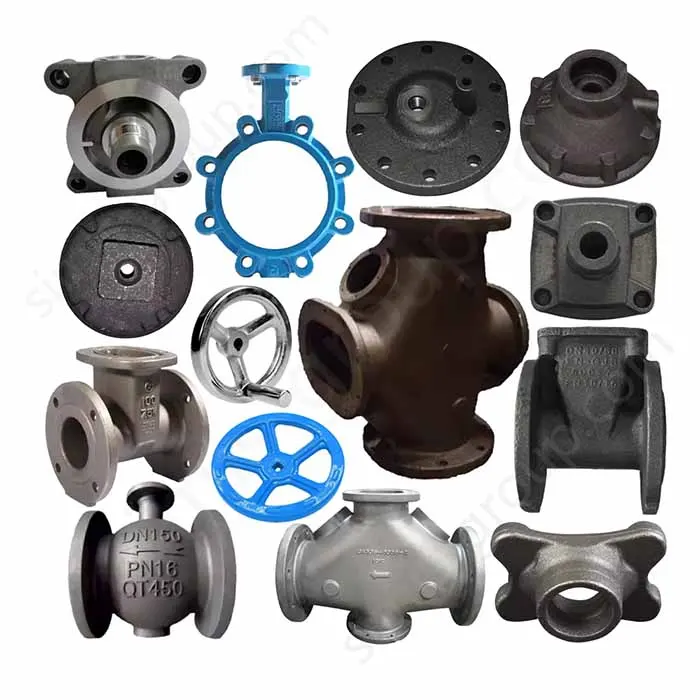
Casting is the ideal process for motor housings due to its ability to integrate complex cooling fins, precise mounting pads, and terminal box interfaces. Lost Foam Casting (LFC) is specifically leveraged for its ability to create complex internal shapes without sand cores. We mainly adopt 4 core processes including High/Low Pressure Die Casting, Lost Foam Casting, Sand Casting/Shell Mold Casting and Investment Casting to meet different motor housing production needs.
| Manufacturing Process | Material Focus | Component Type & Key Advantage |
| High/Low Pressure Die Casting | Aluminum Alloy (A380 series). | EV/Automotive Motors and High-Volume Housings; provides lightweighting, excellent thin-wall capability for cooling fins, and superior heat transfer efficiency. |
| Lost Foam Casting (LFC) | Cast Iron (Ductile/Gray) & Aluminum Alloy. | Large Industrial Frames, Explosion-Proof Motors; LFC allows for the integration of complex internal water jackets or cooling passages and the terminal box without the use of fragile sand cores, significantly reducing machining costs and improving casting efficiency. |
| Sand Casting / Shell Mold Casting | Cast Iron, Steel. | Heavy-Duty and Large Format Housings where extreme rigidity and mass are priorities. |
| Investment Casting | Stainless Steel. | Used for high-corrosion-risk or specialized hygienic applications. |
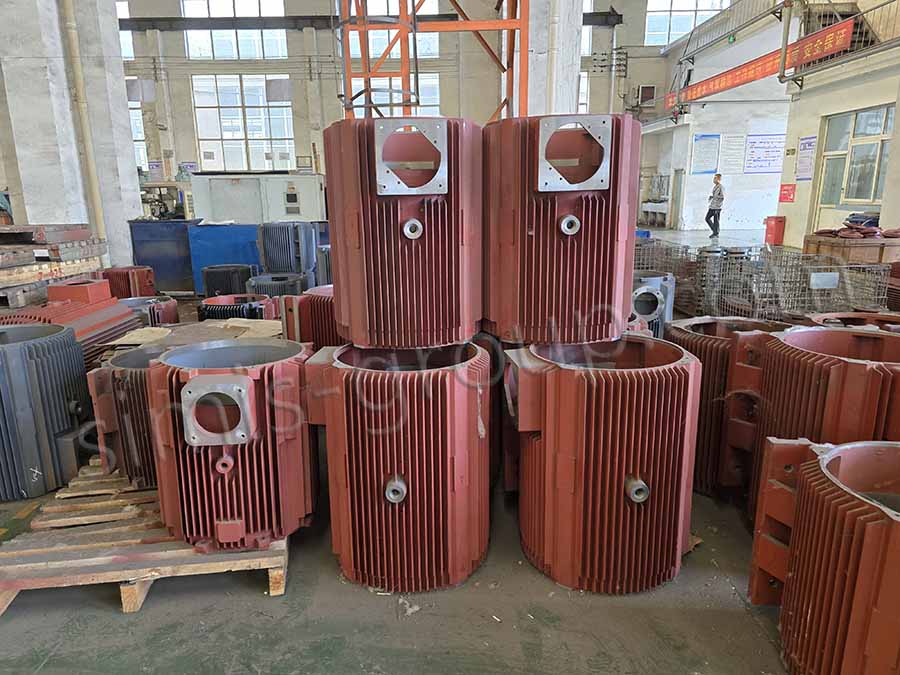
How to Select Motor Housing Materials?
Material selection is dictated by the motor's operating environment, power density, and the need to maintain the critical air gap between the rotor and stator. We provide 3 main material types including Aluminum Alloy, Cast Iron and Cast Steel for motor housing production, each with specific performance advantages.
| Material Type | Primary Performance Requirement | Typical Motor Housing Application |
| Aluminum Alloy (Cast) | High thermal conductivity, lightweighting, and high-speed operation capability. | Electric Vehicles (EV) traction motors and high-speed spindles. |
| Cast Iron (Ductile/Gray) | High structural stiffness and superior vibration damping (NVH). | Large, high-power industrial motors, particularly those utilizing the LFC process for complex internal structures. |
| Steel (Cast) | Maximum structural strength and impact resistance; often used for explosion-proof enclosures. | Mining and heavy-duty gear motors. |
| Structural Integrity | Air Gap Stability. | The housing must be rigid enough to prevent deflection under load, maintaining the uniform, minimal air gap essential for electromagnetic efficiency. |
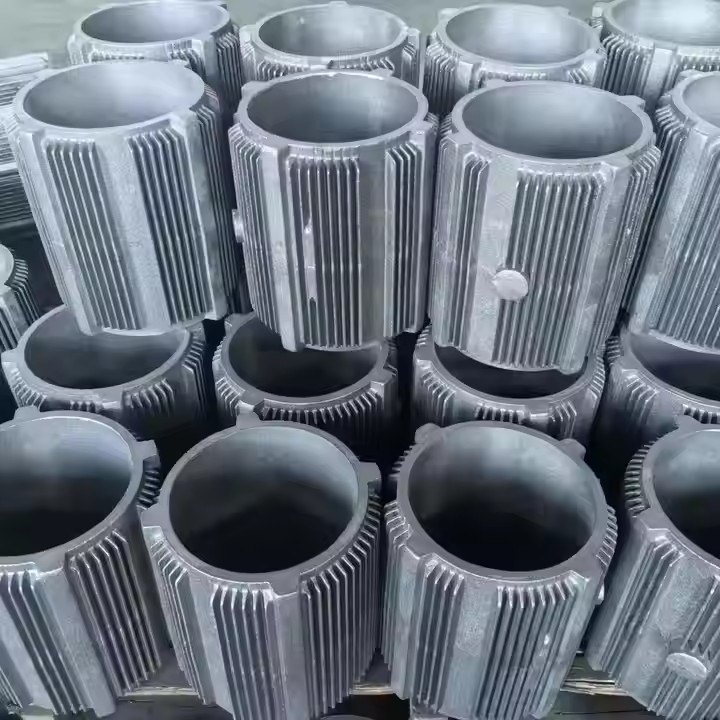
What Measures Ensure Precision Machining and Quality Assurance for Motor Housings?
Precision machining of the motor housing is non-negotiable, particularly on bearing seats and stator bores. Our core quality assurance measures include bearing seat precision control, stator mounting accuracy guarantee, environmental sealing machining and post-casting stress relieving.
·Bearing Seat Precision:
CNC machining of the bearing seats to extremely tight tolerances (often H7 or better) is critical to prevent misalignment and premature bearing failure.
·Stator Mounting Accuracy:
Machining of the stator bore must maintain precise circularity and alignment to ensure the rotor-stator air gap is uniform, maximizing electromagnetic performance.
·Environmental Sealing:
Machining sealing grooves and cover interfaces to ensure the housing meets the specified IP rating (e.g., IP65, IP67).
·Stress Relieving:
Post-casting heat treatment is essential, particularly for large cast iron parts produced via LFC or sand casting, to ensure dimensional stability throughout the motor's lifespan.
What Are the Key Applications for Simis Custom Motor Housings?
Our custom-cast housings are essential to the reliable operation of moving equipment across all sectors:
·Automotive & EV:
Lightweight aluminum housings for traction motors, e-axle systems.
·Industrial Equipment:
Robust cast iron frames (often LFC) for pumps, compressors, and machine tools requiring high rigidity and NVH damping.
·Mining & Energy:
Heavy-duty steel or cast iron enclosures for explosion-proof (Ex d) motors and submersible pump motors.
What Are the Advantages of Simis OEM Custom Motor Housings?
·LFC Integration for Complexity:
We utilize Lost Foam Casting to achieve highly complex, coreless designs for Cast Iron housings, integrating features like cooling passages or terminal box mounts, thereby minimizing welding and subsequent costly CNC machining.
·Precision Air Gap Control:
Our high-precision CNC machining guarantees the critical concentricity and bore tolerances required for bearing seating and air gap stability.
·Thermal and NVH Optimization:
We leverage the high thermal conductivity of Aluminum for cooling, or the high mass and damping of Cast Iron for noise reduction.
·Integrated IP Protection:
We specialize in casting designs that incorporate robust sealing interfaces to meet stringent environmental (IP) standards.
How to Get a Quote for Custom Motor Housings?
China Simis Company is your expert global partner for custom casting Motor Housings, engineered for superior structural stiffness, thermal efficiency, and reliable IP rated durability.
Please submit your 2D technical drawings, 3D models (showing fin geometry and critical bearing bore tolerances), and specific requirements for material grade, IP rating, and operating vibration level to our engineering department for a consultation and detailed quotation.