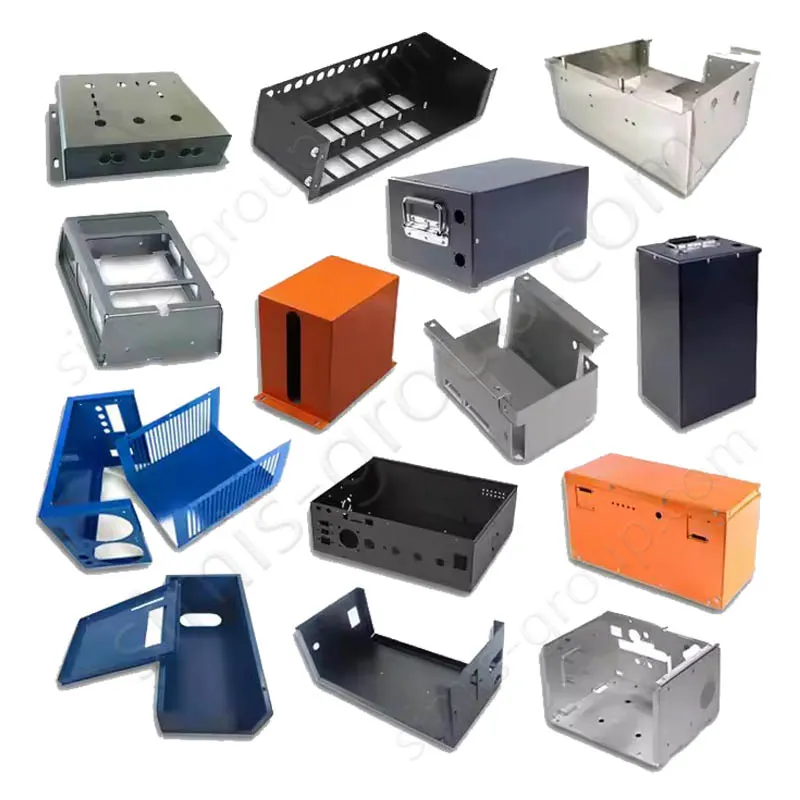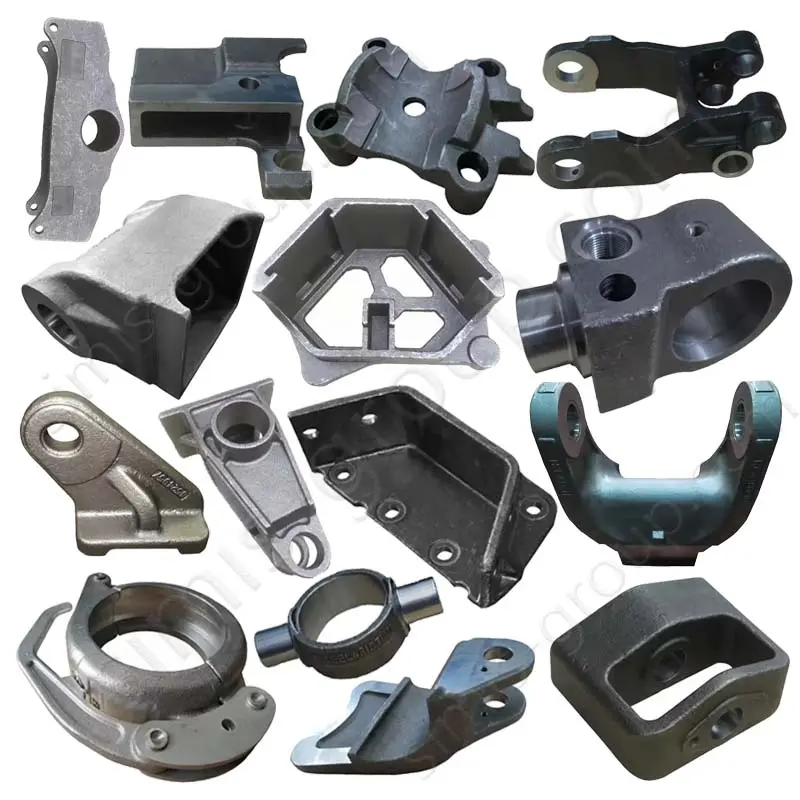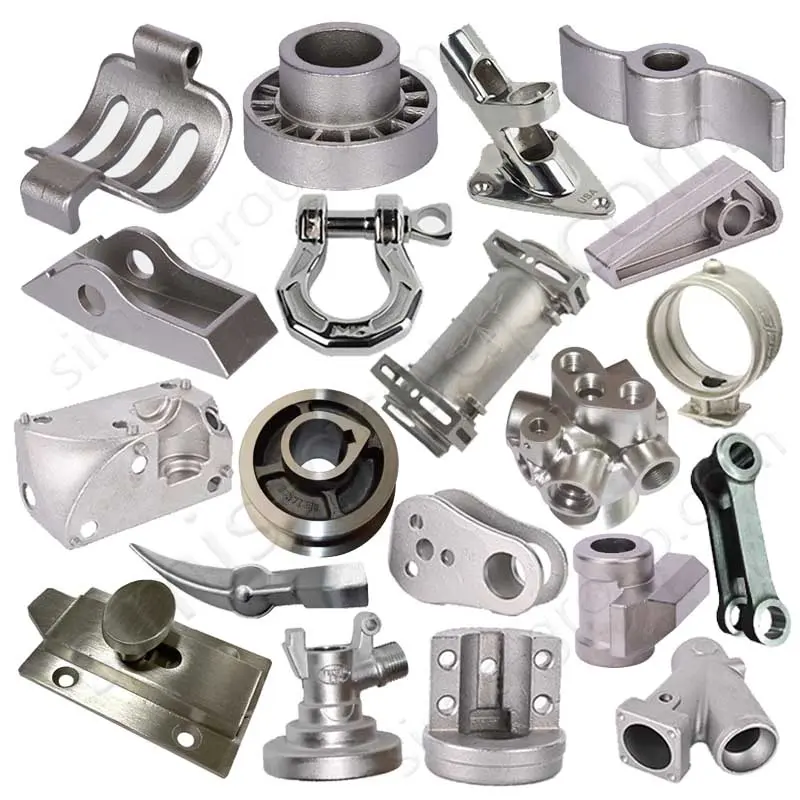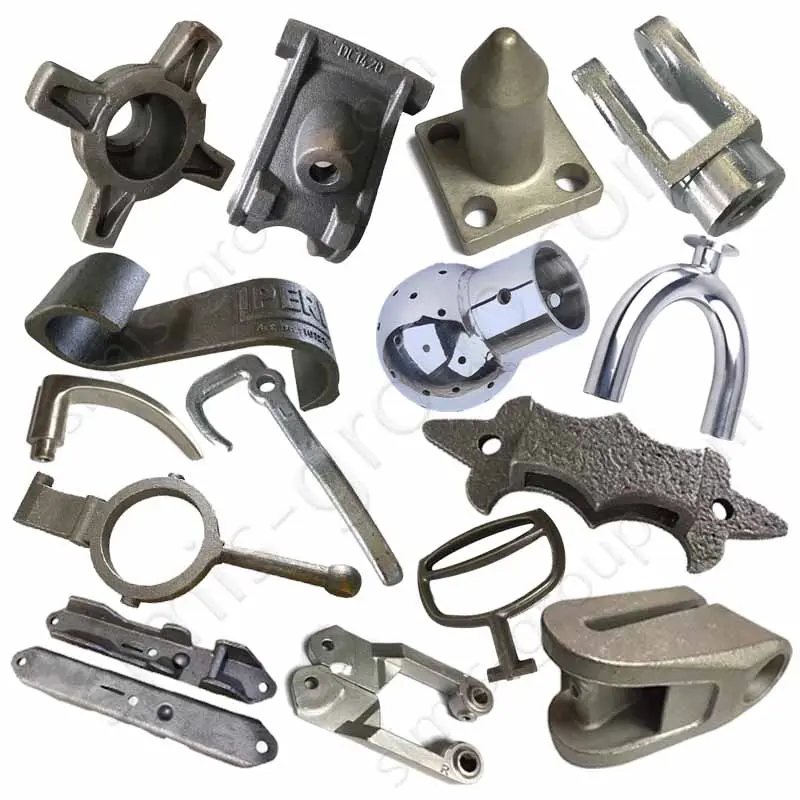
Custom Stainless Steel Welded Parts Manufacturer
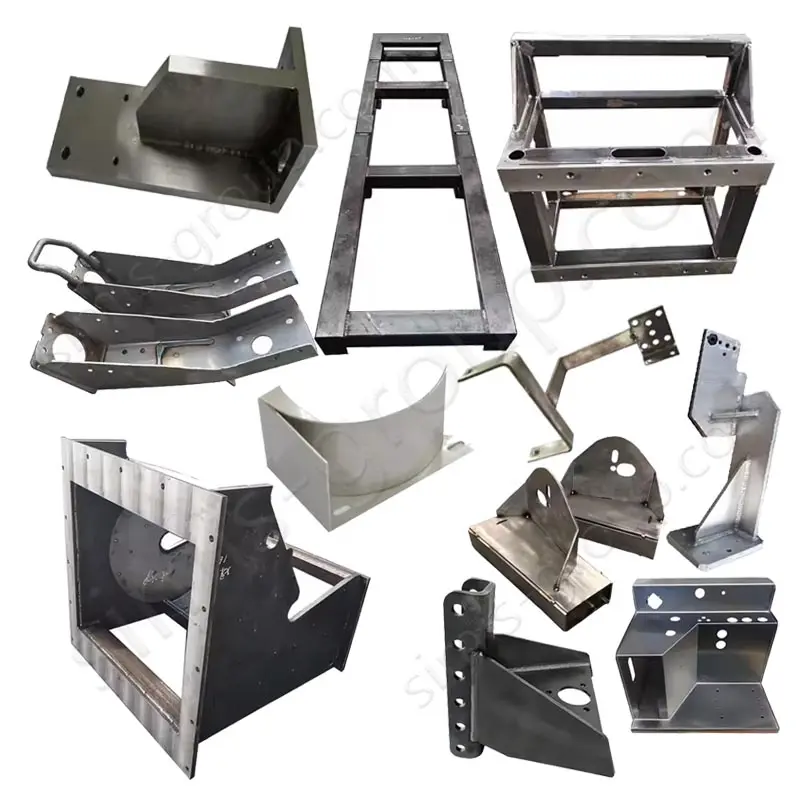
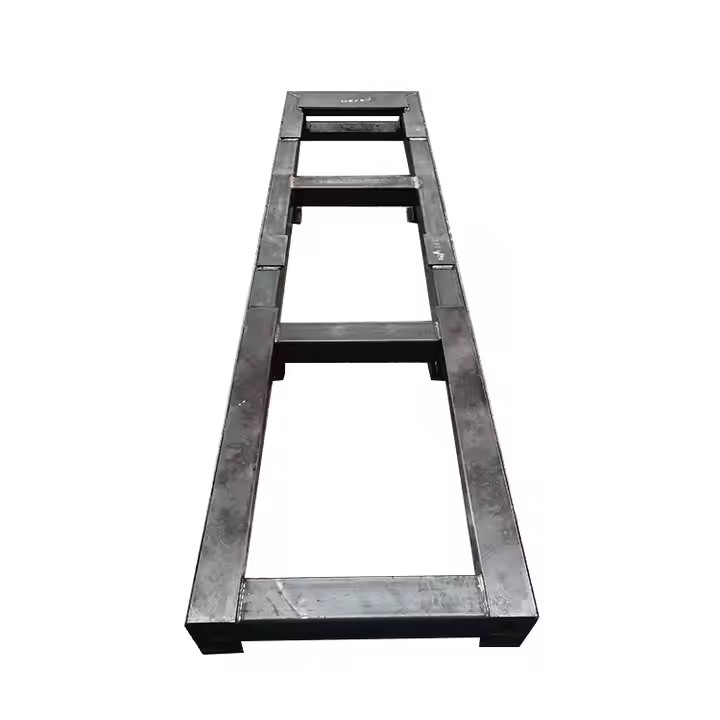
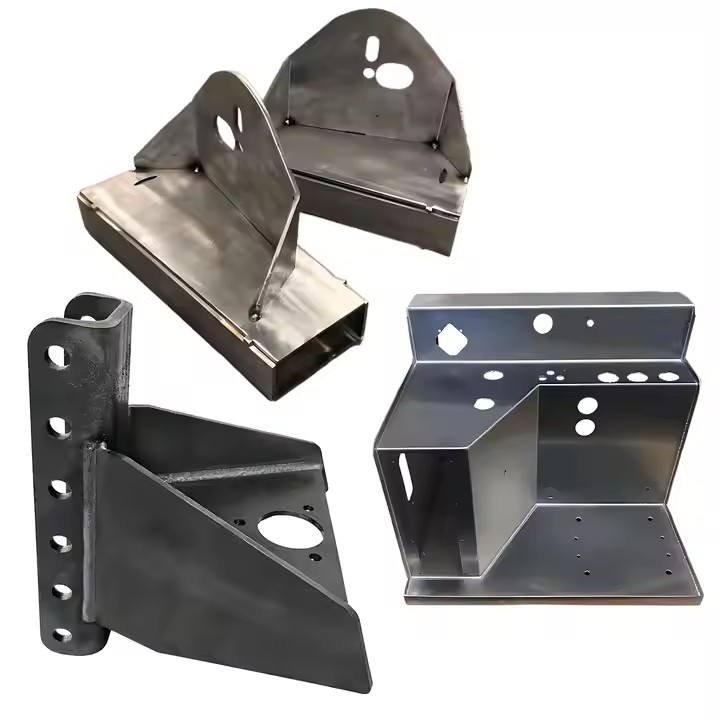
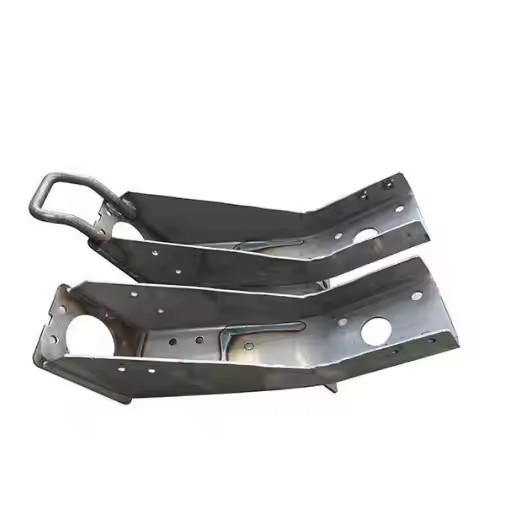
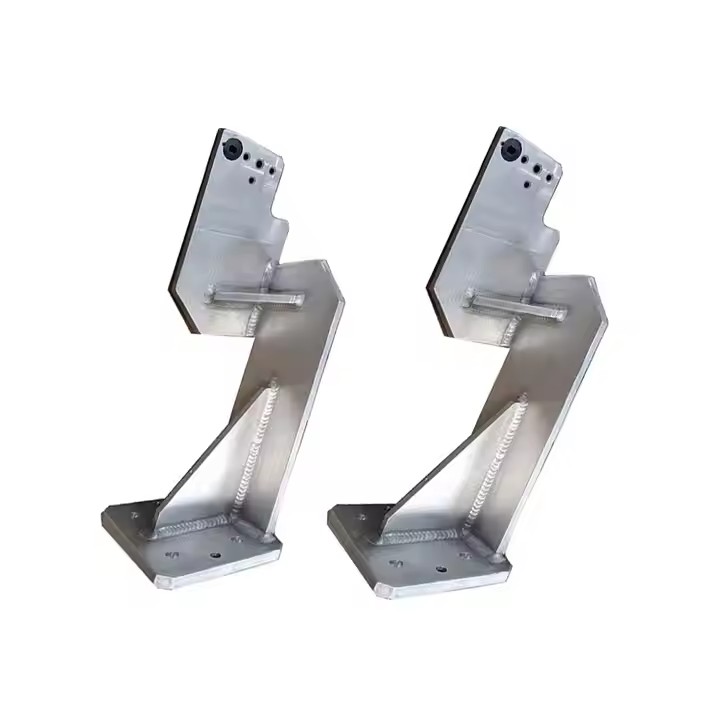
Stainless Steel Welded Parts

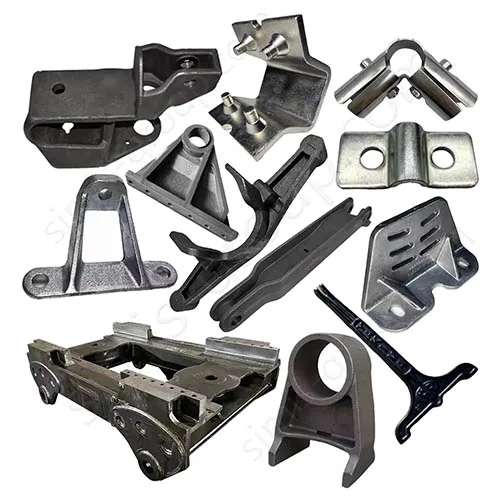
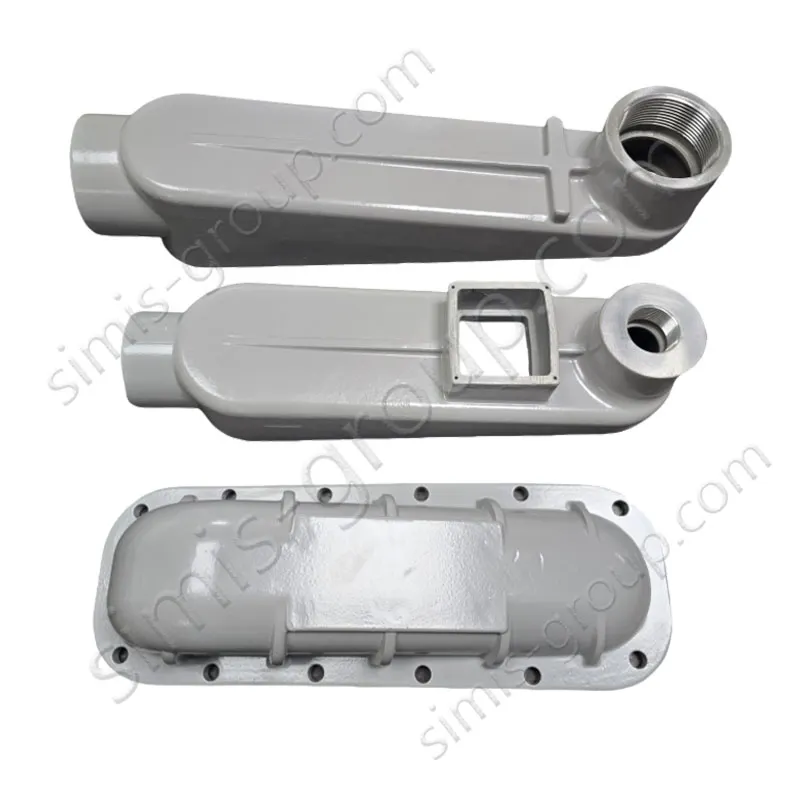
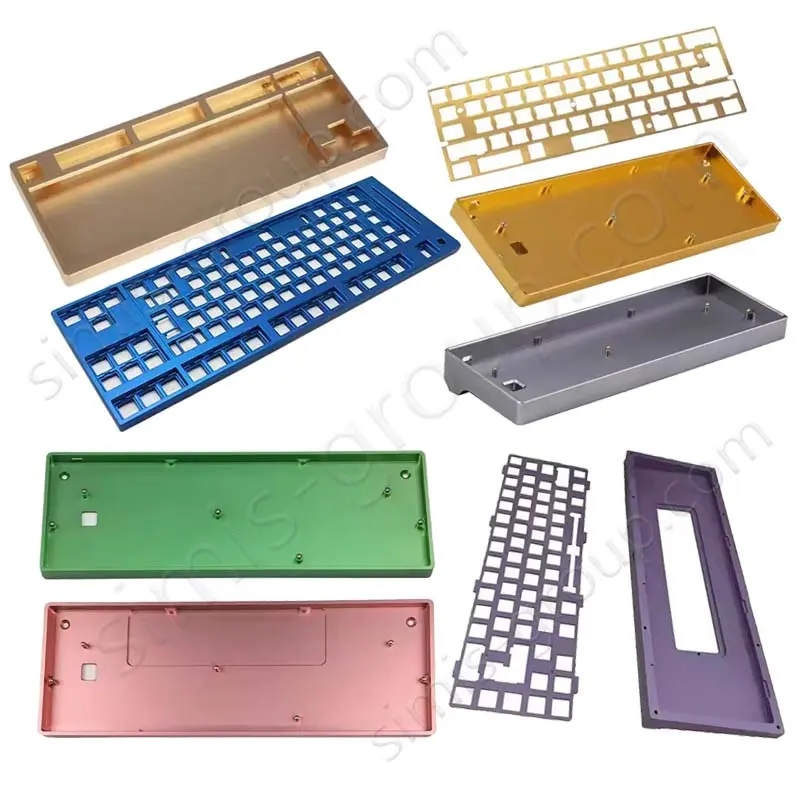
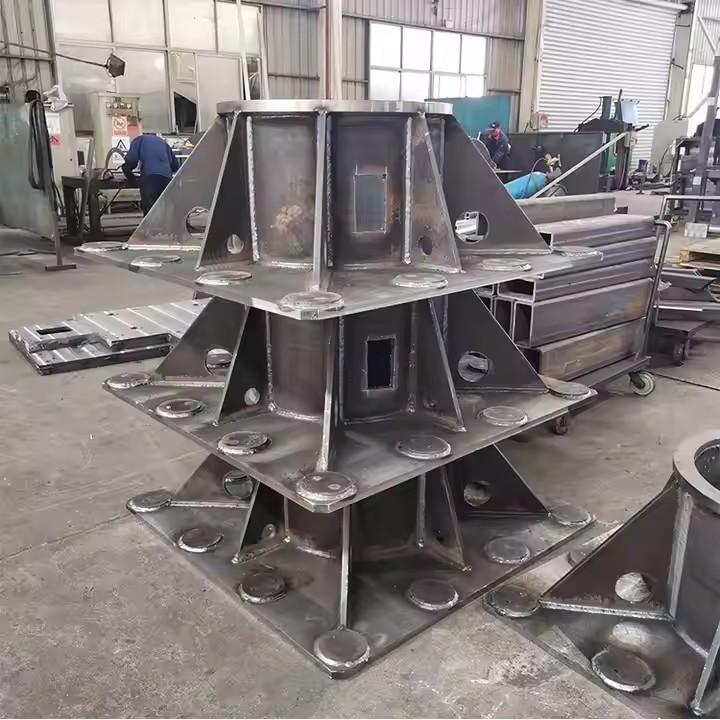
China Simis Company specializes in the custom manufacturing of Stainless Steel Welded Parts and complex fabricated assemblies. This process involves joining multiple components (sheets, tubes, machined parts, or castings) using advanced welding techniques to form robust, structurally sound, and seamless final products.
The primary challenges in Stainless Steel welding are maintaining the material's inherent corrosion resistance (preventing weld sensitization or decay) and controlling thermal distortion to preserve dimensional accuracy. We employ certified welders and precise methods like TIG and MIG Welding using high-quality 304 and 316 Stainless Steel. Our focus on rigorous QA and post-weld passivation ensures high weld integrity, compliance with sanitary standards, and reliability in critical applications like food processing, medical equipment, and rail transit.
What Are the Classification Standards for Stainless Steel Welded Parts?
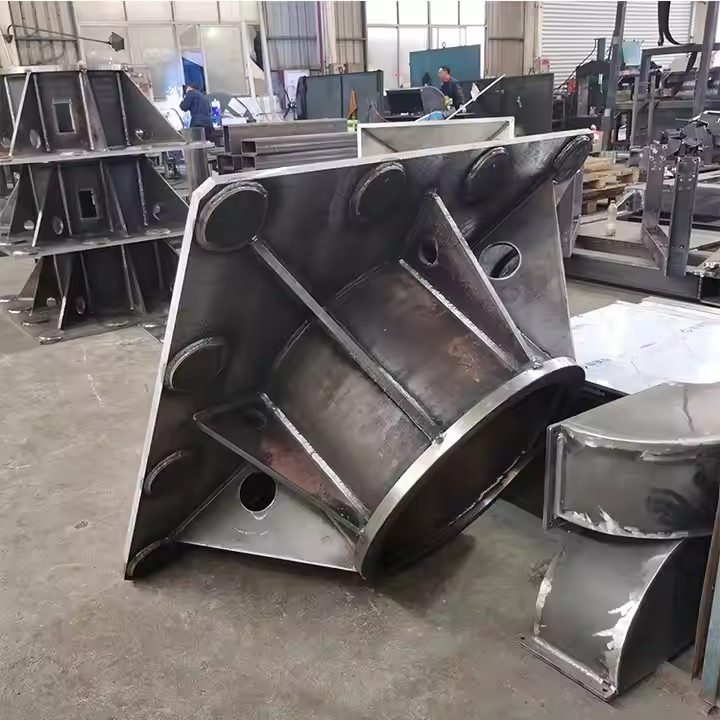
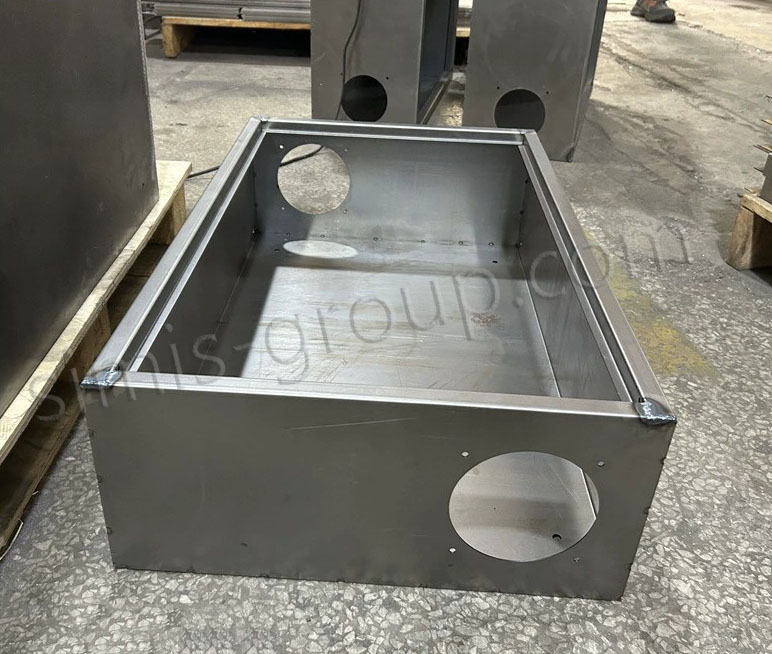
Stainless Steel welded parts are categorized based on the assembly's final function and the critical performance characteristics that the welding process must guarantee (such as load-bearing capacity, pressure integrity, or hygiene standards), which helps clients select the most suitable product type according to their application scenarios.
| Category | Component Assembly Examples | Primary Functional Role | Critical Performance Requirement |
| Structural Frameworks | Machinery Frames, Skid Mounts (for equipment), Rail Car Bogie Components, Construction Trusses | To bear static and dynamic loads, resist continuous vibration, and maintain structural rigidity and alignment over time. | Certified Weld Strength, Fatigue Life, Dimensional Flatness (Post-Weld). |
| Pressure & Process Vessels | Storage Tanks, Sanitary Hoppers, Piping Spools, Heat Exchanger Shells | To contain fluids/gases, ensure complete leak integrity under internal pressure, and facilitate cleaning/sterilization. | Full Penetration Welds, Zero Porosity, Post-Weld Passivation (for corrosion). |
| Enclosures & Housings | Electrical Cabinets (NEMA 4X), Control Panels, Protective Casings | To provide environmental sealing, protect internal components from moisture/dust, and offer corrosion resistance. | IP/NEMA Rating Compliance, Minimal Thermal Distortion, Aesthetic Finish. |
| Precision Sub-Assemblies | Medical Instrument Mounts, Sensor Housings, Flanges Welded to Shafts, Actuator Brackets | Integration of components made by different methods (e.g., machined pins welded to stamped sheet metal) with high positional accuracy. | Weld Positional Accuracy, Minimal Heat-Affected Zone (HAZ) Damage. |
| Sanitary & Food-Grade Equipment | Conveyor Belting, Food Contact Tables, Mixing Blades/Paddles | Specifically designed to meet strict hygiene standards, preventing bacterial buildup in crevices. | Seamless Polished Welds, Crevice-Free Construction, 3A or FDA Compliance. |
What Are the Manufacturing Processes for Stainless Steel Welded Parts?
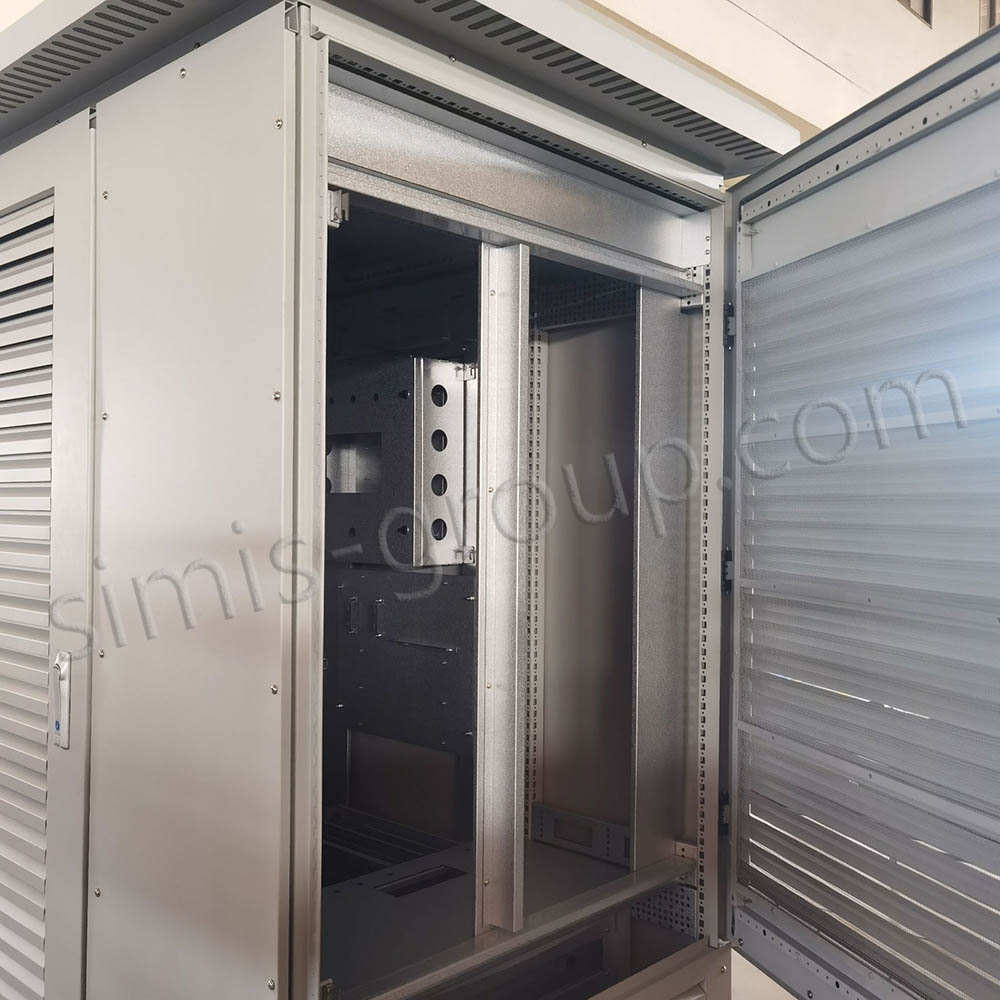
The process sequence is designed to maximize weld quality, minimize thermal stress, and restore the material's corrosion protection, which is the core technical guarantee for the performance of stainless steel welded parts.
| Manufacturing Process | Material Focus | Key Advantage for Welded Assemblies | Specific Process Detail |
| TIG (Tungsten Inert Gas) Welding | 304 SS, 316 SS (Thin-Gauge/Critical Joints). | Highest Weld Quality, Precision, and Aesthetics. Provides clean, contamination-free welds with minimal spatter, essential for pressure vessels and sanitary surfaces. | Used for visible joints and high-integrity pressure welds. |
| MIG (Metal Inert Gas) Welding | 304 SS, 316 SS (Thicker Gauge/Structural). | Speed and Deep Penetration. Used for structural components where thick materials need rapid, high-strength joining. | Used where ultimate tensile strength of the joint is critical. |
| Laser Welding / Spot Welding | Thin-Gauge Stainless Steel. | Minimal Thermal Distortion and High Speed. Ideal for small, intricate components or enclosures requiring precise alignment after welding. | Minimizes heat-affected zone (HAZ) damage. |
| Post-Weld Passivation/Pickling | All Stainless Steels. | Essential Corrosion Restoration. Chemical treatment (using nitric/citric acid) to remove weld-induced contaminants (free iron) and re-establish the protective chromium oxide layer. | Mandatory for marine and food-grade components. |
What Materials Are Suitable for Stainless Steel Welded Parts Based on Corrosion Resistance and Application Grade?
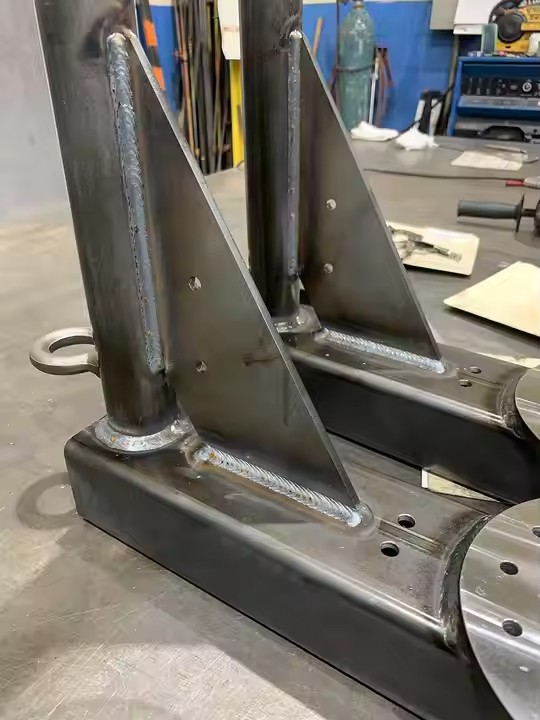
Welding performance is heavily dependent on selecting the correct filler material and base metal grade to match the application environment, which is a key factor in ensuring the service life of welded parts.
| Material Type | Primary Performance Focus | Typical Welded Component Use |
| 304 Stainless Steel | General Corrosion Resistance and High Strength. | Industrial machinery frames, rail transit components, general construction. |
| 316 Stainless Steel | Superior Corrosion Resistance (due to Molybdenum content). | Food processing equipment, medical devices, marine structures, chemical handling systems. |
| Duplex Stainless Steel | Extreme Strength and Corrosion Resistance. | High-pressure vessels, structural elements in harsh chemical/marine environments. |
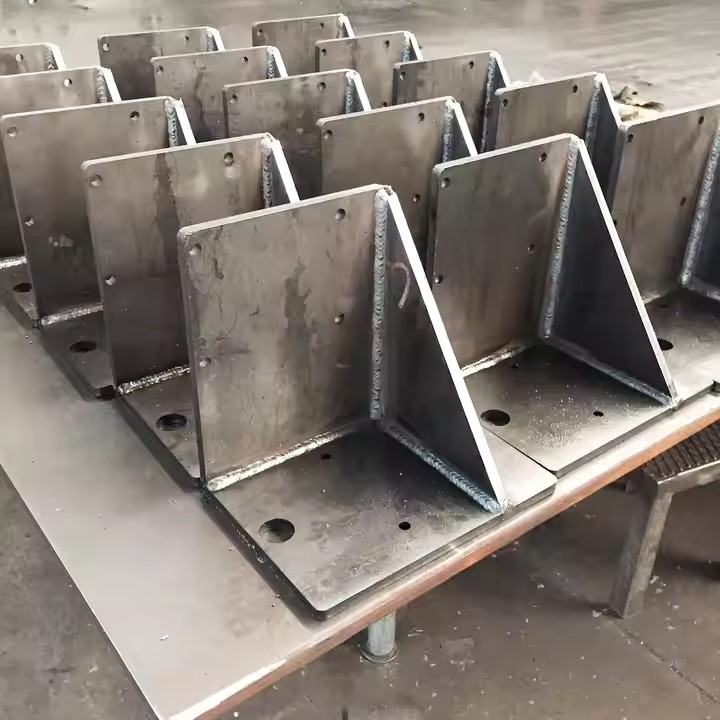
What Quality Assurance Measures Ensure Weld Integrity and Code Compliance for Stainless Steel Welded Parts?
QA protocols must certify the structural integrity of the weld joint and the longevity of the corrosion protection, which is a key guarantee for the reliability of welded parts in critical applications.
·Non-Destructive Testing (NDT):
Dye Penetrant Inspection (DPI) for surface welds; X-ray Radiography (RT) or Ultrasonic Testing (UT) for critical, full-penetration structural welds.
·Weld Certification:
Verification of the Welding Procedure Specification (WPS) and Welder Performance Qualification (WPQ) to standards such as AWS or ASME codes.
·Dimensional Inspection:
CMM verification of the final assembly to ensure that welding distortion has been kept within specified tolerances.
·Corrosion Inspection:
Verification of the effectiveness of the passivation process using water immersion or chemical testing to ensure the passive layer has been restored.
What Are the Application Areas of Custom Stainless Steel Welded Parts?
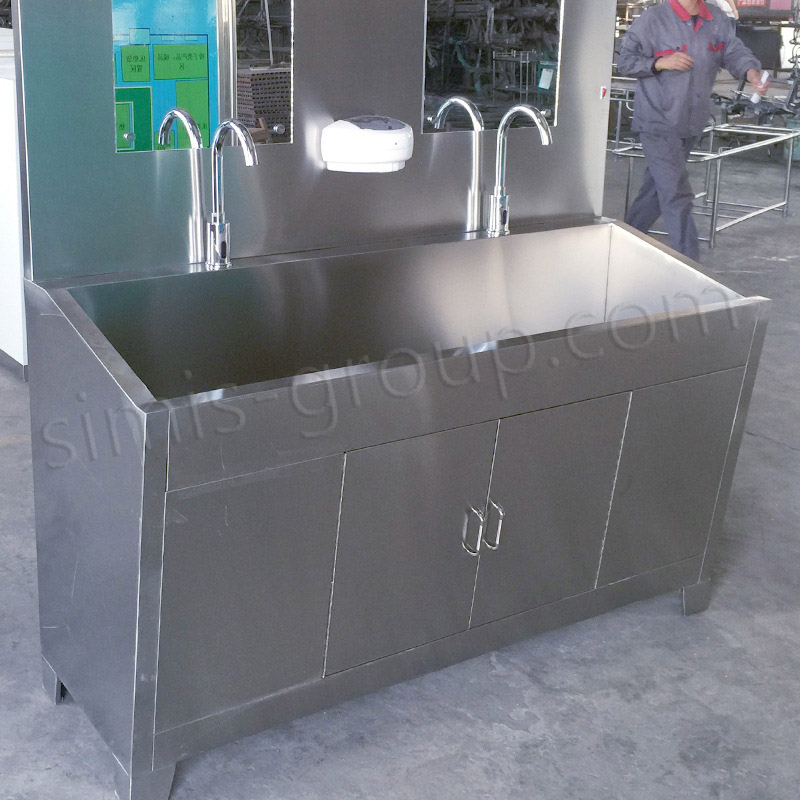
Our components are used where both high structural integrity and cleanliness are paramount, covering multiple high-demand industrial sectors.
| Application Sector | Typical Welded Component Focus | Primary Challenge | Recommended Welding Process |
| Food Processing & Pharma | Tanks, Piping Spools, Conveyor Frames. | Sanitary Surface Finish, Wash-down Corrosion, CIP Compliance. | TIG Welding, 316 SS, Full Passivation. |
| Rail Transit | Frame Assemblies, Structural Supports, Interior Fittings. | Vibration Resistance, High Structural Fatigue, Durability. | MIG Welding, 304 SS, Certified Joint Strength. |
| Medical Equipment | Instrument Trolleys, Machine Casings, Mounts. | Aesthetics, High Strength-to-Weight, Biocompatibility. | TIG/Laser Welding, 316 SS, Mirror/Satin Finish. |
| Marine/Oil & Gas | Exhaust Systems, Structural Platform Components. | Extreme Chemical and Chloride Corrosion, High Pressure. | TIG Welding, 316L or Duplex SS. |
What Are the Advantages of Simis Custom Stainless Steel Fabrication?
Simis provides high-integrity welding and fabrication solutions with a strong focus on certification, compliance, and material integrity, which can fully meet the personalized needs of clients in different industries.
·Certified Welding Protocols:
We implement certified welding procedures (PQR and WPS) that are specifically optimized for Stainless Steel corrosion retention and strength, preventing common issues like weld decay.
·Distortion Management:
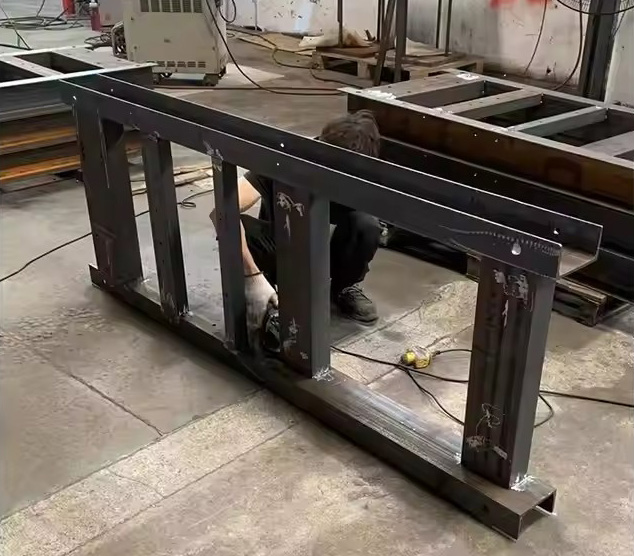
We utilize specialized jigs, fixtures, and sequence welding techniques to actively manage and minimize thermal distortion, ensuring the final assembly meets tight dimensional and flatness tolerances.
·Sanitary and Food-Grade Finishes:
We specialize in providing the necessary seamless, polished, and fully passivated surfaces required for medical and food contact components, meeting FDA and USDA hygiene standards.
·End-to-End Integration:
We handle the entire process, including initial material preparation (Laser Cutting, Bending), precision welding, post-weld CNC cleanup, and final surface treatment, providing a ready-to-install assembly.
How to Get a Quote for Custom Stainless Steel Welded Parts?
China Simis Company is your expert partner for custom manufacturing Stainless Steel Welded Parts (Precision Sheet Metal Fabrication Services), providing certified solutions engineered for superior weld integrity, minimal thermal distortion, and reliable corrosion protection across demanding industrial sectors. To obtain a detailed and accurate quotation for your custom stainless steel welded parts project, please submit the following technical documents and specifications to our professional engineering department: 2D technical drawings or 3D CAD models of the final assembly, specified stainless steel grade (304/316/Duplex SS), required non-destructive testing (NDT) methods, surface finish and passivation standards, expected annual production volume, and detailed application scenarios (e.g., food-grade sanitary equipment, marine structural components). Our team will conduct a comprehensive technical evaluation and provide a quotation package including unit price, production lead time, quality control plan, and delivery terms that fully align with your project requirements.