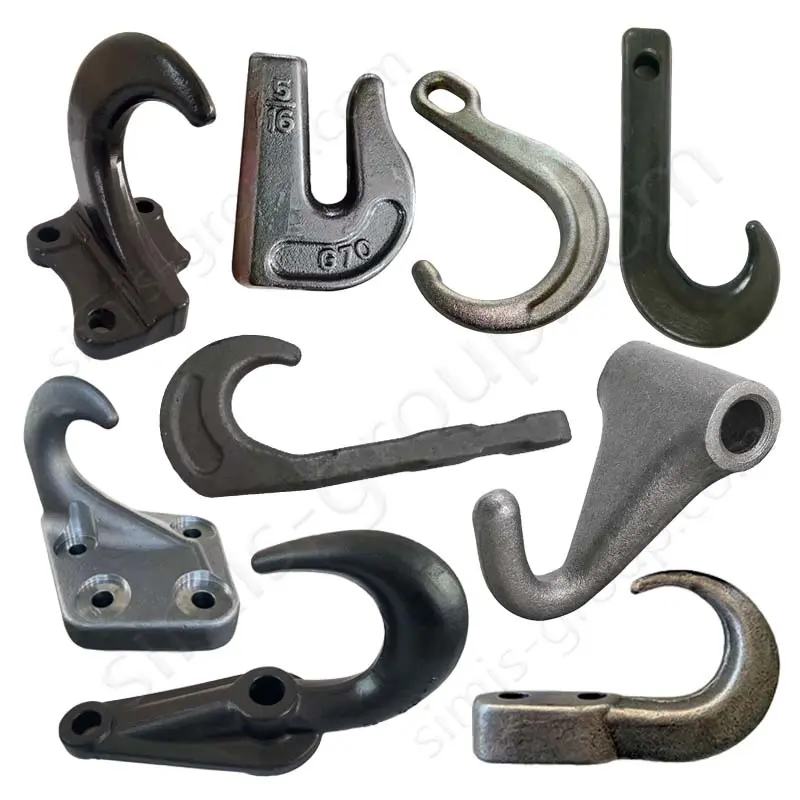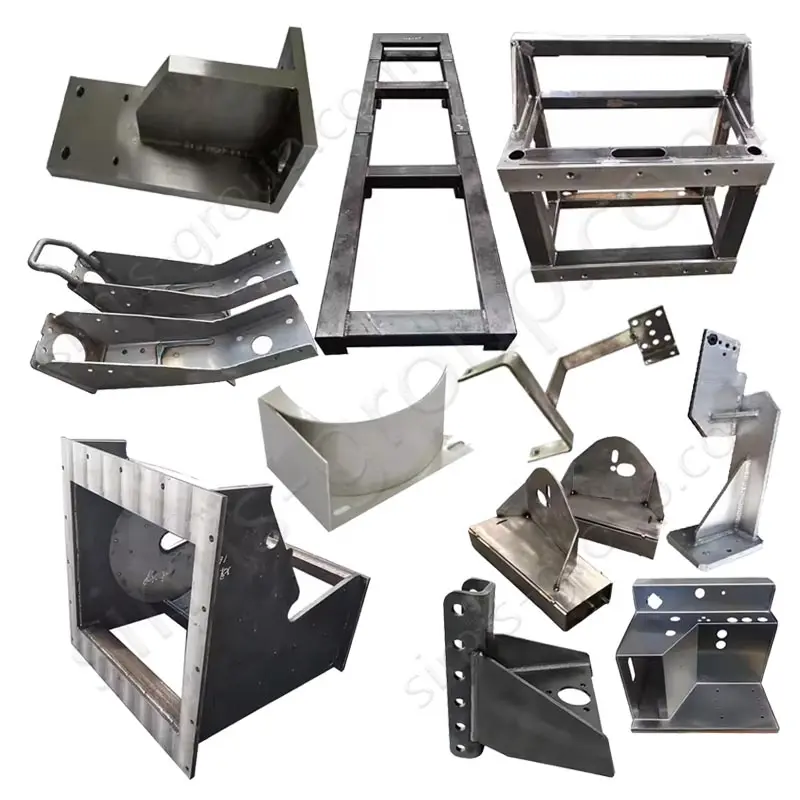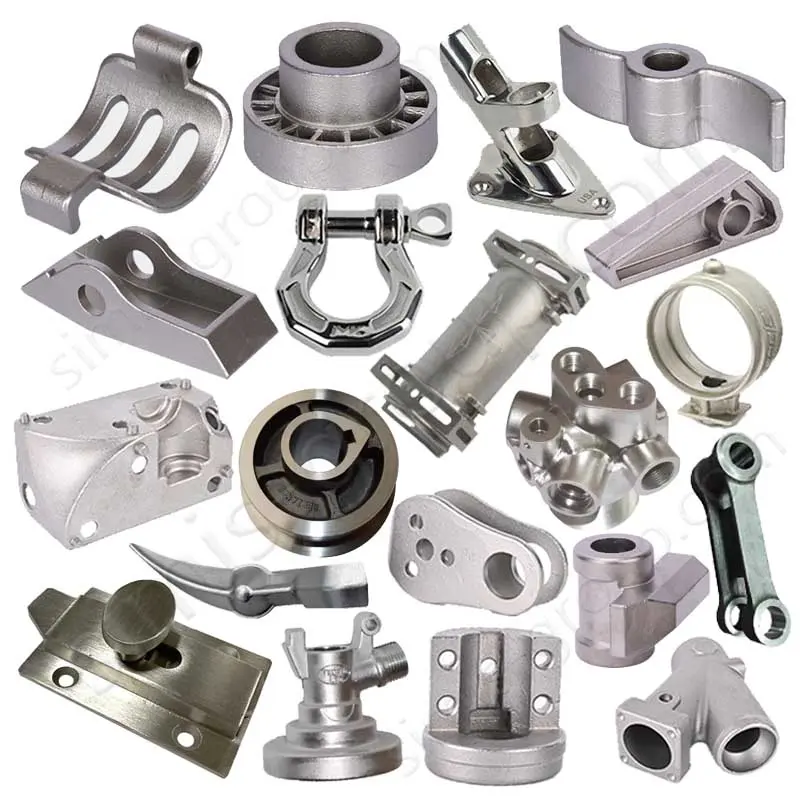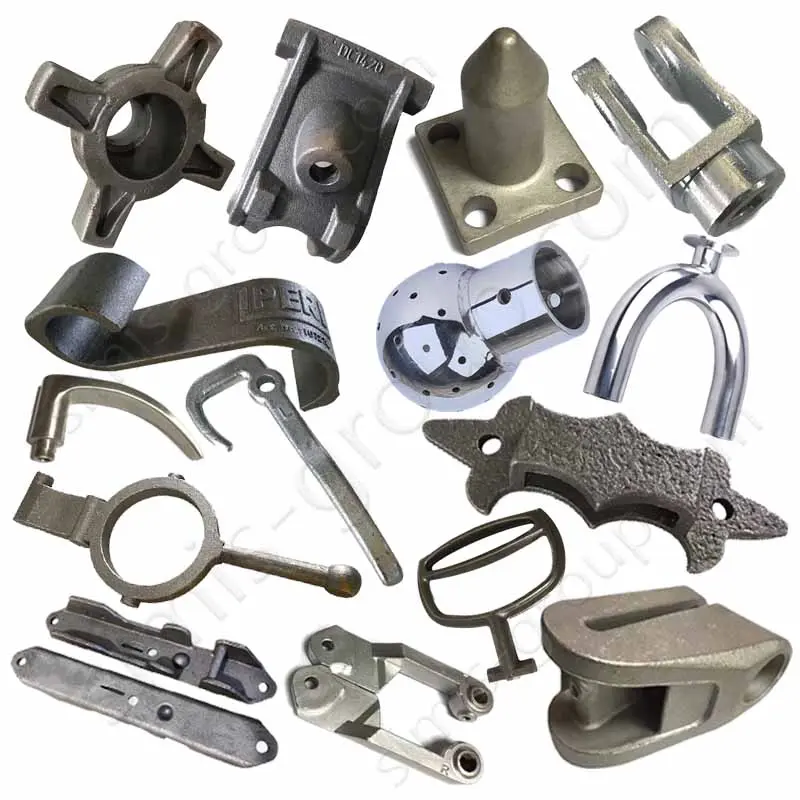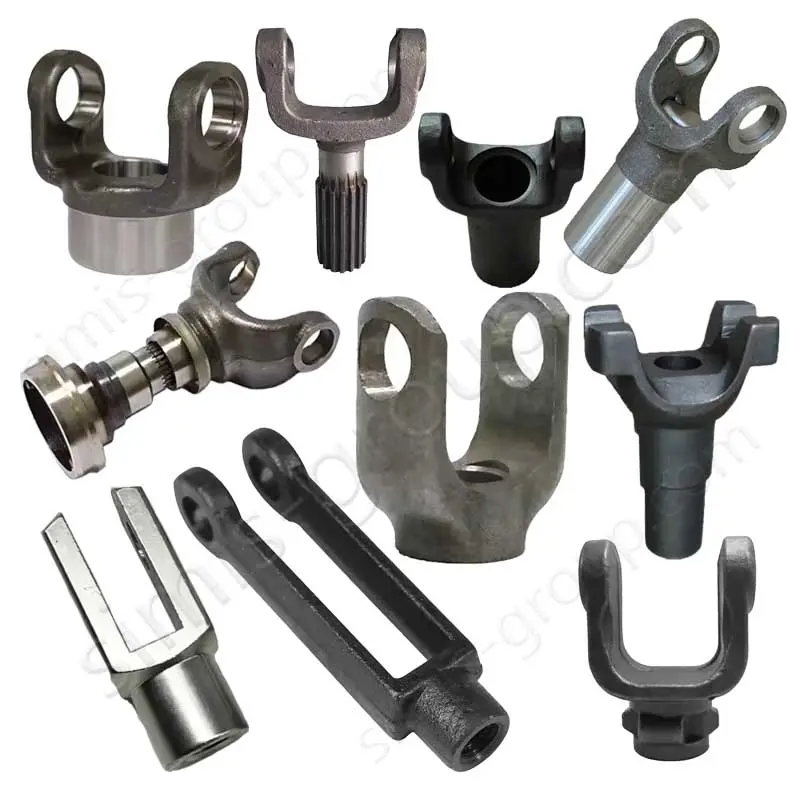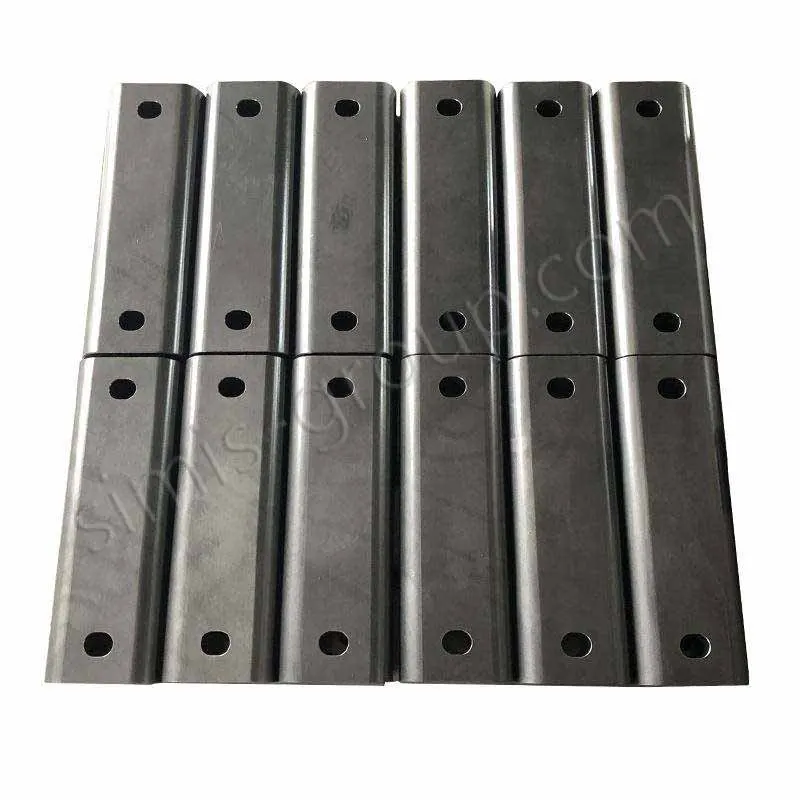
Custom Cast Carbon Steel Parts Manufacturer
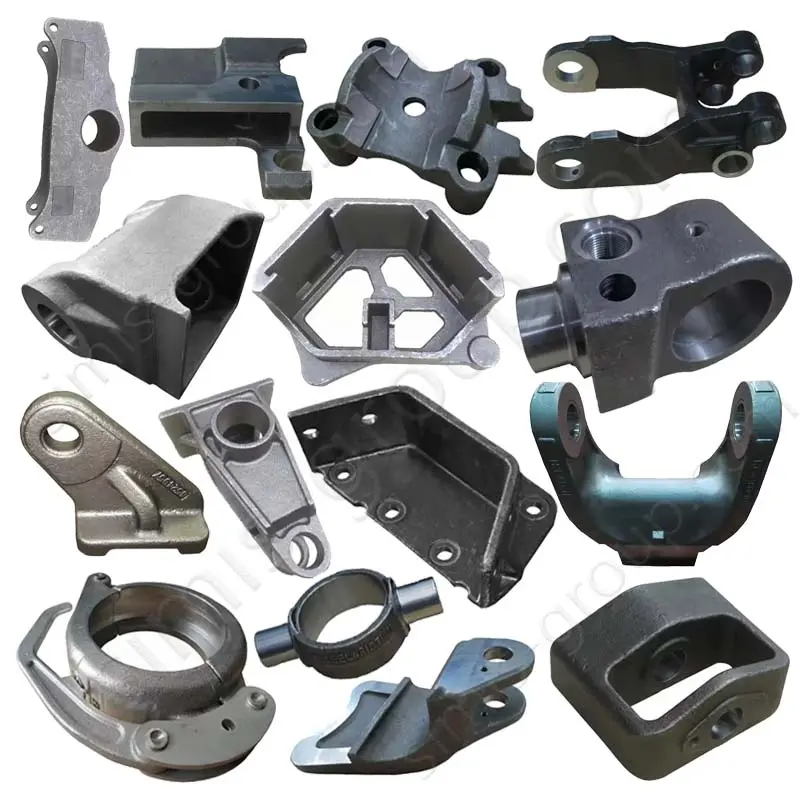
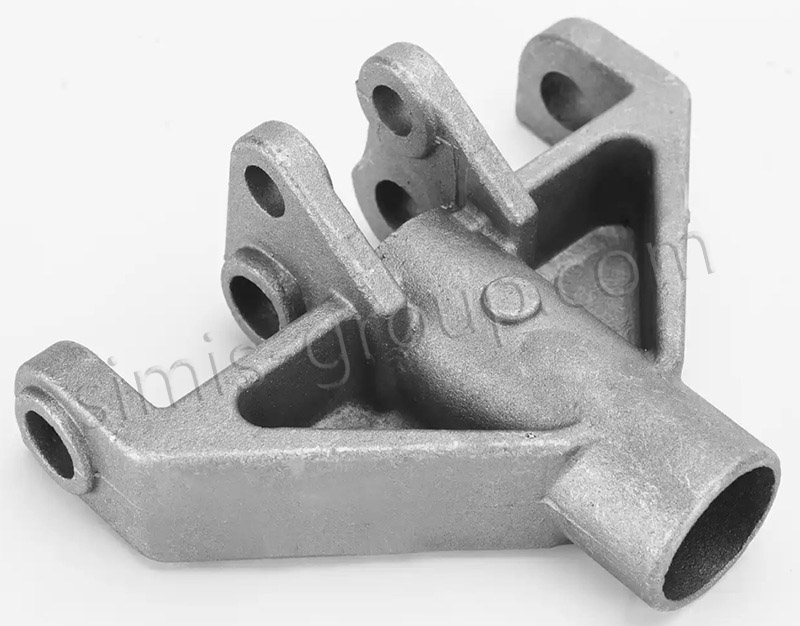
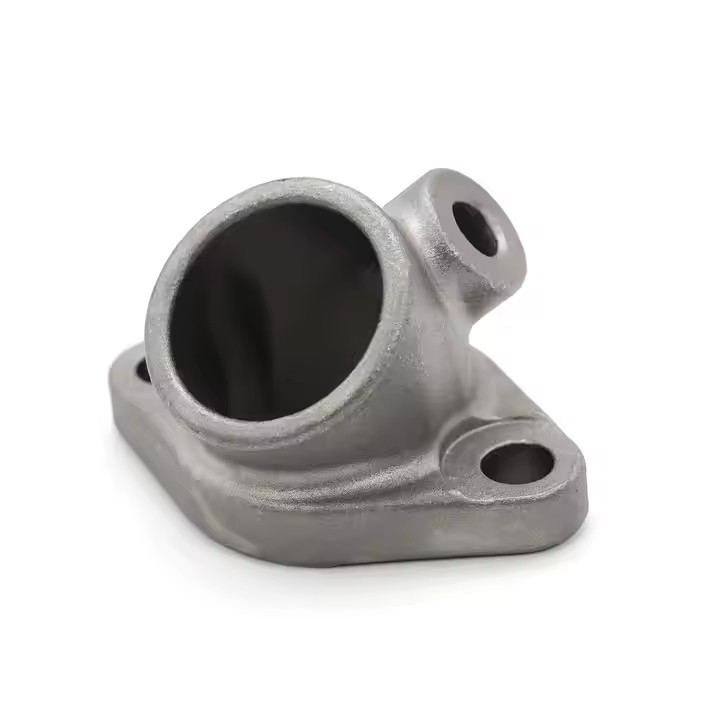
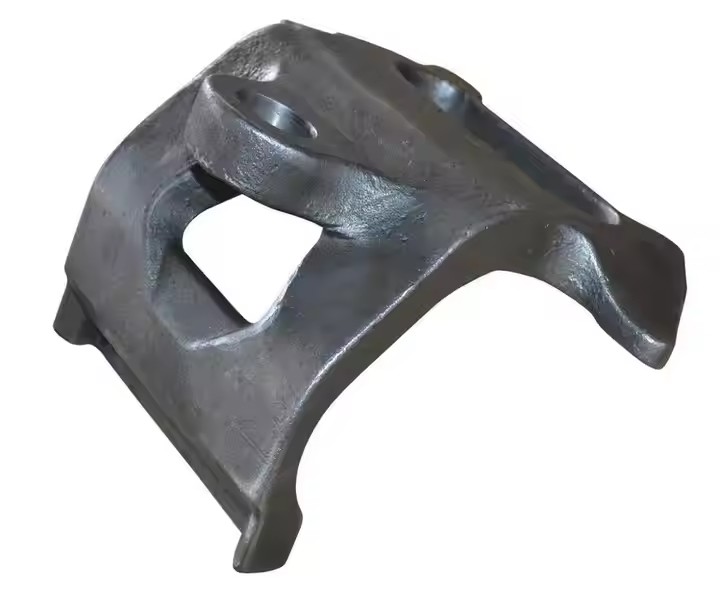
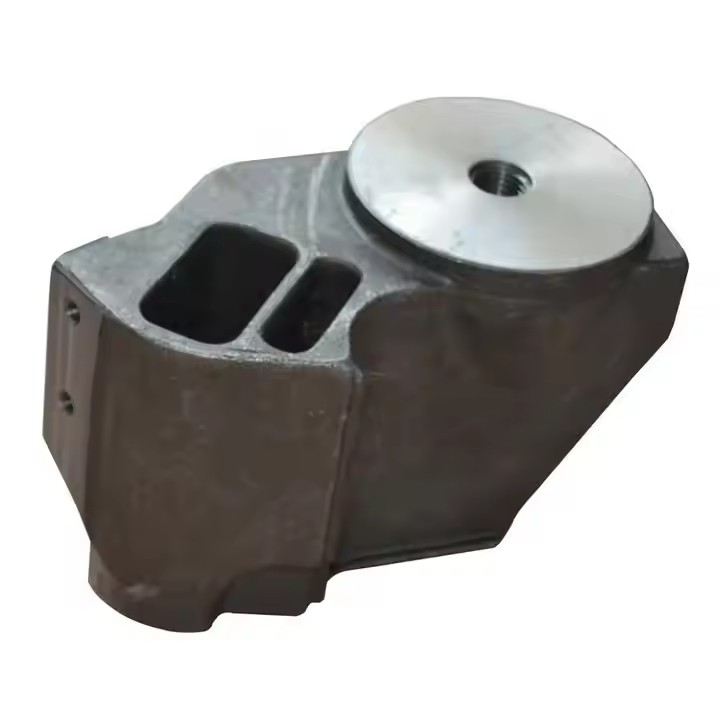
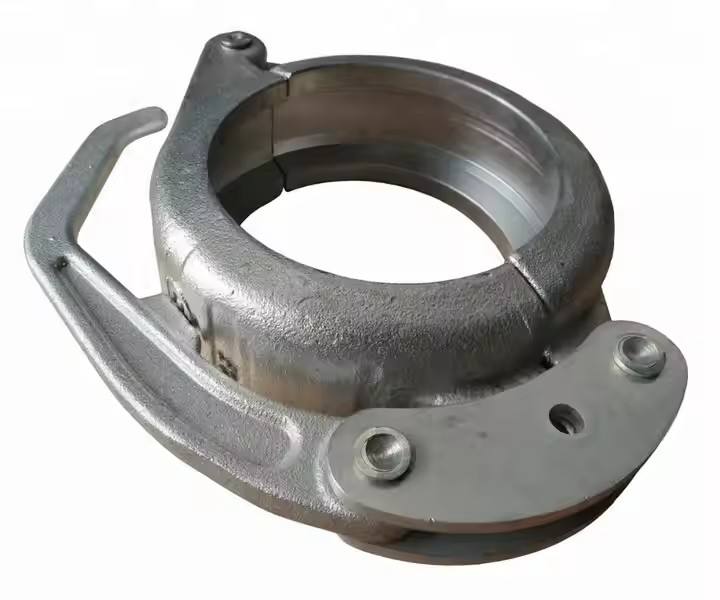
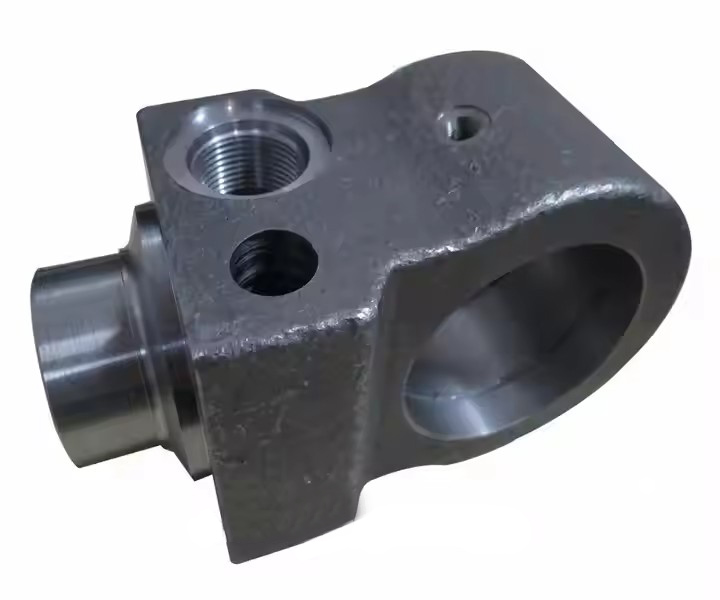
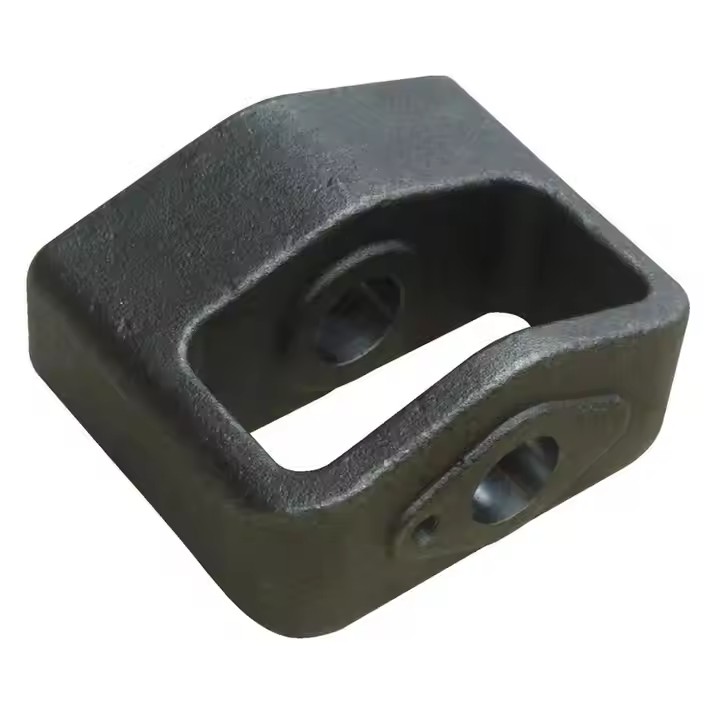
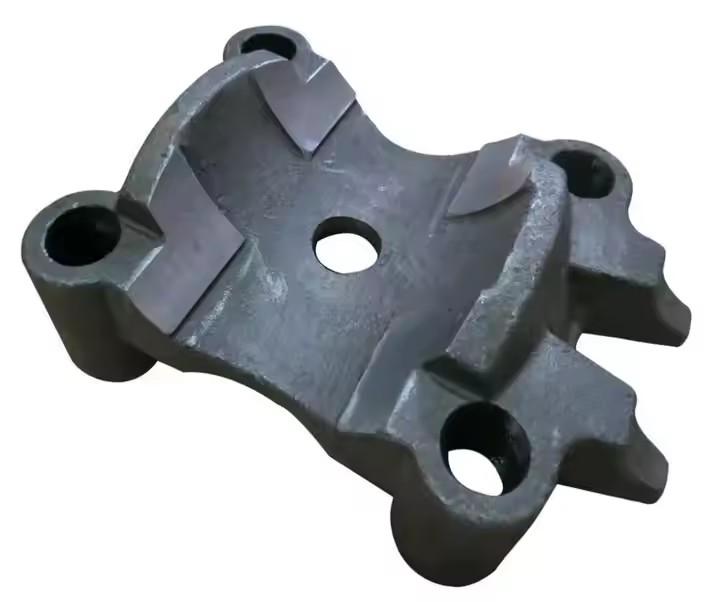
Cast Carbon Steel Parts

Custom Carbon Steel Castings: OEM Manufacturing FAQs
Can SIMIS manufacture custom carbon steel castings from our engineering drawings?
Yes. SIMIS supports OEM production of custom carbon steel castings and machined components based on customer-supplied drawings. Depending on the specified grade, geometry, casting weight and production quantity, manufacturing may include investment casting, resin sand casting, shell mold casting, heat treatment, CNC machining and protective finishing. Customers can submit 2D drawings, STEP or other available 3D models, material requirements and inspection specifications for a manufacturing feasibility review.
Which ASTM grades are used for carbon steel castings?
ASTM A27/A27M covers carbon steel castings for general applications, while ASTM A216/A216M covers specified carbon steel castings for pressure-containing components in high-temperature service, including grades WCA, WCB and WCC. Other specifications may apply to higher-strength or specialized cast steel components. The correct standard, grade, edition and supplemental requirements must be selected for the actual application. Wrought steel designations such as SAE 1045 should not be treated as automatically equivalent to a cast steel grade.
Is investment casting or sand casting better for carbon steel parts?
Investment casting is often considered for smaller, intricate parts requiring detailed external features and relatively limited machining stock. Sand casting is suitable for many medium and large carbon steel components, particularly housings, structural brackets and parts with substantial sections or sand cores. Shell molding may be another option for suitable repeat-production components. The decision depends on size, internal passages, tooling economics, tolerances and casting-quality requirements.
Can carbon steel castings be heat treated, welded and CNC machined?
Yes, where the specified steel grade and design permit these operations. Annealing, normalizing, normalizing and tempering, or quenching and tempering may be required according to the material specification and target properties. CNC machining can produce critical bores, mounting faces, threads and sealing interfaces. Welding or weld repair requires an appropriate procedure and customer approval where applicable; it should not be assumed permissible for every grade or critical casting.
What inspection and information are needed for an OEM casting quotation?
Please provide drawings and available 3D models, the exact material grade, estimated casting weight, overall dimensions, critical machined features, heat-treatment condition, order quantity and required inspection documents. If the part is pressure-containing, fatigue-sensitive, weldable or safety-related, identify the applicable engineering standard, test method and acceptance criteria. Chemical analysis, mechanical testing, dimensional checks and nondestructive examination can then be reviewed as part of the project-specific quality plan.
OEM Custom Carbon Steel Castings and Machined Components
Carbon steel castings are metal components produced by pouring molten steel into a mold shaped to the required part geometry. They are used in industrial applications where castable shapes, specified mechanical properties and subsequent precision machining are important. Compared with many cast iron materials, carbon steel does not rely on a graphite microstructure, and suitable cast steel grades can provide useful ductility and structural performance when manufactured and tested to the applicable specification.
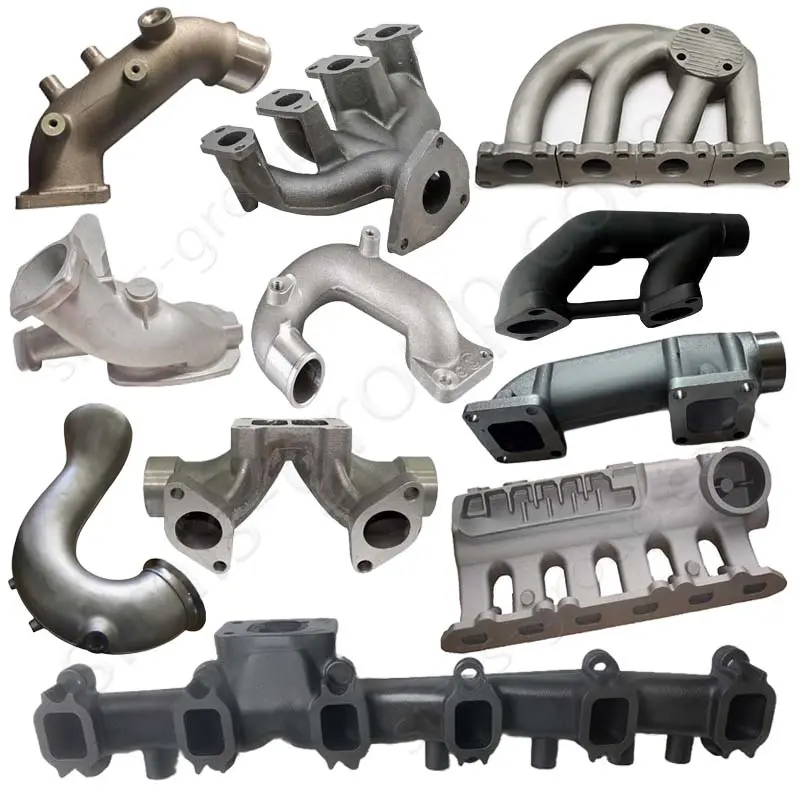
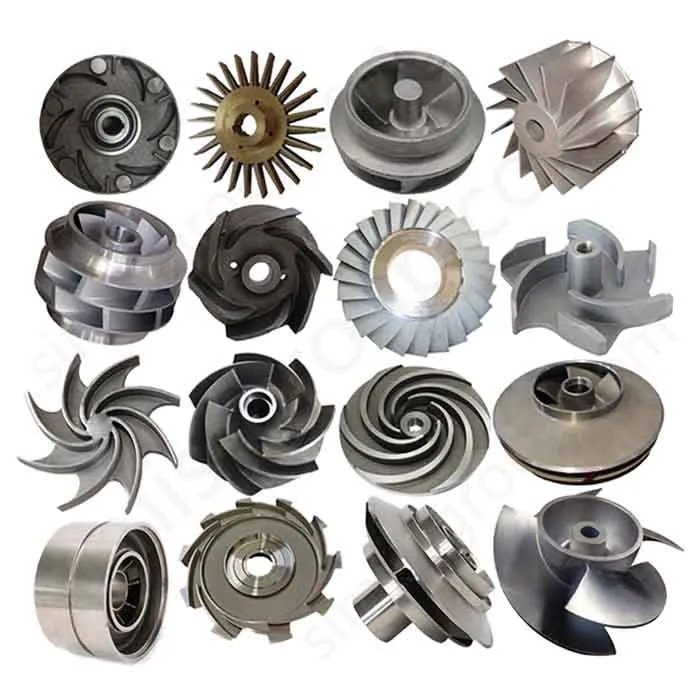
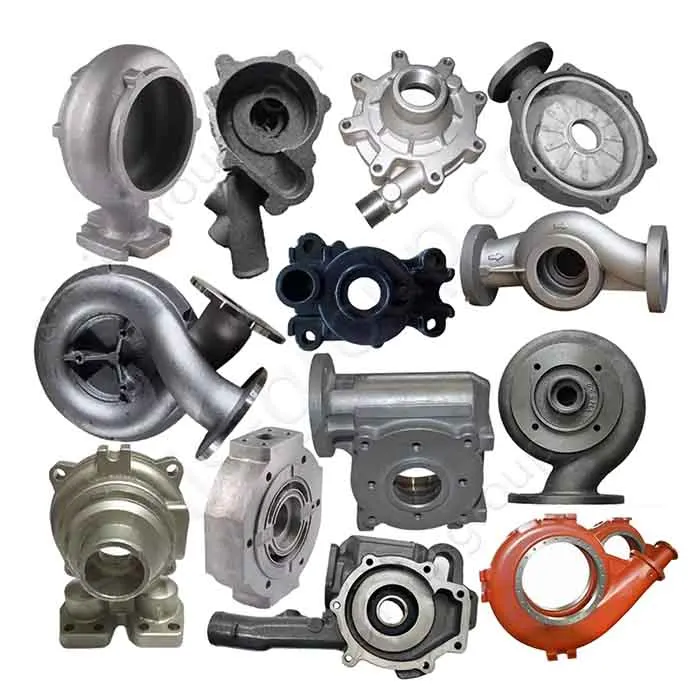
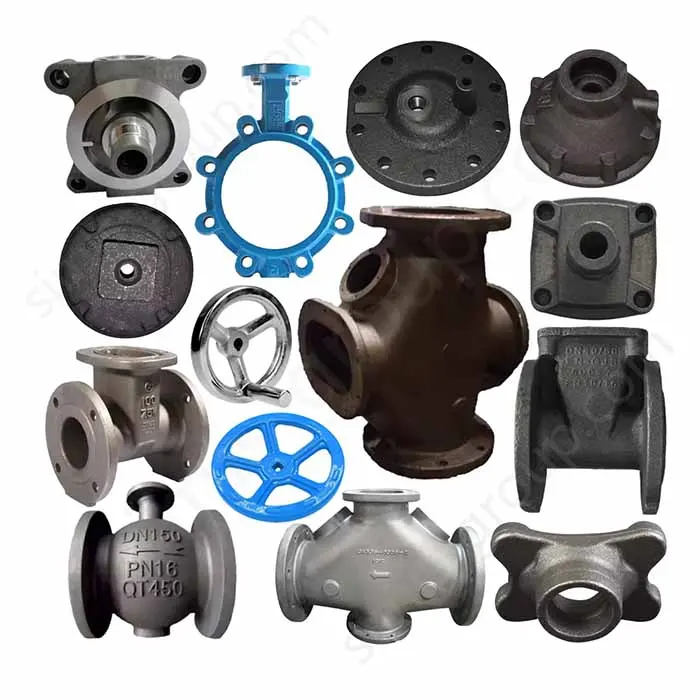
Custom cast carbon steel parts may include structural brackets, pivot supports, valve bodies, pump housings, machinery connectors, equipment bases and other engineered components. Their suitability depends on material grade, section thickness, loading, temperature and casting integrity. A carbon steel casting should not be described as automatically suitable for high pressure, high-impact loading or unlimited fatigue service simply because it is made from steel.
SIMIS supports OEM carbon steel casting projects with manufacturing routes selected according to the customer's approved engineering requirements. These services can be combined with heat treatment, machining, finishing and inspection. For an overview of related capabilities, see our custom steel casting foundry.
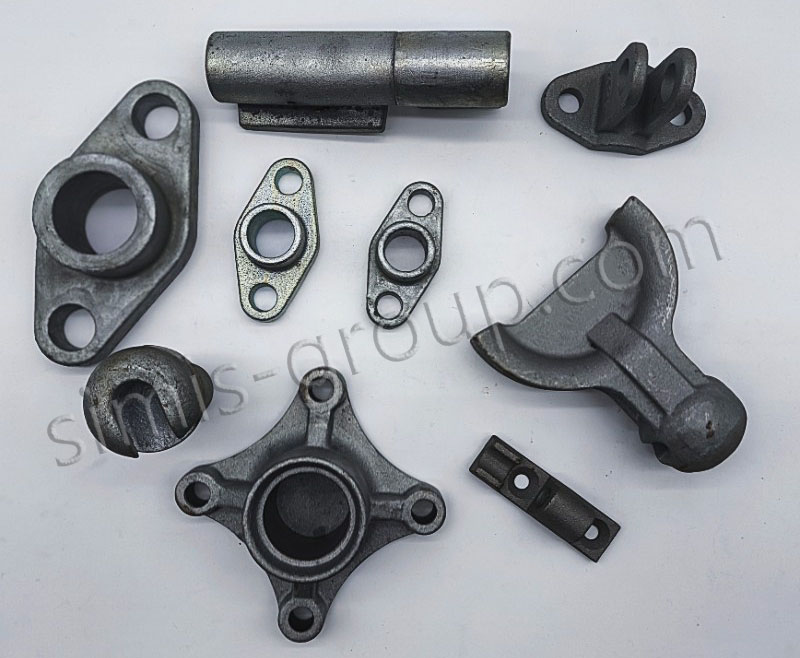
Carbon Steel Casting Processes: Investment, Sand and Shell Molding
Casting process selection is a central decision in custom carbon steel manufacturing. The process must provide adequate mold stability at steel pouring temperatures, accommodate solidification shrinkage and produce the required shape with sufficient material for final machining. A process offering better as-cast detail is not necessarily the most economical or technically suitable choice for every component.
Investment casting for precision carbon steel parts
Investment casting, also known as lost-wax casting, uses a disposable pattern and refractory ceramic shell to create detailed cast geometry. For suitable carbon steel parts, this route can reduce machining stock and form complex external features, bosses, brackets and selected passages. Tooling, section transitions and the ability to remove ceramic material from internal regions must be reviewed carefully.
SIMIS can evaluate precision investment casting for components where the expected quantity and geometry justify the tooling. Critical bores, threads and sealing faces may still require machining despite the process's relatively detailed as-cast finish.
Resin sand casting for large steel components
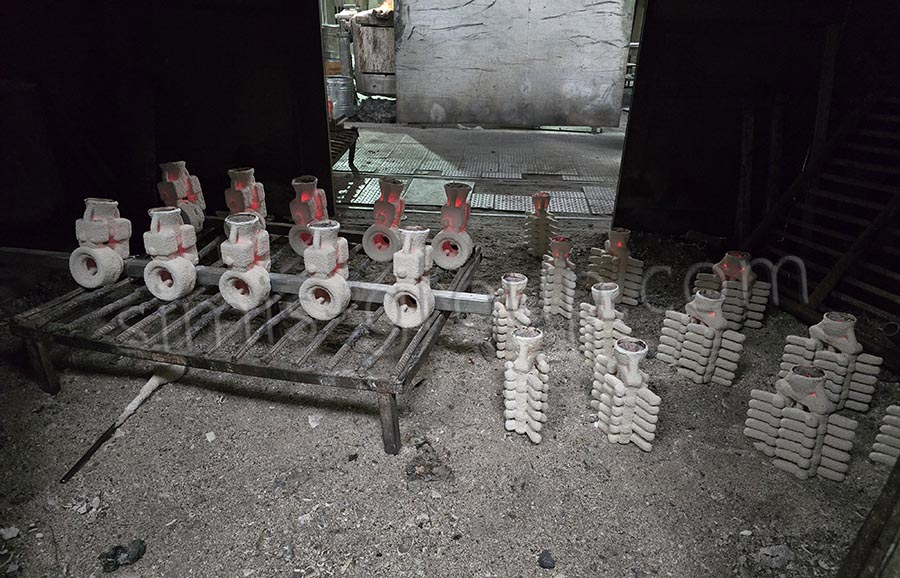
Resin-bonded sand molding is a potential route for substantial carbon steel castings, including structural housings, large brackets, pump bodies and heavy industrial parts. It accommodates larger section dimensions and sand cores where required. The foundry must account for steel shrinkage, gating, risers, mold strength and internal soundness. See our custom sand casting services for relevant applications.
Shell mold casting for repeat-production steel castings
Shell mold casting uses rigid molds formed from resin-coated sand. For suitable smaller or medium-sized steel parts, this method may provide consistent mold definition and dimensional repeatability. The advantages must be weighed against tooling investment, maximum part size, section thickness and production volume. SIMIS can review applicable shell mold casting requirements.
Near-net-shape production versus finish machining
Near-net-shape casting can reduce the volume of metal removed after solidification. However, casting tolerances and surface roughness vary by process, material and component geometry. A relatively accurate wax casting should not be assumed to achieve every functional tolerance without machining. The manufacturing plan should identify as-cast surfaces, machining allowances and critical dimensions separately.
| Manufacturing Route | Potential Applications | Engineering Considerations |
|---|---|---|
| Investment Casting | Detailed brackets, valve components and smaller precision parts | Tooling, ceramic removal, wall thickness and finishing access |
| Sand Casting | Larger housings, structural supports and heavy steel castings | Mold design, cores, feeding, shrinkage and machining stock |
| Shell Mold Casting | Suitable repeat-production carbon steel components | Tooling economics, mold definition and casting size |
| CNC Finish Machining | Functional bores, mounting faces, threads and sealing features | Datum relationships, tolerances and cutting allowances |
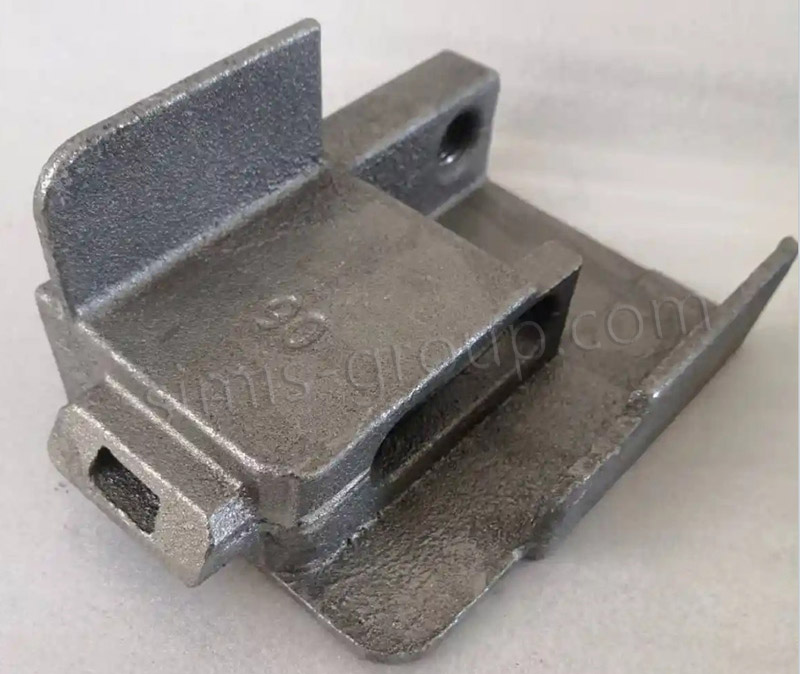
Carbon Steel Casting Grades and Material Standards
Carbon content influences hardenability, strength, hardness and weldability, but it is not the only factor controlling the properties of cast steel. Manganese, silicon, residual elements, casting section, cooling conditions and heat treatment can also affect performance. Material selection must therefore begin with the applicable casting standard and specified mechanical properties rather than an informal label such as low-carbon or high-carbon steel.
ASTM A27 carbon steel castings for general applications
ASTM A27/A27M is a specification for carbon steel castings used in general engineering applications. It includes grades with defined mechanical-property requirements, and the purchaser must identify the required grade, class and any supplementary provisions. A designation such as ASTM A27 Grade 70-40 should be interpreted using the governing standard, including its prescribed test conditions. It does not independently establish the fatigue strength or impact performance of the final component.
ASTM A216 WCA, WCB and WCC pressure-service castings
ASTM A216/A216M covers specified carbon steel castings for valves, flanges, fittings and other pressure-containing components intended for high-temperature service and suitable fusion-welded assembly. WCA, WCB and WCC are grades within this specification. Their use depends on operating conditions, material properties and the applicable equipment design. Selecting an A216 grade does not independently certify a complete pressure vessel or valve assembly.
Higher-strength and special-service cast steel specifications
Other cast steel standards, including ASTM A148/A148M for specified higher-strength structural applications, may be relevant when the engineering requirements differ from ordinary general-purpose carbon steel castings. Some such specifications include alloy steel grades or conditions, so they should not all be grouped under plain carbon steel. The relevant material, heat treatment and mechanical testing must be established from the actual specification.
Cast steel grades versus wrought SAE/AISI designations
Names such as SAE/AISI 1030, 1045, 1060 and 1095 are commonly associated with steel chemistry or wrought steel product specifications. They should not be listed as direct replacements for an ASTM cast steel grade without an appropriate material specification and engineering approval. Likewise, 4140 and 4340 are alloy steel designations rather than examples of plain carbon steel. Casting requirements must specify the appropriate grade, production condition and acceptance testing.
| Specification or Category | Typical Scope | Buyer Requirements |
|---|---|---|
| ASTM A27/A27M | General-purpose carbon steel castings | Grade, class, mechanical properties and supplementary tests |
| ASTM A216/A216M | Specified carbon steel pressure-service castings, including WCA, WCB and WCC | Grade, heat-treated condition, design service and applicable pressure requirements |
| ASTM A148/A148M | Specified higher-strength structural steel castings | Actual grade, alloy classification, mechanical properties and inspection |
| Applicable EN Cast Steel Grades | European cast steel classifications, including pressure-purpose specifications where relevant | Exact designation, standard edition, heat treatment and test conditions |
| Customer-Specific Material | Special chemistry or mechanical requirements approved for the component | Written specification, qualification method, test location and acceptance criteria |
The customer should also identify whether tensile properties are evaluated using separately cast test bars, attached test coupons or specimens removed from the production casting. Mechanical properties can vary with section thickness and sampling location. Test results must therefore be interpreted according to the governing standard and purchase specification.
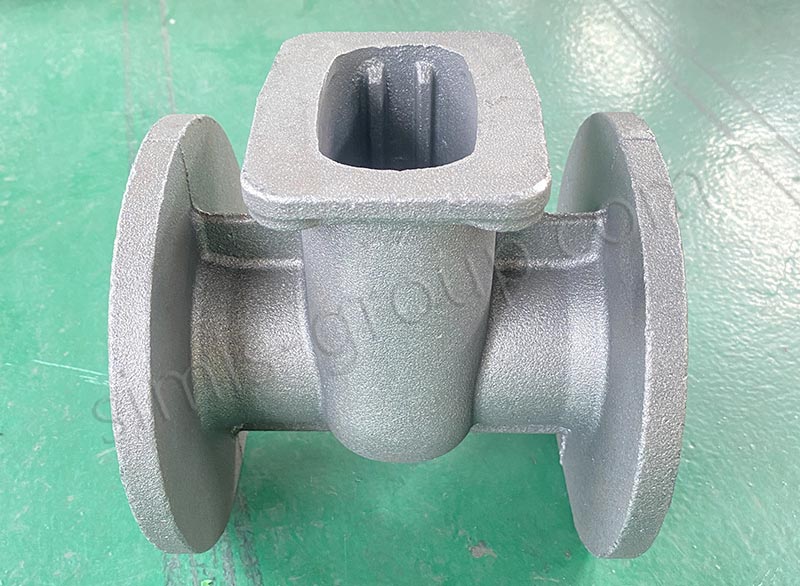
Carbon Steel Casting vs. Alloy Steel Casting and Steel Forging
Casting and forging are both established methods for manufacturing steel components, but they produce material through different processing routes. Castings form their near-net geometry through solidification in a mold. Forgings are shaped by controlled plastic deformation of solid metal. Their mechanical characteristics and practical design limits depend on the exact grade, production condition, component geometry and verification procedures.
When carbon steel casting is a suitable option
Casting is often attractive for parts with integral mounting bosses, large housings, nonuniform sections, internal passages or complex structural features. A casting may reduce welding and machining compared with a multi-piece assembly, provided its material properties and casting integrity meet the design requirements. This should be evaluated against total manufacturing cost and the necessary inspection scope.
When alloy steel is more appropriate
If a part requires particular hardenability, high-temperature properties, low-temperature toughness or other specialized mechanical characteristics, an appropriate alloy steel grade may be considered. Additional alloying elements and processing requirements introduce different design and quality considerations. SIMIS covers those materials separately through its custom alloy steel castings page.
When a forged steel component should be evaluated
Forging may be preferred for certain shafts, pins, rings or highly loaded components when the approved geometry and mechanical requirements favor a wrought material route. However, forging is not automatically stronger than every casting under every loading condition. A replacement of forged steel with cast steel, or vice versa, should be supported by material and structural validation. Our steel forging capabilities provide related manufacturing options for suitable designs.
Casting Design, Solidification and Internal Soundness Control
Carbon steel castings require careful attention to mold filling and solidification. Steel can experience significant shrinkage as it cools, and poorly controlled section transitions may contribute to shrinkage cavities, hot tears or other discontinuities. A suitable manufacturing plan should identify the component's critical regions before tooling development.
Gating, risers and feeding of heavy sections
Gating controls how molten steel enters the mold, while risers and other feeding measures help compensate for solidification shrinkage. Heavy bosses, thick flanges and abrupt section changes may require particular attention. Their suitability depends on the casting geometry and the foundry's process plan. No single gating arrangement guarantees a sound casting for every shape.
Fillets, wall transitions and stress concentrations
Sharp changes between thick and thin casting sections can create both manufacturing and structural challenges. Fillets, ribs and more gradual transitions may be considered to support mold filling and the intended load path. Any changes to a critical mounting interface or stressed section must be approved by the customer rather than applied solely for ease of casting.
Internal cavities and core design
Pump and valve bodies may require sand cores or other specialized mold features to create internal passages. Core location, wall thickness, cleaning access and the relationship between internal and external surfaces should be reviewed during design for manufacture. For components carrying fluid pressure, the manufacturing and inspection plan must also address the actual pressure-boundary specification.
Machining allowances and casting datums
Appropriate stock must remain on the surfaces that will be machined after casting. The amount depends on the chosen process, casting size, expected variation and the final tolerance requirements. Excessive stock adds machining time, while inadequate stock may prevent the finished part from meeting its dimensional requirements. Reference surfaces should be selected with the final assembly in mind.
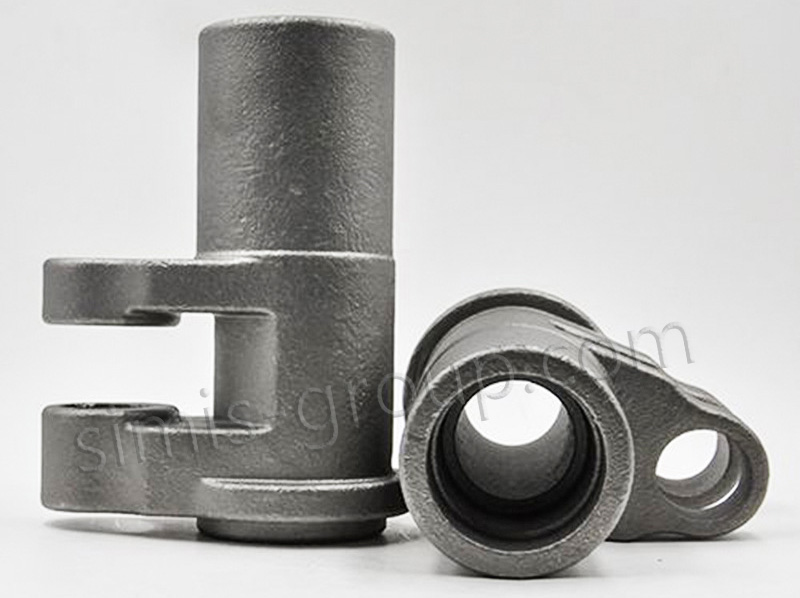
Heat Treatment of Cast Carbon Steel Parts
Heat treatment is an important part of many carbon steel casting specifications because solidification produces a microstructure and residual stresses that may require further control. The selected heat-treated condition affects strength, ductility, hardness, machinability and dimensional behavior. The final requirements must follow the applicable material standard and approved engineering drawing.
Annealing and stress-relief treatments
Annealing may be specified to obtain a suitable material condition or to modify hardness and microstructure. Stress-relief treatments may be considered to reduce residual stresses in particular castings. These treatments have different purposes and are not interchangeable. An appropriate thermal cycle depends on material composition, casting section and the required final properties.
Normalizing and normalizing with tempering
Normalizing may be used for suitable carbon steel castings to develop the required microstructure and mechanical properties. Tempering after normalizing may be specified in certain material conditions. The processing schedule, testing and acceptance should follow the selected grade rather than a universal temperature or hardness target.
Quenching and tempering for specified property requirements
Quenching and tempering may be relevant when the selected steel chemistry and component design require a particular combination of strength, hardness and toughness. Section thickness influences heat-treatment response, and quenching can introduce distortion or cracking risk. The process should not be described as universally improving every property or as necessary for all carbon steel castings.
Verification after heat treatment
Depending on the specification, verification may include tensile testing, hardness, impact testing, metallographic examination or dimensional checks. The sampling plan must identify which material properties are measured and where. SIMIS can review applicable parts heat treatment requirements as part of an OEM casting project.
Precision CNC Machining of Carbon Steel Castings
After casting, cleaning and the specified heat treatment, critical functional surfaces may require precision machining. SIMIS supports CNC machining of cast steel components according to the customer's drawing and agreed inspection plan.
Bearing bores, shaft connections and locating surfaces
Carbon steel cast housings and supports may require machined bores, bearing pockets, shaft interfaces and accurately positioned locating faces. Their diameters, fits, surface roughness and geometric relationships should follow the intended assembly. A universal H7 bore or micron-level tolerance cannot be assumed for every part, regardless of geometry or machining accessibility.
Flanges, mounting holes and threaded features
Machined flanges, bolt patterns, tapped holes and dowel locations help establish how a casting is assembled into machinery. Flatness, perpendicularity, position and thread specifications may be important. The machining strategy should use functional datums and provide appropriate access to all critical features.
Sealing interfaces and pressure-related machining
Valve bodies, pump housings and pipe fittings may contain gasket faces, sealing grooves or threaded ports. Their geometry and finish must match the intended gasket, seal, mating component and operating conditions. A correctly machined sealing face does not independently establish the pressure rating or leak-tightness of the completed equipment.
Machining sequence and dimensional stability
Large castings and components with heavy material removal may require attention to workholding, residual stresses and machining sequence. Rough machining, intermediate inspection and final machining can be considered where appropriate. The specific plan should reflect the dimensions and tolerances of the actual casting rather than a standard procedure applied indiscriminately to every order.
Weldability, Weld Repair and Surface Protection
Weldability and carbon equivalent
The weldability of carbon steel depends on more than the nominal carbon percentage. Carbon equivalent, section thickness, hydrogen control, restraint and service conditions may all affect the welding procedure. Lower-carbon steels can be attractive where welding is required, but the specific casting grade and heat-treated condition must still be considered. Weldability should not be treated as a blanket property guaranteed for every carbon steel casting.
Controlled weld repair of steel castings
Some steel castings may permit weld repair of particular discontinuities or surface areas under an approved procedure. Other applications restrict or prohibit repair. Where permitted, repair requirements may include defect removal, filler selection, preheat, heat-treatment controls and reinspection. Significant repairs should follow the applicable material standard and customer approval process. A repaired region should not be accepted solely on the basis of its appearance.
Blasting, coating and corrosion protection
Carbon steel is susceptible to corrosion in many environments and may require blasting, priming, industrial painting, plating or another compatible finish. The selected protection system should reflect exposure conditions, temperature and intended maintenance. Functional bores, threads and sealing surfaces may require masking or post-treatment inspection. SIMIS can review project-defined surface treatment options.
Quality Control and Nondestructive Testing of Carbon Steel Castings
Quality inspection for carbon steel castings should address the specified material condition, casting soundness and finished functional dimensions. The necessary scope depends on the material grade, loading, pressure-boundary requirements and applicable customer specifications. Not every casting requires the same examinations, and no nondestructive testing method guarantees complete freedom from internal defects.
| Inspection Item | Project-Specific Verification |
|---|---|
| Chemical Composition | Specified alloy chemistry, material grade and heat or batch records |
| Mechanical Properties | Tensile, yield, elongation and other required tests using the applicable specimen method |
| Heat-Treated Condition | Required treatment, hardness and supplementary metallurgical verification |
| Casting Surface | Visual acceptance, surface condition and specified magnetic-particle or penetrant examination |
| Internal Soundness | Ultrasonic or radiographic examination where specified, with defined coverage and acceptance criteria |
| Machined Dimensions | Functional bores, flange faces, mounting patterns and geometric datums |
| Pressure or Functional Testing | Hydrostatic, leakage, proof-load or other tests only where applicable and specified |
| Documentation and Traceability | Material test reports, first-article records and agreed batch identification |
Ultrasonic and radiographic examination
Ultrasonic testing may be specified for suitable steel casting sections, while radiographic examination can be used to assess particular internal discontinuities when practical. Their applicability depends on geometry, material condition, section thickness and the target defect type. Examination coverage and allowable indications must be established in the purchase specification; neither method independently guarantees a completely defect-free casting.
Magnetic-particle examination of suitable steel surfaces
Magnetic-particle inspection may help identify certain surface and near-surface discontinuities in suitable ferromagnetic carbon steel components. It does not replace internal examination when internal quality is part of the acceptance requirements. Liquid-penetrant testing is another possible surface examination method for selected situations, depending on the material and specification.
Chemical analysis and mechanical-property traceability
Chemical analysis and mechanical tests may be required by the governing material standard or customer purchase order. The specified sampling and identification process should connect relevant test results to the appropriate production batch. A chemistry certificate alone does not prove all mechanical properties, and a test bar result must be interpreted according to the applicable casting standard.
First-article and dimensional verification
Critical dimensions can be measured using CMM equipment, bore gauges, micrometers and suitable inspection fixtures. The measurement plan should reflect the functional datums on the drawing. For a new casting, first-article inspection may also confirm machining allowances, completed interfaces and approved casting geometry before production quantities are increased.
SIMIS can review inspection and documentation requirements through its quality control system. Specific NDT methods, certificates, test frequencies and acceptance limits should be confirmed before production rather than assumed to apply uniformly to every project.
Industrial Applications of Custom Cast Carbon Steel Parts
Industrial machinery and structural supports
Carbon steel castings may be specified for machinery brackets, reinforced mounts, support housings and other custom industrial structures. Integrated bosses and mounting features can reduce assembly operations when the casting geometry and material properties are appropriate. Design approval must account for the actual static, dynamic and fatigue loading conditions.
Pumps, valves and fluid-handling equipment
Selected carbon steel casting grades can be used for valve bodies, pump casings and fittings when compatible with the fluid, temperature, pressure and governing equipment standard. Internal passages, pressure-boundary wall thickness, sealing faces and required testing should be established by the OEM. For related product geometries, see custom pump housings and custom valve components.
Mining, construction and heavy equipment
Mining and construction machinery can require heavy cast steel connectors, housings and selected wear-related parts. Material selection should consider local loads, impact conditions, abrasion, repair procedures and expected maintenance. A general carbon steel grade should not be presented as equivalent to specialized wear-resistant alloy steel in every application.
Agricultural machinery and ground-engaging equipment
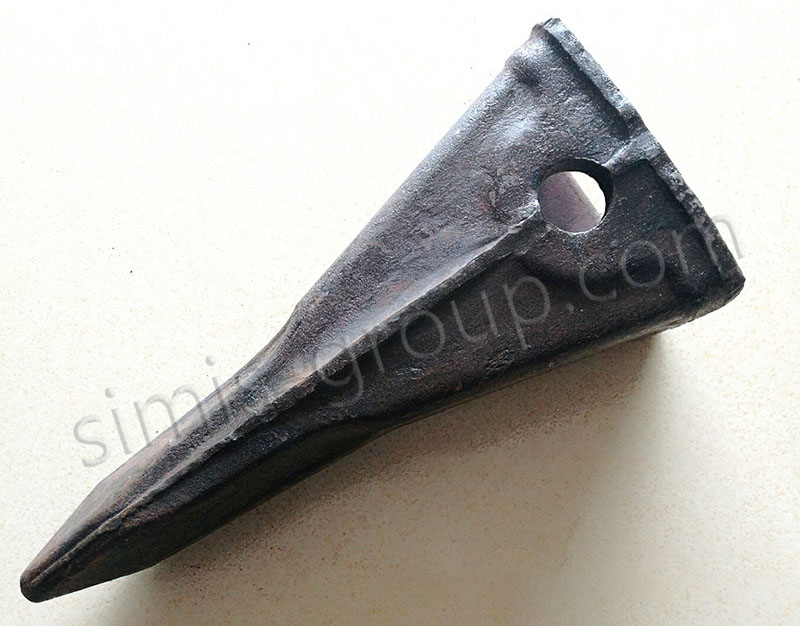
Certain agricultural machinery brackets, supports and specially shaped ground-engaging parts may be produced using cast steel. However, many thin tillage tools are more suitably made from formed or forged steel. Casting feasibility, heat treatment and wear performance should be evaluated for the actual part rather than using one manufacturing route for all agricultural applications.
Railway, energy and lifting-related components
Selected transport, power-generation and handling equipment may incorporate steel castings that require special material properties, testing or traceability. Safety-related applications can involve additional product standards and design qualification. Compliance of the casting with an agreed material specification does not independently certify a finished rail, lifting or energy system.
Request a Quote for Custom Carbon Steel Casting Parts
SIMIS supports the production of drawing-based carbon steel castings and machined components for industrial OEM applications. Our manufacturing review can cover the appropriate casting process, specified steel grade, tooling, heat treatment, CNC machining, surface protection and agreed quality documentation.
For a detailed RFQ, please provide: 2D engineering drawings and STEP or other available 3D models; material standard and exact grade; overall dimensions and estimated casting weight; intended operating conditions; critical bores, threads and mounting interfaces; required heat-treated condition; weldability or weld-repair restrictions; surface coating; inspection and testing requirements; expected batch quantity; and estimated annual volume.
For pressure-containing, fatigue-sensitive, lifting-related or other safety-critical applications, please also identify the governing equipment standard, load cases, material acceptance criteria and design-validation responsibilities. The manufacturing process and inspection plan can then be reviewed against those requirements before tooling and production are approved. Any material substitution or change affecting a critical load-bearing feature requires authorization from the customer's responsible engineer.
Send your custom carbon steel casting drawings and purchasing requirements to info@simis-group.com for a manufacturing feasibility review and quotation.