Custom Cast Stainless Steel Parts Manufacturer
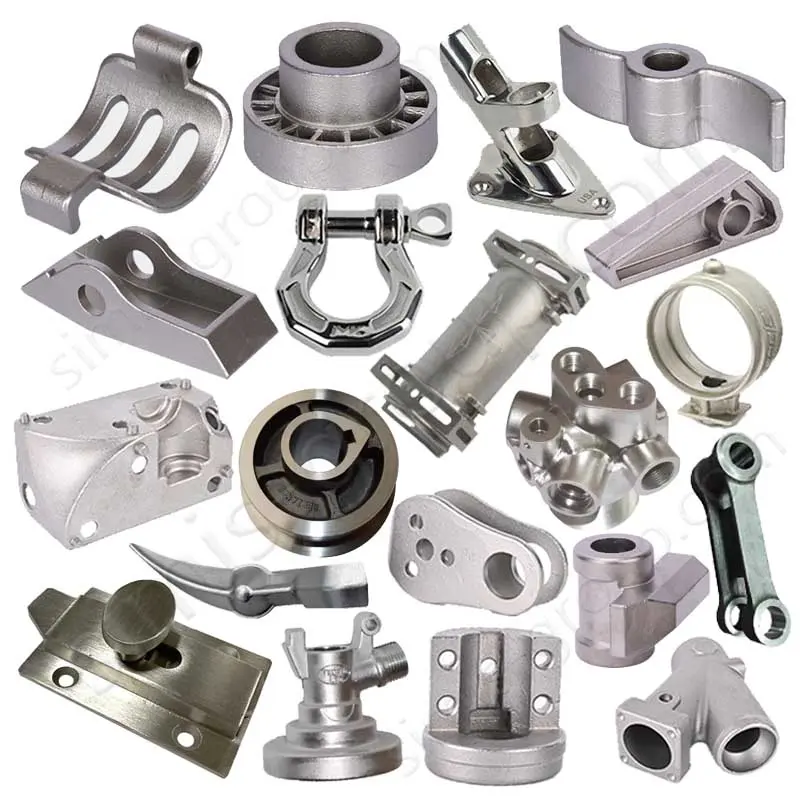
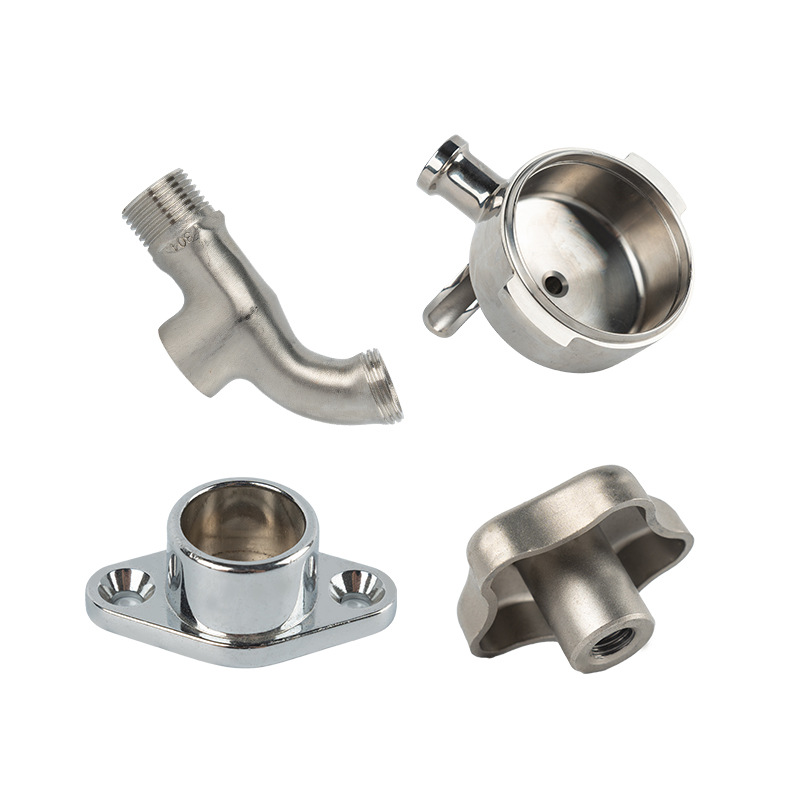
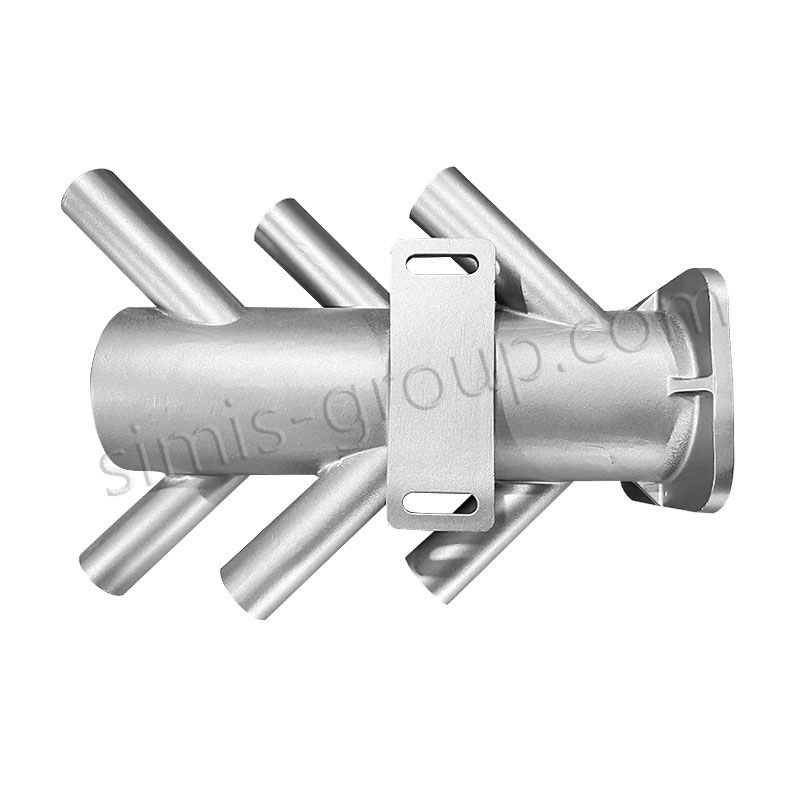
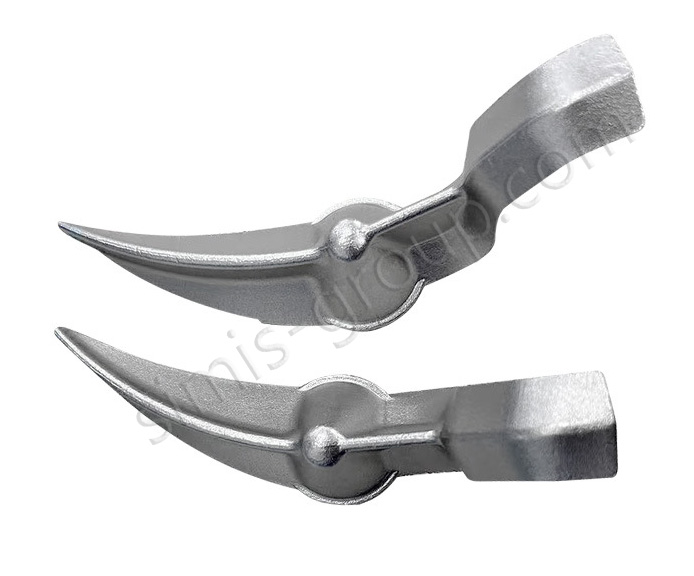
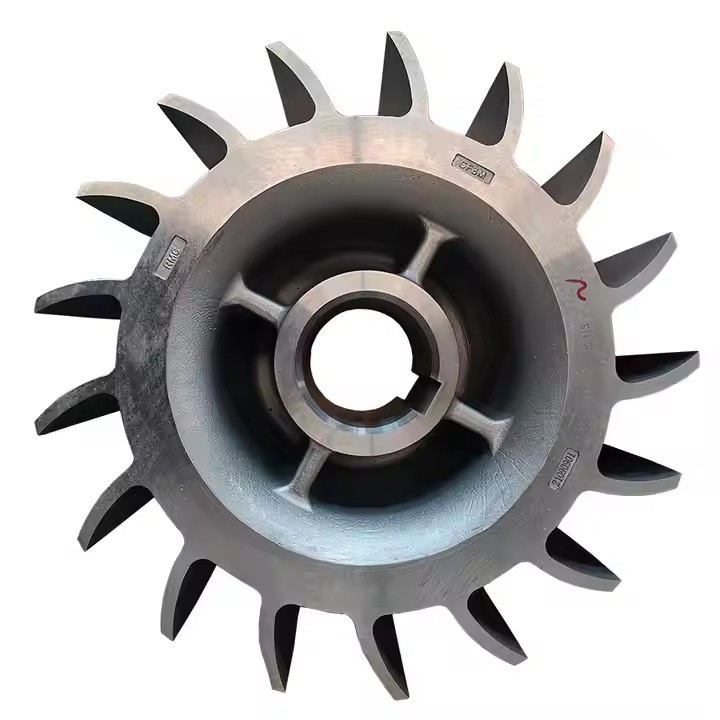
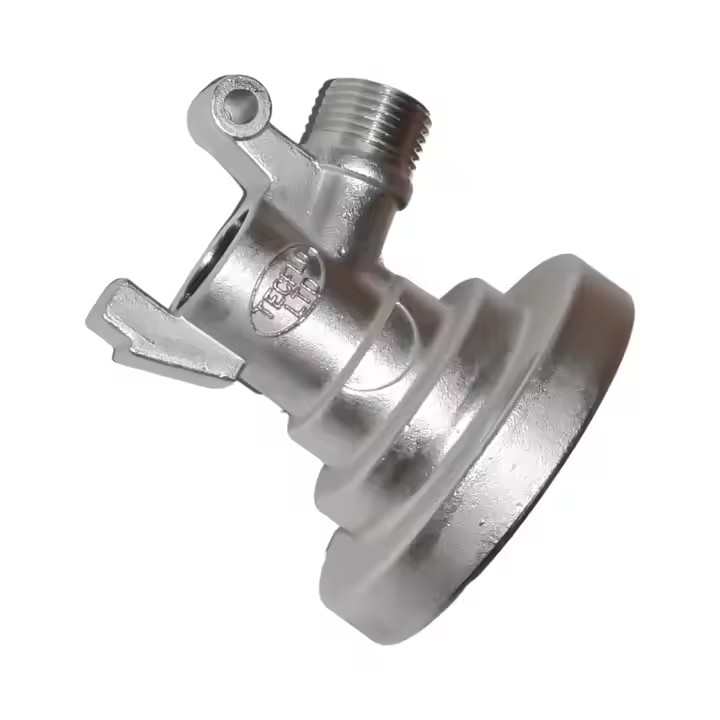
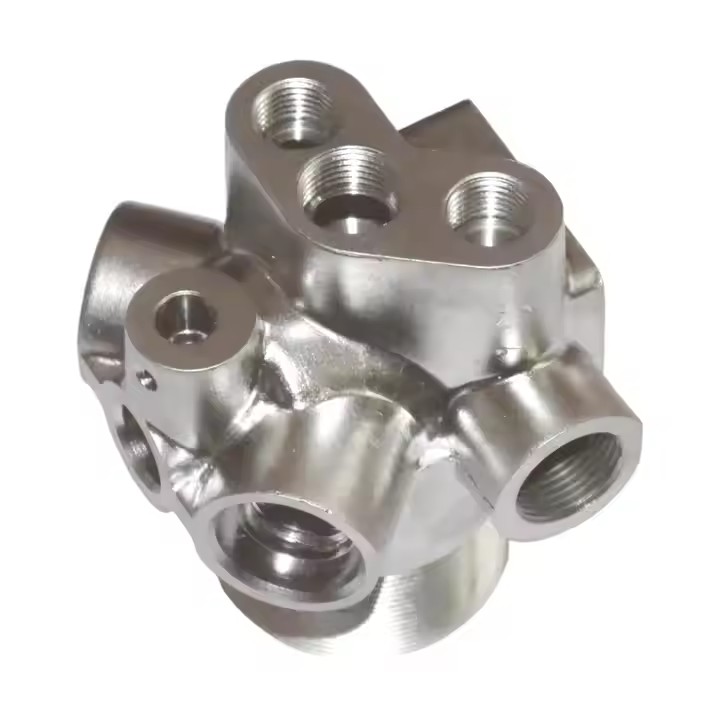
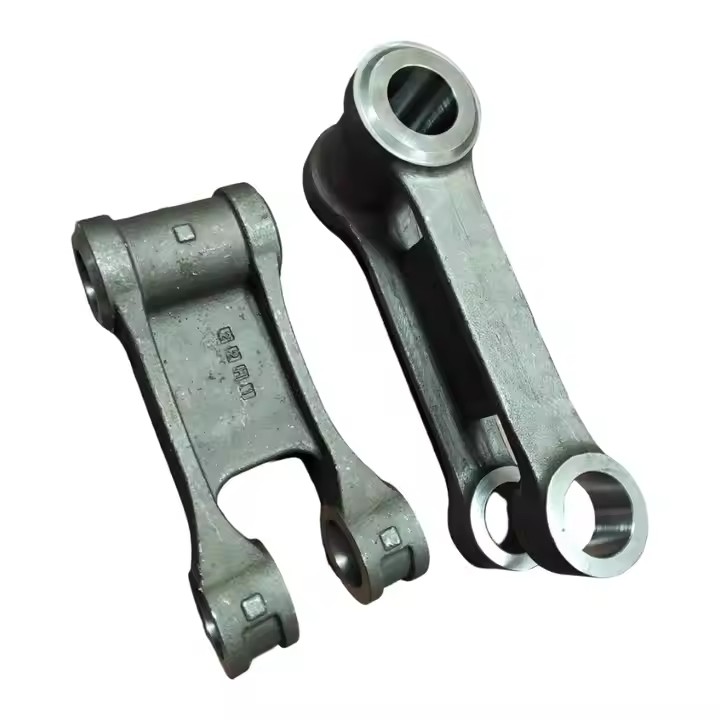
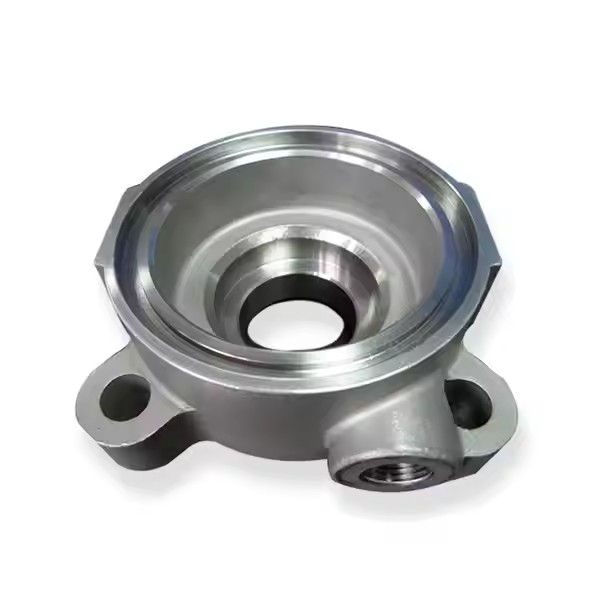
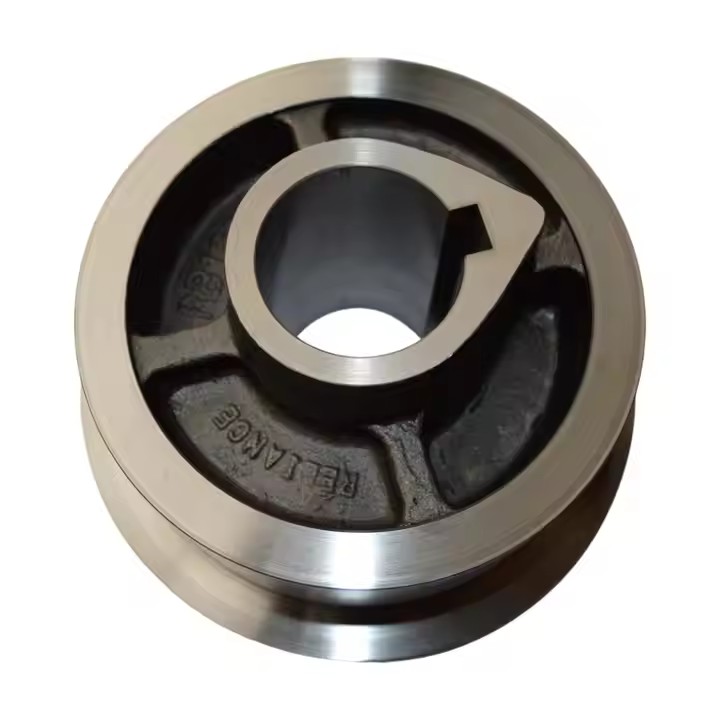
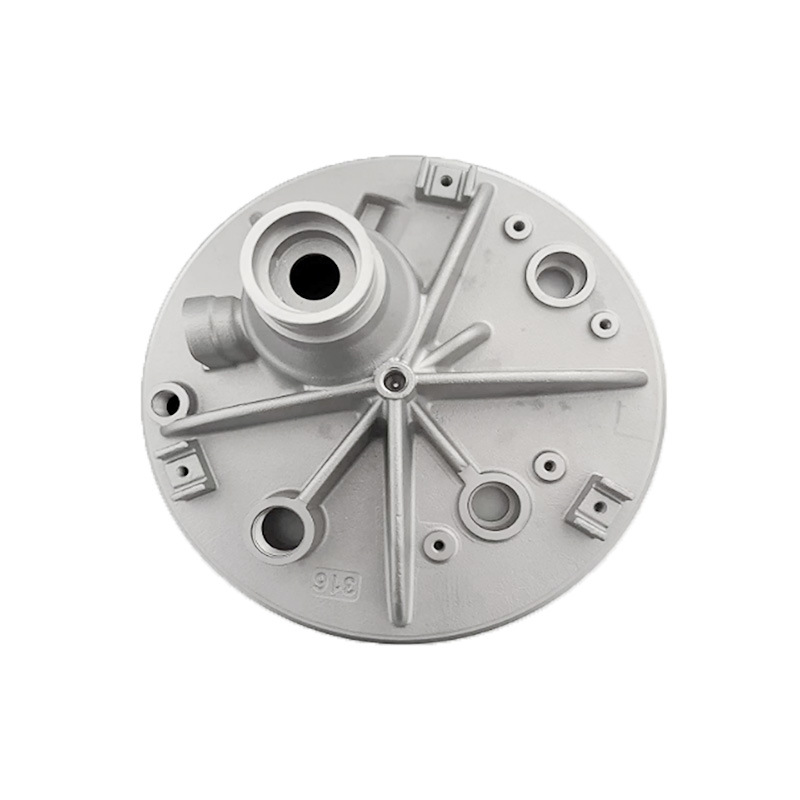
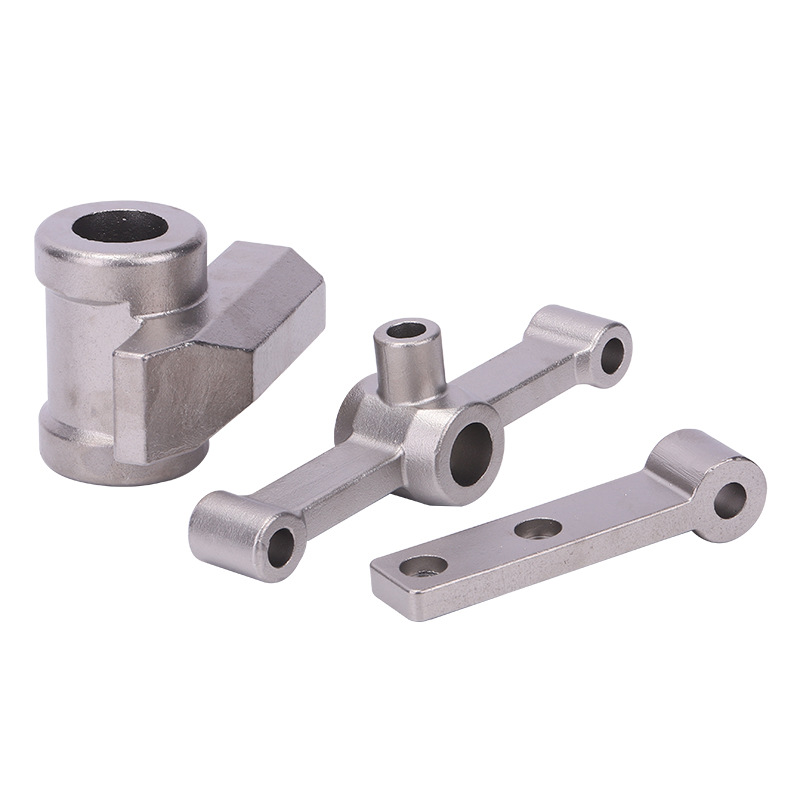
Cast Stainless Steel Parts

Custom Stainless Steel Castings: OEM Manufacturing FAQs
Can SIMIS manufacture custom stainless steel parts from our drawings?
Yes. SIMIS supports drawing-based OEM manufacturing of custom stainless steel castings and machined components. Depending on the specified alloy, part geometry, casting weight and order quantity, production may involve silica sol investment casting, resin sand casting, heat treatment, CNC machining and surface finishing. We review the required cast steel grade, corrosion environment, functional dimensions and inspection requirements before proposing a manufacturing route.
What is the difference between CF8, CF8M and CF3M stainless steel castings?
CF8 is commonly described as a cast 304-type austenitic stainless steel, while CF8M is a molybdenum-bearing cast grade broadly associated with the 316 family. CF3M is a lower-carbon molybdenum-bearing casting grade often compared with wrought 316L. These comparisons help identify alloy families, but cast grades and wrought grades are not automatically interchangeable. The purchasing specification must identify the exact cast material standard, grade and required mechanical properties.
Is investment casting or sand casting better for stainless steel components?
Investment casting is often considered for smaller, complex stainless steel parts requiring detailed geometry and relatively smooth as-cast surfaces. Resin sand casting can be more suitable for larger pump housings, valve bodies and structural components with substantial sections or internal cavities. Both processes may require CNC finishing, heat treatment and inspection. The preferred method depends on size, shape, volume, material and project-specific quality requirements.
Can stainless steel castings be supplied with CNC machining and passivation?
SIMIS supports CNC machining of bores, sealing faces, threaded connections, mounting interfaces and other functional features. Cleaning, pickling, passivation or polishing may be specified where suitable for the alloy and application. These operations have different purposes and must be selected according to the required surface condition. Passivation does not make a stainless steel component immune to all corrosion or automatically qualify it for food, medical or marine service.
What information is required for a stainless steel casting quotation?
Please provide 2D engineering drawings and available STEP or other 3D models, the exact stainless steel casting grade, estimated part weight, critical dimensions, anticipated batch quantity and required finish. Specify the operating fluid, temperature, chloride exposure and pressure where relevant. Include any required material certificates, heat-treatment conditions, surface roughness, nondestructive testing or corrosion-related acceptance criteria.
OEM Custom Stainless Steel Castings and Precision Machined Parts
Stainless steel castings are engineered components produced from corrosion-resistant iron-based alloys containing sufficient chromium to support the formation of a protective surface film under suitable conditions. Additional alloying elements, including nickel, molybdenum and nitrogen, can influence corrosion behavior, microstructure and mechanical properties. The correct alloy must be selected for the component's actual service environment.
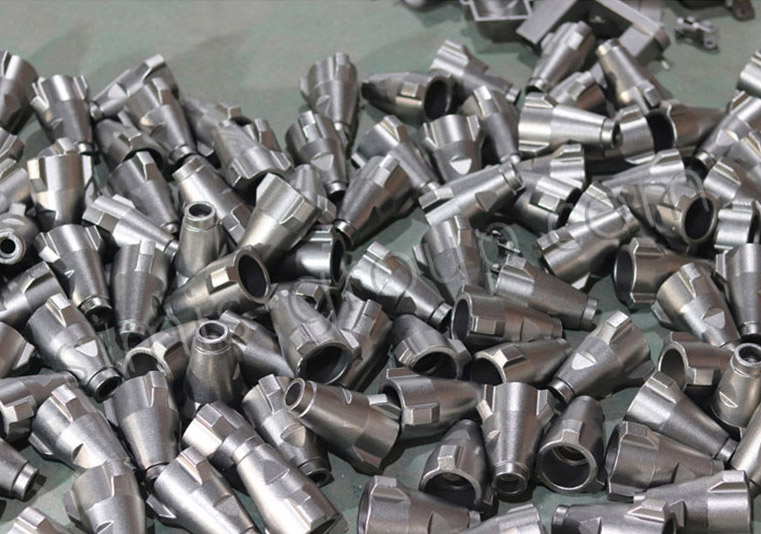
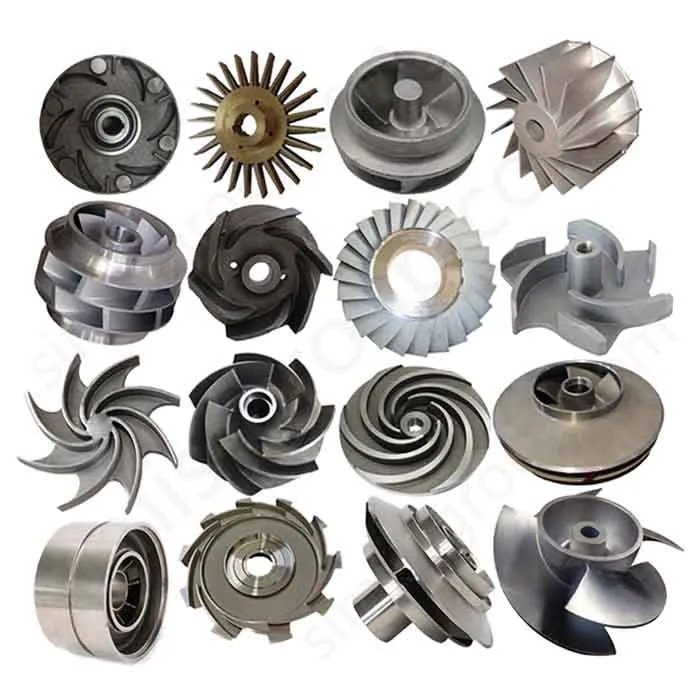
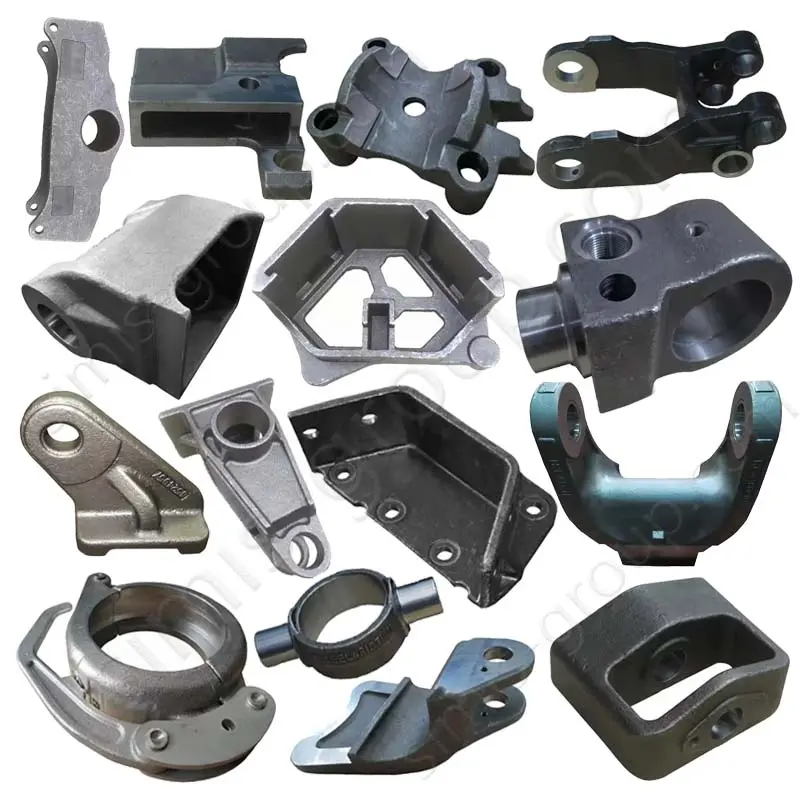
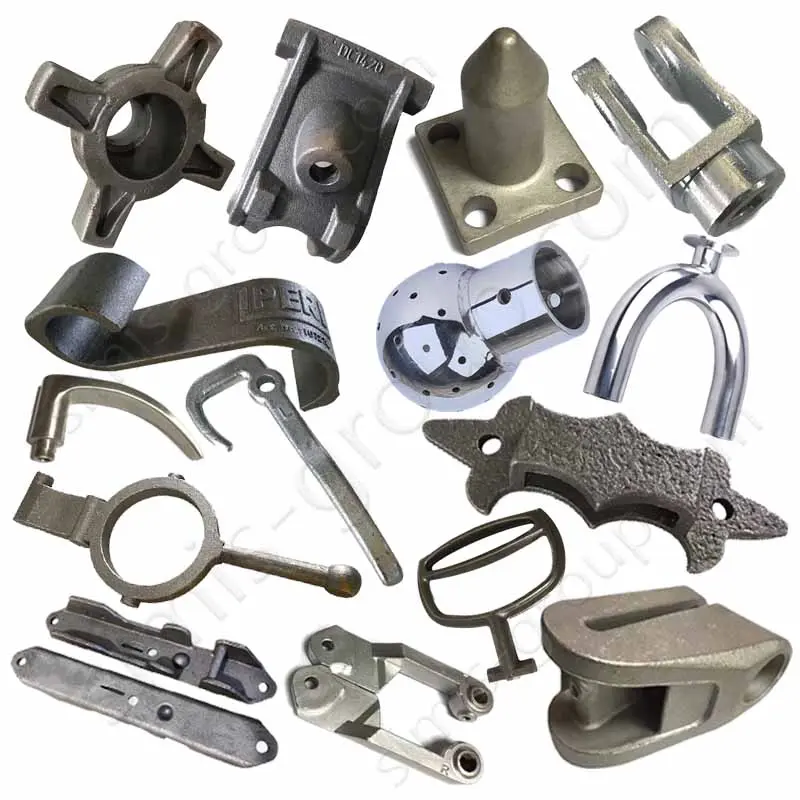
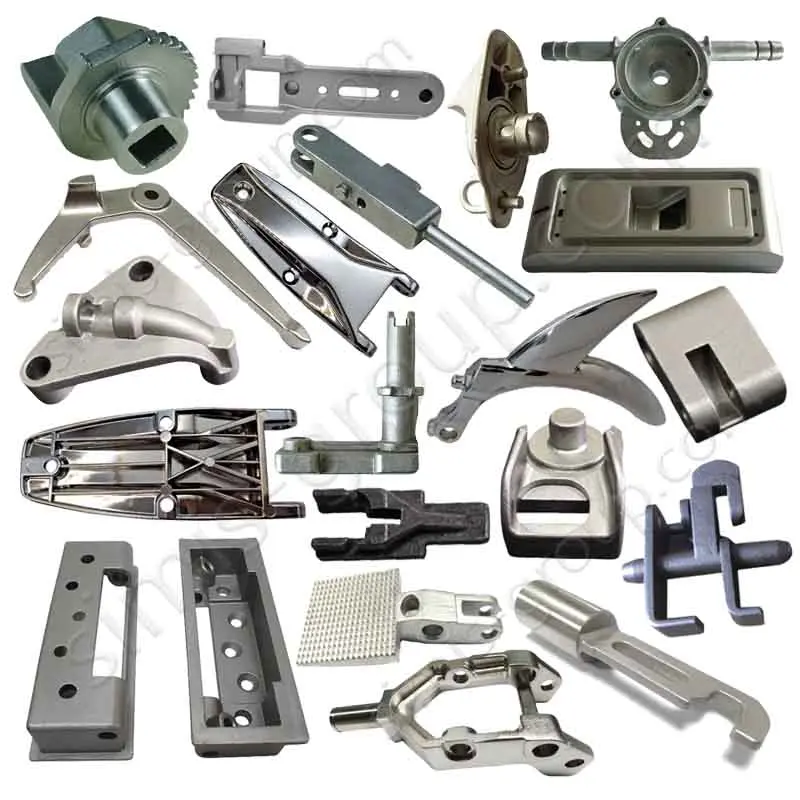
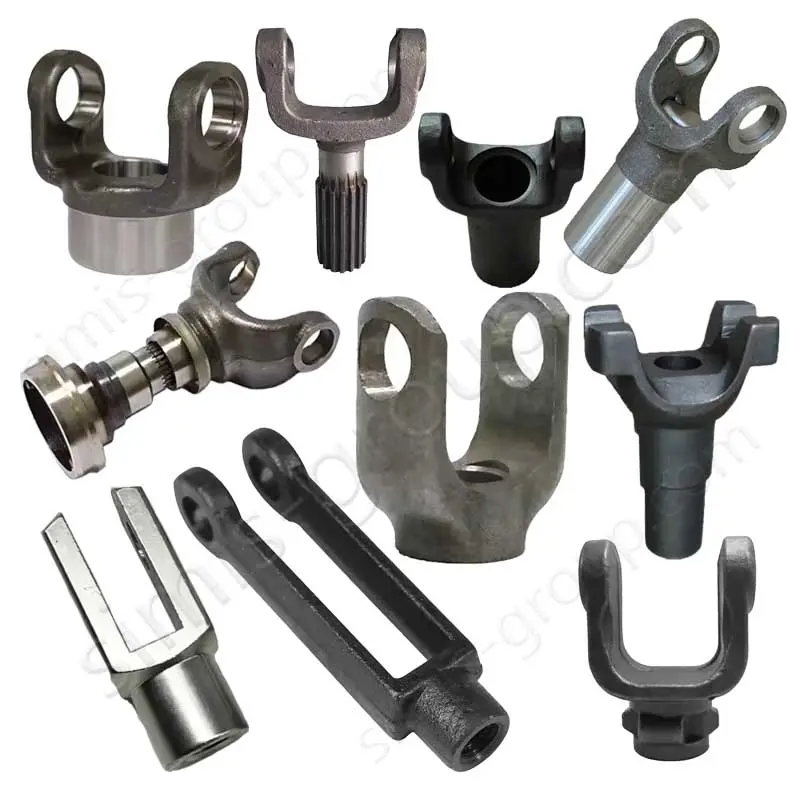
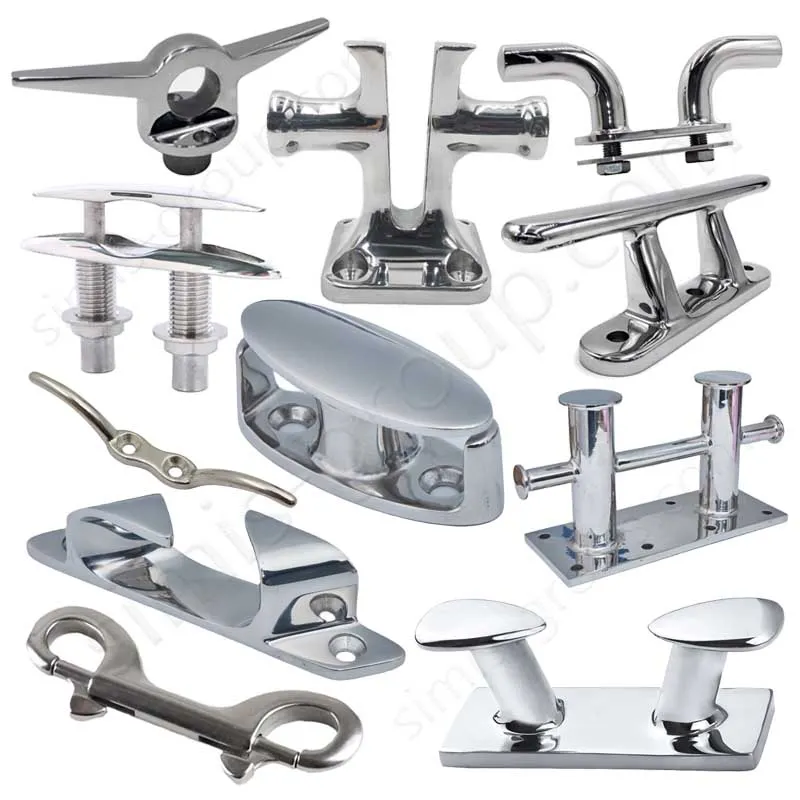
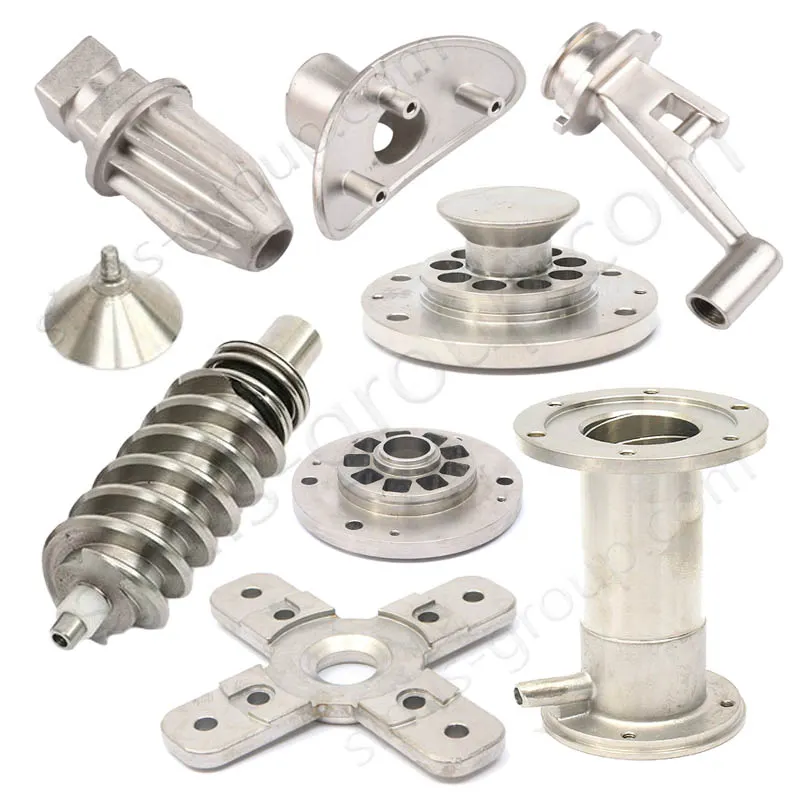
Custom cast stainless steel parts include pump housings, valve components, impellers, fluid connectors, industrial brackets, handles, marine hardware and specialized equipment fittings. These parts may combine complex cast geometry with precision-machined assembly interfaces. Casting can reduce the need to produce some shapes from multiple machined or welded components, although the manufacturing and economic benefits must be evaluated for each design.
SIMIS supplies stainless steel casting and machining services for drawing-based OEM projects. The manufacturing plan considers the alloy family, tooling requirements, internal soundness, machining access and documentation needed for the intended application. Customers can also review our broader custom steel casting foundry capabilities.
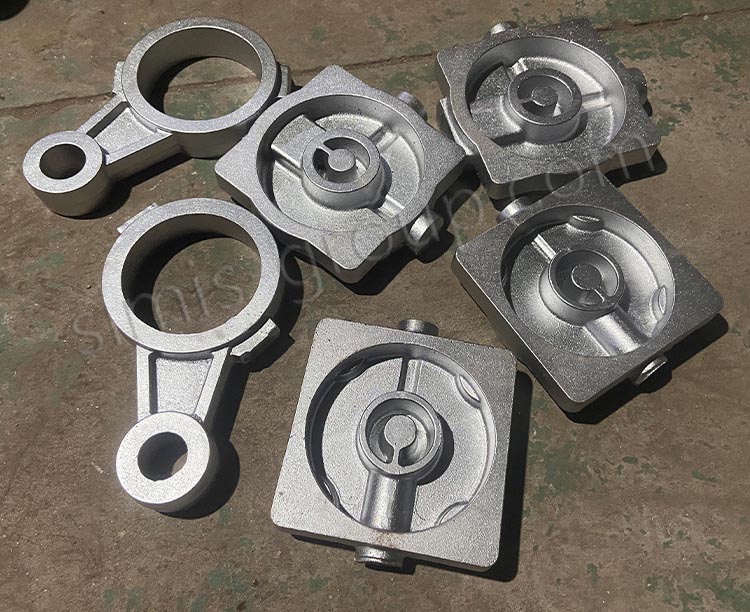
Stainless Steel Casting Processes: Investment Casting and Resin Sand Casting
Casting method selection is especially important for stainless steel because different alloy compositions and solidification characteristics can affect mold filling, shrinkage, hot cracking and the finished microstructure. A successful process must produce the required geometry while meeting the material and inspection specification.
Silica sol investment casting for detailed stainless steel components
Silica sol investment casting, also known as lost-wax precision casting, uses a wax pattern and ceramic shell to form the metal component. It is a candidate for parts with curved surfaces, integral bosses, small mounting features and other complex shapes. Depending on geometry and process capability, it can reduce the amount of machining required on selected external surfaces.
The investment casting process must still account for wax-pattern stability, shell preparation, pouring conditions, solidification, ceramic removal and subsequent finishing. Complex internal passages and thin sections require a specific feasibility review. SIMIS can evaluate projects through its precision investment casting foundry.
Resin sand casting for large stainless steel housings
Resin-bonded sand casting may be suitable for larger stainless steel pump bodies, valve housings, industrial supports and heavy components with internal cavities. Sand cores can form selected passages that would be difficult to produce through conventional external machining. The casting design must address gating, risers, local section thickness, core stability and cleaning access.
A sand-cast stainless component may require more machining stock and a different surface-finish allowance than a smaller investment casting. The process is often evaluated when part size, geometry or tooling considerations make precision investment casting less practical. See SIMIS sand casting services for related manufacturing options.
When machining or sheet metal fabrication is more appropriate
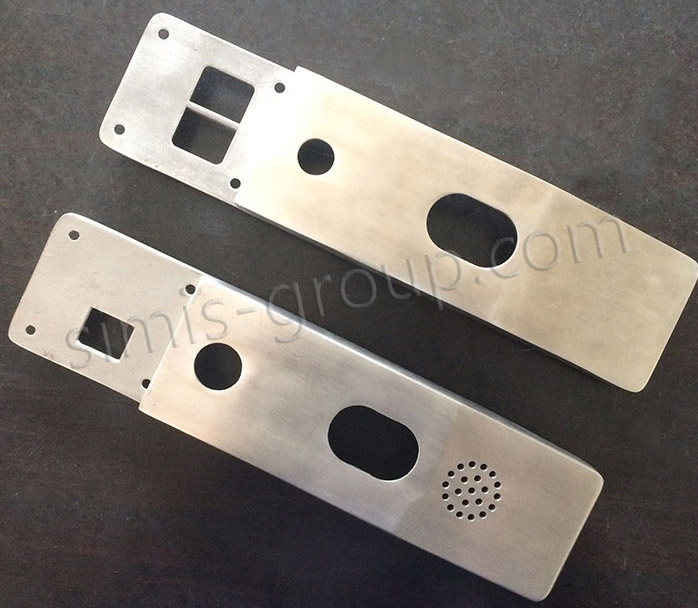
Not every stainless steel component should be cast. Simple shafts, flat panels, thin covers and selected brackets may be better suited to machining from wrought stock or fabrication from stainless steel sheet. Manufacturing drawings should distinguish a required cast alloy from a wrought sheet, plate or bar specification. A cast part must not be substituted for a wrought component without engineering approval.
| Manufacturing Route | Potential Applications | Important Considerations |
|---|---|---|
| Silica Sol Investment Casting | Precision fittings, handles, brackets, small valve parts and impellers | Wax tooling, wall thickness, ceramic removal and local casting soundness |
| Resin Sand Casting | Larger pump casings, valve bodies and industrial housings | Core layout, section transitions, feeding and machining allowance |
| CNC Machining from Castings | Bores, mounting interfaces, threads, sealing faces and shaft features | Functional datums, tool access, tolerance and surface finish |
| Machining or Fabrication from Wrought Stock | Selected sheet metal panels, simple machined parts and fabricated assemblies | Wrought material specification, forming or joining requirements and production quantity |
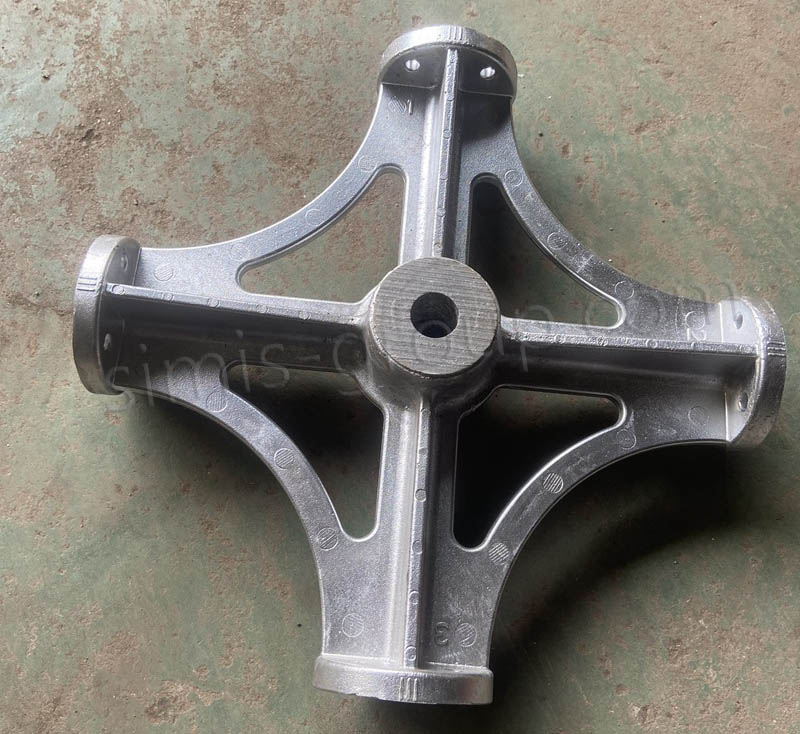
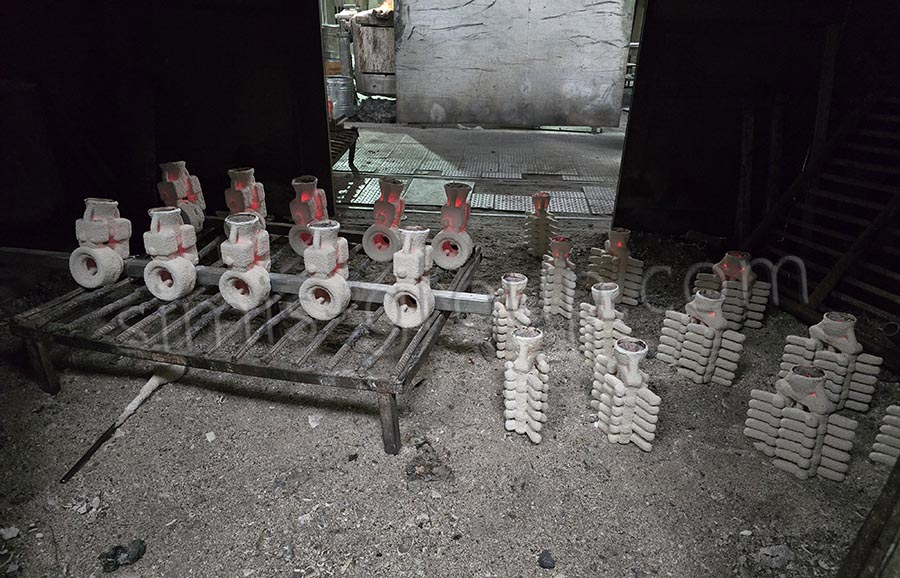
Stainless Steel Casting Grades: CF8, CF8M, CF3M, Duplex and More
Stainless steel is not a single material. The major families include austenitic, ferritic, martensitic, duplex and precipitation-hardening stainless steels. Their corrosion resistance, strength, magnetic response, heat-treatment behavior and application limits differ. The correct casting grade must be identified in the purchase specification.
Austenitic stainless steel castings: CF8, CF8M and CF3M
Austenitic cast stainless steels are commonly considered for fluid-handling, industrial machinery and corrosion-resistant fittings. CF8 belongs broadly to the 304-type alloy family. CF8M is a molybdenum-bearing cast grade commonly associated with 316-type corrosion behavior, while CF3M is a lower-carbon molybdenum-bearing cast grade. These are useful general comparisons, but the casting grades have their own chemical, mechanical and microstructural requirements.
Austenitic stainless steel castings may contain some ferrite as a result of their composition and solidification. They therefore should not always be described as completely nonmagnetic. Magnetic response alone is not a reliable method for determining whether a casting complies with CF8 or CF8M.
Duplex stainless steel castings
Duplex stainless steels contain a controlled combination of austenitic and ferritic phases. Suitable cast grades may offer different combinations of strength and corrosion resistance for specified environments. ASTM A890/A890M is relevant to duplex corrosion-resistant castings for general applications, while pressure-related applications may involve other applicable specifications.
The exact cast duplex grade, chemistry, solution-treated condition and metallurgical acceptance requirements must be confirmed. Wrought designations such as 2205 or 2507 should not replace the applicable cast steel specification without review. Duplex castings require particular attention to heat treatment and potentially harmful intermetallic phases.
Martensitic and ferritic stainless steel castings
Martensitic stainless casting grades may be selected where particular strength or wear-related properties are required and the service conditions are appropriate. Certain grades can respond to hardening and tempering. Ferritic stainless grades have different alloy and service characteristics, and their suitability depends on the applicable casting specification. Neither family should be assumed to have the same corrosion behavior as a molybdenum-bearing austenitic grade.
Precipitation-hardening stainless steel castings
Precipitation-hardening stainless cast steels can be specified for components requiring particular combinations of strength and corrosion resistance. ASTM A747/A747M is a relevant specification for precipitation-hardening stainless steel castings. The exact casting grade and required heat-treated condition are essential; a generic reference to wrought 17-4 PH is not sufficient to define every cast component's properties.
| Cast Stainless Category | Examples or Specifications | Buyer Should Verify |
|---|---|---|
| Austenitic | CF8, CF8M, CF3M; applicable ASTM A351 or A743 requirements | Exact casting grade, carbon content, molybdenum requirement and corrosion environment |
| Duplex | Specified grades under ASTM A890 or applicable pressure-service standards | Cast designation, phase balance, heat treatment and corrosion criteria |
| Martensitic or Ferritic | Applicable ASTM A743 family grades, as specified | Exact grade, hardness, strength, heat treatment and service limits |
| Precipitation Hardening | Specified cast grades under ASTM A747 | Required aging condition, mechanical properties and test requirements |
ASTM A351, A743 and A744: Standards with different scopes
ASTM A351/A351M addresses austenitic castings for specified pressure-containing parts. ASTM A743/A743M covers corrosion-resistant iron-chromium and iron-chromium-nickel castings for general applications. ASTM A744/A744M addresses specified corrosion-resistant castings for more severe service requirements. These standards should not be treated as interchangeable simply because a casting has the same nominal alloy designation.
European and other international material standards may also be applicable. When a customer requests a grade such as EN 1.4408, the complete cast material designation, governing standard and required acceptance criteria should be confirmed rather than relying on a simplified comparison with wrought 316 stainless steel.
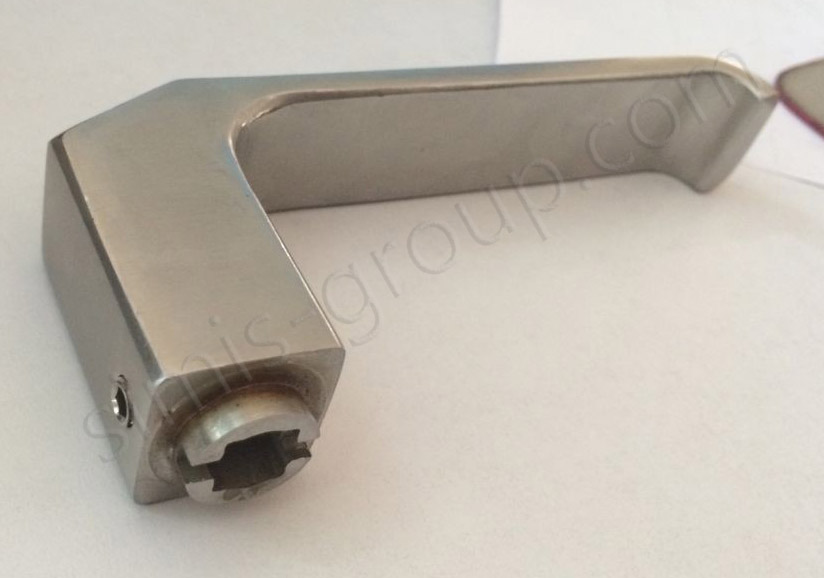
Stainless Steel Casting Design and Metallurgical Process Control
An appropriate stainless steel grade is only one part of manufacturing a functional casting. Melt chemistry, mold design, cooling conditions, solidification behavior and local casting geometry influence the finished material. Complex castings must be evaluated for internal quality as well as external shape.
Melt composition and alloy identification
Chromium, nickel, molybdenum, carbon and other elements must fall within the specified grade's requirements. Chemical analysis may be used to verify alloy composition, while identification procedures help reduce the risk of material mix-ups. The exact testing and traceability scope should follow the project specification. Chemical compliance does not independently demonstrate every mechanical or corrosion-related property.
Feeding, shrinkage and porosity control
Casting section transitions, heavy bosses and restricted feeding areas can create local shrinkage risks. Mold filling, riser design and solidification planning should consider the part's critical load-bearing and pressure-containing regions. Investment casting can provide detailed geometry, but it does not guarantee the absence of shrinkage cavities, gas porosity or other discontinuities.
Wall thickness and complex internal passages
Some pump and valve castings combine thin walls with thick flanges or internal channels. Tooling and core design must account for mold stability, cleaning access and sufficient stock around machined interfaces. Changes to flow passages or load-bearing sections should be approved by the customer's responsible engineering team before tooling is manufactured.
Casting quality versus final corrosion performance
Surface defects, inclusions, contaminants and crevices may affect local corrosion behavior, but corrosion resistance is also controlled by alloy composition, metallurgical condition and actual exposure. A smooth-looking casting is not automatically more corrosion-resistant than every component with a rougher surface. Material qualification and surface acceptance should follow the intended use.
Heat Treatment of Austenitic, Duplex and Hardenable Stainless Castings
Stainless steel casting grades can require substantially different heat treatments. A treatment suitable for one family may be inappropriate for another. The schedule should follow the governing cast material standard and the required microstructural and mechanical properties.
Solution treatment of austenitic stainless steel castings
Certain austenitic stainless cast grades are supplied in a specified solution-treated condition. Appropriate heating and cooling can help control carbide precipitation and the required material condition. However, the treatment does not eliminate all defects or ensure resistance to every form of corrosion. Cooling requirements and subsequent operations should follow the material specification.
Duplex stainless steel heat treatment
Duplex castings require careful control of their metallurgical condition. Incorrect thermal exposure or cooling can produce phases that adversely affect toughness and corrosion behavior. Material-specific treatment and agreed metallographic or corrosion-related verification may therefore be required. A generic stainless steel annealing schedule should not be applied to every duplex grade.
Hardening, tempering and precipitation aging
Martensitic stainless grades may require an appropriate hardening and tempering sequence, while precipitation-hardening cast steels may require solution treatment and aging according to the specified grade. The resulting properties depend on alloy chemistry, thermal schedule and casting section. SIMIS can review these requirements through its metal parts heat treatment capabilities.
Precision CNC Machining of Custom Cast Stainless Steel Parts
Many stainless steel castings require machining after casting, cleaning and the specified heat treatment. This is particularly important for functional interfaces that cannot be held to the required tolerances in the as-cast state. SIMIS offers CNC machining services for drawing-based metal components.
Machined sealing faces, flanges and threaded connections
Fluid-handling castings may require accurate gasket surfaces, flange faces, sealing grooves, threads and connection ports. Surface roughness, flatness, hole position and other geometric tolerances must match the assembly design. Correct machining is necessary where specified, but does not independently establish the pressure rating or leak-tightness of the completed equipment.
Bearing bores and locating features
Bearing supports, rotating-equipment housings and brackets may contain critical bores, locating registers and mounting holes. The machining strategy should follow the component's functional datums. Actual tolerances depend on part size, workholding, geometry and the mating components rather than a universal micron-level accuracy claim.
Machinability and work hardening
Some austenitic stainless steels can work harden during cutting, influencing machining forces, tool wear and surface finish. Cutting conditions should be selected for the specific alloy and final material condition. Duplex and hardened martensitic grades can introduce different challenges. Tool choice, coolant, rigidity and machining sequence must be matched to the actual casting.
Contamination control during machining and finishing
Stainless steel surfaces may become contaminated by contact with carbon steel tools, debris or unsuitable handling equipment. Cleaning and tool-management practices should reflect the required surface condition. For corrosion-sensitive components, the finishing and inspection plan may include measures to identify and remove surface iron contamination.
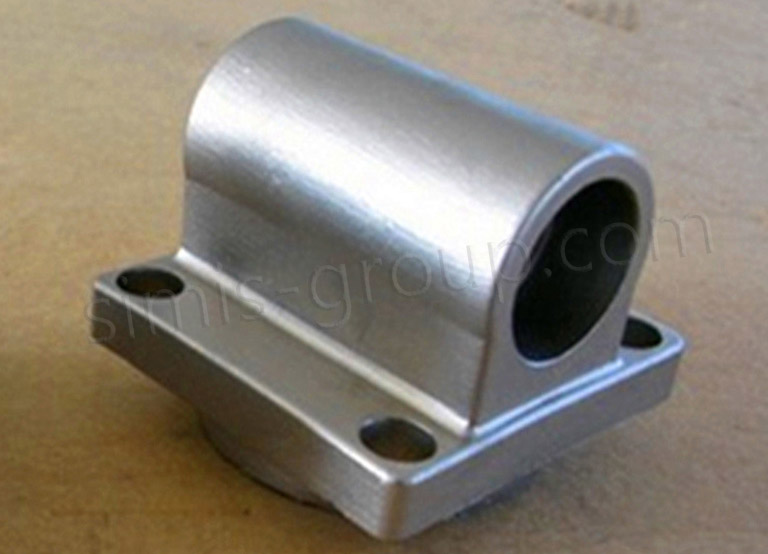
Stainless Steel Surface Finish, Pickling, Passivation and Corrosion Control
Surface condition can be important for stainless steel components exposed to moisture, process fluids, cleaning chemicals or hygienic environments. However, cleaning, pickling, passivation, mechanical polishing and electropolishing are different operations. Their suitability and acceptance methods should be selected for the specified alloy and service conditions.
Cleaning and removal of surface contamination
Cleaning may remove oil, machining residues, debris and other contaminants that could interfere with subsequent finishing or service. Blast media and handling equipment should be selected for the required surface condition. Improper cleaning can introduce additional contamination even when the initial casting material complies with its specification.
Pickling and chemical passivation
Pickling may be specified to remove certain oxide scales and affected surface layers. Chemical passivation treatments are used to remove suitable surface contaminants and support the corrosion-resistant surface condition of stainless steel. ASTM A380/A380M provides guidance on cleaning, descaling and passivation, while ASTM A967/A967M covers specified chemical passivation treatments and related effectiveness tests. Applicable requirements must be selected and agreed by the purchaser.
Mechanical polishing and specified surface roughness
Mechanical polishing may improve appearance and help meet a defined roughness requirement on accessible surfaces. Satin and higher-polish finishes serve different functional and aesthetic purposes. A mirror-like finish should not be described as universally necessary for corrosion resistance or proof of hygienic suitability. The buyer should identify the required roughness value, measurement direction, location and acceptance method.
Electropolishing for selected applications
Electropolishing can be considered for certain stainless steel parts where the specified surface condition and geometry make the process appropriate. Material removal, surface accessibility, alloy response and dimensional effects must be evaluated. Neither electropolishing nor passivation substitutes for the correct material grade or validates a component for direct contact with food, medicine or biological tissue.
| Finishing Operation | Primary Purpose | Acceptance Considerations |
|---|---|---|
| Cleaning | Remove process residues and contamination | Specified cleanliness and absence of unacceptable residue |
| Pickling | Remove certain oxide scales and affected surface layers | Alloy compatibility, uniformity and appropriate rinsing |
| Chemical Passivation | Address free-iron contamination and the required passive surface condition | Specified process and appropriate effectiveness testing |
| Mechanical Polishing | Produce the required appearance or accessible-surface roughness | Ra or other specified finish, edge condition and surface consistency |
| Electropolishing | Electrochemical surface finishing for compatible applications | Dimensional effects, surface accessibility and applicable specifications |
SIMIS can review the required finishing route through its surface treatment services. Corrosion resistance must still be assessed for the actual alloy, surface condition, operating fluid, temperature and exposure duration.
Quality Control and Material Verification for Stainless Steel Castings
Quality inspection should establish that the finished casting complies with its specified material standard, critical drawing requirements and agreed acceptance criteria. Chemical analysis, mechanical testing, dimensional examination and nondestructive inspection address different aspects of quality and are not interchangeable.
| Inspection Item | Project-Specific Verification |
|---|---|
| Chemical Composition | Required chromium, nickel, molybdenum, carbon and other alloy elements according to the grade |
| Mechanical Properties | Specified tensile, yield, elongation, hardness or impact requirements with approved sampling |
| Heat-Treated Condition | Applicable treatment records and material-family-specific acceptance criteria |
| Metallurgical Examination | Phase balance, ferrite content or other microstructural checks where specified |
| Casting Integrity | Visual examination, liquid penetrant or appropriate internal NDT with defined acceptance limits |
| Dimensional Accuracy | Bores, mounting features, geometric tolerances, threads and finished dimensions |
| Surface Quality | Specified roughness, finishing condition, cleanliness and passivation testing where required |
| Functional or Pressure Testing | Project-defined leakage, hydrostatic or other applicable component tests |
| Documentation | Material test reports, dimensional records and lot traceability as agreed |
Alloy identification and chemistry control
The appropriate analytical method should be selected for the elements and limits in the purchase specification. Positive material identification can be useful for alloy verification, but not every handheld technique accurately measures carbon and other light elements. A suitable laboratory or process-based analysis may be necessary for complete grade confirmation, particularly when low-carbon requirements are critical.
Liquid penetrant and internal nondestructive examination
Liquid penetrant testing may be specified for surface-breaking discontinuities in suitable stainless steel castings. Radiography or ultrasonic examination may be considered for relevant internal regions, depending on material and geometry. Each method has limits and requires an agreed procedure, examination coverage and acceptance criteria. No examination method guarantees that a casting is completely free of every internal defect.
Corrosion-related and metallurgical testing
Selected projects may require intergranular corrosion tests, pitting-related tests or other material-family-specific examinations. Their relevance depends on alloy grade and service environment. A corrosion test result represents compliance under defined test conditions; it does not predict unlimited service life in every chemical, seawater or industrial environment.
Dimensional inspection and traceability
CMM measurement, appropriate gauges and functional fixtures may be used to check critical drawing features. The inspection plan should identify the functional datums and sampling requirements. Customers can specify first-article inspection, material certificates, batch identification and other necessary records as part of their quality agreement. SIMIS can review these requirements through its quality control process.
Applications of Custom Cast Stainless Steel Components
Pumps, valves and fluid-handling equipment
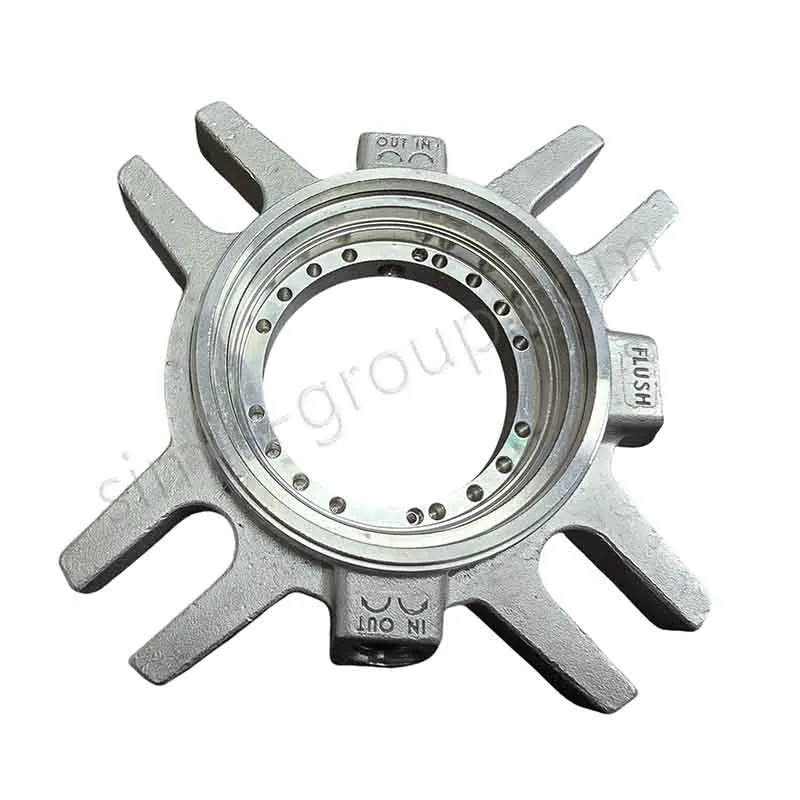
Stainless steel castings can be used for selected pump housings, valve bodies, impellers and fluid-system connectors where the specified grade is compatible with the process fluid. These components may require internal passages, machined sealing interfaces and additional pressure or corrosion-related testing. Related SIMIS products include custom pump housings, custom valve parts and custom impellers.
Food and beverage processing machinery
Selected stainless steel grades are used in food and beverage processing equipment. Cast mixer parts, fittings, housings and machinery components may be candidates when the appropriate material, cleanability and finish requirements are defined. However, stainless steel casting and mechanical polishing alone do not establish food-contact compliance or hygienic equipment certification. The final component must satisfy the applicable design and regulatory requirements.
Pharmaceutical and laboratory equipment
Stainless steel may be specified for selected laboratory fixtures, machine housings, handles and processing equipment hardware. Where cleaning or contamination control is critical, geometry, surface finish and cleaning validation need consideration. Ordinary OEM stainless castings should not be described as certified surgical implants or sterile medical devices without application-specific qualifications and documentation.
Marine, offshore and coastal hardware
Marine applications may use stainless steel for selected deck hardware, cleats, brackets, fittings and pump components. Chloride content, stagnant seawater, crevices, oxygen availability and temperature can influence corrosion behavior. A 316-type casting is not universally resistant to seawater attack. Our custom stainless steel boat cleats page covers related drawing-based marine hardware.
Architectural hardware and stainless steel fittings
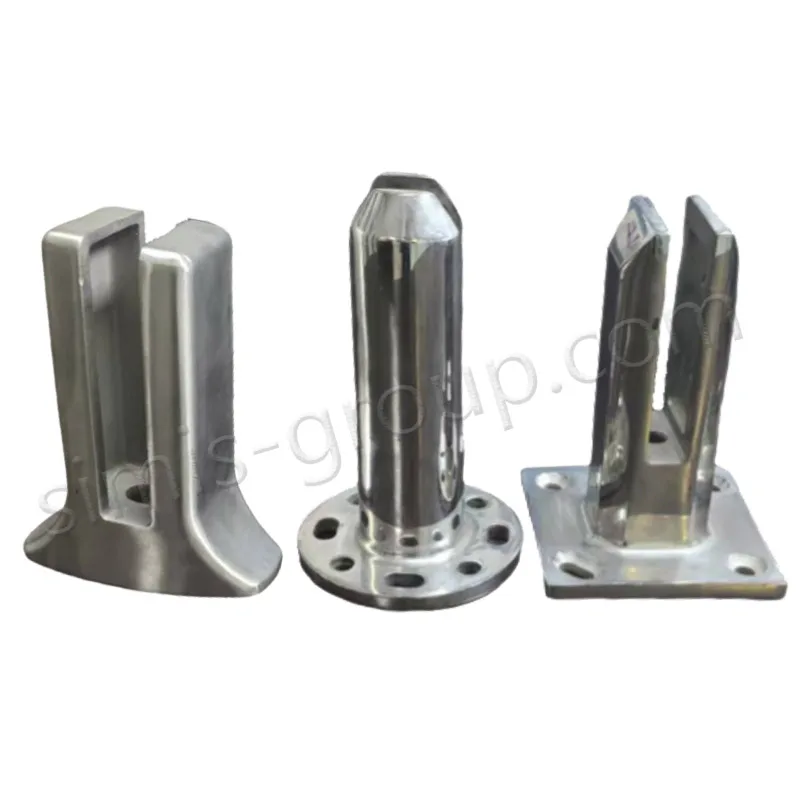
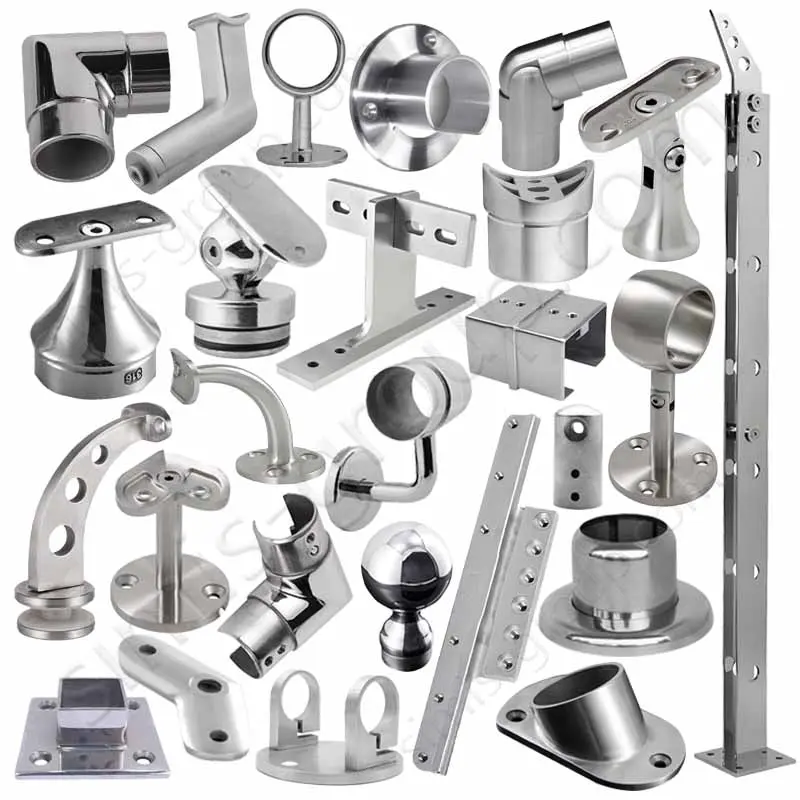
Investment casting can produce detailed door hardware, decorative connectors, brackets and selected railing components. Appearance, external dimensions, surface condition and assembly fit may be especially important. For related construction hardware, see SIMIS custom stainless steel handrail components. Any structural or guardrail-related performance requirements must be established by the responsible project designer.
Chemical processing and industrial machinery
Industrial machinery can require stainless steel housings, connectors, brackets, agitator parts and corrosion-exposed components. Material selection should account for the actual chemicals, concentration, temperature, solids and cleaning procedures. Where high strength, sour service, elevated temperature or fatigue loading is involved, supplementary material and testing requirements may be necessary.
Request a Quote for Custom Stainless Steel Castings and Parts
SIMIS supports drawing-based manufacturing of custom stainless steel castings and machined components for industrial OEM applications. Our manufacturing review can address the required casting grade, tooling, silica sol investment casting or resin sand casting, heat treatment, critical CNC machining, surface finish and project-specific quality documentation.
For a detailed OEM quotation, please provide: 2D drawings and STEP or other available 3D models; exact cast stainless steel grade and applicable material standard; maximum dimensions and estimated casting weight; required heat-treated condition; operating environment and corrosion exposure; critical machined dimensions; surface roughness and finishing requirements; material test reports; nondestructive examination or pressure testing where applicable; and expected batch and annual quantities.
If your component is intended for pressure containment, hygienic processing, marine immersion, regulated medical equipment or another demanding application, please identify the applicable standards and acceptance criteria. Material substitutions, heat-treatment changes and modifications to critical structural or sealing features should be approved by the customer's responsible engineering team before production.
Send your custom stainless steel casting drawings and purchasing requirements to info@simis-group.com for a manufacturing feasibility review and quotation.