Custom Lock Hardware Manufacturer


Lock Hardware

Custom Door Lock Hardware Manufacturing FAQs
Can SIMIS manufacture lock hardware to our 2D drawings or 3D CAD files?
Yes. SIMIS provides drawing-based OEM manufacturing for metal door lock components such as lock bodies, latch and deadbolt parts, strike plates, escutcheons, levers, and actuator components. Please specify which items are required as individual parts and which must be supplied as a fitted assembly. Material, quantity, functional interfaces, and inspection requirements are reviewed before a manufacturing route is proposed.
Which process is suitable for custom lock bodies, faceplates, and internal components?
Zinc or aluminum die casting may be considered for repeat-production housings and decorative parts with detailed shapes. Stainless steel or carbon steel investment casting may suit smaller, more complex metal components where the material and geometry justify it. CNC machining is used where bores, contact faces, slots, and mating features require controlled dimensions. Some flat plates are better produced by stamping or other sheet-metal processes.
How are latch travel, cylinder alignment, and assembly fit controlled?
Functional dimensions must be specified on the drawing, including mounting-hole position, cylinder or spindle centerlines, clearance to moving parts, strike-plate location, and latch or bolt travel. SIMIS can plan machining and dimensional inspection around these interfaces. A lock’s overall operating life or security grade must be established through the relevant assembly-level testing, not inferred from the manufacturing process alone.
What information is needed for a custom lock hardware quotation?
Send 2D/3D drawings, material and finish requirements, annual or batch quantity, critical tolerances, mating-component information, and intended indoor/outdoor use. If the part belongs to a certified lock system, specify the applicable test standard, inspection criteria, and whether a sample or prototype is required before production.
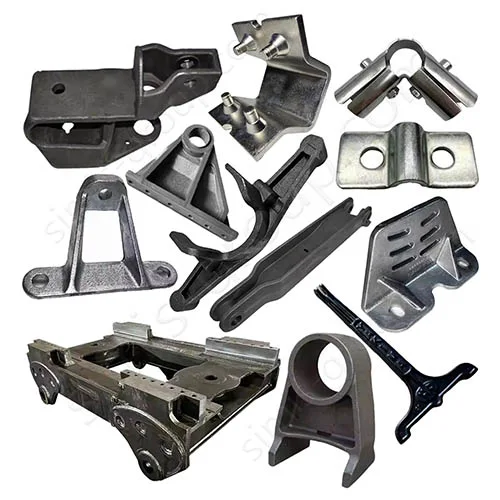
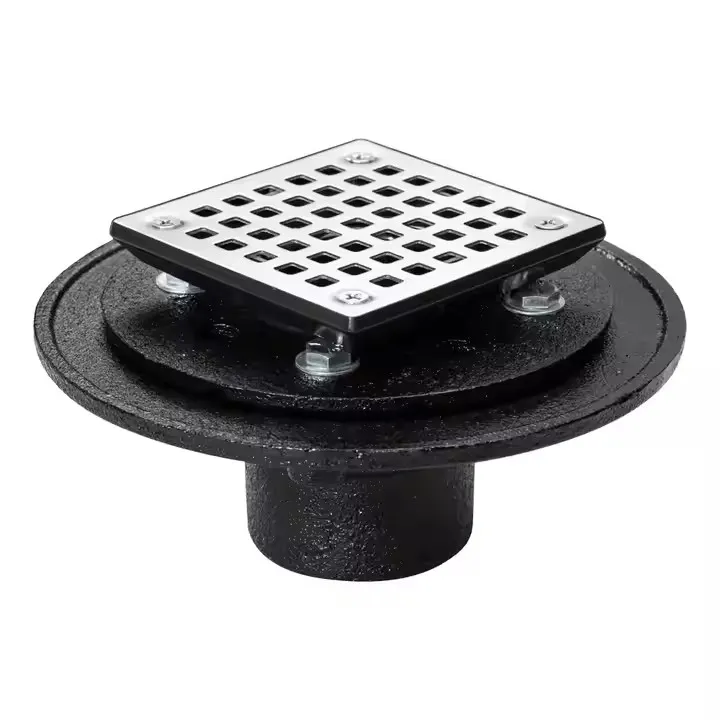
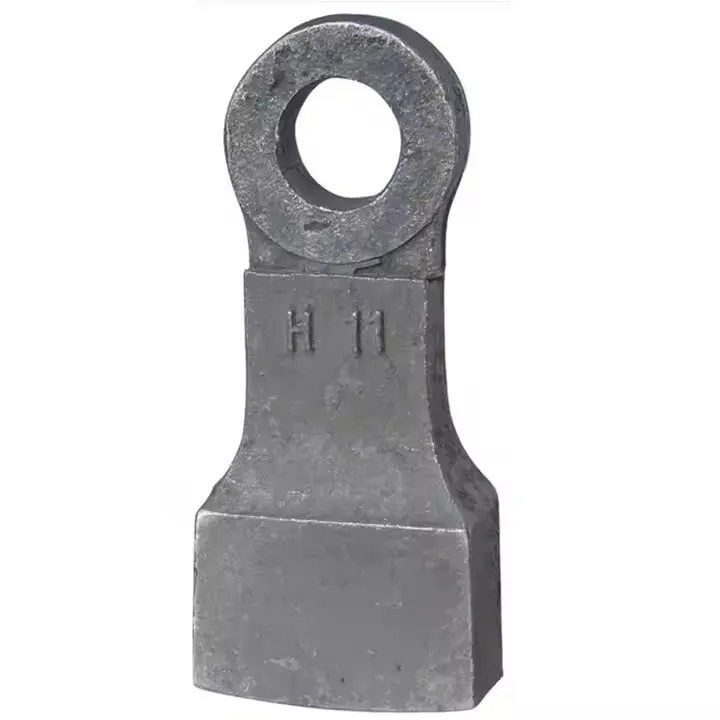
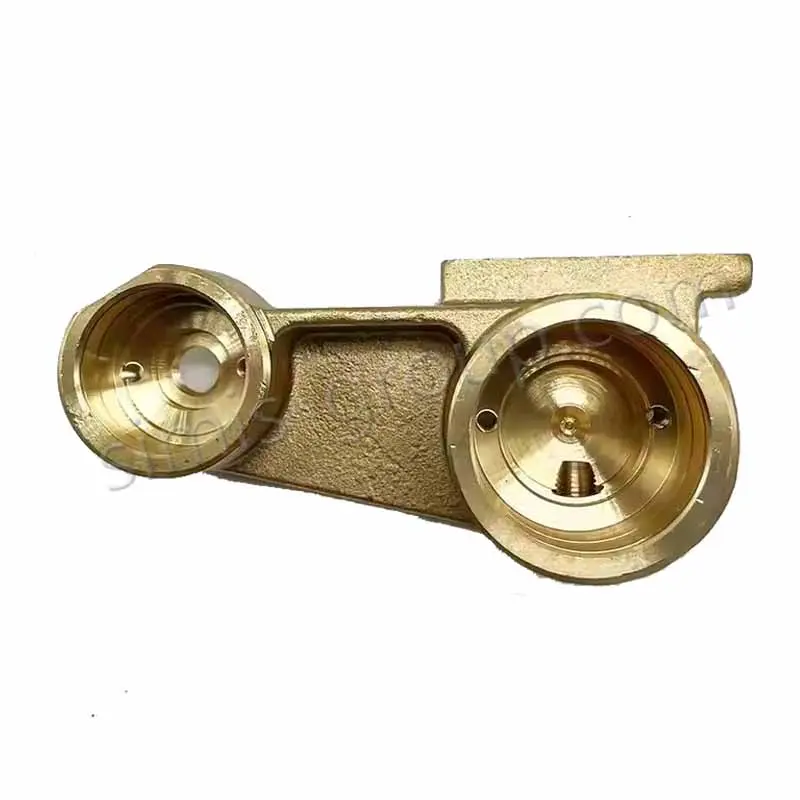
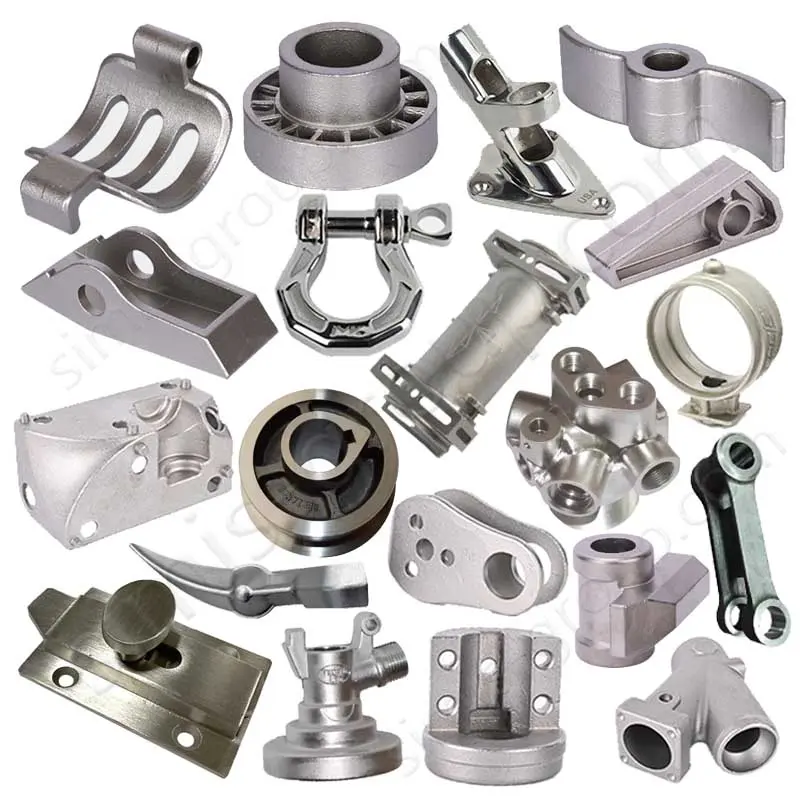
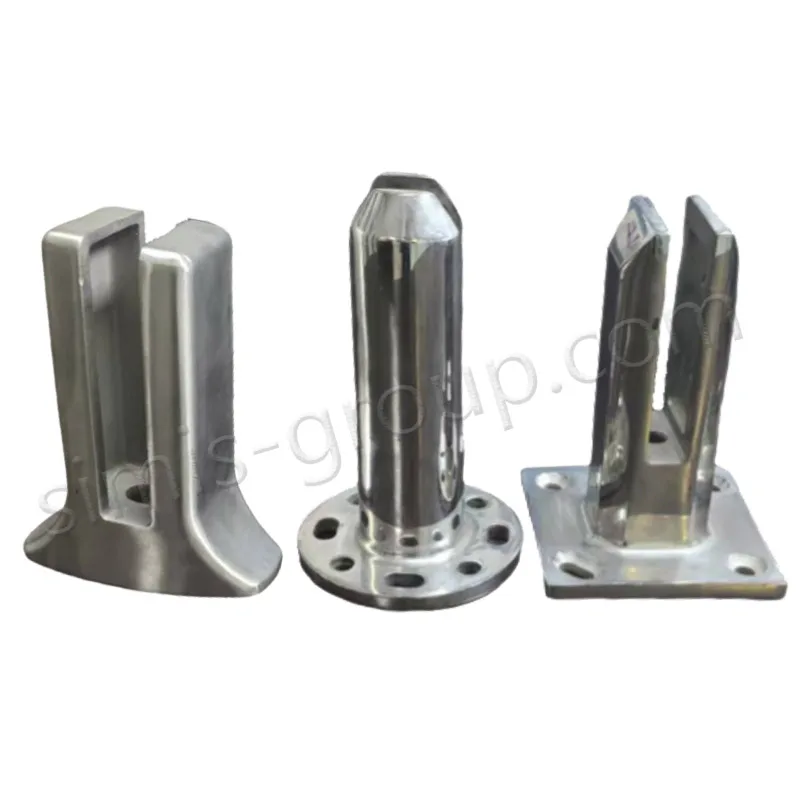
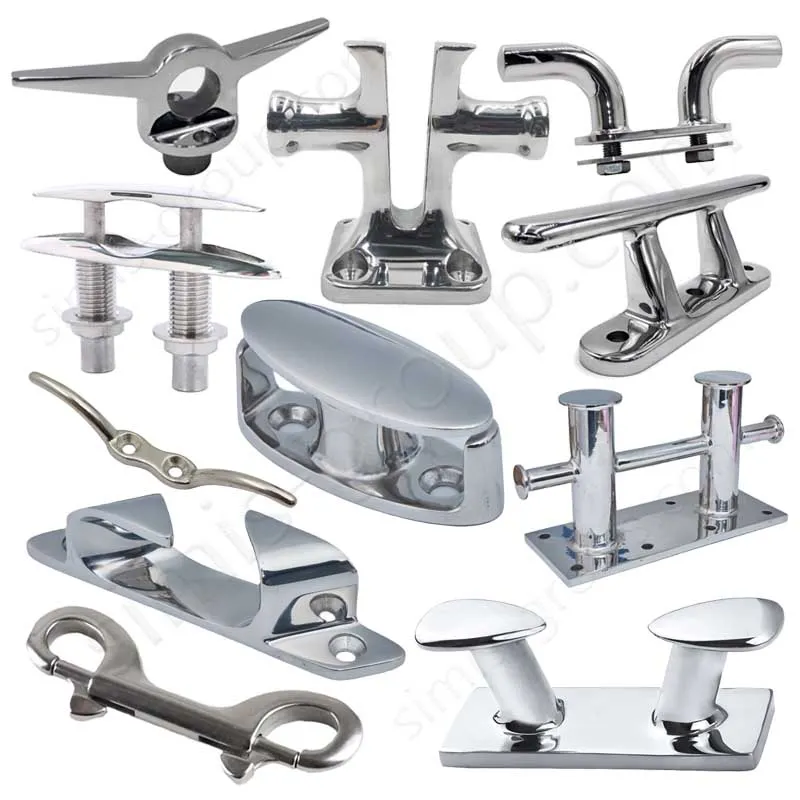
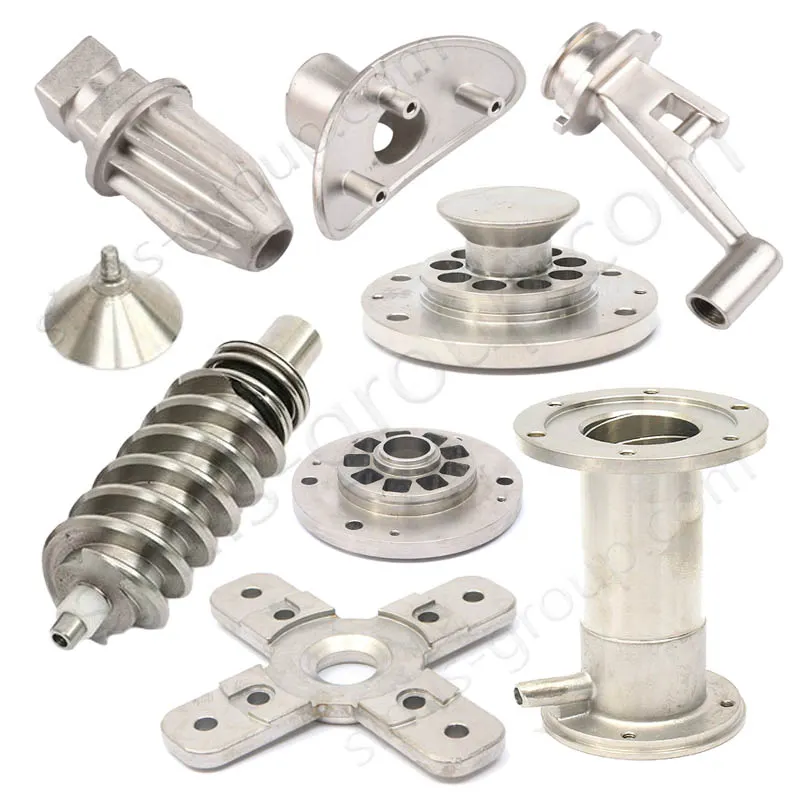
OEM Door Lock Hardware Components Made to Your Drawings
SIMIS supports custom manufacturing of metal components used in mechanical locks, access-control devices, cabinet locks, and industrial locking mechanisms. The service is designed for OEM customers who already have a product drawing or design requirements and need a manufacturer to evaluate the material, process, tooling, secondary machining, and surface finish. It is not a catalog of ready-to-install, security-certified locksets.
Unlike a finished retail lock, an individual metal component is defined by its role in the mechanism. A faceplate must align with the door cutout, a latch must move without binding, and an internal drive lever must engage adjacent parts. These interfaces determine what can be left as cast and which areas need subsequent machining or inspection.


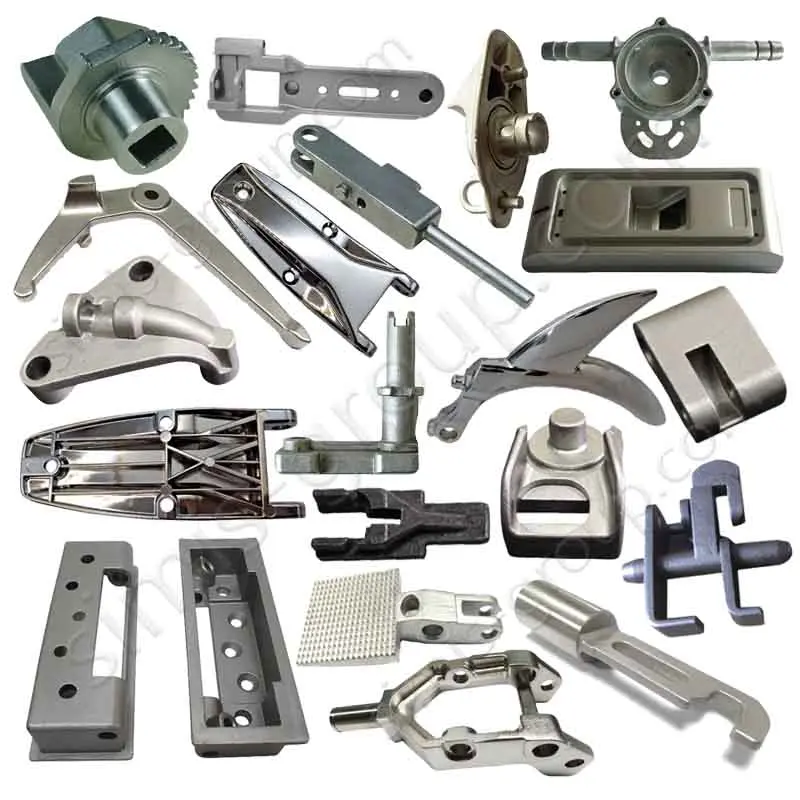
Types of Custom Metal Lock Hardware
The following examples illustrate the kinds of component-level RFQs that can be evaluated. Actual material and manufacturing method depend on the customer design, operating load, tolerance requirements, and order volume.
| Component | Manufacturing considerations | Potential production route |
|---|---|---|
| Lock body and mechanism housing | Wall sections, bosses, mounting holes, internal cavities, and space for moving parts | Zinc/aluminum die casting or steel investment casting, followed by selective CNC machining |
| Cylinder housing or supporting parts | Bore geometry, concentricity, pin or plug interfaces, and corrosion conditions | Precision casting or CNC machining, depending on design |
| Latch, deadbolt, and actuator parts | Sliding/contact faces, local wear, edge strength, required travel and fit | Suitable steel casting, forging, machining, or other selected process |
| Faceplate, escutcheon, and trim | Visible surface quality, screw locations, decorative geometry, and plating compatibility | Zinc/aluminum die casting, investment casting, or formed sheet metal |
| Strike plate and mounting bracket | Hole spacing, thickness, fastener seating, and load transfer | Stamping, laser cutting/forming, casting, or CNC finishing |

Choosing the Manufacturing Process for Lock Hardware
Zinc and Aluminum Die Casting for Detailed Housings
For repeated production of small and medium-sized housings, thumbturn bodies, escutcheons, and trim components, pressure die casting can reproduce thin walls, bosses, and decorative details efficiently. Zinc alloys may be attractive for small intricate features and plated surfaces; aluminum alloys may be considered where reduced component weight is relevant. Draft angles, parting lines, ejector marks, gating positions, and any post-machined features should be defined during design review.
Investment Casting for Complex Steel Components
Where the design calls for cast steel or stainless steel and has small complex features, investment casting may be an option. It can reduce the amount of stock that must be machined, but critical bearing, locating, sealing, or sliding surfaces may still need precision finishing. Material selection should reflect the specified loading and service environment; a casting route by itself does not establish a lock-security classification.
CNC Machining and Sheet-Metal Alternatives
Not every part should be cast. A straightforward strike plate or bracket may be better suited to metal stamping and bending, while low-volume prototypes or tight-fit features may benefit from direct machining. SIMIS can assess CNC machining for cylinder bores, spindle seats, screw holes, slots, and mating faces. The chosen method should reflect both unit cost and the repeatability required by the drawing.

Material Selection for Custom Lock Components
Selecting material solely because a lock is described as “high security” can be misleading. Different components have different requirements for stiffness, wear, corrosion, cosmetic finish, and manufacturability. Customers should identify the governing material specification rather than relying only on a broad alloy family name.
| Material family | Potential uses | Points to confirm |
|---|---|---|
| Zinc die-casting alloys (such as Zamak grades) | Decorative housings, trim, selected internal components | Alloy grade, wall thickness, plating compatibility, loading, and wear |
| Aluminum casting alloys | Lightweight housings and access-control covers | Alloy and temper where applicable, finish, joint interfaces, and corrosion exposure |
| Stainless steel casting grades | Selected exterior parts, latches, levers, and metal fittings | Casting grade such as CF8/CF8M where specified; do not substitute wrought 304/316 designations without review |
| Carbon or alloy steels | Wear-related or structural lock mechanism parts | Specified composition, heat treatment where required, surface hardness, and corrosion protection |
| Sheet stainless or carbon steel | Strike plates, brackets, covers, and simple formed components | Sheet grade, thickness, bend radii, edge finish, and coating |
For cast stainless steel components, common designations such as 304 and 316 often refer to wrought grades; equivalent or related cast grades must be selected against the drawing and purchasing specification. This distinction matters for material traceability and inspection documentation.

Critical Dimensions and Functional Interfaces
Cylinder, Spindle, and Fastener Alignment
The position of the cylinder bore or spindle opening relative to the mounting pattern can determine whether the mechanism assembles correctly. Position, perpendicularity, concentricity, and clearance should be controlled using the datums and tolerances provided on the technical drawing. For die-cast or investment-cast parts, allowance for secondary machining should be planned before tooling release.
Latch and Bolt Motion
Sliding components need adequate clearance without unacceptable looseness. The functional stack-up may include latch width, guide slot position, travel stop, spring seat, faceplate opening, and the receiving strike plate. Surface condition, burr removal, and wear-sensitive contact areas deserve attention during production planning. Functional validation should use the customer’s mating parts or approved inspection fixture.
Tooling, Parting Lines, and Surface Requirements
Visible door hardware may need a uniform cosmetic finish, while concealed internal parts are often judged mainly by fit and function. Tool designers should consider parting-line placement, gate removal, surface defects, corner radii, and areas that will later be plated, polished, or coated. High-visibility surfaces should be identified clearly on the print or approved reference sample.

Surface Finishes for Door, Cabinet, and Access-Control Hardware
Depending on the substrate and service environment, finishing options may include polishing, electroplating, protective coatings, or other agreed treatments. Typical finish choices for visible hardware may differ from those for concealed mechanism parts. The final specification should consider coating thickness on precision interfaces, salt exposure, color/appearance approval, and whether masking is necessary.
See the SIMIS surface treatment capabilities for an overview. For parts with tight mating clearances, the coating or plating build-up needs to be included in the dimensioning strategy rather than treated as a purely cosmetic final step.

Inspection and Quality Requirements for OEM Lock Parts
Component-level quality control is based on the agreed drawing and production plan. Common inspection subjects may include material identification, key dimensions, bore and hole location, burrs, cast-surface condition, coating appearance, and correct engagement with customer-provided mating parts.
Dimensional checks: measurement of critical hole positions, center distances, thicknesses, clearances, and contact surfaces against the drawing.
Material and finish verification: documentation or testing as required by the purchase specification and approved control plan.
Surface and process checks: inspection of casting condition, machining edges, coating appearance, and identified high-risk areas.
Assembly/functional validation: fit and movement checks with approved samples, fixtures, or mating components where included in the project scope.
Cycle-life, corrosion-resistance, forced-entry, fire-rating, or access-control certification tests should only be described as completed when the relevant assembly has actually been tested to an identified standard. A component supplier’s dimensional inspection cannot by itself certify the performance of the finished lock system. For additional context, see our quality control overview.

Applications: Architectural, Cabinet, and Industrial Locks
Custom metal lock hardware is used across commercial and residential doors, cabinets and furniture, electrical enclosures, equipment access panels, vending systems, and industrial control cabinets. Each application changes the design priorities: exposed architectural hardware may emphasize corrosion resistance and appearance; cabinet locks may prioritize compact geometry; outdoor access-control components may need environmental protection and stable fit.
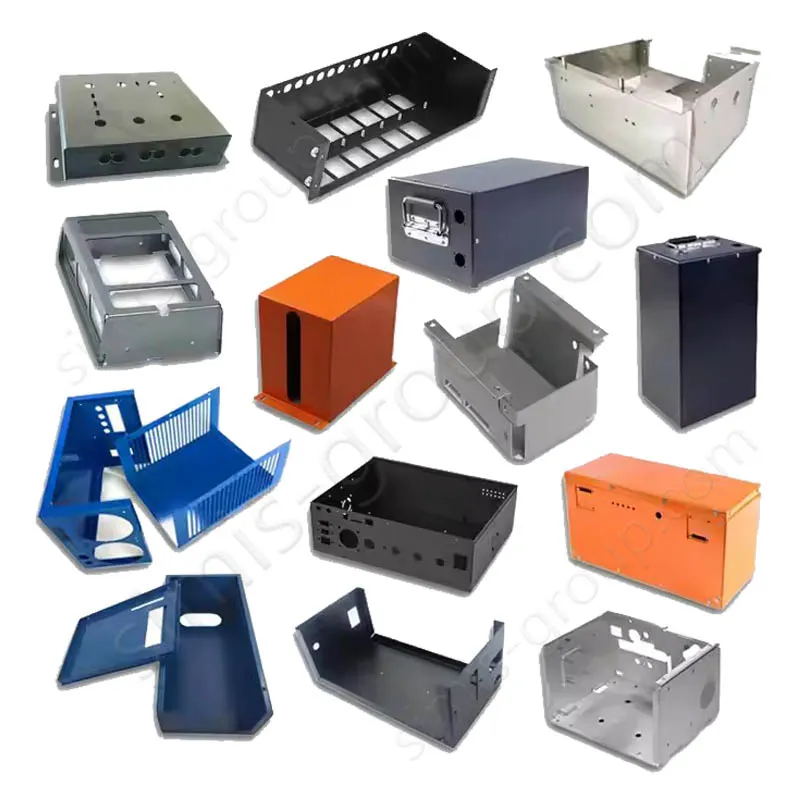
Related OEM work includes custom metal cabinet and enclosure parts and other formed or cast metal fittings. These links are intended to help engineering buyers compare manufacturing approaches for adjoining hardware, not to imply that one standard lock component fits every application.
How to Request a Custom Door Lock Hardware Quotation
Send your 2D drawings (PDF/DWG) or 3D CAD models (STEP/IGES), and indicate the required part names, material grades, estimated order quantities, surface treatment, critical tolerances, and intended service environment. Highlight any functional features that interface with a cylinder, latch, bolt, handle, or electronic actuator.
SIMIS can review these inputs to discuss manufacturability, possible casting or machining routes, tooling considerations, inspection scope, and quotation requirements. If your project has a specified lock grade or a governing standard, share the relevant requirements so they can be evaluated within the agreed supply scope.
Have a custom lock component drawing? Send the file and your RFQ to info@simis-group.com or use our contact page. We can discuss the suitable route for your specific metal part.