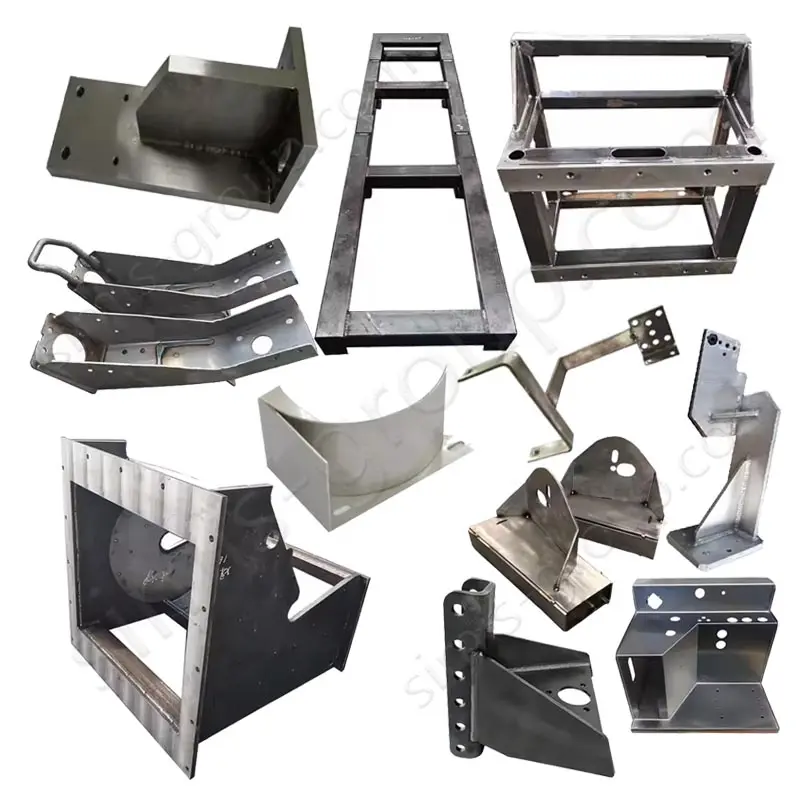
Custom Metal Stamping Bending Parts Manufacturer

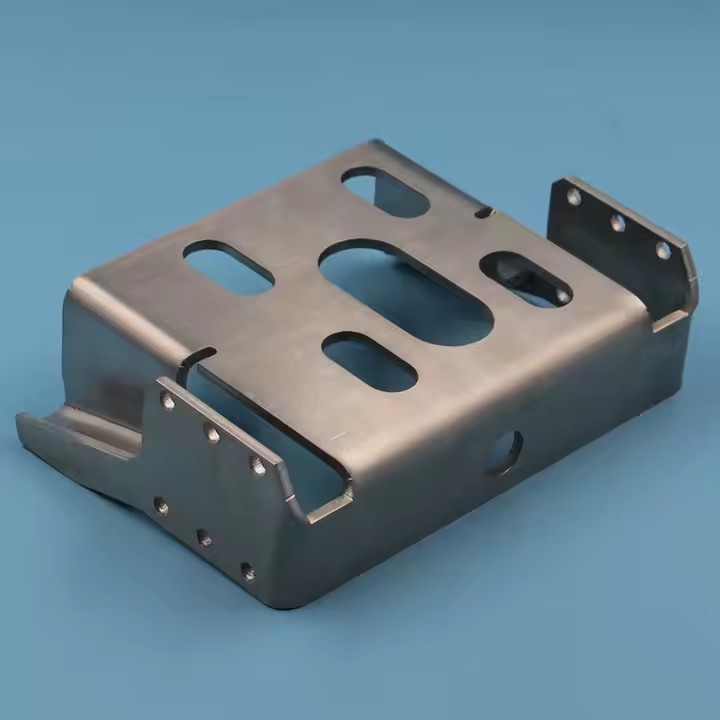
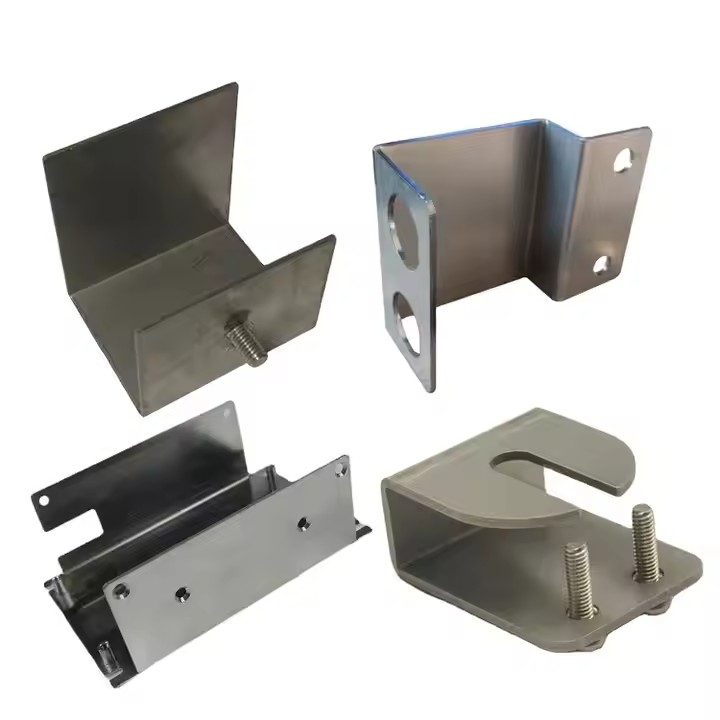
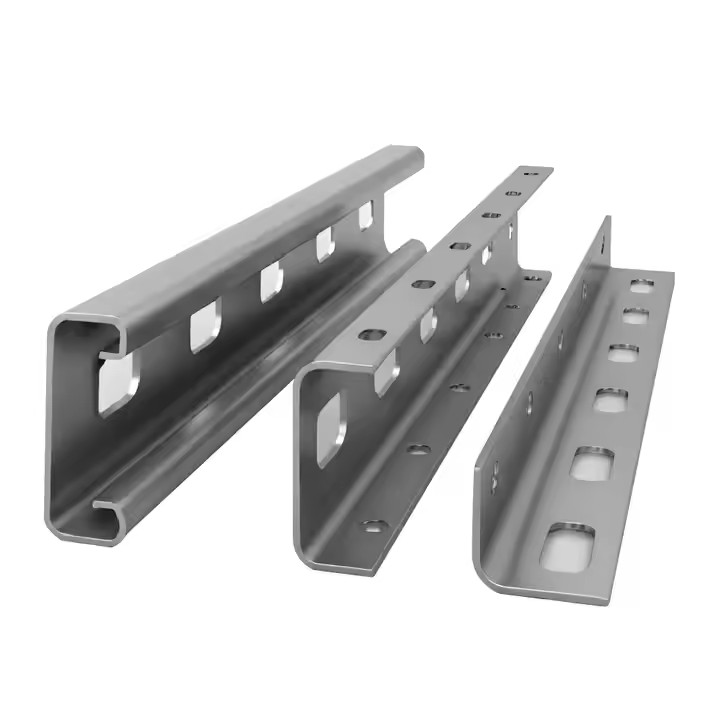
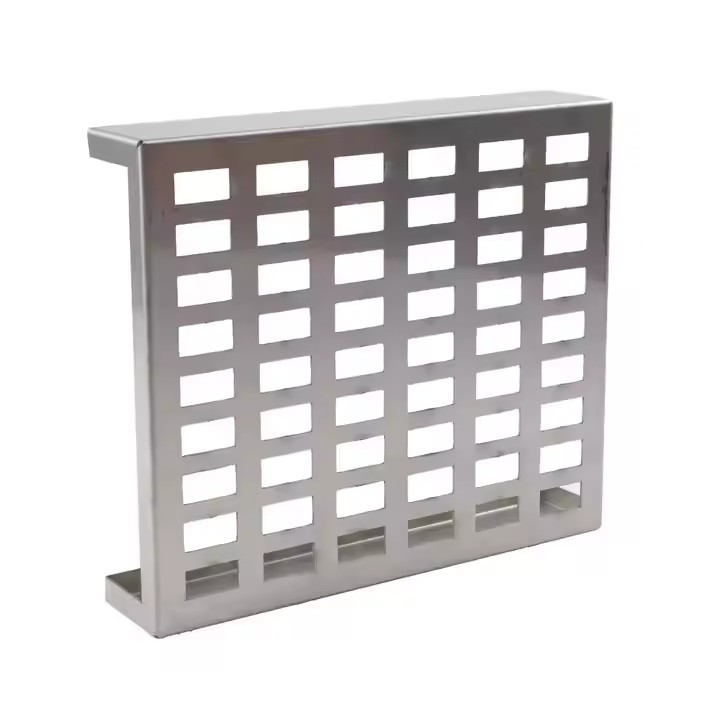
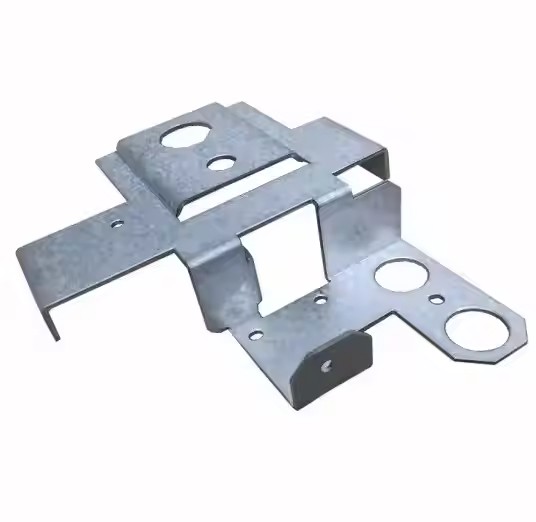
Metal Stamping Bending Parts

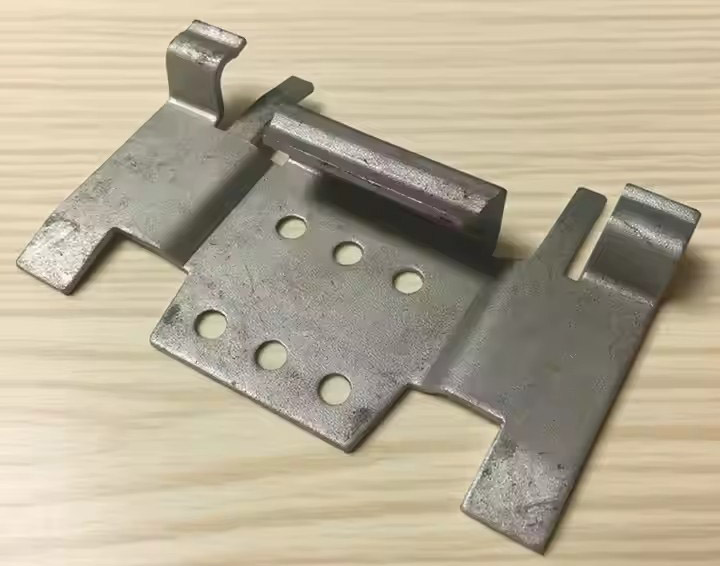
China Simis Company specializes in the custom manufacturing of Metal Stamping and Bending Parts. This is the most widely utilized process for high-volume production of sheet metal components, essential for creating complex two- and three-dimensional parts—from simple brackets and panels to deep-drawn enclosures and electrical contacts.
The primary demand for these parts is extreme dimensional consistency (repeatability), cost-effectiveness at high volumes, and material integrity after plastic deformation. We offer a comprehensive suite of sheet metal processing, including Progressive Die Stamping, Deep Drawing, and CNC Press Brake Bending, utilizing a vast array of materials such as Carbon Steel, Aluminum Alloy, Stainless Steel, and Copper Alloy, to serve the demanding standards of the consumer electronics, automotive, and medical industries.
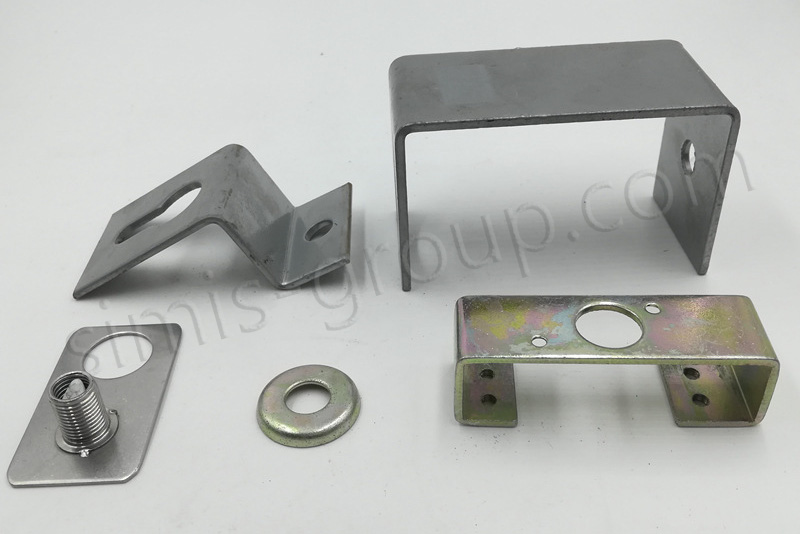
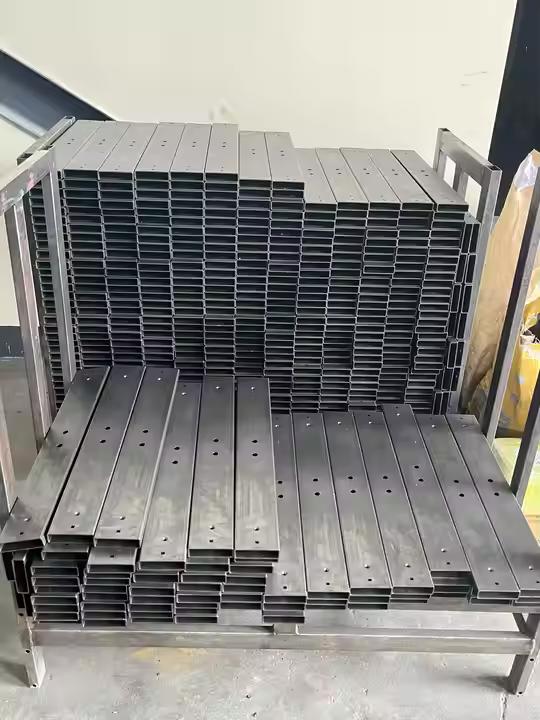
What Are the Classification Standards for Custom Metal Stamping and Bending Parts?
This classification details the types of stamped and bent parts based on their functional application and primary forming process, helping clients quickly identify their specific needs and match the most suitable manufacturing solutions.
| Category | Example Part Names | Primary Functional Role | Key Manufacturing Process |
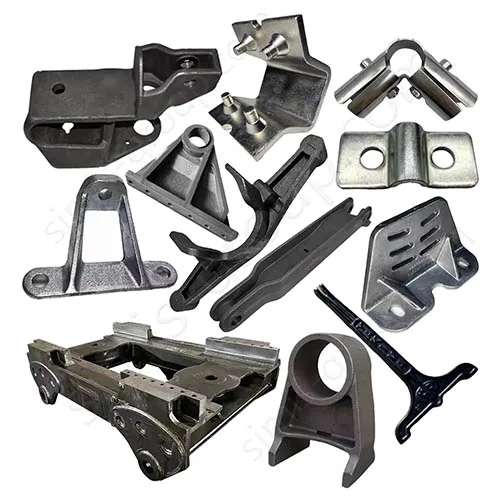
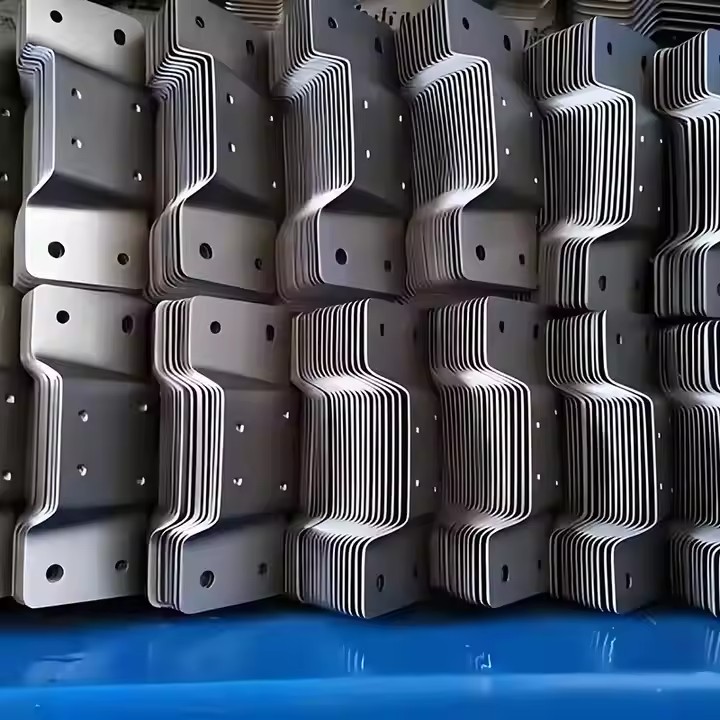
| Structural & Support Parts | Automotive Brackets, Chassis Bases, Equipment Frames, Connection Plates, Mounting Brackets | To bear load, provide rigid fixing surfaces, or enhance the stiffness of the overall assembly. | CNC Bending, Shearing, Punching, Heavy-Gauge Stamping. |
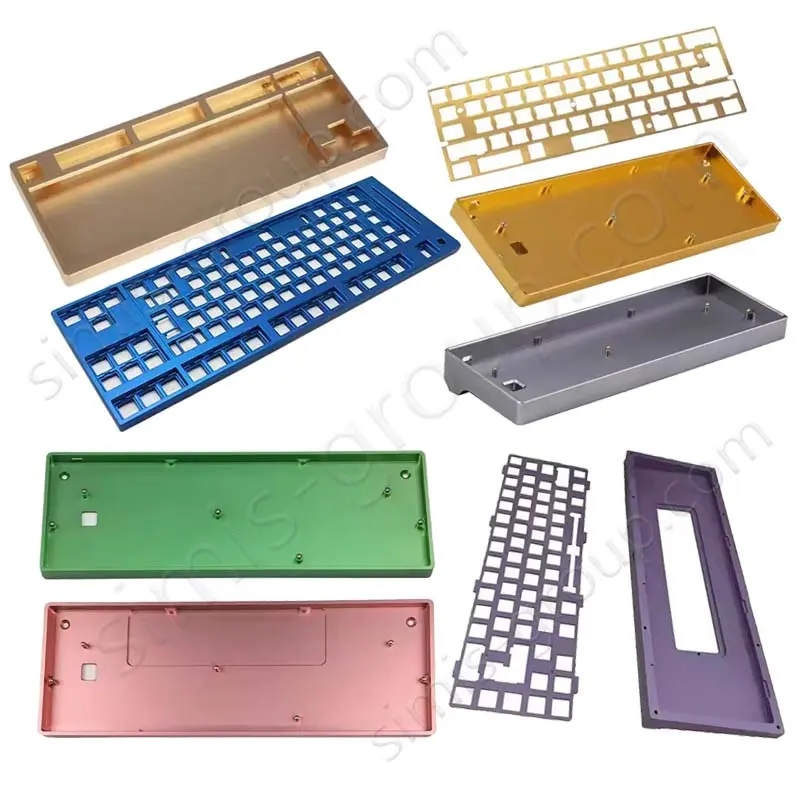
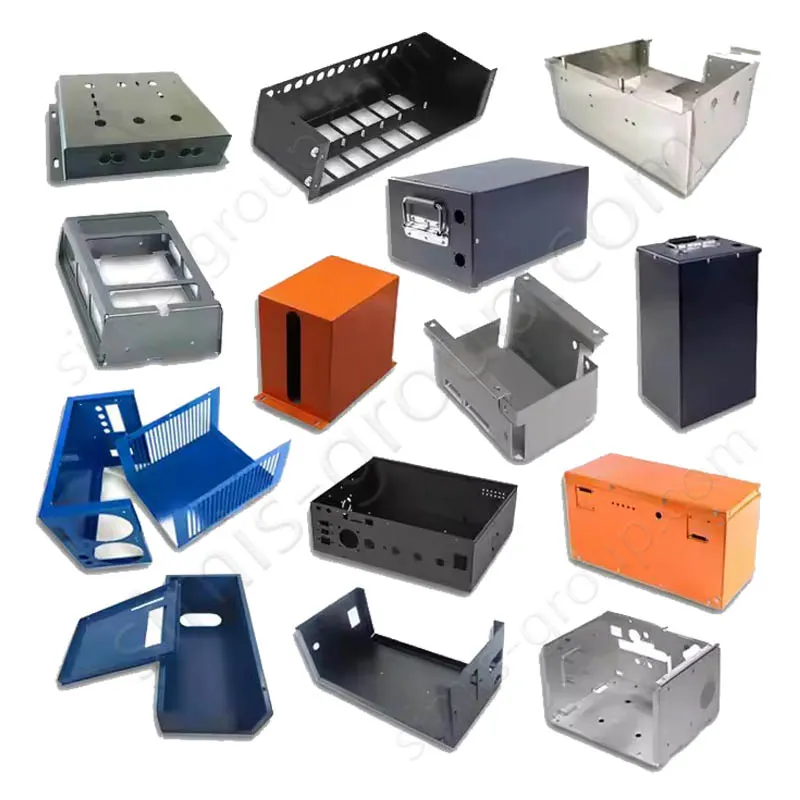
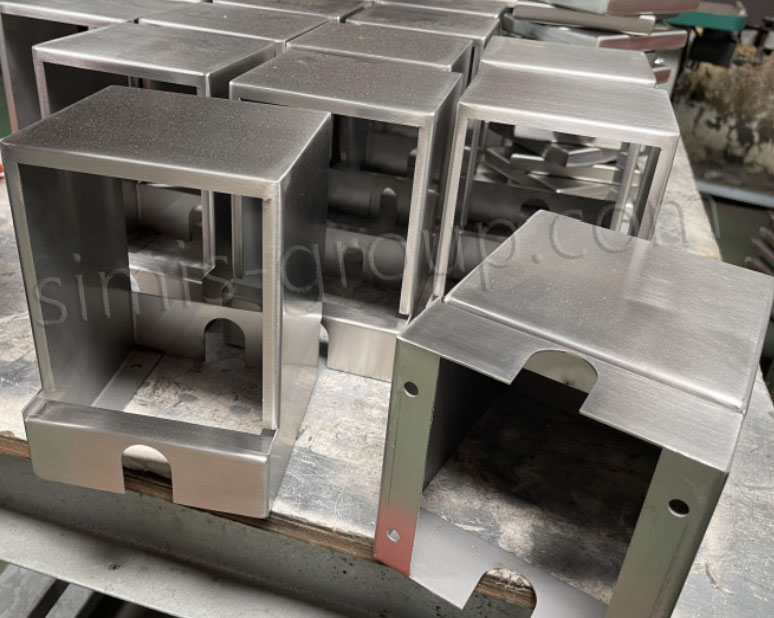
| Shielding & Enclosure Parts | Electronic Casings, Electrical Switch Boxes, Battery Module Covers, RF Shields | To provide protection, shield against electromagnetic interference (EMI), enhance aesthetics, or create sealed compartments. | Progressive Die Stamping, Deep Drawing, Fine Blanking, Edge Rolling. |
| Connecting & Conductive Parts | Automotive Terminals, Lugs, Contact Springs, Socket Shells, Fuse Holders | To ensure reliable transmission of electrical signals or current, and provide plug-and-play connection capability. | High-Speed Progressive Die Stamping, Fine Blanking, Micro-Bending. |
| Sealing & Gasket Parts | Metal Gaskets, Seal Rings, Wave Washers, Exhaust Gaskets | To fill the gap between mating surfaces, prevent fluid or gas leakage, or distribute stress evenly. | Flat Blanking, Precision Stamping, Coining/Embossing. |
| Elastic & Functional Parts | Spring Clips, Snaps, Locking Tabs, Anti-Vibration Pads | To utilize the material's elastic deformation properties to achieve locking, damping, or positioning functions. | Progressive Die Stamping, Heat Treatment, High-Precision Bending. |
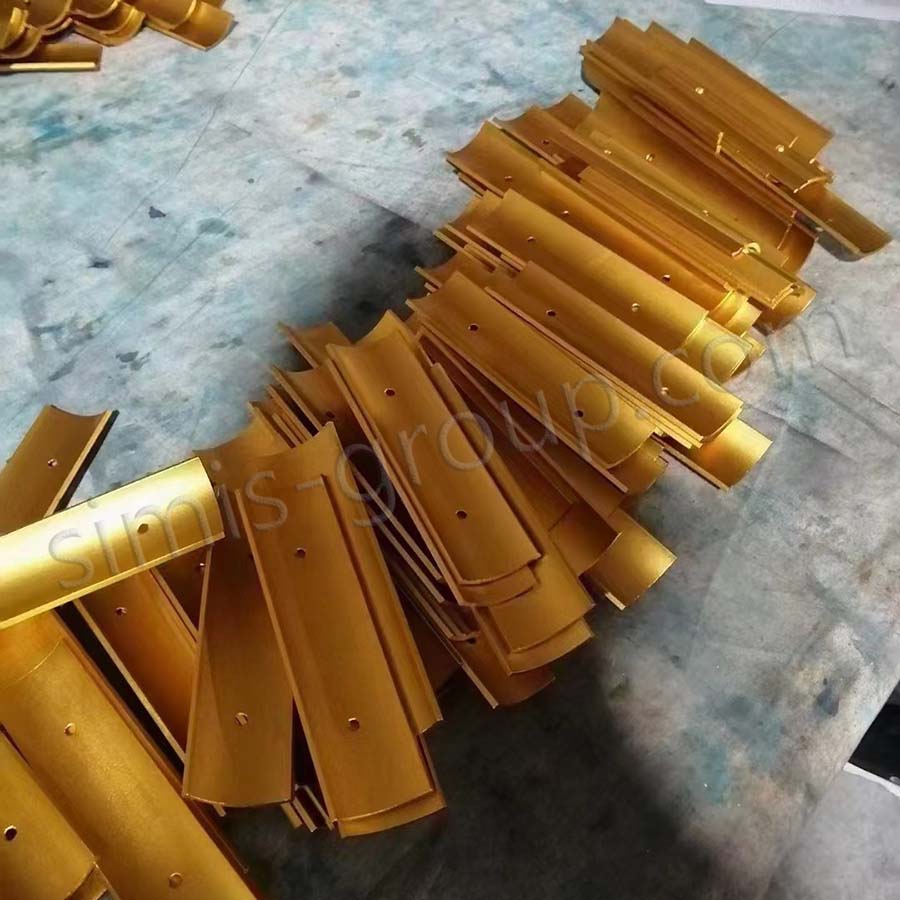
What Are the Manufacturing Processes for Metal Stamping and Bending Parts?
The process selection is driven by volume requirements, part geometry, and the necessary dimensional tolerances, which is the core to balance production efficiency and product precision for stamped and bent parts.
| Manufacturing Process | Material Focus | Key Advantage for Stamped Parts | Specific Process Detail |
| Progressive Die Stamping | All Steels, Aluminum, Copper Alloys. | Highest Volume, Lowest Unit Cost. Performs multiple operations (punching, piercing, forming, cutting) sequentially in one high-speed operation, guaranteeing part consistency. | Primary method for small to medium-sized, complex components. |
| CNC Press Brake Bending | All Materials. | Flexibility and Versatility. Used for larger parts, prototypes, or lower-volume batches where hard tooling is not justified, offering speed and accuracy in bending angles. | Used for large enclosures and cabinets with complex fold lines. |
| Deep Drawing | Steel, Aluminum, Brass. | Creation of Hollow, Cylindrical Shapes. Used when the depth of the part exceeds its diameter, creating seamless enclosures (e.g., electronic casings, auto filters). | Requires materials with high ductility and specialized tooling. |
| Laser Cutting / Punching | All Materials. | Initial Profile and Feature Creation. Used for precise cutting of the initial blank and creation of intricate hole patterns prior to the forming stage. | Ensures clean edges and high positional accuracy of holes. |
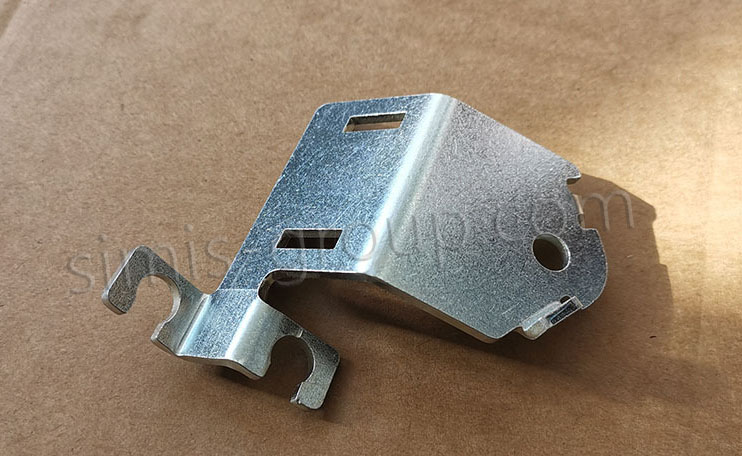
What Materials Are Suitable for Metal Stamping and Bending Parts?
The broad material range covers requirements from structural strength (Steel) to conductivity (Copper) and lightweight corrosion resistance (Aluminum/Stainless Steel), enabling us to meet the diverse needs of different industry applications.
| Material Type | Primary Performance Focus | Typical Stamping/Bending Application |
| Carbon Steel / Galvanized Steel | Structural Strength and Cost-Effectiveness. | Automotive brackets, household appliance chassis, industrial machinery frames. |
| Stainless Steel (304/316) | Corrosion Resistance and Hygiene. | Medical equipment enclosures, food processing components, automotive trim. |
| Aluminum Alloy (5052/6061) | Lightweight and High Ductility. | Consumer electronics casings, new energy battery components, aircraft parts. |
| Copper Alloy / Brass | Electrical Conductivity and Low Friction. | Electrical contacts, terminals, small appliance fittings, gaskets. |
What Quality Assurance Measures Ensure Consistency and Form Accuracy of Metal Stamping and Bending Parts?
QA protocols are focused on verifying the high repeatability essential for large-scale assembly, which is a key guarantee for the stable performance of stamped and bent parts in batch applications.
·Dimensional Inspection:
CMM and Optical Scanners are used extensively for rapid, non-contact measurement of critical features, hole positions, and form dimensions across high-volume batches.
·Angle and Bend Line Verification:
Specialized digital protractors and fixtures are used to verify the precise angles and bend radii, ensuring consistent final part geometry and preventing spring-back issues.
·Material Integrity:
Formability Testing (e.g., Erichsen Cupping Test) on the sheet stock to ensure the material can withstand deep drawing or severe bending without cracking or thinning excessively.
·Surface Finish:
Inspection of cut edges (burr control) and surface quality prior to any final painting or plating steps.
What Are the Application Areas of Custom Metal Stamping and Bending Parts?
Our components are used across sectors requiring reliable, lightweight, and mass-produced parts, covering consumer electronics, automotive, household appliances and other high-demand fields.
| Application Sector | Typical Stamped Component Focus | Primary Challenge | Recommended Process/Material |
| Consumer Electronics | Enclosures, Shields, Terminals, Connectors. | High Volume, Lightweight, Tight Tolerance for Assembly. | Die Stamping (Aluminum Alloy, Copper Alloy). |
| Auto Parts & Rail Transit | Brackets, Structural Mounts, Interior Panels. | Durability, Vibration Resistance, High Safety Standards. | Progressive Die Stamping (Carbon Steel, Galvanized Steel). |
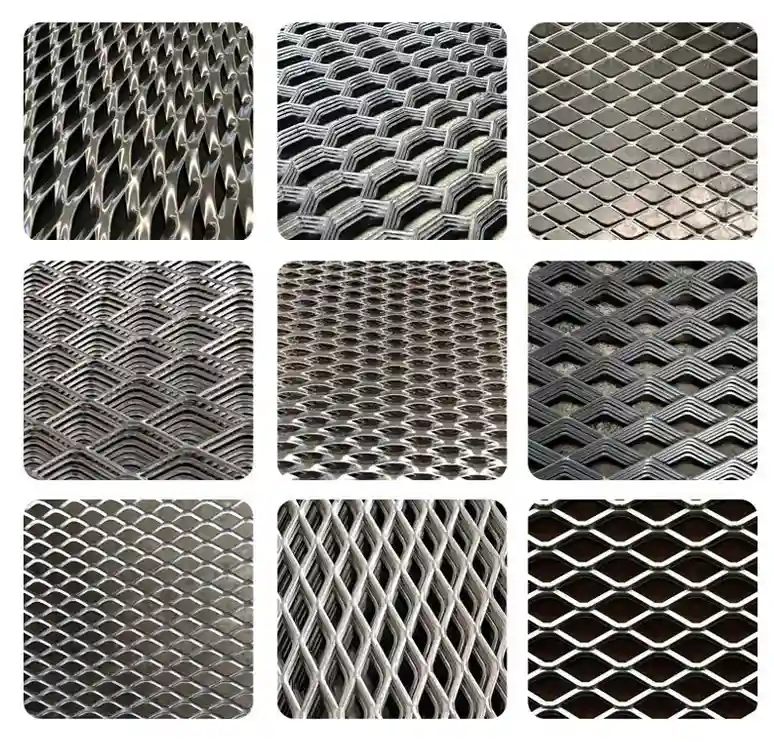
| Household Appliances | Chassis, Mounting Plates, Ventilation Grills. | Aesthetics, Corrosion Resistance, High-Volume Cost Control. | CNC Bending / Stamping (Carbon Steel, Stainless Steel). |
| Medical Equipment | Internal Mounts, Housings, Precision Brackets. | Surface Finish, Sterilization Compatibility, Cleanliness. | Investment Casting (Stainless Steel) or Stamping (Stainless Steel). |
What Are the Advantages of Simis Custom Stamping & Bending?
Simis provides cost-effective, high-volume production through expertise in customized tool and die design, maximizing efficiency and consistency, which can create greater value for clients' mass production projects.
·Tooling Optimization for Volume:
We specialize in designing and manufacturing Progressive Dies tailored to the client's annual volume, minimizing unit cost and guaranteeing dimensional consistency across millions of parts.
·Controlling Spring-Back:
Our CNC bending experts use advanced algorithms and precise tooling to compensate accurately for the material spring-back effect, guaranteeing final angle and radius tolerances.
·Integrated Secondary Operations:
Custom processing includes seamless integration of post-stamping operations such as welding, powder coating, plating, and heat treatment, providing a finished, ready-to-assemble component.
·Material Versatility:
Our equipment is configured to handle the full spectrum of materials—from thin, conductive foil to heavy-gauge structural steel—allowing us to serve diverse industries like medical devices and heavy industrial machinery simultaneously.
How to Get a Quote for Custom Metal Stamping and Bending Parts?
China Simis Company is your expert partner for custom Metal Stamping and Bending Parts(Precision Sheet Metal Fabrication Services), providing high-volume, cost-effective solutions engineered for dimensional consistency and structural integrity across diverse industrial and consumer applications. To obtain a detailed and accurate quotation for your custom metal stamping and bending project, please submit the following technical documents and specifications to our professional engineering department: 2D technical drawings or 3D CAD models of the target parts, specified material grade and gauge (e.g., 5052 Aluminum Alloy 1.2mm, 304 Stainless Steel 2.0mm), required dimensional tolerances (especially for bend angles and hole positions), expected annual production volume, surface treatment requirements (e.g., powder coating, galvanizing, plating), and detailed application scenarios (e.g., automotive chassis brackets, consumer electronics enclosures). Our technical team will conduct a comprehensive feasibility analysis and tooling cost evaluation, and provide a quotation package including unit price, tooling investment, production lead time, quality control plan and delivery terms that fully meet your project requirements.