Custom Hydraulic Coupling Bell Housing Manufacturer
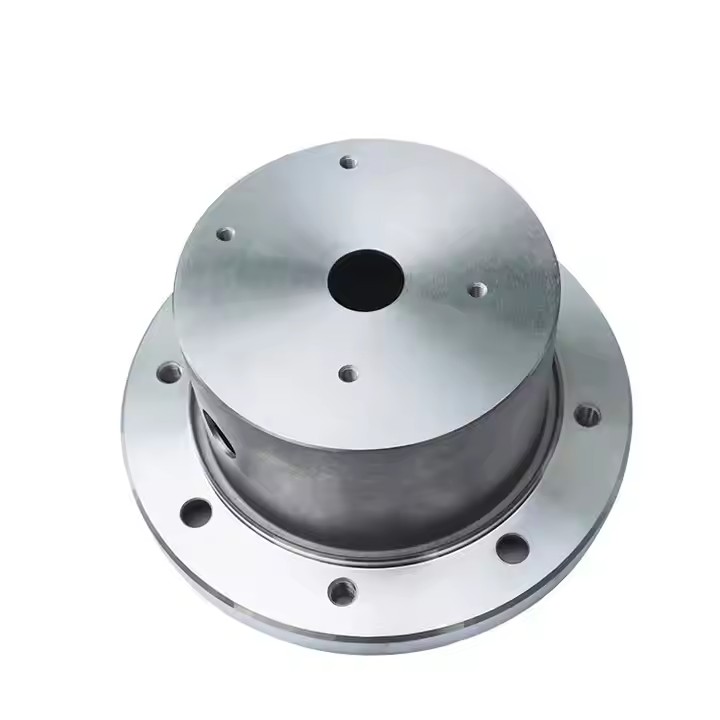
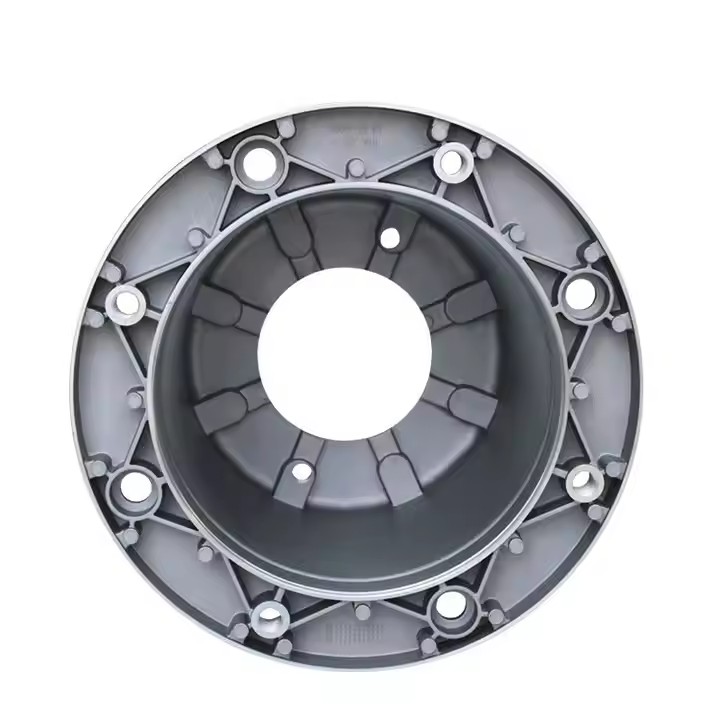
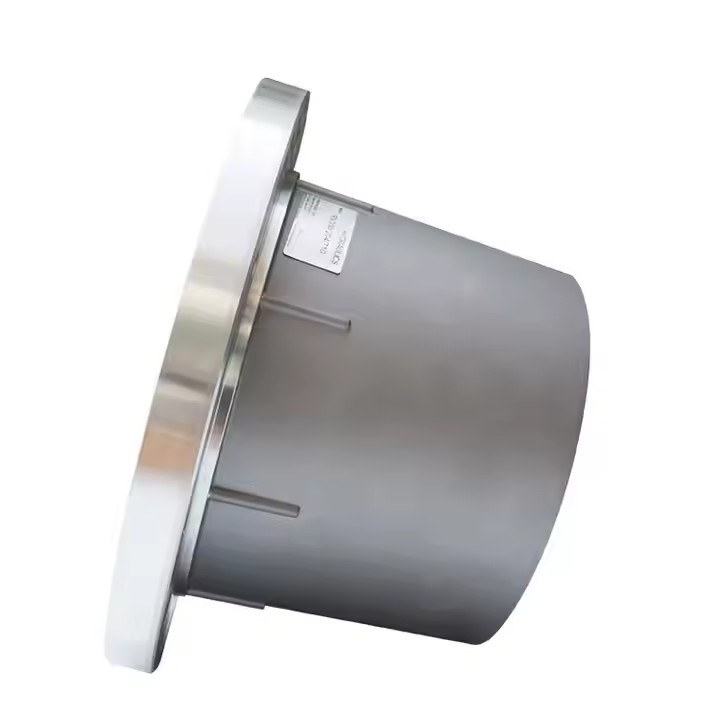
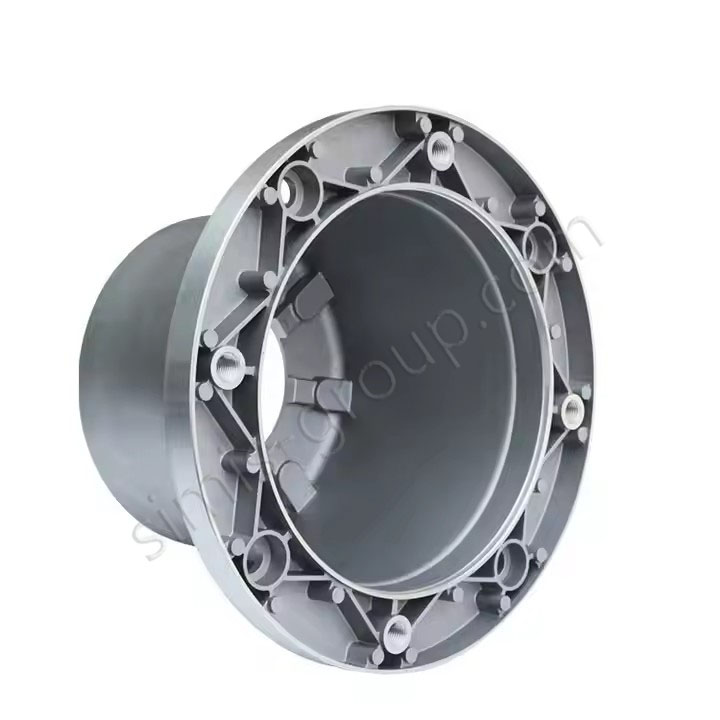
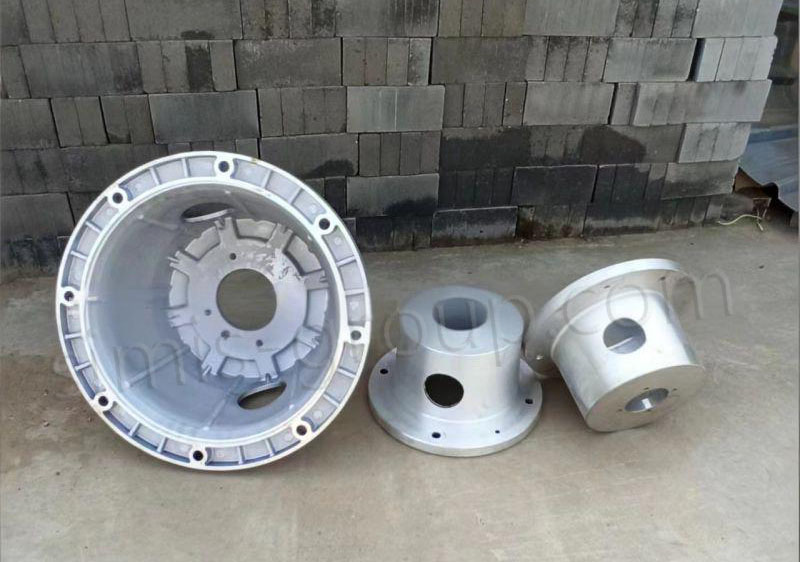
Hydraulic Coupling Bell Housing

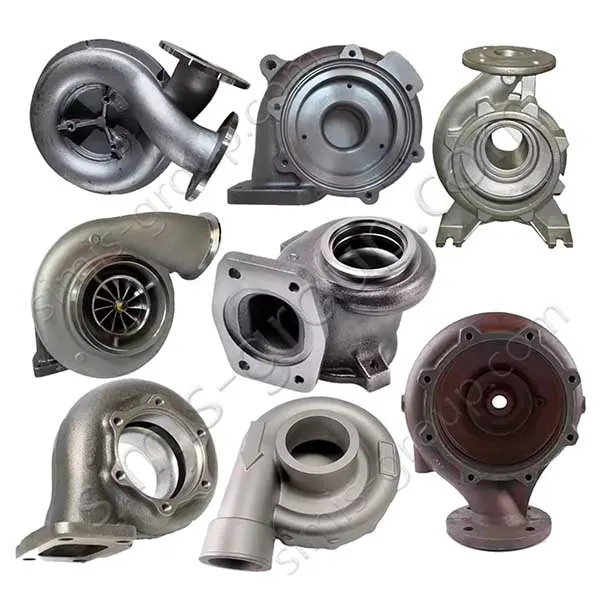
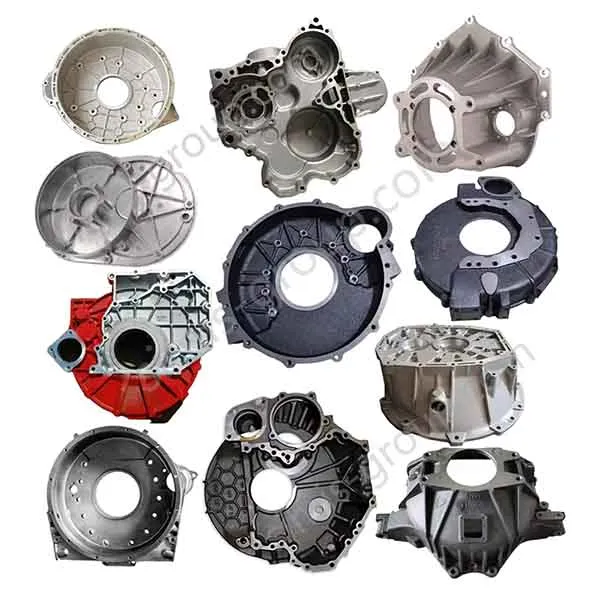
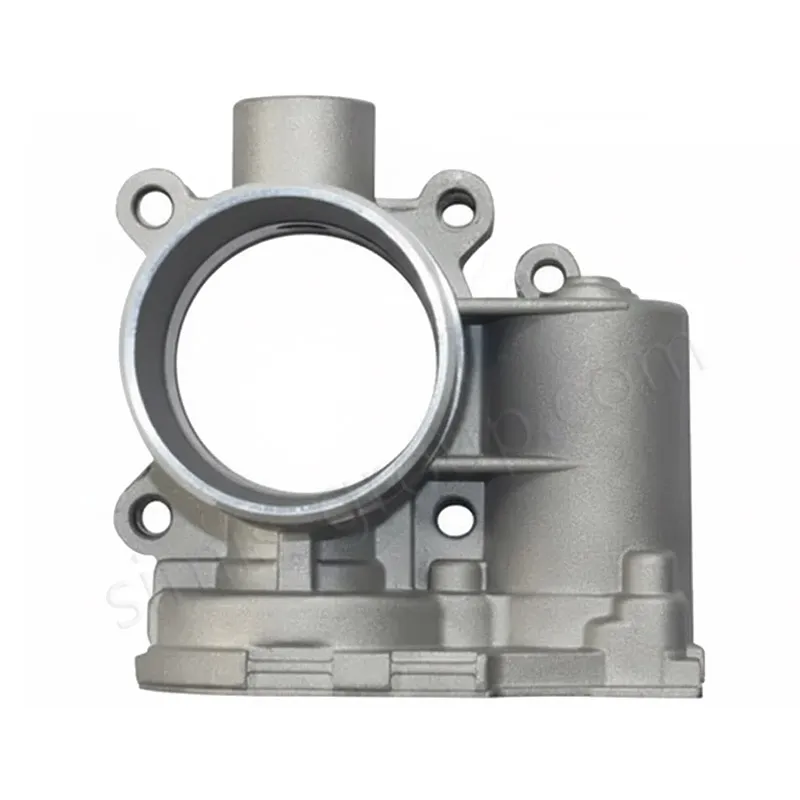
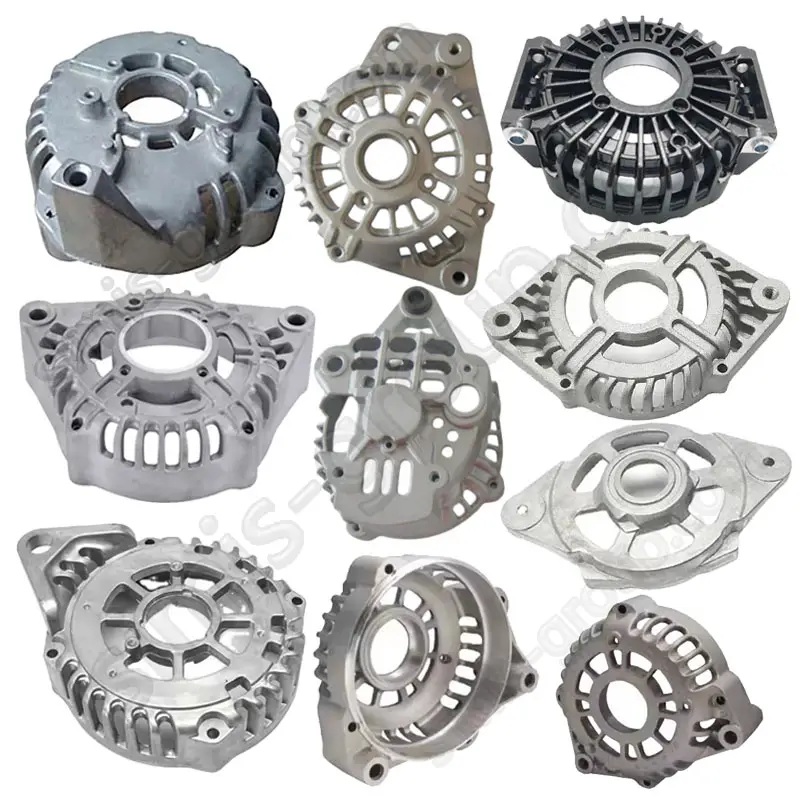
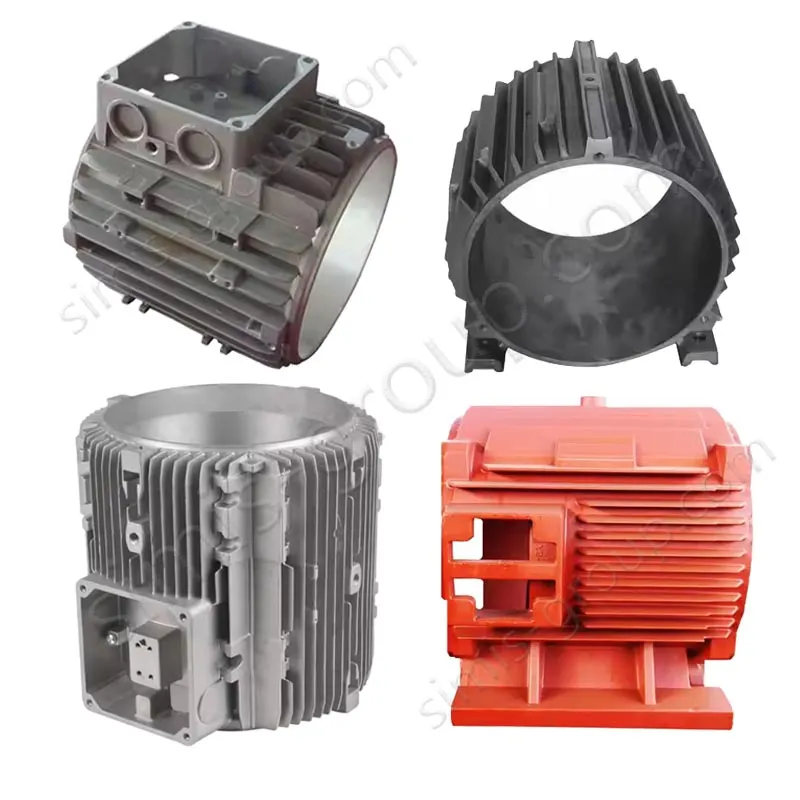
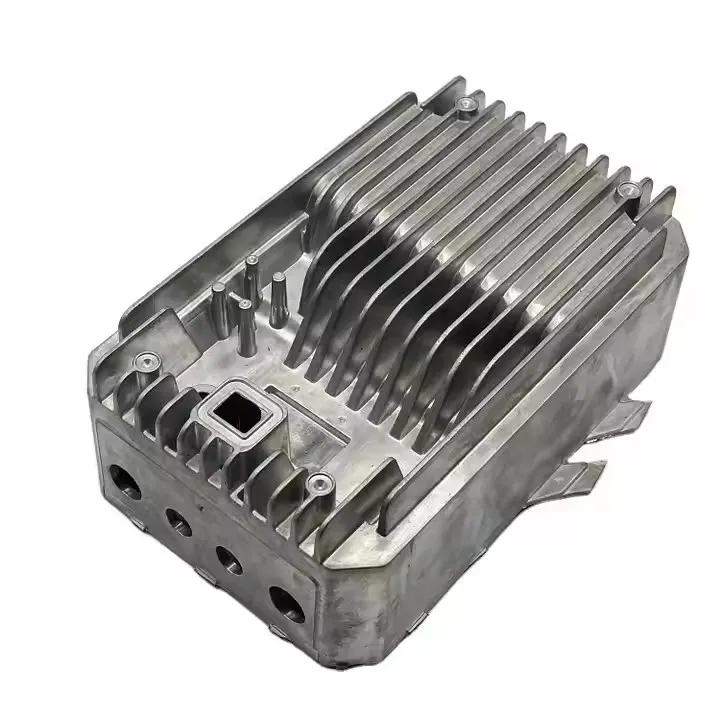
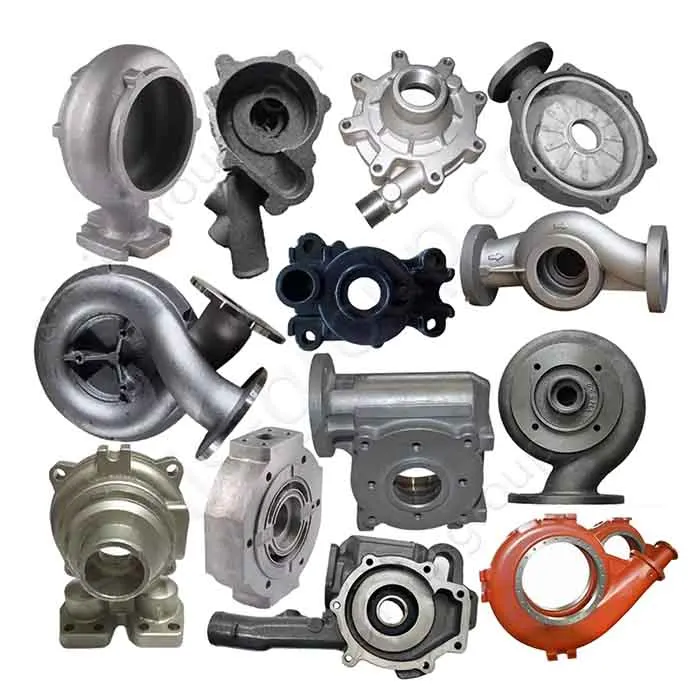
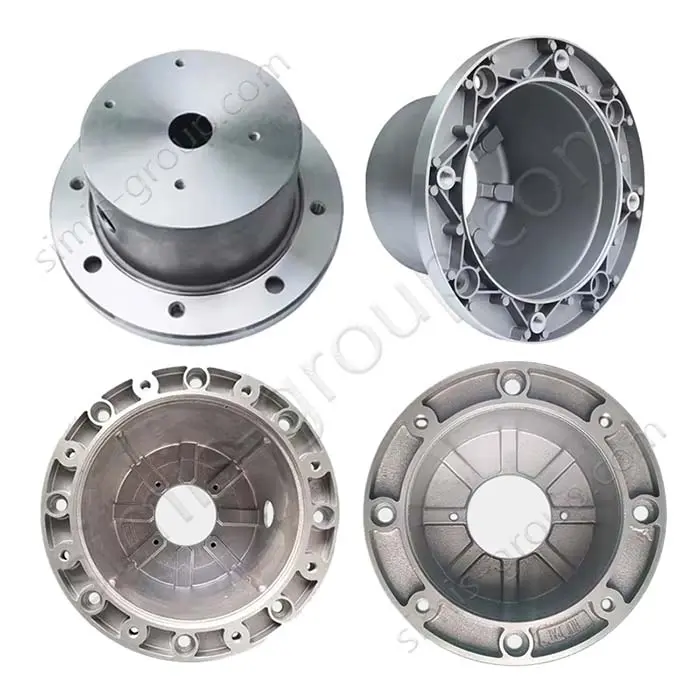
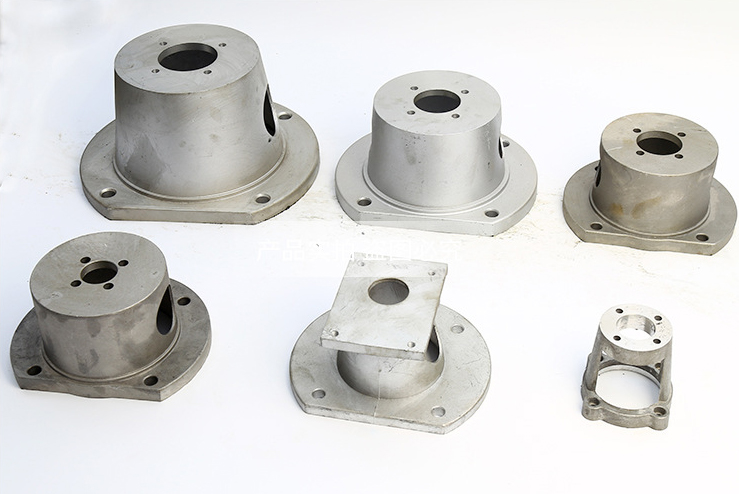
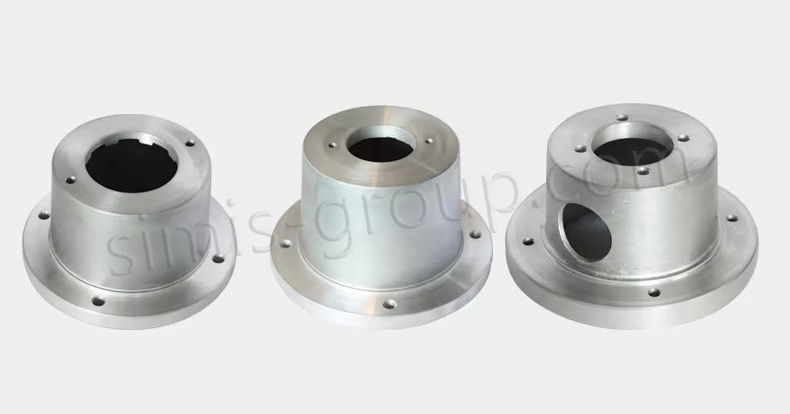
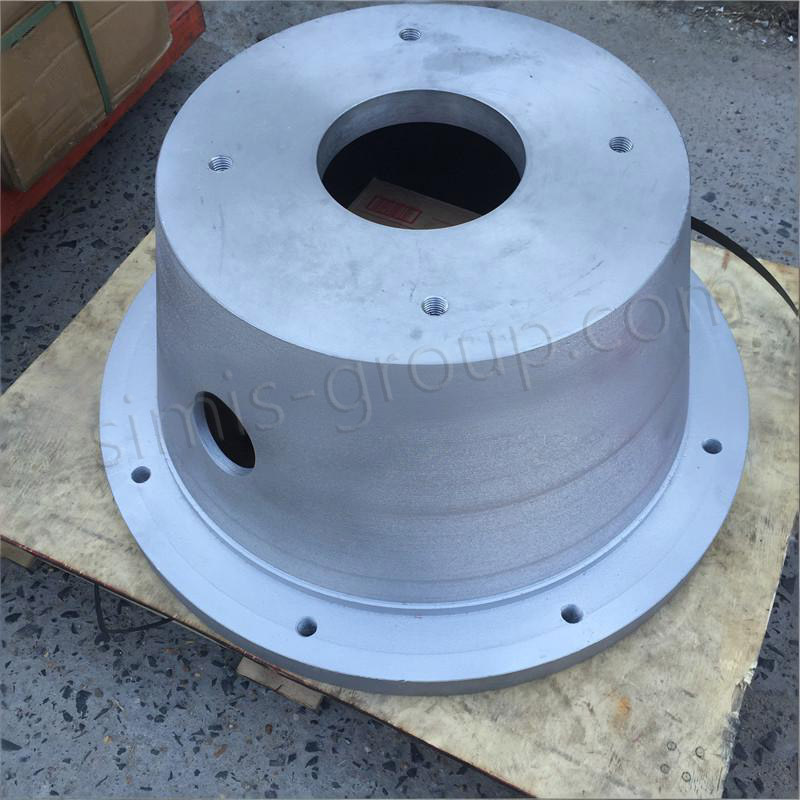
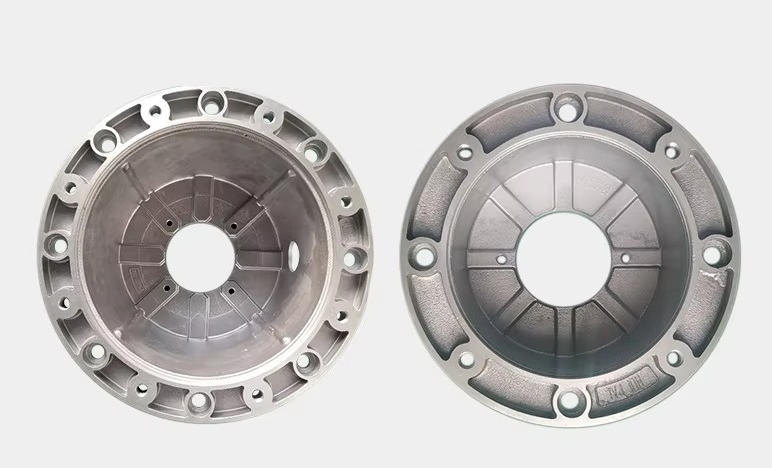
China Simis Company specializes in the custom manufacturing of Hydraulic Coupling Bell Housings. This component is the structural link and protective casing that connects the electric motor to the hydraulic pump in a hydraulic power unit (HPU). The Bell Housing is critical to the longevity and performance of the entire system.
The primary function demands extreme dimensional precision to maintain the coaxial alignment (concentricity and parallelism) between the motor and pump shafts, preventing destructive vibration and premature seal/bearing failure. Furthermore, it must offer high structural rigidity and vibration damping across continuous operation. We utilize precision Sand Casting, Die Casting across Cast Iron, Steel, and Aluminum Alloy to ensure tight tolerances and optimal material properties for heavy machinery, marine, and industrial hydraulic systems.
What Are the Manufacturing Processes for Hydraulic Coupling Bell Housings?
Manufacturing focuses almost entirely on achieving the required thickness and rigidity of the housing walls, followed by micron-level machining of the interface flanges to guarantee alignment, which is essential for preventing vibration-induced component failure.
| Manufacturing Process | Material Focus | Key Advantage for Bell Housings | Specific Process Detail |
| Sand Casting / Shell Mold Casting | Cast Iron, Carbon Steel, Alloy Steel. | Structural Rigidity and Vibration Damping. Ideal for producing the thick-walled structure necessary to absorb operational torque and damp vibration between the motor and pump. | Primary method for heavy-duty industrial and engineering machinery housings. |
| Die Casting | Aluminum Alloy. | Lightweight and High Precision for Volume. Used for high-volume, portable, or mobile hydraulic units where weight reduction is critical while maintaining necessary alignment accuracy. | Excellent for complex cooling fin structures often incorporated into the housing. |
| Investment Casting (Lost-Wax) | Stainless Steel, Alloy Steel. | Superior Integrity and Corrosion Resistance. Used for smaller, high-pressure, or marine applications requiring maximum density and resistance to corrosive environments. | Used for housings exposed to harsh conditions. |
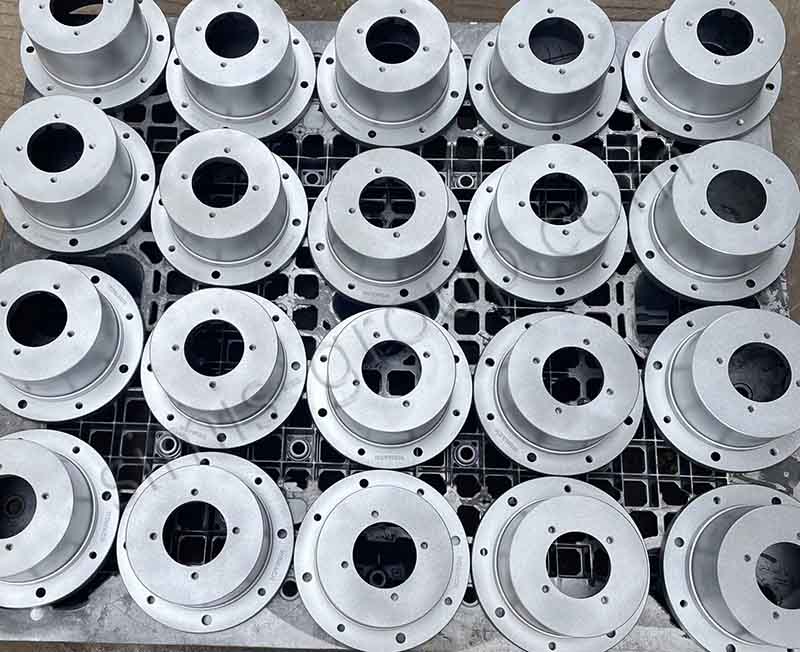
| Precision CNC Machining | All Materials. | Achieving Critical Tolerance (Concentricity/Flatness). Mandatory for the motor and pump mounting flanges to ensure near-zero runout and parallelism, which is vital for preventing vibration. | Final step determining the functional quality of the housing. |
What Materials Are Used for Hydraulic Coupling Bell Housings?
Material selection is balanced based on the operating environment, required strength, and the importance of vibration damping, ensuring each housing is optimized for its specific application scenario.
| Material Type | Primary Performance Focus | Typical Bell Housing Application |
| Cast Iron (Gray Iron/Ductile Iron) | Excellent Vibration Damping and Rigidity. | Standard industrial HPUs and static machinery where damping noise and minimizing transmitted vibration are key priorities. |
| Aluminum Alloy | Lightweight and Good Heat Dissipation. | Mobile, portable, and agricultural equipment where weight reduction and moderate strength are required. |
| Carbon Steel/Alloy Steel | Maximum Structural Strength and Pressure Resistance. | Heavy engineering machinery and marine hydraulics where the housing may experience higher external stress or pressure fluctuations. |
| Stainless Steel | Corrosion Resistance. | Marine or Food/Pharmaceutical processing where wash-down or corrosive ambient air is a factor. |
What Quality Assurance Measures Are Implemented for Hydraulic Coupling Bell Housings?
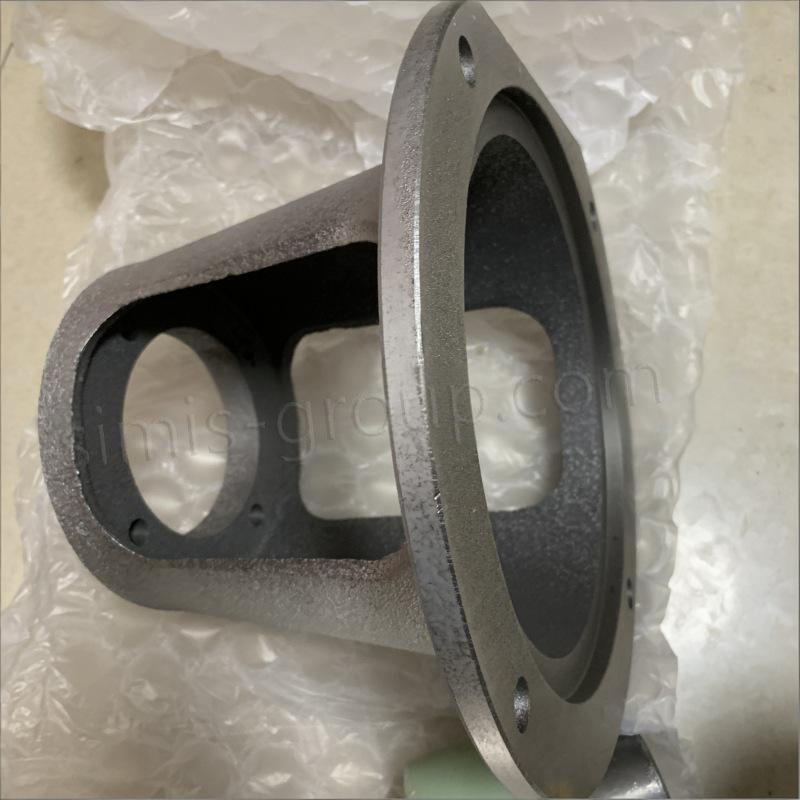
QA protocols are extremely strict regarding dimensional accuracy, as failure here directly leads to catastrophic bearing and seal failure in the coupled components, with a focus on alignment and vibration control.
·Dimensional Inspection:
CMM Verification of the bore concentricity, flange parallelism, and runout is mandatory. Tolerances are measured in microns to ensure the motor and pump shafts are perfectly coaxial.
·Surface Finish:
Verification of the Ra value on the critical flange faces to ensure proper sealing and uniform surface contact.
·Non-Destructive Testing (NDT):
Magnetic Particle Inspection (MPI) is used on cast steel/iron to ensure the housing walls are free from internal flaws that could compromise rigidity under load.
What Are the Application Areas of Hydraulic Coupling Bell Housings?
Our custom-manufactured bell housings are essential for reliable, high-performance power transfer in hydraulic applications, supporting critical operations across multiple industrial sectors.
| Application Sector | Typical Equipment Focus | Primary Challenge | Recommended Material Focus |
| Engineering Machinery | Excavators, Loaders, Cranes (Mobile Hydraulics). | Shock Load, Vibration, High-Stress Environment. | Cast Iron (Rigidity) or Alloy Steel. |
| Industrial Hydraulic Systems | Static HPUs, Presses, Injection Molding. | Continuous Operation, Vibration Damping, Noise Reduction. | Sand Cast Gray/Ductile Iron. |
| Marine Equipment | Deck Cranes, Winches, Steering Gear. | Corrosion Resistance, High Load Capacity. | Investment Cast Stainless Steel or Coated Carbon Steel. |
| Agricultural Equipment | Tractors, Harvesters. | Cost-Efficiency, Weight Sensitivity, Durability. | Die Cast Aluminum Alloy. |
What Are the Advantages of Simis Custom Hydraulic Coupling Bell Housing Manufacturing?
Simis provides high-precision bell housings through a custom approach that guarantees alignment and longevity for the entire hydraulic system, with tailored solutions for diverse application needs.
·Micron-Level Alignment Guarantee:
We invest heavily in post-casting CNC machining and CMM inspection to guarantee the required SAE or NEMA interface alignment specifications (e.g., maximum runout and parallelism), dramatically extending pump and motor life.
·Optimized Damping/Weight Ratio:
We customize the material and wall thickness (Cast Iron vs. Aluminum) to optimize the balance between vibration damping capacity and overall weight, based on the client's application (static HPU vs. mobile machinery).
·Integrated Reservoir Features:
Custom casting allows us to incorporate complex features directly into the housing body, such as internal baffling, cooling channels, or specific mounting points, reducing assembly complexity and cost.
·Resistance to Fatigue and Flex:
We utilize materials with high structural stiffness, ensuring the bell housing maintains its precision alignment even under the maximum operating torque and external loads of the machine.
How to Get a Quote for Custom Hydraulic Coupling Bell Housings?
China Simis Company is your expert partner for custom casting and machining high-precision Hydraulic Coupling Bell Housings, providing solutions engineered for guaranteed shaft alignment, optimal vibration damping, and long hydraulic system service life. To obtain a detailed, customized quotation for your project, please submit the following technical documents and specifications to our professional engineering department: 2D technical drawings or 3D CAD models, specified material grade (e.g., Cast Iron G25), critical SAE/NEMA mounting interface standards, required alignment tolerances (concentricity/runout), expected annual production volume, and application environment details (e.g., marine, agricultural, industrial). Our team will conduct a comprehensive technical evaluation and deliver a quotation package including unit pricing, production lead times, quality control protocols, and delivery terms that align with your project requirements.