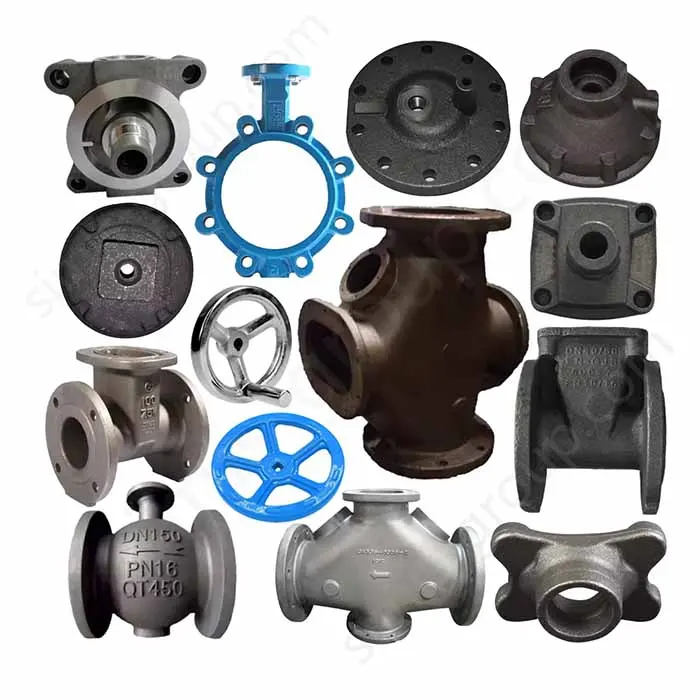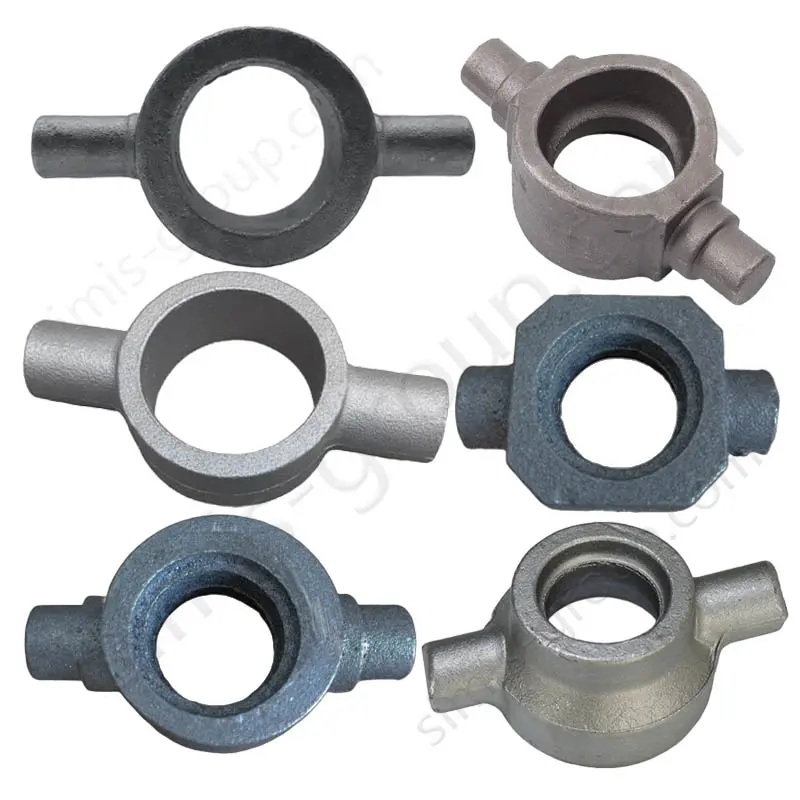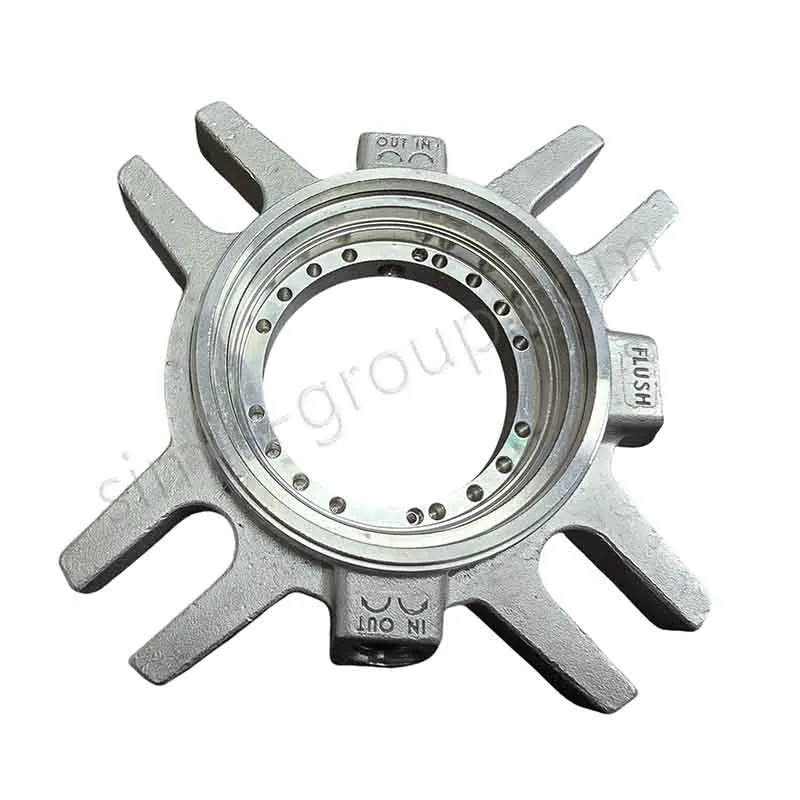
Custom Hydrocyclone Housing Manufacturer
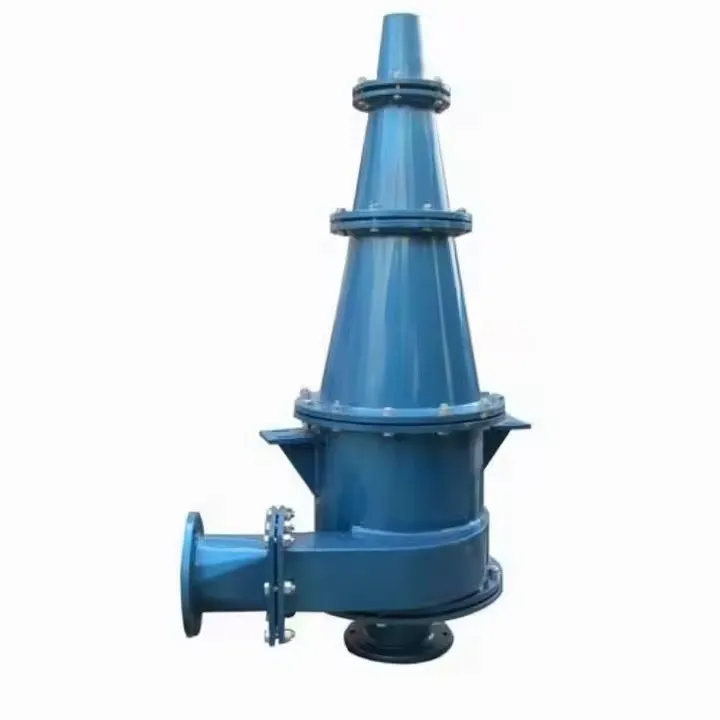


Hydrocyclone Housing

Custom Hydrocyclone Housing Manufacturing FAQs
1. Can SIMIS cast hydrocyclone housings from customer drawings?
Yes. SIMIS supports made-to-drawing OEM metal components for hydrocyclones, including feed heads, cylindrical housings, cone sections, flanges and selected wear-resistant cast components. We review 2D manufacturing drawings or 3D CAD models, the required material, component dimensions, production quantity and critical assembly interfaces before proposing a casting and machining route. A hydrocyclone housing is engineered for a particular assembly; it should not be treated as a universal off-the-shelf replacement.
2. Which material is suitable for a wear-resistant hydrocyclone housing?
That depends on whether the part is the structural outer shell, a metal wear liner or a component exposed directly to abrasive slurry. High-chromium white cast iron can be considered for certain abrasive-contact cast parts. Alloy cast steel may suit designs where strength and toughness are important, while ductile iron can be evaluated for supporting structural sections with suitable protection against wear. Particle size, solids concentration, impact, corrosion and the liner arrangement must all be reviewed; no single alloy is best for every hydrocyclone.
3. Is sand casting or shell mold casting better for a custom hydrocyclone body?
Sand casting is often a practical option for large or thick-walled housings and cone segments, including designs with internal cores. Shell mold casting may suit smaller cast parts with repeatable geometry when their size, alloy and section thickness are compatible with the process. Lost foam casting can also be evaluated for selected complex shapes. Process choice follows the actual drawing, tooling needs, casting soundness criteria and expected production volume.
4. Which areas of a hydrocyclone housing need precision machining?
Common critical features include tangential feed inlet connections, section-joint flanges, gasket seats, fastener patterns, concentric locating diameters and seats for replaceable liners. Their tolerances, datums and surface finishes should be specified on the approved drawing. Not every internal cast surface requires CNC machining, and machined flange accuracy alone does not establish the performance of the assembled separation system.
5. What information is needed for an OEM hydrocyclone housing quotation?
Please provide 2D/3D drawings, approximate dimensions and weight, material grade or service conditions, feed pressure requirements where applicable, slurry composition and solids loading, liner design, flange and inlet/outlet connection details, critical tolerances, order quantity and any inspection or documentation requirements. If you have a worn sample rather than full drawings, provide its key dimensions and the machine interface information for feasibility review.
OEM Hydrocyclone Housing Castings for Abrasive Slurry Systems
A hydrocyclone separates or classifies solids carried in liquid by establishing a swirling flow within an inlet head, cylindrical section and tapered cone. The feed enters through a designed inlet; material leaves through the overflow at the upper end and the underflow or apex at the lower end. In a complete system, operating pressure, geometry, slurry properties and downstream conditions collectively influence separation results.
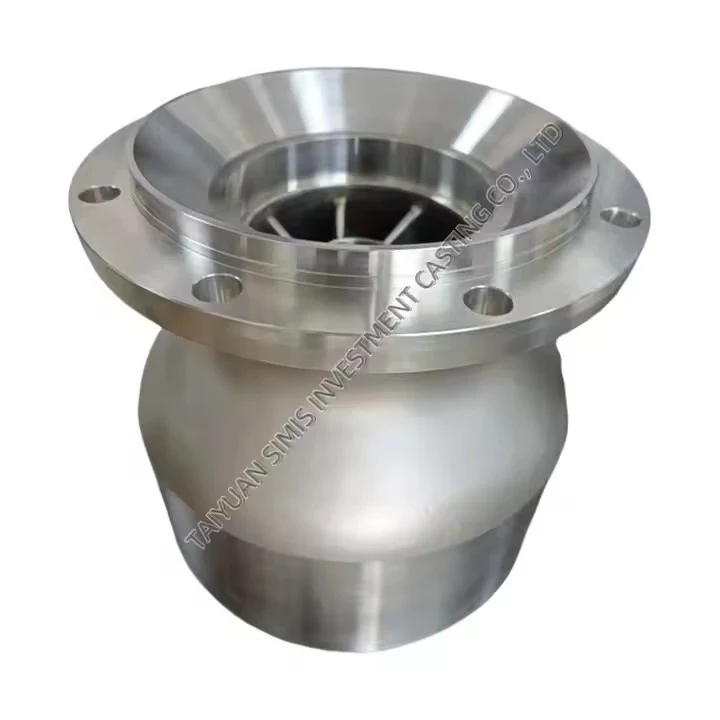
SIMIS focuses on manufacturing the metal housing and related components to customer drawings. These can include a cast feed chamber, conical shell, structural connector, flange, wear-resistant insert or machined liner-mounting feature. A component may be a directly exposed wear casting or a structural shell protecting a separate rubber, polyurethane or ceramic liner. The engineering distinction matters because the two designs can have very different material and manufacturing priorities.
For connected slurry equipment, buyers may also review our custom pump housing manufacturing and custom impeller manufacturing pages, which address different metal components within pumping and fluid-handling systems.

Critical Hydrocyclone Housing Features for Drawing-Based Manufacturing
The dimensions that matter most are normally the features that locate adjoining sections, control liner fit or establish the designed flow path. A drawing review should distinguish casting geometry from finished-machine dimensions, particularly where molded surfaces and machined interfaces meet.
| Housing feature | Why it matters for OEM manufacturing | Information to define on drawings |
|---|---|---|
| Tangential feed inlet / inlet head | Controls the mechanical connection and the position of the feed entry into the assembled cyclone. | Inlet section geometry, orientation, flange or nozzle interface and relevant datum references. |
| Cylindrical housing section | Forms a major structural part of the assembly and may support replaceable wear liners. | Bore or cavity profile, section length, wall thickness, joint details and liner arrangement. |
| Conical housing / cone segment | Requires controlled taper and section alignment so adjoining parts and liners fit together. | Cone angle, segment lengths, mating diameters and manufacturing allowances. |
| Overflow / vortex finder interface | Locates the upper outlet components and seals in the intended assembly position. | Concentric locating diameter, flange geometry, mounting holes and seal lands. |
| Underflow / apex interface | Connects a replaceable or fixed apex component and is often subject to localized wear. | Apex-seat geometry, bolt pattern or retention details and assembly clearances. |
| Flange and liner seats | Affects assembly fit, sealing interfaces and the ability to replace worn components. | Flatness, hole position, bolt clearance, liner retention and specified gasket surfaces. |
Where equipment uses replaceable liners, the housing drawing should specify any liner compression, insert clearances or retaining features rather than assuming a standard fit. Inlet and outlet connections should also be checked against the customer's existing piping and hydrocyclone assembly before tooling is approved.
Casting and Machining Routes for Hydrocyclone Metal Parts
Sand Casting for Main Housings and Cone Sections
Sand casting is often a suitable starting point for large iron or steel housing segments, particularly when substantial wall sections, flanges or internal cavities are present. Core design, section transitions, feeding and solidification planning influence casting quality. Depending on the component, pattern allowances and machining stock must be established before tooling production so the finished interfaces can be reached without excessive material removal.
Shell Mold and Other Casting Options for Selected Parts
Shell mold casting can be considered for appropriately sized components where repeatable features and surface finish are important. Lost foam casting may suit selected complex cast shapes, but process feasibility depends on alloy, section thickness, dimensional requirements and internal quality criteria. Not every hydrocyclone section is appropriate for each process, and a high-wear alloy is not automatically easier to cast simply because a near-net-shape method is used.
CNC Machining for Housing Interfaces and Liner Installation
After casting, CNC machining may be used for flange facing, boring, drilling, tapping and machining specified inlet or outlet interfaces. For multi-piece housings, a consistent datum strategy helps control relationships between upper and lower sections. The achievable tolerances and inspection method should be agreed for each drawing; unsupported claims of perfect concentricity, sealing or assembly performance are not appropriate.
Machining a hard abrasion-resistant casting may require a different operation sequence and tooling approach than machining a ductile-iron outer housing. Where possible, identify required machined features early so that material condition, casting allowances and fixture access can be considered together.
Materials: Wear Resistance, Structural Strength and Liner Compatibility
Hydrocyclone housings are exposed to different combinations of particle abrasion, pressure, corrosion and localized impact. The correct metal is determined by the role of the component, not by the product name alone. SIMIS can evaluate metal casting options against the drawing and purchase specification.
| Material option | Potential application | Important engineering consideration |
|---|---|---|
| High-chromium white cast iron | Selected wear-exposed cast components or hard metal liner sections. | Prioritize abrasive-wear requirements while evaluating brittleness, local impact, section thickness and manufacturing feasibility. |
| Wear-resistant alloy cast steel | Housing or wear components where the drawing requires a particular strength/toughness balance. | Confirm specified alloy, mechanical properties and the real loading and wear conditions. |
| Ductile iron | Outer housings, flanges or structural sections designed with replaceable liners. | Structural performance and machinability do not eliminate the need to protect surfaces exposed to aggressive abrasion. |
| Specified stainless cast steel | Special components where slurry chemistry and corrosion demand an appropriate corrosion-resistant alloy. | Check chloride exposure, abrasion-corrosion interaction and the exact grade specification. |
For abrasion-resistant white cast iron, an OEM specification may reference ASTM A532/A532M. It is important to identify the required class and type, along with agreed chemical, hardness and any other acceptance requirements, rather than assuming every “high-chrome” iron has the same properties. For other ferrous materials, see our iron casting capabilities and steel casting capabilities.
Replaceable linings: Elastomer and ceramic liners may be part of the customer's complete equipment design, even when the supplied OEM component is only the metal outer shell. Liner materials, thickness, fixing method and compatibility must therefore be defined at the assembly level. A hard metal casting, a rubber-lined shell and a ceramic-lined shell are not interchangeable solutions without engineering review.

Inspection Planning for Custom Hydrocyclone Housing Castings
Inspection should address the actual service risks and drawings. Different hydrocyclone parts may be primarily structural, abrasion-resistant or pressure-containing, and the requested testing scope will differ accordingly. The following checks can be specified and discussed during quotation:
Material verification: agreed alloy composition and any specified hardness or mechanical-property records for the selected cast grade.
Casting condition: visual examination and agreed checks for surface or internal discontinuities where required.
Dimensional verification: section-joint diameter, flange position, bolt-hole pattern, cone angle, liner-seat dimensions and key datum relationships.
Wear-alloy assessment: the hardness and any microstructural criteria stated in the procurement specification; hardness alone does not establish wear life.
Pressure-related testing: component-level leak or pressure tests only where applicable, with the test method, limits and acceptance criteria agreed in advance.
Assembly documentation: inspection reports and traceability records to the level required by the OEM.
A casting inspection report does not prove the separation efficiency, cut size, capacity or lifetime of a complete hydrocyclone. Those outcomes depend on the overall equipment design, liner condition and operating parameters and must be evaluated by the responsible equipment designer or OEM.
Applications in Mining, Aggregates and Industrial Slurry Processing
Custom hydrocyclone metal housings can be specified for mineral classification, fine-sand recovery, tailings or slurry processing, and selected industrial separation duties. What changes from one project to another is the balance of abrasion, corrosion, pressure, flow geometry and the ability to replace worn parts without disturbing the entire installation.
Mining and mineral processing: evaluate feed particle abrasiveness, solids loading, inlet wear and replacement-liner arrangement.
Aggregate and sand washing: review cone-section wear, apex access, flange interfaces and abrasive sand exposure.
Coal, ash and industrial slurry duties: clarify fluid chemistry, pressure requirements and any local high-velocity wear areas.
Water treatment and industrial classification: define system geometry and the difference between corrosion protection and abrasive wear resistance.
Other related wear components manufactured for mining systems are introduced on our custom chocky wear bars and blocks page. You can also browse the wider OEM mining metal parts category for additional drawings-based components.

How to Request a Custom Hydrocyclone Housing Quotation
SIMIS works with OEM and industrial buyers who need housing castings or machined metal parts manufactured for their own equipment designs. To evaluate a project efficiently, please provide the following information when available:
Drawings: 2D dimensioned drawings and 3D models of the feed head, cylindrical shell, cone or other required part.
Assembly interfaces: feed inlet geometry, flange details, vortex-finder interface, apex connection and liner-seat information.
Material specification: approved alloy grade, alternative-material rules and expected wear/corrosion exposure.
Operating context: feed pressure, slurry solids, particle size distribution and abrasive or chemical conditions relevant to material selection.
Acceptance requirements: machining tolerances, inspection reports and any agreed pressure or material tests.
Commercial requirements: prototype or sample requirements, order quantity, annual demand and destination.
Our manufacturing review can help establish a proposed casting route, tooling requirements, machine-finished features and inspection scope before quotation. For a drawing-based inquiry, contact SIMIS or email info@simis-group.com with your hydrocyclone housing drawings and specifications.