Custom Turbine Blade Manufacturer
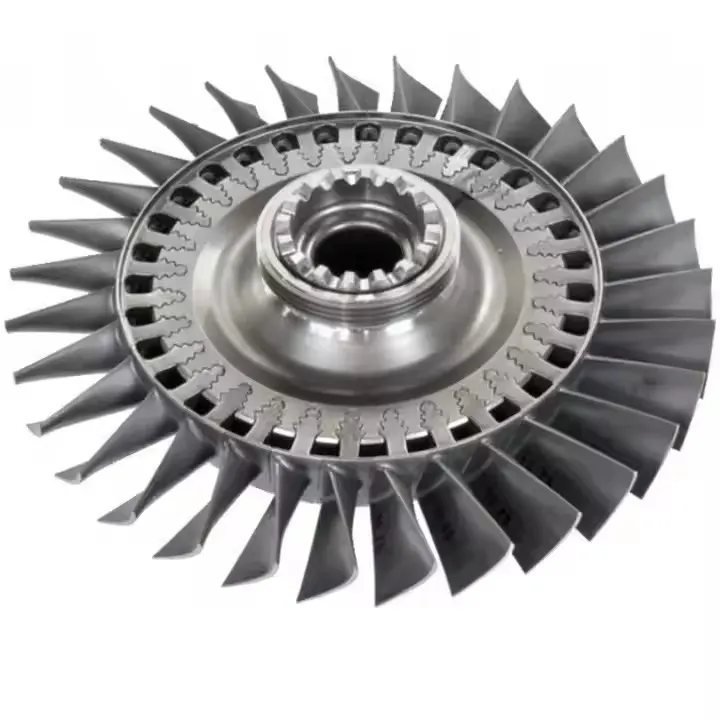
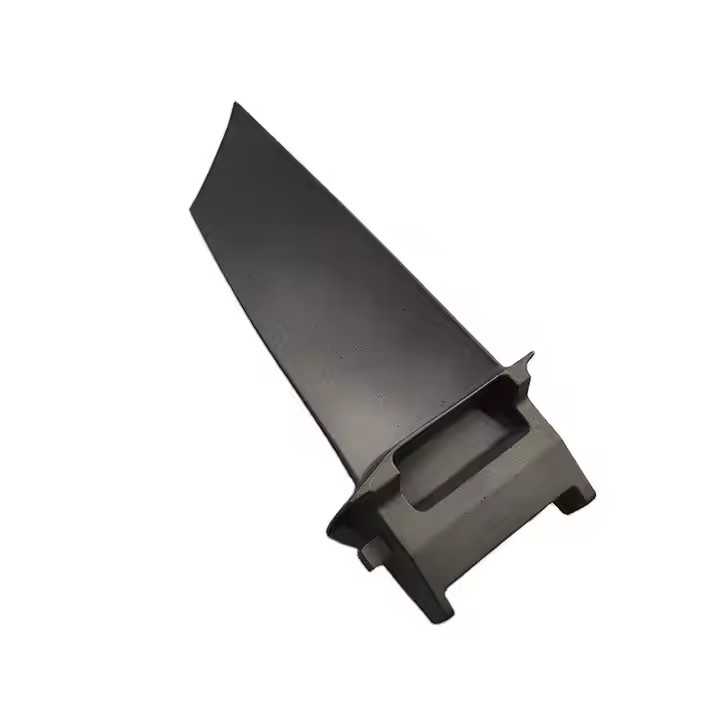
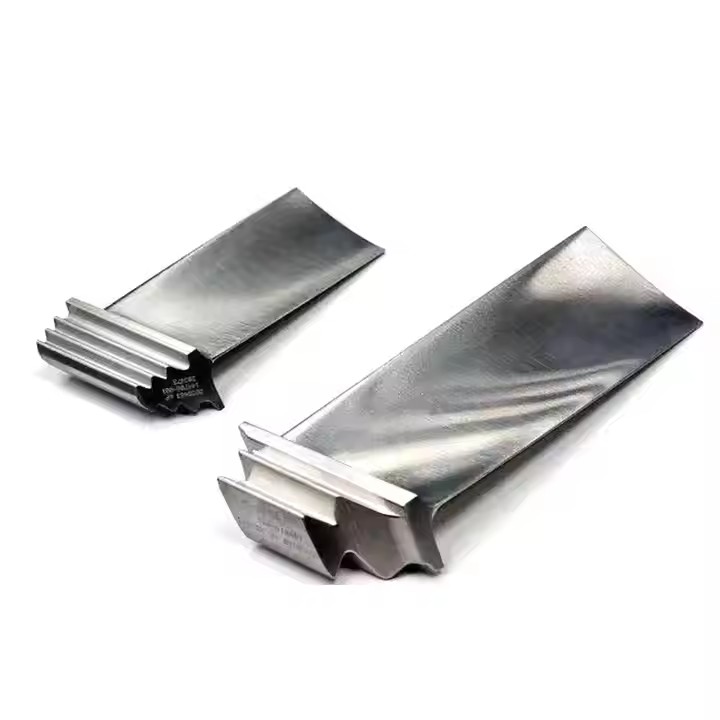
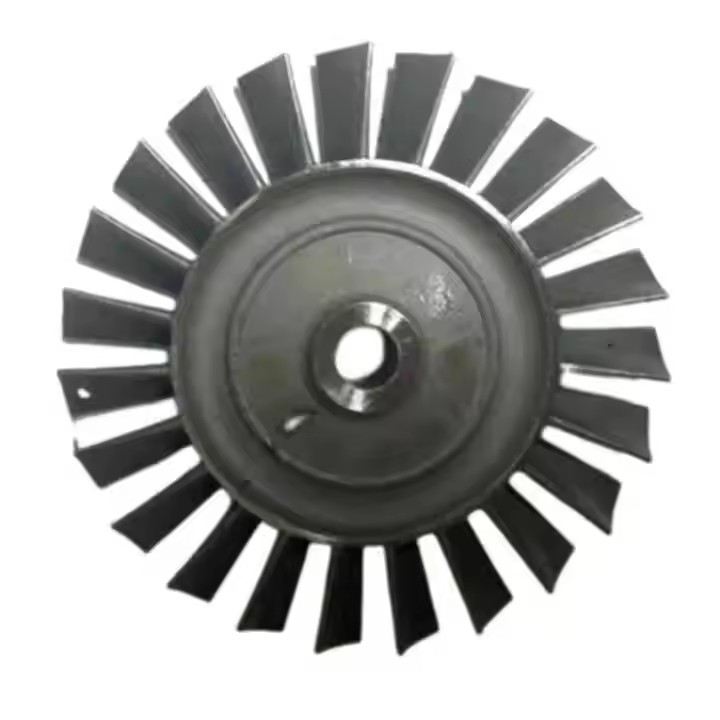
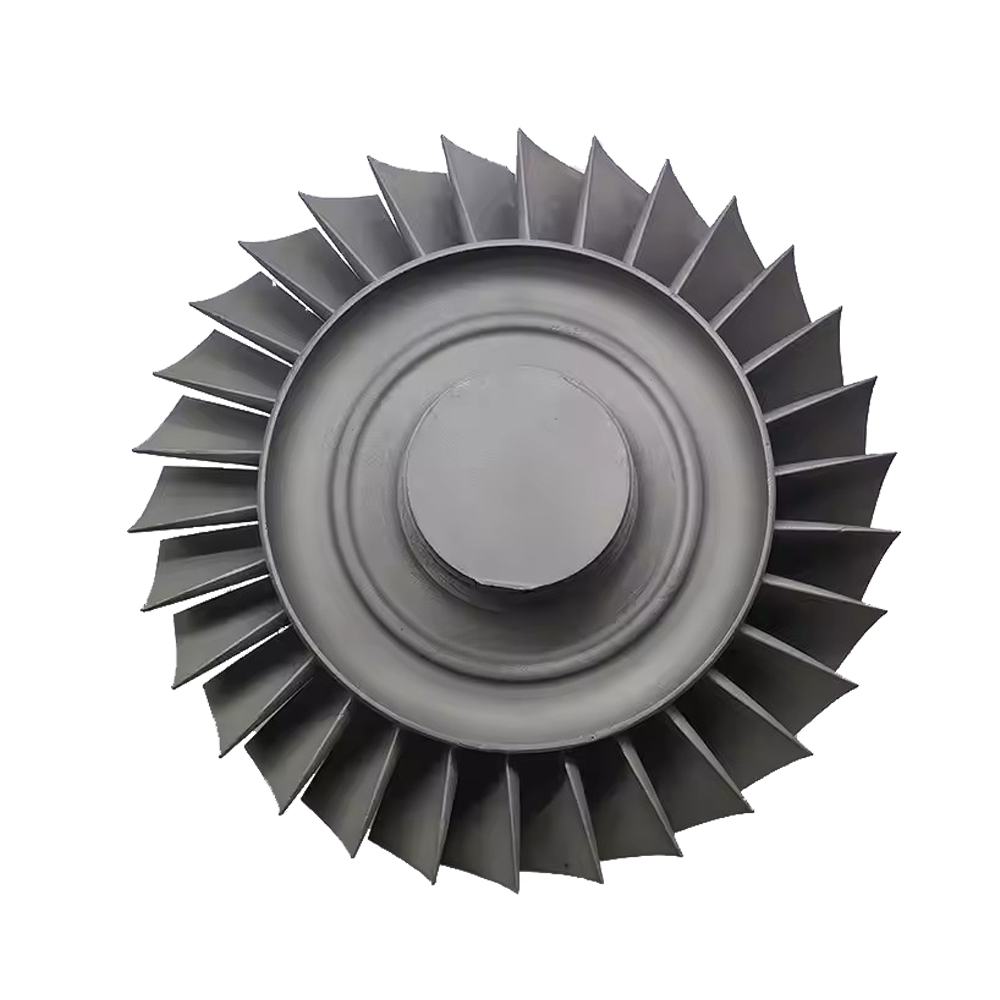
Turbine Blade

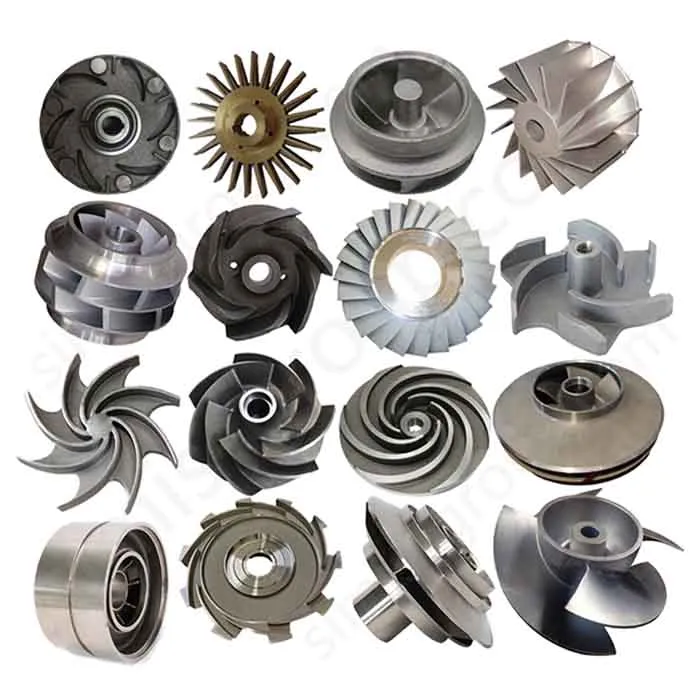
Simis Company is a specialized OEM custom manufacturer of high-performance Steam Turbine Blades (Rotor and Stator Vanes). These components are critical to converting the thermal energy of high-pressure, high-temperature steam into mechanical work. They endure one of the most severe operating environments in engineering: extreme centrifugal forces at high RPMs, immense thermal stress, high-cycle fatigue, and corrosive steam erosion.
We utilize precision investment casting (for complex cooling passages) and high-strength forging (for maximum integrity) to produce blades from Nickel-Based Alloys, Stainless Steel, Titanium Alloys, and Cr-Mo-V Alloys, ensuring maximum aerodynamic efficiency, creep resistance, and safety for power generation and aerospace applications.
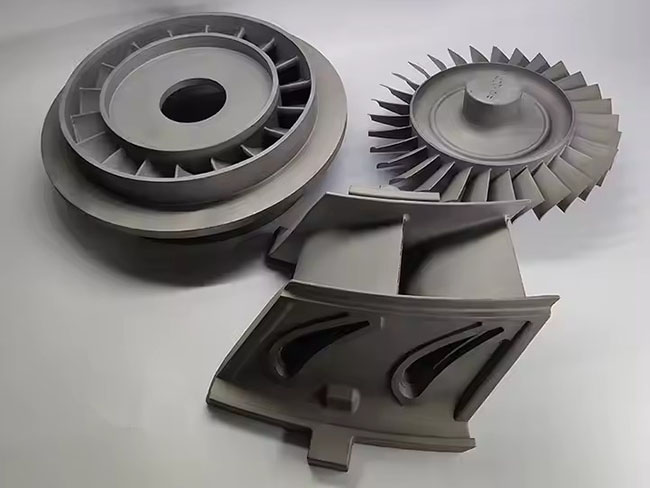
What Manufacturing Processes Are Used for Turbine Blades?
The manufacturing process must deliver the necessary metallurgical structure to resist high-temperature deformation (creep) and high-cycle stress. We mainly adopt Precision Investment Casting, Closed Die Forging and Precision CNC Machining for turbine blade production.
| Manufacturing Process | Applicable Material Range | Application Focus for Turbine Blades | Core Advantage |
| Precision Investment Casting | Superalloys (Nickel/Cobalt Base), Stainless Steel | Primary and essential method for complex, high-pressure, and high-temperature stage Turbine Blades with internal cooling. | Enables fine grain size, complex internal structures, and advanced solidification techniques (DS/SC). |
| Closed Die Forging | Stainless Steel, Alloy Steel | Lower-temperature stage Turbine Blades (e.g., steam turbines or compressor blades) where temperature is not the primary limiting factor. | Provides excellent structural integrity, fracture toughness, and fatigue life for moderate-temperature applications. |
| Precision CNC Machining | All Alloys | Mandatory finishing for the complex fir-tree or dovetail root attachments, shroud sealing faces, and precise airfoil tip geometry. | Guarantees the necessary fitment accuracy, preventing movement and subsequent fatigue failure. |
How to Select Material Types for Turbine Blades?
Blade materials are chosen based on the turbine stage: Nickel-based alloys for the high-temperature (HP) stages, and stainless/titanium alloys for the lower-temperature (LP) stages where longer length and lighter weight are critical. We select Superalloys, Titanium Alloys, Stainless Steel and Alloy Steel according to different turbine stage requirements.
| Material Type | Core Performance Attributes | Primary Application Scenarios for Turbine Blades |
| Superalloys (Ni/Co) | Extreme high-temperature strength, superior creep resistance, oxidation resistance. | High-Pressure (HP) and Intermediate-Pressure (IP) Turbine Blades in gas turbines. |
| Titanium Alloys | Exceptional strength-to-weight ratio; lightweight design minimizes centrifugal stress. | Long Low-Pressure (LP) turbine blades where length and weight are primary constraints. |
Stainless Steel (e.g.. 12Crseries) | Good corrosion resistance, high strength at moderate temperatures. | Lower-temperature stage Turbine Blades in steam turbines and industrial gas turbines. |
Alloy Steel | High strength and good structural integrity; cost-effective alternative. | Low-Pressure (LP) stage Turbine Blades in large steam turbines where operating temperature is low. |
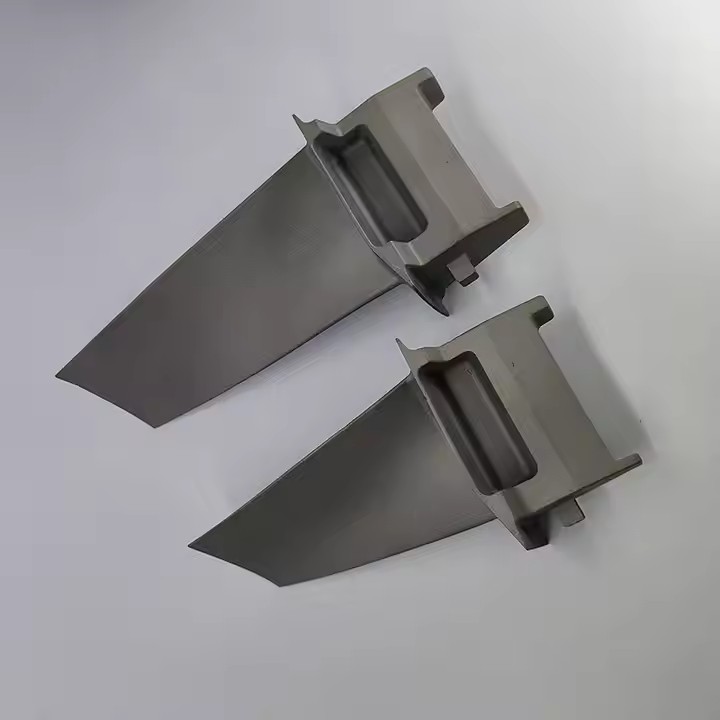
What Precision Aerodynamics and Quality Assurance Measures Are Applied to Turbine Blades?
Blade performance is determined by the precision of its airfoil and root attachment, which govern gas path efficiency and rotor stability. Our core measures include airfoil geometry control, root machining precision, Non-Destructive Testing (NDT) and balancing & integrity management.
·Airfoil Geometry:
Precision casting/forging and finishing ensure the airfoil profile adheres to tight tolerances, maximizing thermodynamic efficiency and minimizing turbulence.
·Root Machining:
Critical CNC machining of the fir-tree or dovetail root ensures a perfect, stress-free fit into the rotor disc, which is vital for load distribution under extreme centrifugal force.
·Non-Destructive Testing (NDT):
Fluorescent Penetrant Inspection (FPI) and Radiographic Testing (RT) are mandatory to detect surface defects and internal porosity, particularly in investment cast superalloys.
·Balancing and Integrity:
Blades are manufactured to strict mass tolerance limits to ensure rotor dynamic balance during high-speed operation.
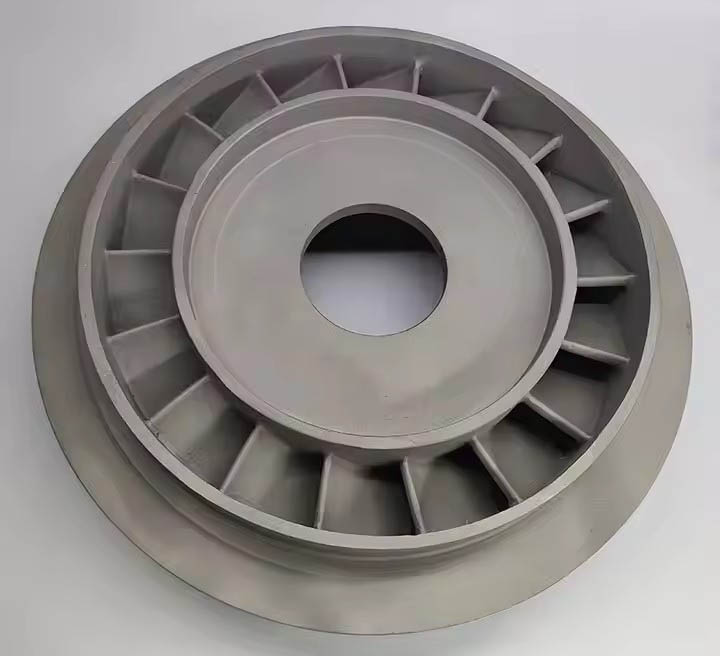
What Are the Key Applications for Simis Custom Turbine Blades?
Our custom-manufactured blades are at the heart of power and propulsion systems worldwide. They are widely applied in aerospace, energy generation, oil & gas and automotive sectors.
| Application Sector | Typical Component | Core Performance Needs | Simis Material/Process Focus |
| Aerospace | High-Pressure Gas Turbine Blades (HP), Nozzle Guide Vanes. | Maximum Thrust/Power Density, Low Weight, Extreme Creep Resistance. | Superalloys (SC/DS Investment Casting). |
| Energy Generation | Industrial Gas Turbine Blades (IGT), Steam Turbine Blades. | Long Service Life, High Reliability, Efficiency, Corrosion Resistance. | Superalloys, Stainless Steel (Investment Casting/Forging). |
| Oil & Gas | Compressor Drive Turbine Blades, Auxiliary Power Units (APU). | Durability, High Torque, Resistance to Contaminants (Hot Corrosion). | Superalloys (Investment Casting). |
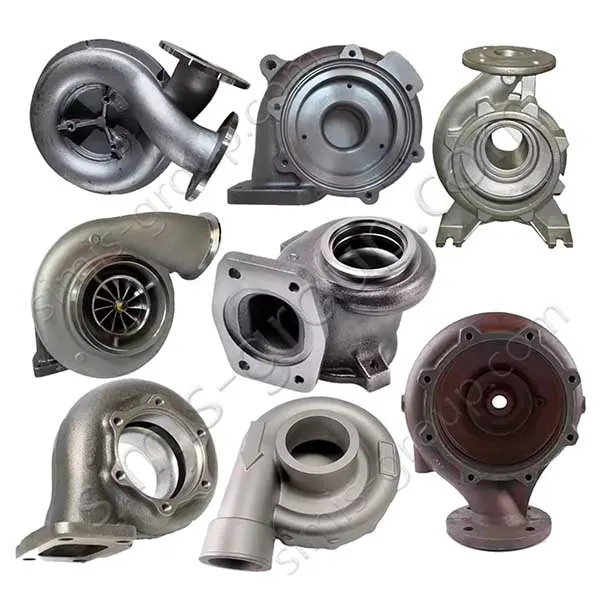
| Automotive | Turbocharger Turbine Wheels (Hot Side). | High Temperature, Low Inertia, High HCF. | Superalloys, Investment Casting. |
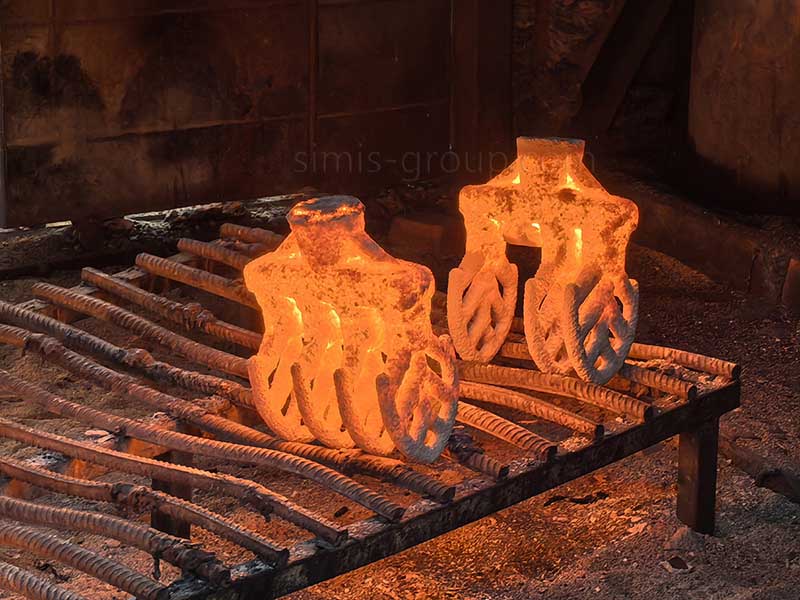
What Are the Advantages of Simis OEM Custom Turbine Blades?
Partnering with Simis for custom turbine blades ensures maximized efficiency, durability, and reliability. Our core advantages include creep and fatigue mastery, aerodynamic precision, component integrity and integrated supply chain service.
·Creep and Fatigue Mastery:
We specialize in the metallurgy and processing required for materials operating near their melting point, ensuring superior resistance to thermal creep and high-cycle fatigue.
·Aerodynamic Precision:
Our investment casting capabilities ensure the complex airfoil geometry and surface finish are achieved, directly impacting the final turbine efficiency.
·Component Integrity:
We enforce rigorous RT and FPI protocols for safety-critical components, guaranteeing the structural soundness and defect-free nature of the blade roots and airfoils.
·Integrated Supply Chain:
We offer a single source responsible for specialized alloy melting, precision forming (casting/forging), complex CNC machining of roots, and all mandatory NDT and quality certification.
How to Get a Quote for Custom Steam Turbine Blades?
China Simis Company is your expert global partner for custom casting or forging Steam Turbine Blades, engineered for superior high-temperature creep resistance, extreme fatigue life, and maximum thermodynamic efficiency.
Please submit your 2D technical drawings, 3D models (showing airfoil profile and root geometry), and specific requirements for material grade, operating temperature (HP/IP/LP stage), and required fatigue life to our engineering department for a consultation and detailed quotation.