Custom Gearbox Housing Manufacturer
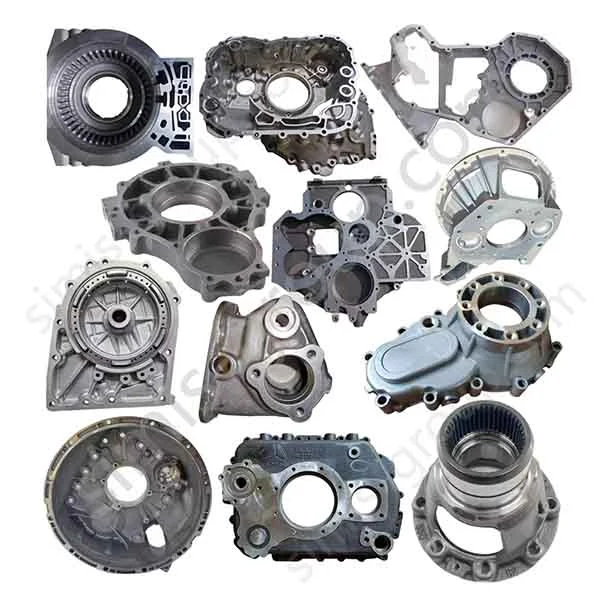


Gearbox Housing

Custom Gearbox Housing Manufacturing FAQs
Can SIMIS manufacture custom gearbox housings from our 2D or 3D drawings?
Yes. SIMIS accepts drawing-based OEM inquiries for custom metal gearbox housings, reducer cases and transmission enclosures. We review the housing layout, material specifications, bearing-seat locations, mounting interfaces, internal cavities, machining requirements and expected production quantity before discussing a suitable manufacturing route. Feasibility, tolerances and project scope are confirmed through an engineering review.
Which casting process is best for a gearbox housing?
The choice depends on the housing size, geometry, alloy, expected volume and tooling budget. Sand casting is often practical for large cast-iron industrial reducer housings; shell mold casting may be considered for selected smaller or medium-sized iron parts. For aluminum housings, permanent-mold or pressure die casting can be evaluated when the design and production volume are appropriate. Precision CNC machining is normally required for critical bearing bores and sealing interfaces.
How are bearing bore alignment and shaft center distances controlled?
Critical bores, shaft center distances and mating surfaces should be dimensioned from a defined datum scheme on the customer drawing. A suitable machining setup may finish related bores and locating faces with controlled references to reduce stack-up error. The inspection plan can include bore-gauge measurements, coordinate-measuring-machine (CMM) checks and checks of alignment, location and flatness as specified by the project.
Which materials are suitable for a gearbox or reducer housing?
Gray cast iron is frequently selected for vibration damping and machinability, while ductile iron may be suitable when additional strength or toughness is needed. Cast aluminum can reduce weight and assist heat transfer; cast steel or fabricated alternatives may be considered for particular loads or sizes. The correct grade depends on operating loads, stiffness, environment, wall thickness and the approved engineering specification.
What information is required for a custom gearbox housing quotation?
Please provide the 2D drawings and 3D CAD model, required material grade, envelope dimensions, approximate weight, annual or batch quantity, bearing and shaft interfaces, machining datums, critical GD&T, surface treatment, sealing or leakage criteria and inspection requirements. If the design is still under development, indicate which details are provisional so the manufacturing review can focus on feasible options.
OEM Gearbox Housings Manufactured to Customer Drawings
A gearbox housing does more than contain gears. It establishes the relative positions of shafts and bearings, carries mounting loads, supports lubrication and sealing arrangements, and helps control vibration in the complete drive system. Dimensional errors at bearing pockets or flange interfaces can affect gear contact patterns, noise and service life even when the casting looks acceptable externally.
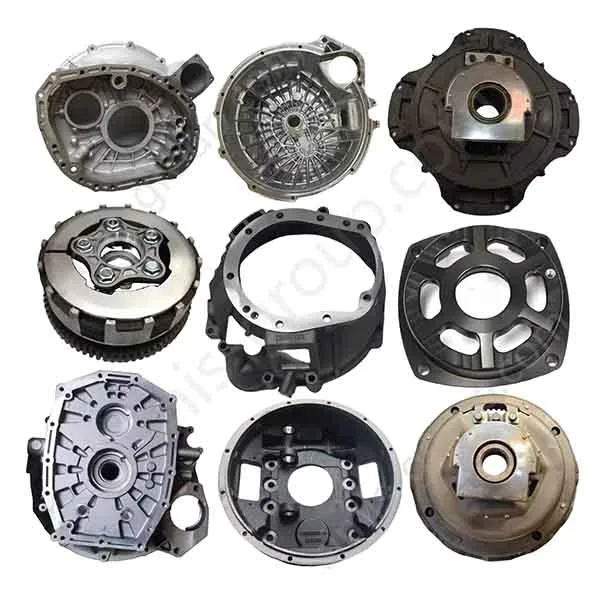
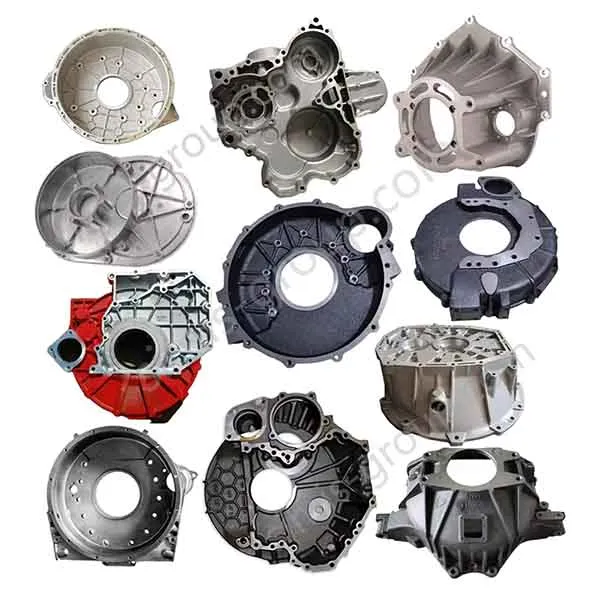
SIMIS provides custom metal casting and machining solutions for gearbox casings used in industrial reducers, drive units, agricultural machinery and vehicle-related equipment. Depending on the drawing, the manufactured component may be a split gearbox case, a reducer housing, a transmission case section or a machined cast enclosure. We focus on the specified component rather than presenting these different assemblies as interchangeable products.
Our drawing-based approach considers the casting blank and subsequent machining together. Core design, casting allowances, datum locations and machining access are reviewed before a process is selected, helping purchasers request a technically coherent manufacturing proposal rather than choosing a foundry method only by material name.

Choosing the Manufacturing Process for Gearbox Cases
Complex ribbing, bearing bosses and oil-containing cavities can make casting an efficient starting point. However, the most economical method changes with batch size, housing weight, wall thickness and the cost of tooling and machining. The following comparison describes potential routes; suitability must be confirmed against the actual drawing.
| Process | Typical fit for housing projects | Engineering points to review |
|---|---|---|
| Sand casting | Cast-iron or selected steel housings, including larger industrial reducer bodies and lower-volume projects. | Core support, machining allowance, section transitions, casting soundness and accessible mounting features. |
| Shell mold casting | Selected iron housings with repeatable geometry and suitable size and production volume. | Tooling investment, cavity complexity, dimensional repeatability and finish-machining requirements. |
| Lost foam casting | Certain complex iron or aluminum shapes where a validated pattern and process plan are appropriate. | Pattern behavior, foam decomposition products, casting defects and subsequent machining allowances. |
| Gravity permanent mold casting | Selected aluminum housings with repeat production and mold-feasible geometry. | Draft, core arrangements, thermal behavior and part extraction. |
| Pressure die casting | Higher-volume aluminum housings with mold-compatible walls, bosses and ribs. | Porosity-sensitive regions, tooling access, inserts, sealing surfaces and any heat treatment requirements. |
Whatever casting route is selected, CNC machining may be required for bearing pockets, locating faces, cover interfaces, threaded features and seal seats. The quote should distinguish casting supply, rough machining and finished-machined delivery rather than assuming every gearbox component follows the same sequence.
Gearbox Housing Materials: Stiffness, Weight and Damping
Housing material influences structural rigidity, vibration behavior, thermal expansion, corrosion exposure and the machining strategy. A light housing is not automatically the best choice for a high-torque reducer, and a heavy iron housing is not automatically required in every application.
| Material option | Useful characteristics | Design considerations |
|---|---|---|
| Gray cast iron | Good vibration damping, machinability and common use in industrial housings. | Section thickness, tensile strength, load paths, stress concentration and application limits. |
| Ductile cast iron | A combination of strength, toughness and casting flexibility for loaded housings. | Grade selection, local wall geometry, heat treatment needs and proof of required properties. |
| Cast aluminum alloy | Lower density and useful heat conduction for weight-sensitive drives. | Local stiffness, thermal expansion, thread durability, porosity and possible machining distortion. |
| Cast steel or fabricated steel | May suit selected large or heavily loaded designs when justified by engineering needs. | Casting or welding feasibility, distortion control, stress relief and overall cost. |
Material grades should be confirmed using the customer drawing and applicable standards. If a buyer needs interchangeable parts, the existing mating interfaces and operating environment are often more important than a general claim that one alloy is “better” than another.

Bearing Bores, Shaft Alignment and Machined Datums
The most important dimensions in a gearbox casing are frequently the ones that cannot be seen after assembly. A housing can meet its overall external dimensions while still having an unsuitable bearing bore relationship. SIMIS recommends identifying functional datums and critical-to-quality features early in the quotation process.
Bearing seats and shaft center distances
Bearing fits, bore diameter, roundness, position and alignment affect rotating-system assembly. For multi-shaft reducers, center distance and the relationship between bearing bores may influence backlash and gear contact. These features should be controlled with the customer's dimensional and geometric tolerances. Related custom bearing seats and housings illustrate why shaft support features often require additional machining after casting.
Mounting and cover interfaces
Reducer feet, pilot diameters, cover flanges and locating dowels establish how the housing is installed and how mating covers return to the same position. Flatness, perpendicularity, parallelism and bolt-hole position are assigned from functional requirements. If a split case requires line boring or machining in the assembled condition, the method must be agreed before production.
Seal seats and lubricant passages
Shaft seal bores, gasket faces, drain ports, breathers and lubrication interfaces should be reviewed for accessibility and sealing performance. Internal passages may require cores or drilling, and deburring or cleanliness requirements should be specified for oil circulation systems. A finished casting alone does not establish leak-tight performance without a suitable assembly design and acceptance test.
Casting Design for Manufacturability: Ribs, Cores and Machining Allowance
Manufacturability starts with the 3D geometry. Rib placement can improve stiffness, but intersecting heavy sections can also increase shrinkage risk. Wall-thickness transitions, fillets and casting orientation need to be considered with the selected alloy and mold process. For hollow cases, draft, core prints, core removal and casting cleaning can materially affect the process choice.
Functional geometry: preserve the bearing and shaft layout, installation datums, cover openings and required gear clearances.
Casting features: review rib intersections, thick bosses, wall transitions, draft, parting locations and access for sand-core removal.
Machining stock: allow suitable material at bearing bosses, seal faces and mounting pads without adding unnecessary weight throughout the casting.
Tooling and volume: match the pattern or die investment to forecast quantity, engineering change likelihood and required repeatability.
Cleanliness: plan removal of sand, chips and residual media from lubricant channels and enclosed cavities.
These steps support a collaborative design-for-manufacturing review. SIMIS can discuss proposed casting and finishing routes, but final structural design and application performance remain subject to the customer's engineering approval.
Where Custom Reducer and Transmission Housings Are Used
Different drive systems have different priorities. Agricultural equipment may emphasize repairability and resistance to contamination; industrial speed reducers may prioritize bore alignment and vibration damping; mobile machinery may need a balance of impact tolerance and weight. A meaningful RFQ explains those priorities rather than asking for an unspecified “high-quality gearbox housing.”
Industrial reducers and gear drives: iron or aluminum cases with precisely located bearing pockets, gear clearances and cover faces.
Agricultural and construction equipment: robust housings with practical mounting arrangements, sealing interfaces and specified corrosion protection.
Automotive and mobile drivetrains: lightweight or heavily loaded transmission-related housings, depending on design and validation requirements.
Mining and heavy-duty equipment: large or high-load cases where material selection, casting soundness and machined interfaces warrant particular attention.
For related assemblies, see our pages on custom differential and axle housings, clutch housings and flywheel housings. Each component has its own installation and dimensional requirements; one shared manufacturing method does not make the parts functionally equivalent.
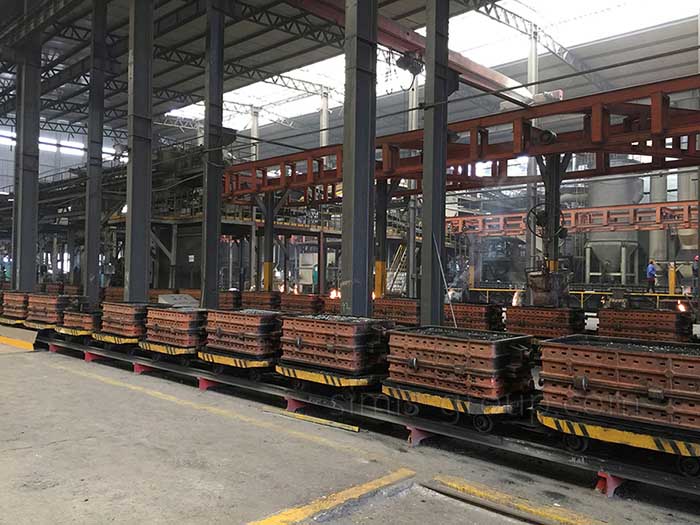
From Casting Blank to Finished CNC-Machined Housing
A practical production route is defined by the required delivery condition. The workflow below illustrates the stages that may be considered for a custom gearbox housing, rather than a promise that every order receives every operation.
1. Drawing review: confirm material, volume, rough blank design, critical datums and manufacturing feasibility.
2. Tooling and casting plan: determine mold and core arrangement, allowances, feeding approach and expected inspection points.
3. Casting and cleaning: produce the blank, remove gates and risers, clean surfaces and check the casting against its agreed acceptance criteria.
4. Conditioning if specified: apply suitable stress-relief or other heat treatment only when required by the material and engineering plan.
5. Rough and finish machining: establish datums, machine bearing bores and covers, drill and tap holes, and finish sealing interfaces.
6. Final inspection: assess agreed dimensions, material documents, appearance, cleanliness and project-specific tests prior to delivery.
Machining strategy matters as much as machine capability. Where practical, related bearing bores and locating faces can be machined with reference to a consistent datum system. Specific machining sequences, workholding arrangements and inspection methods must be selected for the actual part.
Quality Inspection for Custom Gearbox Housings
Inspection should concentrate on the risks that affect gearbox assembly. SIMIS describes a range of quality control and inspection activities for custom castings and machined parts, but individual tests must be specified and agreed for the order; they should not be assumed to apply automatically to every housing.
| Inspection focus | Typical checks or documentation |
|---|---|
| Material and casting | Material identification, applicable chemistry or mechanical-property reports, visual examination and agreed casting acceptance criteria. |
| Bearing interfaces | Bore diameter, roundness, bore position, center distance, alignment and required surface finish. |
| Mounting and sealing | Datums, flatness, bolt patterns, cover faces, seal seats and relevant thread checks. |
| Internal cavities | Accessibility, removal of core material, chips or burrs, and any required cleanliness standard. |
| Application-specific tests | NDT, pressure or leak testing, special dimensional reporting and traceability when specified by the customer. |
The appropriate tolerance grade or inspection method cannot be set from a generic product description. It must reflect the mating shafts, bearings, gears and application duty. Structural rigidity, thermal behavior, NVH performance and service life depend on the complete gearbox design and should be validated at the system level when required.

Request a Quote for Custom Gearbox Housing Manufacturing
SIMIS supports OEM customers seeking drawing-based manufacturing of cast and CNC-machined gearbox housings. Whether the requirement is an iron reducer case, an aluminum transmission enclosure or a machined casting with critical bearing interfaces, the first step is to review the actual specifications and required quantity.
For an efficient manufacturing assessment, send the 2D drawing, 3D model, alloy or standard, target annual volume, rough and finished weights where available, machining scope, bearing and shaft fits, locating datums, surface finish and any NDT or leakage requirements. If possible, indicate whether you need an as-cast blank, a rough-machined casting or a ready-to-assemble housing.
Please email SIMIS your gearbox housing drawings for an OEM quotation. We can review the information and discuss an appropriate manufacturing and inspection scope before preparing a project-specific offer.