Custom Differential Axle Housing Manufacturer


Differential Axle Housing

Custom Differential & Axle Housing Manufacturing FAQs
Can SIMIS manufacture differential and axle housings from our drawings?
Yes. SIMIS provides drawing-based OEM manufacturing for custom metal differential carriers, reducer housings and axle housing components. Customers can submit 2D drawings or 3D CAD models for a review of casting geometry, material specifications, machining allowances, inspection requirements and expected production volume. The suitable manufacturing route depends on the actual component design; we do not treat every housing as the same casting.
Which casting process is suitable for a custom axle or differential housing?
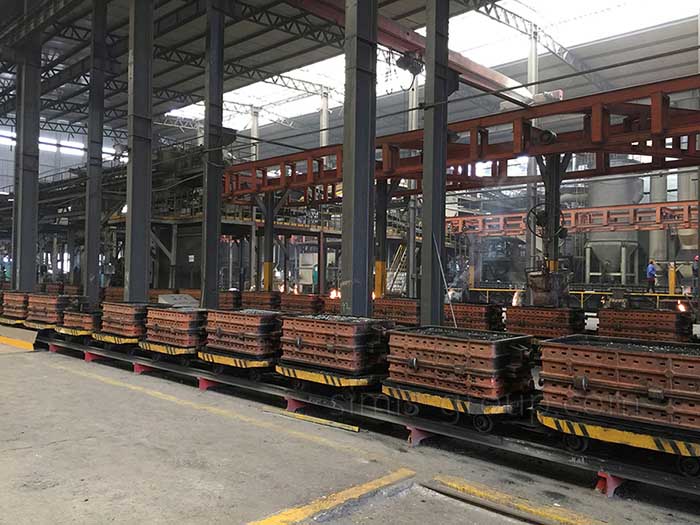
Sand casting is often worth evaluating for large ductile-iron or cast-steel housings with ribs, flanges and substantial wall sections. Shell molding may be considered for suitable sizes and geometries when improved as-cast consistency is useful, while lost foam casting may suit certain complex shapes. Process selection also depends on annual quantity, tooling cost, core design, machinable surfaces and the casting's required soundness.
Which dimensions are most important when machining a differential housing?
Critical features may include differential bearing seats, the pinion bearing axis, the relationship between bearing bores, cover or sealing faces, mounting-hole patterns and locating datums. A differential carrier's exact requirements differ from those of a complete axle housing. SIMIS reviews the customer's datum scheme and GD&T requirements before proposing machining and inspection arrangements.
What information should we send for an OEM housing quotation?
Please provide the drawing or CAD model, intended application, material grade or applicable standard, critical dimensions and tolerances, expected annual and batch quantities, required coating, and any inspection or testing specifications. If the housing interfaces with existing bearings, axle tubes or gear assemblies, interface drawings are particularly helpful. Manufacturing feasibility and pricing are confirmed after reviewing those requirements.
OEM Differential Axle Housings Made to Your Drawings
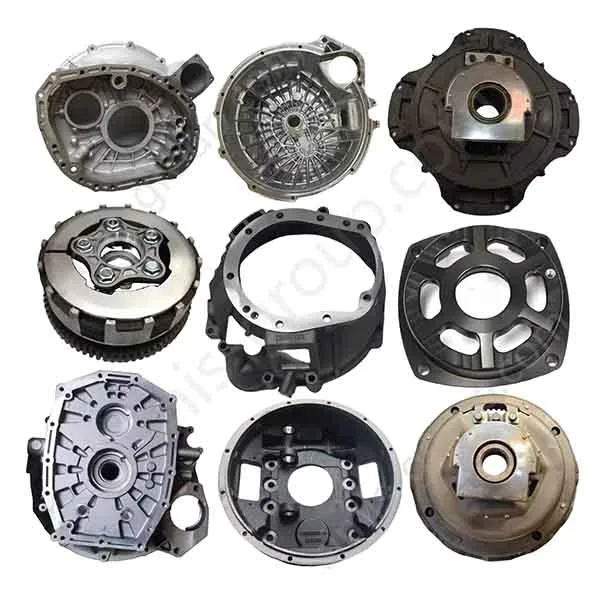
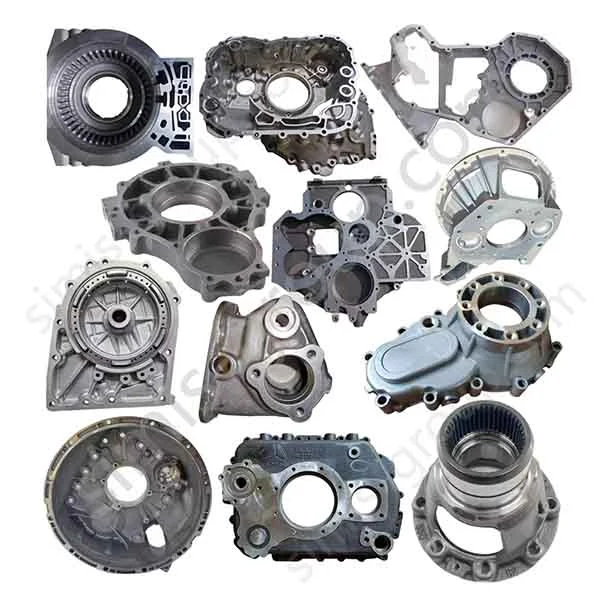
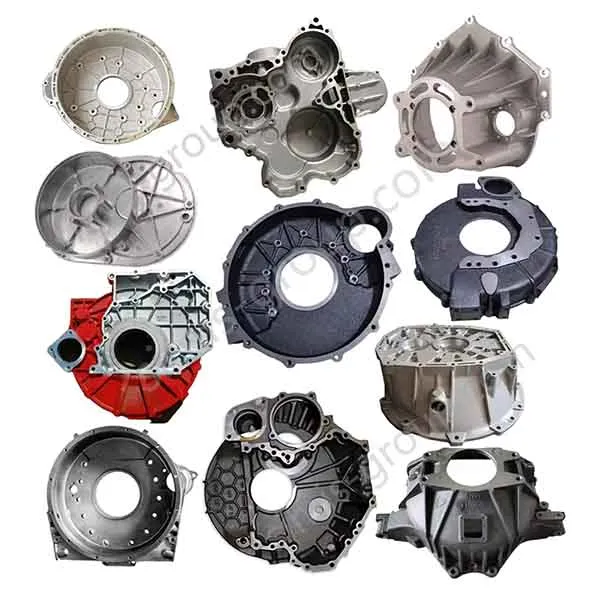
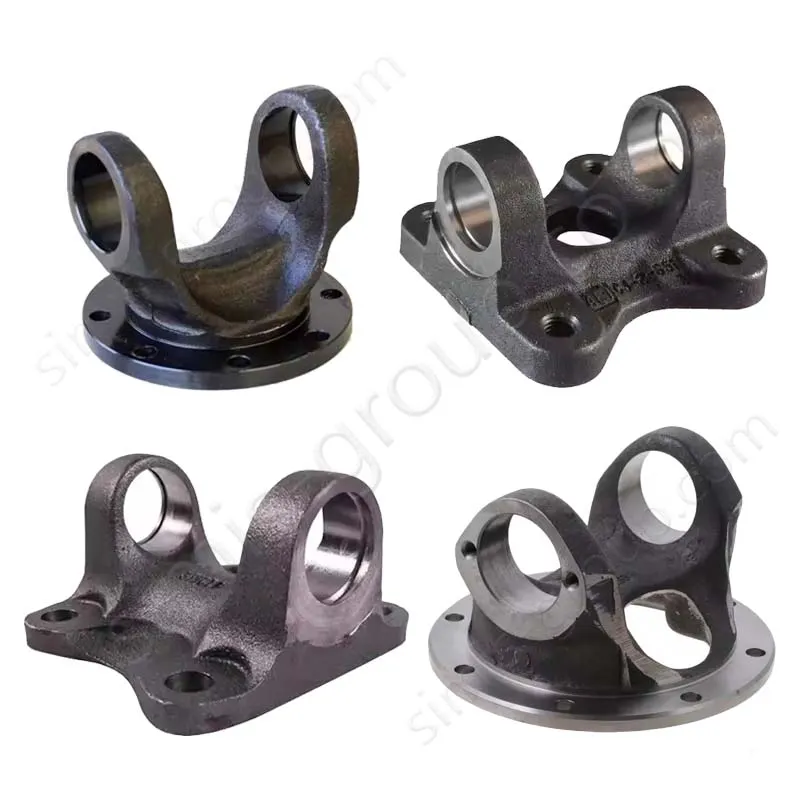
A differential or axle housing is more than a protective metal enclosure. In drive axles and power-transmission systems, its machined interfaces locate bearings and rotating components, while the surrounding structure transfers operating loads to adjacent mounts. For heavy trucks, agricultural equipment, construction machinery and industrial drivetrains, the housing design needs to account for assembly alignment, stiffness, lubrication and the operating environment.
SIMIS supports custom housings based on customer-controlled designs rather than a fixed catalog of stock replacement parts. We evaluate the requirements for sand-cast metal components, subsequent machining, and project-specific finishing and inspection. The goal is to select a practical production route for the actual drawing, not to claim that every reducer, differential carrier and axle beam uses identical materials or processes.


Understanding the Housing Type Before Selecting a Process
The terms used for driveline housings are sometimes grouped together, but the parts are not interchangeable. An axle housing forms part of the structural axle assembly and may include axle-tube or suspension interfaces. A differential carrier or carrier housing provides precision support and mounting for the differential assembly. A differential case may refer to the rotating component containing the differential gears, while a reducer housing encloses a reduction gear set in a broader power-transmission application.
This distinction matters because each component has different load paths, fit requirements, material choices and inspection priorities. For a complete axle assembly, the interface between the central casting, axle tubes and external mounting points should be reviewed alongside the bearing and sealing features. For a reducer case, the emphasis may instead fall on gear-shaft locations, fastening and lubricant containment.
Manufacturing Process Selection for Custom Housings
Casting can create integrated ribs, mounting bosses, curved walls and internal cavities that are difficult to obtain economically from a solid metal block. However, the preferred route should be chosen against drawing geometry, part weight, order quantity and the areas that must be machined after casting.
| Production route | Potential suitability | Points to evaluate |
|---|---|---|
| Sand casting | Large or heavy ductile-iron and cast-steel housings, flanged structures and ribbed castings | Molding route, core positioning, feeding, wall sections and machining stock |
| Shell mold casting | Suitable smaller or mid-sized castings requiring more controlled mold surfaces | Geometry, casting size, tooling investment and dimensional expectations |
| Lost foam casting | Selected complex housing shapes and integrated external features | Pattern quality, section transitions, material suitability and process controls |
| CNC machining | Bearing bores, mating faces, precision holes, threads and locating features | Machining datums, fixturing, accessibility and inspection methods |
For projects where the geometry and production quantity justify it, we can assess shell mold casting or lost foam casting as alternatives to conventional sand molding. These routes are options to review, not automatic upgrades in strength or dimensional accuracy.


Material Selection: Ductile Iron, Cast Steel and Other Designs
Material choice must respond to real operating loads, required stiffness, fatigue and impact conditions, component geometry and manufacturing cost. The part drawing and applicable material specification should take precedence over general claims about one alloy being universally stronger or more durable.
Ductile Iron
Ductile iron is a common candidate for complex driveline housing castings where a combination of castability, mechanical performance and cost is required. Grade selection, wall thickness and microstructure should be considered together, especially near heavily loaded interfaces and local section changes. See our custom cast-iron manufacturing capabilities for related materials and applications.
Carbon and Alloy Cast Steel
Cast steel may be considered when the design calls for particular strength, toughness or impact performance. Its casting behavior, heat-treatment requirements, feeding design and inspection plan differ from those of ductile iron. Weldability and compatibility with other axle components must be evaluated using the specified grade and planned fabrication route, rather than assumed from the generic term “steel.”
Fabricated or Mixed-Construction Axle Assemblies
Not every axle housing is one complete casting. Some designs combine a cast center section with tubes, brackets or welded components. If this is the customer's construction, the interface geometry, joining procedure, distortion control and inspection requirements should be reviewed as part of the overall production plan.


Bearing Seats, Pinion Alignment and CNC Machining
Machining is often decisive in a differential carrier or gear reducer housing because the casting provides the structure, while the finish-machined features establish how the rotating assembly fits. A robust process plan starts by defining functional datums and locating surfaces, then choosing suitable setups and inspection methods. Customers may specify position, roundness, perpendicularity, runout or other geometric tolerances according to the assembly design.
| Critical feature | Why it matters | Manufacturing consideration |
|---|---|---|
| Differential bearing bores | Bearing location and fit | Bore size, geometry, datum relationship and access for inspection |
| Pinion bearing features | Gear-axis placement within the assembly | Positional relationship and machining sequence |
| Mounting and cover flanges | Assembly location and gasket or seal interface | Flatness, hole pattern, thread requirements and surface finish |
| Axle-tube or suspension interfaces | Load transfer and alignment with external assemblies | Interface fit, perpendicularity and structural detail |
Our CNC machining services are relevant for precision features on cast housings. The actual achievable tolerances must be agreed for each project; a cast surface does not automatically deliver finished bearing-seat accuracy. Related precision-housing considerations can also be found on our custom gearbox housing page.
Casting Design: Ribs, Wall Thickness and Machining Allowance
An efficient cast-housing design balances stiffness and manufacturability. Ribs can reinforce local mounting areas, but abrupt thickness changes may complicate feeding and cooling. Internal contours and cavities need to be reviewed for mold-making and core removal. The engineering review should also identify which surfaces remain as-cast and which need machining stock, especially around bearing supports and fastener bosses.
Other design questions include draft angles, accessible machining directions, inspection access, lifting or handling features and the effect of any heat treatment or subsequent joining. Decisions made at the drawing stage can help prevent avoidable rework later in production.
Quality Control and Project-Specific Inspection
Inspection for a power-transmission housing should focus on the features and failure modes defined by the customer. Depending on the drawing and application, the plan may include material verification, dimensional and GD&T inspection, casting surface review, critical-section examination, and checks on machined bearing seats and sealing interfaces.
Magnetic particle testing, ultrasonic testing, or leak checks may be appropriate for selected materials and projects, but they are not automatically required for every housing. The test method, coverage, acceptance criteria and reporting format should be agreed in advance. Where heat treatment is specified, the process and any follow-up dimensional verification must also be defined. SIMIS outlines its general approach on the quality control page and provides information about parts heat treatment.
Applications in Trucks, Agriculture and Heavy Equipment
Custom axle and differential housings are used in heavy trucks, agricultural machinery, off-highway equipment and other driveline systems. The requirements differ significantly between applications: a tractor axle housing may prioritize mounting arrangements and bending loads, while a differential carrier for industrial reduction gearing may place greater emphasis on bearing alignment and mating faces.
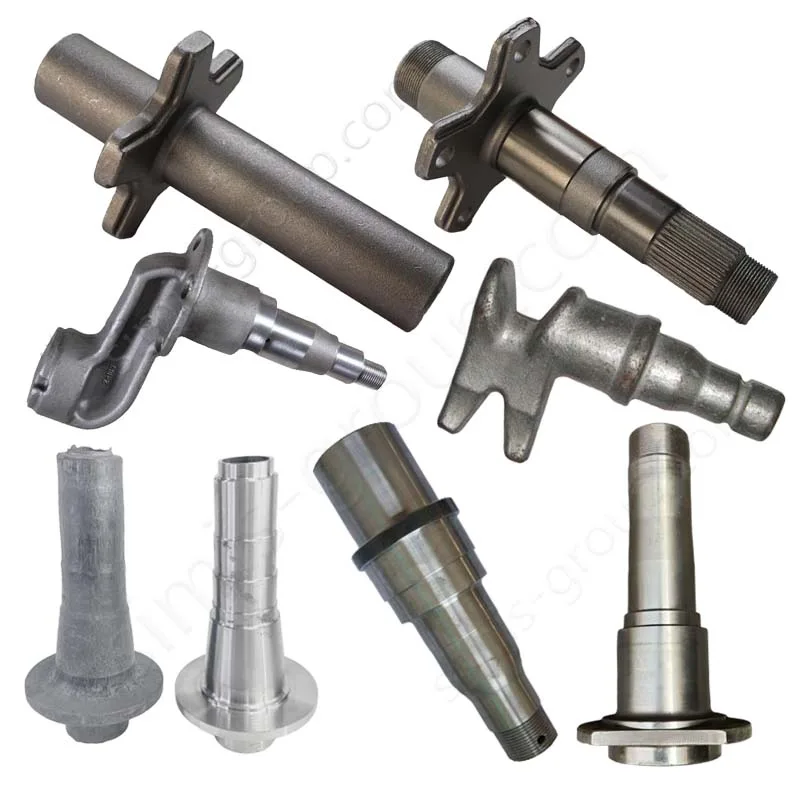
Customers looking for related OEM manufacturing services can also explore our truck and automotive components, agricultural machinery parts and custom axle spindle pages. These are related applications and parts, not substitutes for an engineering review of the housing itself.


Why Discuss Manufacturing Feasibility with SIMIS?
For a custom housing, manufacturing decisions are connected. Material selection influences casting design; casting allowances affect machining plans; and the inspection requirements depend on the assembly's load-bearing and precision features. A drawing-based technical discussion helps identify these dependencies before tooling and production commitments are made.
SIMIS can review the casting and machining requirements for custom differential and axle housing components, with process proposals based on the supplied drawings and requested quantities. Where additional customer approval, testing or validation is needed, those requirements should be identified and agreed as part of the project.
Request a Quote for Custom Differential & Axle Housing Components
Planning a custom differential carrier, reducer case, cast center housing or axle housing component? Send SIMIS your 2D/3D drawings, assembly interface requirements, specified material, target quantity, critical bore and flange tolerances, and any inspection or coating requirements. If multiple manufacturing routes are acceptable, let us know so they can be evaluated against part design and quantity.
Email info@simis-group.com or use the inquiry form on this page to request a drawing review and OEM manufacturing quotation.