Custom Flywheel Housing Manufacturer
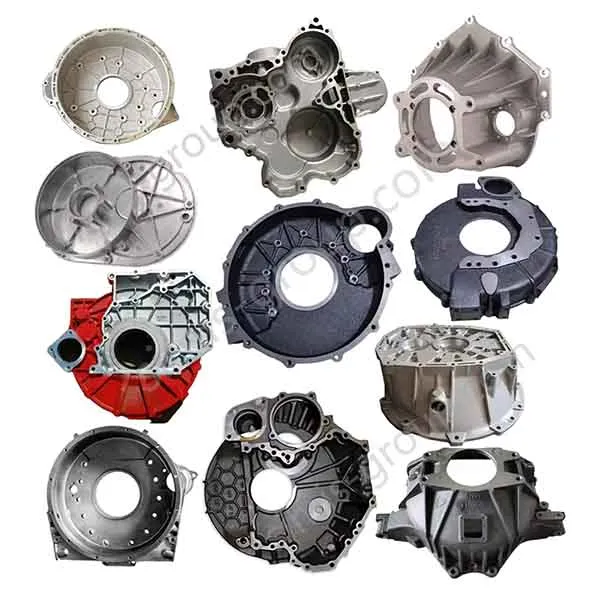
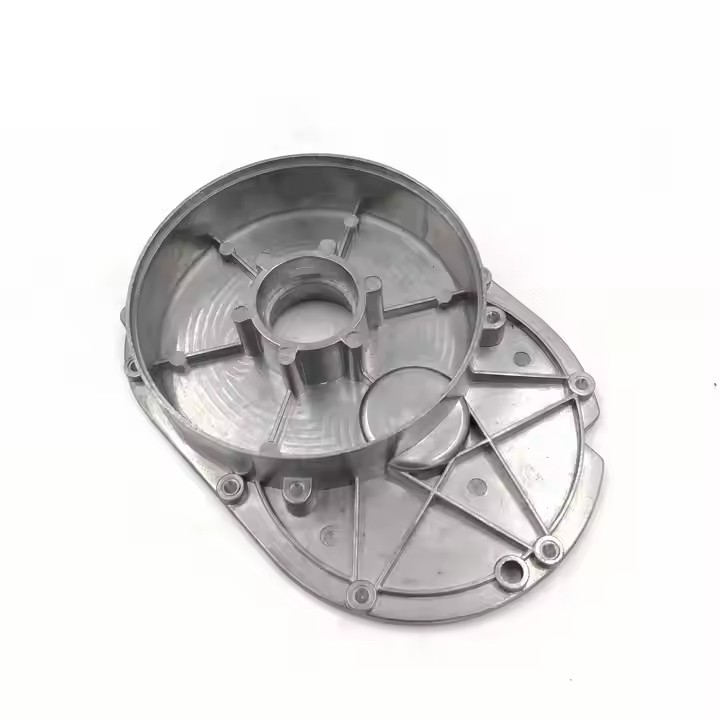

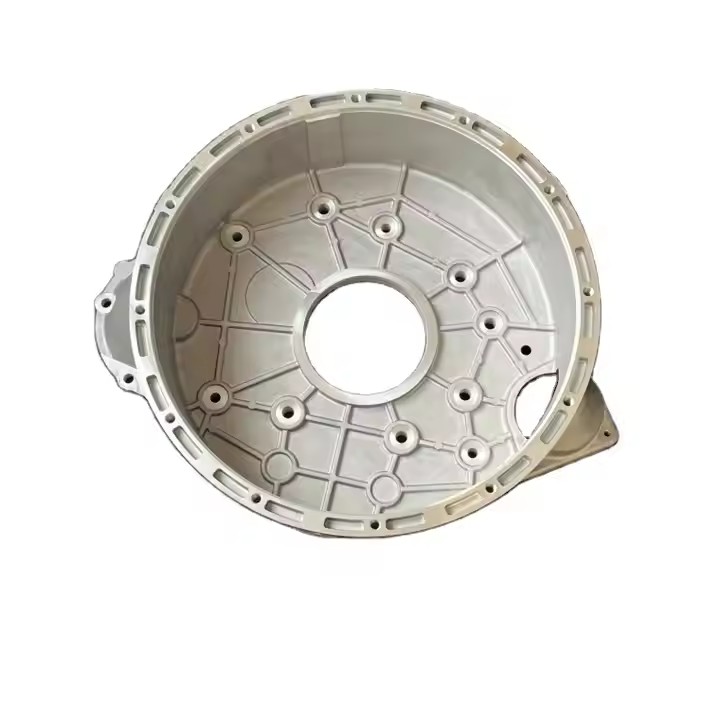
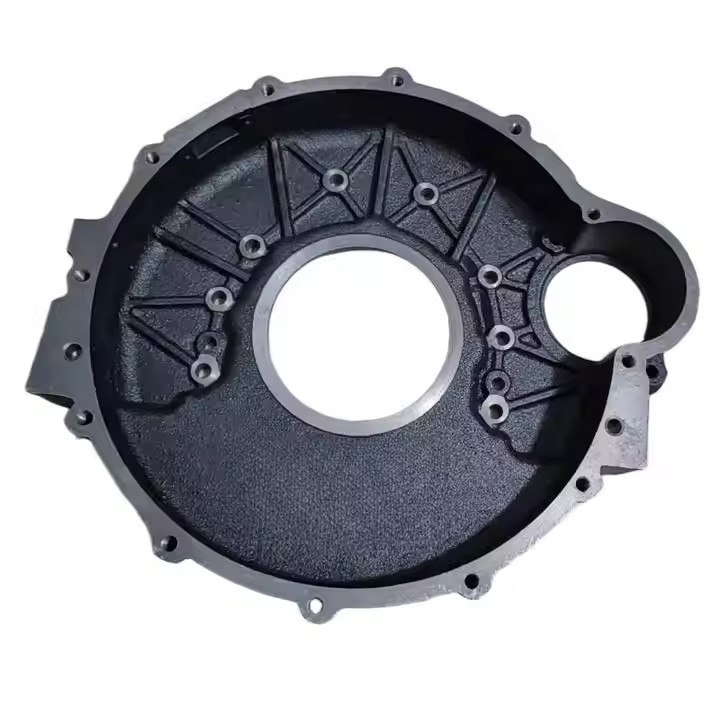
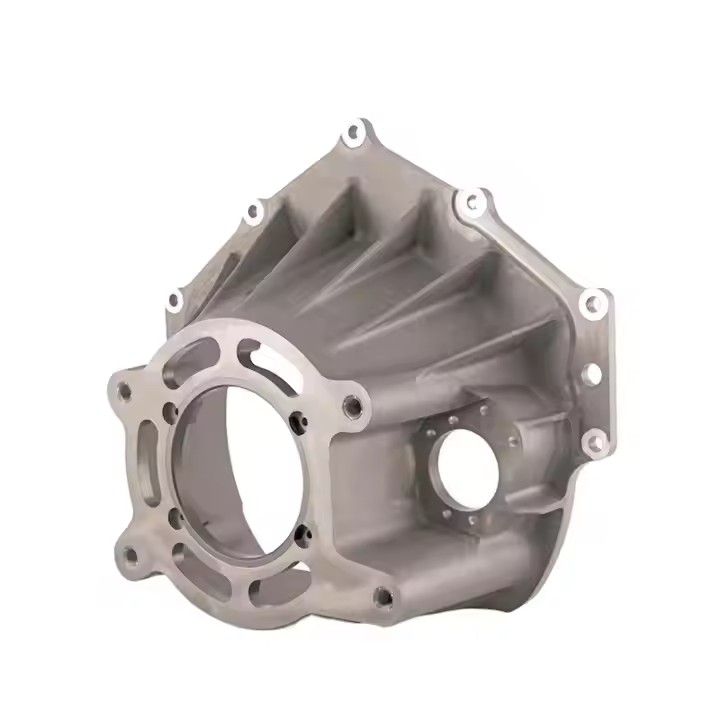
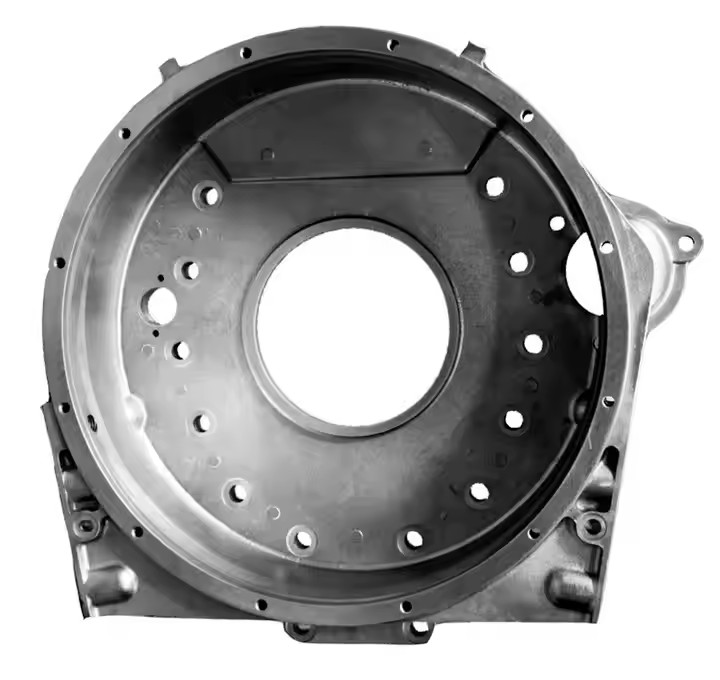
Flywheel Housing

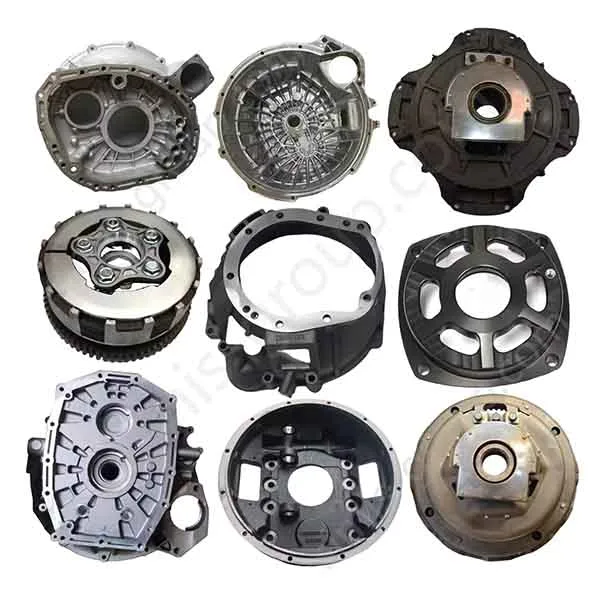
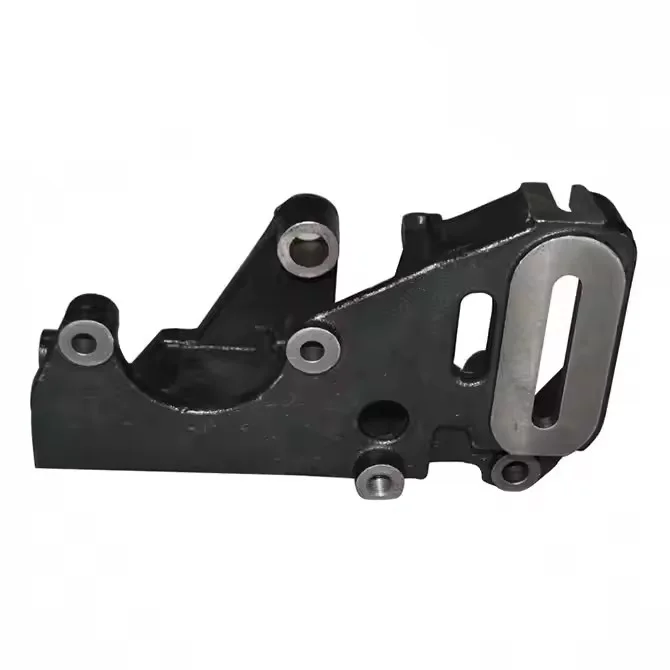
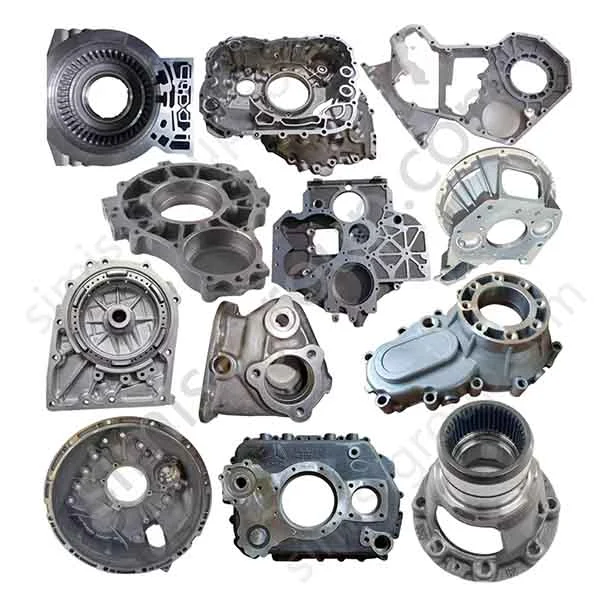
China Simis Company is a specialized OEM custom casting manufacturer of high-precision Flywheel Housings (Flywheel Bell Housings). This component serves as the vital structural interface connecting the engine block to the transmission or industrial power take-off (PTO). It demands exceptional torsional rigidity and coaxial alignment precision to ensure the longevity of the clutch, transmission, and drivetrain bearings.
We utilize advanced casting processes to produce housings from Aluminum Alloy, Ductile Iron, and Gray Cast Iron, ensuring reliable performance for heavy-duty diesel engines, commercial vehicles, marine propulsion, and industrial generator sets.
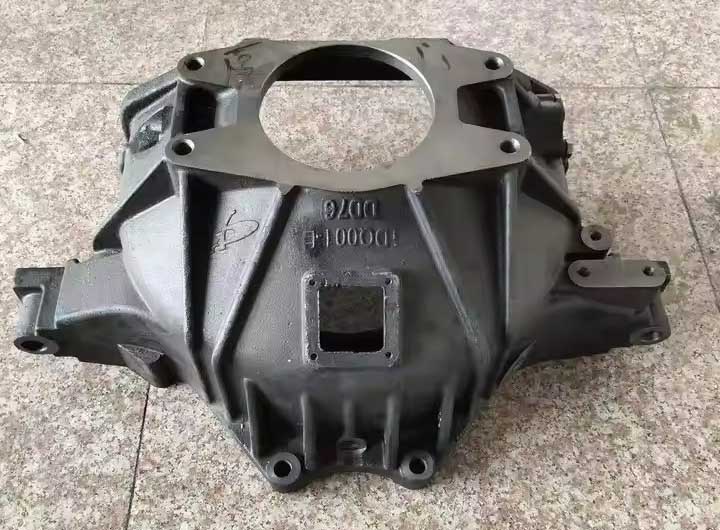
What Manufacturing Processes Are Optimized for Flywheel Housings?
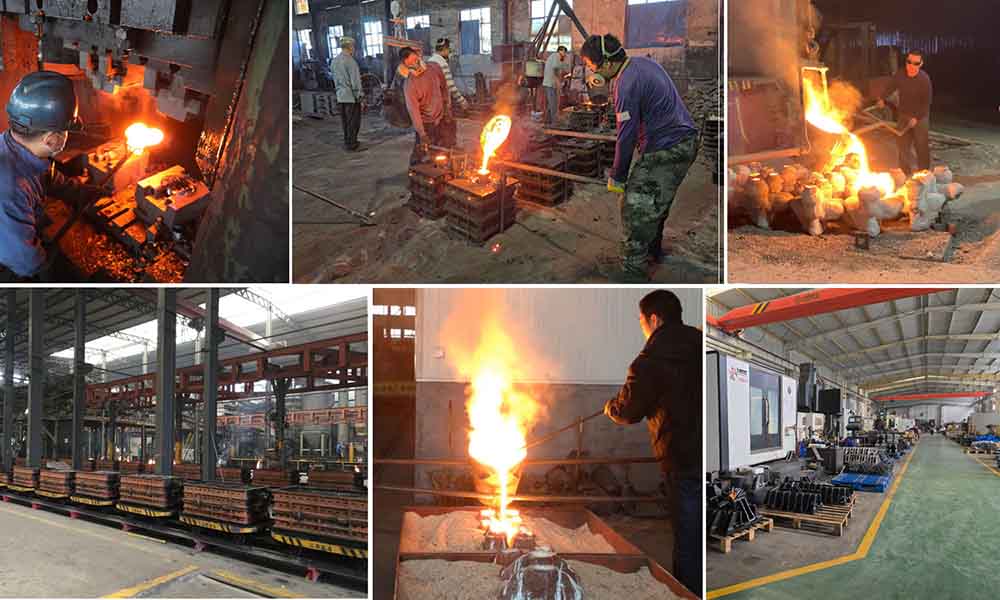
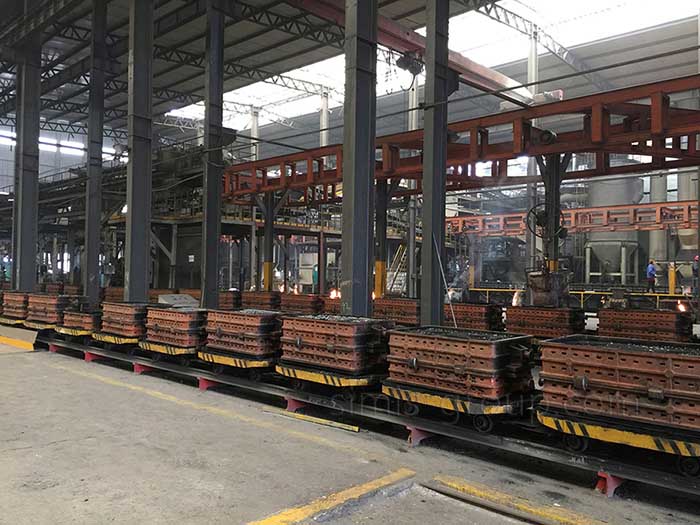
The casting process for flywheel housings must achieve both complex structural geometry (ribs, mounting points) and the necessary material integrity for subsequent high-precision machining. We adopt multiple processes including Sand Casting, Shell Mold Casting, Lost Foam Casting, Low-Pressure/Permanent Mold Casting and Precision CNC Machining to meet the production needs of flywheel housings with different materials and specifications.
| Manufacturing Process | Material Focus | Key Advantage for Flywheel Housings | Specific Process Detail |
| Sand Casting | Grey Cast Iron, Ductile Iron, Large Aluminum. | High Rigidity, Vibration Dampening, Large Size Capability. Ideal for heavy-duty truck and industrial engine housings. | Ensures internal integrity and minimal stress relaxation for large, complex iron structures. |
| Shell Mold Casting | Grey Cast Iron, Ductile Iron. | Superior Surface Finish and Closer Tolerance. Used for medium-sized housings where reducing CNC machining time on non-critical faces is desired. | Provides better dimensional control and smoothness than standard sand casting, improving aesthetics and efficiency. |
| Lost Foam Casting | Aluminum Alloy, Grey Iron. | Minimal Flash, High Geometric Complexity. Ideal for lightweight aluminum housings with complex internal porting or structures (e.g., integrated ribbing). | Eliminates parting lines and cores, simplifying the final component structure. |
| Low-Pressure/Permanent Mold Casting | Aluminum Alloy. | High Density, Lightweight, and High Volume. Preferred for passenger car and medium-duty housings where material soundness and weight reduction are paramount. | Provides superior material density and tight dimensional control on critical concentric surfaces. |
| Precision CNC Machining | All Materials. | Achieving Critical Geometric Tolerance. Mandatory for the bell housing flange and the bore that centers the transmission input shaft. | Ensures the required alignment tolerances (< 0.005 inches) between the crankshaft and the transmission axis. |
What Materials Are Used for Flywheel Housings?
The material must provide high stiffness to prevent deflection under load and precisely locate the transmission relative to the engine crankshaft. We mainly select Gray Cast Iron, Ductile Iron and Aluminum Alloys to manufacture flywheel housings that meet different performance requirements.
| Material Type | Primary Performance Requirement | Typical Flywheel Housing Application |
| Gray Cast Iron | Superior vibration damping (NVH control), high compressive strength, and high mass for structural stability. | Heavy-duty trucks, industrial generators, and applications requiring lowest noise output. |
| Ductile Iron (DI) | High tensile strength and impact resistance; suitable for high-stress, dynamic load applications. | Construction machinery, mining equipment, and high-performance commercial vehicles. |
| Aluminum Alloys | Lightweighting, excellent heat dissipation, and superior strength-to-weight ratio. | Passenger cars, light commercial vehicles, and marine engines sensitive to weight. |
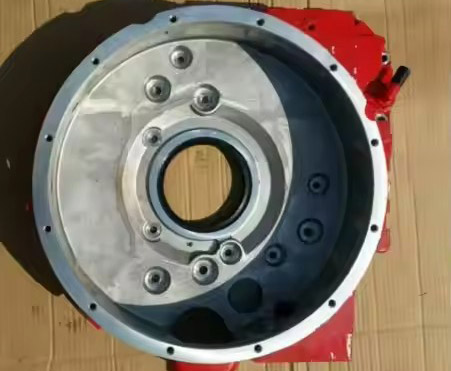
What High-Precision Machining and Quality Assurance Measures Are Applied to Flywheel Housings?
The primary function of the flywheel housing is to establish precise coaxial alignment between the engine crankshaft and the transmission input shaft. Machining precision is absolutely critical. We implement a series of strict control measures including coaxial alignment control, flatness and parallelism management, NVH optimization and structural integrity testing to ensure the quality of flywheel housings.
·Coaxial Alignment Control:
CNC machining ensures extremely tight tolerances on the pilot bore (transmission input shaft location) and the engine mounting face to maintain the required concentricity and perpendicularity (often to SAE or DIN standards).
·Flatness and Parallelism:
Machining both the engine-side and transmission-side flanges to ensure ultra-flat surfaces is critical for secure mounting and preventing alignment distortion under load.
·NVH Optimization:
The casting design and material selection are optimized to minimize ringing and resonance frequencies that contribute to noise transmitted into the cabin or structure.
·Structural Integrity (NDT):
Utilizing NDT methods such as Magnetic Particle Inspection (MPI) on iron castings to verify structural soundness, especially in highly stressed areas like mounting bosses and bell housing walls.
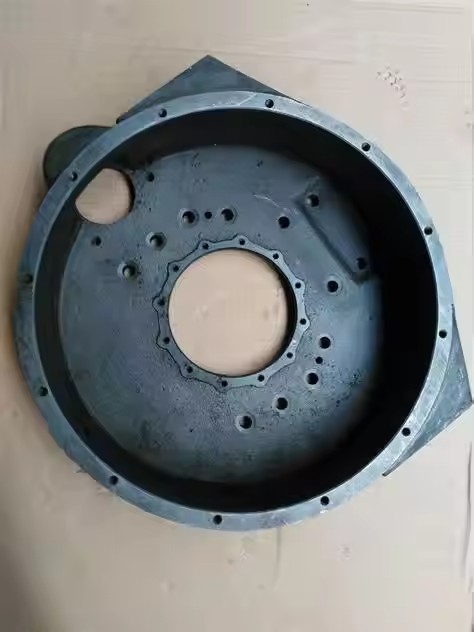
What Are the Application Areas of Flywheel Housings?
Our Flywheel Housings are used wherever an internal combustion engine (ICE) couples with a drivetrain. They are widely applied in heavy trucks & buses, passenger vehicles & SUVs, marine engines and industrial power generation fields.
| Application Sector | Typical Housing Type | Primary Manufacturing Requirement | Key Performance Focus |
| Heavy Trucks & Buses | Large, High-Rigidity Cast Iron. | Sand Casting Ductile Iron, Containment Strength. | Shock resistance, high mileage durability, and precision alignment. |
| Passenger Vehicles & SUVs | Medium, Lightweight Aluminum Alloy. | Low-Pressure/Permanent Mold Aluminum Casting. | Weight reduction, heat dissipation, and NVH control. |
| Marine Engines | Corrosion-Resistant Cast Iron/Aluminum. | Sand Casting with specialized corrosion-resistant coating. | Thermal stability and environmental protection in wet/salty conditions. |
| Industrial Power Generation | Large, High-Dampening Grey Cast Iron. | Sand Casting, Maximum Vibration Dampening. | Long service life and reduced operational noise/vibration. |
What Are the Advantages of Simis OEM Custom Flywheel Housings?
Partnering with Simis for custom flywheel housings ensures maximum powertrain efficiency, reliability, and component life. Our core advantages include precision alignment guarantee, NVH management expertise, SAE/ISO compliance and integrated supply chain services.
·Precision Alignment Guarantee:
Our integrated casting and high-precision CNC machining ensures the critical geometric alignment required to eliminate premature clutch, transmission, and engine bearing wear.
·NVH Management Expertise:
We leverage the excellent damping properties of Gray Cast Iron or structurally optimize aluminum housings to effectively reduce powertrain transmitted noise and vibration.
·SAE/ISO Compliance:
We routinely manufacture to strict industry standards (e.g., SAE J617 for flywheel housing dimensions and tolerances) ensuring plug-and-play compatibility.
·Integrated Supply Chain:
We offer a single source responsible for metallurgy, casting, high-precision machining, and structural inspection, simplifying quality verification and logistics for this critical interface.
How to Get a Quote for Custom Flywheel Housings?
China Simis Company is your expert manufacturer for custom Flywheel Housings, providing precision casting and CNC machining engineered for optimal rigidity, precise powertrain alignment, and critical safety containment.
Please submit your 2D technical drawings, CAD models, required material (Ductile Iron, Grey Iron, or Aluminum Alloy), critical concentricity/parallelism tolerances, and expected annual volume to our engineering department for a consultation and detailed quotation.