Custom Clutch Housing Manufacturer
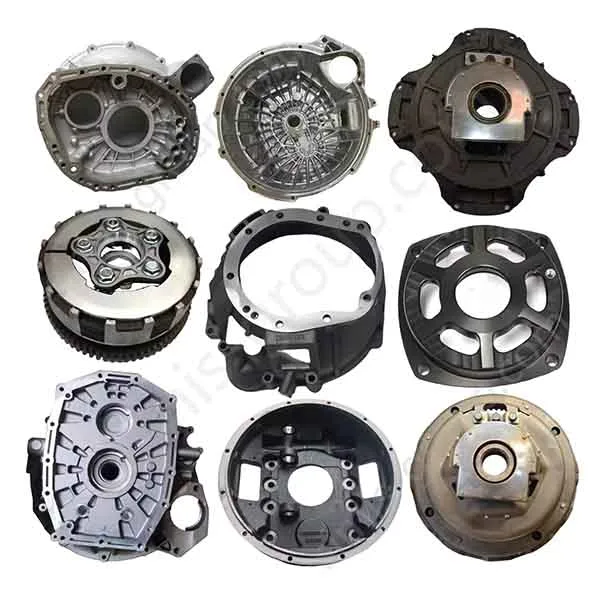
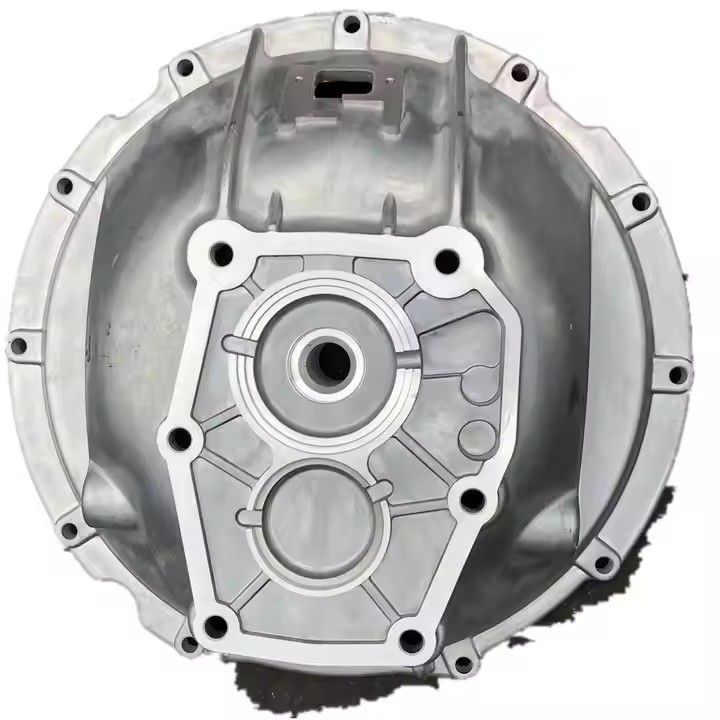
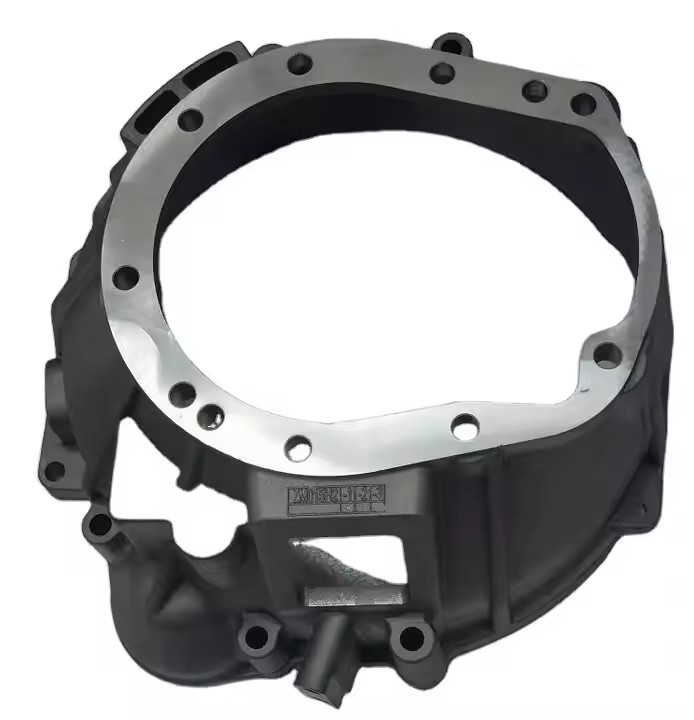
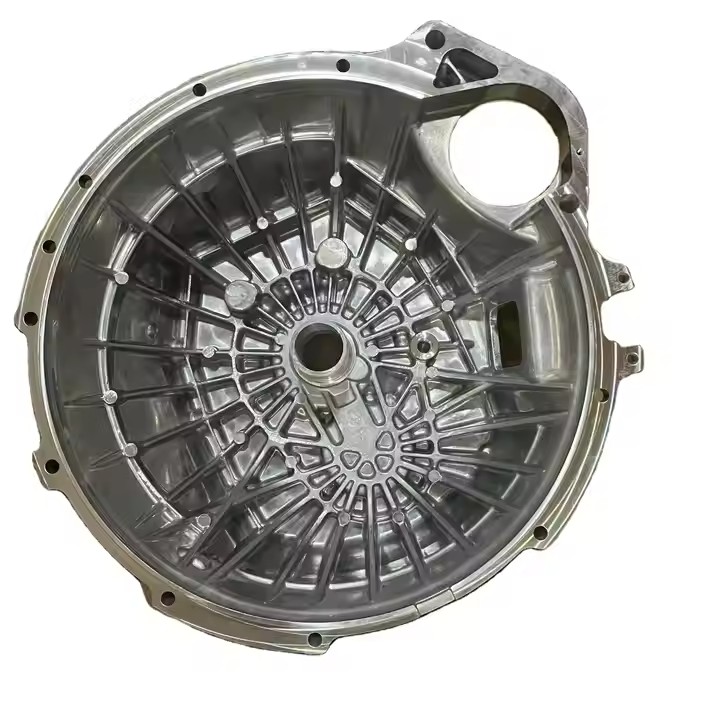
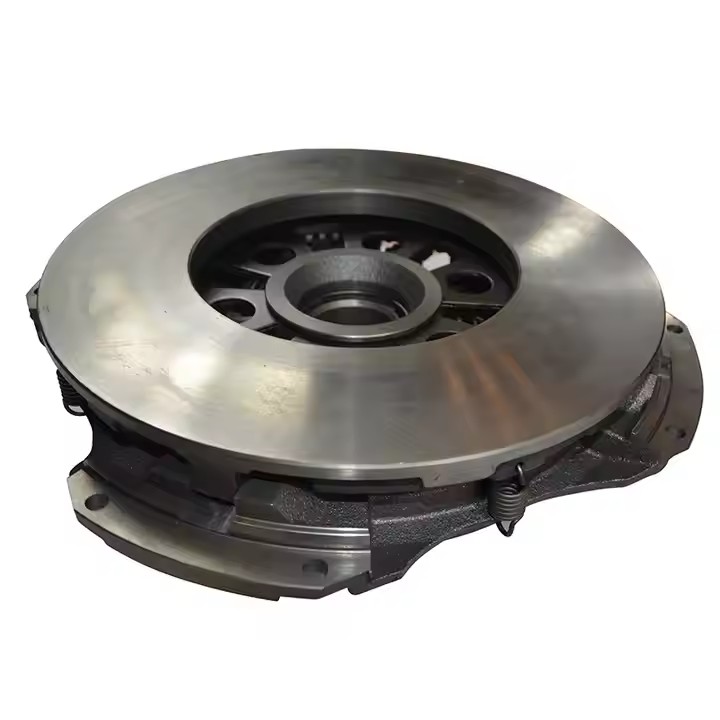
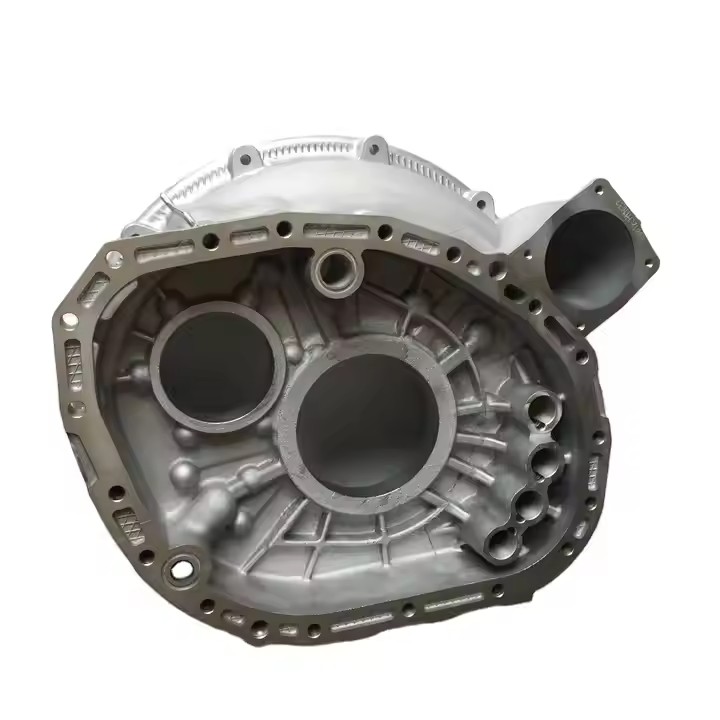
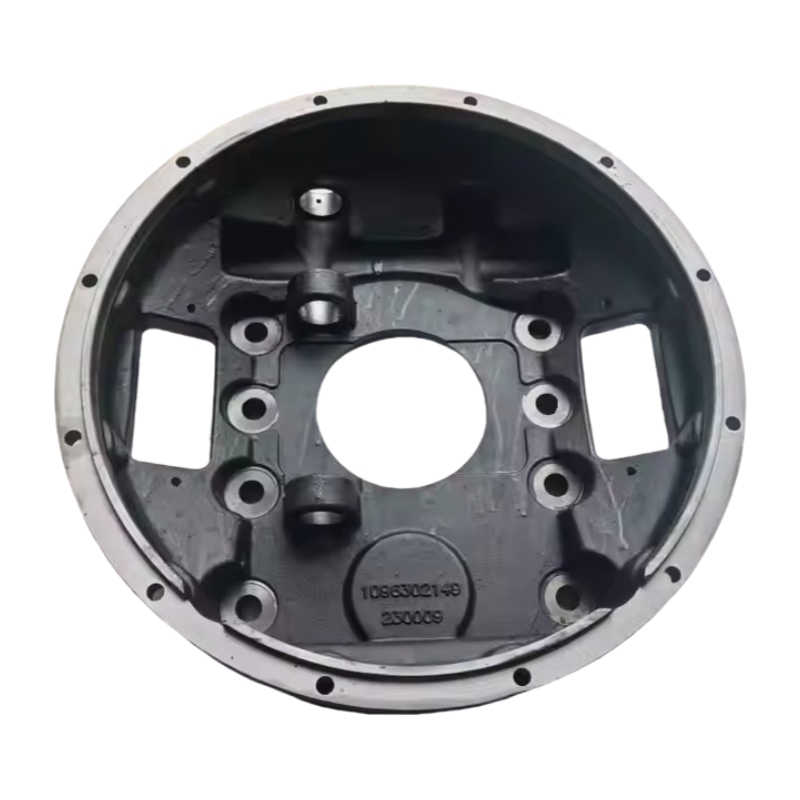
Clutch Housing

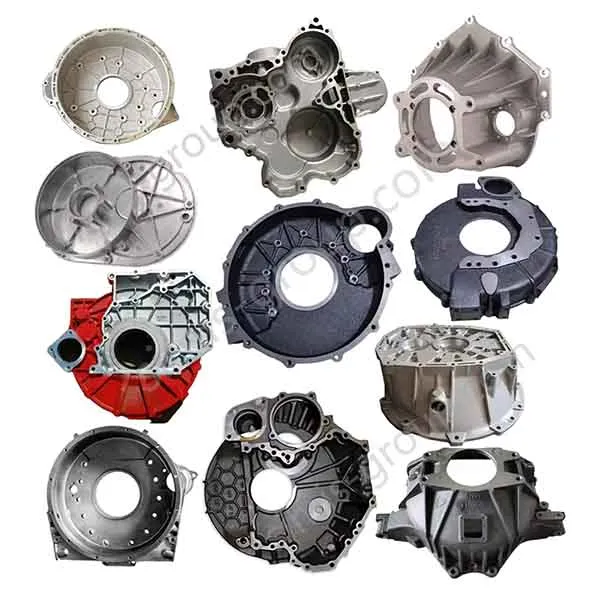
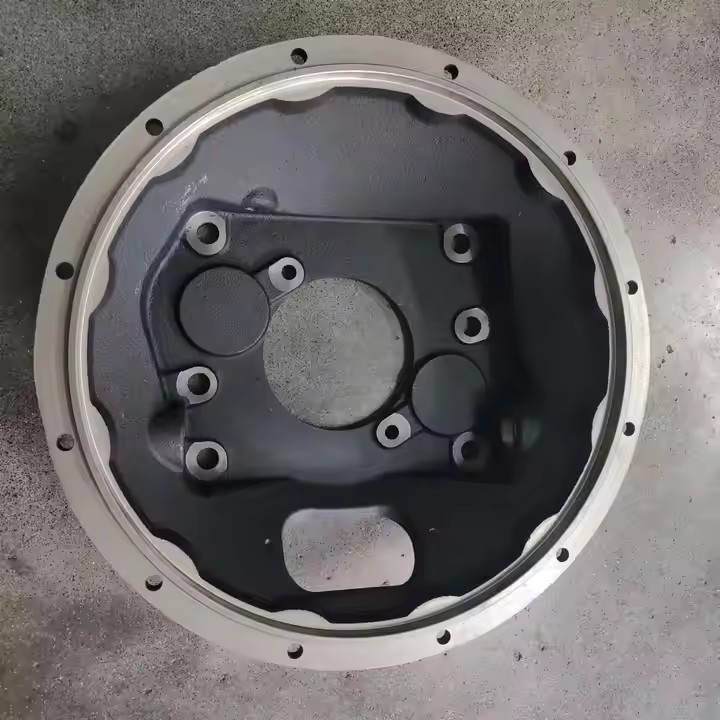
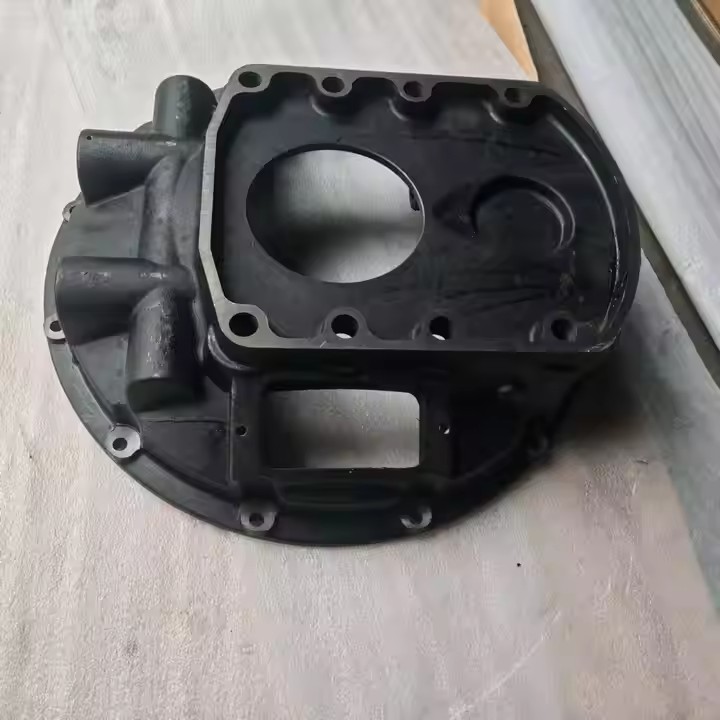
China Simis Company is a specialized OEM custom casting manufacturer of precision clutch housings (also known as clutch bell housings). These components are vital structural interfaces between the engine and transmission, demanding exceptional torsional rigidity, dimensional accuracy, and effective management of noise and vibration (NVH).
We utilize advanced casting processes to produce housings from Aluminum Alloy, Gray Iron, and Ductile Iron, ensuring reliable performance for high-performance automotive, heavy truck, and construction machinery applications.
What Manufacturing Processes Are Optimized for Clutch Housing Rigidity and Complex Geometry?
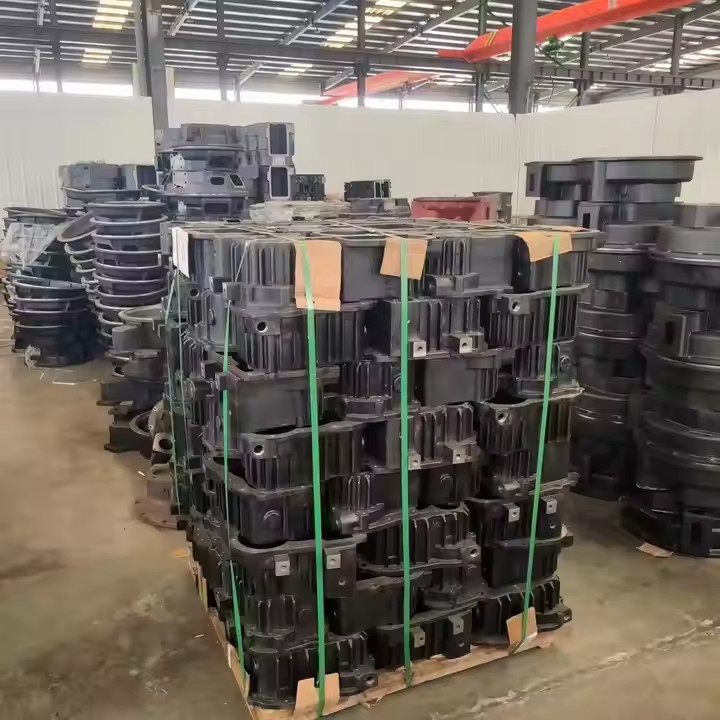
Clutch housings feature complex internal ribs, mounting bosses, and tight alignment surfaces, making casting the ideal process. We select the best method based on material and production volume, including sand casting/shell mold casting, pressure die casting, permanent mold casting, and lost foam casting to meet different application needs.
| Manufacturing Process | Material Focus | Housing Type & Key Advantage |
| Sand Casting / Shell Mold Casting | Gray Iron, Ductile Iron. | Standard production for heavy truck and industrial equipment housings; Shell Mold improves surface finish on bolt faces. |
| Pressure Die Casting | Aluminum Alloy. | Ideal for high-volume automotive and lightweight applications; offers thin walls, rapid throughput, and excellent dimensional repeatability. |
| Permanent Mold Casting | Aluminum Alloy. | Provides superior mechanical properties and finer grain structure than die casting for high-stress aluminum housings. |
| Lost Foam Casting | Gray Iron, Ductile Iron. | Suitable for large, complex housing geometries, maximizing internal feature complexity. |
What Materials Are Used for Clutch Housings to Manage Weight, Vibration, and Stress?
The choice of material directly impacts the housing's rigidity, weight, and ability to dampen the transmission noise and vibration. The main materials applied for clutch housings are aluminum alloys, gray cast iron, and ductile iron, each with distinct performance characteristics for specific scenarios.
| Material Type | Primary Performance Requirement | Typical Clutch Housing Application |
| Aluminum Alloys | Lightweighting, high thermal conductivity, and good strength-to-weight ratio. | High-volume passenger cars, sports cars, and applications sensitive to unsprung weight. |
| Gray Cast Iron | Excellent vibration damping (NVH reduction) and cost-effective high mass rigidity. | Industrial machinery, machine tools, and heavy equipment where noise reduction is critical. |
| Ductile Iron | High tensile strength and shock resistance; crucial for high-stress, off-road applications. | Heavy trucks, construction machinery, and agricultural equipment enduring impact. |
How to Ensure High-Precision Machining and Quality of Clutch Housings?
Precision in the clutch housing is critical. Any misalignment between the engine and transmission can cause premature clutch wear, bearing failure, and vibration. We achieve high precision and quality through strict control of bore alignment, mounting flatness, structural integrity testing, and rigidity verification.
·Bore Alignment:
CNC machining ensures extremely tight tolerances on the input shaft bore and pilot bore to guarantee perfect coaxial alignment with the engine crankshaft.
·Mounting Flatness:
Machining the engine-side and transmission-side flanges to ensure ultra-flat surfaces, which is critical for preventing runout during operation.
·Structural Integrity (NDT):
Utilizing NDT methods to verify structural soundness, especially in highly stressed areas like mounting bosses and bolt flanges.
·Rigidity Testing:
Providing material certification to verify the required modulus of elasticity and yield strength for maintaining structural rigidity under load.
What Are the Key Applications of Simis Custom Clutch Housings?
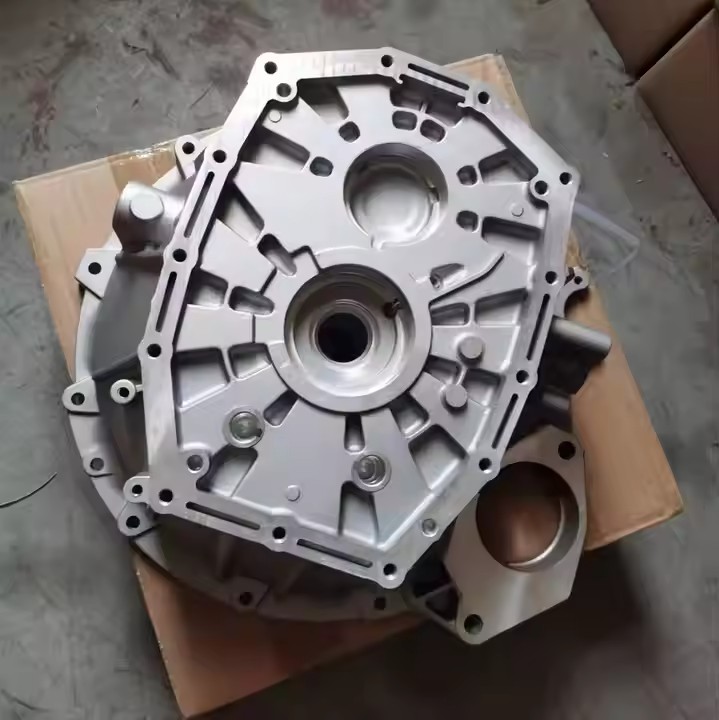
Simis custom casting housings are essential components in the powertrain of various demanding vehicles and machinery, covering heavy trucks & commercial vehicles, automotive powertrains, construction & agricultural machinery, and high-performance racing fields.
·Heavy Trucks & Commercial Vehicles:
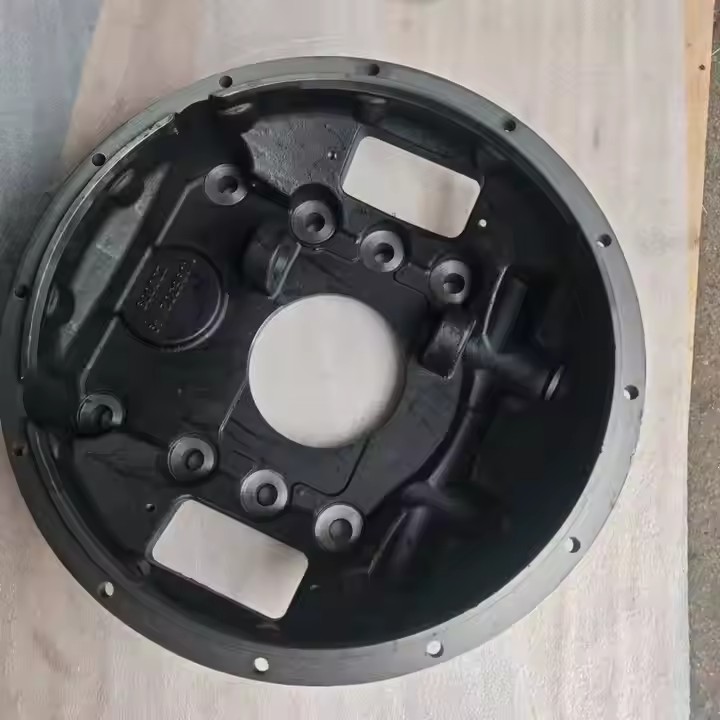
Robust cast iron or ductile iron housings engineered to handle high torque and demanding load cycles.
·Automotive Powertrains:
Lightweight aluminum alloy housings for enhanced fuel efficiency and performance in passenger vehicles.
·Construction & Agricultural Machinery:
High-strength ductile iron housings built to withstand off-road impact, vibration, and torsional stresses.
·High-Performance Racing:
Lightweight, high-strength housings where both rigidity and minimal mass are paramount.
What Are the Advantages of Simis OEM Customization for Clutch Housings?
Choosing Simis as your OEM partner for clutch housings ensures optimal system performance, efficiency, and reliability, with core advantages including NVH optimization, precision alignment guarantee, integrated design features, and supply chain versatility.
·NVH Optimization:
We advise on material selection (e.g., opting for Gray Iron's damping properties) and casting design (e.g., rib placement) to effectively minimize noise and vibration.
·Precision Alignment Guarantee:
Our integrated casting and high-precision CNC machining ensures the required geometrical accuracy and runout control to maximize clutch and transmission component life.
·Integrated Design Features:
Custom casting allows for the integration of complex features like inspection covers, stiffening ribs, and mounting points, reducing assembly steps and part count.
·Supply Chain Versatility:
We offer flexible manufacturing solutions, capable of supplying high-volume, lightweight aluminum castings or low-volume, high-rigidity heavy iron castings.
How to Get a Quote for Custom Clutch Housings?
China Simis Company is your expert global partner for custom casting Clutch Housings, engineered for superior rigidity, precision alignment, and effective NVH management.
Please submit your 2D technical drawings, 3D models (showing interface geometry), and specific NVH/rigidity requirements to our engineering department for a consultation and detailed quotation.