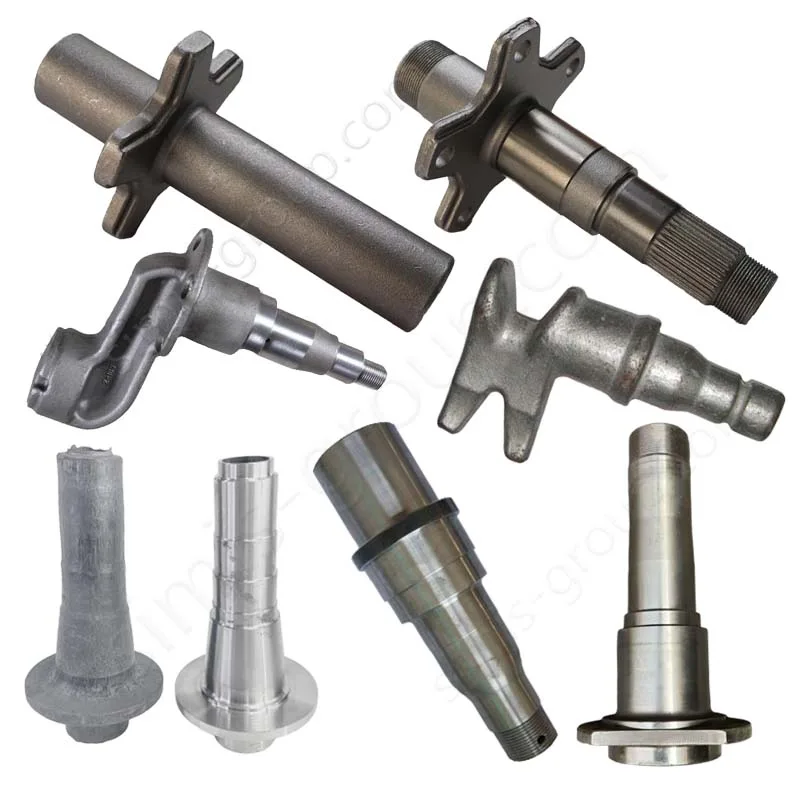
Custom Brake Disc Manufacturer
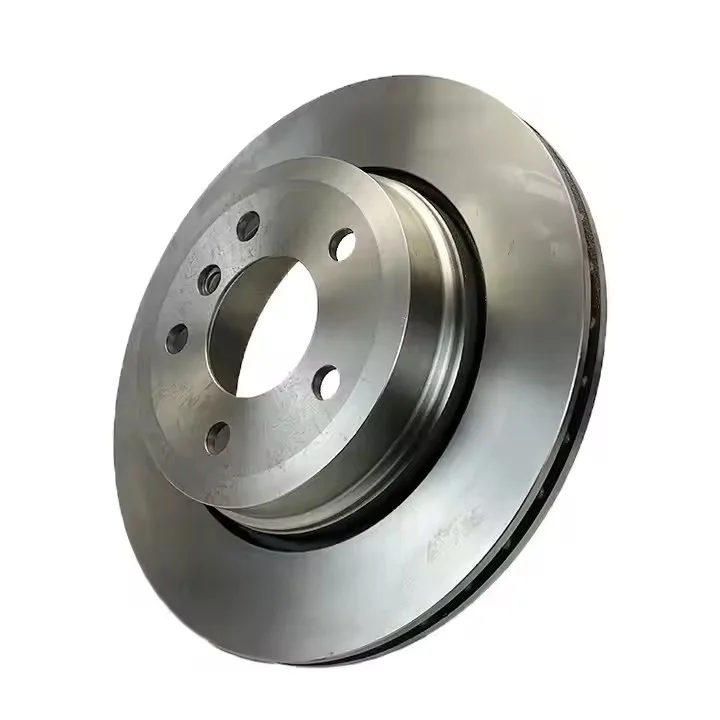
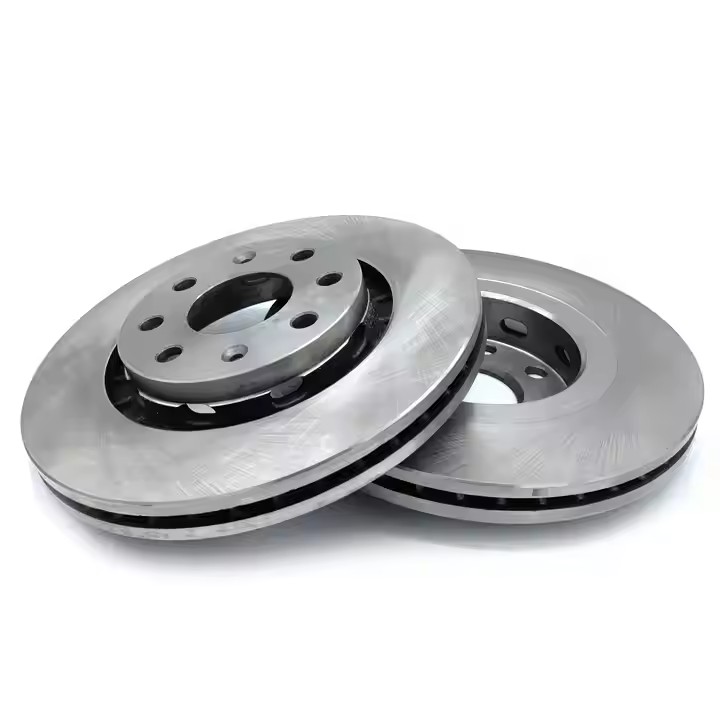
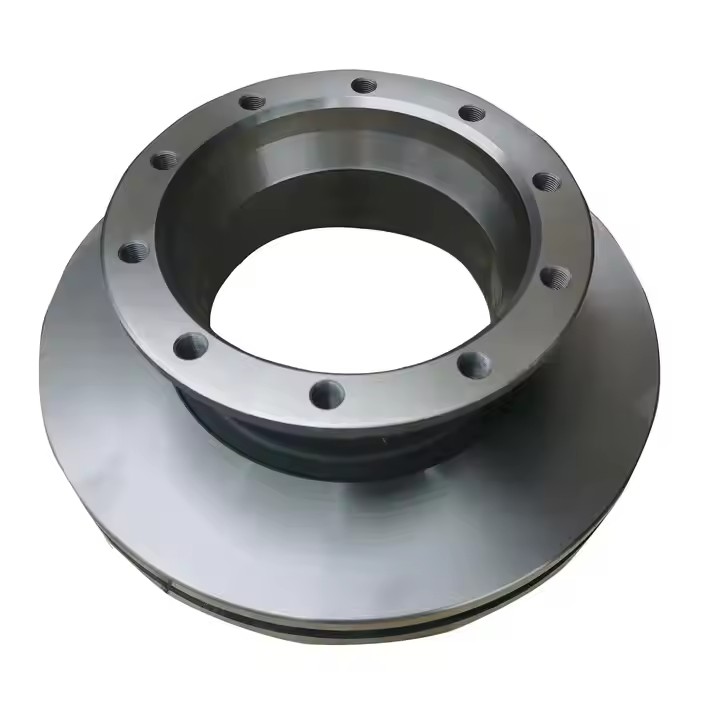
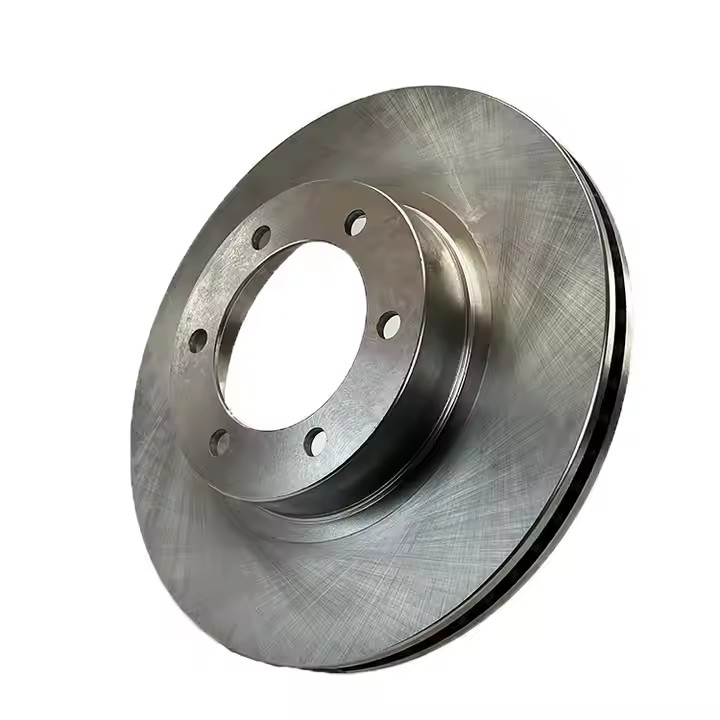

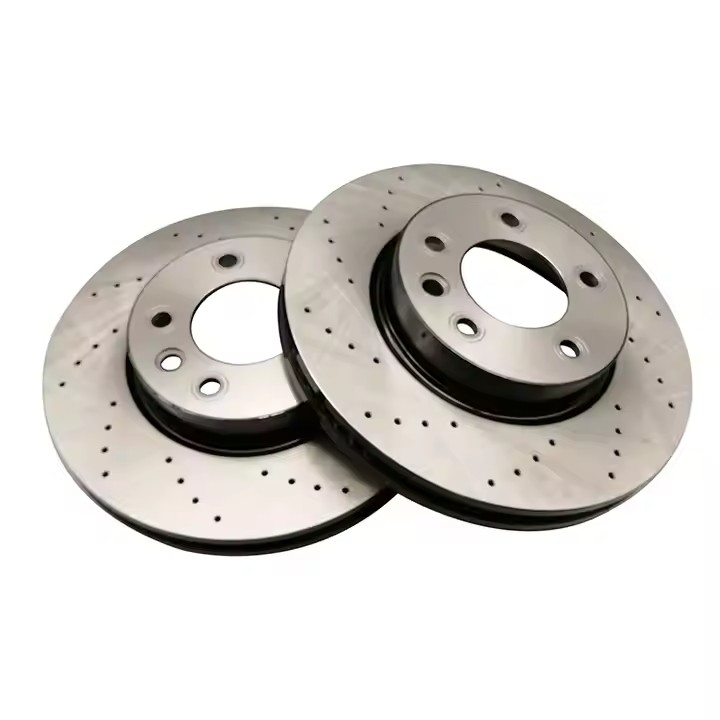
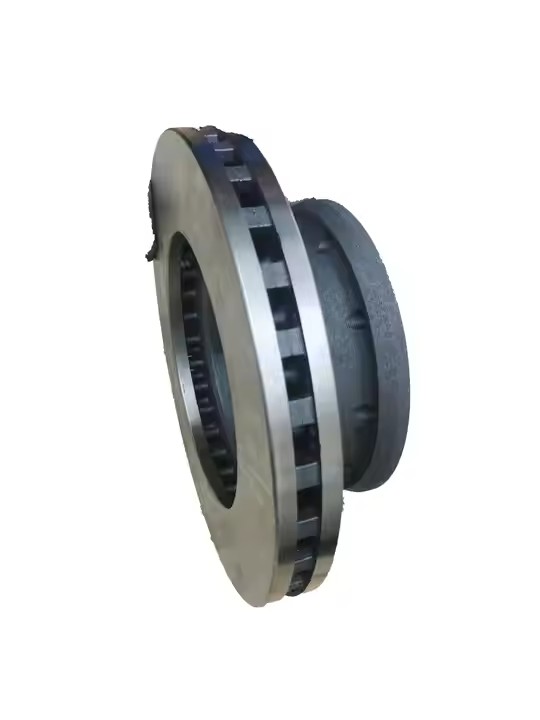
Brake Disc

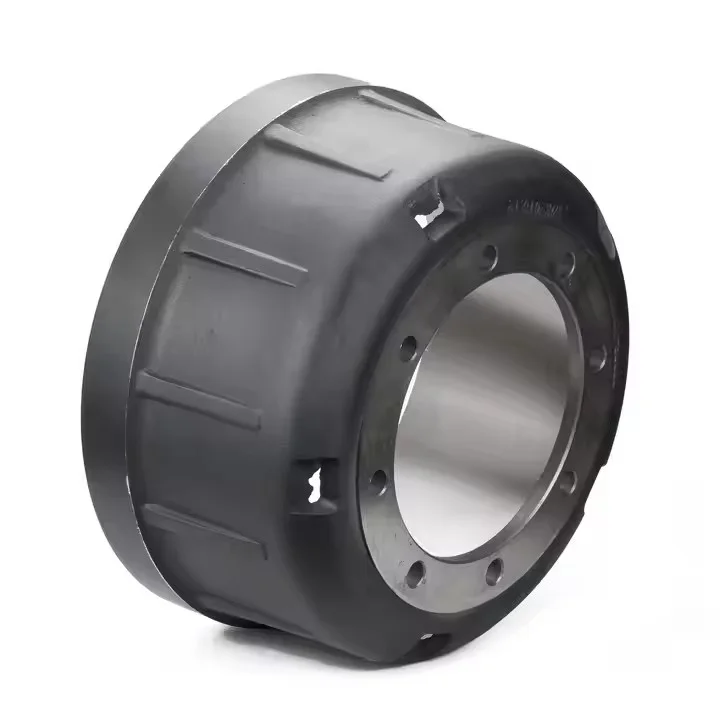
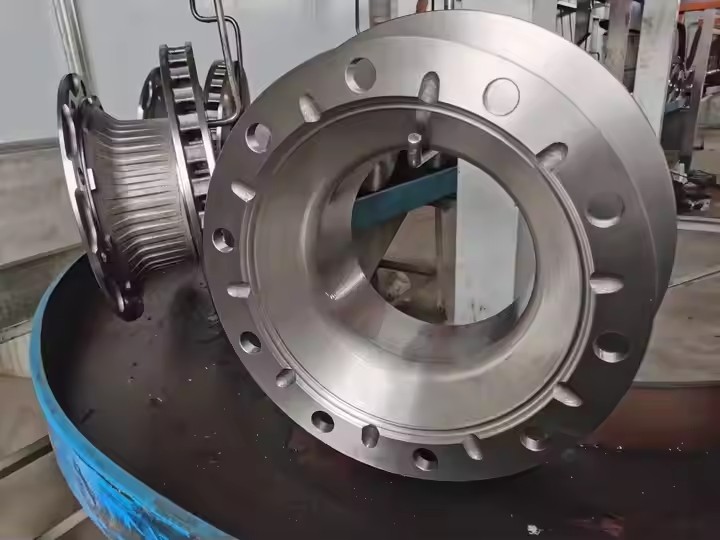
China Simis Company is a specialized OEM custom manufacturer of high-quality Brake Discs (Rotors). As critical safety components, our brake discs are engineered to meet stringent international standards for thermal stability, durability, and reliable stopping power across a wide range of vehicles.
We utilize advanced casting processes and precise machining to produce brake discs from specialized cast iron and alloy grades, ensuring consistent performance for automotive, commercial, and high-performance racing applications.
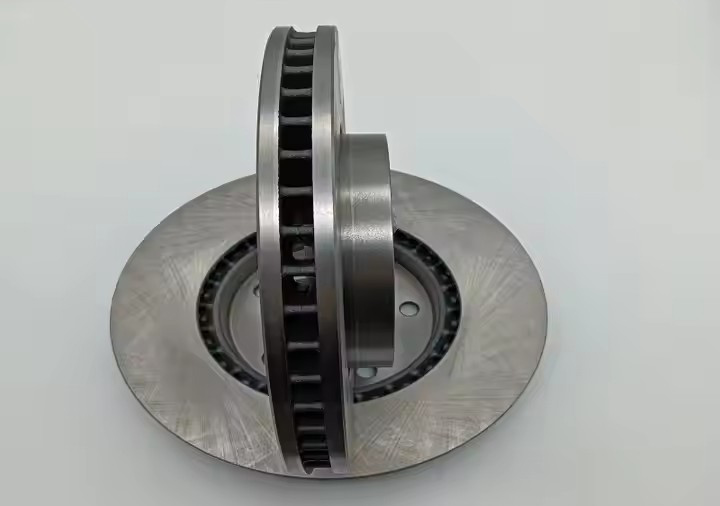
1. What Manufacturing Processes Ensure Brake Disc Quality?
Brake disc quality is directly determined by its material microstructure and casting process, as both factors dictate the component’s heat management capability and resistance to thermal fatigue—critical for safe and durable braking performance.
| Manufacturing Process | Material Focus | Brake Disc Type & Key Advantage |
| Sand Casting / Shell Mold Casting | Gray Cast Iron (most common), Ductile Iron. | Standard production for ventilated and solid rotors; Shell Mold offers improved surface finish and dimensional consistency. |
| Investment Casting | Stainless Steel, Specialty Alloys. | Used for high-end, complex designs or materials requiring high precision and superior metallurgy (e.g., lightweight rotors). |
| Closed Die Forging | Alloy Steel / Carbon Steel. | (Rarely used for discs, but applicable for Disc Hubs/Hats); provides maximum structural integrity and strength for mounting points. |
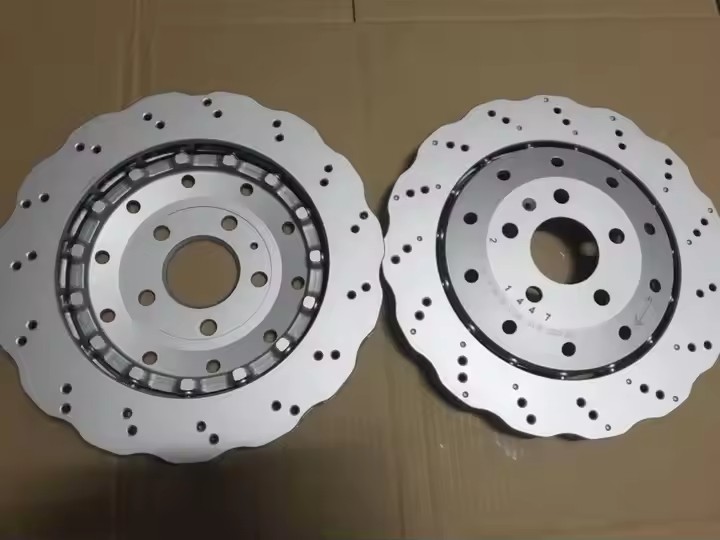
2. What Materials Are Used for Brake Discs?
To withstand repeated high-temperature cycles during braking, brake discs use materials engineered for excellent thermal conductivity, high specific heat capacity, and superior wear resistance—all tailored to the application’s demands.
| Material Type | Primary Performance Requirement | Typical Brake Disc Application |
| Gray Cast Iron | Superior thermal conductivity, high damping capacity, and low thermal expansion. | Standard rotors for commercial vehicles, passenger cars, heavy trucks (90% of global market). |
| Alloy Steel & Stainless Steel | Corrosion resistance, high strength at high temperatures. | Specialty rotors, marine applications, or high-performance racing where weight is critical. |
| Ductile Iron (High Carbon) | Used in specific designs requiring higher tensile strength than Gray Iron. | Heavy-duty applications requiring increased structural rigidity. |
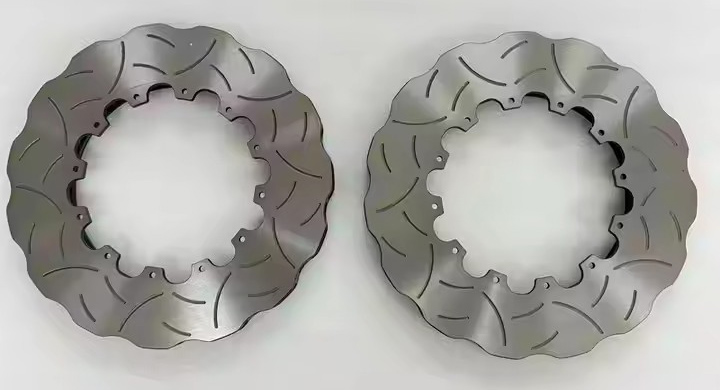
3. How to Achieve High-Precision Machining and Quality Assurance for Brake Discs?
High-precision machining is indispensable for brake discs, as it ensures proper pad contact, prevents warping, and minimizes noise, vibration, and harshness (NVH)—all key to safe and comfortable braking.
·Lateral Runout Control:
We machine brake discs to extremely tight tolerances (typically <0.05 mm or less) to eliminate pedal pulsation and premature wear of both discs and brake pads.
·Surface Finish:
Precise surface roughness is achieved on friction faces to optimize brake pad bedding, ensuring consistent stopping power from the first use.
·Balance Verification:
Each brake disc undergoes dynamic balancing to prevent high-speed vibration, often involving weight removal via precision drilling (balancing holes) for optimal stability.
·Metallurgical Inspection:
We verify the microstructure of cast iron (e.g., flake graphite structure) to ensure optimal heat dissipation characteristics and damping capacity for reliable performance.
·Hardness Uniformity:
Consistent surface hardness across the friction area is guaranteed to ensure predictable wear rates and prolonged service life of the brake disc.
4. Which Vehicle Types Use Custom Brake Discs?
Simis custom brake discs are engineered to deliver reliable safety and performance across diverse transportation sectors, with tailored designs for each vehicle type’s unique demands.
·Commercial & Heavy Trucks:
Large, robust rotors designed to manage extreme thermal loads and prolonged braking cycles in heavy-duty vehicles, ensuring durability under high stress.
·Passenger & Light Vehicles:
High-volume discs that prioritize NVH (Noise, Vibration, and Harshness) reduction, long service life, and consistent braking performance for everyday use.
·Sports & Racing Cars:
High-performance, often two-piece rotors (disc + forged hat) utilizing specialty alloys to maximize heat dissipation and reduce unsprung weight for agile handling.
·Motorcycles:
Lightweight, high-strength discs requiring precise balance and consistent thermal performance to support the unique dynamics of motorcycle braking systems.
5. What Are the Advantages of Simis OEM Custom Brake Discs?
Choosing Simis as your brake disc OEM partner provides critical engineering support and manufacturing reliability, ensuring safety-critical components meet the highest standards.
·Thermal Management Optimization:
Our engineering team optimizes vane structures (for ventilated rotors) and material chemistry to maximize heat transfer, reducing the risk of thermal cracking and brake fade.
·Noise and Vibration Reduction:
We specialize in casting designs and machining protocols that minimize resonant frequencies, delivering quiet and smooth braking performance for enhanced driver comfort.
·Integrated Supply Chain:
We offer end-to-end accountability from casting and material analysis through CNC machining and final balancing, ensuring consistent quality across every batch.
·Global Safety Compliance:
Our quality management systems adhere to strict international standards for safety-critical automotive components, facilitating market access worldwide.
6. How to Get a Quote for Custom Brake Discs?
China Simis Company is your expert partner for high-quality custom casting brake discs, engineered for safety, thermal stability, and superior performance across all vehicle types.
To receive a professional consultation and detailed quotation, please submit your 2D technical drawings, 3D models, and key performance criteria (vehicle type, required temperature limits, and target service life) to our engineering department. Our team will tailor solutions to your specific project needs.