Custom Control Arm Manufacturer
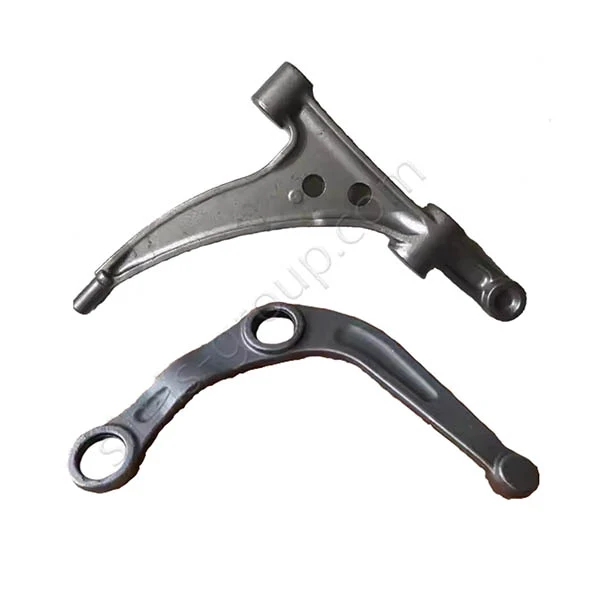
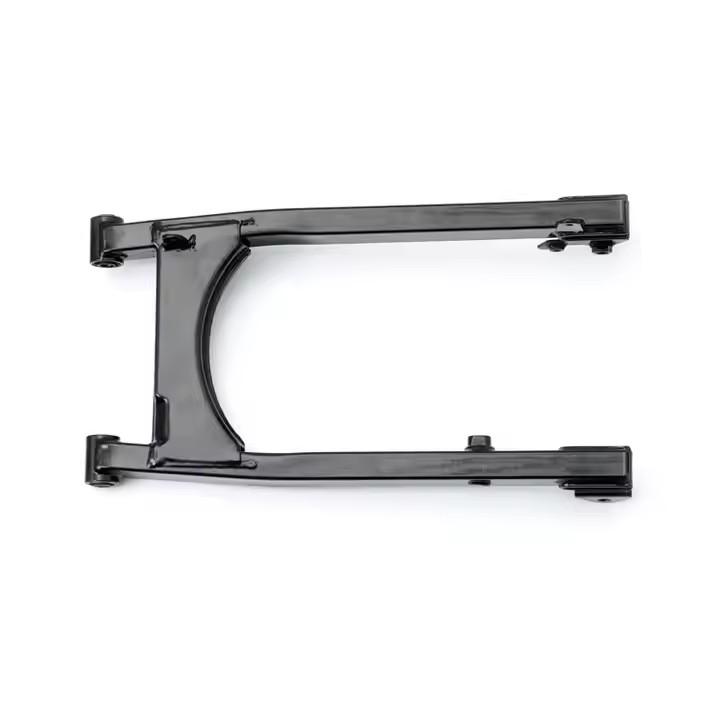
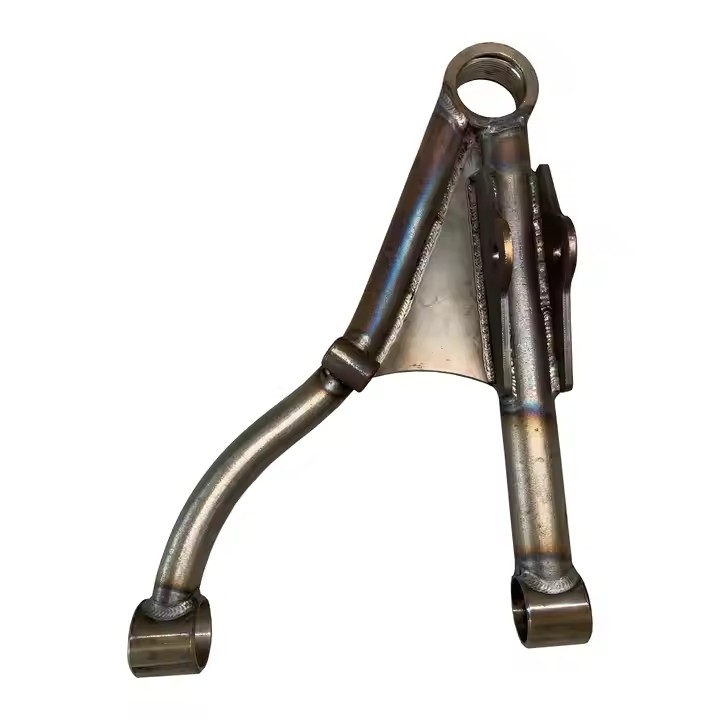
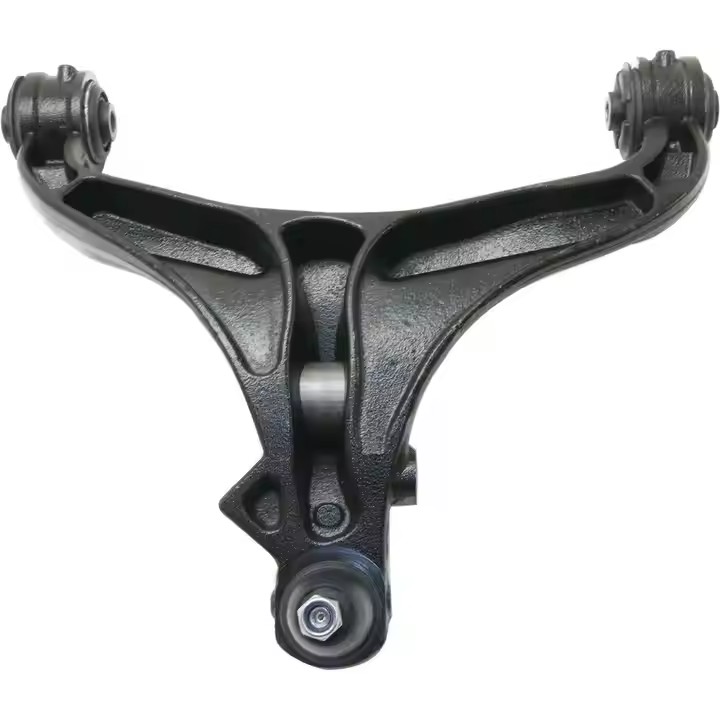
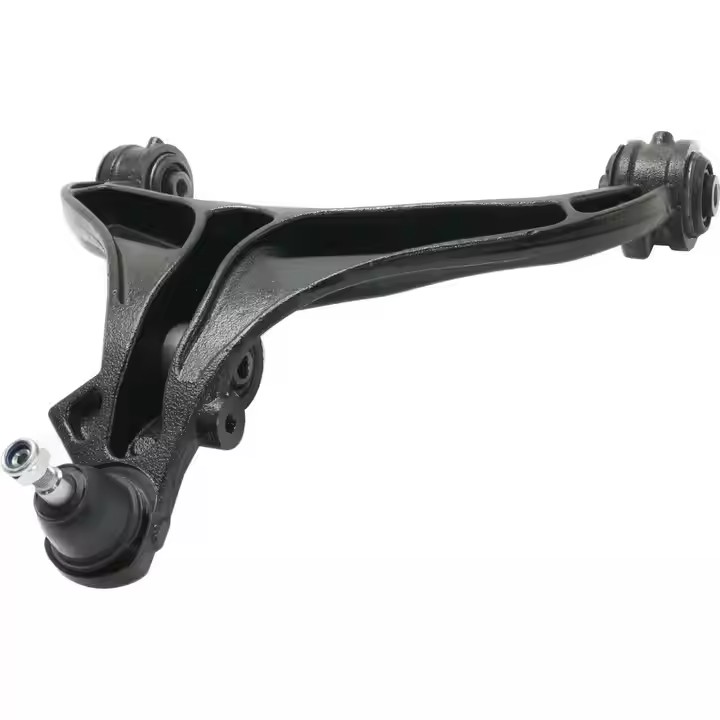
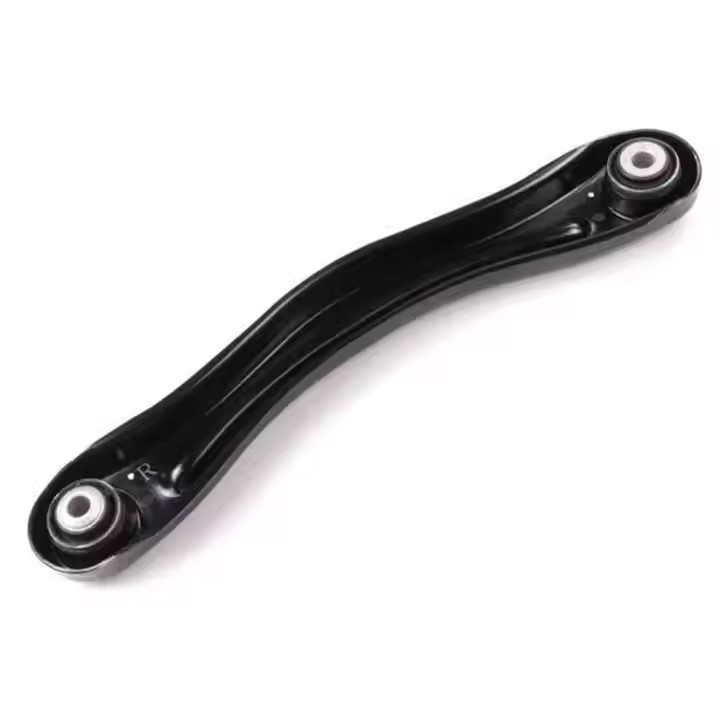
Control Arm

Custom Suspension Control Arm Manufacturing FAQs
1. Can SIMIS manufacture suspension control arms from our drawings?
Yes. SIMIS works on drawing-based OEM control arm projects rather than offering a universal fitment catalog. Share a 2D drawing and 3D model, upper or lower arm configuration, specified material, bushing and ball-joint interfaces, target volume, and acceptance criteria. The feasible production route and inspection scope are reviewed against that particular design.
2. Should an OEM control arm be forged, cast, or stamped?
There is no single best process for every vehicle. Forged steel or aluminum can suit demanding load cases and compact load paths; cast aluminum or ductile iron can accommodate different shapes; stamped and welded steel assemblies can be efficient at higher volumes. Selection must consider geometry, loading, validation requirements, tooling economics, and the material grade—not just the appearance of the part.
3. Which dimensions are most important on a control arm?
Critical characteristics commonly include the relative locations of the inboard bushing axes and outer ball-joint interface, bore diameters, mating faces, angular orientation, and specified datums. Their drawing tolerances govern assembly with the chassis and steering knuckle. They must be established by the vehicle design authority rather than assigned a generic tolerance by the supplier.
4. Can control arms be supplied with heat treatment, coating, and inspection?
Relevant secondary operations can be incorporated into the manufacturing plan where appropriate. Heat treatment depends on alloy and process; protective finishing depends on the corrosion environment; dimensional inspection, material verification, nondestructive examination, and fatigue-related testing are defined by the agreed project control plan. No specific certification or test result is assumed without evidence.
5. What is needed for an accurate custom control arm quotation?
Provide CAD files and revision-controlled drawings, the vehicle or equipment application, annual and initial order quantities, material or performance requirements, installation points, load cases or test specifications where available, surface finish, and any documentation or sample-approval requirements. This helps assess tooling, machining, inspection, and lead time without guessing.
OEM Control Arms Designed Around Suspension Geometry
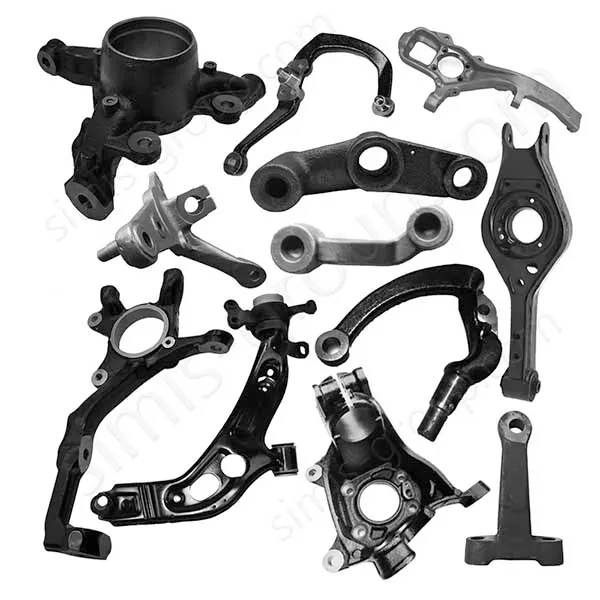
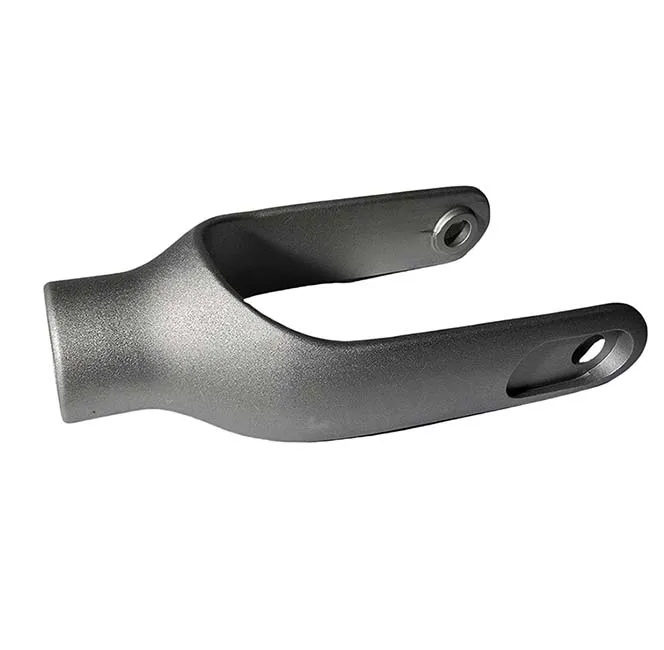
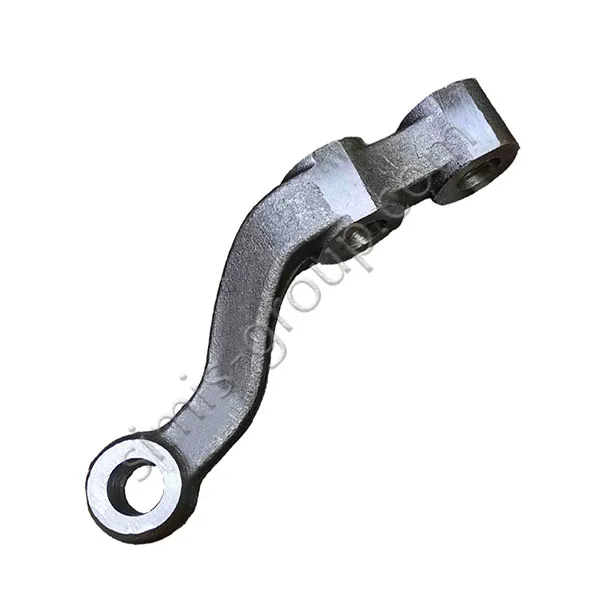
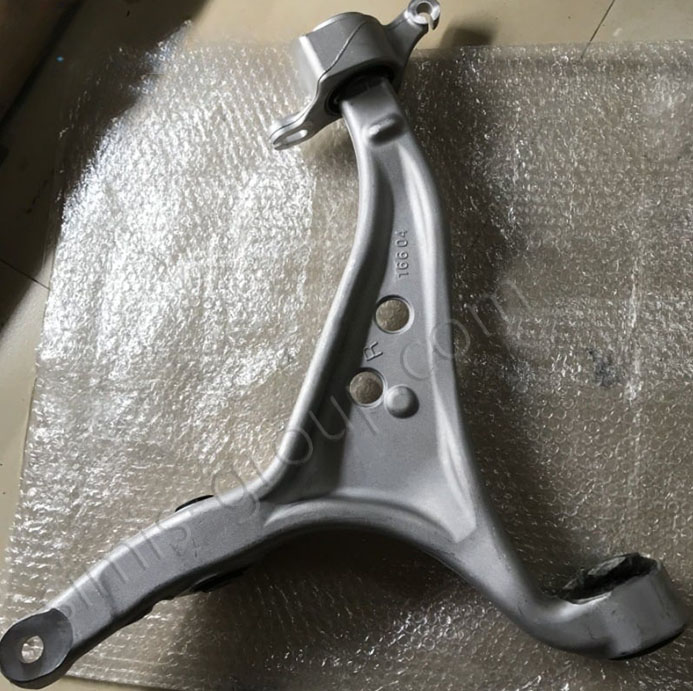
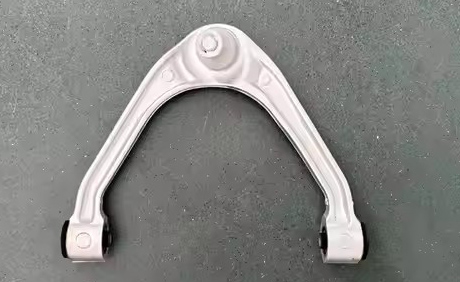
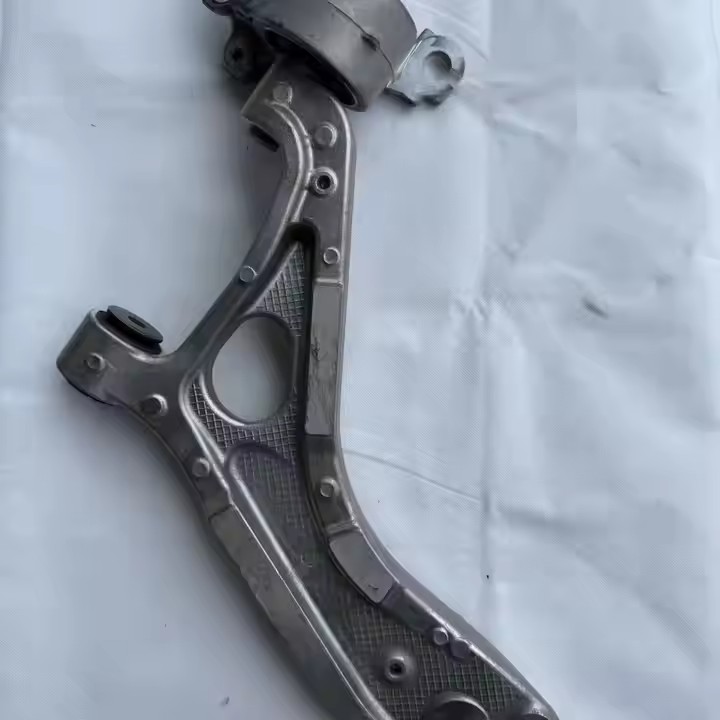
A suspension control arm connects a wheel-side upright or steering knuckle to the vehicle structure through ball joints, bushings, or other defined joints. Depending on the layout, it may be an upper control arm, lower control arm, A-arm/wishbone, or a link in a multi-link suspension. These configurations are related but not interchangeable: their attachment points, load directions, clearances, and assembly methods differ.
SIMIS focuses on custom metal control arm blanks and machined components manufactured to customer specifications. A successful part is defined by more than its overall outline. Hole locations, bushing-axis orientation, ball-joint seating geometry, stiffness targets, corrosion exposure, and repeatability between production batches all influence the manufacturing approach. The OEM remains responsible for vehicle-level design, fitment, and safety validation.
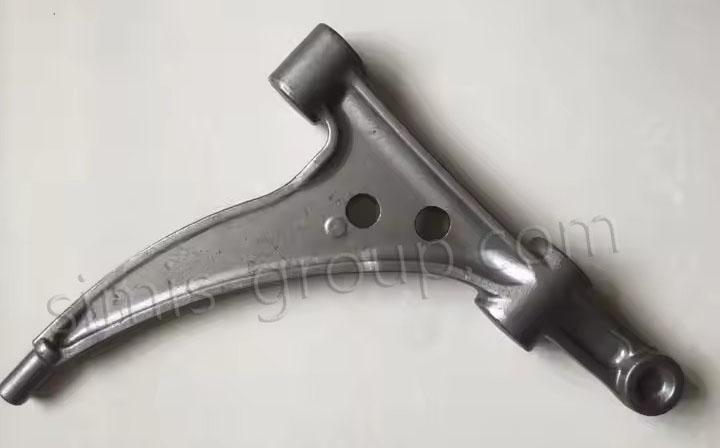
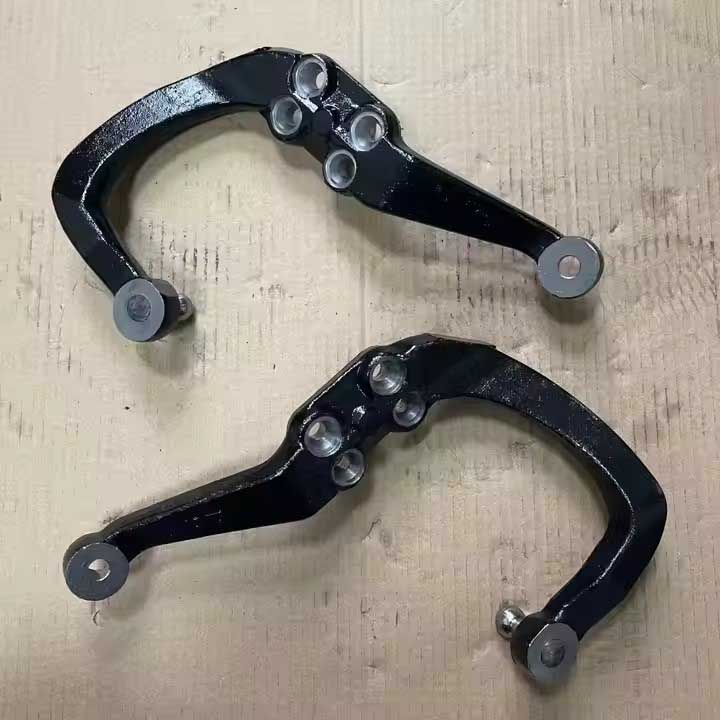
Choosing the Right Manufacturing Process for a Control Arm
The route is selected after reviewing component size, load paths, allowable mass, minimum sections, tooling investment, and expected production volume. A drawing may call for a near-net-shape forged or cast blank followed by local machining; a welded steel assembly requires a different approach to process control and inspection.
| Production route | Where it may fit | Design and production considerations |
|---|---|---|
| Closed-die forging | Steel or aluminum arms with suitable forged geometry and demanding structural requirements | Die access, parting line, flash trimming, grain-flow objectives, heat treatment, and machined interfaces |
| Gravity/permanent-mold aluminum casting | Aluminum designs whose geometry and volume support reusable molds | Solidification, feeding, porosity control, wall thickness, local reinforcement, and cast-specific qualification |
| Sand casting | Ductile iron or other cast designs with geometry or volume favoring sand tooling | Core placement where needed, section transitions, machining stock, and casting inspection |
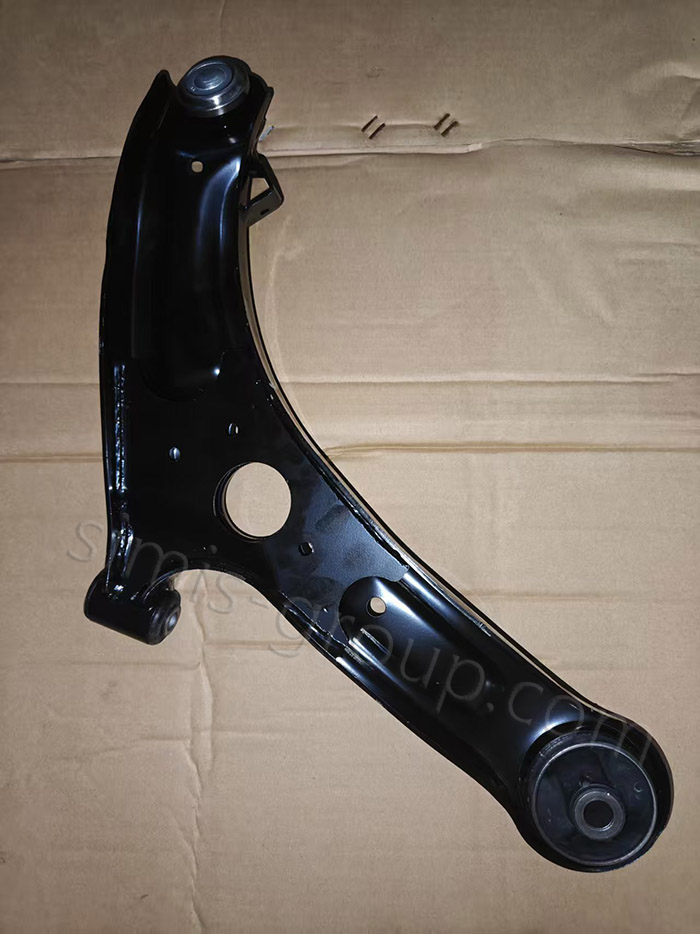
| Stamped and welded steel | Pressed-sheet arms or multi-piece assemblies suited to repeat production | Weld location, fixturing, distortion control, joining verification, and corrosion protection |
| CNC machining after forming | Bushing bores, locating faces, ball-joint interfaces, and other controlled features | Stable machining datums, tool access, finishing sequence, and inspection references |
For a near-net-shape forged arm, our closed-die forging capabilities provide a relevant process starting point. Aluminum designs may warrant a review of gravity permanent-mold casting, while some ductile-iron concepts may be evaluated for sand casting. Sheet constructions can be assessed alongside sheet metal stamping and fabrication. The chosen route must then be checked against the actual drawing, not selected solely by material name.
Materials for Forged, Cast, and Fabricated Suspension Arms
Material designation, metallurgical condition, corrosion environment, and loading data need to be treated together. Generic descriptions such as “aluminum is always lighter and stronger” or “forged steel always lasts longer” are not reliable substitutes for a design-specific material specification.
| Material family | Potential reason to consider it | Points to confirm |
|---|---|---|
| Forging-grade aluminum alloys | Lower density and potential mass reduction in approved arm designs | Temper, fatigue behavior, section sizing, galvanic interfaces, corrosion protection |
| Carbon and alloy steels | Strength, toughness, and compatibility with forging or welded constructions | Specified grade, condition, weldability or heat treatment, coating |
| Ductile iron | Castability and design flexibility for qualified cast-arm applications | Grade, nodularity, casting soundness, section thickness, fatigue requirements |
| Cast aluminum alloys | Complex near-net shapes and weight-conscious applications | Casting process, porosity acceptance, alloy temper, local mounting features |
An aluminum forging and a cast aluminum arm can need different geometry, material specifications, and acceptance methods even when the finished components look similar. For steel, weldability and the weld design are essential if the arm is fabricated rather than forged. Heat treatment, where required, must be matched to alloy and verified using an agreed specification. See our metal parts heat treatment process overview for the types of finishing operations that may be considered.
Critical Control Arm Machining and Fit Features
Bushing bores, seats, and pivot axes
Inboard mounting features determine how the arm interfaces with bushings, sleeves, or pivot hardware. The drawing should clearly identify the bore sizes, fits, cylindricity or roundness requirements when applicable, and the relationship between pivot axes. For press-fit components, tolerance and material assumptions must be evaluated as a system; the final assembly fit cannot be inferred from a nominal bore alone.
Ball-joint mounting and steering-knuckle interface
The wheel-side connection may use a ball-joint seat, taper, bolt pattern, or other customer-specific mounting geometry. A machined taper, where present, requires its own angle, diameter, surface and positional requirements. Some arms arrive as bare components; others are intended for bushing or joint assembly at a later stage. Confirm the supply boundary before planning inspection.
Center-to-center dimensions, orientation, and datums
The positions of bushing centers relative to the ball-joint interface are usually more important to assembly than a nonfunctional outside contour. Functional datums should reference the vehicle mating interfaces. Geometric tolerancing, fixture location, and inspection method need to agree; an isolated coordinate check does not necessarily establish assembled alignment.
Post-forming CNC machining
A route may include rough machining, any specified heat treatment or straightening, and final machining of functional interfaces. Stable workholding is especially important where geometry is thin, asymmetric, or welded. SIMIS can review the precision CNC machining requirements from supplied 2D/3D data and identify features that need dedicated fixtures or gauging.
Load Paths, Fatigue Considerations, and Design for Manufacturing
A control arm sees combinations of braking, acceleration, cornering, vertical wheel travel, and road-impact loads. The part geometry transfers those loads between the wheel-side joint and inboard pivots. Because the loading is multi-directional and cyclic, fatigue-sensitive features deserve special attention: abrupt section changes, sharp internal corners, weld toes, casting discontinuities, and transitions near high-load mounting bosses.
During manufacturability review, useful questions include whether the proposed fillets are accessible to tooling, whether the casting can feed thick bosses without avoidable defects, whether a forging can fill the specified rib geometry, and whether machining stock remains adequate at functional seats. For welded constructions, joint access and distortion after welding need a defined control approach. None of these reviews replaces the OEM’s engineering analysis or durability validation.
Where the specification calls for structural testing, define the load spectrum, number of cycles, boundary conditions, allowable deformation, sample quantity, and acceptance criteria in advance. A supplier can plan production and coordinate requested testing only once these project requirements are known.
Surface Finish, Corrosion Protection, and Assembly Readiness
The desired finish depends on whether the arm is exposed to water, road salt, stone impact, or other service conditions. Steel stampings and weldments commonly require corrosion protection; aluminum components may also require protective or cosmetic finishing. Coating choices must account for dimensional features, threaded areas, mating faces, and bushing installation interfaces.
Possible finishing approaches and masking requirements should be agreed before production so that final hole dimensions and installed fits remain controlled. Our surface treatment overview describes processes that can be reviewed for customer projects. Coating thickness, adhesion, or corrosion test requirements should be specified rather than presumed.
Inspection and Validation for Safety-Relevant Control Arm Projects
Suspension arms are safety-relevant vehicle components. Manufacturing acceptance, component validation, and vehicle approval are separate activities: a dimensionally conforming arm does not by itself establish fatigue durability or legal compliance for an intended vehicle.
| Check or deliverable | Typical scope | When to define it |
|---|---|---|
| Material and heat-treatment records | Grade, chemical/mechanical properties, treatment condition where specified | During RFQ and technical review |
| Dimensional / GD&T inspection | Functional datum system, bore and joint coordinates, mounting faces | Before machining fixture and measurement planning |
| Casting / forging / welding examination | Visual checks and NDT methods chosen for material and risk | In the inspection and acceptance plan |
| Corrosion and coating checks | Finish condition, thickness or performance testing if required | Before finishing process approval |
| Fatigue / strength validation | Load cases, fixture constraints, test sequence and pass/fail rules | Defined by OEM or project design authority |
| Production approval records | Samples, traceability, capability studies or PPAP documents if contractually requested | Before quoting the documentation scope |
The appropriate quality control plan may include incoming material traceability, first-article dimensional records, periodic production checks, and inspection of identified critical features. Magnetic-particle, dye-penetrant, radiographic, or other NDT methods should be selected only where technically suitable and specified. We do not assume that every control arm has been fatigue-tested, certified, or approved under an automotive standard merely because a particular manufacturing method is used.
Applications and Component Boundaries
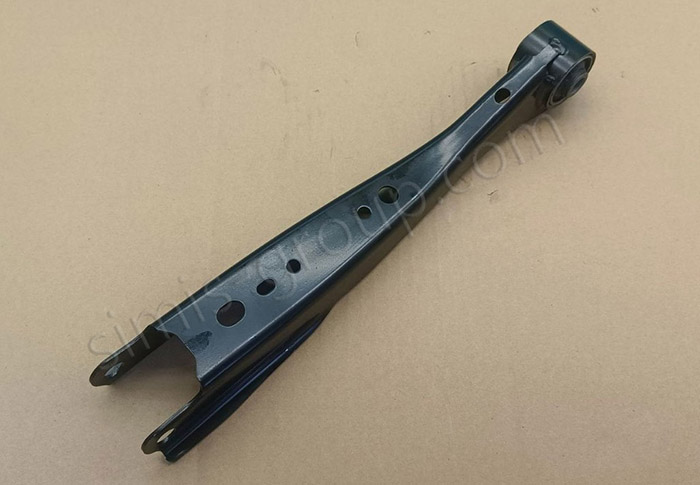
Custom upper and lower wishbones may be developed for passenger cars, SUVs, off-road vehicles, commercial vehicles, and specialized mobile equipment. Different platforms prioritize different combinations of mass, impact tolerance, durability, packaging space, corrosion resistance, and manufacturability. A welded commercial-vehicle link should not automatically inherit the specifications for a forged aluminum passenger-car arm.
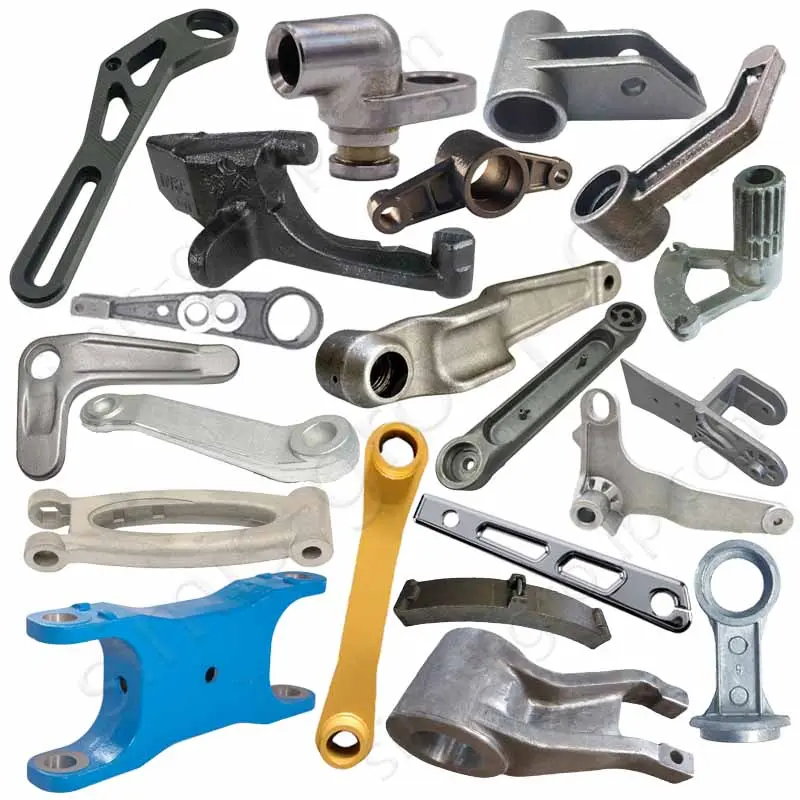
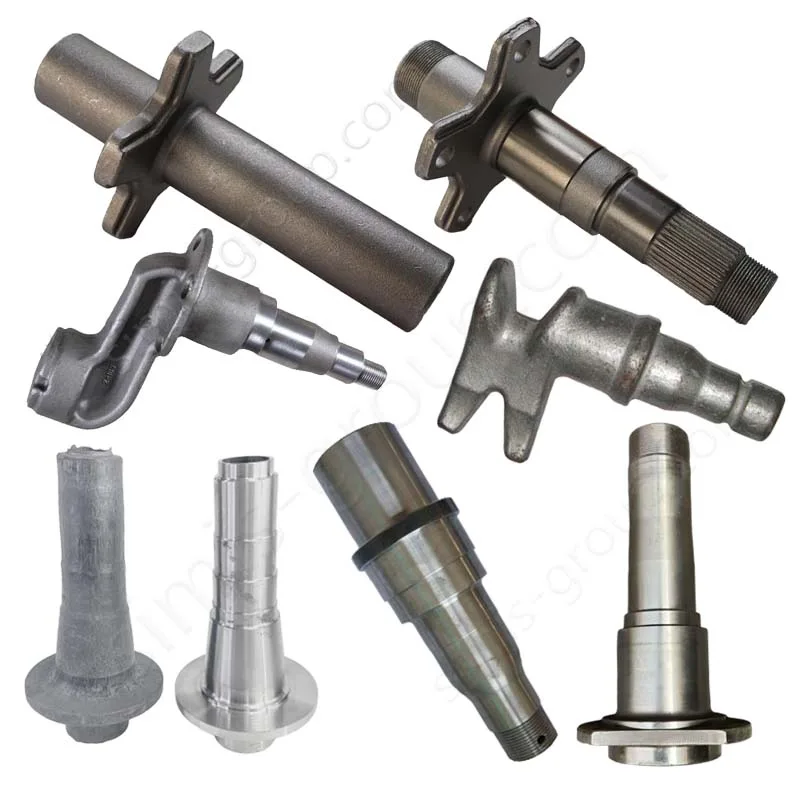
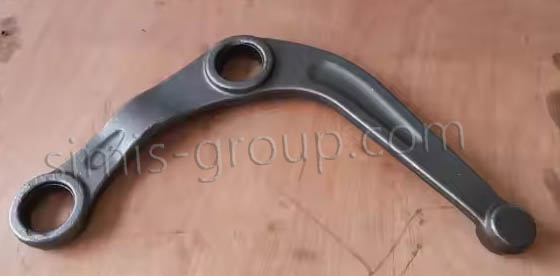
A control arm works alongside other suspension and steering parts but performs a distinct role. A steering knuckle provides wheel-end interfaces, while a tie rod arm relates to steering linkage. A more general custom link arm may be used in a suspension or other articulated mechanism. Drawing nomenclature and actual load/function should be established before a manufacturing quotation is prepared.
From Customer Drawing to OEM Production
Engineering review and manufacturability feedback
Start with the drawing revision, functional surfaces, material choice, and load or verification requirements. Compare forging, casting, or fabricated construction against volume, tooling cost, material yield, and the feasibility of finishing critical features. Potential adjustments—such as draft, fillet radii, access for machining, or controlled casting stock—should be proposed for customer approval rather than changed silently.
Tooling, samples, and agreed approval points
If a project proceeds, its plan may cover tooling or fixture design, trial parts, first-article measurements, agreed testing, and customer sign-off before repeating the process in production. The exact sequence depends on design maturity and the contract; there is no universal lead time or automatic qualification route for all designs.
Repeatable production and technical communication
Clear revision management, identified critical dimensions, inspection frequency, packing requirements, and traceable part identification make repeat production easier to control. These elements are especially useful for safety-relevant arms where a design revision can change joint positions or the fatigue-critical load path.
Request a Quotation for Custom Suspension Control Arms
SIMIS supports OEM inquiries for control arms, wishbones, and related suspension components manufactured from customer drawings. Send the 2D/3D design, material specification or performance targets, upper/lower arm designation, vehicle application, bushing and ball-joint interface details, annual quantity, surface treatment, and required inspection or qualification documents. If only preliminary design data is available, identify which dimensions and load requirements are still under development.
Email info@simis-group.com with the subject Custom Suspension Control Arm RFQ. Our review can focus on a practical manufacturing route, the interfaces needing tight control, and the information required for an accurate quotation.