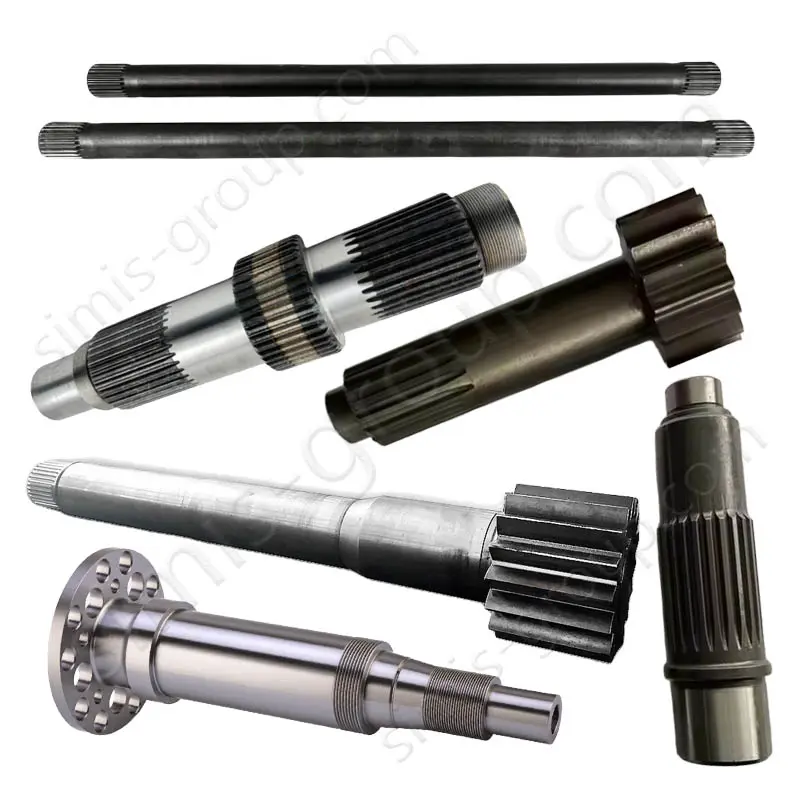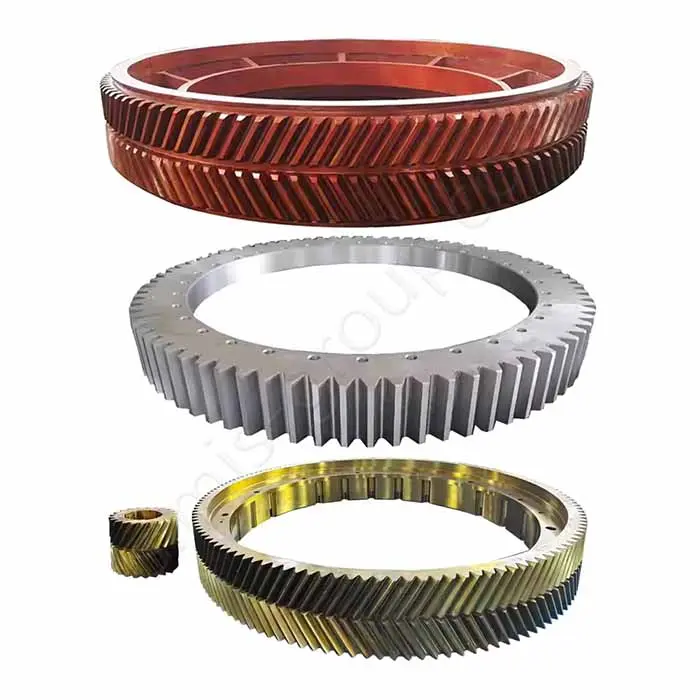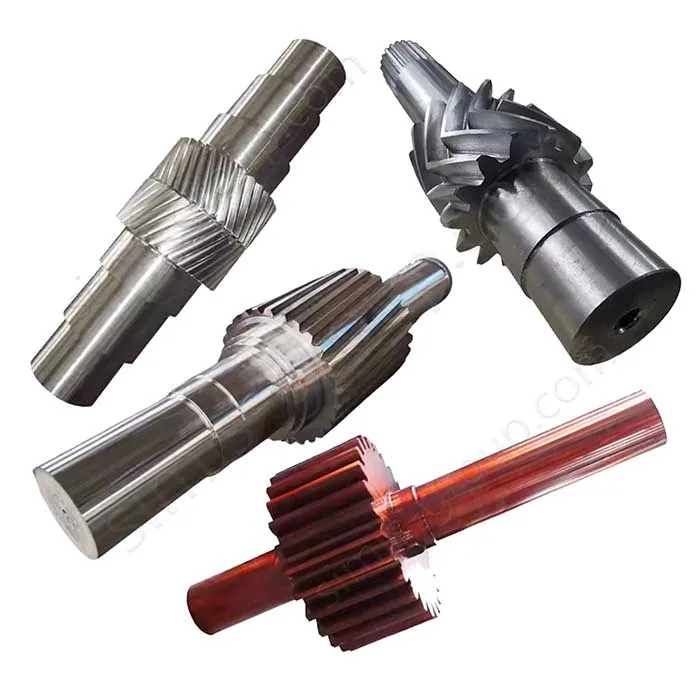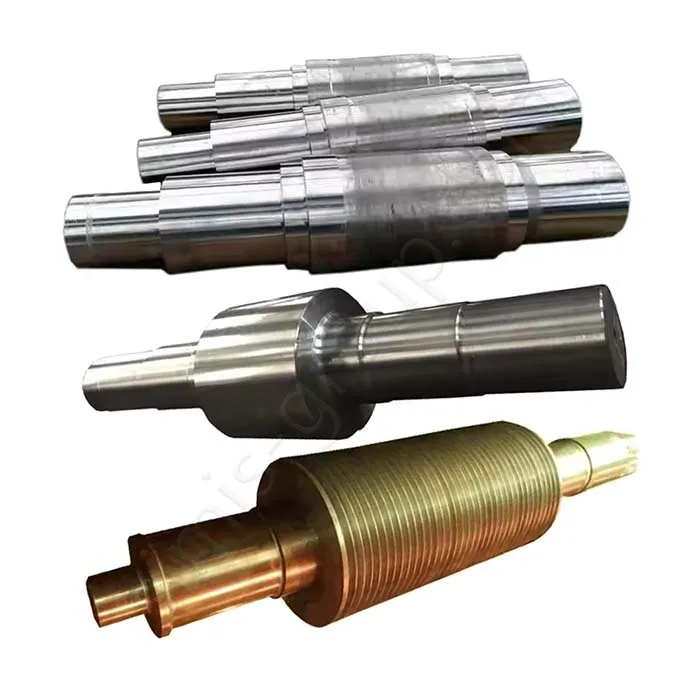
Custom Support Shaft Manufacturer
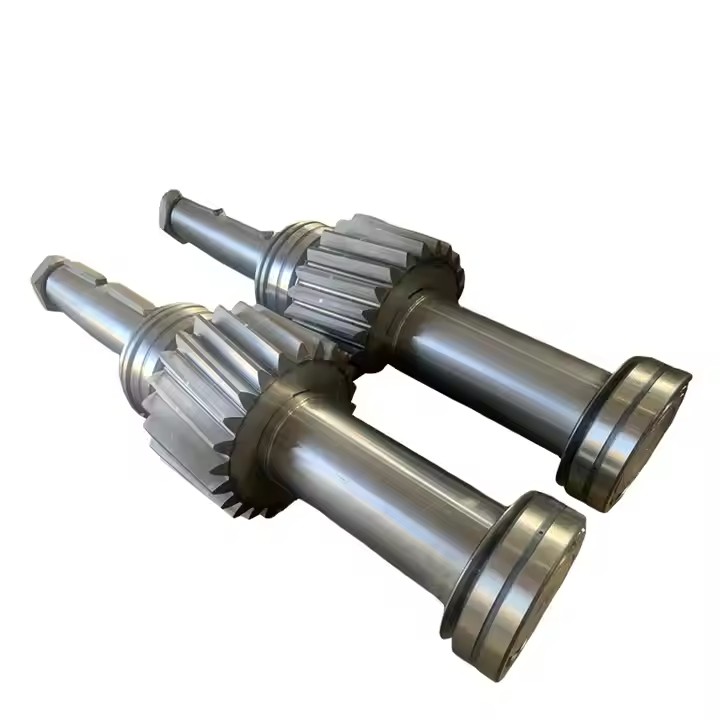
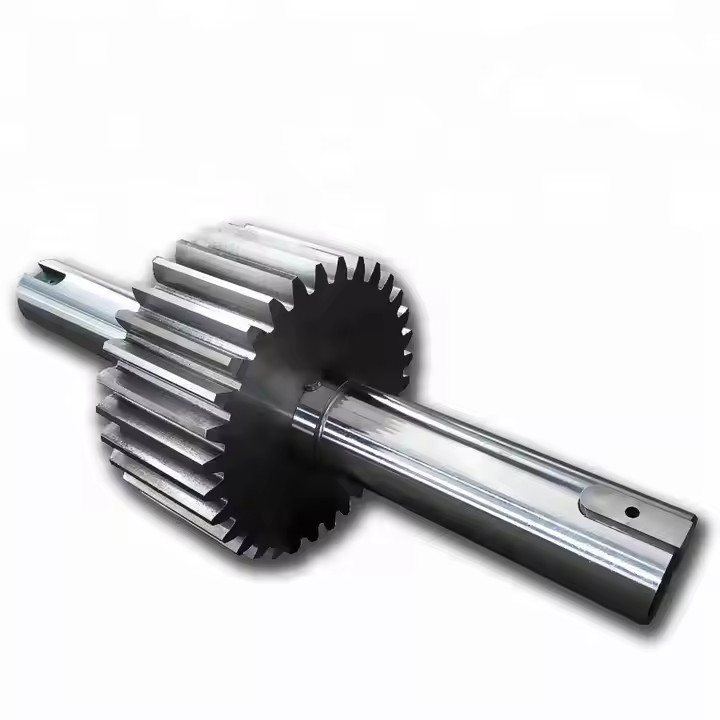
Support Shaft

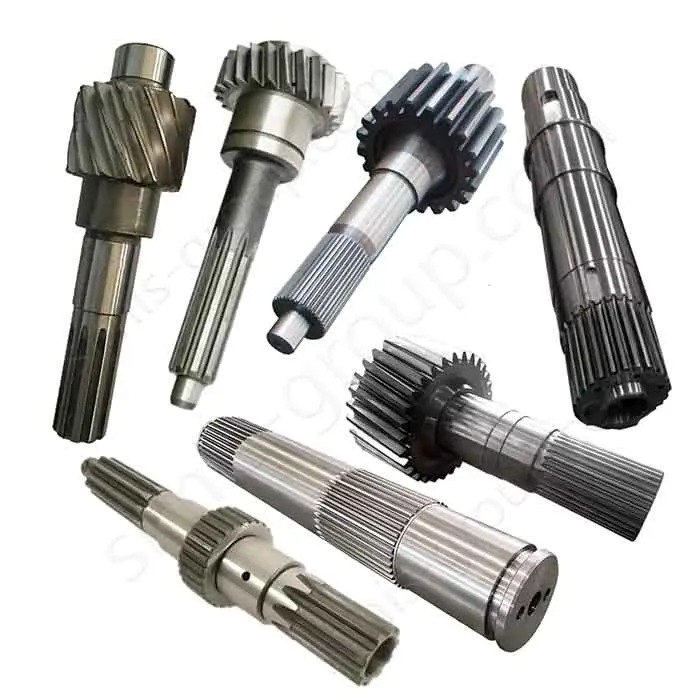
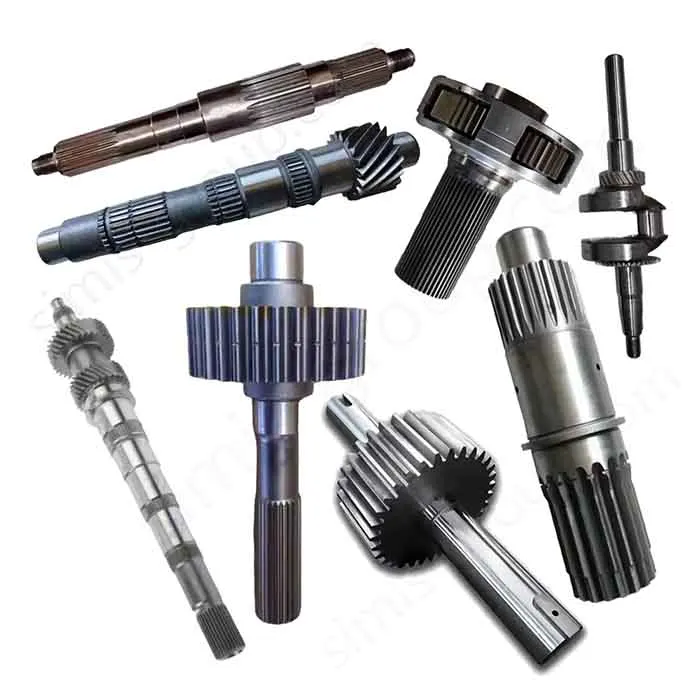
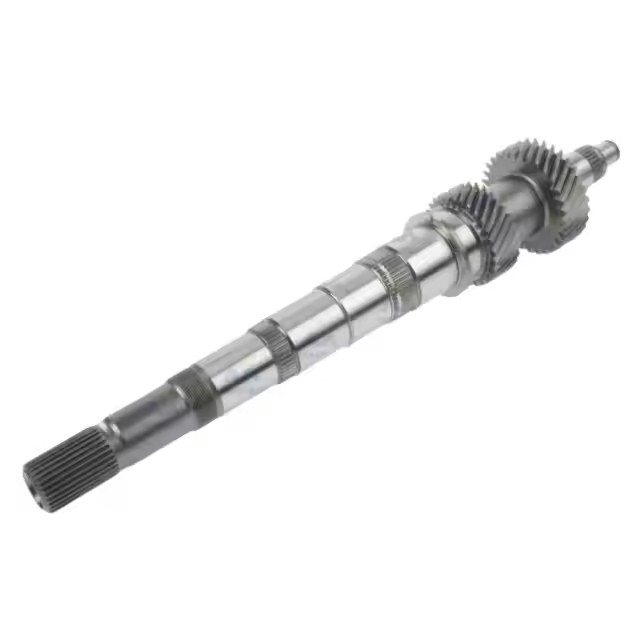
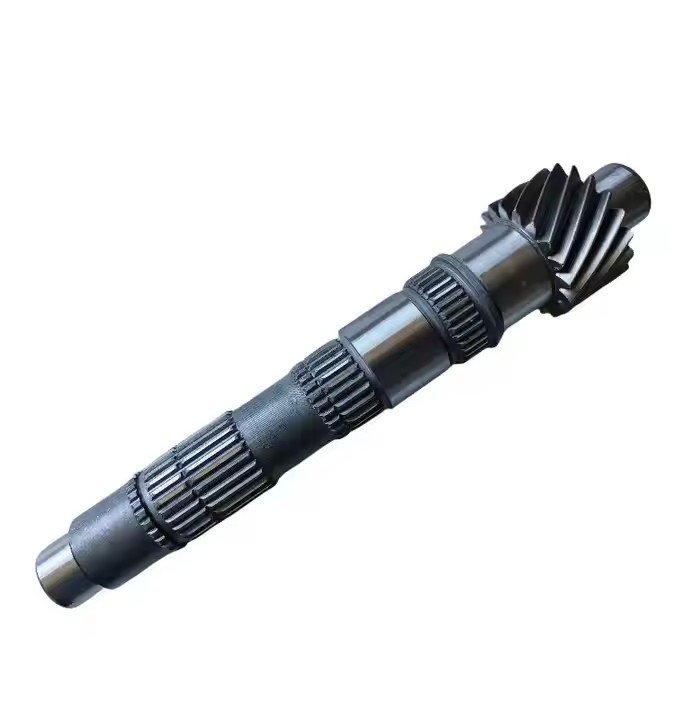
China Simis Company is a specialized OEM custom manufacturer of high-rigidity Support Shafts. These components are essential structural elements designed to carry high radial and static loads with minimal deflection, maintaining critical alignment for associated rotating components like bearings, pulleys, and gears. They are safety-critical components in conveying systems, hydraulic machinery, and heavy equipment.
We utilize high-strength materials including Carbon Steel, Alloy Steel, and Stainless Steel. We employ Open-die Forging to maximize structural integrity in high-stress support shafts and utilize Casting to cost-effectively integrate complex mounting features. Our focus is on Precision Machining and Grinding of bearing journals and mounting faces to guarantee component longevity and stable, low-vibration operation.
What Are the Manufacturing Processes for Support Shaft?
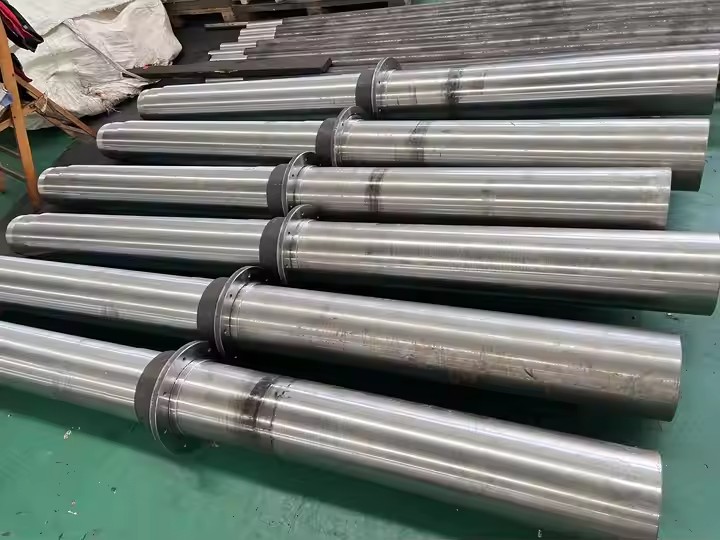
The processes are chosen to maximize the shaft's resistance to permanent bending (rigidity) and achieve the geometric accuracy needed for rotation. We adopt 4 core processes including Open-die Forging, Casting, Precision Grinding and Straightening and TIR Control to meet different high-rigidity support shaft production needs.
| Manufacturing Process | Component Focus | Material Focus | Key Advantage for Support Shaft Performance |
Open-die Forging | High-Load, High-Fatigue Shafts. | Alloy Steel (4140), Carbon Steel. | Maximizes bending and shear strength by optimizing grain flow, preventing failure due to cyclical bending loads (fatigue). |
Casting (Sand/Shell Mold) | Complex Mounting/Flanged Shafts. | Stainless Steel, Carbon Steel. | Used for shafts that require integrated complex mounting flanges, brackets, or irregular cross-sections that are difficult to forge. |
| Precision Grinding (Finishing) | Bearing Journals, Seal Areas. | All Hardened Steels. | Mandatory. Achieves the tight tolerances (IT6-IT7) and superior surface finish required for precise bearing fitment and minimal frictional wear. |
| Straightening and TIR Control | Shaft Body. | All Materials. | Specialized straightening procedures and meticulous TIR (Total Indicator Runout) control ensure the shaft maintains dimensional stability and minimizes vibration during rotation. |
How to Select Support Shaft Materials?
Material selection is based on the required load capacity (rigidity), environmental conditions (corrosion), and required fatigue life. We provide 3 main material types including Alloy Steel, Carbon Steel and Stainless Steel for high-rigidity support shaft production, each with specific performance advantages matching different application requirements.
| Material Type | Primary Performance Requirement | Typical Support Shaft Application & Service |
| Alloy Steel (AISI 4140, 4340) | Highest Rigidity, High Bending Strength and Fatigue Resistance. | Wind Turbine Main Support, Heavy Hydraulic Machinery (e.g., hardened pins, pivot shafts). |
| Carbon Steel (AISI 1045) | Good Balance of Strength and Cost, High Weldability. | General conveying systems, agricultural machinery main axles and supports. |
| Stainless Steel (304, 316) | Corrosion Resistance and Hygiene. | Food processing equipment, marine applications, water treatment conveying systems. |
What Measures Ensure Support Shaft Quality Assurance and Alignment Integrity?
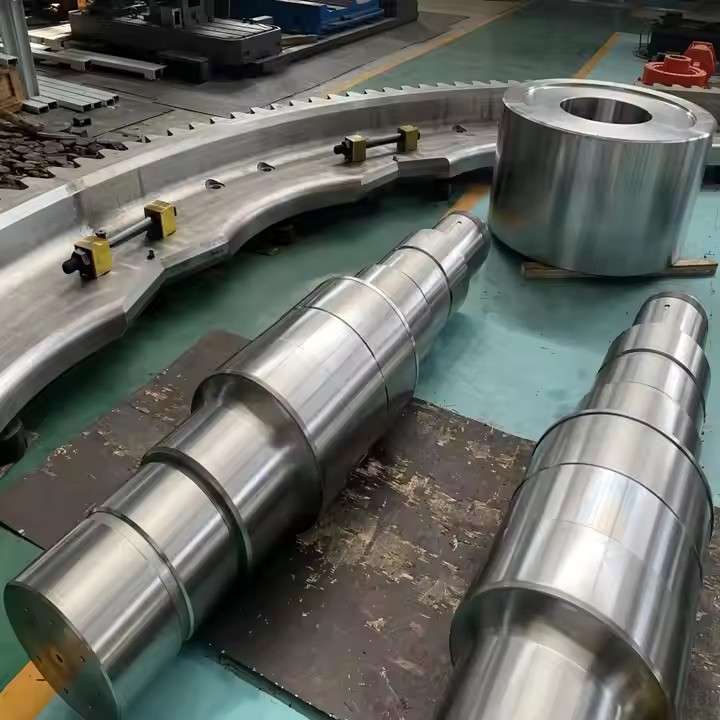
Quality control focuses on geometric accuracy of rotational surfaces and structural integrity under constant load. Our core quality assurance measures include Dimensional and Form Tolerancing, Surface Finish Certification, Structural Integrity Testing (NDT) and Hardness and Wear Resistance Control to guarantee each high-rigidity support shaft meets strict industry standards.
·Dimensional and Form Tolerancing:
CMM (Coordinate Measuring Machine) verification of bearing journals, keyway positions, and overall shaft straightness to ensure zero deflection under specified load.
·Surface Finish Certification:
Strict control of surface roughness (Ra) on bearing journals and seal areas, verified by specialized profilometers, to maximize bearing and seal lifespan.
·Structural Integrity Testing (NDT):
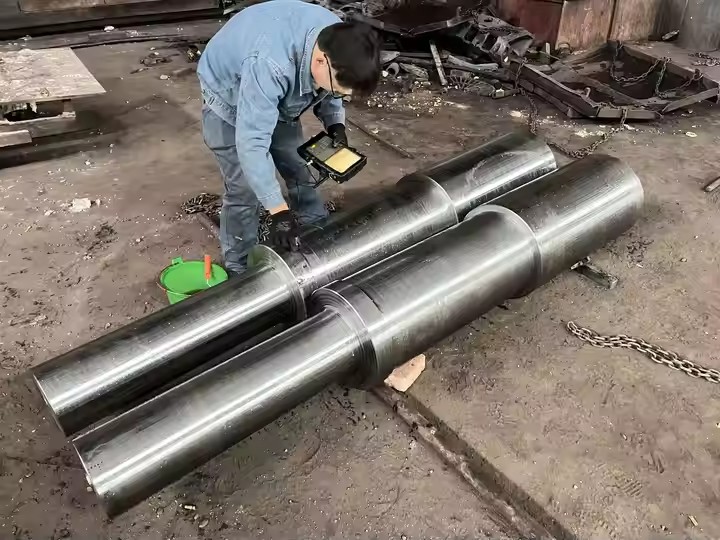
UT (Ultrasonic Testing) for internal soundness of heavy-duty forged/cast blanks, and MPI (Magnetic Particle Inspection) for surface flaw detection on high-stress fillet areas.
·Hardness and Wear Resistance:
Induction Hardening may be selectively applied to high-wear zones (e.g., seal surfaces, localized load points), with hardness confirmed by precise testing.
What Are the Typical Applications of Support Shafts?
High-rigidity support shafts are safety-critical components widely used in multiple industrial fields, covering automotive, industrial machinery, agricultural equipment, marine and corrosive environments, heavy-duty and construction machinery as well as hydraulic machinery sectors.
·Automotive
Carbon steel and alloy steel support shaft is widely used in cars, trucks, and commercial vehicles. Closed-die forging or open-die forging provides high torsional strength, fatigue resistance, and wear performance. Machining of journals and bearing surfaces ensures smooth rotation and stable power or load transmission under repeated torque cycles.
·Industrial machinery
Support shaft made of alloy steel or ductile iron is applied in conveyors, presses, mixers, and other industrial equipment. Forging or casting combined with precision machining ensures high load-bearing capacity, vibration damping, and dimensional stability. Heat treatment enhances wear resistance and fatigue performance for continuous operation.
·Agricultural equipment
Carbon steel and alloy steel support shaft is used in tractors, harvesters, and planting machinery. Forging and heat treatment provide bending and torsional strength, while machining of key surfaces guarantees reliable transmission during prolonged field operations.
·Marine and corrosive environments
Stainless steel support shaft is applied in marine gear drives, pumps, and offshore equipment. Precision forging and machining ensure corrosion resistance, dimensional accuracy, and fatigue strength, maintaining stable performance under torsion and bending loads in wet or chemically aggressive conditions.
·Heavy-duty and construction machinery
Alloy steel support shaft is used in heavy-duty equipment such as cranes, excavators, and mining machinery. Open-die forging or sand casting combined with machining and heat treatment provides high strength, wear resistance, and stable operation under heavy loads.
·Hydraulic Machinery:
Piston rods, cylinder supports, and hinge pins requiring high bending strength and corrosion resistance.
What Are the Advantages of Simis OEM Custom Manufacturing Support Shafts?
Partnering with Simis guarantees the rigidity, precision, and alignment required for long-term reliable machine performance:
·Maximum Rigidity (Forging Emphasis):
We prioritize Precision Forging for critical steel support shafts, ensuring the optimal microstructure needed to resist permanent bending and maintain the structural alignment integrity under extreme radial loads.
·Integrated Process Expertise (Cast & Forged):
We select the optimal process—forging for strength, casting (Sand/Shell Mold) for complex features—ensuring a cost-effective solution without compromising structural function.
·Critical Journal Precision:
Our dedicated Precision Grinding capability guarantees bearing journals and seal areas meet the most stringent IT6 tolerance requirements, maximizing bearing longevity and minimizing friction losses.
·High TIR Control:
Every support shaft is meticulously checked for straightness and low Total Indicator Runout, guaranteeing stable, vibration-free performance crucial for high-speed industrial applications.
How to Get a Quote for Custom Support Shafts?
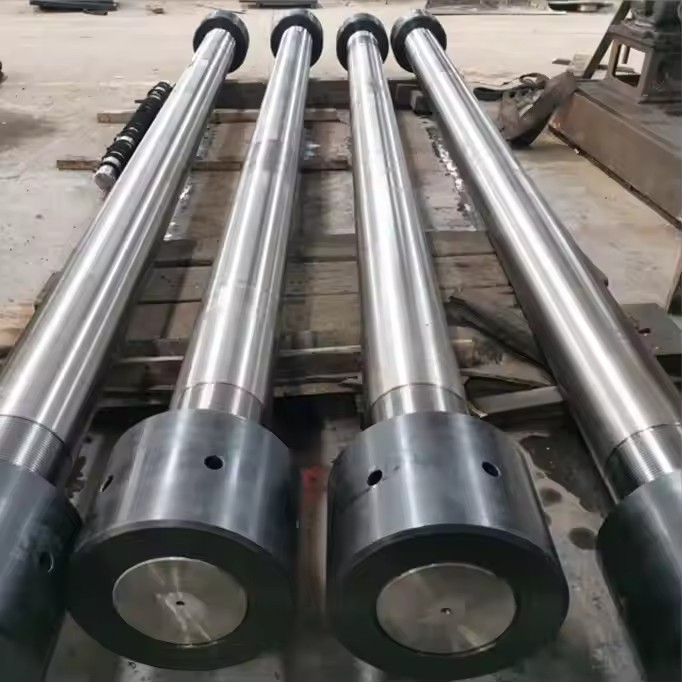
China Simis Company is your expert global partner for custom forging and casting support shafts, engineered for superior bending strength, precise alignment integrity, and dimensional stability.
Please submit your 2D technical drawings, CAD models, and specific requirements for required TIR, maximum static/dynamic load (radial), bearing journal tolerance, material grade, and any required surface hardening specifications to our engineering department for a consultation and detailed quotation.