Custom Spline Transmission Shaft Manufacturer
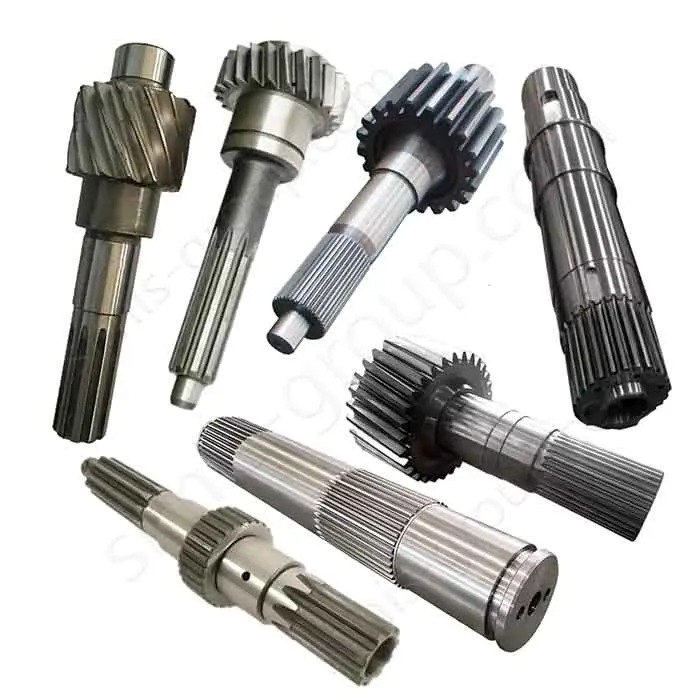
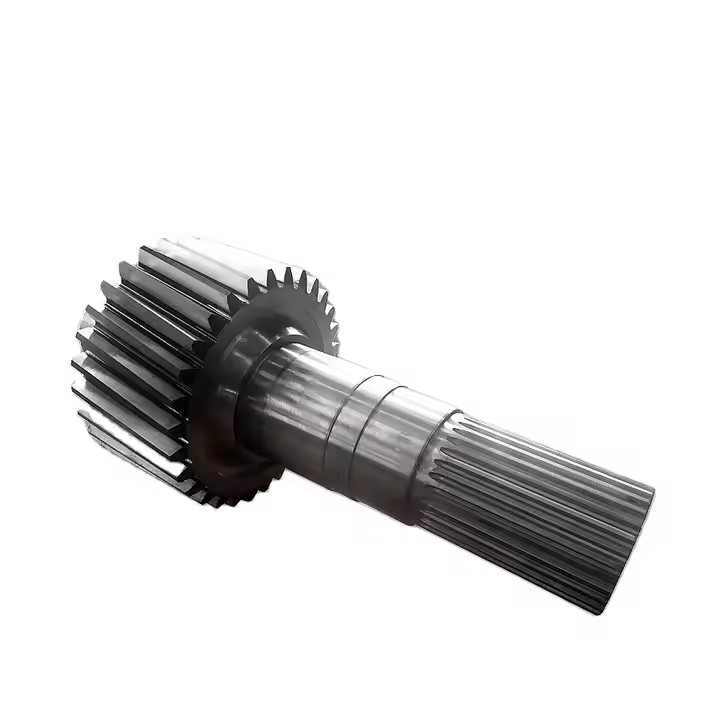
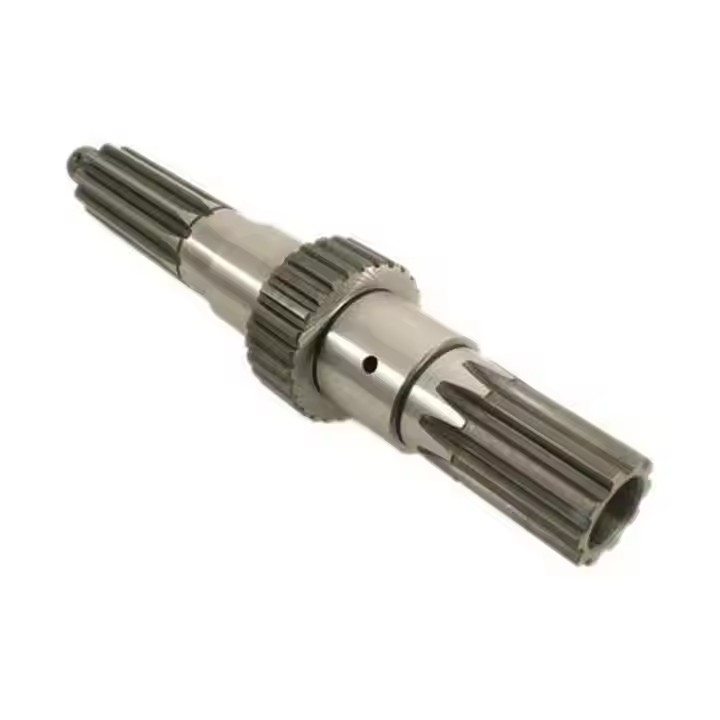
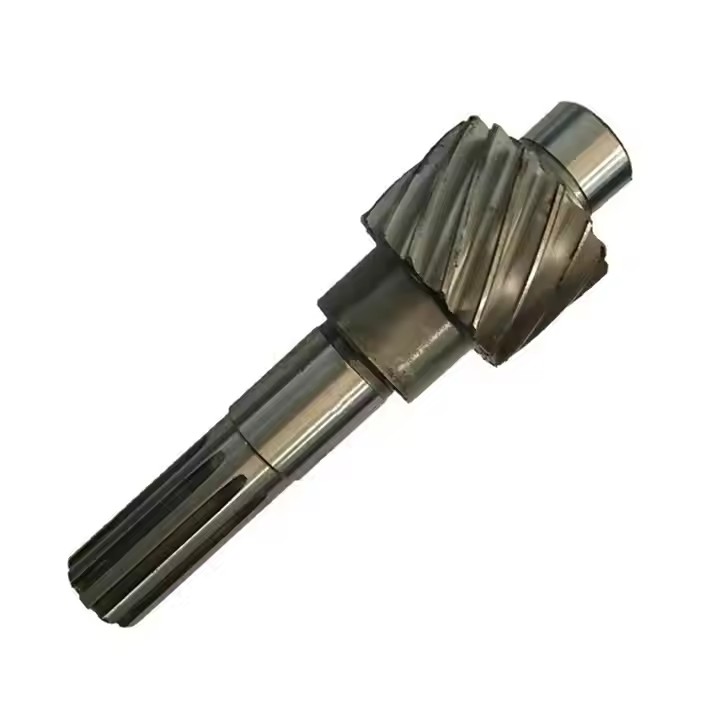
Spline Transmission Shaft

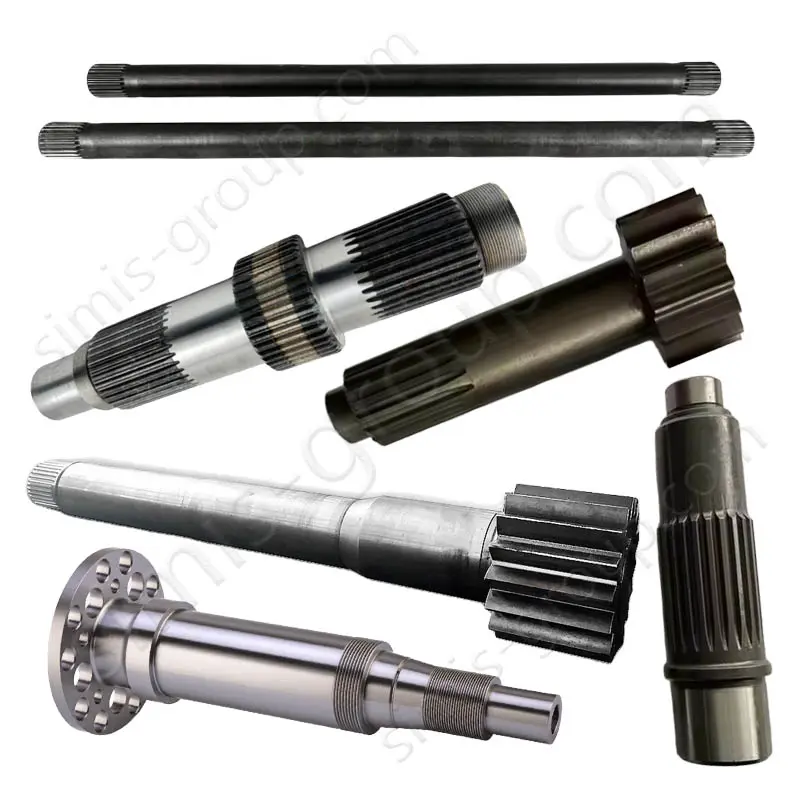
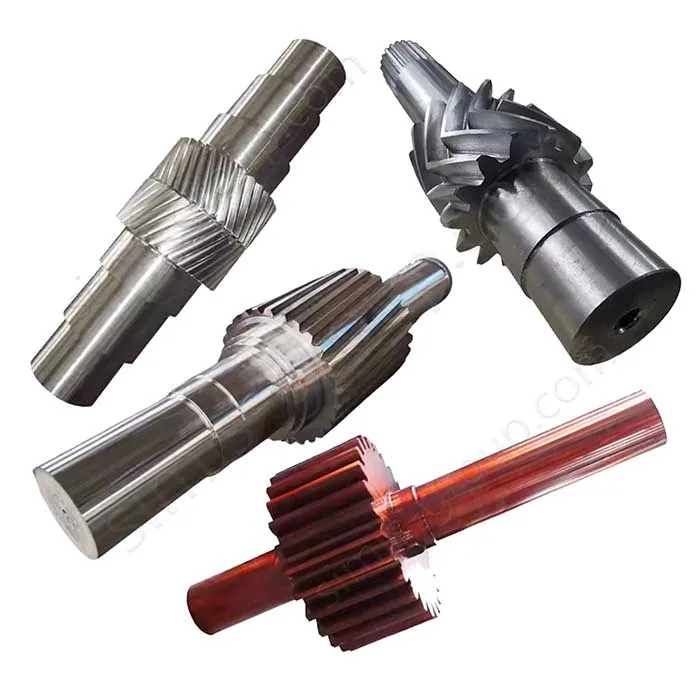
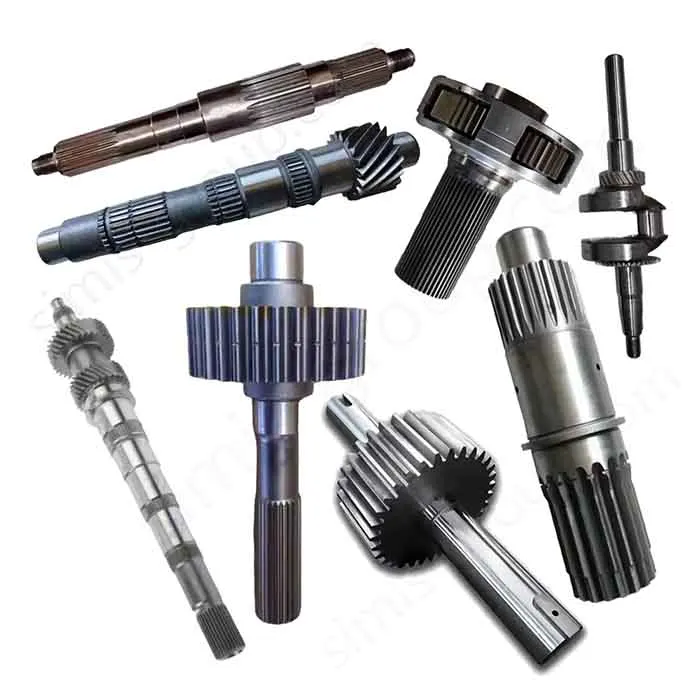
China Simis Company is a specialized OEM custom manufacturer of High-Strength Spline Transmission Shafts for automotive, agricultural, and heavy industrial machinery. These shafts are non-rotating machine components designed to transmit high torque while simultaneously allowing for relative axial movement between the shaft and the mating hub, gear, or flange. They are safety-critical parts subjected to immense torsional stress and continuous cyclical fatigue in all power transmission systems.
Our manufacturing approach prioritizes Forging (Closed Die Forging or Open Die Forging, depending on shaft size) and casting (Ductile Iron/ Gray Iron) for the main shaft body to maximize core strength and fatigue life. Utilizing premium Alloy Steel and Carbon Steel, we apply advanced heat treatments like Induction Hardening and precision machining to ensure that our spline shafts deliver maximum durability and zero-backlash performance in the most demanding transmission systems.
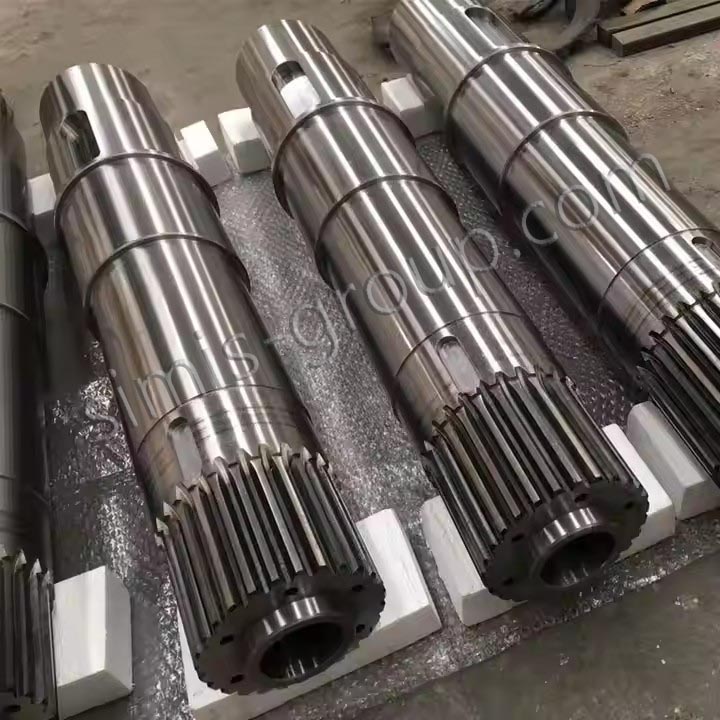
How are splined shafts classified?
Simis manufactures shafts using the three primary types of spline profiles, each optimized for different load requirements and assembly needs.
| Spline Type | Key Characteristics | Primary Advantage and Application |
| Involute Spline | Teeth are profiled along an involute curve; deep roots. | Highest Torque Capacity and Superior Load Distribution. Used in almost all heavy-duty and automotive drivelines where stress and fatigue are high. |
| Parallel Key Spline | Rectangular teeth (straight-sided); shallow roots. | Easier to Manufacture, Simple Alignment. Used for moderate-to-low torque industrial applications and where axial sliding must be smooth. |
| Serrated Spline | Shallow, V-shaped teeth; sharp edges. | Used for Permanent, Non-Sliding, High-Precision Connections. Ideal for fixed hubs/flanges requiring exact angular positioning. |
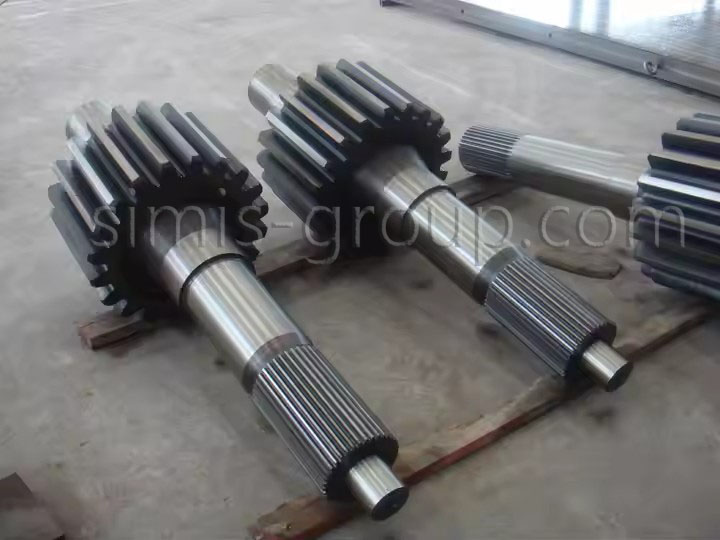
What are the manufacturing processes for spline shafts?
The process flow is designed to ensure maximum mechanical properties (Torsional Fatigue) and precise geometric control over the spline teeth profiles.
| Manufacturing Process | Component Focus | Material Focus | Key Advantage for Spline Performance |
| Precision Closed Die Forging | High-volume automotive transmission shafts, input/output shafts. | Alloy Steel (4140/4340), Carbon Steel. | Optimized Fatigue Life. Aligns the metal’s internal grain structure with the shaft's geometry, significantly increasing resistance to torsional fatigue. |
| Open-die Forging (Free Forging) | Heavy-duty industrial drive shafts, large-scale marine and mining shafts. | Alloy Steel, Carbon Steel, Stainless Steel. | Structural Integrity for Massive Parts. Eliminates internal voids in large billets, ensuring a high-strength core for heavy-torque applications. |
| CNC Spline Hobbing / Milling | Precision involute, straight-sided, or serrated splines. | All Steel Alloys. | High Geometric Accuracy. Achieves exact tooth profiles and pitch circle tolerances for smooth, vibration-free power transmission. |
| Spline Cold Rolling | High-strength small to medium shafts, splined axles for E-bikes and tools. | Carbon Steel, Alloy Steel. | Increased Tooth Strength. Cold working the metal improves the hardness and surface finish of the splines, enhancing wear resistance. |
| Shell Mold Casting | Specialized transmission shafts with integrated complex flanges or non-standard cams. | Ductile Iron, Carbon Steel. | Design Versatility. Best for complex shapes where forging is impractical; offers excellent near-net-shape results and vibration damping. |
| Precision Cylindrical Grinding | Bearing journals, spline outer diameters, and high-speed mating surfaces. | Hardened Steel, Cast Iron. | Micron-Level Tolerances. Achieves IT5-IT6 precision and Ra 0.4 finish to minimize friction, heat, and bearing wear. |
| Induction Hardening | Spline teeth and high-wear journal surfaces. | Alloy Steel, Carbon Steel, Ductile Iron. | Localized Hardness. Creates a wear-resistant surface on the splines while keeping the core ductile to absorb shock loads. |
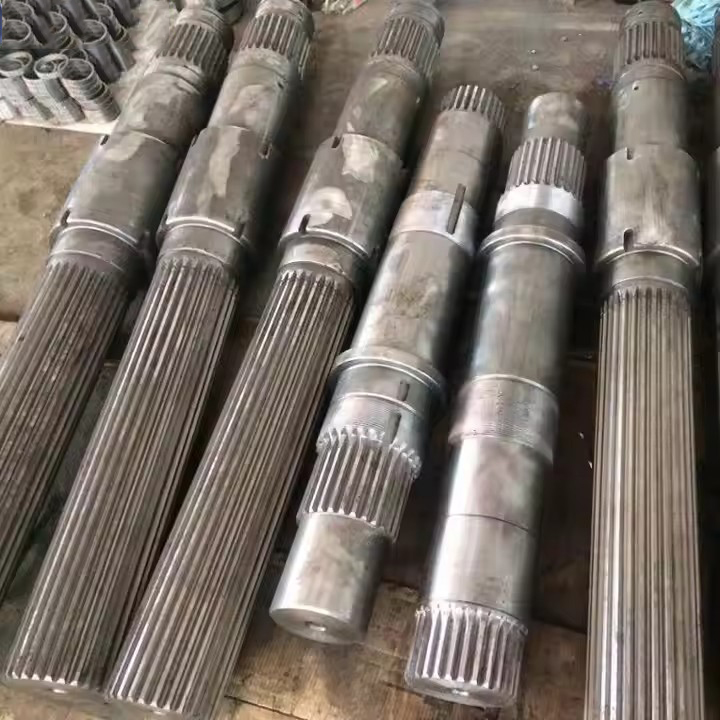
How to Select Spline Shaft Materials?
Material selection is defined by the high strength required to resist peak torque and the surface hardness needed to prevent wear on the spline teeth.
| Material Type | Core Performance Attributes | Primary Spline Shaft Application |
| Alloy Steel (e.g., 40Cr / 42CrMo) | Superior Yield Strength & Deep Hardenability. | High-Torque Drive Shafts for trucks, excavators, and industrial gearboxes. |
| Carbon Steel (e.g., 1045 / 45#) | Excellent machinability and cost-effective strength. | General Transmission Shafts for conveyors, pumps, and light machinery. |
| Stainless Steel (300/400 Series) | Rust-Proof & Chemical Resistance. | Marine Drive Shafts, food processing, and chemical mixing equipment. |
| Ductile Iron | Vibration Damping and good toughness. | Agricultural PTO Shafts, pump rotors, and specialized engine shafts. |
| Gray Iron | High Compressive Strength and low-cost damping. | Static support shafts or low-load guide splines in stable industrial machinery. |
What Quality Assurance Measures Ensure Spline Shaft Fit and Structural Integrity?
QA is focused on guaranteeing the complex internal metallurgical structure and the geometric precision of the power-transmitting interface (the spline).
·Spline Profile Inspection:
Mandatory verification of the involute or parallel spline profile using specialized gauges or $\text{CMM}$ (Coordinate Measuring Machine) to ensure precise fit with the mating part and proper load sharing.
·Non-Destructive Testing (NDT):
Magnetic Particle Inspection (MPI) is performed post-machining to check for surface cracks, especially at the spline root where stress concentration is highest. Ultrasonic Testing (UT) verifies internal soundness for critical forgings.
·Hardness Profile Mapping:
Verification of the case depth and surface hardness (e.g., via Carburization or Induction Hardening) on the spline teeth and journals to confirm optimal wear resistance.
·Mechanical Testing:
Destructive Torsional Testing on sample shafts is conducted to verify the ultimate torque limit and angle of twist meets design specifications.
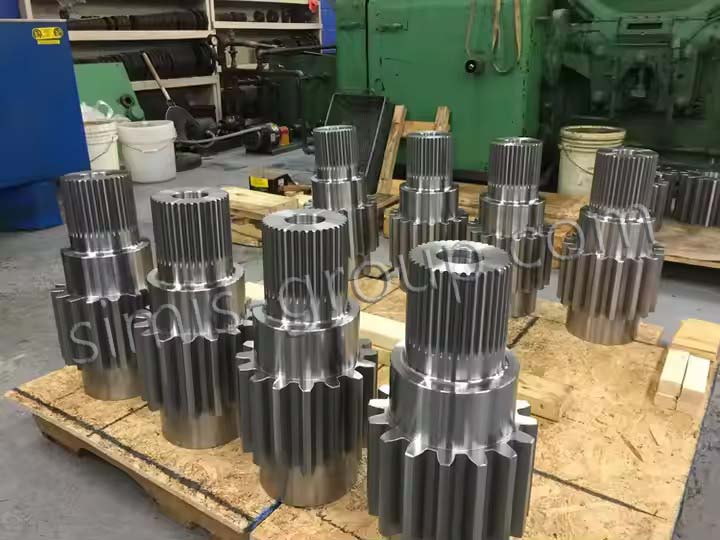
What Are the Key Application Areas for Spline Transmission Shafts?
Our custom spline transmission shafts are essential for transferring power and motion efficiently across heavy machinery, vehicles, and industrial equipment operating under harsh, high-load conditions.
| Application Sector | Typical Shaft Type | Simis Process Focus |
| Automotive & Commercial | Axle Shafts, Gearbox Input/Output Shafts. | Closed Die Forging / CNC Spline Hobbing. |
| Agriculture & Mining | Power Take-Off (PTO) Shafts, Drive Axles. | Ductile Iron Casting / Induction Hardening. |
| Industrial Machinery | Main Drive Shafts for Hydraulic Pumps & Motors. | Alloy Steel Forging / Precision Grinding. |
| Marine & Energy | Propeller Shafts, Wind Turbine Main Shafts. | Open-die Forging / Stainless Steel. |
What Are the Advantages of Simis OEM Custom Spline Shafts?
Simis delivers high-performance spline transmission shafts engineered for maximum power density, superior fatigue life, and guaranteed precision fit.
·Forging Excellence for Fatigue:
Our reliance on Closed Die or Open Die Forging for critical shafts ensures the highest possible resistance to torsional fatigue failure in demanding applications like construction and agricultural machinery.
·Certified Spline Accuracy:
We employ advanced CNC hobbing and shaping techniques, backed by CMM verification, to guarantee that the spline geometry achieves optimal load distribution and minimizes damaging backlash.
·Custom Hardness Profiles:
We control the case hardening depth precisely on the spline teeth and journals to maximize wear resistance without compromising the core toughness necessary to absorb shock loads.
·Full Traceability and Code Compliance:
We provide full material traceability and compliance certification (e.g., ASTM/SAE steel grades) for all heavy industrial and automotive requirements.
How to Get a Quote for Custom Spline Transmission Shafts?
China Simis Company is your expert global partner for custom forging and casting Spline Transmission Shafts, engineered for superior torsional fatigue strength, guaranteed spline precision, and maximum wear resistance.
Please submit your 2D technical drawings, CAD models, required material grade (e.g., 4140 or 4340), spline profile type (Involute/Parallel), required ISO fit class, and target hardness profile (case depth/HRC) to our engineering department for a consultation and detailed quotation.