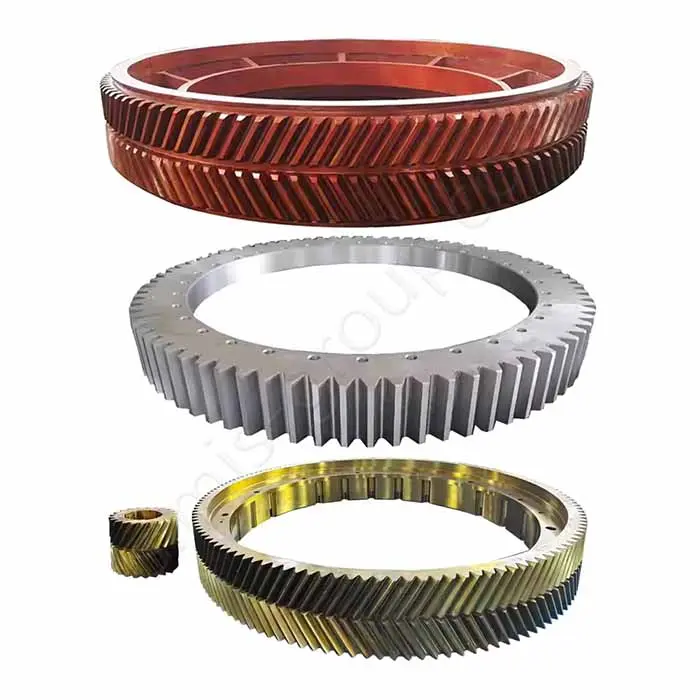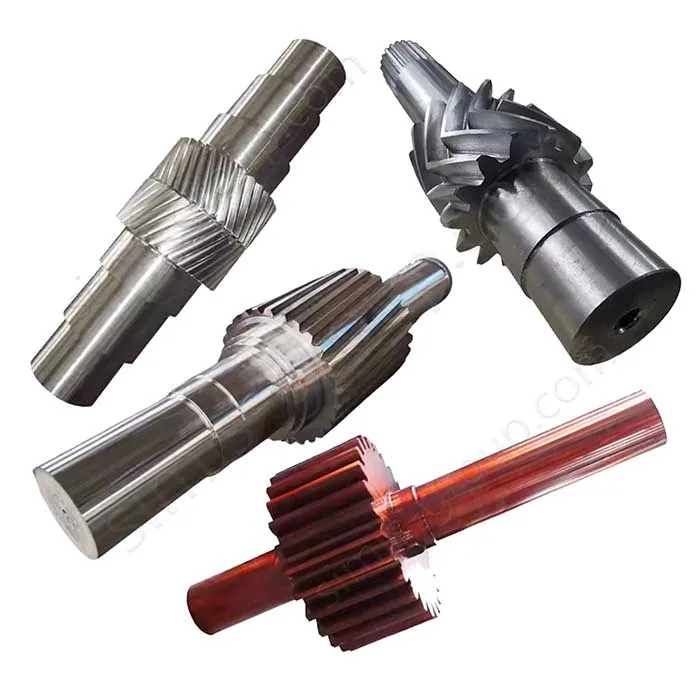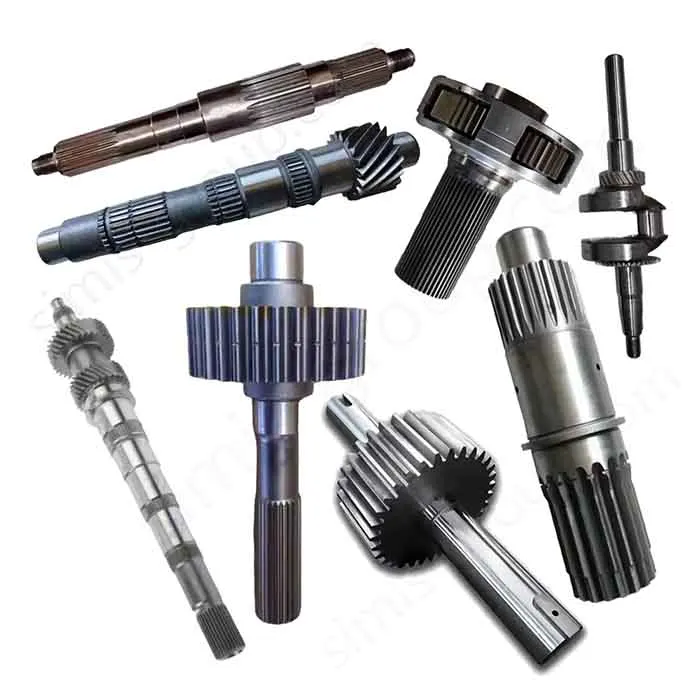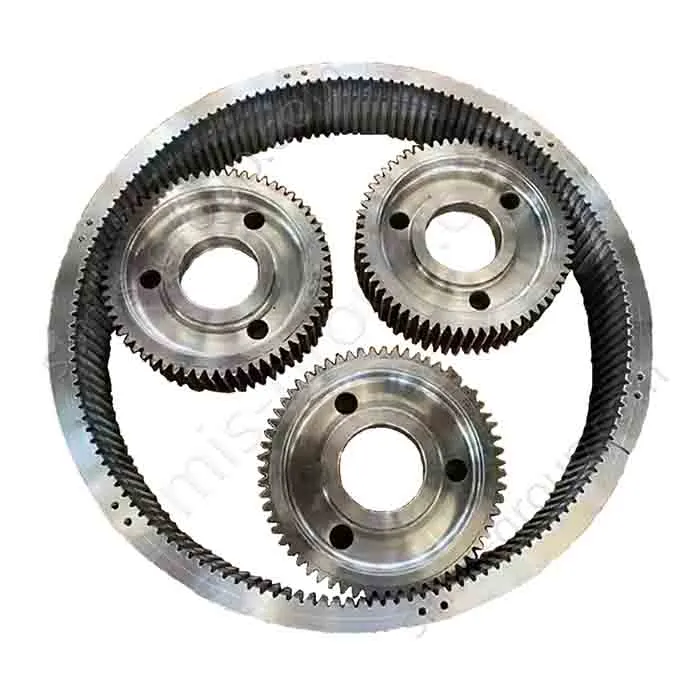
Custom Gear Rack Manufacturer
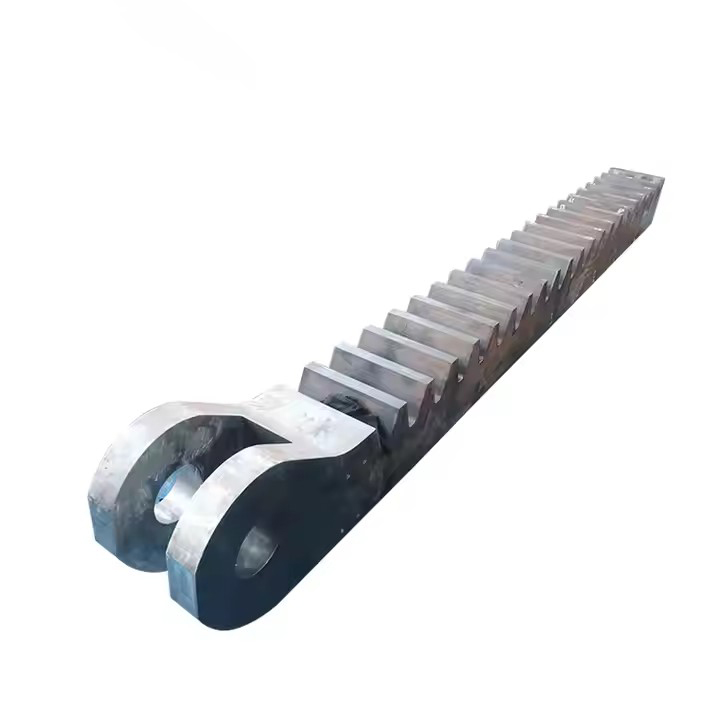
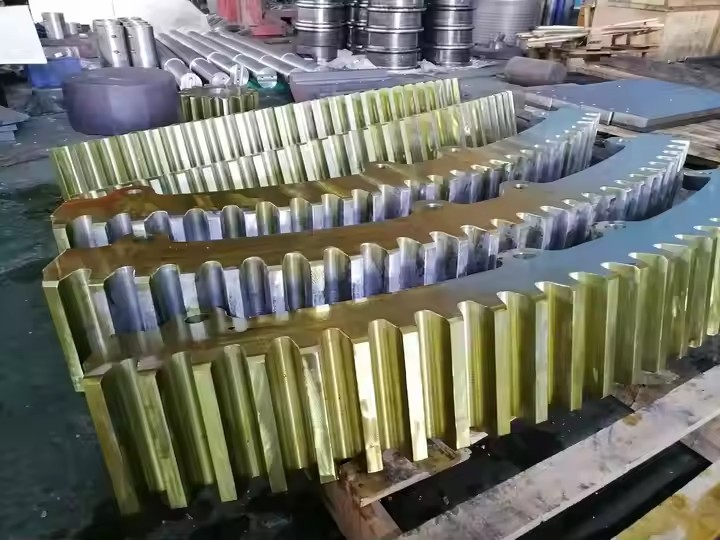
Gear Rack

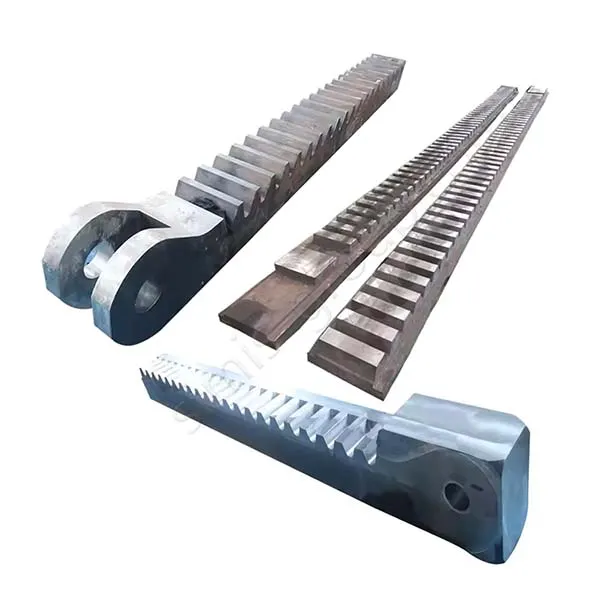
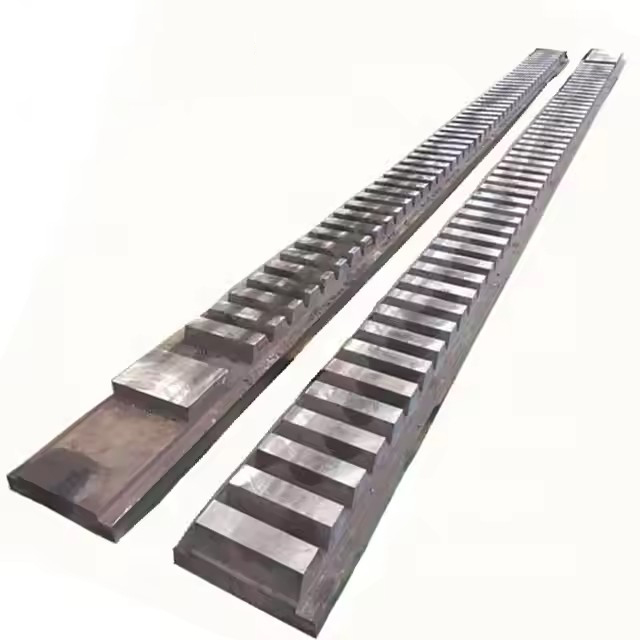
China Simis Company is a specialized OEM custom manufacturer of high-precision Gear Racks. These components are fundamental to linear motion systems, converting the rotational input of a pinion gear into smooth, precise linear travel, or vice versa. Gear racks are essential for accuracy and load handling in machine tools and automation.
Gear Racks are subject to severe conditions, including high contact stress, cyclical loading, and sliding wear across the tooth flanks. While we utilize Forging and Casting to prepare high-quality blanks, the critical process involves advanced Precision Machining and Grinding. We produce racks from Alloy Steel, Carbon Steel, and Cast Iron (Ductile Iron), ensuring high load capacity, superior wear characteristics, and dimensional stability that meets stringent DIN and AGMA precision standards.
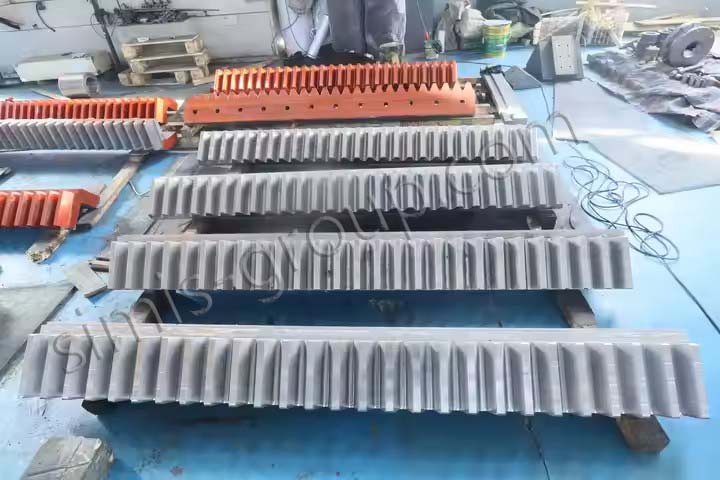
What Are the Manufacturing Processes for Gear Rack?
The manufacturing process for a gear rack involves the preparation of the material blank, followed by the critical machining and hardening steps. We mainly adopt 4 core processes including Billet Forging/Bar Stock Preparation, Sand/Shell Mold Casting, Tooth Cutting and Hardening & Finishing to meet different gear rack production needs.
| Manufacturing Process | Material Focus | Gear Rack Stage & Key Advantage |
| Billet Forging / Bar Stock | Alloy Steel (AISI 8620, 4140), Carbon Steel. | High-Performance Blanks; forging provides the highest density and strength, minimizing internal defects before machining. This is ideal for high-precision, case-hardened racks. |
| Sand Casting/Shell Mold Casting | Ductile Iron (QT series), Cast Steel. | Blanks for Low/Medium Precision Racks; cost-effective for larger, structural racks used in lifting and heavy transport, prioritizing stiffness and cost over ultimate precision. |
| Tooth Cutting | All Alloys. | Critical. Achieved via Hobbing, Shaping, or Milling to establish the base accuracy class and pitch geometry. |
| Hardening & Finishing | Alloy/Carbon Steel. | Induction Hardening or Carburizing of the tooth surface for maximum wear resistance (HRC 55-62), followed by Precision Grinding for the highest DIN/AGMA accuracy classes. |
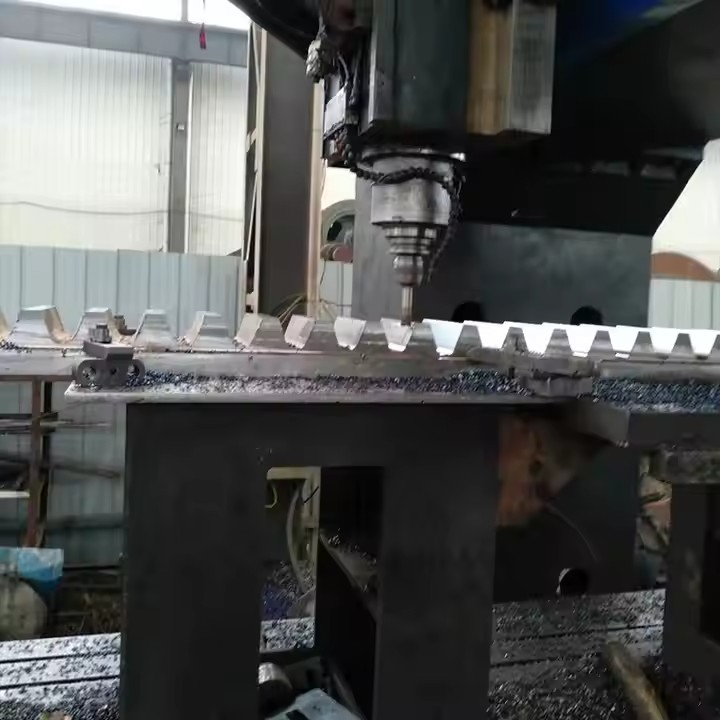
How to Select Gear Rack Materials?
The material must possess high stiffness to maintain straightness over long lengths and extreme hardness on the tooth flanks to resist wear. We provide 3 main material types including Forged/Milled Alloy Steel, Milled Carbon Steel and Cast Ductile Iron for gear rack production, each with specific performance advantages matching different application requirements.
| Material Type | Primary Performance Requirement | Typical Gear Rack Application |
| Alloy Steel (Forged/Milled) | High core strength, fatigue resistance, and excellent response to surface hardening. | High-precision CNC machine tools, high-speed robotics. |
| Carbon Steel (Milled) | Good strength and high cost-efficiency; suitable for general industrial automation. | General lifting and automation equipment. |
| Ductile Iron (Cast) | High stiffness, excellent damping characteristics, and ease of machining before hardening. | Large, static lifting platforms and structural automation frames. |
| Precision Class | Pitch Error and Straightness. | Racks are classified by standards like DIN 5 (highest) to DIN 10 (lower), with the straightness and pitch deviation being paramount. |
What Measures Ensure Gear Rack Precision Machining and Quality Assurance?
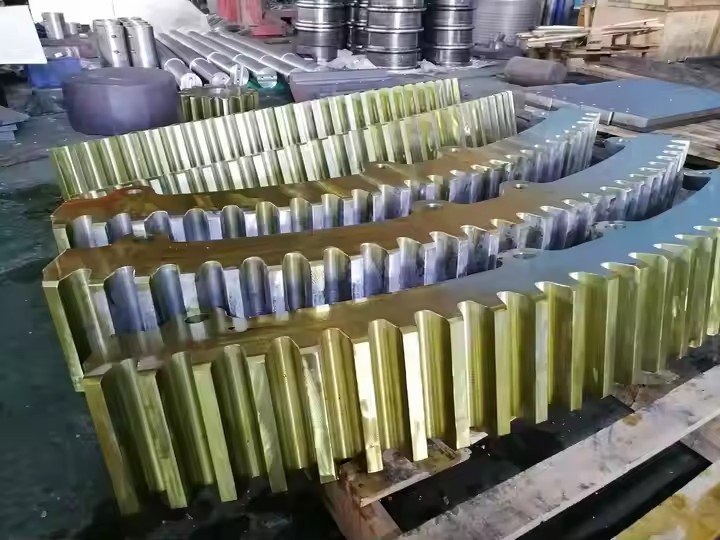
The defining factor of a gear rack is its geometric precision, particularly across its full length. Our core quality assurance measures include precision tooth grinding, straightness & flatness control, accurate end machining and non-destructive testing to guarantee each gear rack meets strict DIN/AGMA precision standards.
·Tooth Grinding (Final Process):
For the highest precision classes (DIN 5 or 6), the rack teeth must be precision ground after heat treatment to compensate for distortion and achieve near-perfect tooth profile and pitch accuracy.
·Straightness and Flatness:
Long gear racks are susceptible to bending and warping. We employ specialized fixtures and laser measurement to certify the straightness and parallelism of the rack teeth and mounting base across the entire length.
·End Machining:
Racks designed for multi-segment joining (long travel axes) require highly accurate end faces and bolt hole patterns to ensure seamless pitch continuity when racks are bolted together.
·Non-Destructive Testing (NDT):
Magnetic Particle Inspection (MPI) is used to verify the integrity of the critical root fillet area (where the bending stress is highest) after cutting and hardening.
What Are the Key Application Fields of Gear Racks?
Metal gear rack are widely used in many industries, including:
Industrial machinery gear rack
Gear rack made of carbon steel or ductile iron are widely used in CNC machines, automated production lines, and mechanical presses. Closed-die forging or sand casting, followed by precision gear cutting, ensures high torsional strength, wear resistance, and accurate tooth profile. Heat treatment improves fatigue resistance, supporting continuous operation under moderate to heavy loads.
Automotive systems gear rack
Alloy steel and carbon steel gear rack are applied in automotive steering systems and power transmission assemblies. Closed-die forging combined with precision machining and heat treatment ensures accurate tooth engagement, torsional strength, and smooth operation. Gear rack maintain performance under high-speed rotation, frequent load cycles, and long-term use.
Chemical and food processing equipment gear rack
Stainless steel gear rack are used in corrosive or hygienic environments, including chemical plants, food processing lines, and pharmaceutical machinery. Precision machining ensures smooth teeth and accurate profiles. Stainless steel provides corrosion resistance, wear resistance, and stable mechanical performance, maintaining reliability in harsh or wet environments.
Heavy-duty and mining machinery gear rack
Alloy steel or ductile iron gear rack are applied in mining equipment, cranes, and industrial lifts. Forging or casting followed by precise gear cutting and heat treatment provides high fatigue resistance, torsional strength, and wear performance. Gear rack transmit heavy loads reliably while reducing vibration and noise.
High-precision automation and robotics gear rack
Alloy steel or carbon steel gear rack are used in robotics, automated assembly lines, and precision positioning systems. Closed-die forging or precision machining ensures smooth movement, accurate tooth engagement, and consistent load transfer. Heat treatment and surface finishing improve wear resistance, fatigue strength, and operational stability.
What Are the Advantages of Simis OEM Custom Gear Racks?
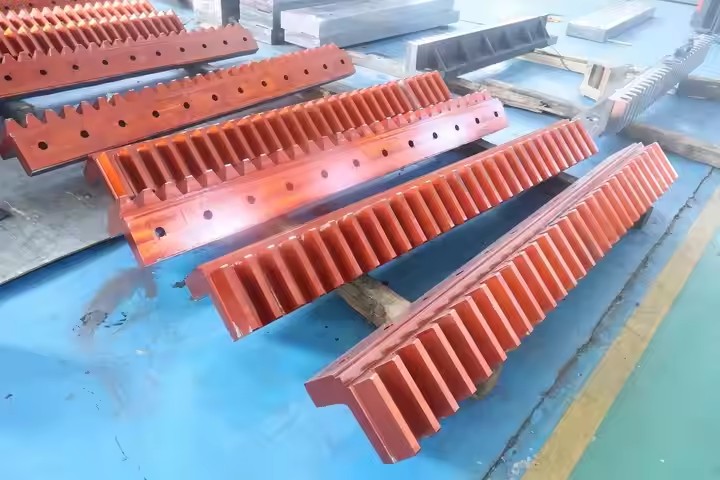
Partnering with Simis ensures motion reliability, high load rating, and certified accuracy:
·Guaranteed Precision Class:
We specialize in DIN and AGMA precision rack manufacturing, utilizing high-end grinding and CNC metrology to certify the required pitch and cumulative error across the full length.
·Superior Wear Performance:
We utilize specialized induction hardening techniques to achieve a deep, high-hardness case layer on the tooth flanks, ensuring extended service life and sustained accuracy under high load cycling.
·Material Versatility:
We can supply racks manufactured from high-strength forged blanks (for ultimate performance) or high-stiffness cast iron blanks (for structural stability and cost efficiency).
·Seamless Joining Solutions:
We provide precision end-machining services to enable seamless pitch connection for racks that must be joined end-to-end for infinite travel axes.
How to Get a Quote for Custom Gear Racks?
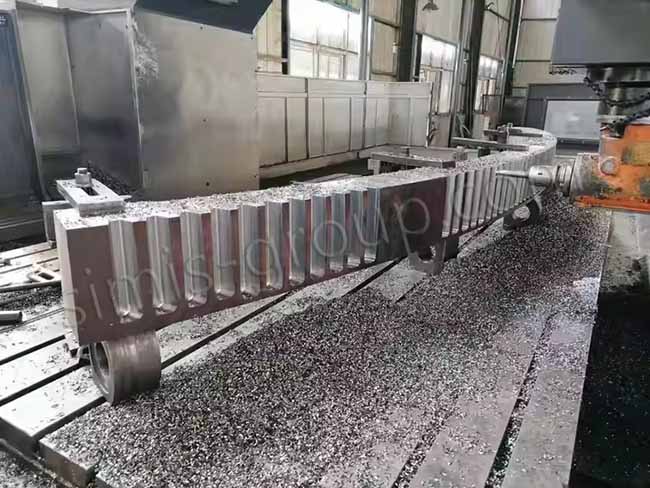
China Simis Company is your expert global partner for custom-forged and cast Gear Racks, engineered for high precision class, superior wear resistance, and maximum linear load capacity.
Please submit your 2D technical drawings, tooth specifications (e.g., Module/Diametral Pitch, Pressure Angle), required DIN/AGMA precision class, surface hardness (HRC) specification, and total required length/joining details to our engineering department for a consultation and detailed quotation.