Custom Gear Rotary Shaft Manufacturer
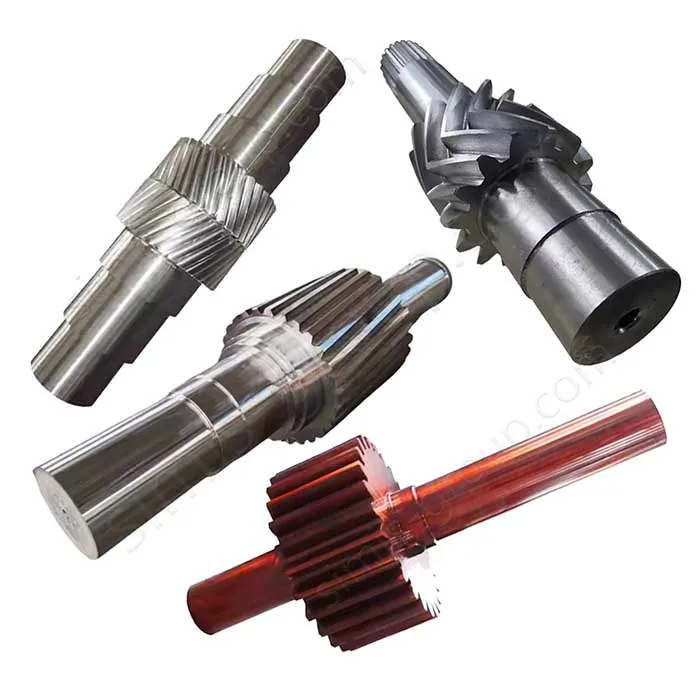


Gear Rotary Shaft

Frequently Asked Questions About Custom Gear Rotary Shafts
1. What types of custom gear rotary shafts can SIMIS manufacture?
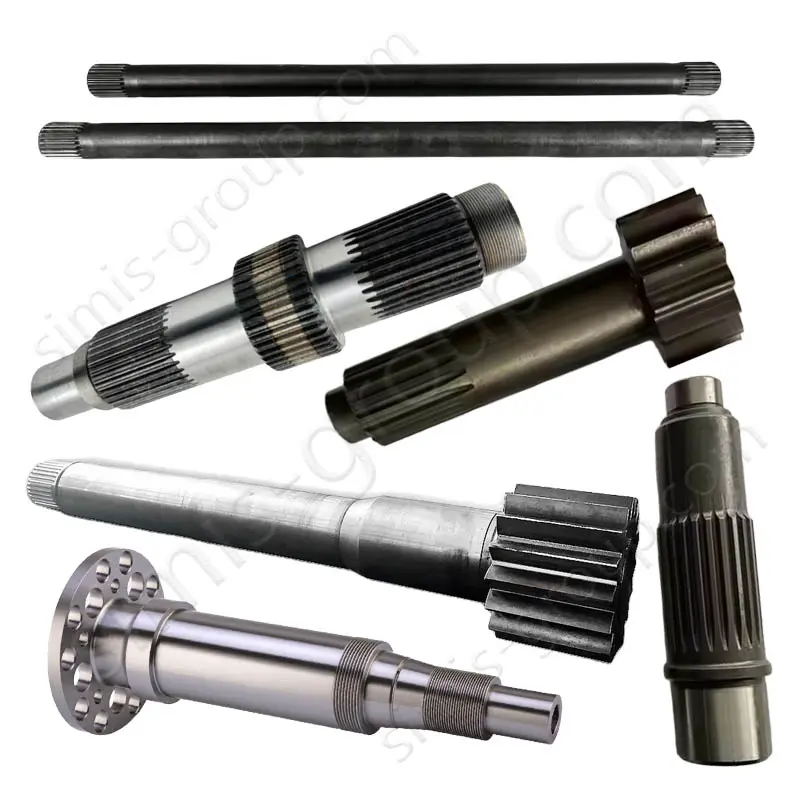
SIMIS manufactures custom gear rotary shafts and related power transmission components according to OEM drawings. Our product range includes integral pinion shafts, gearbox input and output shafts, helical gear shafts, spur gear shafts, stepped transmission shafts and large industrial rotary shafts. Depending on the component, manufacturing may involve open-die forging, closed-die forging, cold forging or suitable steel and ductile iron casting. Products can be supplied as forged blanks, castings or finished metal parts according to customer specifications.
2. Can SIMIS manufacture large forged alloy steel gear shafts?
Yes. Open-die forging is an important SIMIS manufacturing process for large carbon steel and alloy steel shaft blanks used in industrial gearboxes, mining machinery and power transmission equipment. Suitable materials include customer-specified AISI 1045, 4140, 4340 and related forging grades. The forging process forms the required shaft blank from heated steel. Gear teeth, journals, splines and other finished features are produced according to the customer's approved drawings and supply requirements.
3. Does SIMIS manufacture cast steel and ductile iron gear shaft components?
Yes. SIMIS offers suitable steel and ductile iron castings for selected gear shafts, shaft-related structures and transmission components. Sand casting and shell mold casting can produce compatible stepped shapes, mounting sections and integrated features. However, highly loaded main transmission shafts are not automatically suitable for cast iron or cast steel. The casting material and process must be approved for the customer's specific component and operating requirements.
4. What materials are available for OEM gear rotary shafts?
Common material options include forged carbon steel, chromium-molybdenum alloy steel, nickel-chromium-molybdenum alloy steel, carburizing steel and selected stainless steels. Examples include AISI 1045, 1050, 4140, 4340, 8620 and 34CrNiMo6. Suitable cast steel and ductile iron grades are also available for approved cast components. Forging and casting materials have different product specifications, and SIMIS manufactures each shaft according to the grade stated in the customer's drawings.
5. What information is required for a custom gear rotary shaft quotation?
Please provide 2D technical drawings or available 3D CAD models, the required shaft type, material grade, main dimensions and estimated order quantity. For shafts with integral gear teeth, useful details include the gear module or diametral pitch, tooth count and tooth arrangement. Bearing journals, spline connections and keyways should be identified where applicable. SIMIS can quote suitable forged blanks, cast components or finished gear shafts according to the agreed supply scope. Contact info@simis-group.com.
OEM Custom Gear Rotary Shaft and Pinion Shaft Manufacturer
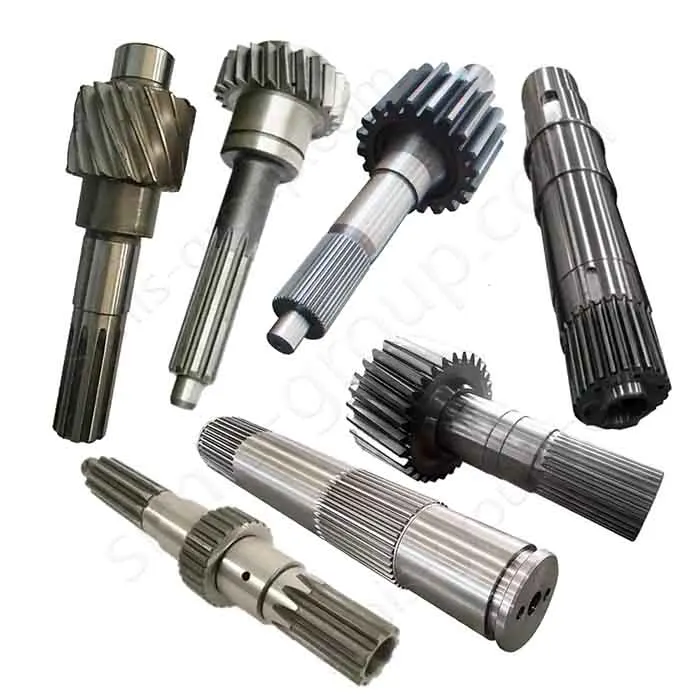
Custom gear rotary shafts are mechanical power transmission components that combine a rotating shaft with gear teeth or other torque-transmitting features. They are used in gearboxes, reducers, industrial drives and vehicle transmissions to transfer rotational motion between connected machine elements.
SIMIS specializes in OEM forged steel gear shafts, custom integral pinion shafts, alloy steel rotary shafts, heavy-duty gearbox shafts and suitable cast steel transmission components. We manufacture customer-specific parts through open-die forging, closed-die forging, selected cold forging and approved casting processes.
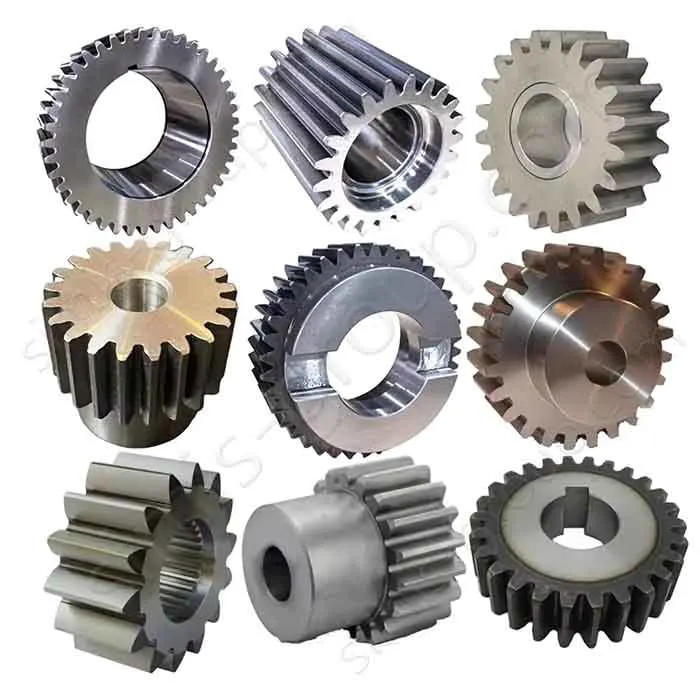
A gear shaft may have an integral gear section manufactured from the same metal body as the shaft. Other transmission designs use a separate gear mounted onto a splined or keyed shaft. These are different component constructions, and the manufacturing process depends on the actual OEM drawing.
Gear rotary shafts can contain cylindrical bearing journals, shoulders, splines, keyways, threaded connections and one or more toothed sections. Some products are relatively compact automotive transmission shafts, while others are large industrial shafts used in heavy reducers and power generation equipment.
Forged steel is an important material choice for many gear shaft applications. Different steel grades can be formed into suitable shaft blanks and subsequently manufactured to the finished gear and connection geometry. Casting is an additional option for certain customer-approved metal components where the design and material specification support its use.
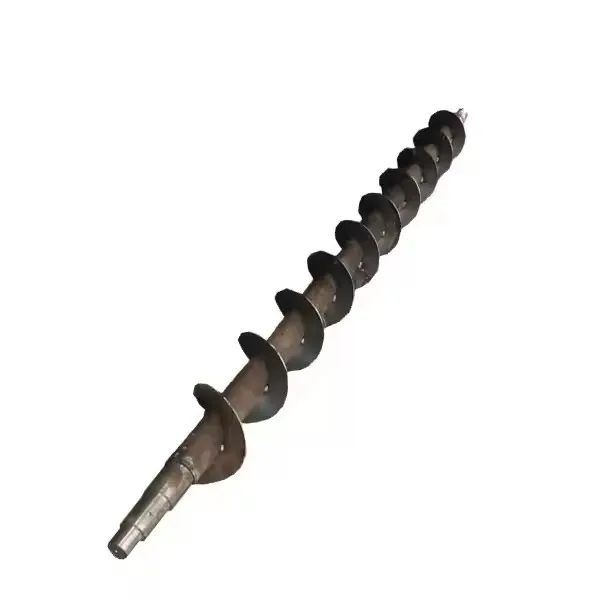
SIMIS supplies individual custom gear shafts and related metal components rather than complete gearbox systems as standard products. Our wider product range also includes custom drive shafts and splined transmission shafts for industrial machinery and vehicles.
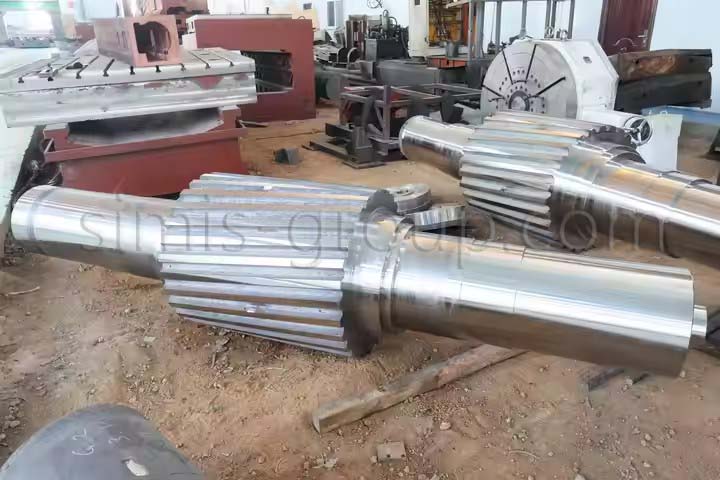
Types of Custom Gear Shafts and Rotary Transmission Components
SIMIS manufactures different types of geared and non-geared shaft components according to customer drawings. The distinction between an integral pinion shaft and a separate shaft-and-gear arrangement is particularly important when defining the required component and manufacturing scope.
| Product Type | Typical Features | Applications |
|---|---|---|
| Integral Pinion Shafts | One-piece metal shafts with an integral toothed section and bearing journals. | Industrial gearboxes, reducers and power transmission systems. |
| Helical Gear Shafts | Gear shafts with customer-specified helical teeth and mounting connections. | Helical reduction gearboxes and industrial transmissions. |
| Spur Gear Shafts | Shafts with straight-tooth gear sections and defined connection features. | Mechanical speed reducers and general machinery drives. |
| Gearbox Input and Output Shafts | Stepped shafts with gear, spline, keyway or coupling interfaces as specified. | Vehicle transmissions and industrial gearboxes. |
| Large Industrial Pinion Shafts | Heavy alloy steel shafts with substantial toothed and journal sections. | Mining, cement, marine and heavy industrial reducers. |
| Splined Gear Transmission Shafts | Rotary shafts combining splined connections with specified gear interfaces. | Automotive and industrial power transmission equipment. |
Integral Pinion Shafts and Geared Shafts
An integral pinion shaft combines the gear and shaft into a single metal component. The toothed section is formed to the specified gear geometry during subsequent manufacturing of the approved blank. This construction is used in various gearboxes and reducers where a one-piece geared shaft is required.
SIMIS manufactures suitable forged alloy steel pinion shafts and related components according to customer drawings. The required gear type, mounting arrangement and material grade are defined by the OEM equipment manufacturer.
Large Industrial and Marine Gear Shafts
Large industrial shafts are used in heavy machinery gearboxes and other substantial transmission assemblies. Depending on the arrangement, the component may include an integral pinion, stepped bearing sections, couplings or other connection features.
Open-die forging is particularly relevant to suitable large steel shaft blanks. SIMIS supplies custom alloy steel forgings for specified industrial, marine and power generation applications.
Open-Die Forging, Closed-Die Forging and Casting of Gear Rotary Shafts
The manufacturing method for a custom gear rotary shaft depends on the material, dimensions, component configuration and required production quantity. SIMIS provides several metal forming processes, with open-die steel forging and closed-die forging as important routes for suitable gear shaft blanks.
Cold forging may be considered for certain compact steel shaft parts, while shell mold and sand casting offer options for customer-approved cast components. The choice between forging and casting must follow the actual application rather than assuming that every rotary shaft can be manufactured through the same process.
| Manufacturing Process | Suitable Components | Main Characteristics |
|---|---|---|
| Open-Die Steel Forging | Large carbon steel and alloy steel gear shaft blanks, industrial pinion shafts and stepped shafts. | Forms heated steel under compressive force and accommodates suitable long or substantial shaft shapes. |
| Closed-Die Forging | Suitable compact and medium-sized transmission shafts and shaped shaft blanks. | Forms metal in dedicated dies for repeat-production components with compatible external shapes. |
| Cold Forging and Extrusion | Selected smaller rotary shafts, splined shaft blanks and connection parts. | Forms suitable wrought metal blanks without conventional hot-forging temperatures. |
| Steel Shell Mold Casting | Selected cast steel gear shaft components and shaped transmission parts. | Uses resin-bonded sand shells for compatible cast metal geometries and quantities. |
| Steel and Ductile Iron Sand Casting | Approved cast shaft components, stepped metal bodies and supporting transmission parts. | Uses sand molds and suitable cores for complex cast shapes and different component sizes. |
| Gear and Shaft Finishing | Gear teeth, splines, journals and specified connection surfaces. | Performed on approved forged or cast blanks according to the finished-part drawing. |
Open-Die Forging for Large Gear and Rotary Shafts
Open-die forging is a core manufacturing method for suitable large steel gear rotary shaft blanks. A steel billet or ingot is heated and progressively shaped under a forging press or hammer. The material is deformed between relatively simple dies rather than fully enclosed within a dedicated impression die.
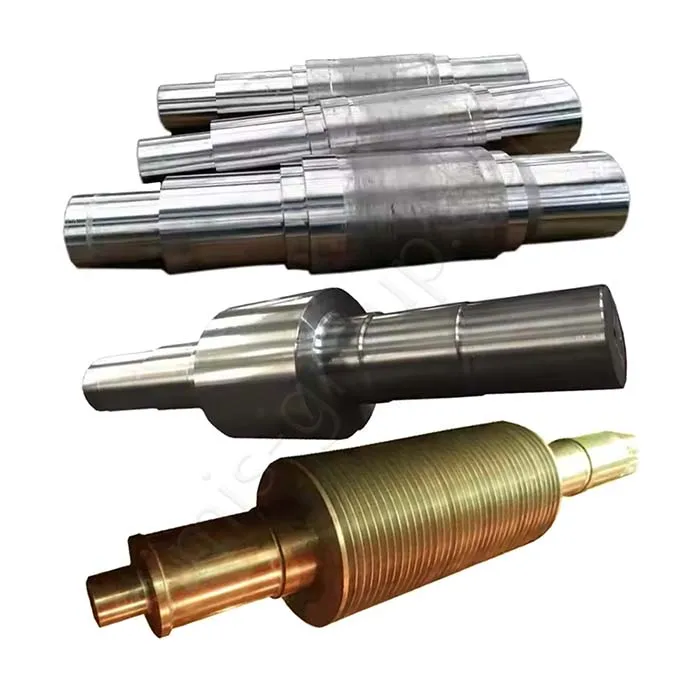
The process is particularly relevant to large cylindrical and stepped steel components. Shaft blanks can be formed from appropriate carbon steel, chromium-molybdenum alloy steel or nickel-chromium-molybdenum alloy steel according to the approved material specification.
Open-die forging produces the main shaft blank, while gear teeth and specific mating features are manufactured according to the finished component drawing. SIMIS provides custom open-die forging services for large industrial shafts and other suitable steel components.
Closed-Die Forging for Transmission Gear Shaft Blanks
Closed-die forging is another important manufacturing route for suitable compact and medium-sized transmission shaft components. In this process, heated metal is pressed into shaped die impressions to produce a near-net-shape forging.
The method is used in various vehicle and industrial machinery components manufactured from appropriate carbon steel or alloy steel grades. For compatible gear shaft designs, the forging can form enlarged sections, stepped profiles and other external features that reduce the amount of material removal required later.
SIMIS supplies custom closed-die steel forgings according to customer drawings and specified order quantities.
Cold Forging for Smaller Shaft and Spline Components
Cold forging and extrusion can be used for selected smaller shaft components manufactured from suitable wrought steel stock. These processes deform the metal using forming dies and pressing equipment without the heating conditions associated with conventional hot forging.
Potential applications include suitable splined shaft blanks, compact stepped shafts and specialized transmission connection parts. SIMIS provides custom cold forging and extrusion where the material and geometry support the process.
Sand Casting and Shell Mold Casting for Selected Gear Shaft Components
Casting is an additional manufacturing method for selected steel and ductile iron shaft-related components. In sand casting, molten metal is poured into a prepared sand mold. Shell mold casting uses resin-bonded sand shells for compatible shapes and production requirements.
These methods can produce parts with complex mounting structures, stepped sections and other integrated casting features. However, casting should not automatically be substituted for a forged alloy steel shaft in a high-torque transmission. The customer must approve the material and manufacturing process for the intended equipment.
SIMIS provides custom sand casting and shell mold casting for suitable industrial metal components.

Carbon Steel, Alloy Steel and Other Materials for Gear Rotary Shafts
Custom gear shafts are manufactured from different metal grades depending on the gearbox application and approved component requirements. Forged carbon steel and alloy steel are important options for integral pinion shafts and industrial transmission shafts. Stainless steel and selected cast materials may also be specified for compatible products.
| Material | Material Characteristics | Potential Gear Shaft Components |
|---|---|---|
| AISI 1045 / 1050 Carbon Steel | Medium-carbon steels used in suitable forged and machined mechanical components. | General industrial rotary shafts and approved gearbox components. |
| AISI 4140 / 42CrMo4 Alloy Steel | Chromium-molybdenum low-alloy steel grades with specified mechanical and heat-treatment characteristics. | Forged pinion shafts, industrial gearbox shafts and other transmission parts. |
| AISI 4340 / 34CrNiMo6 Alloy Steel | Nickel-chromium-molybdenum alloy steels used in suitable heavy mechanical forgings, with grade-specific specifications. | Large industrial and heavy-duty forged transmission shafts. |
| AISI 8620 / Specified Carburizing Steels | Low-carbon alloy steel grades used for appropriate case-hardened gear components. | Customer-specified integral pinion shafts and transmission gears. |
| Cast Carbon Steel / Cast Alloy Steel | Steel casting materials supplied under applicable casting specifications. | Approved cast transmission components and specialized shaft-related parts. |
| ASTM A536 Ductile Iron | Spheroidal graphite iron with grade-dependent mechanical properties and damping characteristics. | Suitable lower-duty or supporting cast shaft components where approved. |
| Stainless Steel and Duplex Stainless Steel | Corrosion-resistant steel families with grade-dependent strength and service characteristics. | Specialized marine and industrial shaft parts where specified. |
1045 and 1050 Carbon Steel Shaft Forgings
Medium-carbon steels such as AISI 1045 and 1050 are used in a wide range of forged machinery components. They may be specified for general industrial rotary shafts and other mechanical transmission parts when their material characteristics meet the approved application requirements.
SIMIS manufactures suitable carbon steel shaft forgings according to customer drawings. The required forging condition and finished supply scope depend on the specified part.
4140, 4340 and Other Alloy Steel Gear Shafts
Alloy steels are important materials for many industrial gear shaft applications. AISI 4140 and 42CrMo4 are chromium-molybdenum alloy steel grades, while AISI 4340 and 34CrNiMo6 belong to nickel-chromium-molybdenum steel families. Their national specifications are not automatically identical.
SIMIS supplies suitable custom forgings in customer-specified grades for gearbox and heavy machinery components. Our steel forging manufacturing services include carbon and alloy steel parts for industrial applications.
8620 and Other Steels for Integral Pinion Shafts
AISI 8620 and other specified carburizing steels are used in suitable gear and transmission components. These alloys differ in carbon content and other characteristics from medium-carbon steels such as 1045 and from chromium-molybdenum grades such as 4140.
SIMIS manufactures customer-defined pinion shaft blanks and finished metal components in approved material grades. Any required surface hardening, heat treatment or gear finishing is performed according to the customer's technical documents.
Cast Steel, Ductile Iron and Stainless Steel Options
Cast steel and ductile iron offer manufacturing options for selected transmission components where the approved design and material requirements support casting. These materials must be specified under their applicable casting standards rather than substituted directly for wrought forging grades.
Stainless steel may be specified for special corrosion-exposed shaft components. Duplex and other stainless steel grades have distinct material characteristics and should be selected according to the actual OEM specification. No steel grade is automatically suitable for every gearbox load, fluid environment or shaft construction.

Applications of Custom Gear Rotary Shafts and Pinion Shafts
Industrial Gearboxes and Heavy-Duty Reducers
Industrial gearboxes and reducers use geared shafts to transfer rotational movement between input, intermediate and output stages. Depending on the gearbox arrangement, the shaft may contain an integral spur or helical pinion, a spline connection or other specified features.
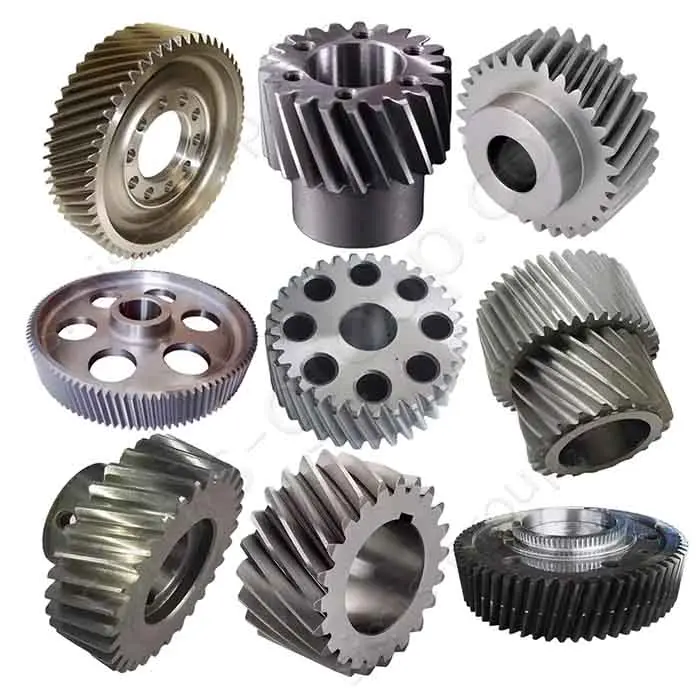
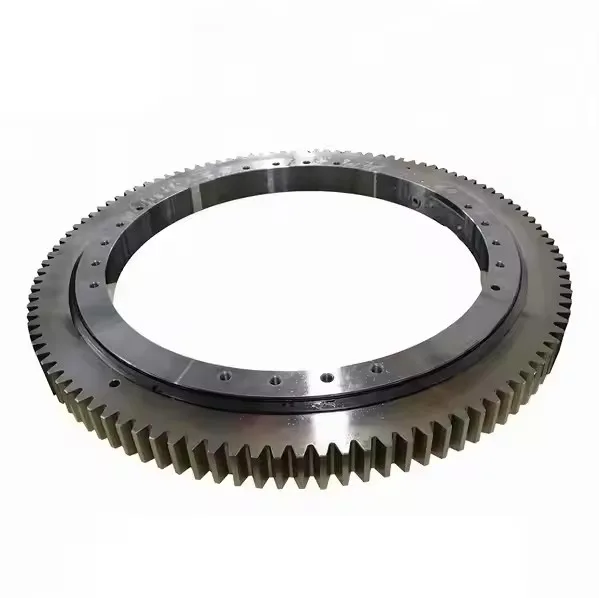
SIMIS manufactures suitable alloy steel and carbon steel gear shaft components according to OEM drawings. Related products also include custom ring gears for industrial transmission equipment.
Wind Power Generation Gearboxes
Wind turbine transmission equipment may contain intermediate-stage and high-speed gear shafts, depending on the turbine gearbox arrangement. These shafts are manufactured according to the specified drivetrain design and material requirements.
SIMIS supplies appropriate forged steel gear shaft components for OEM power generation machinery. A gearbox gear shaft is distinct from the wind turbine's main rotor shaft, which can have a different construction and mechanical function.
Mining, Cement and Metallurgical Equipment
Mining machinery, cement processing equipment and large industrial plants use geared transmission components in suitable crushers, mills, conveyors and reducers. These applications can require substantial steel shafts with customer-defined pinion and connection arrangements.
SIMIS manufactures suitable forged alloy steel gear shafts and related cast metal parts for specified heavy machinery equipment.
Automotive and Commercial Vehicle Transmissions
Vehicle transmissions use different input, countershaft and output arrangements depending on the gearbox model. Some shafts contain integral gears, while others carry separately manufactured gears on splines or other mounting features.
SIMIS manufactures appropriate compact gear shaft forgings and other metal transmission components to customer drawings. Products are supplied for the specified gearbox design rather than as universally interchangeable aftermarket parts.
Marine Propulsion and Industrial Drive Equipment
Marine gearboxes, thruster transmission systems and other industrial drives use various shaft and gear components. The required material and manufacturing route depend on the relevant equipment design, operating environment and purchased component.
SIMIS supplies suitable forged and cast metal components for these applications. Gear shafts, propeller shafts and pump rotor shafts are related rotating components but should not be treated as identical products.

Custom Gear Shaft Forgings and Castings Made to OEM Drawings
SIMIS specializes in custom metal casting and forging for gear rotary shafts, integral pinion shafts and related transmission components. Our production capabilities include open-die forging for suitable large steel shafts, closed-die forging for compact shaft blanks, cold forging for selected small parts, and approved steel or ductile iron casting processes.
We manufacture components in the material grades specified by customers, including suitable carbon steels, alloy steels, carburizing steels and other approved metal materials. Products may be supplied as raw forgings, cast blanks or finished gear shafts within the agreed project scope.
Where required, gear tooth manufacturing, CNC machining, heat treatment, grinding, surface finishing and inspection are included according to the customer's approved drawings and purchasing documents. SIMIS does not assign one fixed AGMA or ISO gear accuracy grade, hardness value, balancing requirement or fatigue-life guarantee to every custom rotary shaft.
Customers can specify the individual shaft geometry, material condition, gear features and relevant mating connections. SIMIS manufactures the agreed metal components for integration into the OEM gearbox or machinery assembly.
Request a Quote for Custom Gear Rotary Shafts and Pinion Shafts
SIMIS welcomes OEM inquiries for custom forged alloy steel gear shafts, large industrial pinion shafts, transmission input and output shafts, cast shaft components and related power transmission parts. We manufacture products according to customer drawings and specified materials.
For a quotation, please provide the following information where available:
Product drawings: 2D technical drawings or available 3D CAD models of the shaft.
Shaft type: Integral pinion shaft, helical gear shaft, spur gear shaft, input/output shaft or another custom rotary component.
Material requirements: Specified carbon steel, alloy steel, cast steel, ductile iron or other approved material grade.
Product specifications: Overall length, main diameters, bearing and connection features, plus gear tooth data where applicable.
Order requirements: Estimated quantity, intended equipment application and whether forged blanks, castings or finished gear shafts are required.
Additional machining, gear accuracy, heat treatment or inspection requirements can be included in the customer drawings and purchasing documents. SIMIS will quote the agreed material and manufacturing scope.
Send your custom gear rotary shaft drawings and OEM inquiry to SIMIS: info@simis-group.com