Custom Engine Cylinder Block Manufacturer
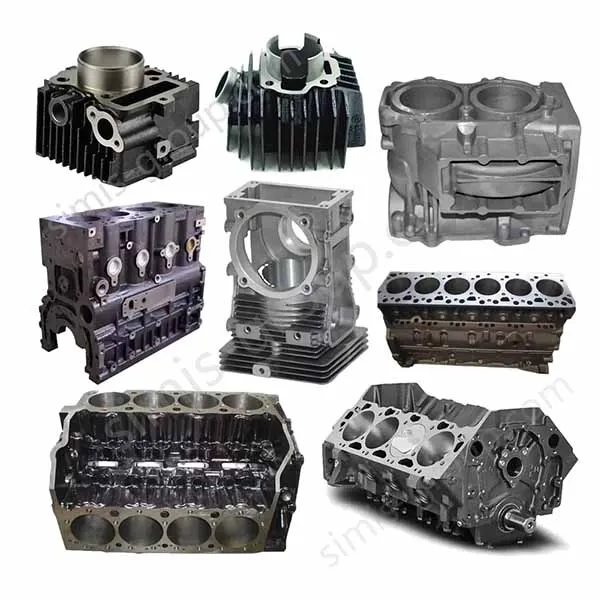


Engine Cylinder Block

Custom Engine Cylinder Block Manufacturing FAQs
Can SIMIS manufacture an engine cylinder block from our drawings?
Yes. SIMIS accepts inquiries for custom metal engine cylinder blocks based on customer-supplied 2D drawings, 3D CAD models and technical specifications. We review the block layout, internal passages, material, critical machined features and estimated quantity before proposing a casting and machining route. Manufacturing feasibility and final scope are confirmed during engineering review.
Which casting process is suitable for a custom engine block?
The choice depends on the alloy, engine configuration, casting size, coolant jacket and oil-passage geometry, tooling budget and annual demand. Sand casting is a common option for complex iron blocks and many aluminum designs. Shell molding, permanent mold casting or lost foam casting may be considered when their tooling and geometry requirements are suitable. High-pressure die casting is application-specific and should not be assumed suitable for every pressure- or fatigue-critical engine block.
What are the most important dimensions to control?
Engine assembly depends on the relationship between cylinder bores, main bearing saddles, cylinder head deck, locating dowels and mounting features. Bore diameter, roundness, cylinder spacing, main bore alignment, deck flatness and selected surface finishes should be defined on the approved drawings. The exact tolerances and inspection methods depend on the engine design.
Can you supply castings with CNC-machined cylinder bores and bearing features?
SIMIS offers casting and machining solutions for custom metal components. For cylinder blocks, the required scope may include machining the deck, crankcase interfaces, main bearing seats, cylinder bores, threaded holes and sealing surfaces. Liner installation, precision honing or additional specialist operations should be confirmed as part of the project quotation rather than assumed for every order.
What should we send to request an OEM engine block quotation?
Please provide 2D/3D drawings, material grade or applicable standard, block dimensions and weight, production quantity, required casting condition, machining scope, critical GD&T, bore or liner specifications, leak-testing criteria and surface treatment requirements. A model showing water jackets and oil galleries is especially useful for evaluating core design and manufacturability.
OEM Engine Cylinder Blocks Manufactured to Customer Drawings
An engine cylinder block is a load-bearing casting that locates the cylinders and crankshaft while incorporating mounting interfaces and, in many designs, coolant and lubrication passages. For an OEM buyer, successful production is not only about obtaining the correct external shape. The finished block must be manufacturable, dimensionally consistent and suitable for the customer's subsequent engine assembly and validation process.
SIMIS supports customized metal casting projects for engine and machinery applications. Our approach begins with drawing review: we assess material suitability, casting geometry, machining datums, likely core requirements and the inspection features that matter most for the part. Customers can discuss requirements for iron or aluminum block designs without committing to an unsuitable manufacturing method at the outset.

Choosing a Casting Method for Engine Cylinder Blocks
Complex cylinder blocks commonly require internal cavities for water jackets, crankcases or oil passages. These features influence mold design, core support, feeding, solidification and subsequent access for machining and cleaning. A process should be selected around the specific drawing and production volume, not simply because it is widely used in automotive manufacturing.
| Manufacturing route | Potential suitability | Points to evaluate |
|---|---|---|
| Sand casting | Iron and selected aluminum blocks, particularly complex or larger designs. | Core assembly, shrinkage allowance, surface finish, machining stock and casting soundness. |
| Shell mold casting | Selected iron designs where tooling, mold rigidity and repeatability offer advantages. | Core configuration, section thickness, cost and achievable as-cast accuracy. |
| Gravity permanent mold casting | Certain aluminum block geometries and repeat-production projects. | Metal mold design, core approach, solidification, tooling economics and alloy. |
| Lost foam casting | Selected designs where an expendable pattern could simplify complex shapes. | Pattern accuracy, process control, feature accessibility and validation needs. |
| CNC finishing | Machined decks, bearing bores, cylinder bores, interfaces and threaded features. | Stable datums, setup strategy, residual stock, GD&T and inspection access. |
Pressure die casting may also be evaluated for suitable aluminum structures at production scale, but internal geometry, material properties and design verification often limit its suitability for complete engine blocks. We do not present it as a universal alternative to cored sand or gravity casting.

Engine Block Materials: Cast Iron, Ductile Iron and Aluminum
Material selection is a system-level decision involving engine loads, weight, heat transfer, bore construction, vibration behavior and manufacturing economics. The customer's specification should identify the applicable material standard and grade, not only a broad label such as "cast iron" or "aluminum."
Gray Cast Iron
Gray iron is used in many engine blocks because of its castability, vibration damping and machining characteristics. In a specific design it may offer a practical balance of stiffness, thermal behavior and cost. Strength, wall thickness and local casting integrity still require engineering evaluation.
Ductile Cast Iron
Ductile iron may be considered where greater toughness and strength than typical gray iron are important. Its suitability depends on section size, fatigue loading, heat treatment or microstructure requirements and design verification; it is not automatically the best material for every high-output engine.
Cast Aluminum Alloys
Aluminum castings can reduce component mass and provide effective heat conduction. However, bore wear, thermal expansion, thread engagement and bearing support must be addressed by the engine design. Some aluminum blocks require cast-in or fitted cylinder liners, while others use engineered bore surfaces or alternative constructions specified by the OEM.
SIMIS can discuss material-dependent casting routes alongside our CNC machining capabilities. Final alloy, heat-treatment condition, dimensional targets and any liner requirements should be agreed upon before production tooling is released.

Water Jackets, Oil Galleries and Core Design
One of the most demanding aspects of an engine cylinder block is the hidden internal geometry. Coolant jackets near cylinder walls and decks must be represented accurately in the mold or core package. Oil galleries and cross-drillings must also be manufacturable and accessible for cleaning and inspection where required.
Water Jacket and Core Requirements
Core prints, support, draft where applicable and allowance for core shift should be reviewed early. Changes in wall thickness may affect local solidification and the risk of shrinkage or porosity. A casting drawing should identify minimum wall requirements and locations that are critical to sealing or structural integrity.
Oil Passages and Cleanliness
Oil-related features can require drilled or machined connections, deburring and removal of residual sand or machining debris. The acceptable level of internal cleanliness is defined by the OEM's specification. The method used to verify passage openness and cleanliness should be agreed upon for the project.
Where the cylinder head and block are designed together, the head gasket interface, coolant openings, oil transfer passages and locating features should be evaluated as one assembly rather than as unrelated castings.
Critical CNC Machining and Dimensional Control
A sound casting is the starting point. Bearing alignment, deck geometry and cylinder positioning are established through the machining sequence and controlled against the customer's drawing. Appropriate machining allowances and repeatable datums are essential for obtaining reliable results across multiple parts.
| Critical feature | Why it matters | Typical inspection focus |
|---|---|---|
| Main bearing bores / saddles | Support crankshaft location and shaft alignment. | Bore size, location, alignment and mating-face condition. |
| Cylinder bores | Determine piston and liner fit and guide finish requirements. | Diameter, roundness, position and specified surface finish. |
| Head deck | Forms a primary engine sealing and assembly surface. | Flatness, finish and relationship to cylinder geometry. |
| Locating and mounting holes | Control installation and alignment with mating components. | True position, thread quality, hole spacing and datum references. |
| Sealing and accessory interfaces | Connect covers, pumps and related assemblies. | Machined-face condition, perpendicularity and local feature sizes. |
Line boring, boring, honing, milling and drilling may all be relevant, but the exact operation sequence depends on the casting design and purchased condition. Crankshaft location needs to be considered alongside the intended crankshaft and connecting rod assembly requirements.

Design for Manufacturing: Reducing Casting and Machining Risk
A review before tooling can prevent avoidable rework. For custom cylinder blocks, we recommend evaluating critical wall sections, junctions between thick and thin regions, rib placement, core accessibility, feeding strategy and the amount of machining stock required on precision surfaces.
Questions to Resolve Before Tooling
Are internal cooling and lubrication passages represented clearly in the 3D model?
Which faces and bores must be used as primary datums during machining?
Are the minimum wall thicknesses and allowable core shifts defined?
Which surfaces are supplied as cast, rough machined or finish machined?
Does the OEM require cylinder liners, threaded inserts or specialist bore finishing?
Which inspection reports, material records and cleanliness checks are required?
Early communication on these topics is often more valuable than a generic claim of "high precision." A realistic process plan helps align product geometry, tooling investment, production quantity and acceptance criteria.
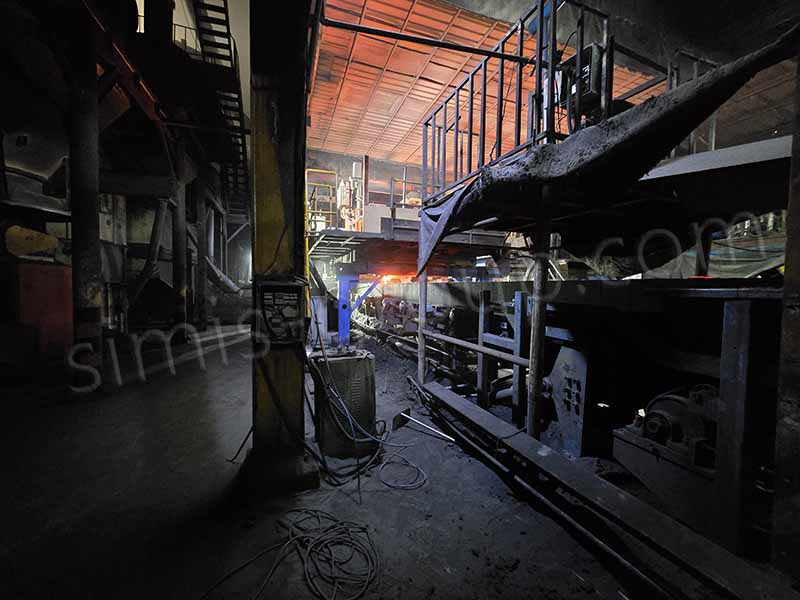
Quality Inspection for Custom Cylinder Block Castings
Inspection should follow the agreed drawing, material standard and purchase specification. Depending on the design, the plan may include material identification or chemistry checks, dimensional measurement, critical bore inspection, selected non-destructive testing and leak or pressure testing of defined passages.
For water-jacket or oil-containing castings, leakage requirements should identify the test medium, pressure, duration and allowable leakage rate where applicable. X-ray, ultrasonic or other NDT methods may be appropriate for designated critical regions, but they are not automatically required or practical for every casting feature. Customers should specify any mandatory test methods and acceptance levels before quotation.
Our quality control information provides an overview of inspection capabilities; individual project test scope must be confirmed through technical review. We do not equate casting inspection with certification of the completed engine's performance or service life.
Typical Engine and Equipment Applications
Custom cylinder blocks may be specified for passenger and commercial vehicle engines, agricultural machinery, industrial power units and other internal-combustion equipment. Design priorities differ: an industrial diesel block may emphasize robustness and access for maintenance, whereas a lightweight engine block may place greater emphasis on aluminum construction and thermal management.
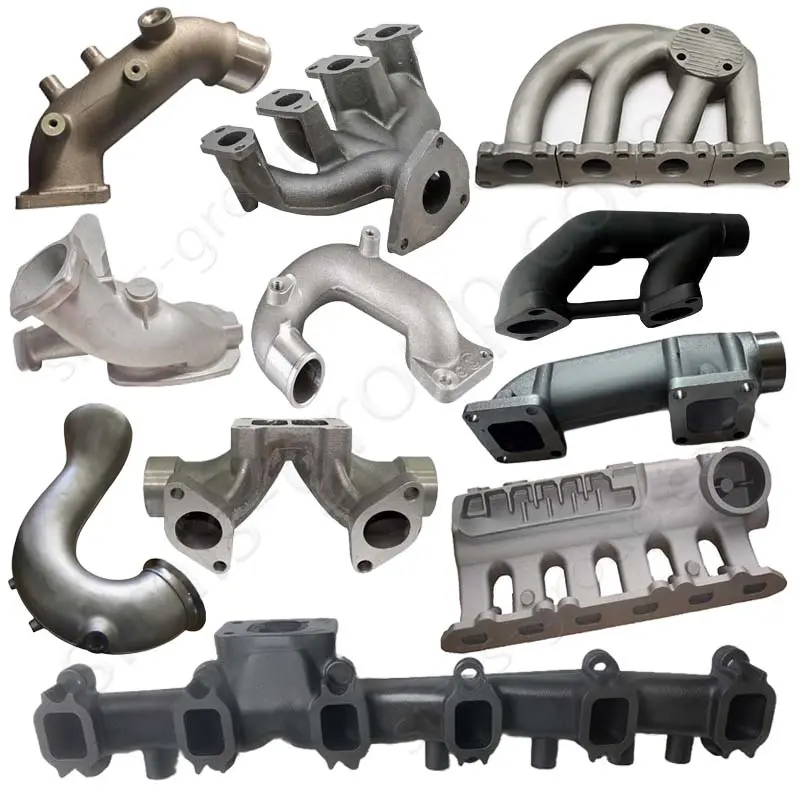
SIMIS can evaluate projects involving cast-metal components for engine assemblies as well as associated components such as intake and exhaust manifolds. The target application helps determine the casting alloy, required inspection, machining scope and delivery condition.
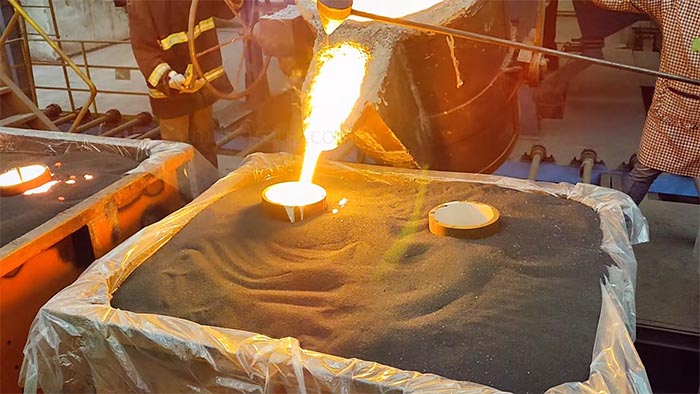
How to Request a Custom Engine Cylinder Block Quotation
To assess your project, please send a complete engineering package rather than only a product name or reference photograph. Helpful information includes:
Drawings: 2D manufacturing drawings and 3D CAD files showing external geometry and internal passages.
Material: requested grade and standard, plus any heat-treatment or microstructure specifications.
Machining: critical bores, bearing features, decks, datums, surface finishes and liner requirements.
Quality: inspection criteria, leak-testing requirements, NDT requirements and traceability expectations.
Production: target annual volume, batch size, prototype needs and delivery expectations.
With these details, SIMIS can review casting manufacturability, discuss suitable processes and prepare a project-specific quotation for an engine cylinder block made to your requirements. Send your technical inquiry to info@simis-group.com.