Custom Intake Exhaust Manifold Manufacturer
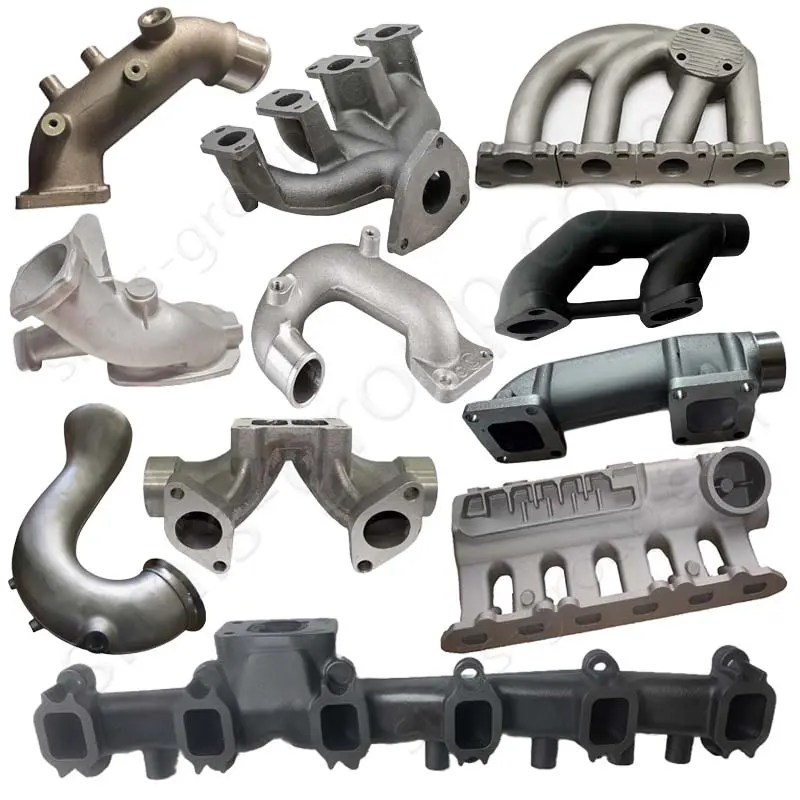
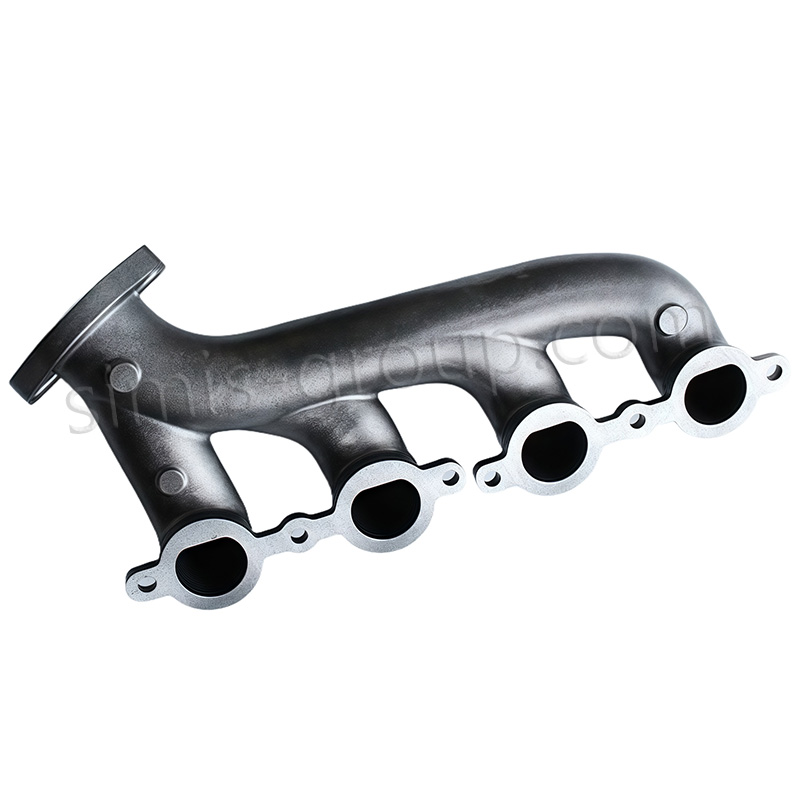
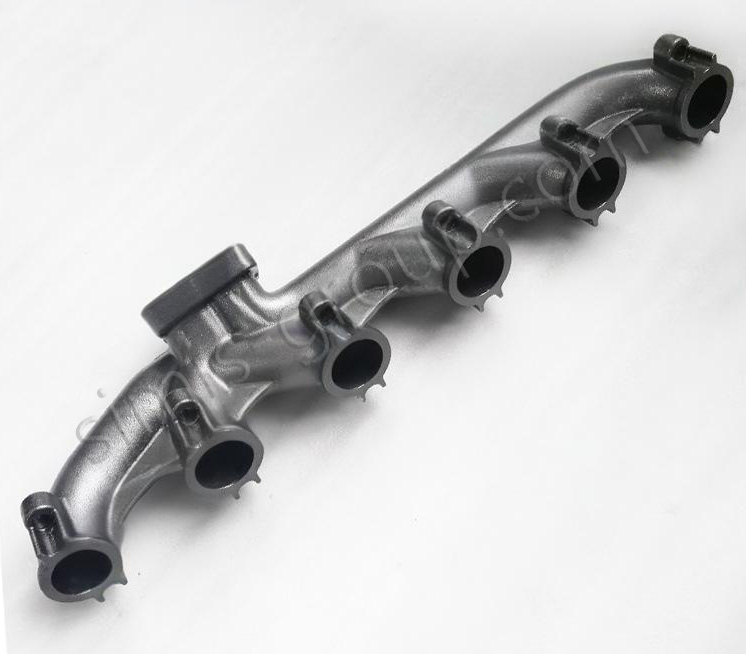
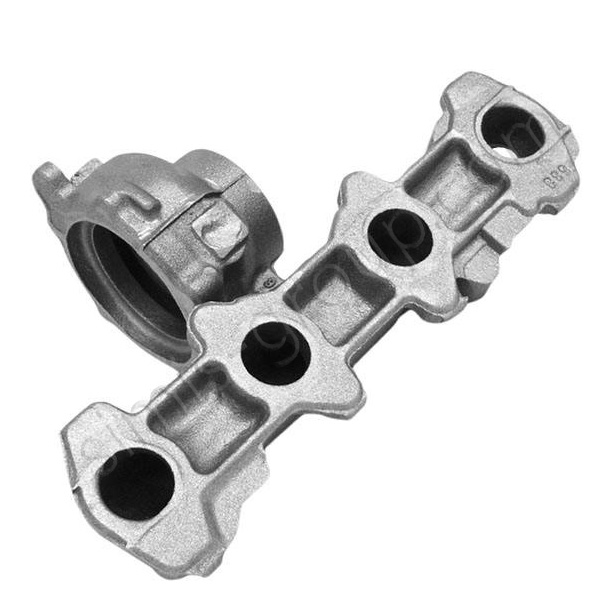
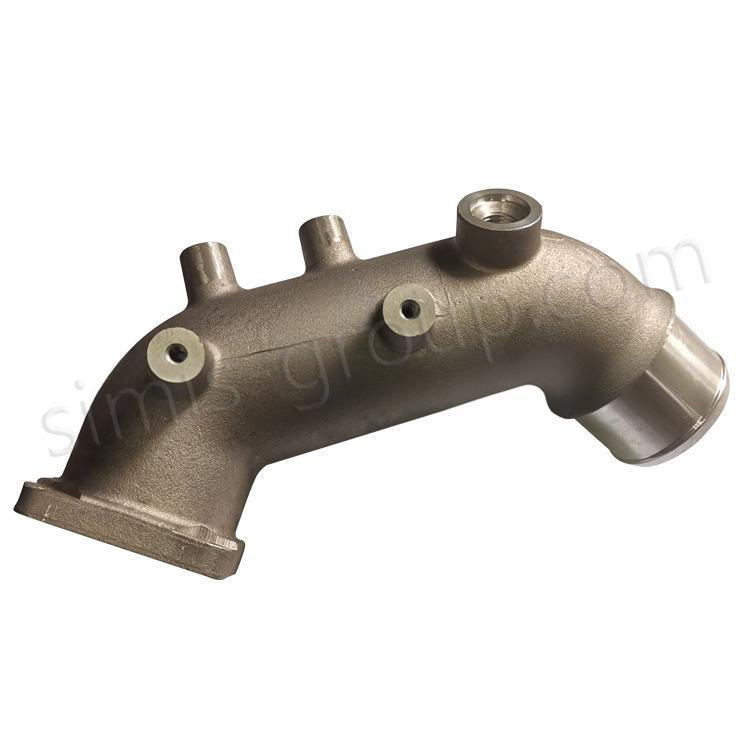
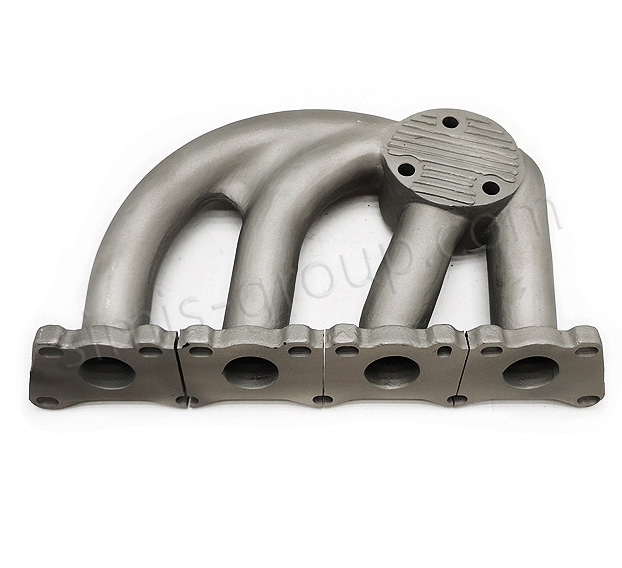
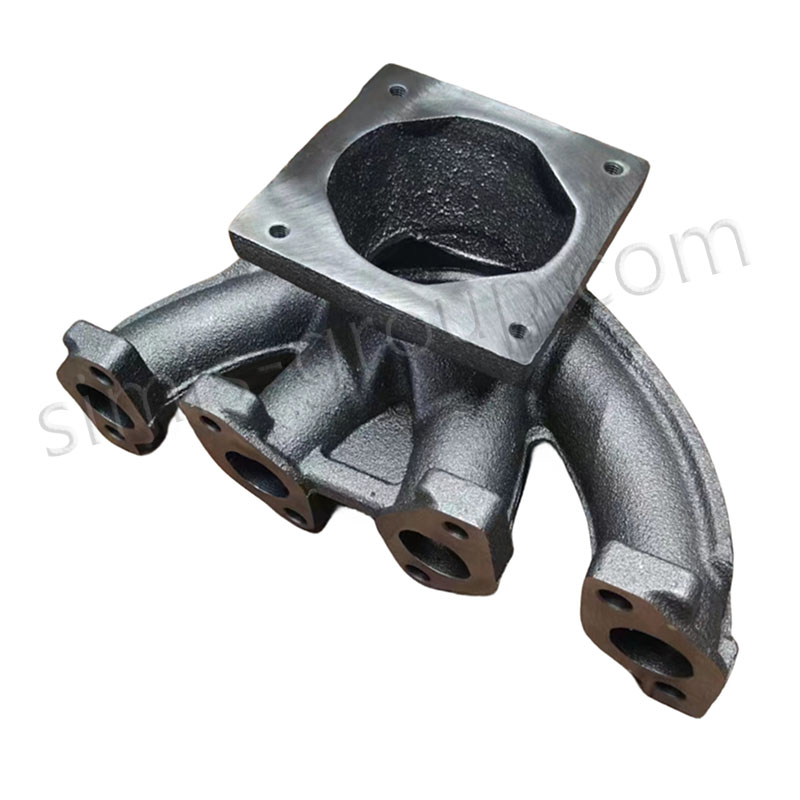
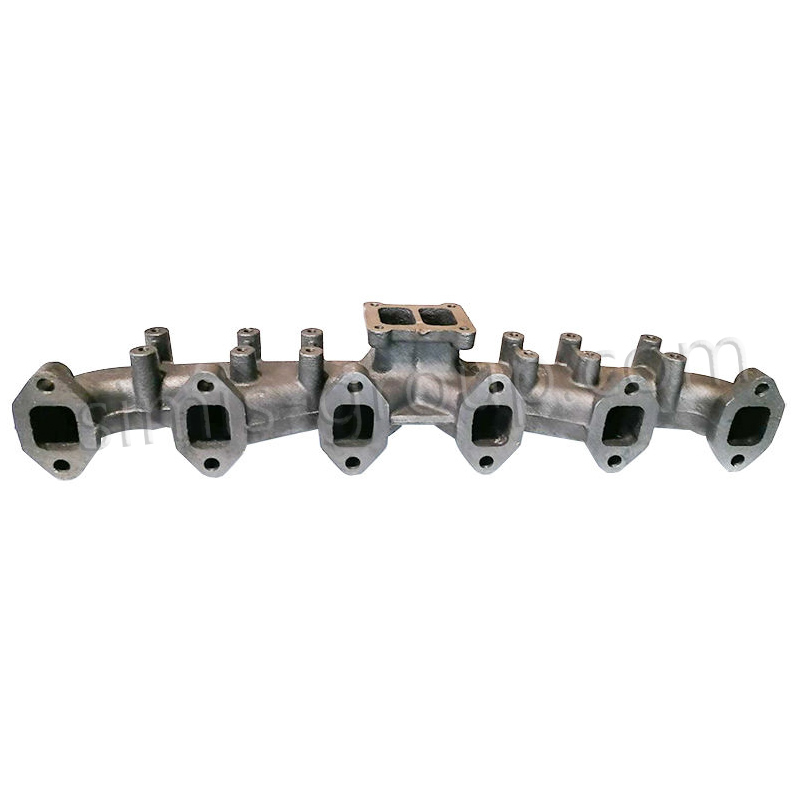
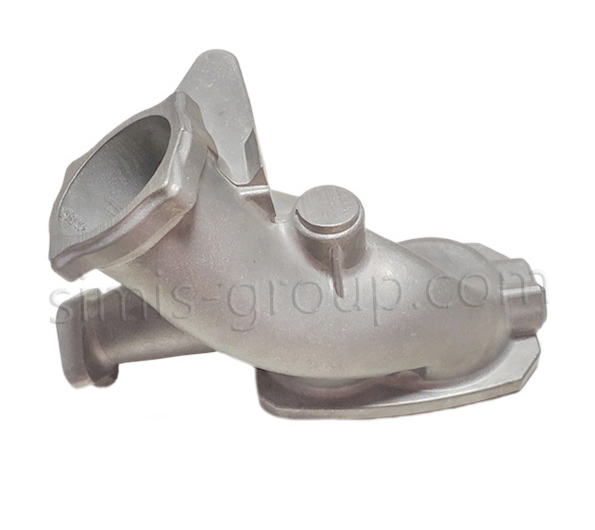
Intake Exhaust Manifold

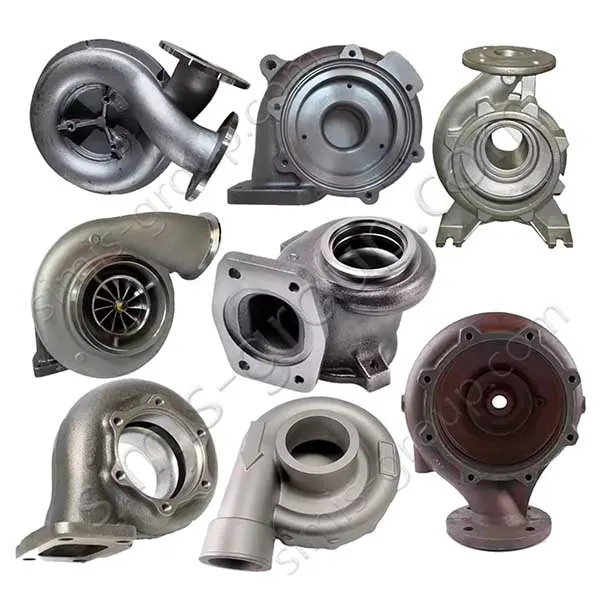
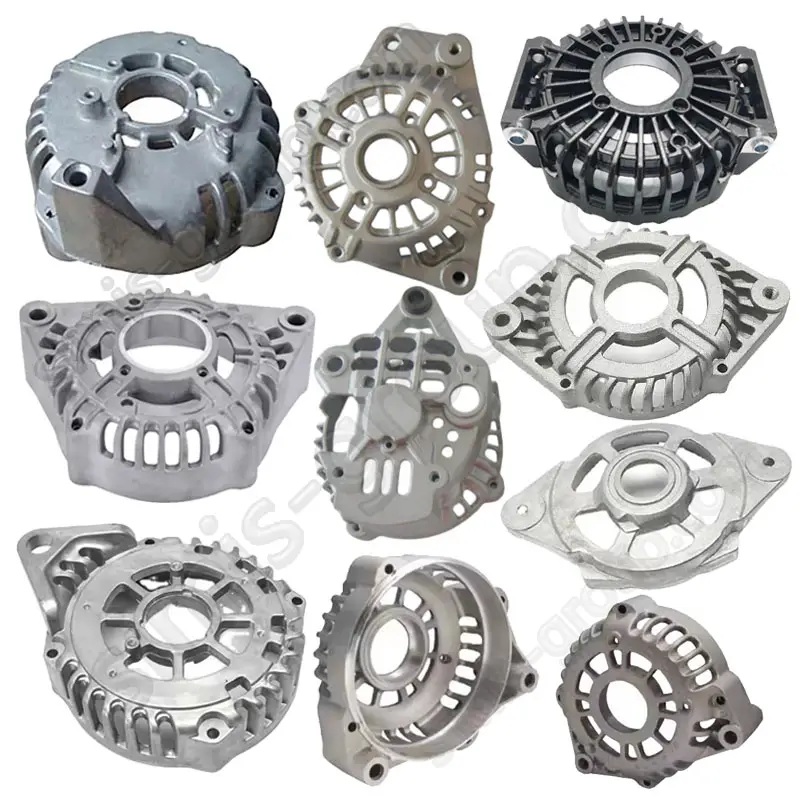
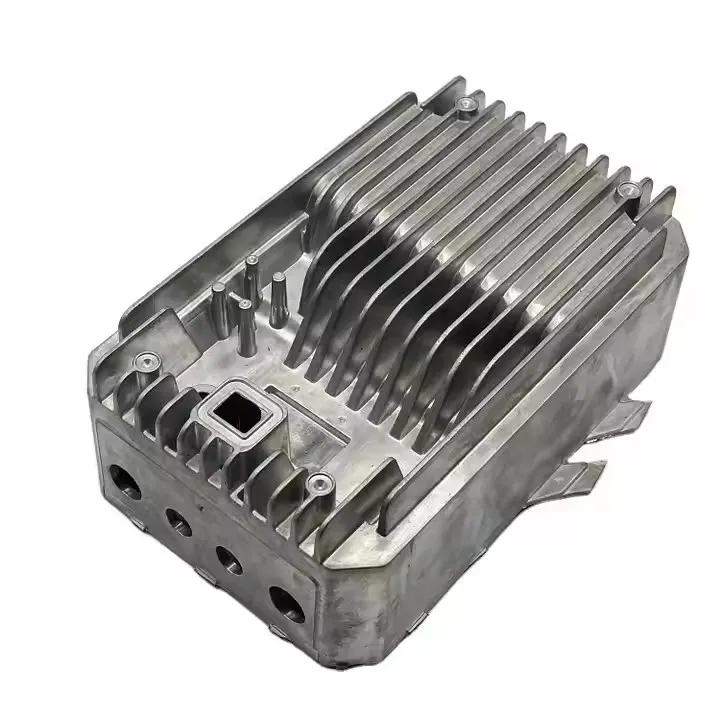
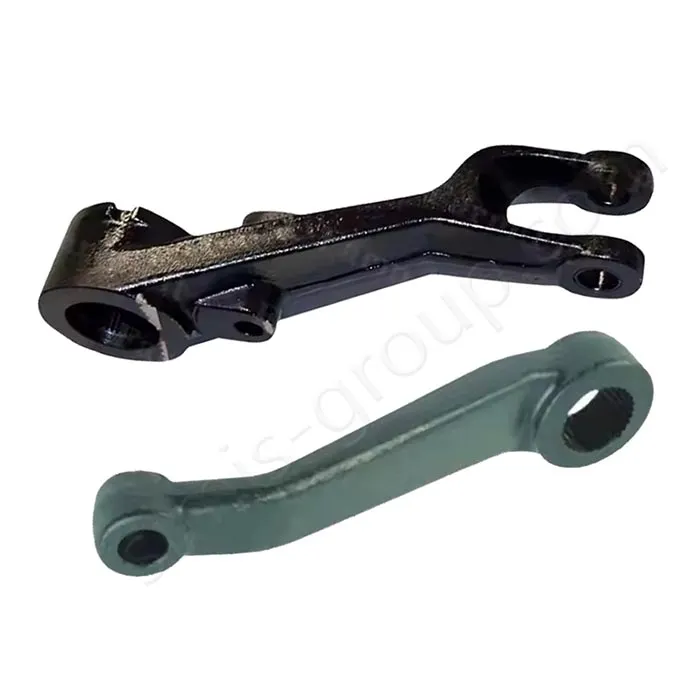
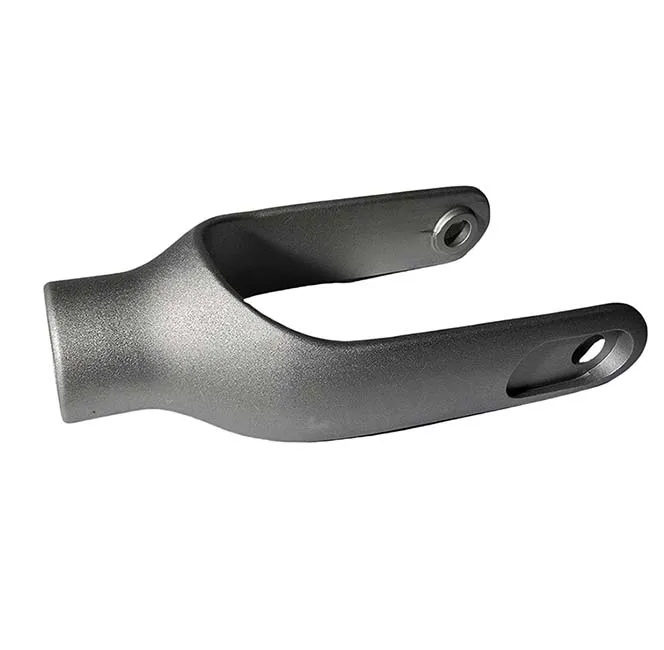
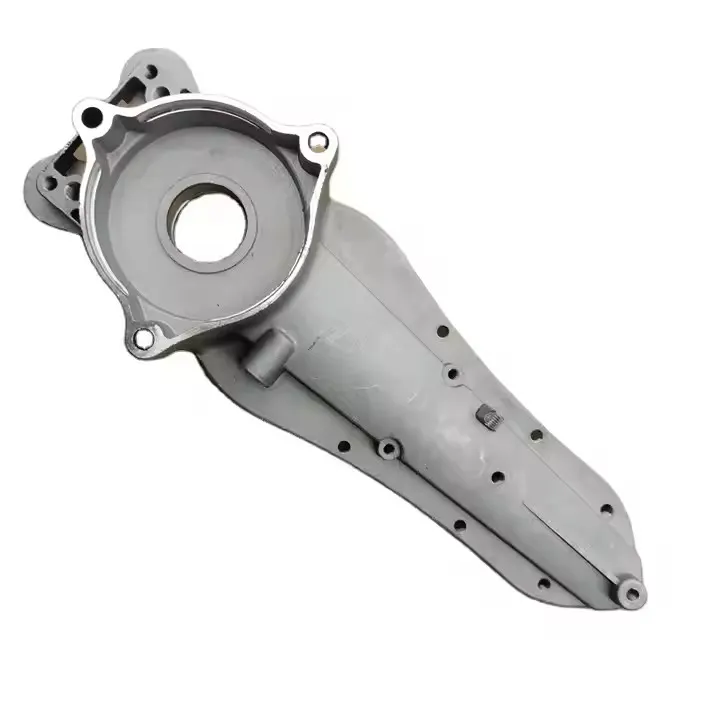
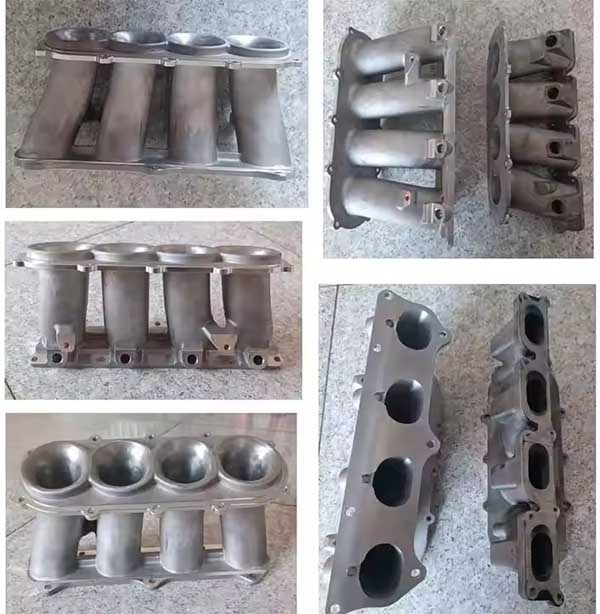
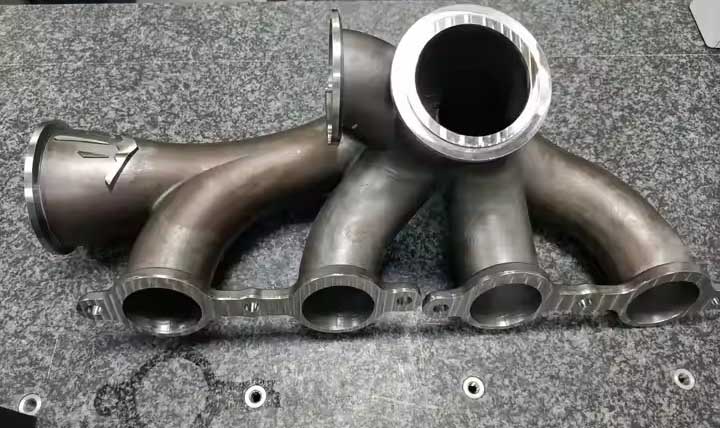
China Simis Company is a specialized OEM custom casting manufacturer of high-performance Intake and Exhaust Manifolds. These components are fundamental to the engine's breathing cycle, controlling the delivery of the air/fuel mixture (intake) and the efficient scavenging of hot exhaust gases (exhaust).
Manufacturing these requires exceptional flow dynamics precision, high-temperature resistance (exhaust), and strict pressure stability (intake). We utilize Investment Casting and Sand Casting to produce manifolds from Stainless Steel, Alloy Steel, High-Temp Cast Iron, and Aluminum Alloy, ensuring maximum performance for automotive, racing, and heavy machinery engines.
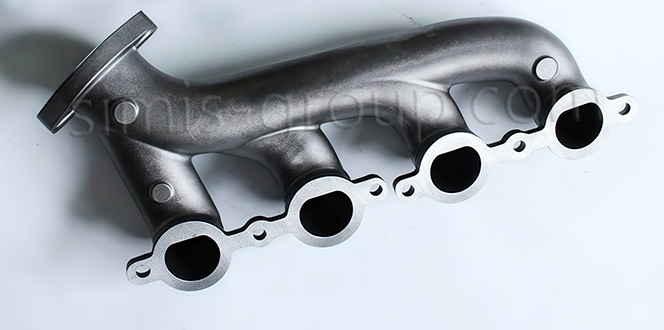
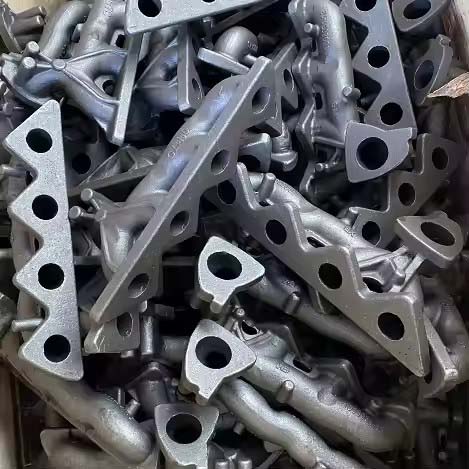
What Manufacturing Processes Are Used for Intake & Exhaust Manifolds?
Processes are selected based on whether the manifold is for intake (low temperature, light weight) or exhaust (high temperature, high strength). We mainly adopt Sand Casting, Pressure Die Casting, Permanent Mold Casting, Investment Casting and Lost Foam Casting to manufacture high-performance intake and exhaust manifold components.
| Manufacturing Process | Applicable Material Range | Application Focus for Intake & Exhaust Manifolds | Core Advantage |
| Sand Casting | Gray Iron, Ductile Iron, Aluminum Alloy | Primary method for heavy-duty, high-volume Exhaust Manifolds; ideal for thermal damping and low cost. | Excellent for complex internal runners, core knockout, and managing high thermal mass materials. |
| Pressure Die Casting | Aluminum Alloy, Zinc Alloy | High-volume, lightweight Intake Manifolds and air runners, where thin walls and excellent surface finish are required. | Highest production speed and exceptional dimensional accuracy for lightweight manifolds. |
| Permanent Mold Casting | Aluminum Alloy | Medium-volume Intake Manifolds requiring better mechanical properties (lower porosity) than die casting. | Superior grain structure and density for improved strength in intake applications. |
| Investment Casting | Stainless Steel, Alloy Steel | High-performance, thin-wall Exhaust Manifolds for turbocharged or critical racing engines. | Excellent surface finish and tight tolerances for high-flow Exhaust Manifolds and complex turbine scrolls. |
| Lost Foam Casting | Aluminum Alloy, Gray Iron | Complex Intake or Exhaust Manifolds with highly intricate internal passages. | Eliminates parting lines and cores, improving internal runner consistency and flow. |
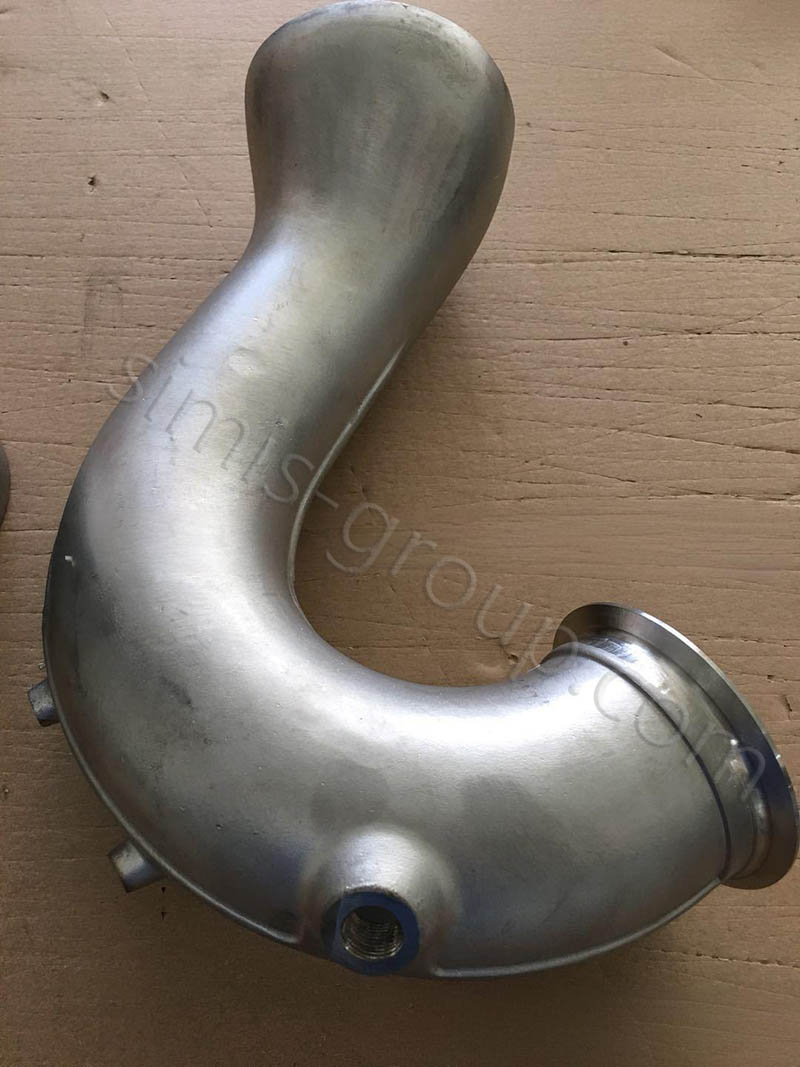
How to Select Material Types for Intake & Exhaust Manifolds?
Manifold materials are selected based on whether they handle cold, pressurized air/fuel (Intake) or extremely hot, corrosive exhaust gases (Exhaust). We select Gray Iron, Ductile Iron, Stainless Steel, Aluminum Alloy and Alloy Steel according to different application scenarios and performance requirements of intake and exhaust manifolds.
| Material Type | Core Performance Attributes | Primary Application Scenarios for Intake & Exhaust Manifolds |
| Gray Iron | Excellent thermal damping and fatigue resistance against thermal shock; low cost. | Standard, heavy-duty Exhaust Manifolds for commercial vehicles and industrial engines. |
| Ductile Iron | Higher strength and toughness than Gray Iron, improved structural integrity. | High-stress Exhaust Manifolds (e.g., turbocharger mounting) and complex designs. |
| Stainless Steel | Superior high-temperature corrosion and oxidation resistance. | Performance, racing, or heavy-duty diesel Exhaust Manifolds connected to turbochargers. |
| Aluminum Alloy | High strength-to-weight ratio, excellent heat dissipation, and superior castability. | Standard material for lightweight Intake Manifolds and engine air plenums. |
| Alloy Steel | Exceptional structural strength for high-pressure or extreme load applications. | Specialized, highly stressed Exhaust Manifolds in very large industrial or marine engines. |
What Precision Flow Design and Quality Assurance Measures Are Applied to Intake & Exhaust Manifolds?
The internal flow path of both manifolds is critical to engine volumetric efficiency and output. Casting accuracy is essential for maintaining design parameters. The core measures include flow dynamics control, flange flatness & sealing management, weld integrity assurance and Non-Destructive Testing (NDT).
·Flow Dynamics Control:
We ensure the precise geometry of runners, plenums (intake), and merge points (exhaust) to meet computational fluid dynamics (CFD) targets for optimizing gas velocity, tuning length, and minimizing pressure drop.
·Flange Flatness & Sealing:
CNC machining of engine head and turbocharger mounting flanges to an ultra-flat surface is critical for leak-proof sealing under high pressure and temperature.
·Weld Integrity (Stainless Steel):
For multi-piece stainless exhaust manifolds, strict welding protocols and heat treatment are followed to minimize stress and prevent cracking caused by thermal cycling.
·Non-Destructive Testing (NDT):
Utilizing Radiography Testing (RT) for exhaust manifolds and Pressure Decay Testing for intake manifolds to verify the absence of porosity or leakage, ensuring structural and sealing integrity.
What Are the Key Applications for Simis Custom Intake & Exhaust Manifolds?
Our custom-cast manifolds are vital for power generation and vehicle performance across global industries. They are widely applied in Automotive & Truck, Heavy-Duty & Commercial, Energy Generation, Marine & Shipbuilding and Mining & Construction sectors.
| Application Sector | Typical Component | Core Performance Needs | Simis Material/Process Focus |
| Automotive & Truck | Turbocharger-Integrated Exhaust Manifolds, Variable Intake Manifolds (VIM). | High Thermal Cycling, Lightweighting, Volume Production. | Gray Iron (Sand Cast), Aluminum Alloy (Die Cast). |
| Heavy-Duty & Commercial | Large Diesel Engine Exhaust Manifolds, EGR Cooled Manifolds. | Extreme Durability, High Heat/Pressure Resistance. | Ductile Iron (Sand Cast), Alloy Steel (Sand Cast). |
| Energy Generation | Natural Gas Generator Engine Manifolds, CHP Systems. | Reliability, Long Service Life, Corrosion Resistance. | Gray Iron, Stainless Steel (Investment Cast). |
| Marine & Shipbuilding | High-Power Marine Engine Manifolds, Wet/Dry Exhaust Systems. | Corrosion Resistance (especially in marine environment), Thermal Stability. | Gray Iron, Stainless Steel. |
| Mining & Construction | Heavy Equipment Engine Manifolds (Bulldozers, Excavators). | High Shock Load Resistance, Durability, Robust Construction. | Ductile Iron, Alloy Steel (Sand Cast). |
What Are the Advantages of Simis OEM Custom Intake & Exhaust Manifolds?
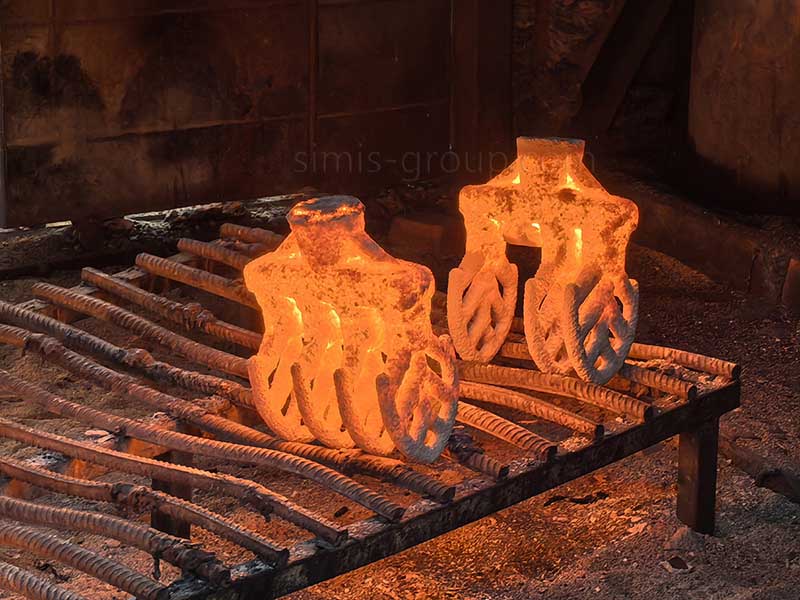
Partnering with Simis for custom manifolds ensures maximized engine efficiency and component life. Our core advantages include flow optimization accuracy, thermal management expertise, lightweighting integration and integrated supply chain service.
·Flow Optimization Accuracy:
We leverage the high geometric precision of Investment Casting and advanced sand core technology to faithfully reproduce complex internal runners and optimize the Volumetric Efficiency of the engine.
·Thermal Management Expertise:
We specialize in high-temperature alloys (e.g., SiMo, 310S), ensuring the exhaust manifold resists thermal shock, creep, and fatigue, critical for turbocharged applications.
·Lightweighting Integration:
We offer high-volume production of lightweight Aluminum intake manifolds, contributing to overall engine mass reduction.
·Integrated Supply Chain:
We offer a single source responsible for specialized alloy casting, precision machining of all critical interfaces, and rigorous NDT, ensuring consistent quality from metal to final fitment.
How to Get a Quote for Custom Intake & Exhaust Manifolds?
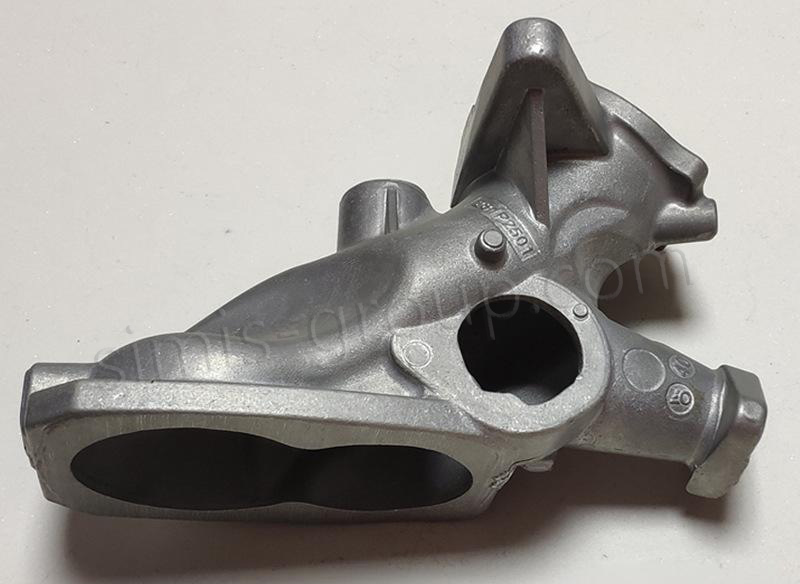
China Simis Company is your expert global partner for custom casting Intake and Exhaust Manifolds, engineered for superior flow dynamics, high thermal/pressure resistance, and component reliability.
Please submit your 2D technical drawings, 3D models (showing runners and plenums), and specific requirements for material grade, operating temperature, and flow performance targets to our engineering department for a consultation and detailed quotation.