Custom Generator Housing Manufacturer
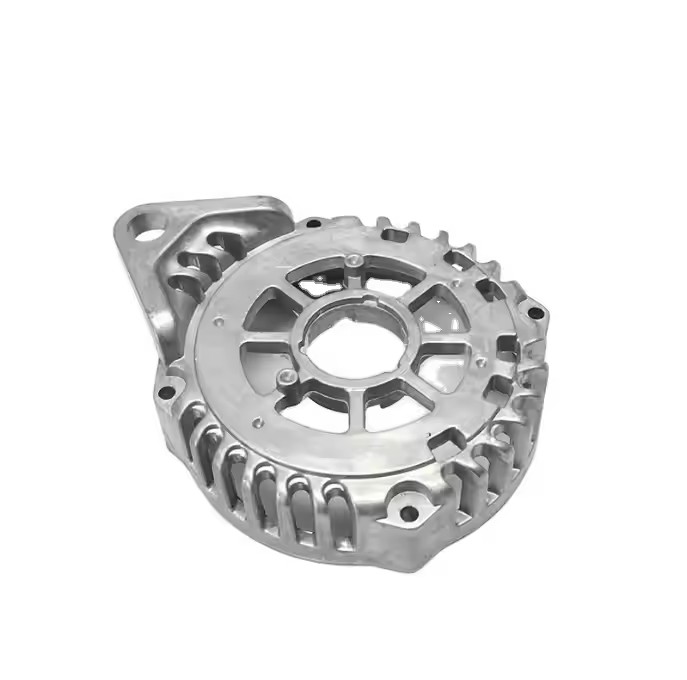
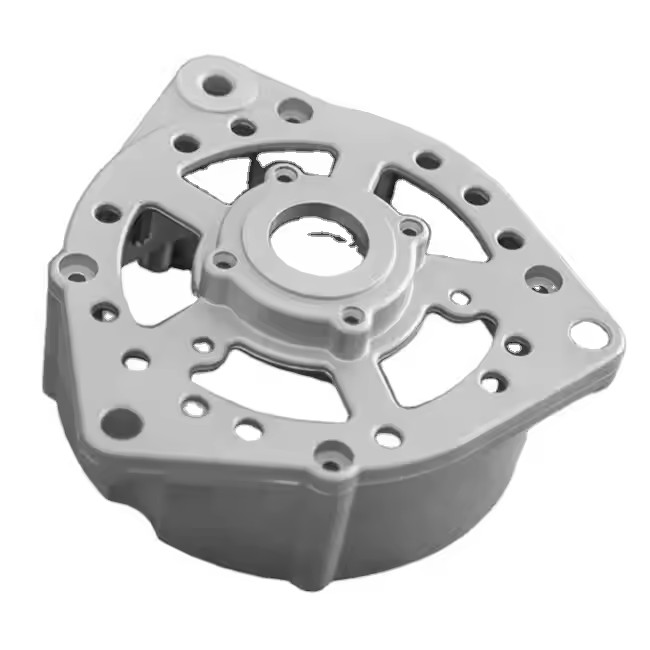
Generator Housing

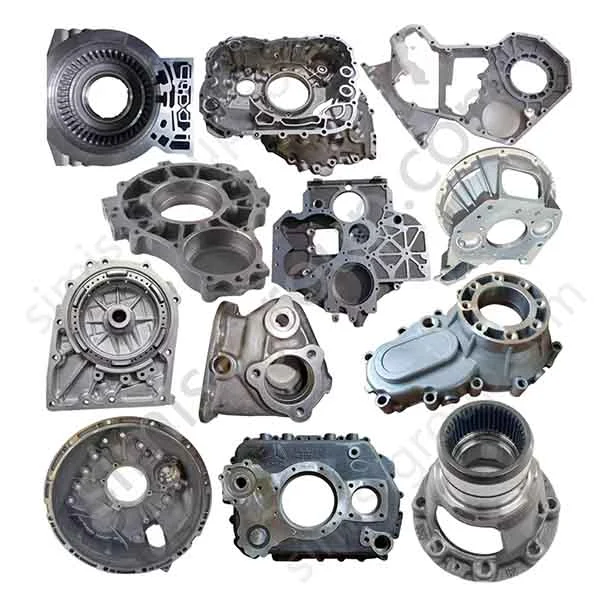
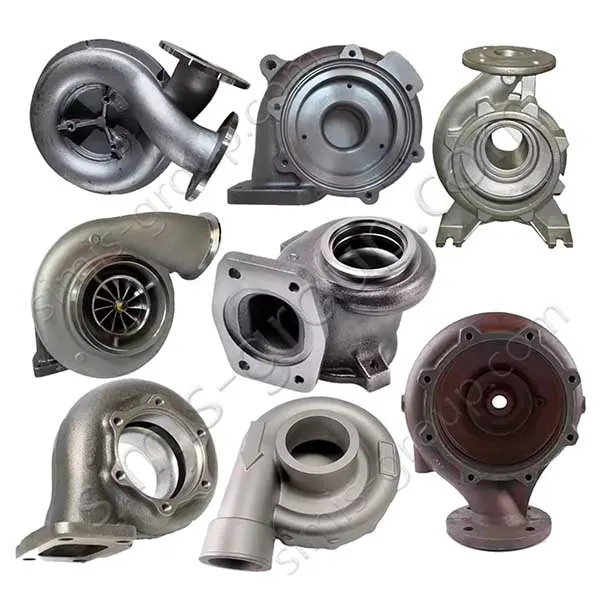
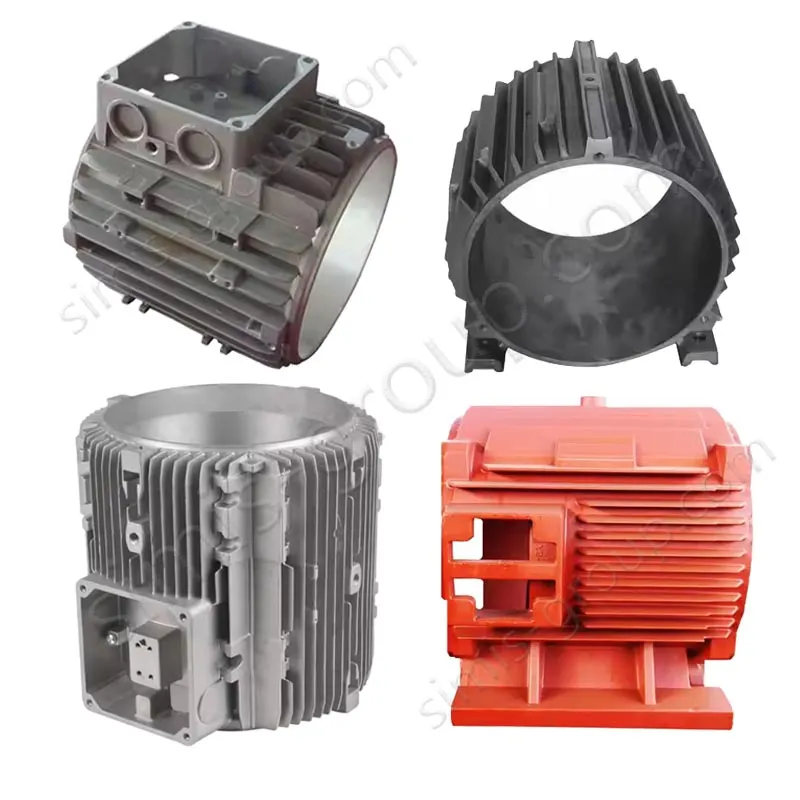
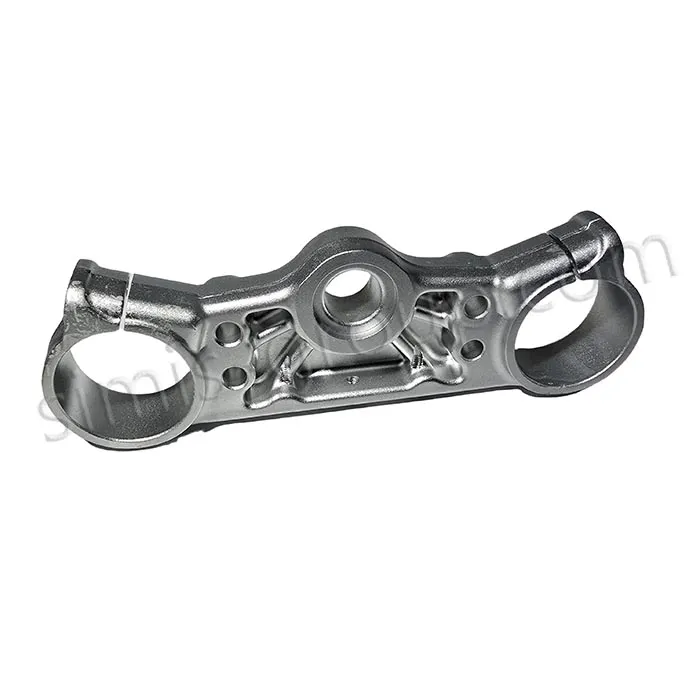
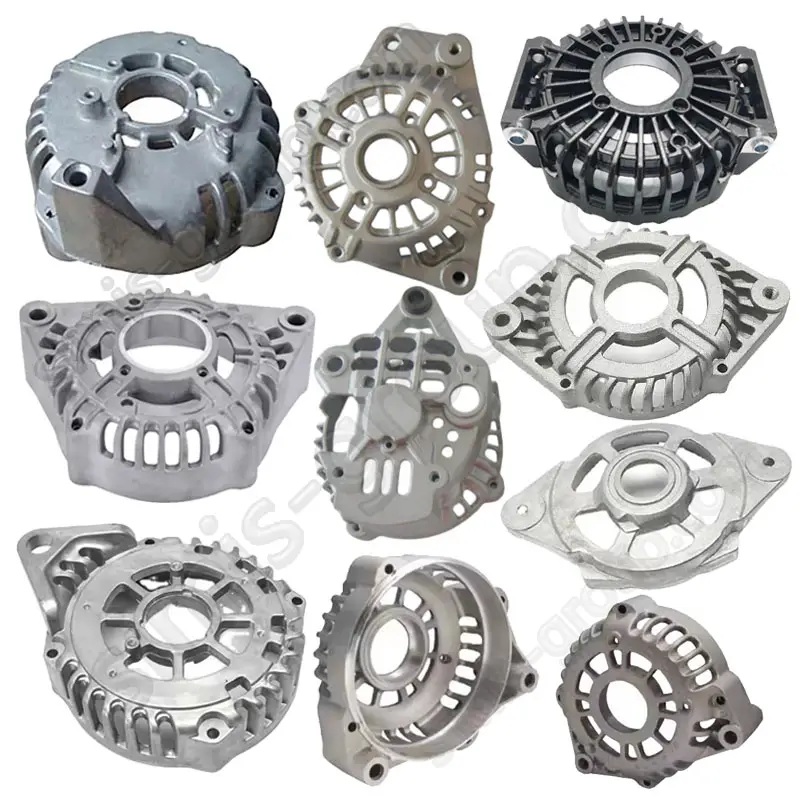
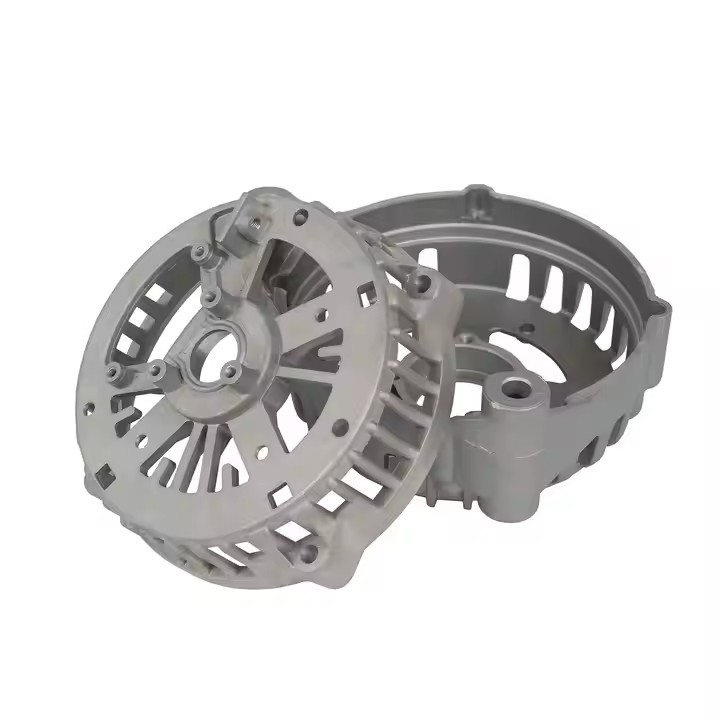
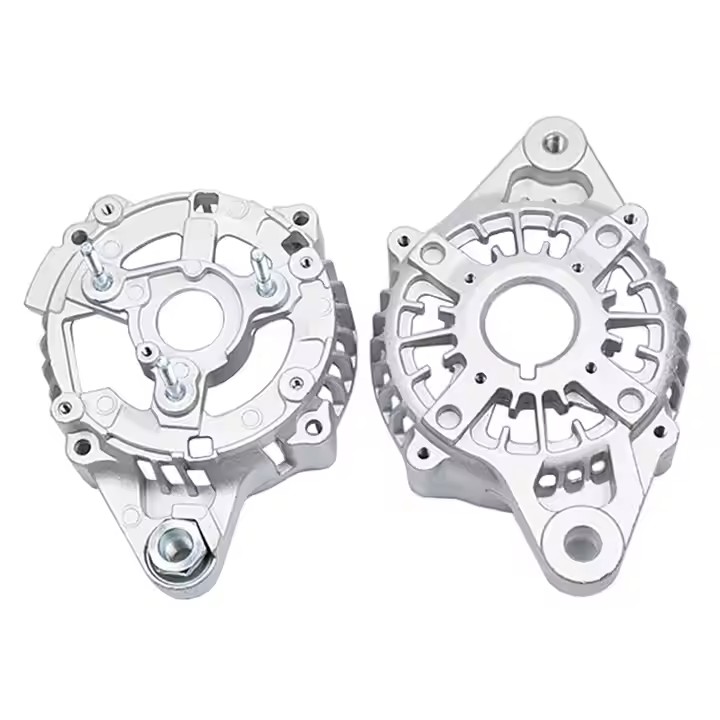
China Simis Company is a specialized OEM custom casting manufacturer of high-integrity Generator Housings (Frames or Casings). The housing serves multiple critical functions: providing structural support for the stator and rotor, facilitating heat dissipation, ensuring electromagnetic shielding, and protecting internal components from the environment.
Housings are subjected to internal vibration, thermal stress from heat generation, and mechanical loads from mounting. We primarily utilize precision casting processes to produce housings from Aluminum Alloy, Cast Iron, and Alloy Steel, ensuring maximum structural stiffness, excellent thermal management, and effective vibration damping across automotive, industrial, and wind turbine applications.
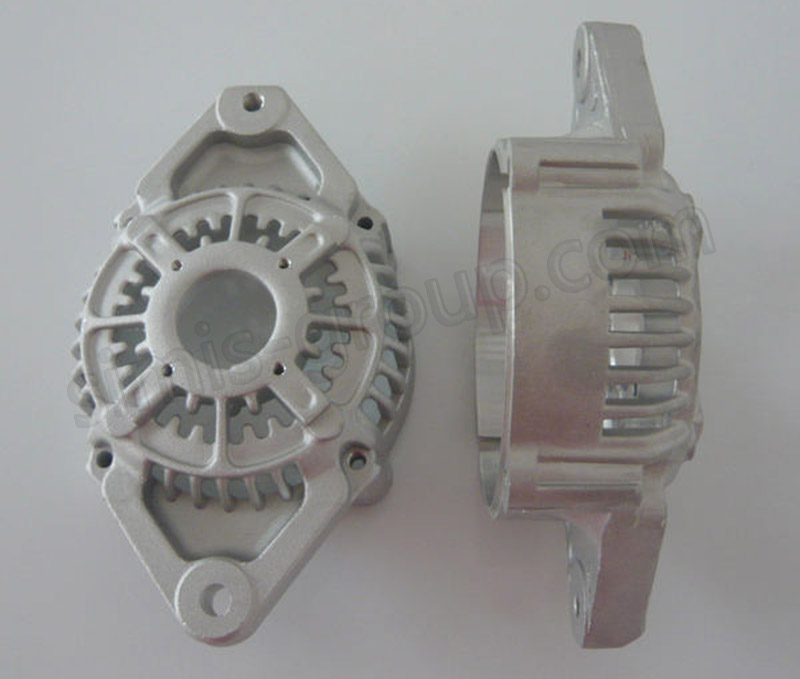
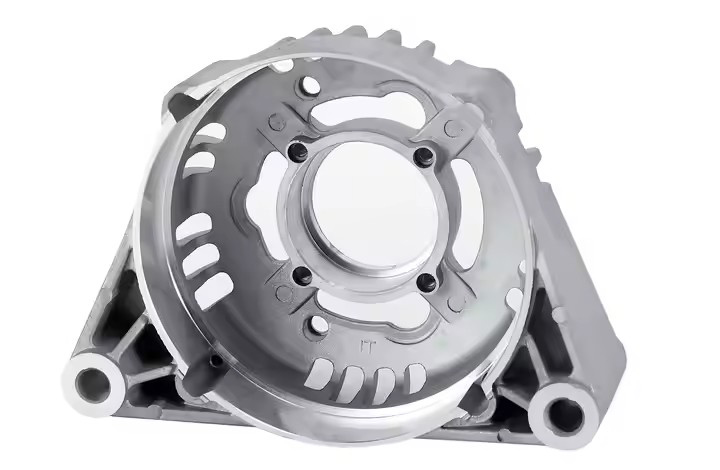
What manufacturing processes are used for generator housings?
Casting is the ideal method for generator housings as it allows for the precise incorporation of complex cooling fins, mounting features, and internal spaces required for component fitment and airflow management. We mainly adopt High/Low Pressure Die Casting, Sand Casting/Shell Mold Casting, Investment Casting and Heat Treatment for generator housing production.
| Manufacturing Process | Material Focus | Component Type & Key Advantage |
| High/Low Pressure Die Casting | Aluminum Alloy. | Automotive and High-Volume Industrial Housings; provides lightweighting, superior surface finish, and excellent thin-wall heat dissipation capability. |
| Sand Casting / Shell Mold Casting | Cast Iron, Alloy Steel. | Large Industrial Generator Sets and Wind Turbine Housings; ideal for achieving the necessary mass and rigidity for large-scale, heavy-duty applications. |
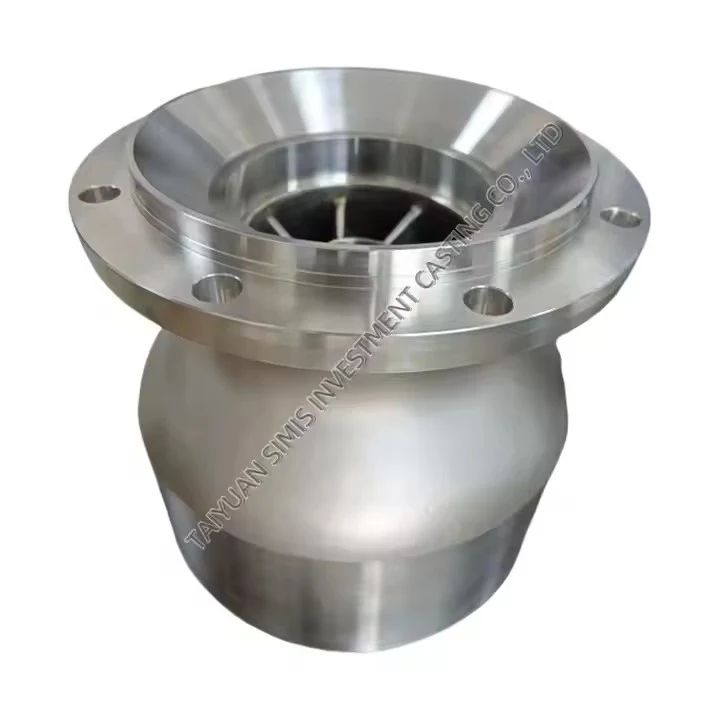
| Investment Casting | Stainless Steel, Alloy Steel. | Used for smaller, high-precision end bells or specialized mounts requiring minimal subsequent machining and high material density. |
| Heat Treatment | Aluminum Alloy, Alloy Steel. | Stress relieving is crucial for cast iron and large housings to ensure dimensional stability during subsequent machining and thermal cycling. |
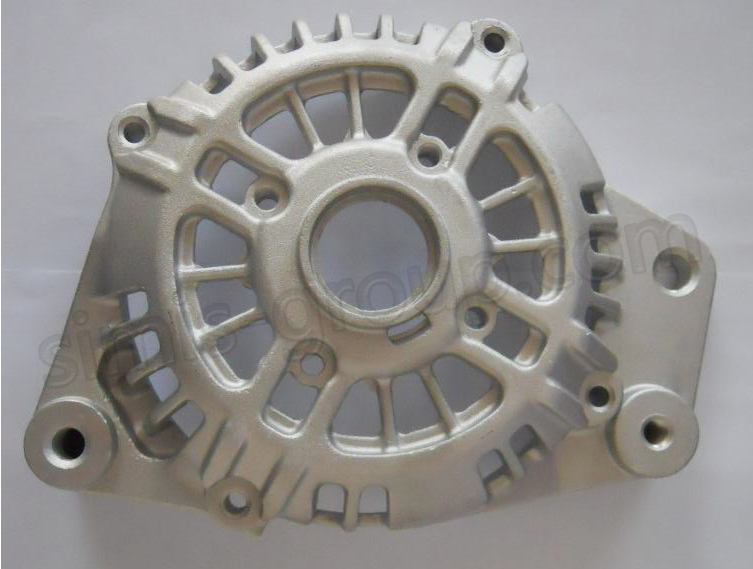
How to Select Materials for Generator Housings?
Material selection is driven by the need to balance high structural rigidity (to maintain the critical air gap between rotor and stator) with effective thermal management and vibration damping (NVH). We mainly select Aluminum Alloy, Cast Iron and Alloy Steel according to different application requirements of generator housings.
| Material Type | Primary Performance Requirement | Typical Generator Housing Application |
| Aluminum Alloy (Cast) | High thermal conductivity, excellent strength-to-weight ratio, and lightweighting. | Automotive alternators, marine, and mobile generator sets where weight and heat transfer are key. |
| Cast Iron (Gray/Ductile) | Exceptional vibration damping (NVH) and high structural mass/rigidity. | Large industrial generator sets and heavy-duty electric motors where noise reduction and stiffness are paramount. |
| Alloy Steel (Cast) | Maximum tensile strength and shock resistance for specialized, high-stress mounting frames. | Heavy industrial frames or housings subject to severe external loads. |
| Structural Integrity | Dimensional Stability | Housings must maintain critical dimensions (especially bearing seats and air gap) despite thermal expansion and operational vibration. |
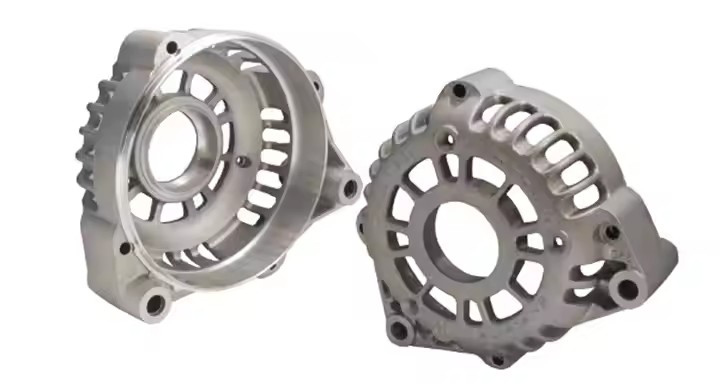
What Precision Machining and Quality Assurance Measures Are Applied to Generator Housings?
Precision machining is vital to ensure the correct alignment of the rotor and stator, which directly impacts the generator's efficiency and lifespan. Our core measures include air gap alignment control, flange perpendicularity guarantee, leak testing and Non-Destructive Testing (NDT).
·Air Gap Alignment:
Precision CNC machining of the stator mounting surfaces and bearing seats is absolutely critical to maintain the minimal, uniform air gap between the rotor and stator.
·Flange Perpendicularity:
Machining mounting flanges and end bells to exacting perpendicularity standards to ensure true running and alignment to the engine or drive system.
·Leak Testing (if applicable):
Housings with integrated cooling jackets or oil passages may undergo pressure testing to ensure complete sealing integrity.
·Non-Destructive Testing (NDT):
Ultrasonic Testing (UT) and Magnetic Particle Inspection (MPI) are used on stress-critical alloy steel components to verify internal soundness and surface integrity.
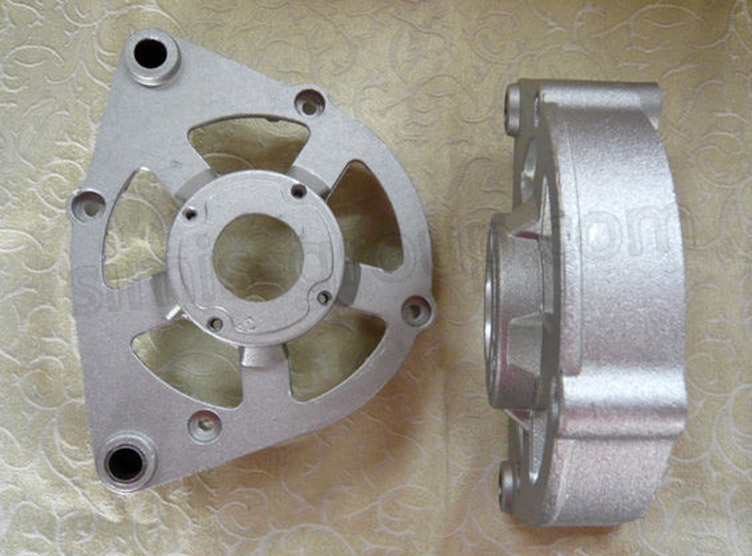
What Are the Key Applications for Simis Custom Generator Housings?
Our custom-cast housings are integral to power generation systems across demanding sectors. They are widely applied in automobile, industrial generator sets, wind turbines and ship generators fields.
·Automobile:
Lightweight aluminum alternator and starter motor housings.
·Industrial Generator Sets:
Large cast iron frames for high-power, stationary diesel and gas generator units, prioritizing NVH.
·Wind Turbines:
Heavy-duty cast iron or alloy steel frames and gearbox housings designed to withstand massive torque and cyclic loads in harsh environments.
·Ship Generators:
Corrosion-resistant cast housings for reliable marine power systems.
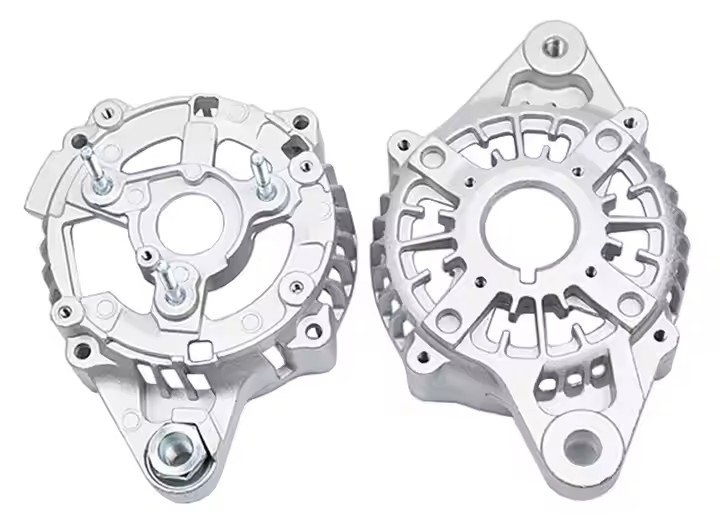
What Are the Advantages of Simis OEM Custom Generator Housings?
Partnering with Simis for custom generator housings ensures operational efficiency, structural stability, and superior thermal management. Our core advantages include thermal management optimization, NVH damping, precision air gap control and integrated supply chain service.
·Thermal Management Optimization:
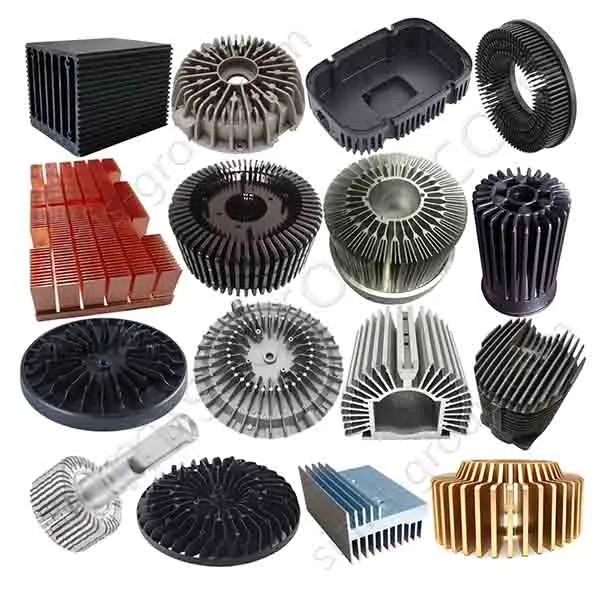
We leverage the high thermal conductivity of Aluminum Die Casting to efficiently integrate cooling fins and passages, maximizing heat dissipation.
·NVH Damping:
We utilize Cast Iron casting expertise to achieve high mass and material damping, effectively reducing operational vibration and noise (NVH).
·Precision Air Gap Control:
Our high-precision CNC machining capabilities guarantee the critical dimensional accuracy required for bearing and stator mounts, maximizing generator efficiency.
·Integrated Supply Chain:
We offer a single source responsible for specialized alloy casting, high-precision CNC machining of internal seats and flanges, and all necessary quality assurance checks.
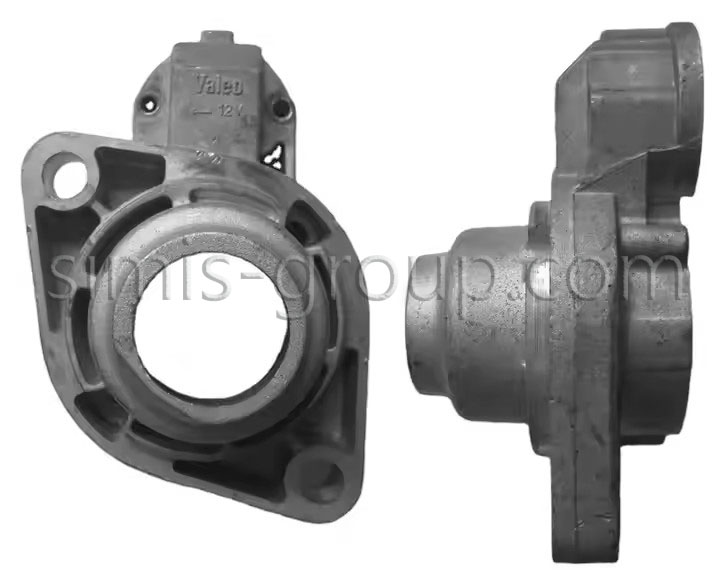
How to Get a Quote for Custom Generator Housings?
China Simis Company is your expert global partner for custom casting Generator Housings, engineered for superior structural stiffness, high thermal efficiency, and minimal NVH.
Please submit your 2D technical drawings, 3D models (showing cooling fins and bearing seat locations), and specific requirements for material grade, operating temperature range, and dimensional tolerances to our engineering department for a consultation and detailed quotation. We are ready to secure your power system.