Custom Heat Sink Manufacturer
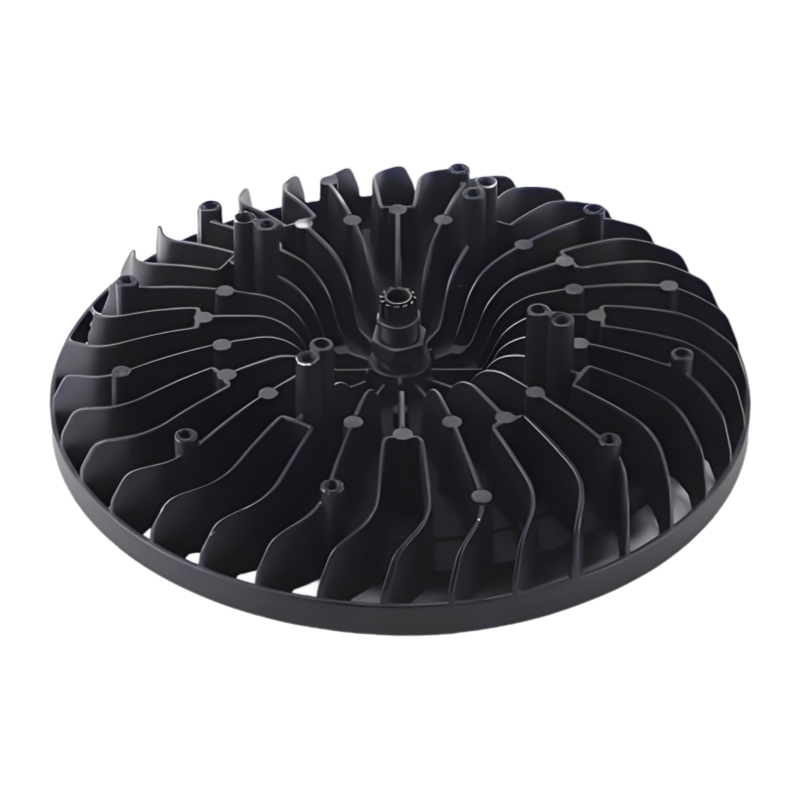
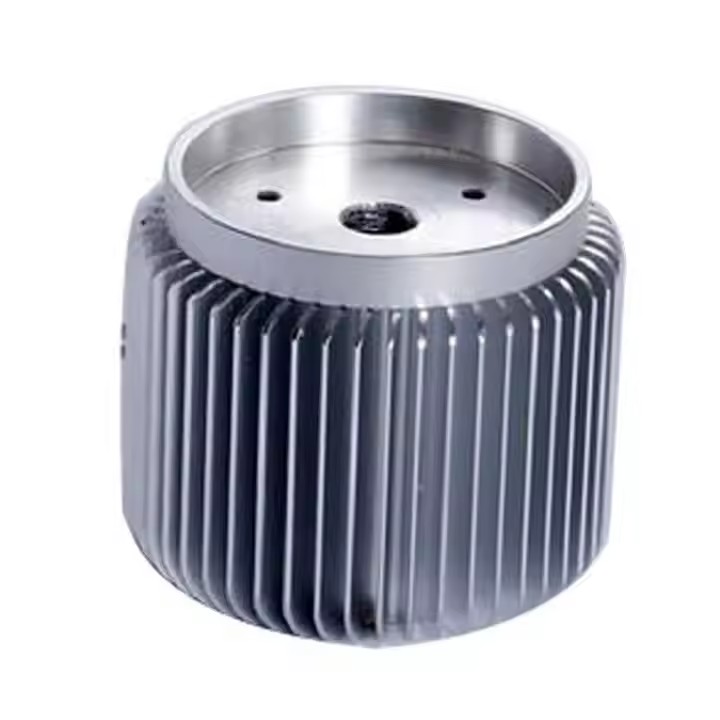
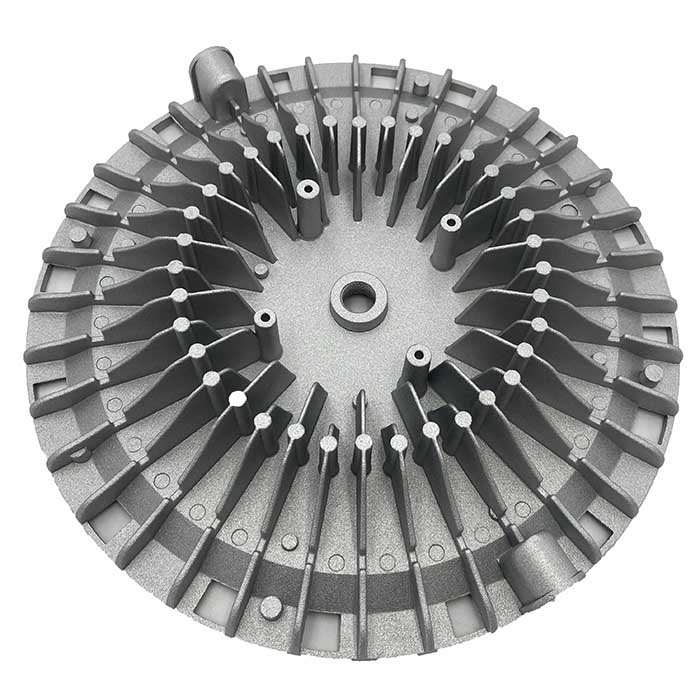
Heat Sink

Custom Heat Sink Manufacturing FAQs
Can SIMIS manufacture custom heat sinks from our drawings?
Yes. SIMIS reviews customer-supplied 2D drawings, 3D CAD files, material specifications and expected quantities for OEM heat sink manufacturing. Depending on the design, the quoted scope may be an extruded profile, a die-cast finned housing, a forged pin-fin component, a copper heat spreader or a machined metal part. We supply the agreed component rather than an unspecified complete cooling system.
How do you choose between extrusion, die casting and cold forging?
Extrusion is commonly considered for straight fins with a constant cross-section. Pressure die casting is useful when cooling fins must be integrated with mounting bosses, covers or enclosure features. Cold forging can be considered for certain compact pin-fin geometries where the alloy, forming requirements and tooling are suitable. The final process is selected after reviewing fin geometry, material, production quantity and machining needs.
What fin thickness, spacing and base flatness can be achieved?
These limits are design- and process-dependent. Fin height and spacing influence tool access, metal flow, ejection and potential distortion; base flatness, hole positions and contact-surface finish depend on the selected manufacturing and machining route. Please identify critical dimensions and tolerances on the drawing so they can be reviewed for feasibility and quoted accurately.
Do you provide a guaranteed thermal resistance or cooling capacity?
Thermal performance depends on more than the metal component: heat load, airflow, ambient temperature, thermal-interface materials and the complete assembly all matter. SIMIS can manufacture parts to customer-defined geometry and material specifications. Any thermal performance requirement or qualification test should be agreed as part of the project scope rather than assumed from a generic heat sink description.
What information is required for an OEM heat sink quotation?
Please provide a 2D drawing or 3D model, material or alloy grade, key dimensions and tolerances, target annual or batch quantity, required finish and any inspection requirements. If available, include the heat load, airflow conditions and mounting arrangement, which help clarify the intended design. We can then review the manufacturing route, tooling and supply condition.
OEM Aluminum and Copper Heat Sinks Made to Customer Drawings
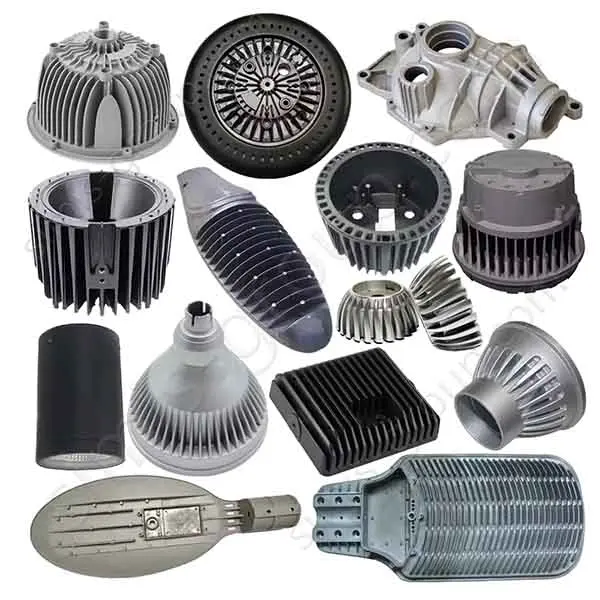
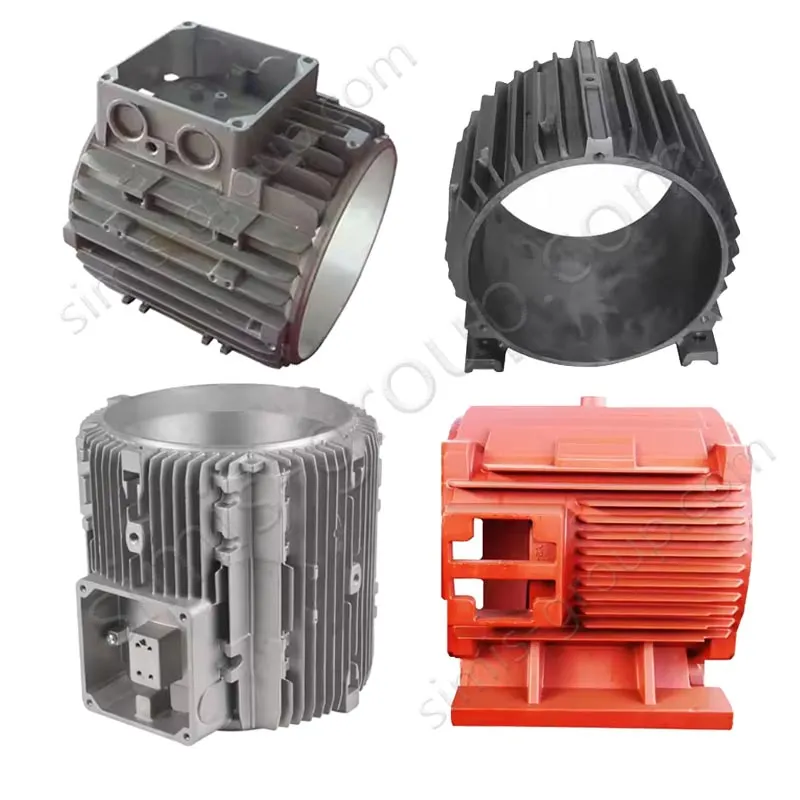
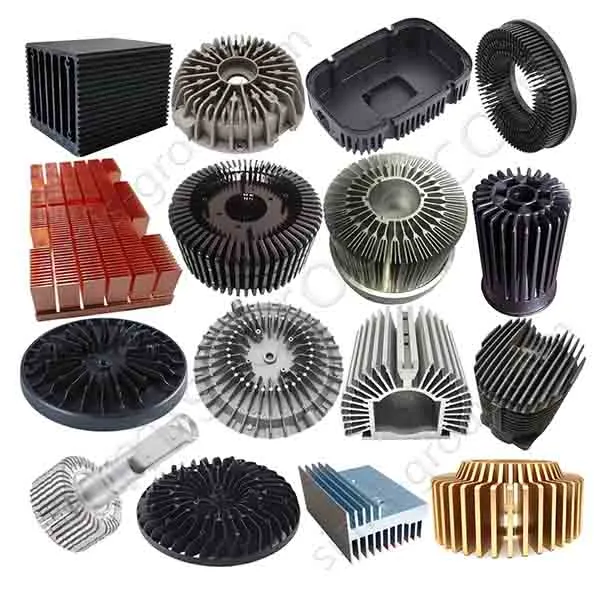
SIMIS supplies custom metal heat sink bodies and cooling-related components for electronic and industrial equipment. Products can include straight-fin aluminum extrusion profiles, die-cast finned housings, selected cold-forged pin-fin parts, copper heat spreaders and machined mounting features. The components are manufactured to agreed customer drawings rather than offered as universal stock sizes.
For an OEM buyer, the central question is whether the proposed fin geometry, alloy, mounting interface and production quantity can be made consistently. We help evaluate suitable metal-forming and machining routes, while the customer defines the cooling system design and required thermal performance.
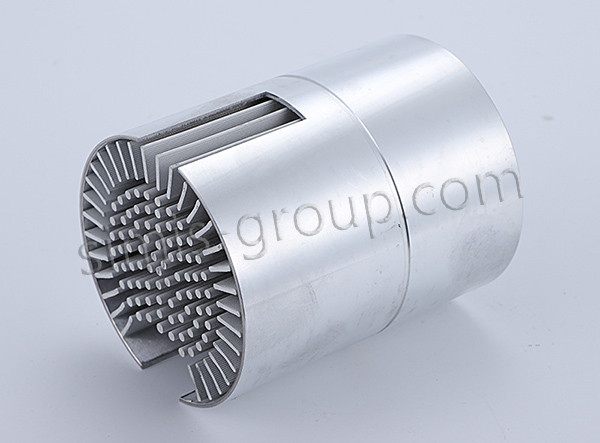
Custom Heat Sink Types and Typical OEM Applications
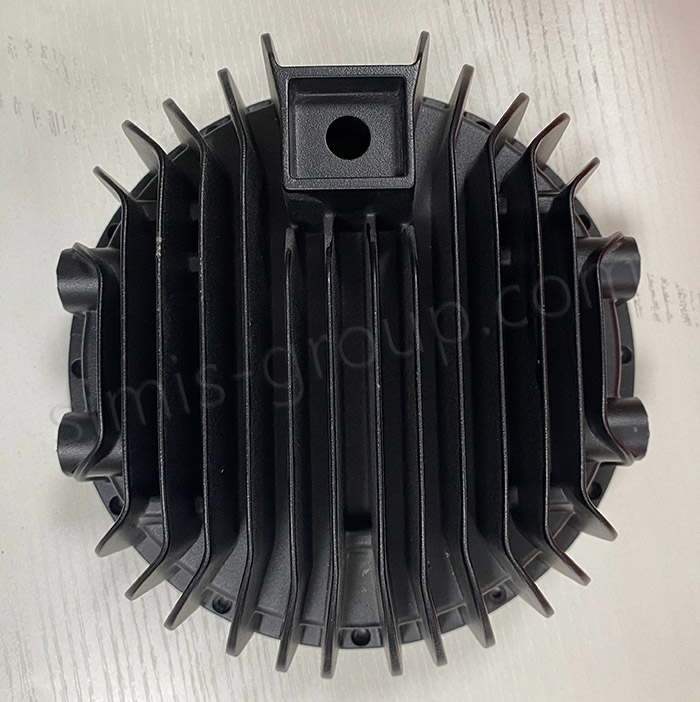
Different heat sink designs require different production approaches. A simple straight-fin profile is not manufactured in the same way as a finned housing with internal bosses and complex mounting surfaces.
| Heat sink component | Common manufacturing approach | Main design considerations |
|---|---|---|
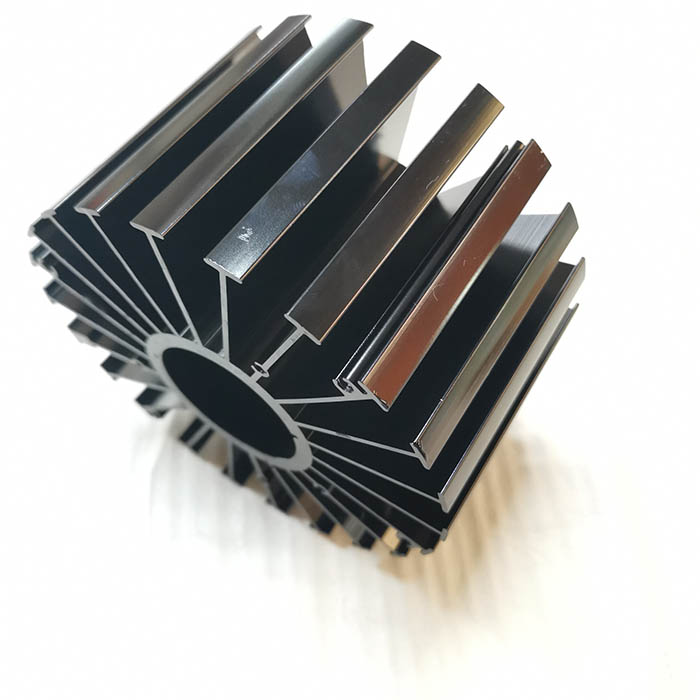
| Straight-fin aluminum heat sink | Aluminum extrusion; cutting and optional CNC operations | Fin spacing, extrusion direction, profile envelope, length and mounting holes |
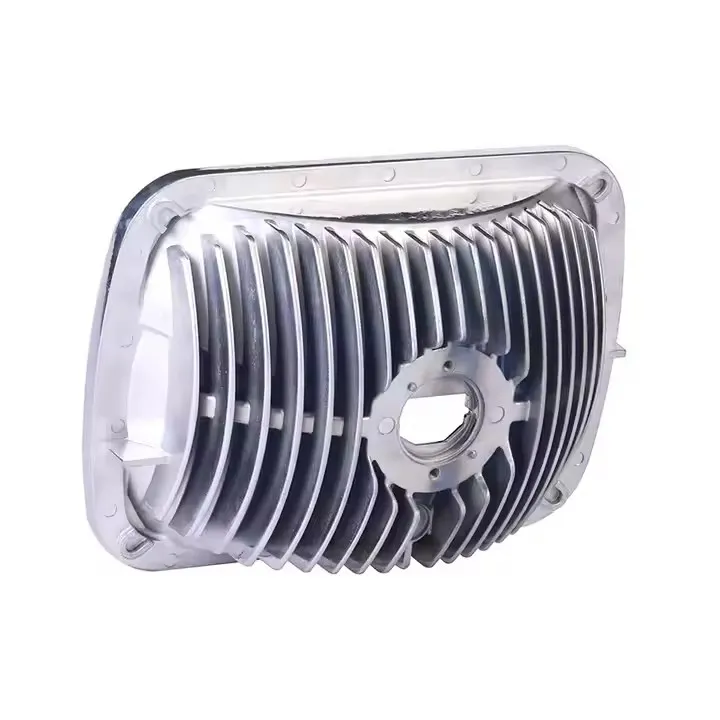
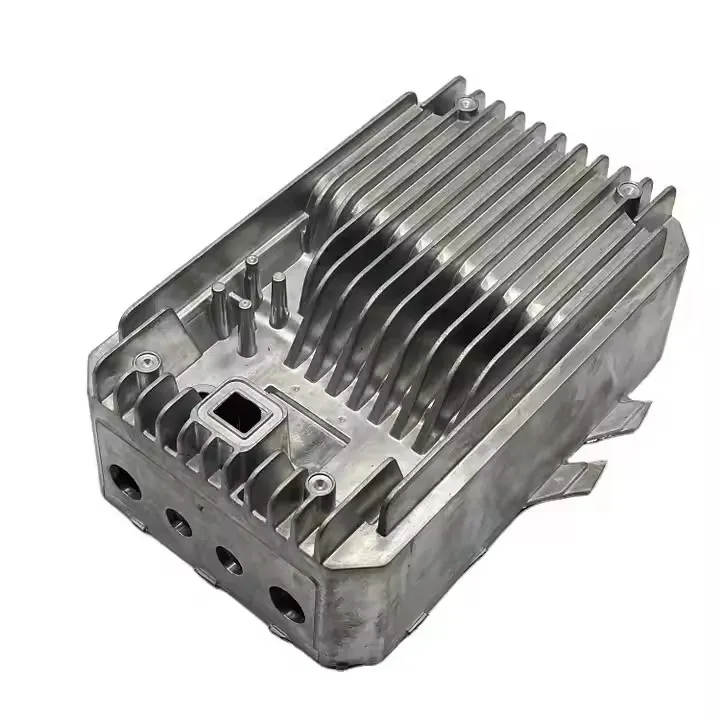
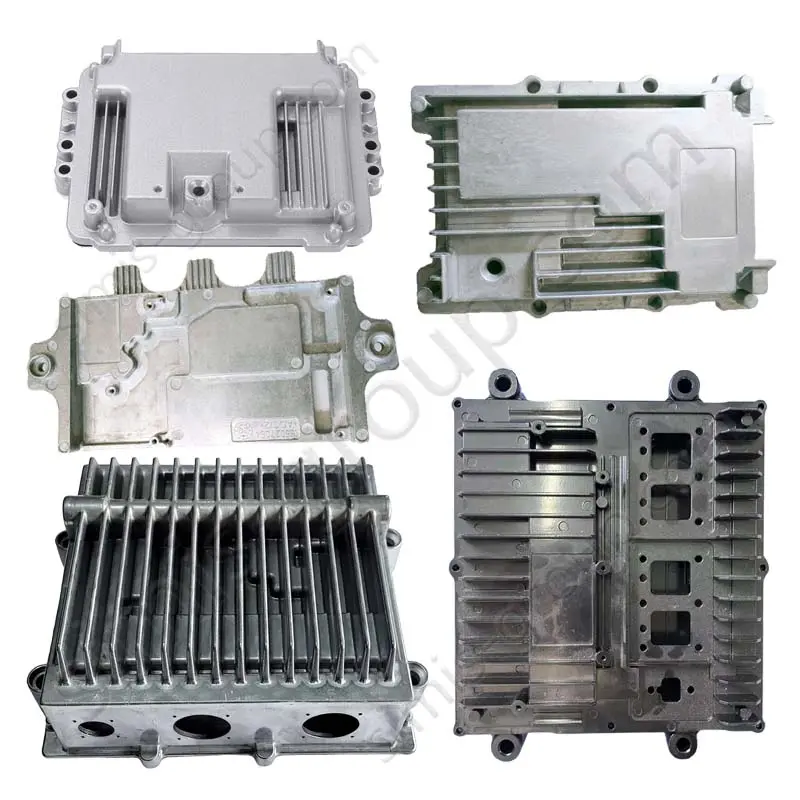
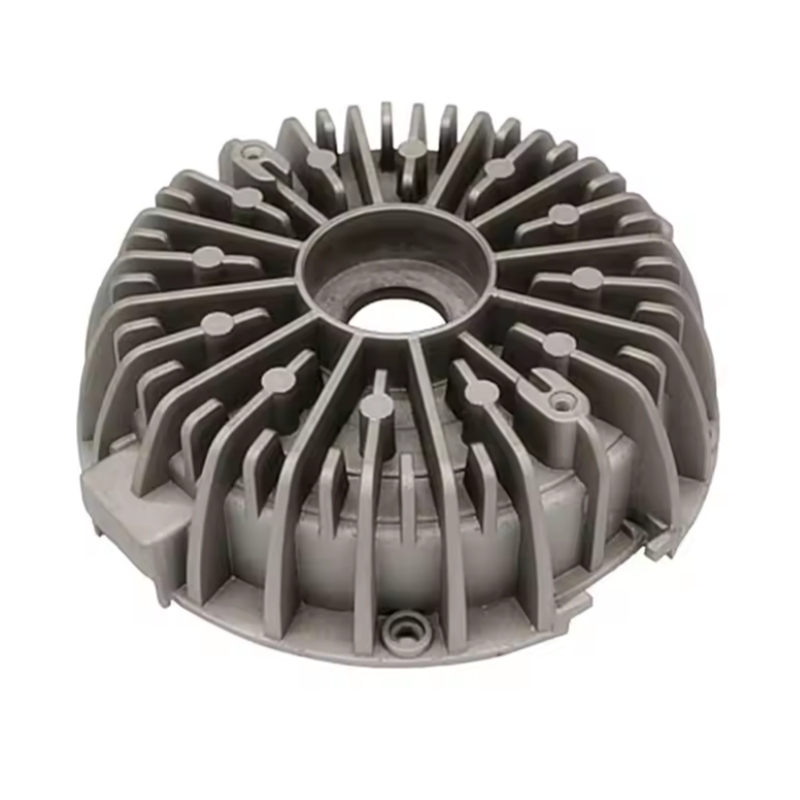
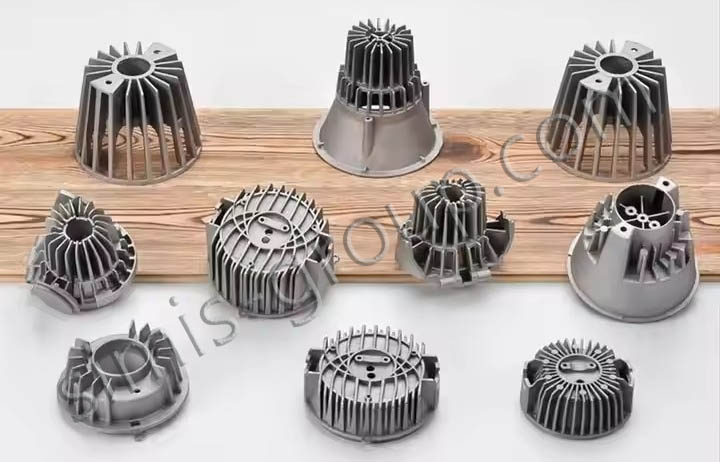
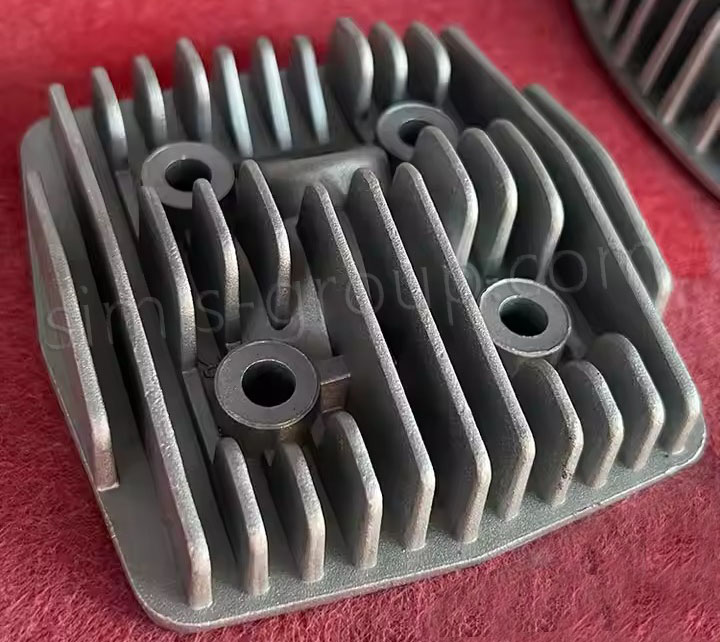
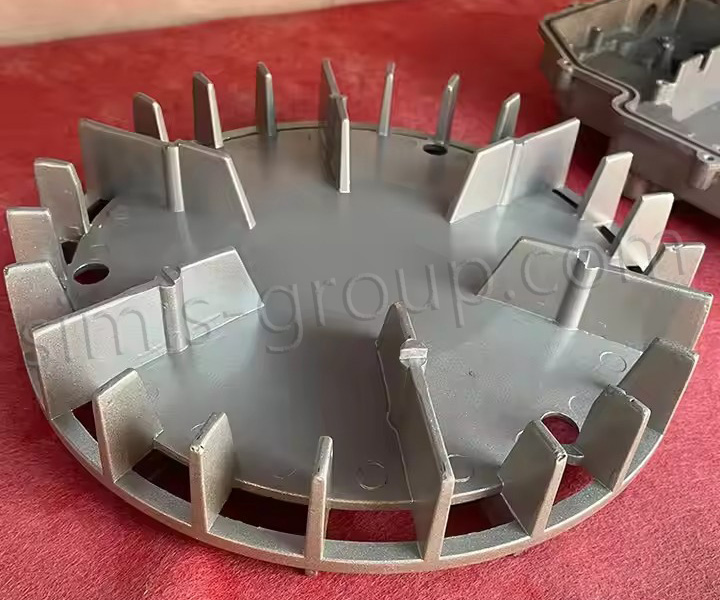
| Die-cast finned housing | Aluminum pressure die casting, often followed by machining | Draft, fin thickness, ejection, mounting bosses and flat sealing or contact faces |
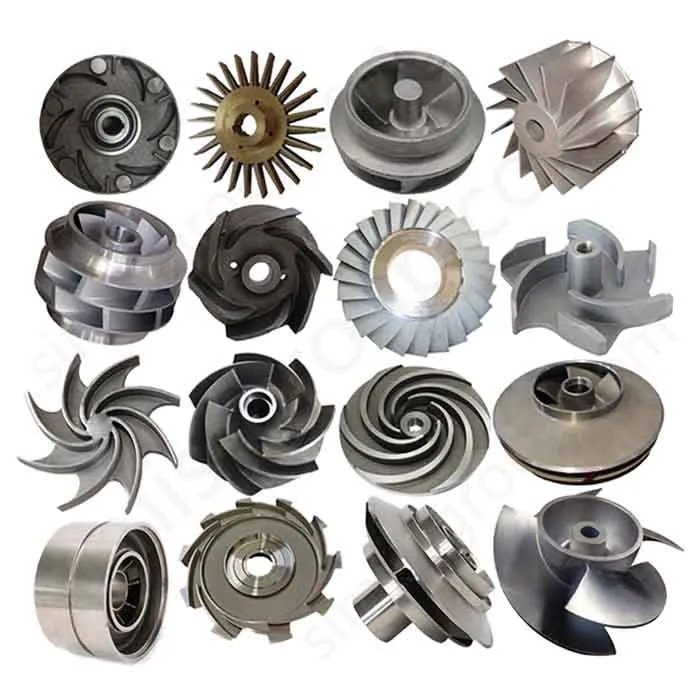
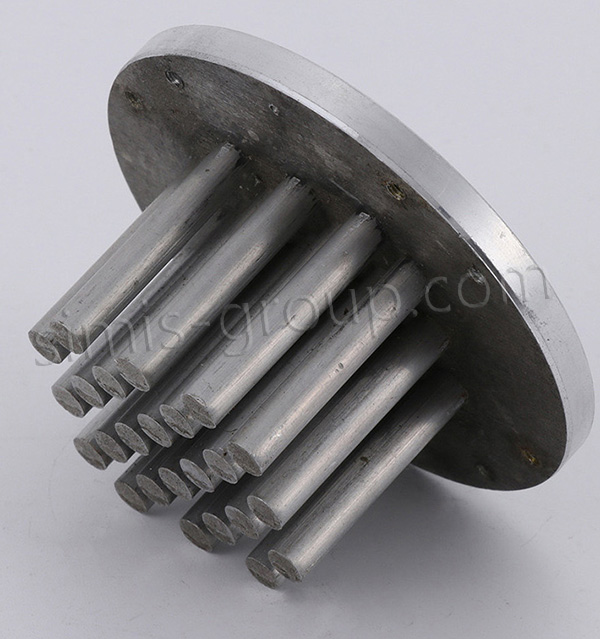
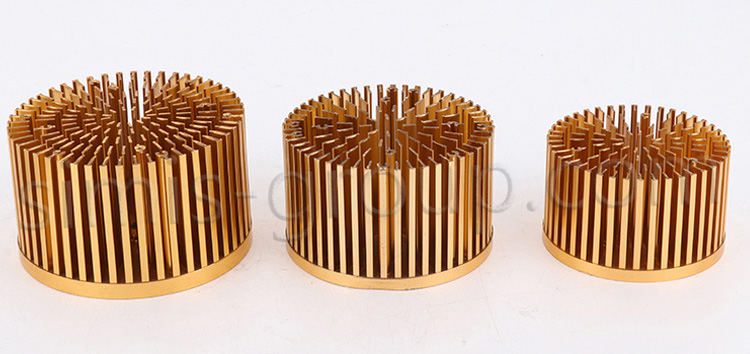
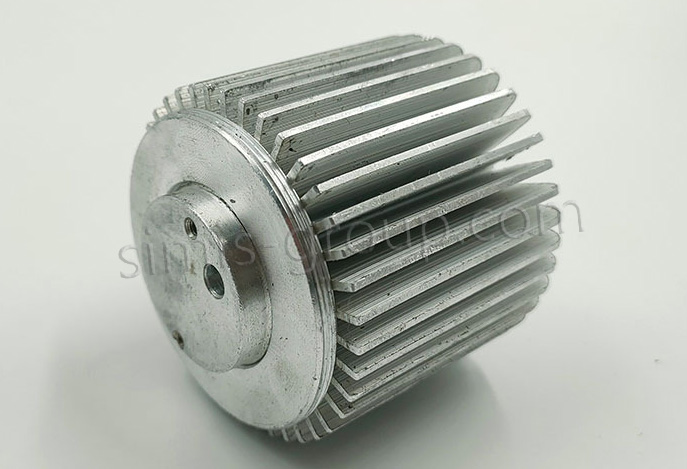
| Forged pin-fin component | Suitable cold forging or extrusion-based forming | Pin geometry, alloy formability, tooling feasibility and production volume |
| Copper heat spreader | Copper stock processing or a suitable specified forming route | Material grade, contact flatness, thickness, mass and corrosion environment |
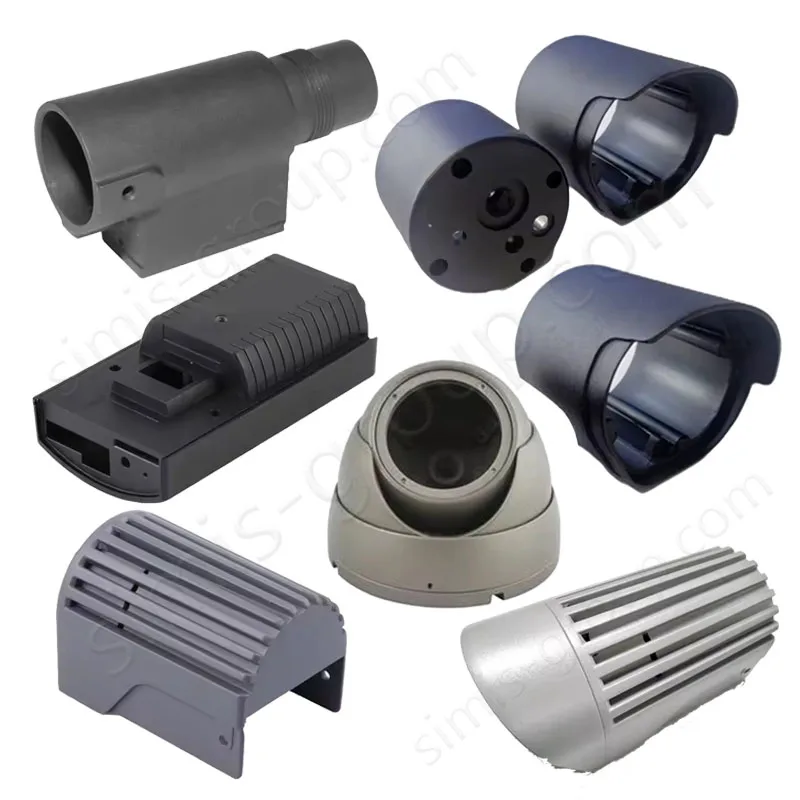
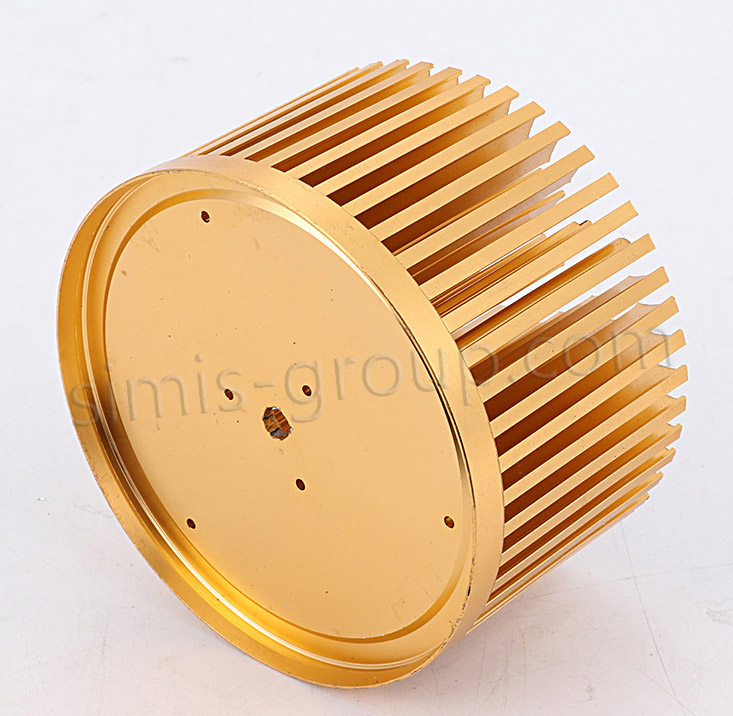
| LED and power-electronics cooling body | Chosen casting, extrusion or machining route | Mechanical integration, heat source location and electrical enclosure interfaces |
For related components, see SIMIS custom lighting and lamp housings and die-cast LED light housings.
Manufacturing Options for Custom Heat Sink Components
Extruded Aluminum Heat Sink Profiles
Aluminum extrusion suits many heat sinks with parallel fins and a consistent cross-section. The profile is formed through a die, then cut to the specified length. Mounting holes, slots, threads or contact faces may be machined where required. The buyer should define the profile envelope, fin spacing, cut length and any features that cannot be produced directly by extrusion.
Aluminum Pressure Die Casting for Finned Housings
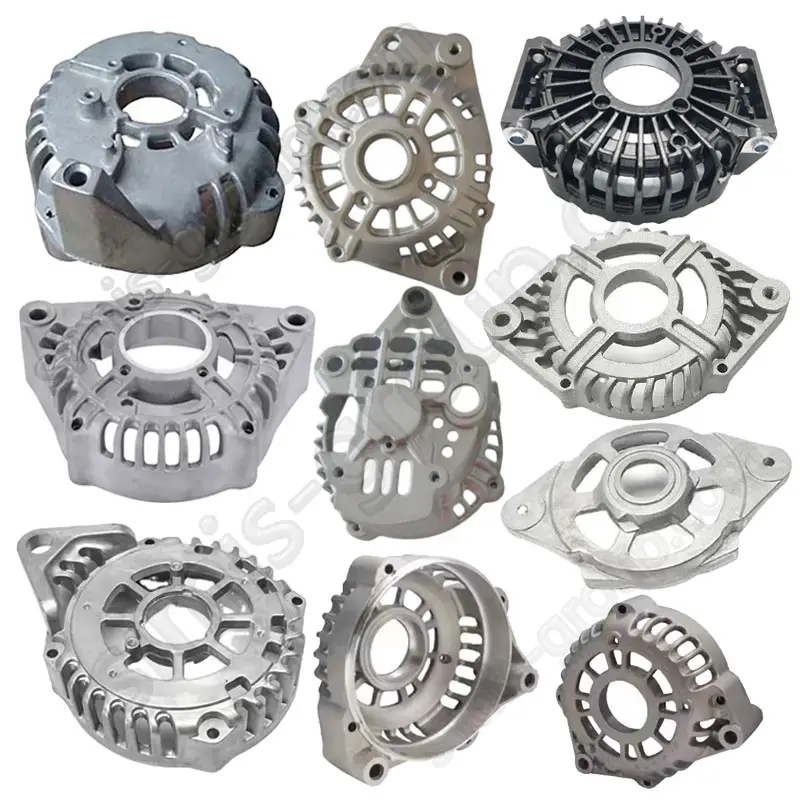
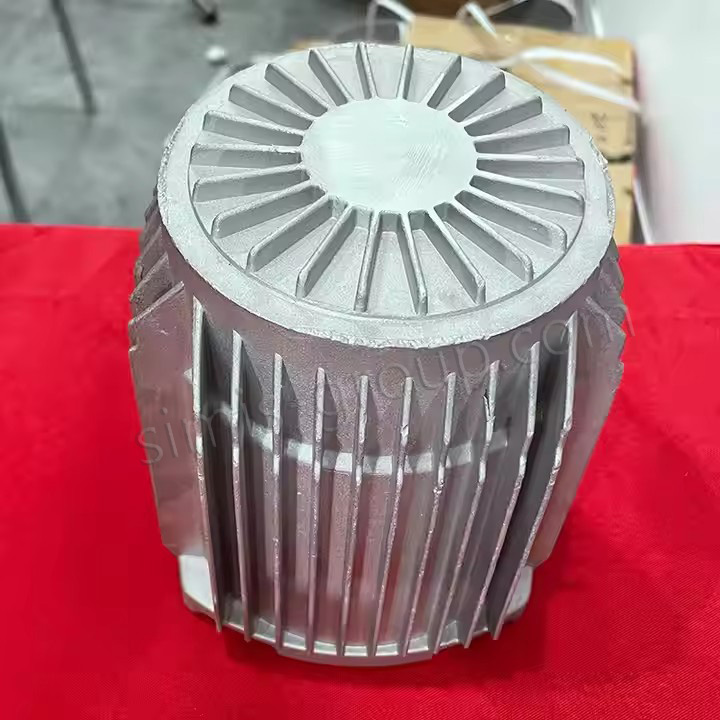
Pressure die casting is a practical option for certain integrated heat sink housings, radial fin arrangements and parts with mounting bosses. It may consolidate features that would otherwise require several separate components, but draft angles, die access, casting porosity and local wall thickness must be considered. Flat mounting faces, bores and threads can be finished by CNC machining where specified.
Cold-Forged Pin-Fin and Copper Components
Cold forging and extrusion may suit selected compact aluminum pin-fin designs. It is not interchangeable with conventional long-profile aluminum extrusion, and the tooling choice depends on geometry and batch size. Copper heat spreaders and other copper components may instead require machining or a separately evaluated forming process. Our quotation is based on the design and alloy actually specified.
Materials and Key Engineering Specifications
The material must match the manufacturing route and the customer's design. Suitable 6xxx-series aluminum alloys, such as 6063 for extrusion where specified, are distinct from die-casting alloys and from alloys selected for forging. Copper and copper alloys may be considered for heat-spreading components where thermal conductivity is a priority and mass and cost are acceptable. Grades and tempers are confirmed per project.
To avoid unnecessary design iterations, include the following information when available:
| Specification | Why it matters for manufacturing |
|---|---|
| Heat source and heat load | Helps define the intended component function; system thermal validation remains design-specific |
| Ambient temperature and airflow | Clarifies whether the application uses natural or forced convection |
| Fin height, thickness and spacing | Determines process feasibility, tool access and distortion risk |
| Base thickness, flatness and surface finish | Controls fit at the heat-source contact and mounting interfaces |
| Alloy grade and product condition | Influences available extrusion, casting, forging or machining processes |
| Holes, bosses, threads and tolerances | Determines secondary machining needs and inspection features |
| Order volume and finishing requirements | Affects tooling economics, production route and quotation |
These items are project inputs, not universal performance specifications. SIMIS can review dimensional manufacturability, while the OEM sets the applicable temperature limits and equipment-level performance criteria.
Applications in Lighting, Electronics and Industrial Equipment
The same manufacturing capabilities can serve several equipment categories, but each has different interface and operating requirements:
LED lighting: die-cast and extruded metal cooling bodies integrated with fixture mounting points and light-source locations.
Power electronics: finned plates or housings for inverters, power supplies and industrial control assemblies, with attention to mechanical interfaces.
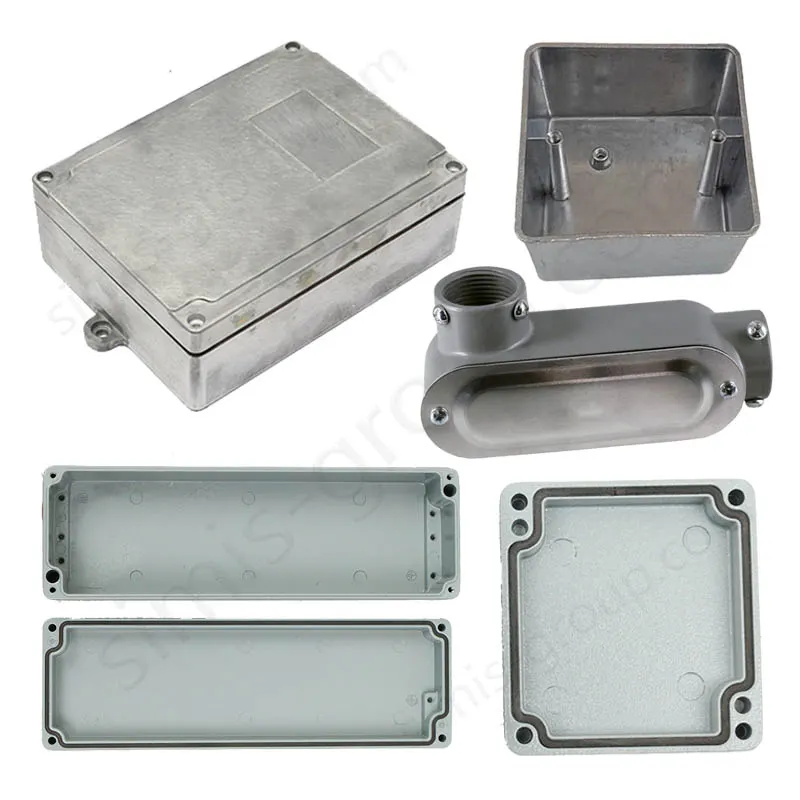
Automotive electronics: specified aluminum enclosures and finned components where vibration, packaging and environmental exposure may affect the design.
Industrial and communications equipment: custom profiles and housings for controllers, electronics cabinets and communications modules.
See our broader electrical and lighting components category for related metal OEM manufacturing applications.
How to Request a Quote for Custom Heat Sinks
SIMIS can review a drawing-based OEM request for a heat sink body, extrusion profile, die-cast finned housing, forged pin-fin component or copper heat spreader. Please identify whether you need a raw formed part, a machined component or a finished part with specified additional operations.
Drawing: dimensioned 2D drawing, 3D CAD file or an approved sample for reference.
Materials: specified alloy grade, temper or other required material condition.
Critical features: fin geometry, mounting interfaces, contact flatness, tolerances and inspection scope.
Commercial details: expected quantity, repeat demand, sample requirements and preferred delivery condition.
Send your drawings and project details to info@simis-group.com, or use the SIMIS contact form to discuss manufacturing feasibility and request a quotation.