Custom Turbine Housing Manufacturer
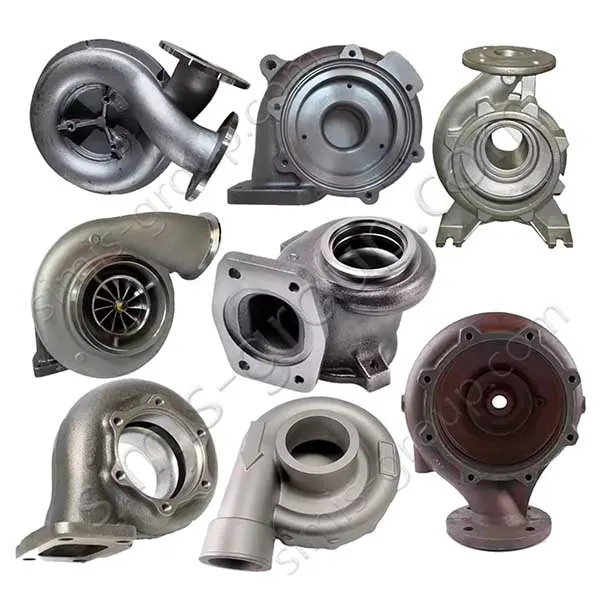
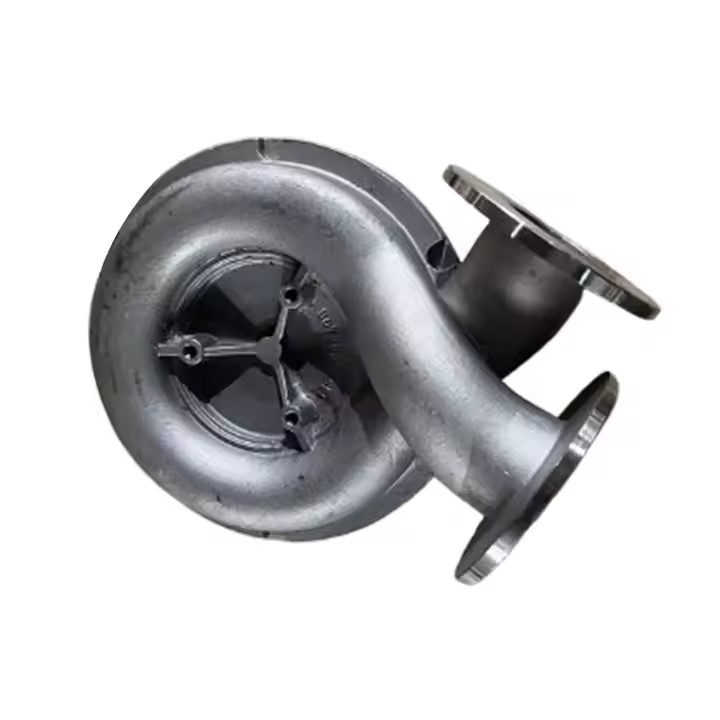
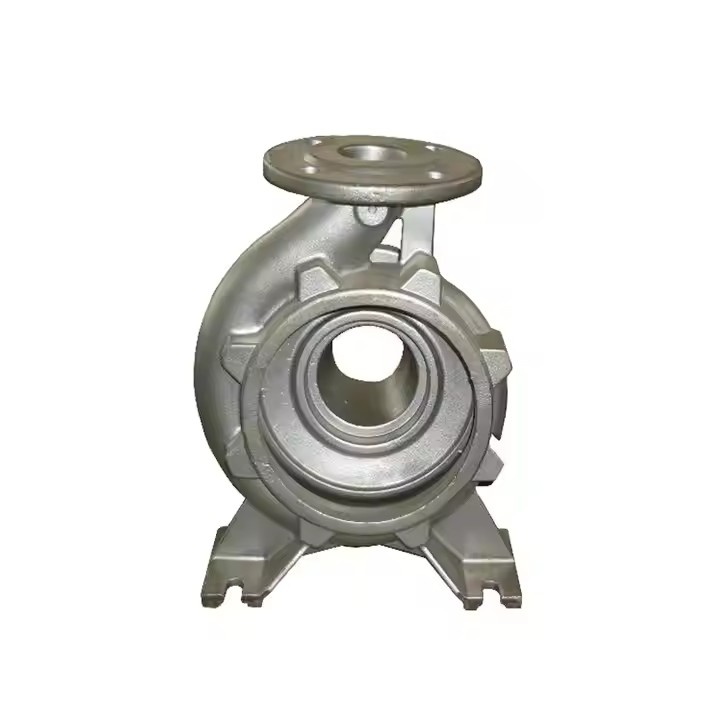
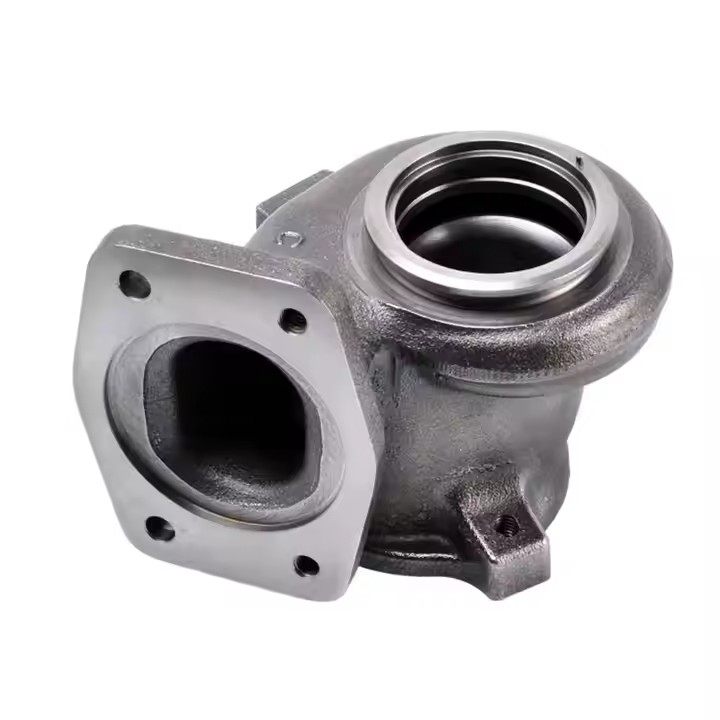
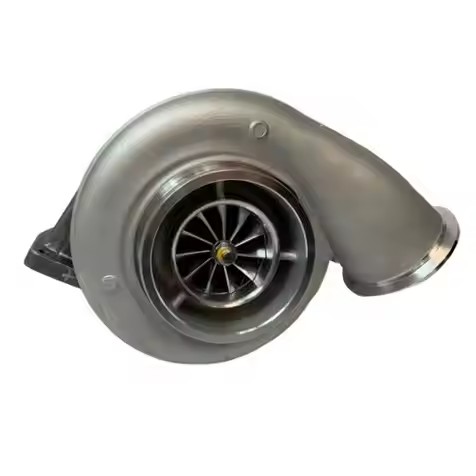
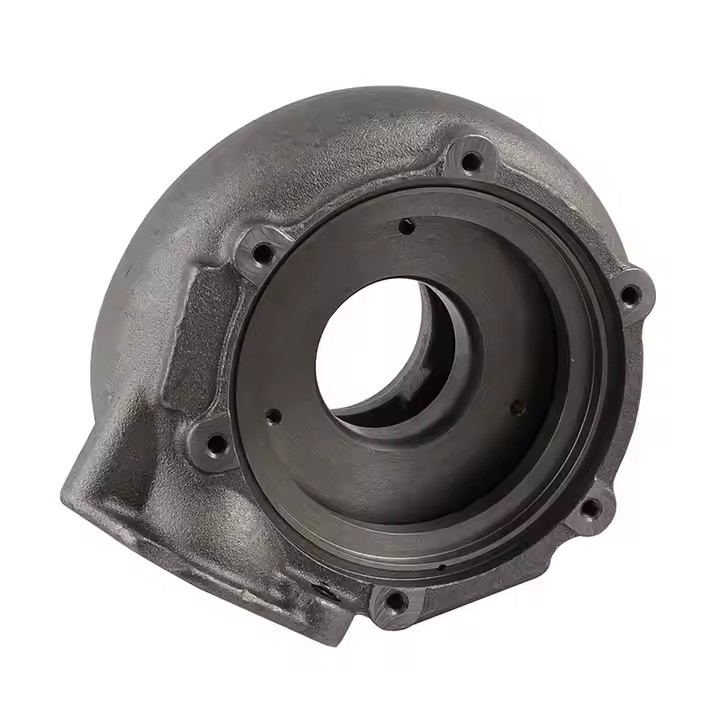
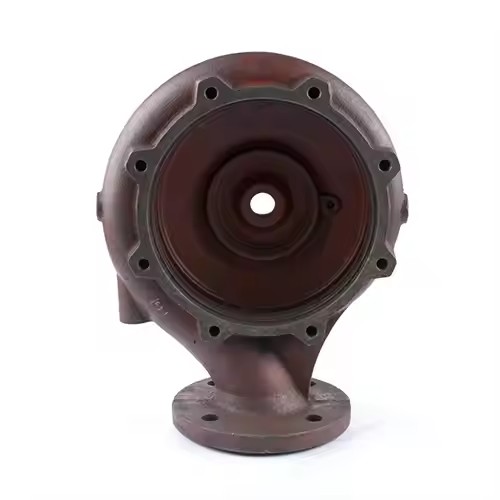
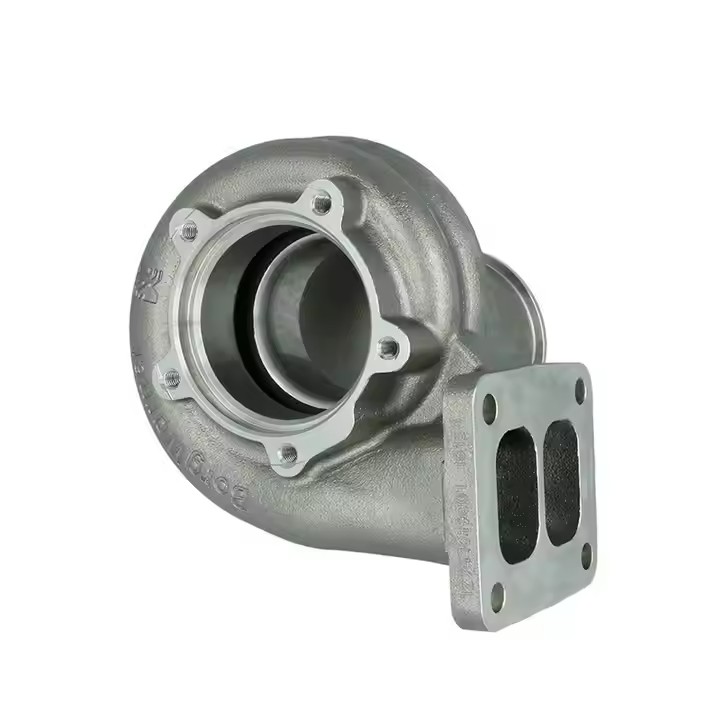
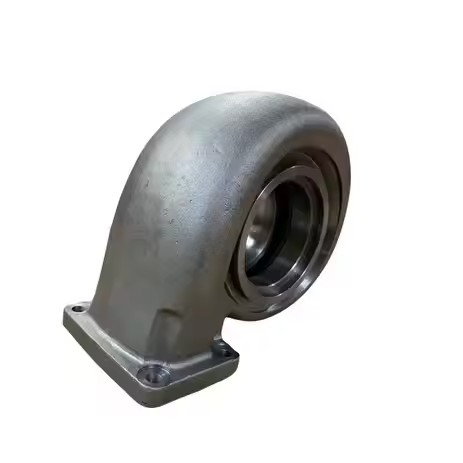
Turbine Housing

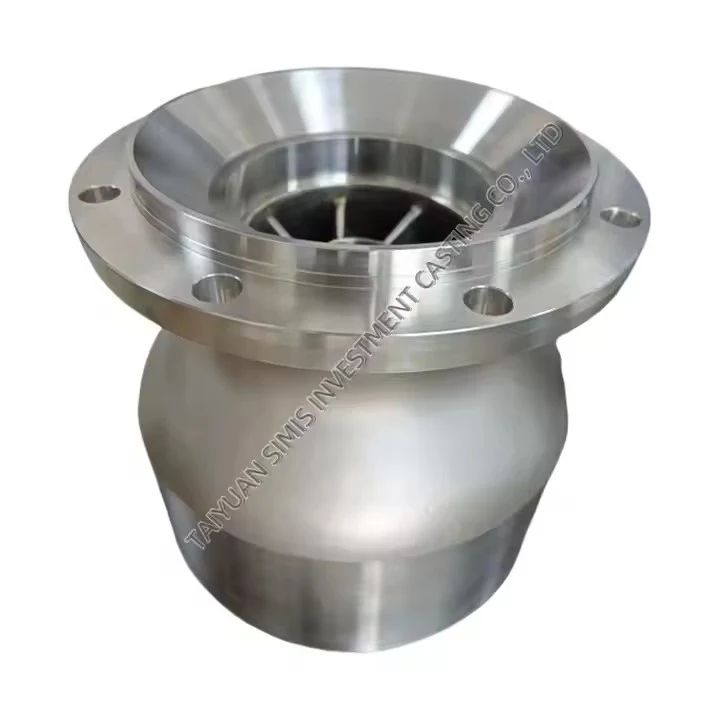
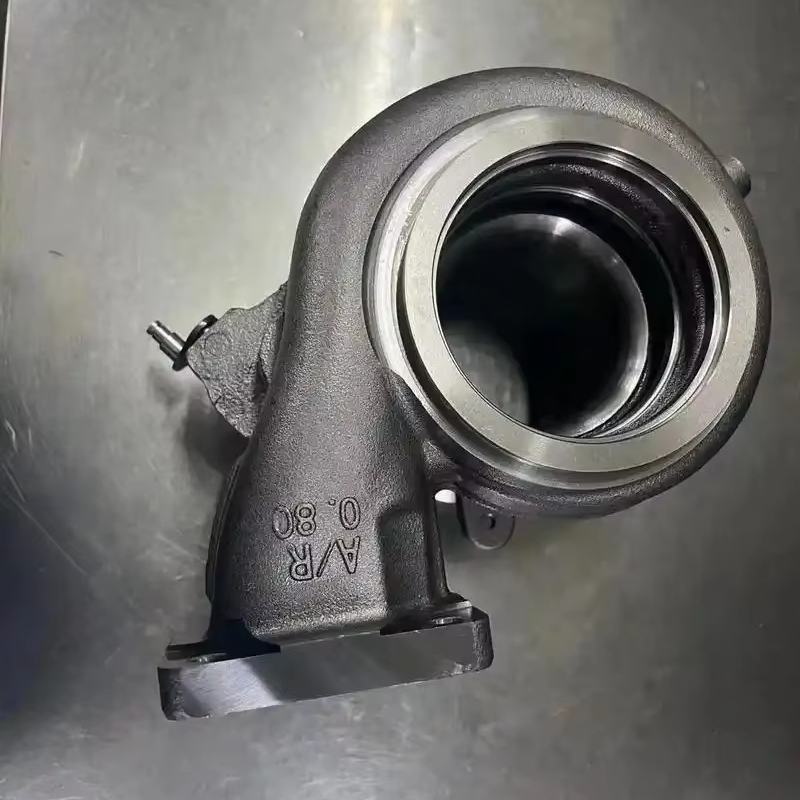
China Simis Company specializes in the custom manufacturing of Turbine Housings—the safety-critical component of a turbocharger that directs high-energy, high-temperature exhaust gas onto the turbine wheel. These housings operate under extreme thermal and mechanical stress, frequently enduring temperatures exceeding 1000°C (Gasoline EGTs), high internal pressure, and severe thermal cycling.
To guarantee maximum thermal fatigue resistance, creep resistance, and precise internal geometry, we primarily utilize Investment Casting (Lost Wax) and specialized Resin Sand Casting methods. We work with highly-engineered materials, including High-Nickel Ductile Iron (Ni-Resist), Silicon-Molybdenum Ductile Iron (SiMo), and high-temperature Stainless Steel (Steel Casting Services), providing durable solutions for automotive, heavy-duty truck, and marine engine turbochargers.
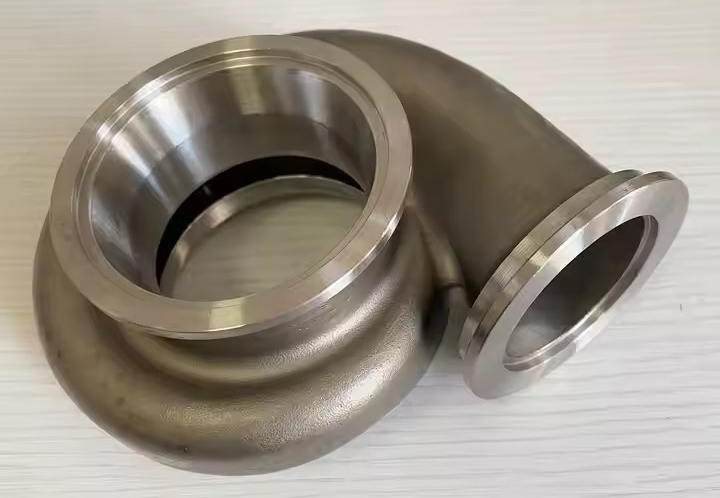
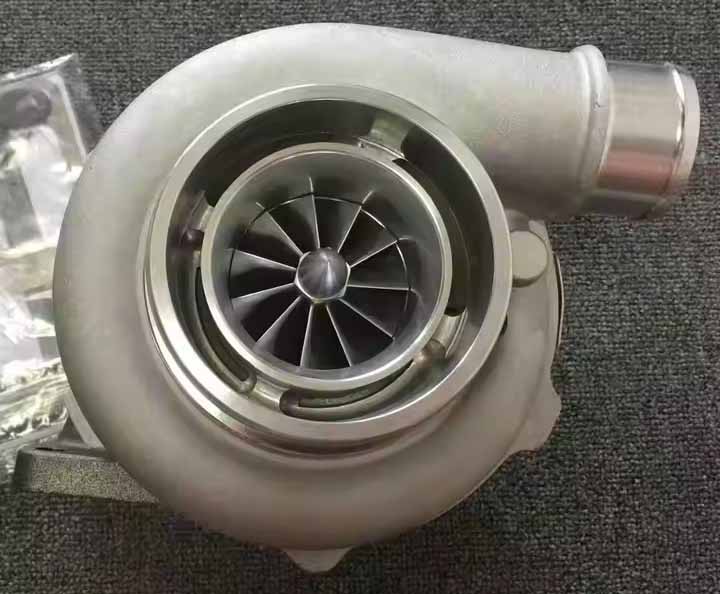
What manufacturing processes are used to produce turbine casings?
Turbine housings feature thin, complex internal scroll geometry and tight tolerances. The casting process must be capable of handling high-alloy, high-melting-point materials while ensuring precise detail. We adopt a combination of processes including Investment Casting, Sand Casting/Shell Mold Casting, Precision CNC Machining and optional Hot Isostatic Pressing to meet the production requirements of turbine housings with different materials and specifications.
| Manufacturing Process | Material Focus | Key Advantage for Turbine Housings | Specific Process Detail |
| Investment Casting (Lost Wax) | Stainless Steel, High-Nickel Alloys. | Superior Geometric Precision and Excellent Surface Finish. Mandatory for modern, high-performance turbos with complex internal volutes and wastegate ports. | Achieves the intricate internal geometry needed for optimized exhaust flow, maximizing turbo efficiency (A/R ratio control). |
| Sand Casting / Shell Mold Casting | Large SiMo Iron Housings. | Large Component Capability and Cost-Effectiveness. Used for large industrial or heavy-duty diesel turbos where component size exceeds investment casting limits. | Utilizes ceramic or specialized coatings on sand molds to enhance surface finish and prevent burn-in from high-temperature alloys. |
| Precision CNC Machining | All Materials. | Achieving Critical Interface Tolerance. Mandatory for the bearing housing mounting face, the wheel bore, and the flange connection points. | Ensures the perfect sealing and alignment required for the high-speed operation (up to 250,000 RPM) of the turbine wheel. |
| Hot Isostatic Pressing (HIP) (Optional) | Investment Cast Steel Alloys. | Eliminating Internal Microporosity. | Used for ultra-high-stress or extreme temperature applications to maximize material density and mechanical properties. |
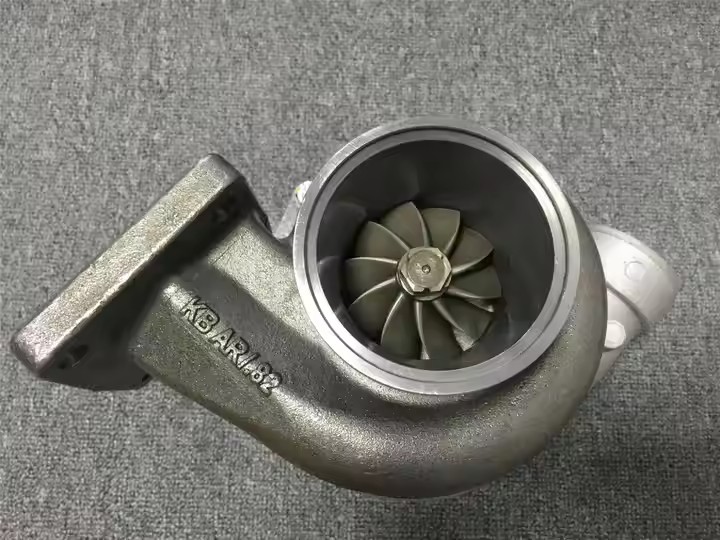
What Materials Are Used for Turbine Housings?
The materials used for turbine housings must withstand continuous exposure to extreme heat and the repeated heating/cooling cycles that cause thermal fatigue cracking. We mainly select High-Nickel Ductile Iron, Silicon-Molybdenum Iron and Heat-Resistant Stainless Steel to manufacture turbine housings with excellent high-temperature performance.
| Material Type | Primary Performance Focus | Typical Turbine Housing Application |
| High-Nickel Ductile Iron (Ni-Resist D5) | Excellent Thermal Fatigue Resistance, Structural Stability. | Gasoline Turbos (Operating up to ≈ 950°C), preventing cracking from rapid temperature changes. |
| Silicon-Molybdenum Iron (SiMo) | High Creep Resistance, Cost-Effective. | Diesel Turbos (High exhaust flow, sustained high temperatures ≈850°C). |
| Heat-Resistant Stainless Steel (e.g., 310S) | Ultimate Oxidation and Corrosion Resistance. | Marine or Industrial Applications (where salt/chemicals are present), or ultra-high-performance gasoline engines. |
What Precision Flow Control and Quality Assurance Measures Are Applied to Turbine Housings?
The internal flow passage (scroll) geometry critically impacts the turbocharger's efficiency and responsiveness. Precision is non-negotiable. We implement strict control measures including flow geometry integrity management, flange flatness machining, runout control and Non-Destructive Testing to ensure the performance and quality of turbine housings.
·Flow Geometry Integrity:
Casting methods are controlled to minimize core shift and ensure the internal scroll (volute) geometry and A/R ratio are maintained precisely for optimal exhaust gas velocity and turbine performance.
·Flange Flatness:
CNC machining of the inlet flange (manifold interface) and outlet flange (downpipe interface) to an ultra-flat surface is critical for leak-proof sealing against high-pressure, hot exhaust gases.
·Runout Control:
Precision machining of the turbine wheel bore to ensure correct clearance and zero runout for the shaft/bearing assembly.
·Non-Destructive Testing (NDT):
Utilizing Radiography Testing (RT) or Liquid Penetrant Inspection (LPI) to verify the structural integrity of thin walls and detect any porosity or internal defects that could compromise thermal fatigue life.
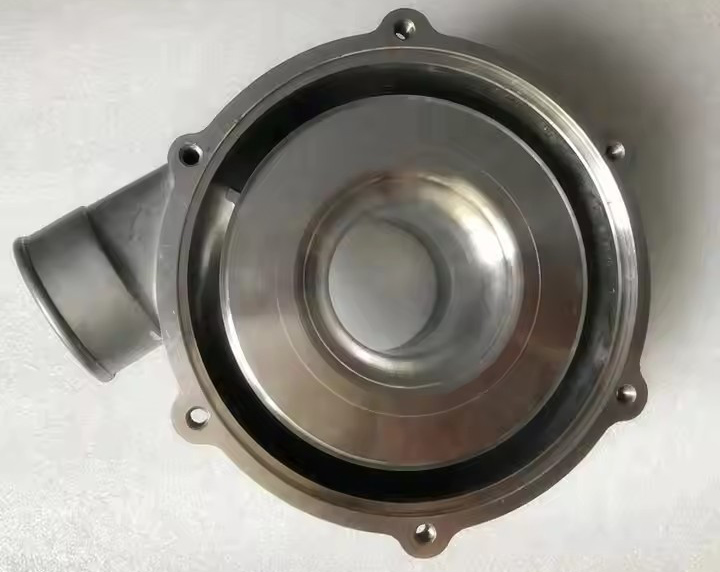
What Are the Key Applications for Simis Custom Turbine Housings?
SIMIS custom casting turbine housings support forced induction systems across global high-power applications. They are widely used in high-performance automotive, heavy-duty trucks/diesel and marine/industrial engines sectors.
| Application Sector | Typical Turbine Focus | Primary Manufacturing Requirement | Key Performance Focus |
| High-Performance Automotive | Small, High A/R Ratio Gasoline Turbos. | Investment Cast Ni-Resist or Stainless Steel. | Extreme thermal fatigue and rapid response. |
| Heavy-Duty Trucks/Diesel | Large, High-Flow Turbos. | Sand Cast SiMo Iron. | Sustained creep resistance under long-haul operations. |
| Marine/Industrial Engines | Mid-Size, Corrosion Resistance. | Investment Cast Stainless Steel. | Resistance to saltwater, oxidation, and chemical corrosion. |
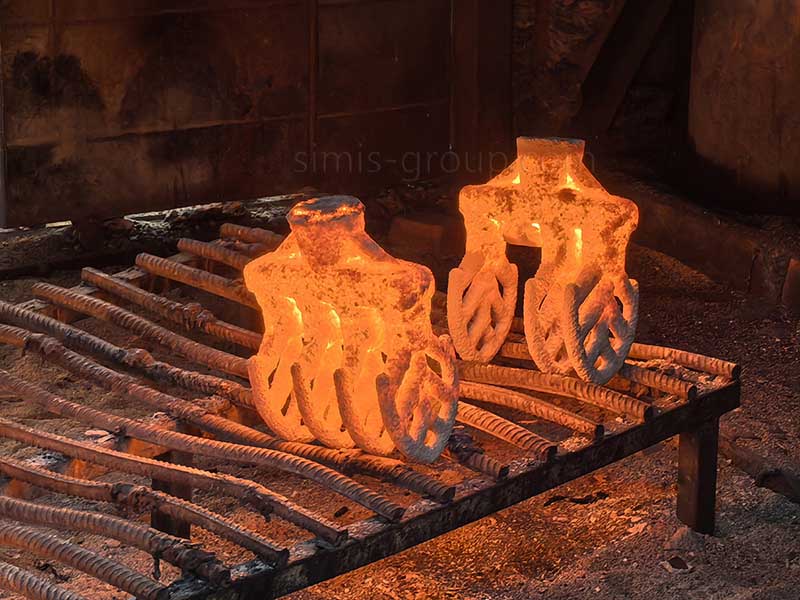
What Are the Advantages of Simis OEM Custom Turbine Housings?
Partnering with Simis for custom turbine housings ensures compliance with extreme performance demands and enhanced service life. Our core advantages include thermal fatigue modeling, high-alloy casting expertise, precision flow assurance and integrated supply chain services.
·Thermal Fatigue Modeling:
We consult on material selection and geometry design, often using CAE analysis, to maximize the thermal fatigue life and creep resistance of the component.
·High-Alloy Casting Expertise:
We specialize in melting and casting complex, high-temperature alloys (such as SilMo or high-Ni Stainless Steels), ensuring the correct metallurgical microstructure for the application.
·Precision Flow Assurance:
Our use of advanced casting techniques (including high-integrity ceramic core usage) guarantees the tight dimensional control required for efficient air/gas flow.
·Integrated Supply Chain:
We offer a single source responsible for specialized alloy casting, high-precision CNC machining of all critical interfaces, and rigorous NDT, simplifying quality assurance for this critical component.
How to Get a Quote for Custom Turbine Housings?
China Simis Company is your expert global partner for custom casting Turbine Housings, engineered for superior high-temperature performance, thermal fatigue resistance, and flow precision.
Please submit your 2D technical drawings, CAD models (specifying the internal volute/A/R ratio), required material (e.g., Ni-Resist D5), maximum expected EGT, and target annual volume to our engineering department for a consultation and detailed quotation.