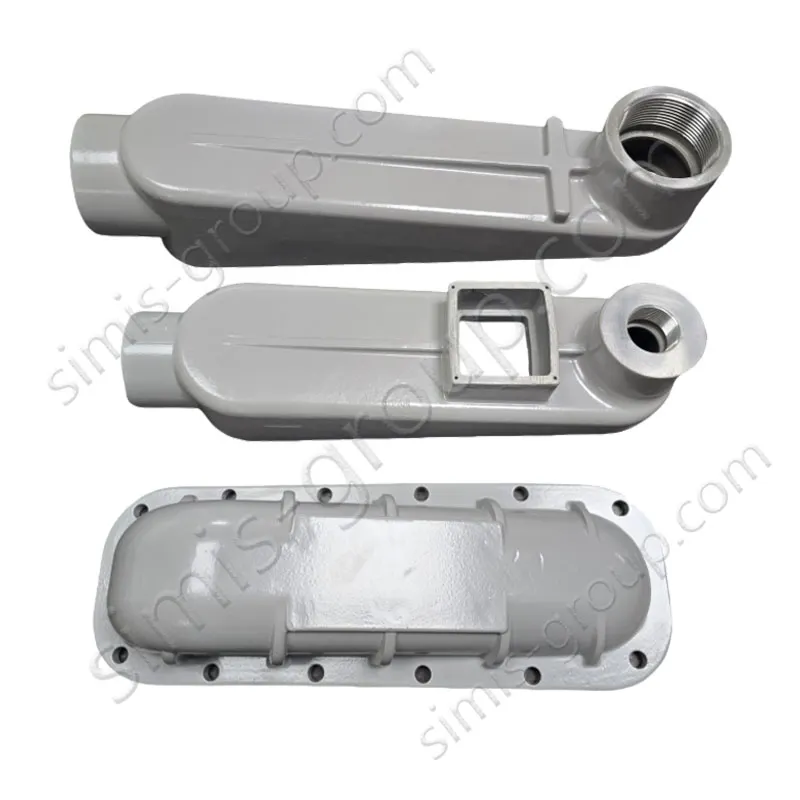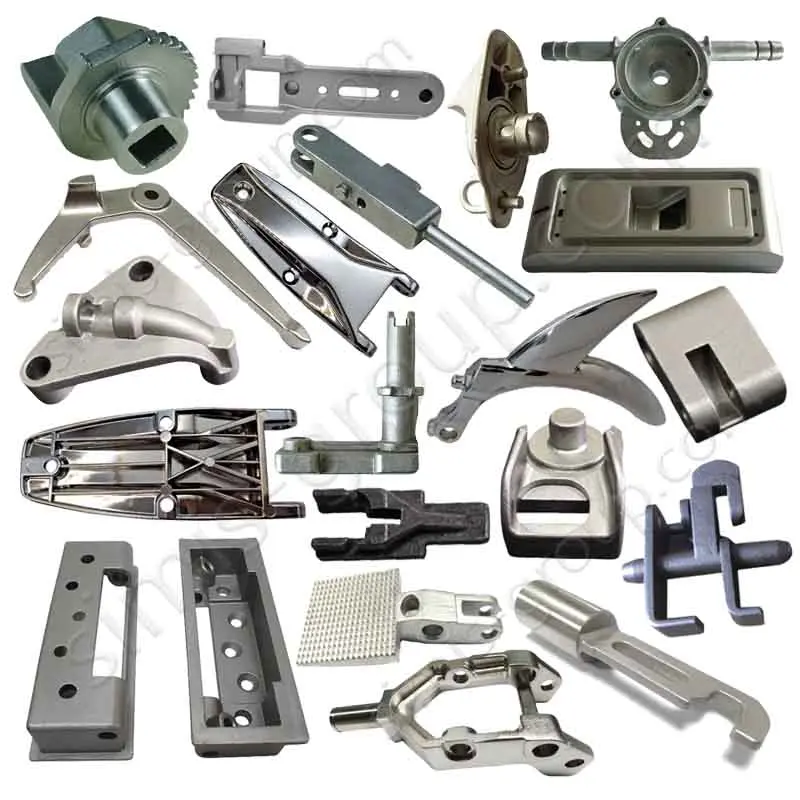
Custom Trimmer Machine Housing Manufacturer
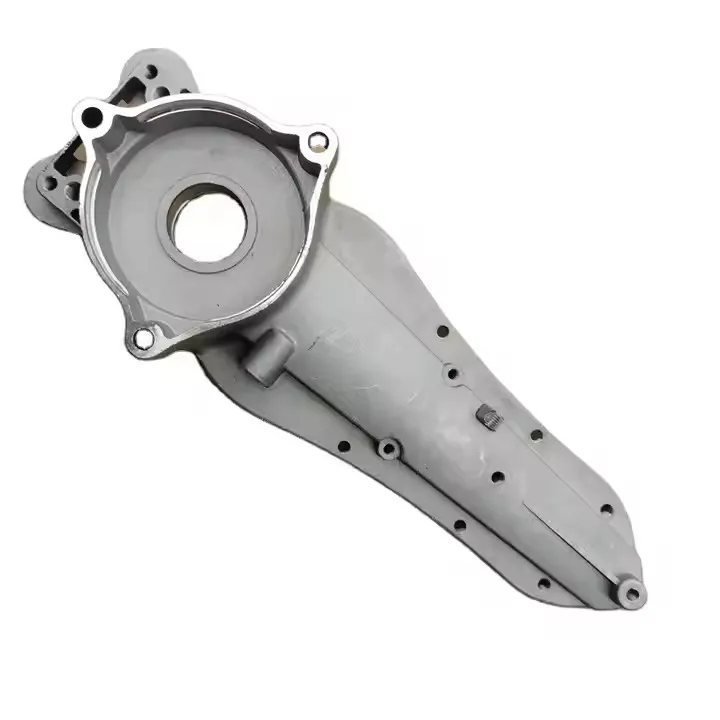


Trimmer Machine Housing

Custom Trimmer and Hedge Trimmer Housing Manufacturing FAQs
Can SIMIS manufacture trimmer and hedge trimmer housings from customer drawings?
Yes. SIMIS provides OEM manufacturing services for custom aluminum alloy housings based on customer-supplied 2D drawings, 3D CAD models and technical specifications. The housing geometry, mounting interfaces, alloy, anticipated order volume and inspection requirements are reviewed before selecting a casting and machining route. The service is for made-to-drawing metal components rather than off-the-shelf garden tools.
Which casting process is suitable for a custom trimmer housing?
High-pressure aluminum die casting is often a practical option for repeat-production housings with thin walls, ribs and integrated mounting bosses. For different volumes, geometries or alloy requirements, alternative casting processes can also be evaluated. Process selection depends on tooling economics, required wall sections, internal features and critical machined surfaces; it cannot be determined from the component name alone.
How are bearing bores, gearbox alignment and mounting holes controlled?
The customer drawing should identify bearing-seat fits, shaft centers, positional tolerances, sealing faces and assembly datums. Cast geometry provides the near-net shape; critical bores, mating faces and holes can then be finished by CNC machining as required. The inspection plan is established around the specified functional dimensions and the intended mating components.
What information is needed to quote an OEM trimmer machine housing?
Please send a STEP or other 3D model, 2D drawings with tolerances, requested aluminum alloy, surface finish, estimated order quantities and relevant performance requirements. For gearbox housings, include bearing and shaft interface details. For outdoor enclosures, identify the sealing, corrosion exposure and any applicable validation requirements so manufacturability and cost can be evaluated accurately.
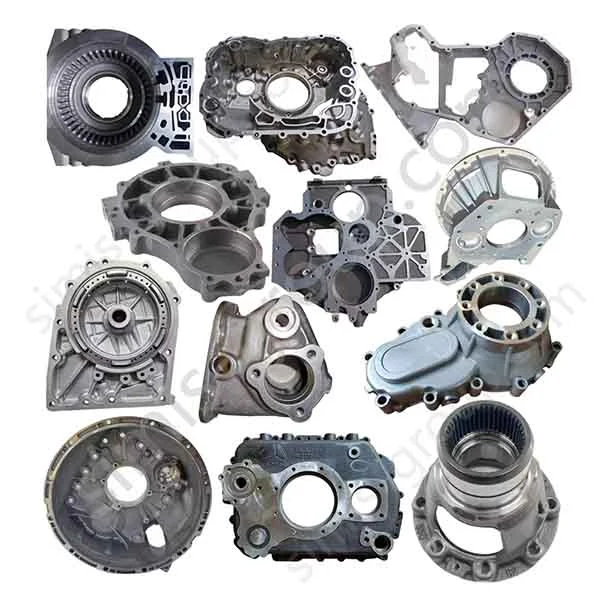
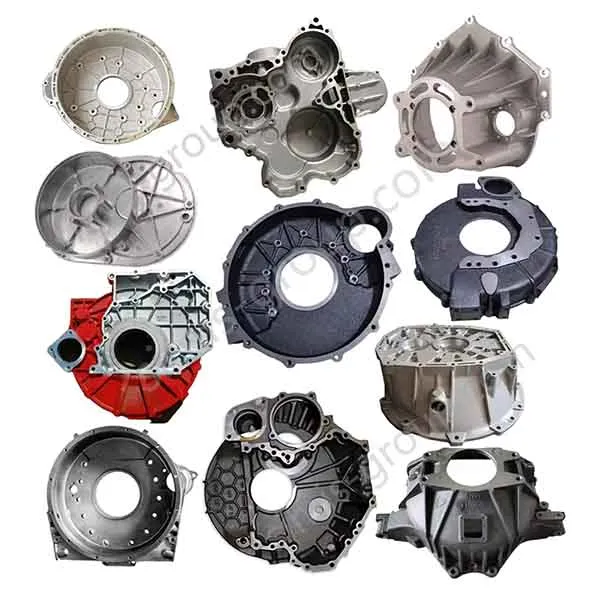
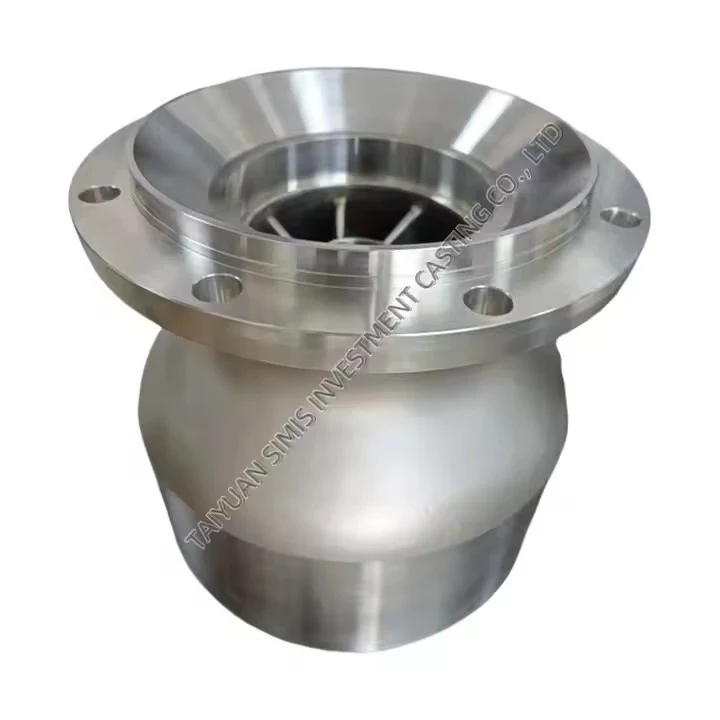
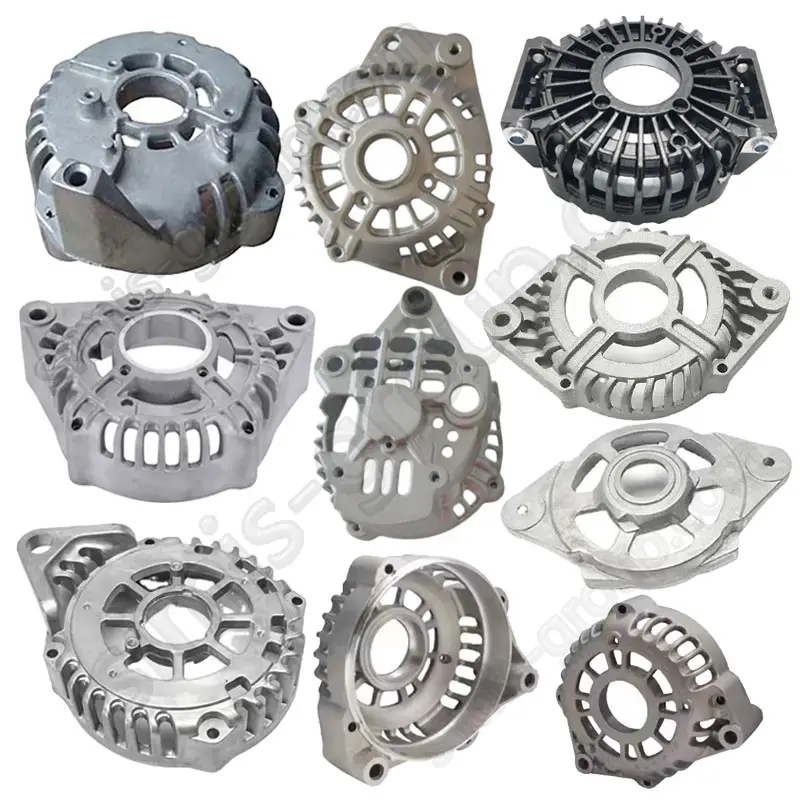
OEM Aluminum Trimmer and Hedge Trimmer Housings Made to Your Drawings
Trimmer and hedge trimmer housings do more than cover moving parts. Depending on the machine design, they locate the motor or gearbox, carry bearing and fastener interfaces, support the drive assembly and help protect components from dirt, moisture and mechanical impacts. A compact garden tool housing must fit into a limited space while balancing stiffness, weight, heat transfer and manufacturability.
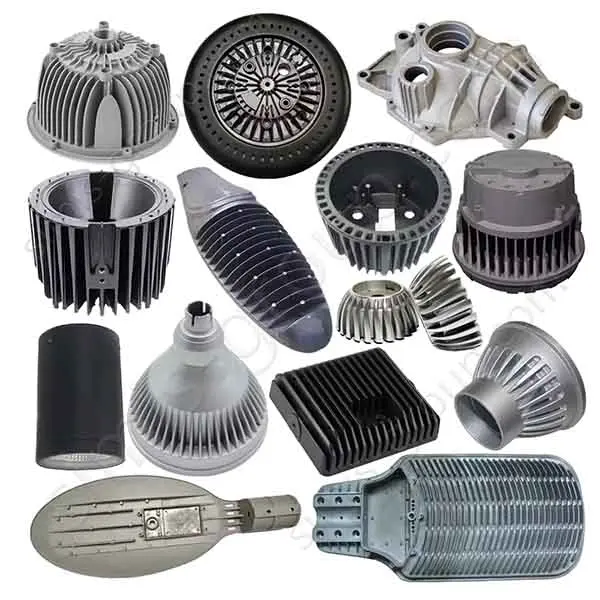
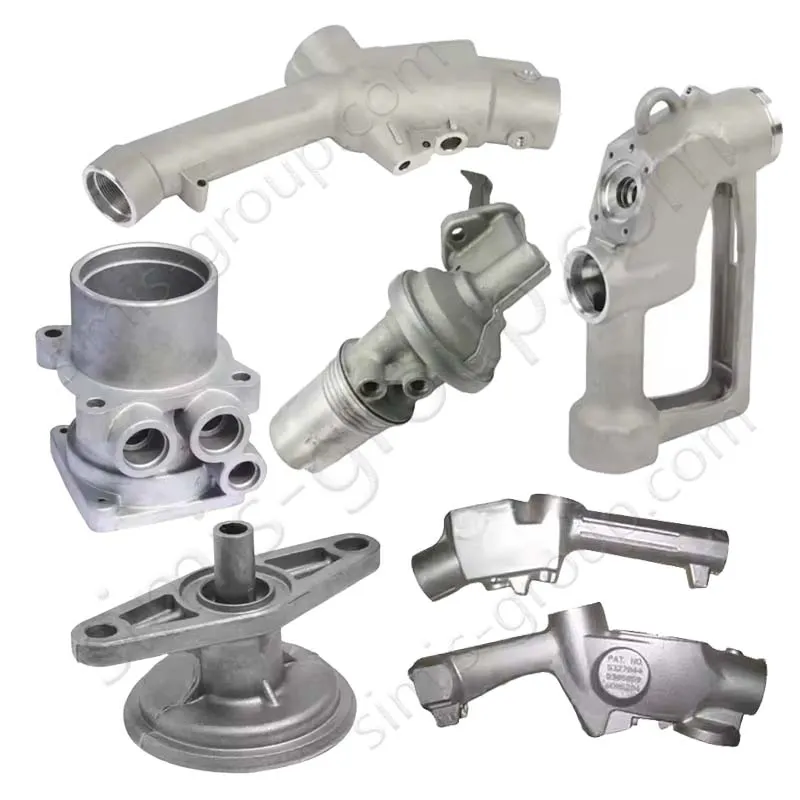
SIMIS focuses on custom metal housings for equipment manufacturers and replacement-component projects. We assess how an aluminum casting can incorporate mounting bosses, reinforcement ribs, fastener points and other features while leaving suitable allowance for precision machining. The goal is a manufacturable component that fits the customer-defined assembly, not a generic housing with a fixed specification.
Choosing the Manufacturing Route: Die Casting and CNC Finishing
The preferred process depends on production volume, shape complexity, internal clearance, part function and the alloy specified. In many production programs, casting forms the external shell and integrated features, while CNC machining establishes the final functional interfaces. See our pressure die casting capabilities and precision CNC machining services for the individual processes.
| Manufacturing step | When it is useful for trimmer housings | Important engineering decision |
|---|---|---|
| High-pressure die casting | Repeat-production aluminum shells with ribs, bosses, cooling features and complex external forms. | Draft direction, parting line, metal flow, venting and tooling investment. |
| Alternative aluminum casting | Programs requiring different alloy characteristics, tooling economics or geometry. | Review the actual alloy/process combination, wall thickness and order volume. |
| CNC machining | Bearing pockets, shaft openings, flange faces, threaded features and locating surfaces. | Datums, GD&T, machining allowance and fixturing strategy. |
| Deburring and finishing | Edge cleanup, functional surface preparation and specified external appearance. | Remove critical burrs without damaging sealing or bearing interfaces. |
Design details that affect die casting
Wall-thickness transitions, long ribs, deep pockets and closely spaced bosses influence filling, cooling and distortion. Early drawing review can identify where draft, radii, gate locations, ejector marks or machining allowances need discussion. For a gearbox enclosure, bearing and shaft alignment may justify machining the key interfaces in a controlled setup rather than relying only on as-cast accuracy.

Aluminum Alloy Selection for Lightweight Outdoor Tool Housings
Aluminum is commonly considered for trimmer machine housings because its density, castability and heat-transfer properties can suit portable powered equipment. The exact alloy must be selected against the drawing, casting method, mechanical requirements, finishing needs and operating environment.
Die-casting aluminum alloys: Grades such as A380 may be assessed for high-pressure die-cast housings where complex geometry and repeat production matter. The final grade should be confirmed against the application and specification.
Other casting alloys: A356 may be evaluated for alternative aluminum casting routes where its material properties are needed; it should not be presented as interchangeable with standard A380 high-pressure die casting.
Corrosion and finish: Exposure to water, soil, cleaning chemicals and outdoor storage influences the selected coating, pretreatment and inspection criteria.
Functional performance: Heat transfer, rigidity, mounting loads and vibration must be evaluated using the actual assembly design rather than assumed from alloy names.
If the project requires a different material or a special heat-treatment condition, SIMIS can review feasibility based on the customer specification and intended manufacturing route. General information on alloy options is also available on our aluminum casting page.

Critical Features: Bearing Fits, Alignment, Ribs and Sealing
Bearing pockets and rotating-shaft interfaces
Where the housing carries a gearbox, bearing bore size, roundness, axis location and fit relative to the mating parts are especially important. The drawing should call out the bearing-seat tolerance and any relevant geometric controls. Inspection can then focus on the features that determine smooth assembly and support of the rotating mechanism.
Mounting bosses, fastener holes and housing joints
Mounting holes must match the motor, gearcase, handle or support structure. For multi-piece housings, the joint face, dowel or locating features and fastener spacing can influence assembly repeatability. Machining datums should be chosen around these relationships, with a clear distinction between cosmetic exterior surfaces and functional locating surfaces.
Ribbing, heat dissipation and outdoor protection
Cast ribs can contribute to stiffness without simply increasing every wall thickness. Cooling fins or ventilation features may be considered when thermal conditions justify them, while gasket grooves, drainage features and coating specifications may help address outdoor exposure. These features require evaluation against the machine layout, expected loads and sealing targets; no particular ingress rating is implied without validation.

Quality Inspection and OEM Acceptance Requirements
For a custom housing, a useful quality plan starts with the customer drawing and its critical-to-function characteristics. Instead of assuming every order needs every type of test, the scope should reflect the casting process, intended use, part geometry and agreed purchase specification. SIMIS describes its broader approach on the quality control page.
Dimensional inspection: Verify bearing bores, mounting patterns, reference faces and other tolerance-controlled features using appropriate gauges or coordinate measurements.
Casting appearance and integrity: Define acceptance rules for flash, surface marks, visible defects and, where relevant, internal porosity in critical zones.
Machined interfaces: Confirm bore finish, thread quality, flatness or positional relationships where required on the drawing.
Finish and corrosion requirements: Specify appearance, coating thickness or corrosion-resistance testing only when needed for the end application and agreed inspection plan.
Functional checks: If the customer requires assembly-fit checks, vibration evaluation, leak testing or other verification, establish methods and acceptance limits before production.
Certain housings may need additional checks because they interface with fast-moving cutting equipment. The finished tool's safety performance and regulatory compliance must be assessed at the product-system level under the customer's applicable requirements; a casting inspection alone does not establish tool certification.
Surface Preparation and Finishing for Garden Equipment Housings
Finishing is selected according to the alloy, visual requirements, exposure and assembly interfaces. Typical operations that may be evaluated include trimming, deburring, shot blasting, machining preparation and an agreed paint or powder-coating system. Masking plans should protect threads, bearing bores, sealing faces and any surfaces where coating would affect fit.
Where appearance matters, the customer should specify acceptable casting texture, visible surfaces, coating color and inspection samples. Detailed treatment options are described on our metal surface treatment page.

Applications and Related Custom Metal Housings
The same drawing-based manufacturing approach can support housings for hedge trimmers, lawn and brush trimmers, small electric garden tools, lightweight gearbox assemblies and selected agricultural maintenance equipment. Actual suitability depends on the machine architecture, requested quantity and operating conditions.
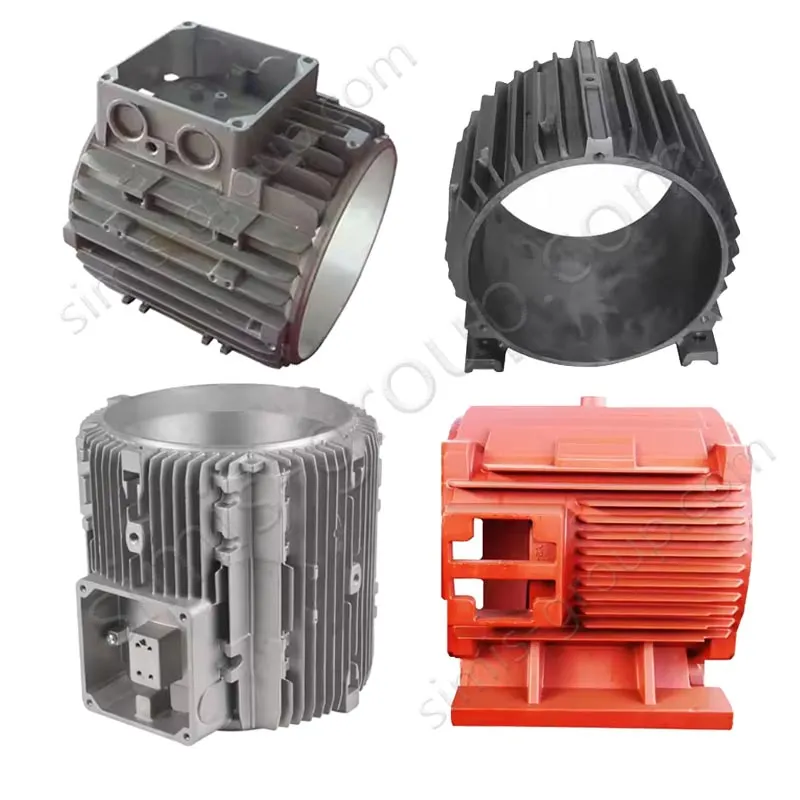
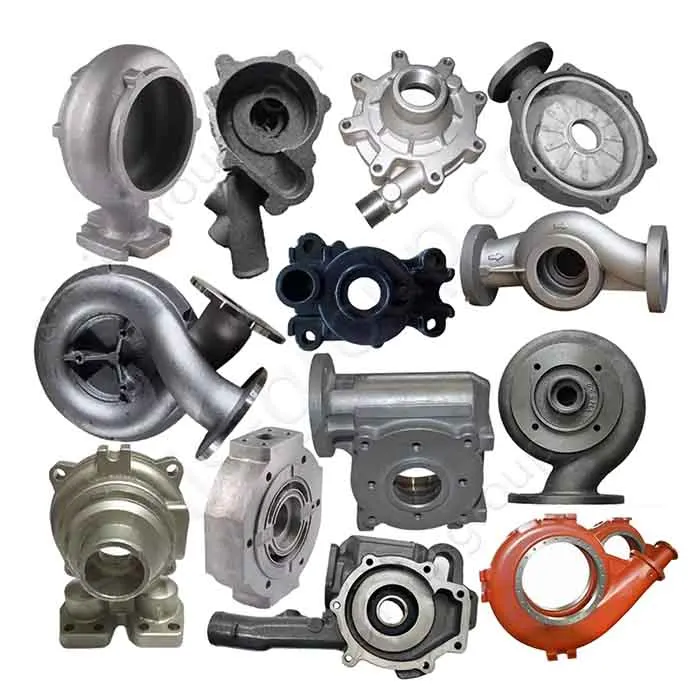
For adjacent applications, see our custom gearbox housings, custom motor housings and custom agricultural machinery components. These examples help illustrate related manufacturing challenges but do not imply that a single housing design fits all machines.
How to Request a Quote for Custom Trimmer Machine Housings
SIMIS supplies drawing-based OEM metal components. To help our team evaluate manufacturability, tooling, machining and inspection needs for your trimmer or hedge trimmer housing, please include the following information in your RFQ:
Drawings: 3D CAD model and fully dimensioned 2D drawing, including GD&T and revision level.
Material: Required alloy standard or any acceptable alternatives for engineering review.
Critical assembly interfaces: Bearing bores, motor/gearbox locating features, mating faces, fasteners and seals.
Quantity: Prototype needs, planned batch size and estimated annual usage.
Appearance and performance: Coating, corrosion exposure, functional tests and agreed acceptance criteria.
Project details: Destination market, packaging requirements and target delivery schedule.
Please contact SIMIS to request an OEM manufacturing quotation or email info@simis-group.com with your drawings and specifications. Manufacturing method, tooling scope, lead time and inspection requirements will be confirmed for your individual project.