Custom Textile Sewing Machine Parts Manufacturer

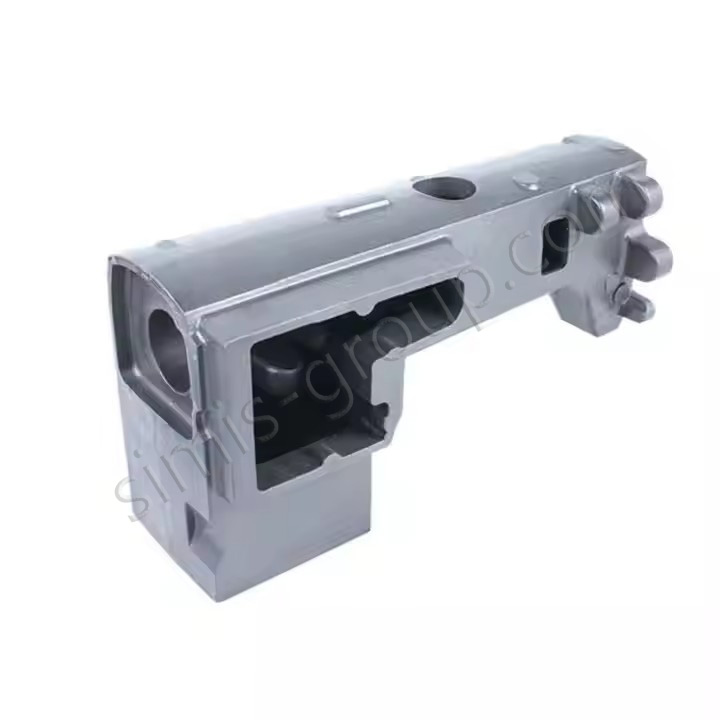
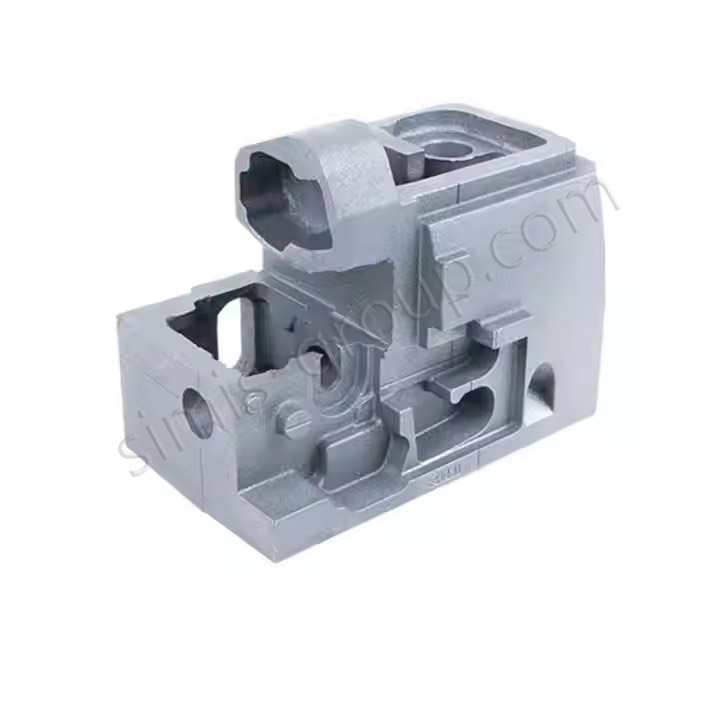
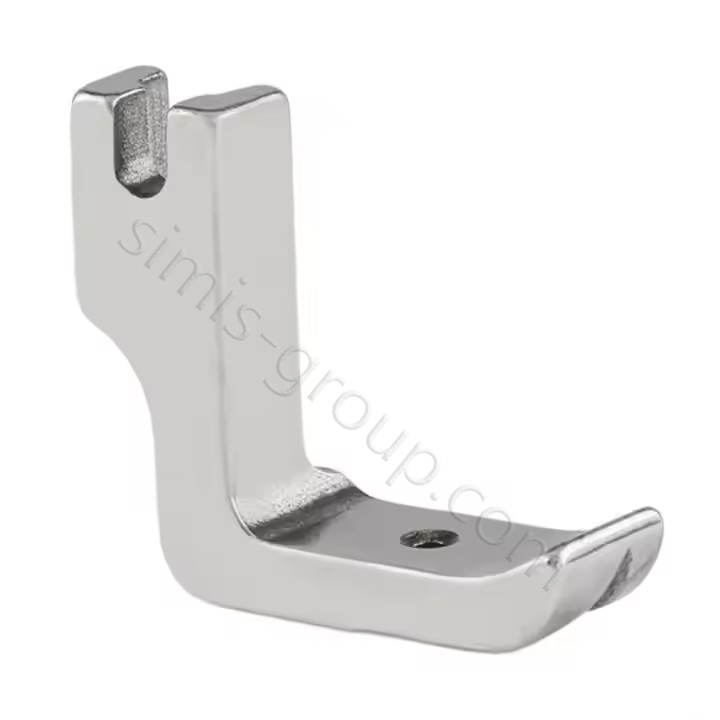
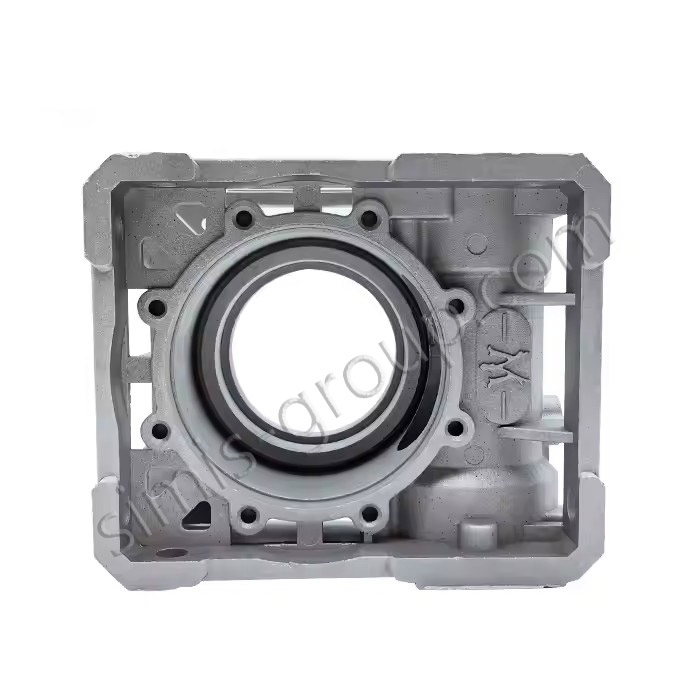
Textile Sewing Machine Parts

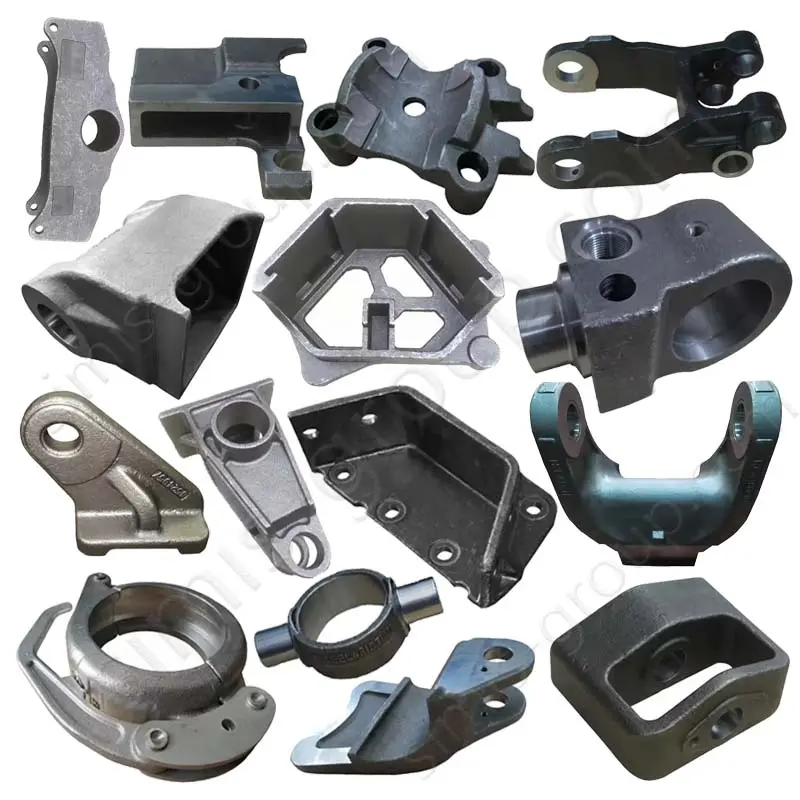
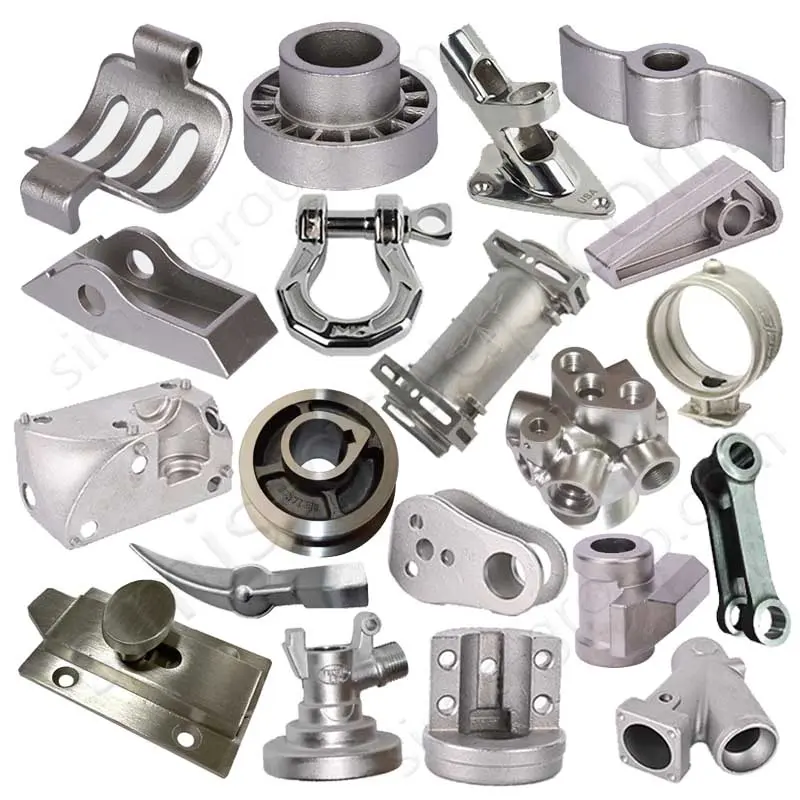
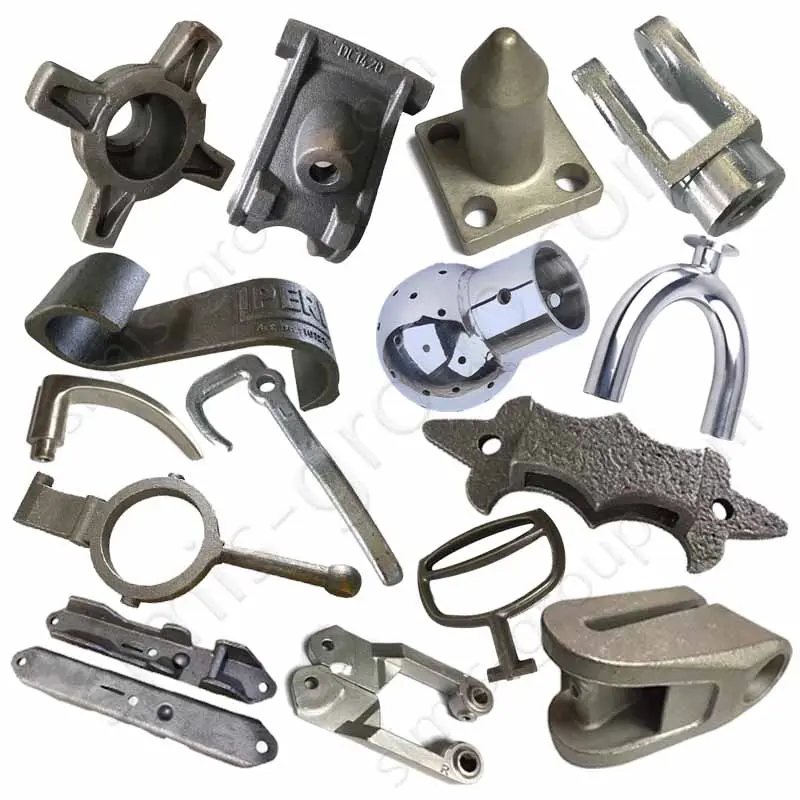
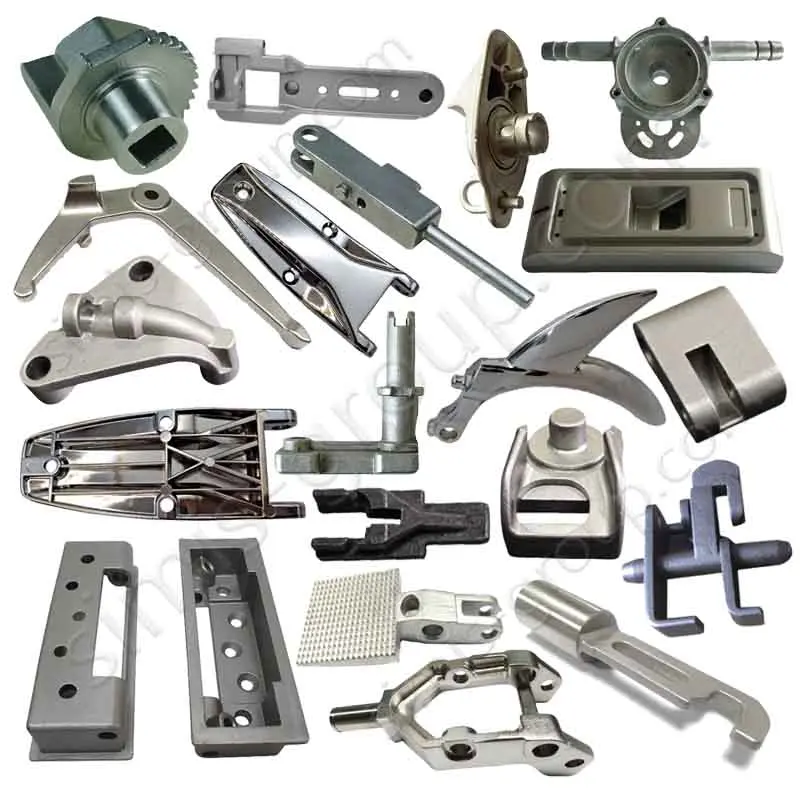
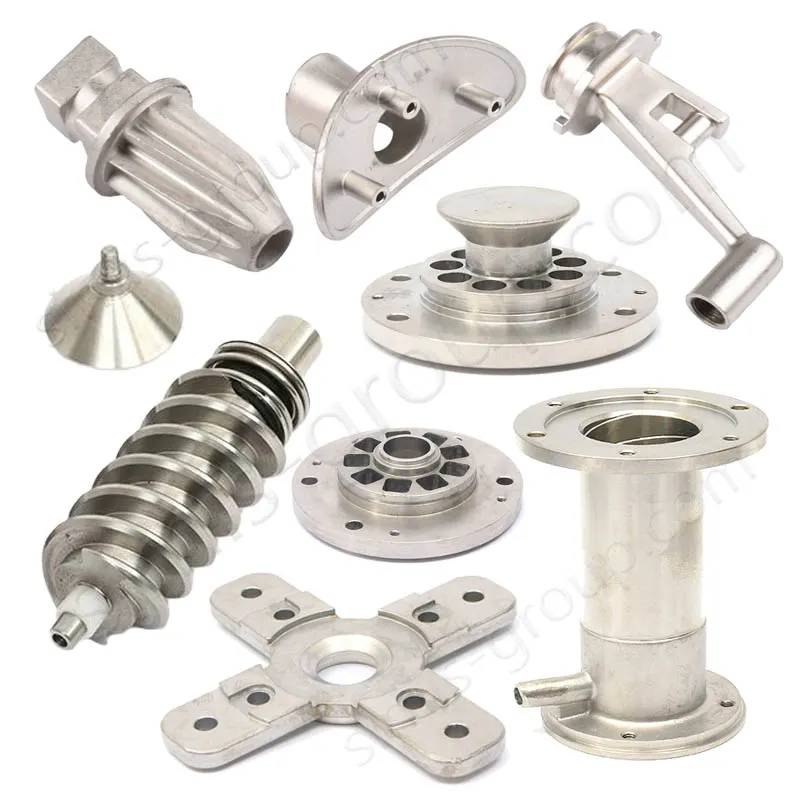
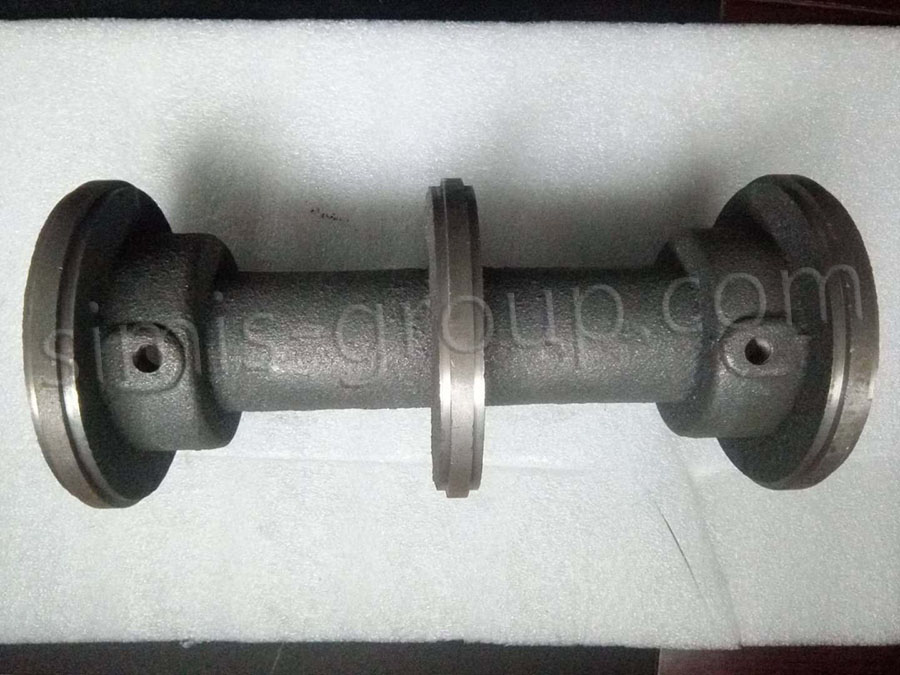
China Simis Company specializes in the custom manufacturing of high-precision Textile Sewing Machine Parts. These components—including shafts, gears, cams, connecting rods, and structural frames—operate under conditions of high speed, complex kinematics, and continuous wear. The reliability of the entire sewing system, whether a household unit, an industrial high-speed machine, or an advanced embroidery device, depends entirely on the dimensional precision, dynamic balance, and wear resistance of these metal components.
We employ a dual manufacturing strategy, leveraging Investment Casting (for precision parts) and Forging (for high-stress moving components) across a wide range of materials, including Alloy Steel, Ductile Iron, and Aluminum Alloy. Our stringent control over Precision CNC Machining and Heat Treatment guarantees the low friction, minimal vibration, and long service life essential for meeting the demands of modern textile production lines.
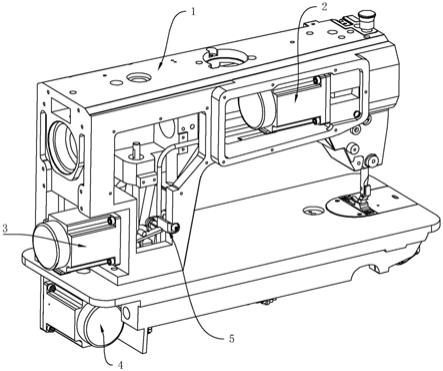
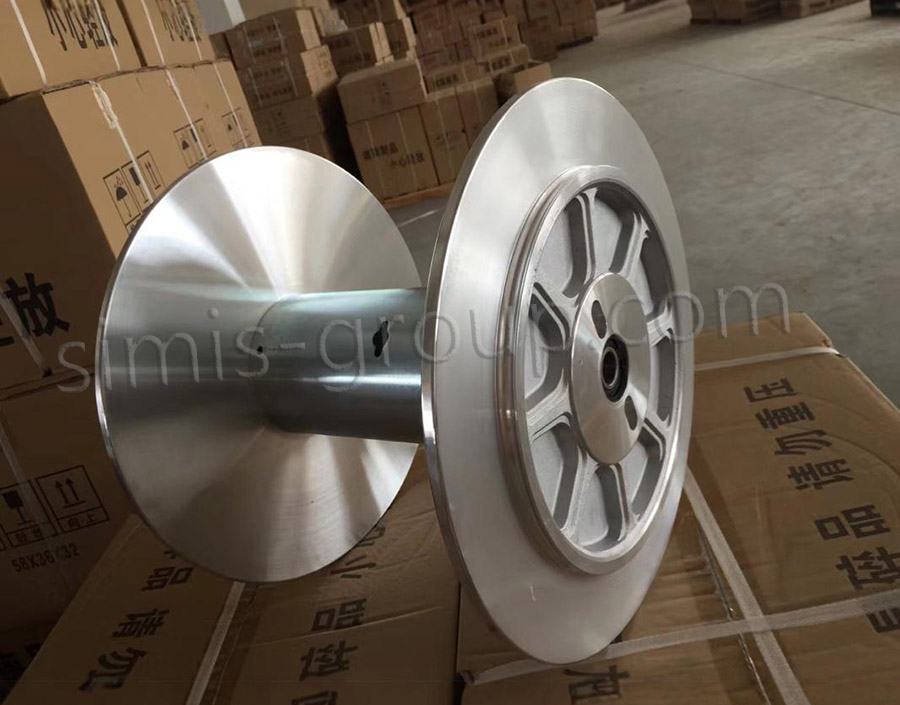
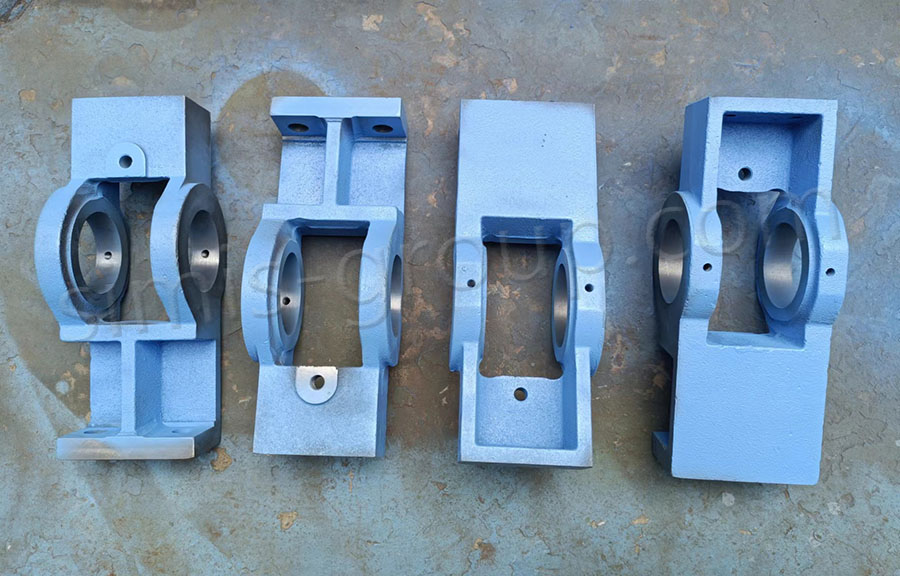
What Are the Classification of Textile Sewing Machine Parts?
Textile sewing machine parts can be categorized by their functional roles in the sewing system, with each category featuring specific material and process requirements to meet operational demands.
| Category | Typical Part Name | Material Focus | Primary Manufacturing Process (Forming) | Critical Secondary Process (Finishing/Wear) | Key Performance Requirement |
| Core Drive & Execution Parts | Main Shafts | Alloy Steel (4140/8620) | Precision Closed-Die Forging | CNC Grinding (Journal/Bearing Surfaces), Carburization/Heat Treatment | Extreme Fatigue Strength, Dynamic Balance, Low Runout. |
| Connecting Rods | Alloy Steel | Precision Closed-Die Forging | Precision CNC Boring/Honing, Heat Treatment (to resist bending stress). | High Strength-to-Weight Ratio, Dimensional Accuracy. | |
| Cams / Kinematic Linkages | Alloy Steel / Ductile Iron | Investment Casting or Shell Mlod Casting | CNC Milling (Profile Accuracy), Surface Hardening (for wear resistance). | Precise Motion Control, High Wear Resistance. | |
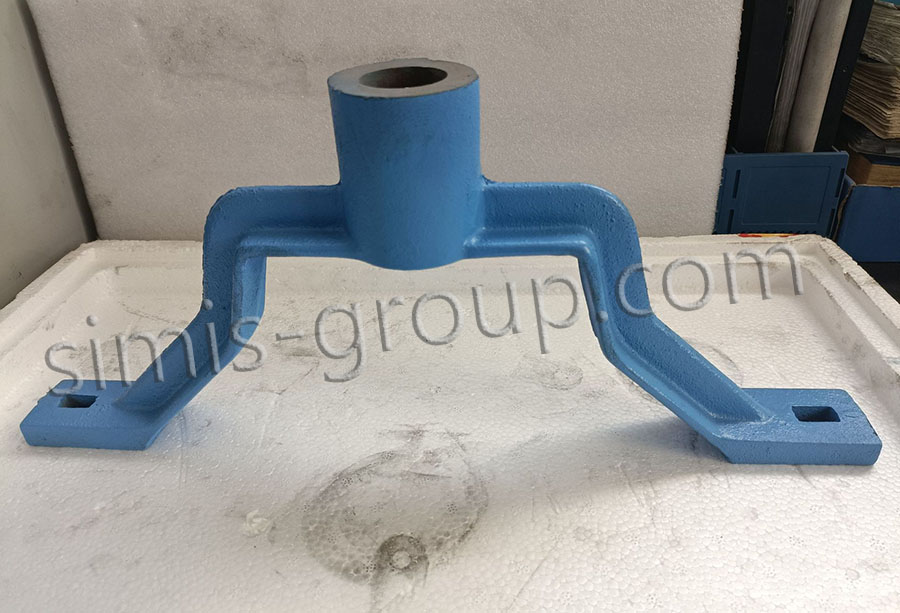
| Structural Support & Frame Parts | Machine Frame/Bed | Gray Iron / Ductile Iron | Sand Casting | CNC Milling (Critical Mounting/Alignment Faces), Painting/Coating. | Vibration Dampening, High Structural Rigidity, Flatness. |
| Bearing Housing/Mounts | Ductile Iron / Aluminum Alloy | Sand Casting or Permanent Mold Casting | Precision CNC Boring (to ensure co-axial alignment). | Rigid Support, Accurate Alignment. | |
| Feed & Control Components | Feed Dogs (Teeth) | Alloy Steel | Closed-Die Forging or Investment Casting | CNC Machining (Teeth Geometry), Induction Hardening (Wear Surface). | High Wear Resistance, Precise Geometry, Low Inertia. |
| Tension Adjuster Body | Zinc Alloy / Aluminum Alloy | Die Casting | CNC Tapping/Drilling, Aesthetic Plating/Finish. | Consistent Tolerance, Corrosion Resistance. | |
| Stitching & Forming Parts | Rotary Hook / Shuttle Race | Alloy Steel / Stainless Steel | Investment Casting high SS grade | Precision Grinding, Polishing, Surface Coating (DLC or Chrome Plating). | Ultra-Smooth Surface, Extreme Hardness, Low Friction. |
| Needle Bar | Stainless Steel | Cold Forging (Rod) + CNC Turning | CNC Grinding (for straightness and fitment), Hard Chrome Plating. | High Straightness, Smooth Sliding Action. | |
| Auxiliary & Sheet Metal Parts | Thread Guides / Guards | Stainless Steel / Spring Steel | Sheet Metal Fabrication (Progressive Stamping) | CNC Bending/Forming, Edge Deburring/Polishing. | Guiding Accuracy, Corrosion Resistance, Low Profile. |
| Tension Springs / Discs | Spring Steel / Copper Alloy | Sheet Metal Fabrication (Progressive Stamping) | Heat Treatment (to maintain specific spring characteristics). | Precise and Consistent Elasticity, Durability. |
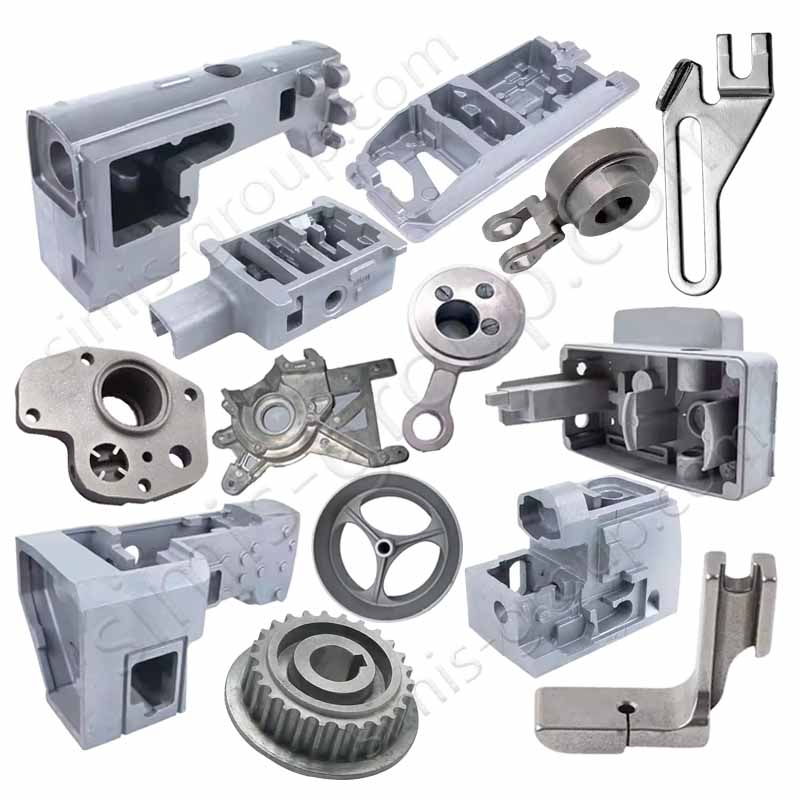
What Are the Manufacturing Processes for Textile Sewing Machine Parts?
The selection of casting or forging is determined by the part's function, speed, and stress level within the sewing mechanism, with each process tailored to enhance durability, dampening, and precision.
| Manufacturing Process | Material Focus | Key Advantage for Sewing Machine Parts | Specific Process Detail |
| Investment Casting (Lost-Wax) | Alloy Steel, Stainless Steel. | Precision and Complex Geometry. Ideal for parts with intricate, non-linear forms (cams, linkages) requiring minimal machining and an excellent surface finish for low friction. | Reduces cost for complex kinematic components. |
| Precision Closed-Die Forging | Alloy Steel, Carbon Steel. | Maximum Fatigue Strength and Wear Resistance. Used for high-stress, high-RPM components (main shafts, connecting rods, gears) that undergo extreme cyclic loading. | Provides optimal grain flow and material density for durability. |
| Die Casting | Aluminum Alloy, Zinc Alloy. | Lightweight and High Volume. Used for structural housings, frames, and parts where low inertia (light weight) is critical for high-speed operation. | Crucial for minimizing vibration in industrial sewing heads. |
| Gravity Permanent Mold Casting | Aluminum Alloy, Zinc Alloy. | Improved Internal Structure and Strength. Used for medium-volume, semi-structural parts (e.g., gearbox housings) requiring less porosity than die casting. | Suitable for parts needing higher mechanical properties or thicker sections. |
| Sand Casting | Gray Iron, Ductile Iron. | Structural Rigidity and Vibration Dampening. Ideal for large, heavy components like the main machine bed and lower frames. | Used where size and the material's excellent acoustic properties (noise reduction) are critical. |
| Precision CNC Machining & Grinding | All Materials. | Achieving Critical Tolerance and Finish. Mandatory for bearing bores, shaft journals, and gear teeth to achieve super-tight fits, low friction, and dynamic stability. | Tolerances often measured in microns for noise reduction. |
What Materials Are Used for Textile Sewing Machine Parts to Ensure Strength, Dampening, and Wear Resistance?
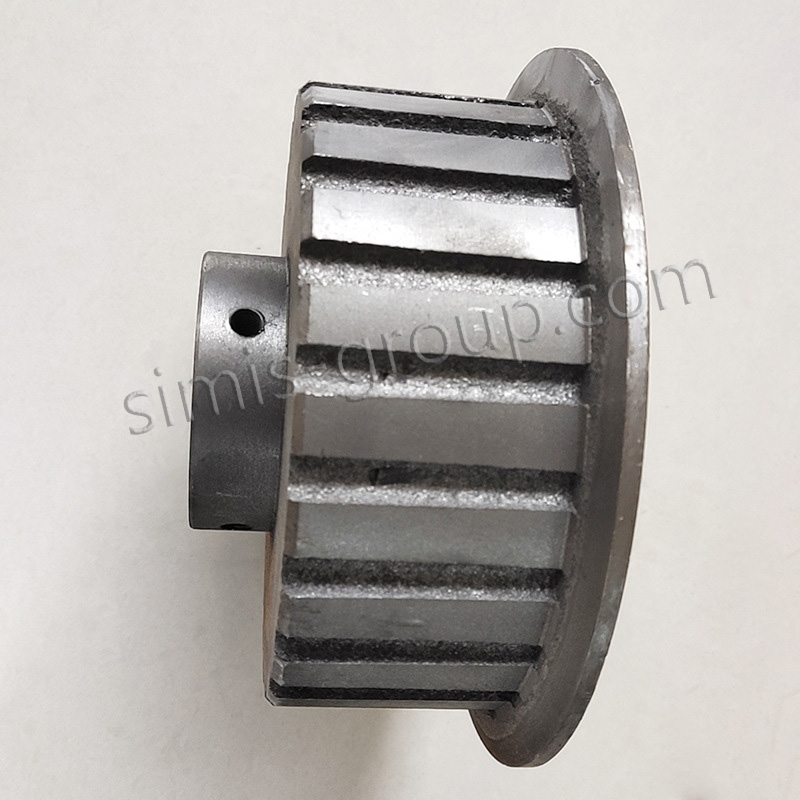
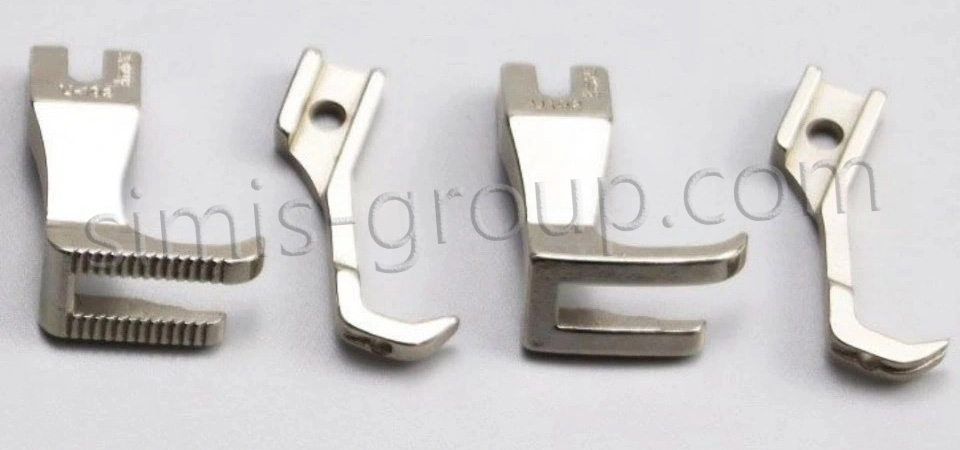
Material selection reflects the balance between strength (steel), cost/dampening (iron), and inertia/speed (aluminum), with each material matched to specific part functions and operational demands.
| Material Type | Primary Performance Focus | Typical Sewing Machine Part Use |
| Alloy Steel / Carbon Steel | High Strength, High Hardenability, Wear Resistance. | Main Shafts, Looper/Hook Drivers, Gears, Connecting Rods (High-stress moving parts). |
| Stainless Steel | Corrosion Resistance and Cleanliness. | Parts exposed to moisture, steam, or special chemicals (e.g., leather or textile processing). |
| Ductile Iron / Gray Iron | Vibration Dampening, Rigidity, Cost-Effectiveness. | Machine Beds, Frames, Large Cams (Structural and dampening components). |
| Aluminum Alloy / Zinc Alloy | Lightweight, High Speed, Heat Dissipation. | Head Covers, Upper Frames, High-RPM Kinematic Linkages (Where inertia must be minimized). |
What Quality Assurance Measures Are Implemented for Textile Sewing Machine Parts?
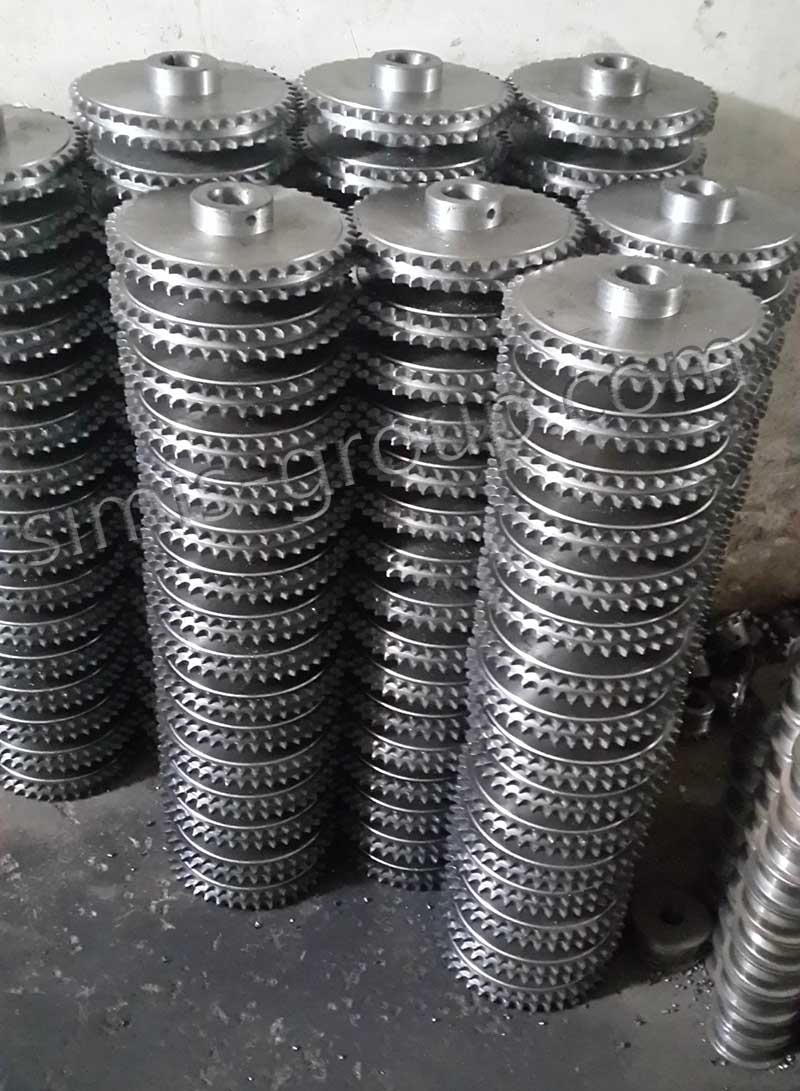
QA protocols are focused on eliminating vibration sources and guaranteeing the precise geometry required for complex mechanical timing, with a focus on dynamic balance and dimensional consistency.
·Dimensional Inspection:
CMM Verification of critical bores, bearing surfaces, and gear tooth profiles to ensure sub-micron tolerances required for low-noise, high-speed operation.
·Dynamic Balancing:
Testing of high-RPM components (e.g., flywheels, main shafts) to ensure the weight distribution is uniform, minimizing vibration and maximizing machine longevity.
·Hardness/Wear Testing:
Verification of the case hardness depth and $\text{HRC}$ value after heat treatment on functional surfaces (e.g., cams, shuttle race) to guarantee wear life.
·Fatigue Analysis:
Verification of forged component integrity through non-destructive testing (NDT) to ensure resistance to continuous cyclic loading.
What Are the Application Areas of Textile Sewing Machine Parts?
Our components are used across the spectrum of textile manufacturing, from consumer to heavy industrial applications, supporting high-speed textile and specialty production lines.
| Application Sector | Typical Part Focus | Primary Challenge | Recommended Process/Material |
| Industrial High-Speed Sewing | Main Shafts, Connecting Rods, Gears, Hooks. | Extreme Speed (RPM), High Wear, Fatigue Life. | Forged Alloy Steel, Investment Cast Steel (Heat Treated). |
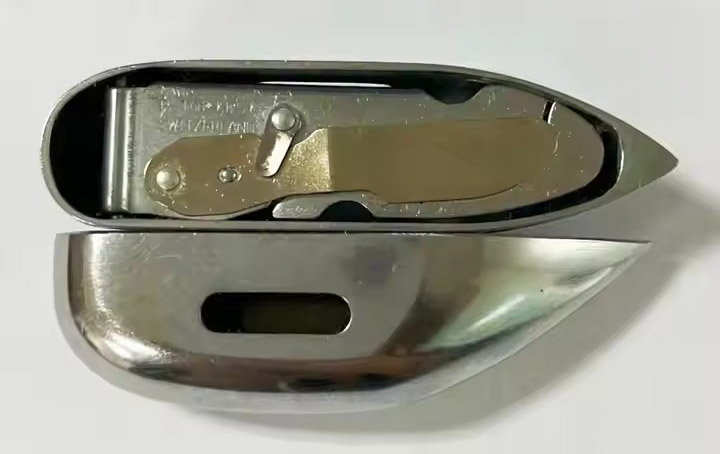
| Specialized Equipment | Embroidery Heads, Leather Feed Dogs, Cutting Blades. | High Load, Intermittent Motion Precision, Specialized Geometry. | Forged/Cast Alloy Steel, Precision CNC Machining. |
| Household Electric Sewing Machines | Frame Components, Internal Casings, Drive Pulleys. | Cost-Effectiveness, Low Noise, Lightweight. | Die Cast Aluminum/Zinc Alloy, Ductile Iron. |
| Textile Production Lines | Large Cams, Linkage Assemblies, Structural Arms. | Rigidity, Dampening, Continuous Duty Cycle. | Sand Cast Gray/Ductile Iron, Precision CNC Finish. |
What Are the Advantages of Simis Custom Textile Sewing Machine Parts Manufacturing?
Simis delivers high-reliability sewing machine components through integrated casting/forging and precision finishing expertise, with tailored solutions for every application scenario.
·Minimization of Vibration/Noise:
We specialize in the precision grinding and dynamic balancing of high-RPM components, which is the key factor in reducing operational noise and increasing sewing machine speed.
·Integrated Dual Process:
We utilize the most appropriate initial process—Forging for strength, Investment Casting for complexity—and follow up with dedicated CNC precision to optimize both performance and manufacturing cost.
·Wear-Specific Surface Treatment:
We offer tailored heat treatment and surface coatings (e.g., DLC coatings for hooks/loopers) to achieve exceptional wear resistance on parts subject to high friction.
·Complexity Management:
Our ability to precision cast complex internal profiles (e.g., internal pockets in cams) minimizes the costly and time-consuming CNC machining required for intricate kinematic features.
How to Get a Quote for Custom Textile Sewing Machine Parts?
China Simis Company is your expert partner for custom casting and forging of Textile Sewing Machine Parts, providing solutions engineered for micron-level precision, dynamic stability, and exceptional wear resistance for all industrial and specialized textile machinery. To obtain a customized quotation for your project, please submit the following technical documents and specifications to our professional engineering department: 2D technical drawings or 3D CAD models, critical tolerance requirements, required surface hardness/heat treatment process, expected annual production volume, and application scenarios (e.g., industrial high-speed sewing, household machines). Our team will conduct a comprehensive technical evaluation and provide a detailed quotation package including unit pricing, production lead times, quality control protocols, and delivery terms that align with your project requirements.