Custom Glass Spigot Manufacturer
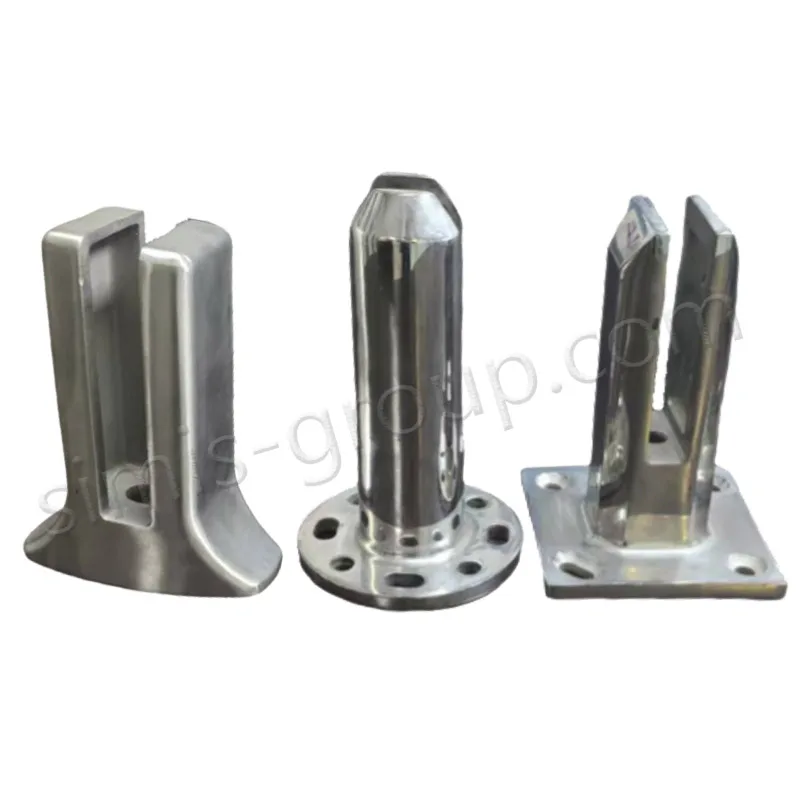


Glass Spigot

Custom Stainless Steel Glass Spigots: OEM Manufacturing FAQs
Can SIMIS manufacture custom glass spigots from our drawings?
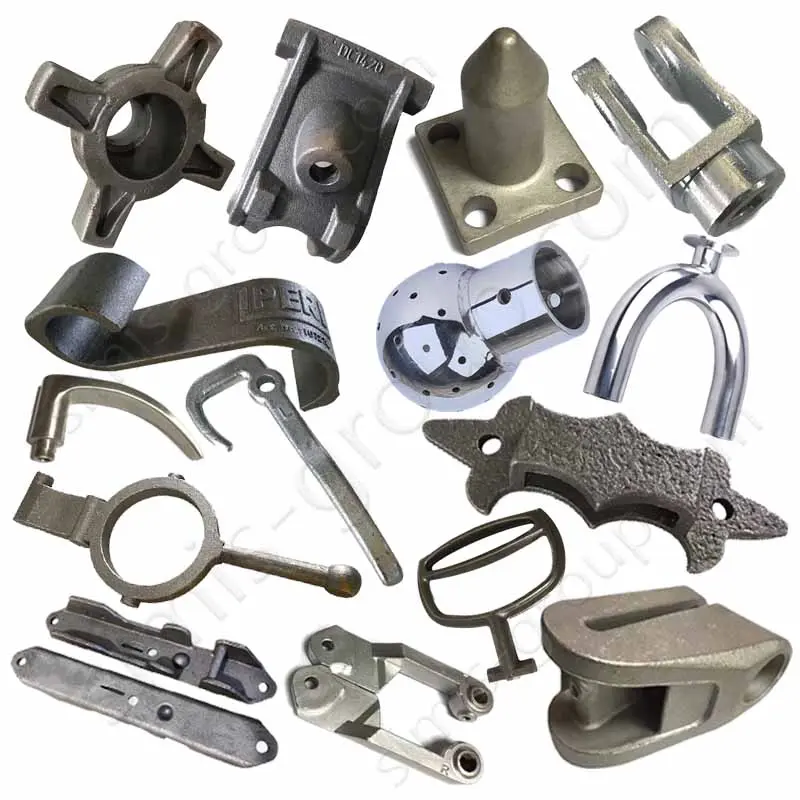
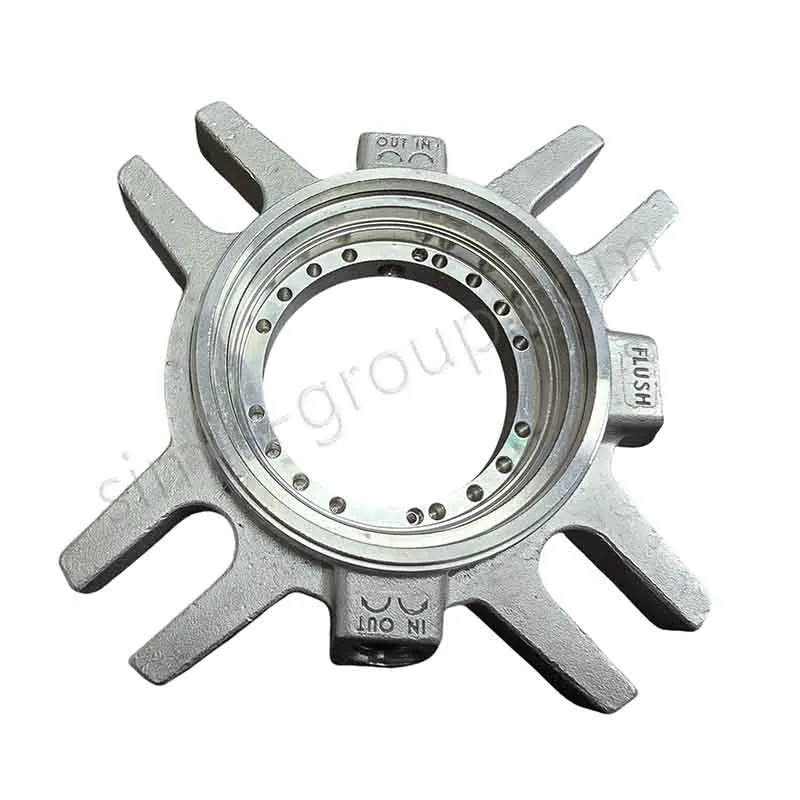
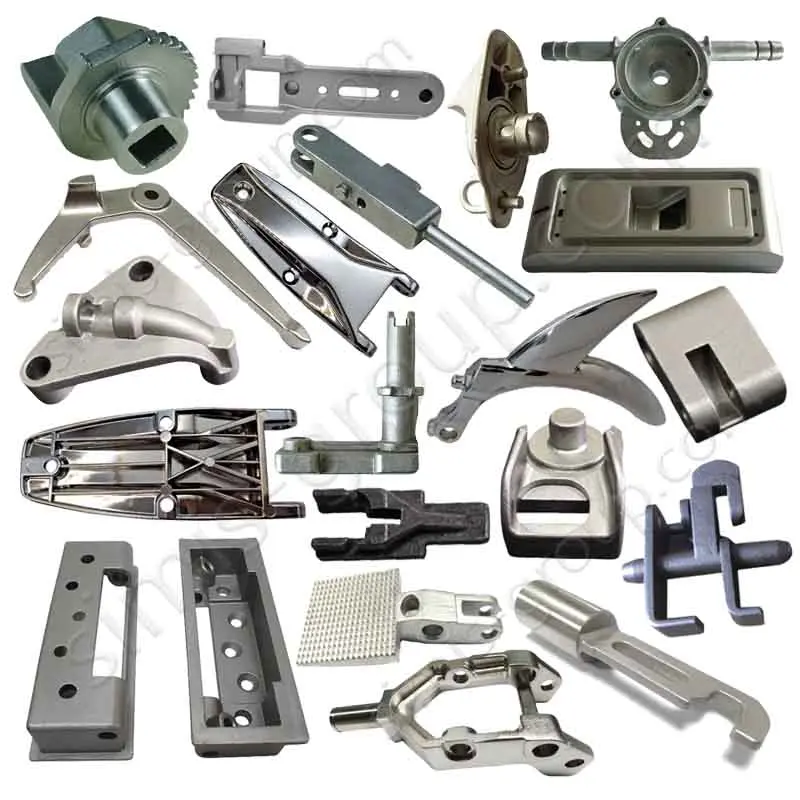
Yes. SIMIS supports drawing-based OEM manufacturing of stainless steel glass spigots, glass clamp bodies and associated metal mounting components for frameless glass fencing and balustrade systems. Depending on the alloy, geometry and order quantity, production may involve precision investment casting, CNC machining, surface finishing and project-specific inspection. Customers can submit dimensioned drawings, STEP models, glass-interface requirements and mounting details for a manufacturing feasibility review.
Which stainless steel is best for pool fencing and coastal glass railings?
The correct grade depends on the exposure conditions. Austenitic 304-type stainless steel may suit certain indoor or less aggressive environments, while suitable 316-type grades are often considered where additional resistance to chloride-related corrosion is needed. Duplex stainless steel may be specified for selected applications requiring different strength and corrosion properties. However, no stainless steel grade is immune to every pool chemical, chloride environment or form of corrosion. The exact casting grade, surface condition, maintenance requirements and service environment must be reviewed.
Can glass spigots be customized for different glass panel thicknesses?
Yes. SIMIS can manufacture drawing-defined glass clamp slots and related fastening features for specified glass assemblies. The design must account for the actual nominal and permitted glass thickness, any interlayer or laminate construction, protective gaskets or setting blocks, required engagement depth and the clamping mechanism. A metal slot should not be assumed suitable for direct contact with glass or for all glass thicknesses without the approved interface components.
Does an individual glass spigot automatically meet glass railing safety standards?
No. The safety of a glass railing or pool barrier depends on the complete system, including the glass, spigots, gaskets, fasteners, anchorage, supporting substrate, installation and applicable building requirements. Component material certificates and dimensional reports do not establish the structural rating of an assembled guard. Where required, testing or engineering verification must address the specified loading, impact behavior and post-breakage performance of the actual system.
What information is required for a custom glass spigot quotation?
Please provide 2D drawings and available 3D models, the required spigot type, stainless steel grade, glass thickness and construction, slot width and engagement depth, gasket specifications, base dimensions, anchor-hole pattern, surface finish and estimated quantities. If the component is part of a structural guard or pool barrier, identify the applicable project standards, design loads, substrate, anchorage arrangement and required inspection or assembly testing.
OEM Stainless Steel Glass Spigots for Frameless Glass Systems
A glass spigot is a metal support used to secure the lower edge or another specified region of a glass panel in a railing, fencing or partition assembly. Many frameless glass systems use discrete spigots instead of continuous framing, creating an open architectural appearance while transferring loads from the glass to the supporting structure.
A typical stainless steel glass spigot may include an upright clamp body, a glass-receiving slot, threaded or wedge-related fastening features and a mounting base. Its design may use a square base plate, a round mounting flange or another approved fixing arrangement. These features must be dimensionally compatible with the specified glass and anchorage system.
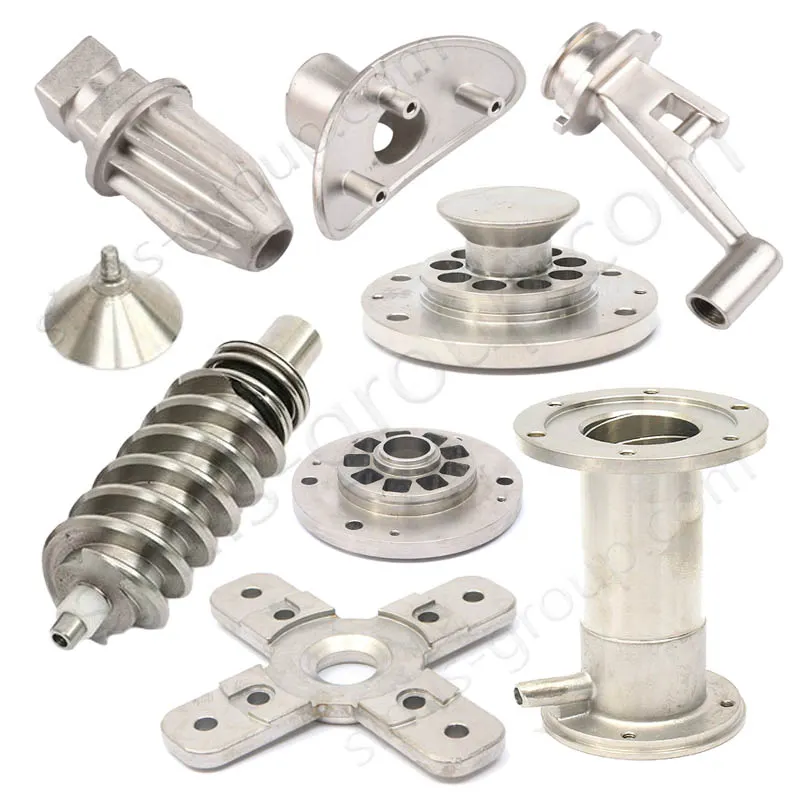
SIMIS supports custom metal components manufactured to customer-approved drawings. Stainless steel glass spigots may be produced through investment casting followed by machining and polishing where the design is suitable. Relevant alloy and casting considerations are also covered on our custom stainless steel casting parts page.
For structural glazing applications, manufacturing the specified metal component is only one part of the project. The complete glass assembly must also be assessed for loads, safety glazing, anchorage, environmental exposure and the applicable local building requirements.

Types of Custom Glass Spigots and Mounting Configurations
Different glass spigot designs use different methods to locate and support the glass. The spigot body, base and glass-contact arrangement must match the approved system. Surface-mounted and embedded designs are not directly interchangeable, and a visually similar shape does not establish equivalent structural performance.
Square-base plate glass spigots
Square-base glass spigots use a mounting plate with specified anchor-hole positions. The plate may incorporate a rectangular upright body and a U-shaped glass receiving area. Functional dimensions include base thickness, bolt-hole pattern, distance from the support axis to the glass slot and the relationship between the mounting surface and glass centerline.
Round-base and cylindrical glass spigots
Some spigots use a cylindrical upright connected to a circular flange. These designs can provide a different visual style and may use radial mounting-hole patterns or other retaining features. Their suitability depends on the upright-to-base connection, local section thickness, mounting geometry and the approved assembly.
U-channel and twin-jaw glass clamps
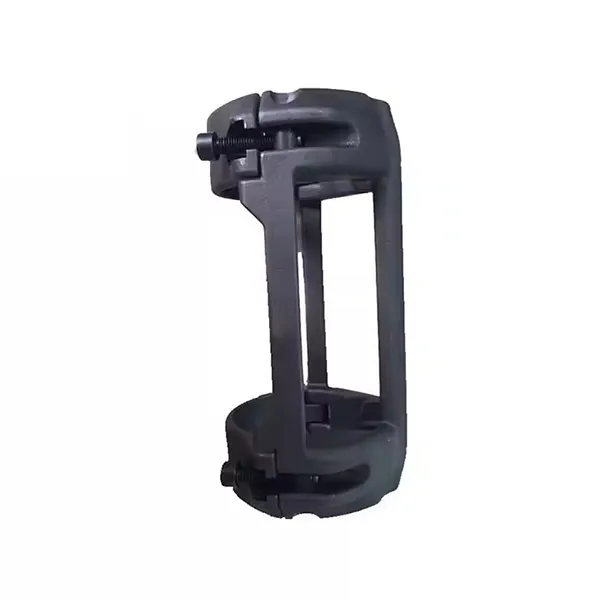
A U-channel or twin-jaw configuration uses opposing metal surfaces to accommodate a glass panel and its specified protective interface materials. The slot width and depth, wall thickness and tightening features must be controlled. A cast opening may provide the general shape, while selected contact surfaces or holes may be machined when required by the drawing.
Embedded and special mounting configurations
Some architectural systems use embedded, core-drilled or otherwise concealed support arrangements rather than exposed base plates. Such components require a different mounting geometry and installation design. SIMIS can review drawing-defined variants where manufacturing is feasible, but an exposed-base spigot should not be assumed suitable for embedded installation without a specifically engineered configuration.
| Spigot Design | Typical Configuration | Important Dimensions |
|---|---|---|
| Square-Base Spigot | Rectangular upright with exposed mounting plate | Base plate size, bolt-hole pattern, slot alignment |
| Round-Base Spigot | Cylindrical upright and circular flange | Flange diameter, hole circle, upright alignment |
| Twin-Jaw Glass Clamp | Opposing clamping surfaces around a specified glass interface | Slot width, jaw depth, fastener position and gasket space |
| Embedded Spigot | Project-specific concealed or embedded mounting | Embedment geometry, support conditions and installation clearance |
| Special Architectural Fixing | Drawing-defined connection for a particular glass system | Assembly interfaces, offset, glass contact and structural requirements |
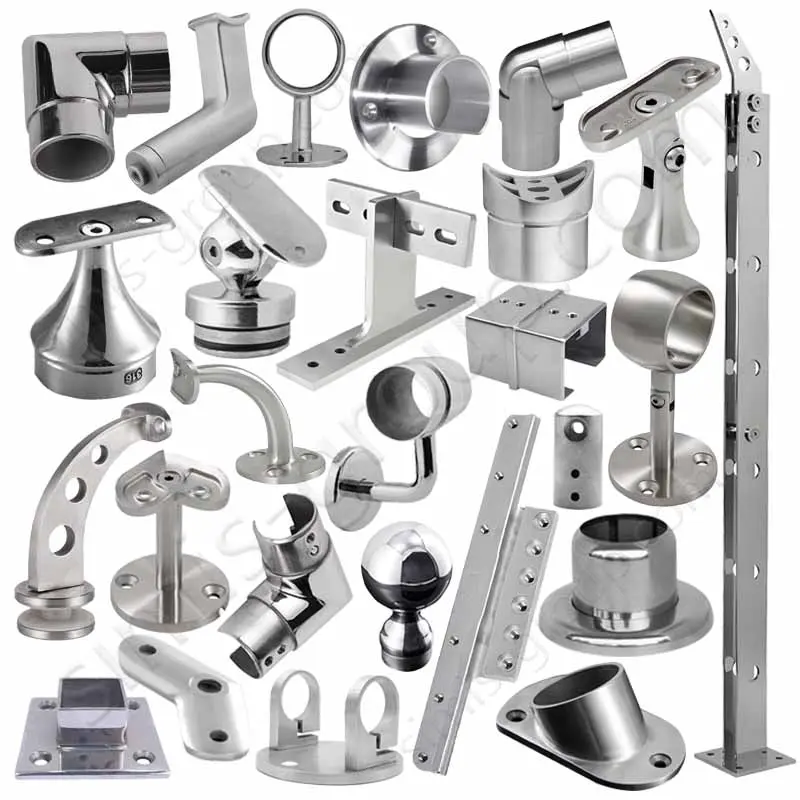
For other architectural metal components used alongside glass balustrades, see SIMIS custom stainless steel handrail fittings. Rail fittings and glass spigots may share manufacturing processes, but their attachment and structural requirements must be considered separately.
Stainless Steel Materials: 304-Type, 316-Type and Duplex Alloys
Material selection for glass spigots must address mechanical requirements, casting feasibility, corrosion exposure and the desired decorative finish. A glass spigot is often used outdoors, but the severity of its exposure can vary considerably between sheltered residential installations, coastal sites and pool environments.
304-type stainless steel for appropriate environments
304-type austenitic stainless steel may be considered for suitable indoor or less aggressive exterior applications. For an investment-cast component, the buyer should specify the appropriate cast stainless steel grade rather than assume that a casting has the same material designation as a wrought 304 bar or plate. CF8 is a commonly referenced cast 304-type alloy, but it has its own specification and material requirements.
316-type stainless steel for chloride-exposed locations
316-type grades include molybdenum, which can improve resistance to certain localized corrosion mechanisms compared with some lower-alloy austenitic grades. CF8M is a relevant cast 316-type material. However, exposure to chlorides, crevices, stagnant moisture and some pool chemicals can still produce corrosion. 316-type stainless steel should not be presented as permanently rust-proof or universally suitable for every coastal and swimming-pool installation.
Duplex stainless steel for selected demanding applications
Duplex stainless steels can offer different combinations of strength and corrosion resistance. Where the project specifies a cast material associated with the 2205 family, an applicable cast designation, such as ASTM A890 Grade 4A (CD3MN), may be evaluated. A wrought 2205 designation is not automatically interchangeable with a cast duplex grade. Phase balance, chemical composition, solution-treatment condition, surface finishing and service environment all require review.
Casting grades and wrought grades are not identical specifications
A stainless steel spigot may combine a cast body with wrought or machined fasteners and other components. The body and hardware should each have their own material specification. ASTM A743/A743M is relevant to many corrosion-resistant cast stainless steels, while ASTM A890/A890M addresses specified duplex stainless castings. The correct standard and grade should be identified in the customer drawing and purchase order.
| Material Family | Possible Casting Grade | What to Verify |
|---|---|---|
| 304-Type Austenitic Stainless | CF8 where specified | Corrosion exposure, material specification and mechanical properties |
| 316-Type Austenitic Stainless | CF8M where specified | Chloride conditions, cast grade, heat treatment and finish |
| Low-Carbon Molybdenum-Bearing Stainless | CF3M where specified | Exact grade, fabrication requirements and application environment |
| 2205-Type Duplex Stainless | ASTM A890 Grade 4A / CD3MN where appropriate | Cast designation, phase balance, treatment and corrosion criteria |
| Wrought Stainless Hardware | Applicable fastener, bar or plate grade | Actual product standard, strength, corrosion compatibility and connection design |
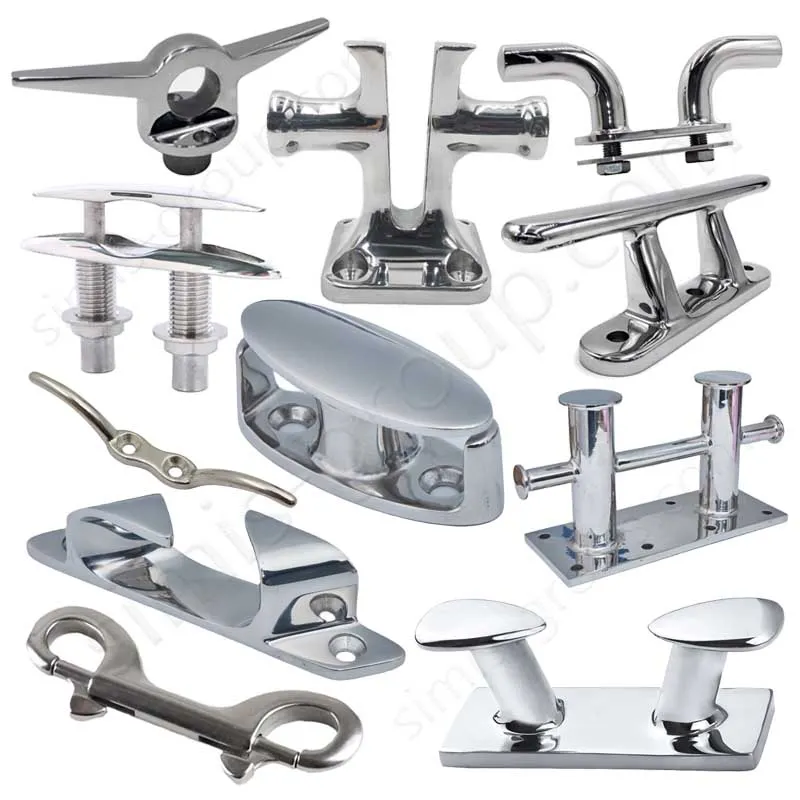
Stainless steel marine fittings can involve similar surface and corrosion considerations. SIMIS manufactures related custom stainless steel boat cleats, although the load cases, fastening arrangements and qualification requirements of marine hardware differ from those of architectural glass supports.
Precision Investment Casting and Other Manufacturing Options
Precision investment casting is a candidate for glass spigot bodies that combine a decorative exterior with integrated mounting and clamping features. However, casting process selection should reflect the approved alloy, part geometry, structural requirements and production volume. Some components may instead be machined, fabricated or forged according to their function.
Lost-wax casting for the stainless steel spigot body
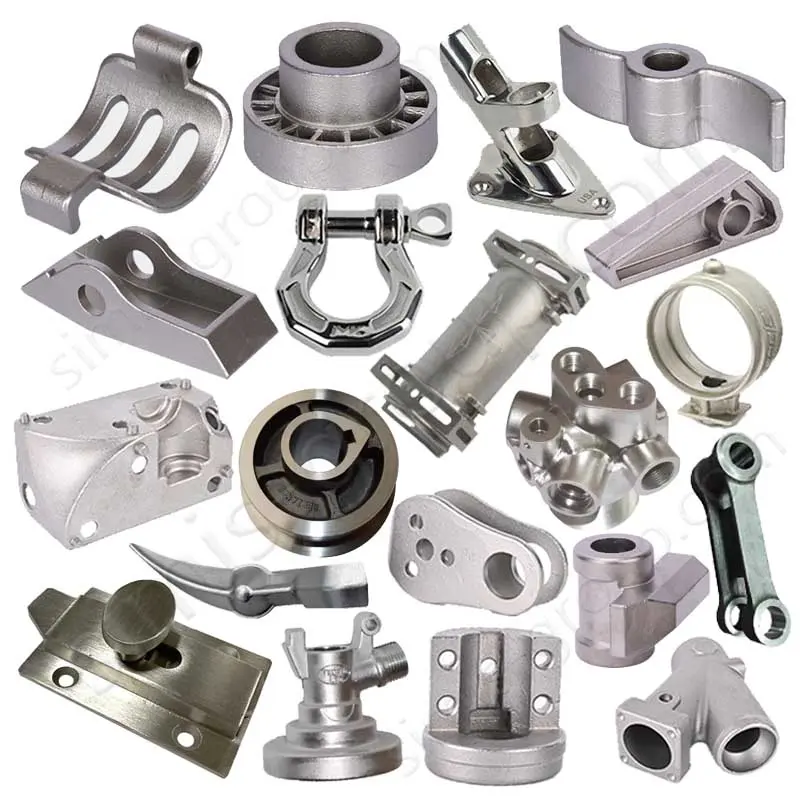
Lost-wax investment casting uses a wax pattern and ceramic shell to create detailed metal geometry. It can be suitable for glass spigots with integrated base shapes, rounded external corners, reinforcing transitions, clamp jaws and decorative contours. The process may reduce the amount of stock removed during finishing. SIMIS supports suitable stainless designs through its precision investment casting foundry.
Casting design for slots, bases and reinforcing sections
The transition between an upright clamp body and a mounting base is a potentially important structural region. Casting design should consider local thickness, appropriate radii, feeding, shrinkage and machining allowances. Thin clamp jaws and thick base regions may solidify differently. Casting feasibility must be evaluated without changing the approved load-bearing geometry or glass-contact interfaces.
Machined, fabricated and welded alternatives
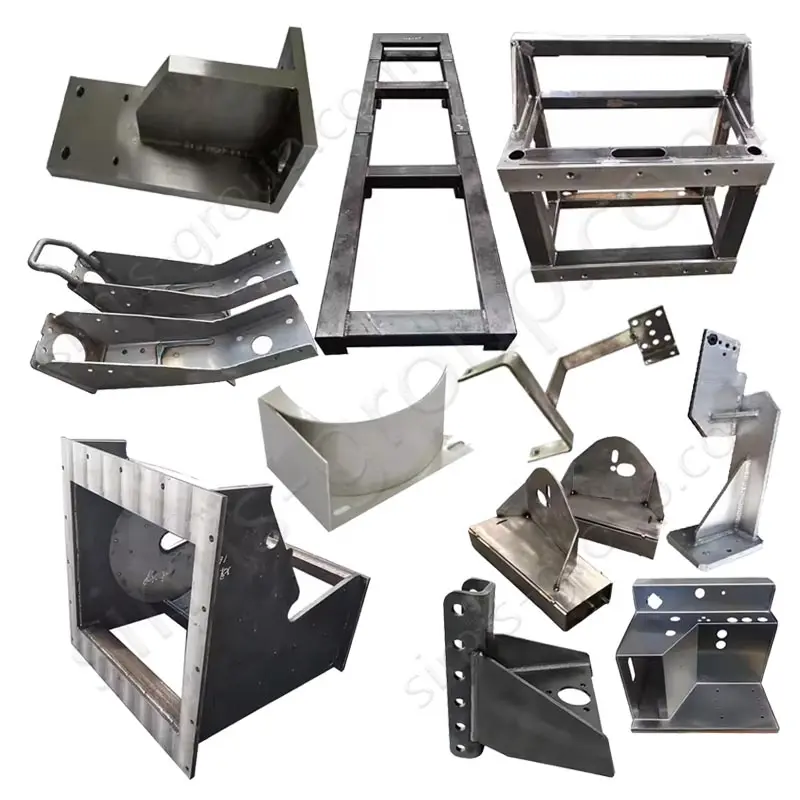
Some glass supports may be produced from machined wrought stainless steel, cut and formed components or approved welded assemblies. These options can be appropriate where production volume, geometry or the specified material favors them. SIMIS can review related sheet metal fabrication and custom stainless steel welded parts manufacturing requirements.
Forged or machined supporting hardware
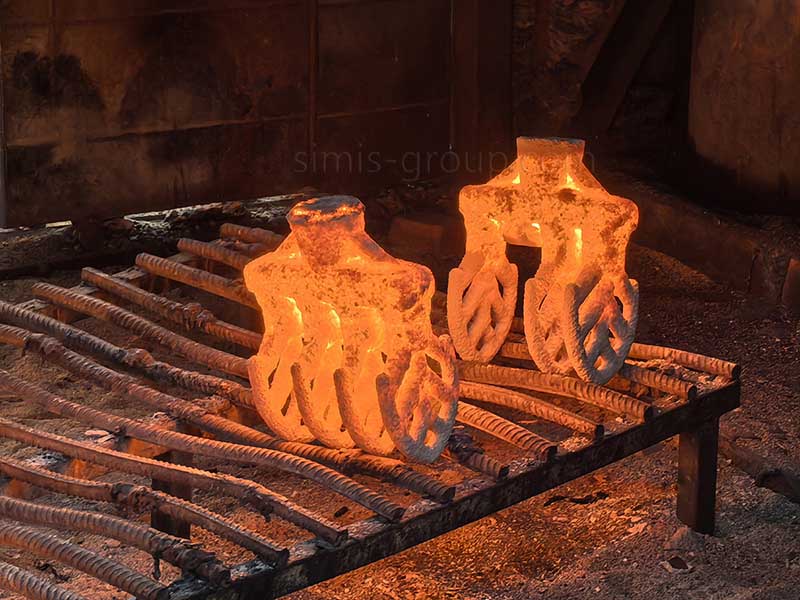
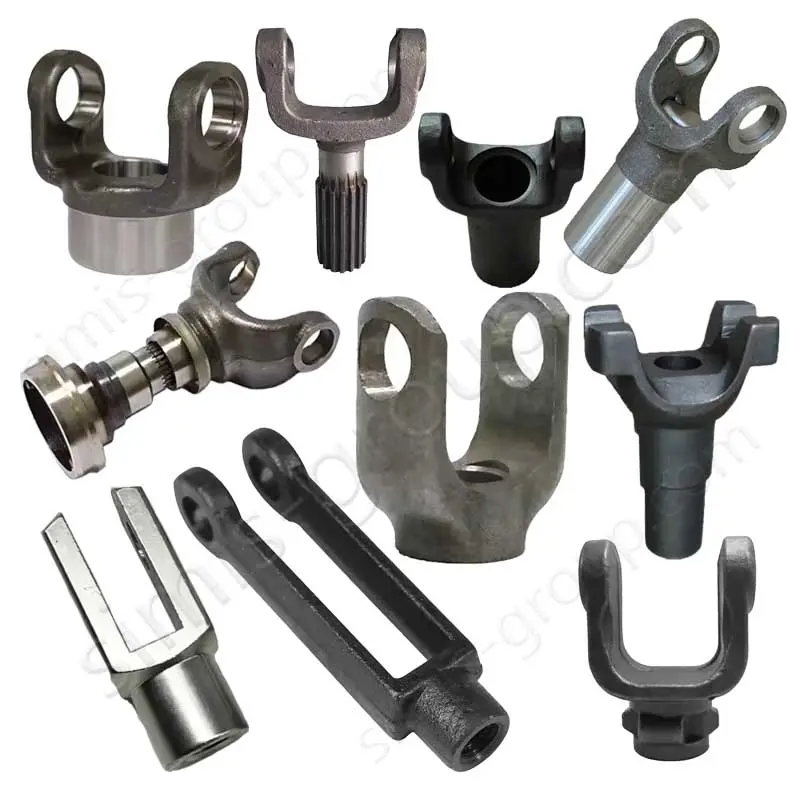
Certain anchoring or connecting components may be manufactured through forging or machining from an appropriate material. The chosen route depends on load, material, geometry and the relevant fastener specification. Forging does not automatically eliminate defects or establish a connection's rated strength. Related forming routes are described on our closed-die forging page.
| Manufacturing Process | Potential Component | Critical Requirements |
|---|---|---|
| Investment Casting | Complex stainless steel spigot bodies and decorative supports | Casting integrity, local section thickness, machining stock and finish |
| CNC Machining | Glass slots, bolt holes, contact faces and threads | Functional datums, dimensions and surface condition |
| Fabrication or Welding | Suitable approved multi-piece support structures | Joint design, weld quality, distortion and material condition |
| Forging or Stock Machining | Selected supporting hardware and connector components | Fastener specification, strength, fit and corrosion exposure |
| Polishing and Surface Treatment | Visible and exposed stainless steel surfaces | Finish specification, material removal and surface cleanliness |
Glass Clamping Geometry, Gaskets and Panel Compatibility
The glass-to-spigot interface is a critical part of the design. Its requirements depend on the specified glazing, support arrangement, protective materials and load path. The clamp should be assessed as part of the approved glazing system, not merely as a metal opening into which a glass panel fits.
Slot width and permitted glass thickness
The required slot width depends on the glass panel's actual thickness range and any gaskets, setting blocks or protective inserts. Laminated glass may have a different construction and dimensional tolerance from monolithic glass. The complete build-up must be specified before finalizing the metal casting or machining dimensions. No universal glass thickness should be assumed for a custom spigot.
Protective gaskets and glass-to-metal separation
An approved resilient interface may be required to distribute contact forces and avoid inappropriate hard-metal contact with glass. Depending on the design, this can involve EPDM or other suitable gasket materials, setting pads or specialized inserts. The compound, hardness, thickness and long-term environmental compatibility should be selected for the actual glazing and service conditions. The metal manufacturer should not assume that an arbitrary gasket will produce a safe connection.
Engagement depth and glass edge clearance
The depth of glass engagement influences the contact arrangement and load transfer. The design may also require controlled space around the lower glass edge and between the glass and metal body. These relationships should follow the system designer's calculations and approved installation detail. A deep slot does not independently guarantee that the panel cannot slip, rock or break under loading.
Clamping bolts, pressure plates and wedge mechanisms
Different spigots may use threaded clamping elements, pressure plates, wedges or proprietary retention systems. Their geometry affects contact pressure and assembly behavior. The required installation torque, fastener grade, protective insert and locking method must be established for the specific design. Applying the greatest possible torque is not an acceptable general strategy for securing architectural glass.
Panel adjustment, alignment and drainage
Some systems permit limited glass alignment or adjustment during installation. The spigot must retain the approved range without compromising the intended engagement or fixing method. Where outdoor moisture can enter the slot, drainage and cleaning access may also require consideration. Any adjustment or drainage feature should be defined by the system designer.
Structural Load Paths, Base Anchorage and Glass Railing Safety
A glass railing or pool-fence system transfers loads through several connected components. Loads applied to the glass pass through the approved glass-contact arrangement into the spigots, then through the mounting bases and anchors into the supporting structure. Failure of any relevant component or interface can affect the overall assembly.
Lateral loads and overturning moments
Loads on the upper portion of a glass panel may create bending moments at the lower supports. The resulting forces depend on panel height, width, thickness, support spacing and boundary conditions. The spigot body and base must be evaluated for the actual load path. A nominal stainless steel tensile strength does not establish an allowable guardrail load for the component or completed system.
Base-plate design and anchor-hole position
Base-plate thickness, anchor-hole diameter, spacing and distance from the upright body influence how forces reach the supporting structure. The customer drawing may specify counterbored or countersunk features and a defined mounting-face condition. The design should account for local bearing, bending and the selected anchor system rather than relying on plate size alone.
Concrete, steel, timber and other substrates
An identical spigot may perform differently when attached to different supporting materials. Anchor strength, embedment, edge distances, substrate condition and connection details require separate engineering evaluation. A component manufacturer's inspection of the metal base does not verify the installed anchorage in cracked concrete, masonry, timber or structural steel.
Glass safety requirements and system testing
Where glass acts as a guard, balustrade or pool barrier, the applicable local building requirements must be identified. For relevant projects, ASTM E2358 addresses performance requirements for glazing in permanent railing systems, guards and balustrades, and ASTM E2353 provides test methods that can address static strength, impact and post-breakage performance. Their applicability depends on the project jurisdiction and specification. Requirements for safety glazing, laminated construction, handrails and guarding arrangements may also apply.
Component approval versus complete-system compliance
An individual stainless steel glass spigot is not automatically a code-approved guardrail system. A tested configuration may only support the specified glass type, anchor arrangement, substrate, spigot spacing and installation conditions. Alternative layouts can require additional engineering review. The responsible designer, system supplier and relevant approval authority must establish the final compliance basis.
For other drawing-defined mounting structures, SIMIS also provides custom metal brackets and connectors. Their engineering requirements should be evaluated individually, especially where building safety or public access is involved.
CNC Machining of Glass Slots, Base Plates and Fastening Features
Investment casting can produce the general shape of a glass spigot, but selected functional features may require precision machining. SIMIS supports CNC machining of stainless steel components to the drawing's dimensional and geometric requirements.
Glass slot width, parallelism and surface geometry
The slot or clamp faces may require defined spacing, parallelism, profile and surface finish. These dimensions should be evaluated with the intended gaskets and glass thickness. A tighter metal machining tolerance does not independently guarantee correct contact pressure; the complete interface must be assessed as designed.
Mounting-face flatness and upright alignment
The relationship between the base plane and upright glass slot may be important for installation. Where specified, the mounting face can be machined and inspected for flatness and angular alignment. The correct tolerance depends on the system's adjustment allowance and functional requirements. A machined base cannot compensate for an incorrectly installed or structurally inadequate supporting substrate.
Anchor holes, threaded clamps and countersinks
Spigots may include drilled or machined anchor holes, threads for clamping hardware and seating features for fasteners. The required position, thread class, countersink or counterbore should be stated on the drawing. Inspection should follow the specified datum references, particularly where bolt-hole position affects assembly fit.
Deburring and edge protection
Machining and polishing should leave the specified edges free of unacceptable burrs or sharp projections. This is especially important around glass-contact regions and gasket interfaces. Excessive grinding should also be avoided because it can change jaw thickness, corner geometry or the appearance of visible surfaces.
Mirror Polishing, Satin Brushing and Stainless Steel Passivation
Decorative appearance is important in frameless glass systems, but surface finishing also affects geometry, cleaning and environmental performance. Mirror polishing, satin brushing, pickling, chemical passivation and electropolishing are different processes and should not be treated as interchangeable.
Mirror-polished stainless steel glass spigots
A polished finish may be specified where the project requires a reflective architectural appearance. Multiple preparation and polishing stages may be needed to achieve the agreed visual standard. The required finish should be defined using an approved sample, surface specification or inspection method. An abrasive-belt designation alone does not establish a universal Ra value or a specific level of corrosion resistance.
Satin and brushed stainless steel finishes
Brushed and satin finishes can provide a different appearance and may reduce the visual prominence of some handling marks compared with highly reflective surfaces. The direction, consistency and appearance of the finish should be agreed, particularly when a project uses multiple batches or visible components installed side by side.
Cleaning, passivation and surface contamination control
Finishing operations may leave residues or introduce surface contamination. Appropriate cleaning and, where specified, chemical passivation can help establish the required stainless steel surface condition. ASTM A967/A967M covers chemical passivation treatments for stainless steel parts. The treatment and verification should be chosen for the specified alloy and surface requirements; passivation does not create permanent immunity to pool chemicals or salt exposure.
Polishing allowances and preservation of critical dimensions
Polishing removes surface material and can affect corners, slot widths and mounting edges. The finishing plan should protect functional datums and avoid excessive material removal in highly stressed regions. SIMIS can review suitable metal surface treatment and finishing requirements for drawing-based spigot components.
Quality Inspection and Testing for Custom Glass Spigots
Inspection should address the metal material, casting integrity, glass-contact geometry, mounting features and visible finish. Where structural performance is required, component checks should be supplemented by the appropriate approved assembly or system-level validation. It is important not to describe ordinary casting inspection as a guarantee that a completed glass barrier meets every building safety requirement.
| Inspection Item | Project-Specific Verification |
|---|---|
| Stainless Steel Grade | Required cast alloy chemistry, material condition and identification records |
| Mechanical Properties | Specified material tests and grade-dependent acceptance criteria |
| Casting Integrity | Visual examination and suitable project-defined nondestructive testing |
| Glass Slot | Width, depth, parallelism, edge condition and gasket-related dimensions |
| Base Plate | Hole size and position, mounting surface, thickness and upright alignment |
| Clamping Hardware | Thread fit, fastener interface and approved assembly arrangement |
| Decorative Finish | Polishing sample, surface appearance, roughness or passivation verification where specified |
| Functional Assembly | Representative glass-and-gasket fit and retention checks where agreed |
| Structural System Testing | Project-defined static, impact and post-breakage testing of the appropriate assembly |
| Documentation | Material certificates, first-article results and traceability as agreed |
Chemical composition and alloy verification
The specified stainless steel grade should be verified using suitable chemical analysis and material identification records. Positive material identification may be useful for selected elements, but not every handheld instrument can determine carbon or all alloy requirements accurately. Complete grade acceptance should follow the appropriate material specification and agreed test methods.
Liquid penetrant testing and casting acceptance
Liquid penetrant examination may be specified for detecting surface-breaking discontinuities in stainless steel castings. The procedure should define preparation, examination coverage and acceptance criteria. A satisfactory result does not establish complete freedom from internal porosity or guarantee that the casting can withstand every structural load.
Dimensional inspection and representative assembly checks
CMM equipment, gauges, calipers and suitable inspection fixtures may be used to verify critical slot, base and fastening dimensions. Where agreed, a representative glass and gasket assembly can help confirm fit. Such checks should use approved components and installation conditions rather than visually judging whether the metal jaws appear to grip the glass adequately.
Structural verification of the installed system
When required, structural verification should reflect the specified glass panels, support spacing, anchors and substrate. Project testing may involve static loading, impact resistance and post-breakage behavior. Testing a single metal spigot outside its intended assembly cannot establish the performance of every glass guard or pool barrier installation.
SIMIS can review material inspection, dimensional reporting and agreed quality documentation through its quality control processes. Any structural certification, performance test or regulatory approval should be specifically identified in the purchasing scope rather than assumed for every order.

Applications of Stainless Steel Glass Spigots
Frameless glass pool fencing
Pool fences may use discrete glass supports to maintain a clear view around the pool area. Material selection must account for moisture, chlorides, cleaning chemicals and the intended maintenance regime. The complete pool-barrier system must also meet applicable local requirements covering barrier geometry, access and structural safety. A corrosion-resistant spigot alone does not establish pool-fence compliance.
Balconies, terraces and residential glass guards
Balcony and terrace glazing can require engineered lateral-load resistance and suitable protection against falling. The design may be affected by glass panel size, height, exposed wind conditions and the presence or absence of a top rail. Spigot spacing and the final glass specification should be approved as part of the complete system, not selected solely for appearance.
Staircase glass balustrades
Staircase balustrades can require special attention to sloped mounting conditions, panel alignment, handrail interfaces and the applicable guarding requirements. Spigots and other fittings should be designed for the actual geometry and supporting structure. A component approved for a level terrace should not automatically be considered suitable for a sloped stair without review.
Commercial glass partitions and architectural fittings
Glass partitions in shops, offices and public interiors may use custom metal clamps or supporting hardware. Their requirements depend on whether the glass serves as a non-structural partition, a fall-prevention barrier or another functional assembly. Similar appearance does not establish equal structural performance or interchangeable fixing details.
Coastal and outdoor architectural installations
Exterior coastal installations may involve salt deposition, wetting and drying cycles, crevices and difficult maintenance access. Suitable stainless steel grades and surface finishes should be evaluated for the actual exposure. Regular inspection and cleaning may remain necessary even for higher-alloy stainless steel components. No material should be advertised as providing unlimited maintenance-free corrosion resistance.
Glass curtain wall and point-support applications
Some architectural facade systems use glass-related metal brackets or point fixings, but their structural behavior and connection details can differ substantially from conventional floor-mounted glass spigots. A pool-fence spigot should not be used as a curtain-wall point fixing without a separately engineered design and appropriate verification. Curtain wall hardware may require specific movement, weathering and structural considerations.
Request a Quote for Custom Glass Spigots and Clamp Castings
SIMIS supports OEM manufacturing of custom stainless steel glass spigots, clamp bodies and related architectural metal hardware based on approved customer drawings. Our manufacturing review can cover investment casting feasibility, cast stainless steel grade, CNC machining, visible surface finishing and project-specific component inspection.
For a detailed quotation, please provide: 2D engineering drawings and STEP or other available 3D files; the glass spigot type and mounting method; exact stainless steel material specification; glass thickness and laminated construction where relevant; slot width, engagement depth and gasket details; base dimensions and anchor-hole pattern; clamping hardware requirements; mirror, satin or other specified finish; expected order quantities; and material or dimensional inspection documentation.
For glass guardrails, balustrades, pool barriers and other safety-related installations, please also identify the applicable building requirements, approved glazing system, design loads, spigot spacing, substrate and anchor specification. Any required static, impact or post-breakage testing should be agreed separately with the responsible system designer. Changes to critical glass-contact surfaces, material grades or load-bearing connections require engineering approval before production.
Send your custom stainless steel glass spigot drawings and purchasing requirements to info@simis-group.com for a manufacturing feasibility review and quotation.