Custom Cartridge Mechanical Seal Manufacturer
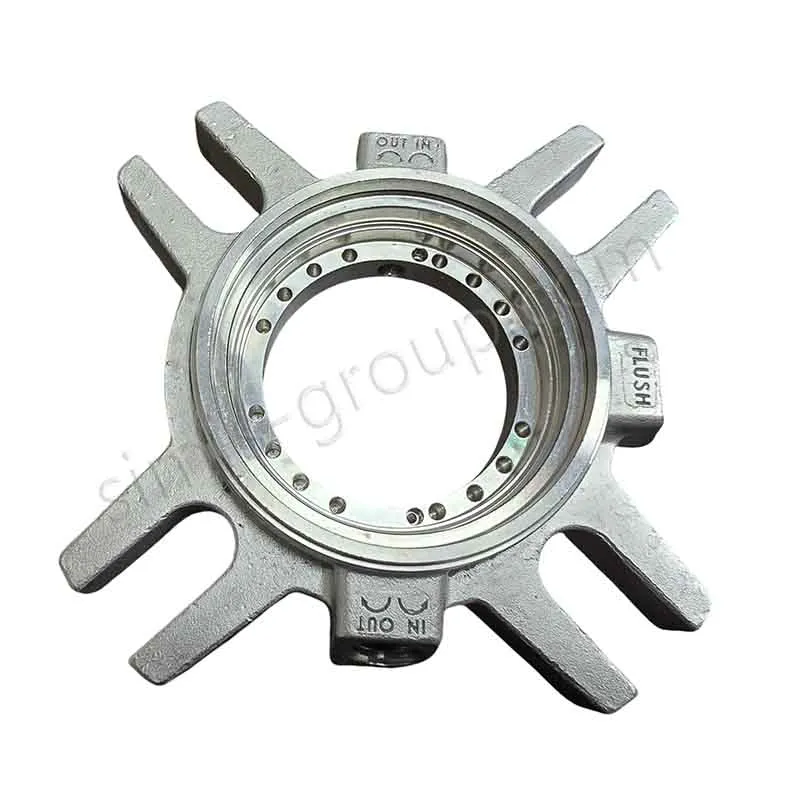
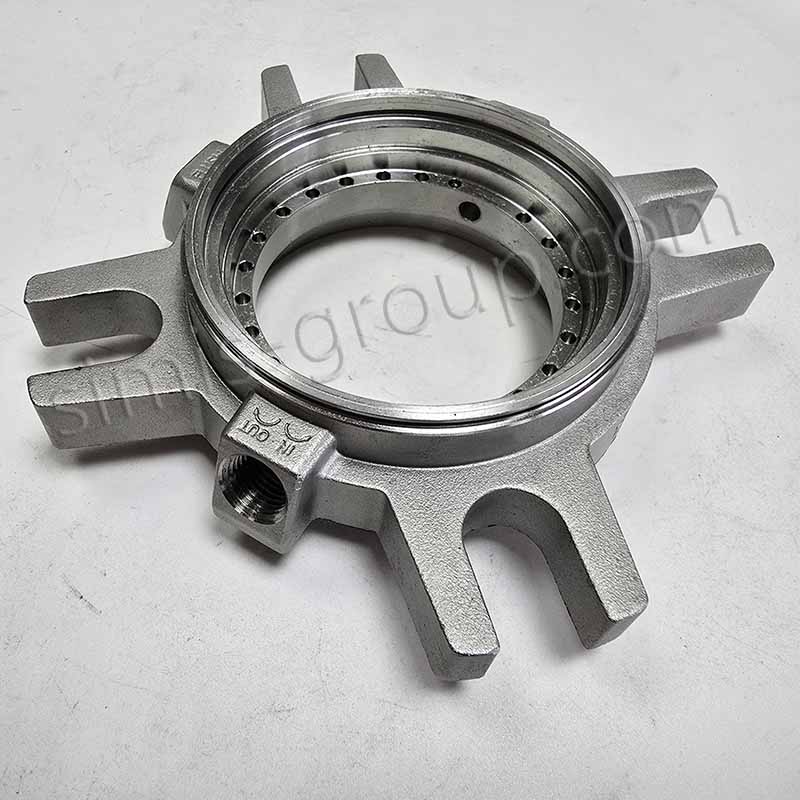
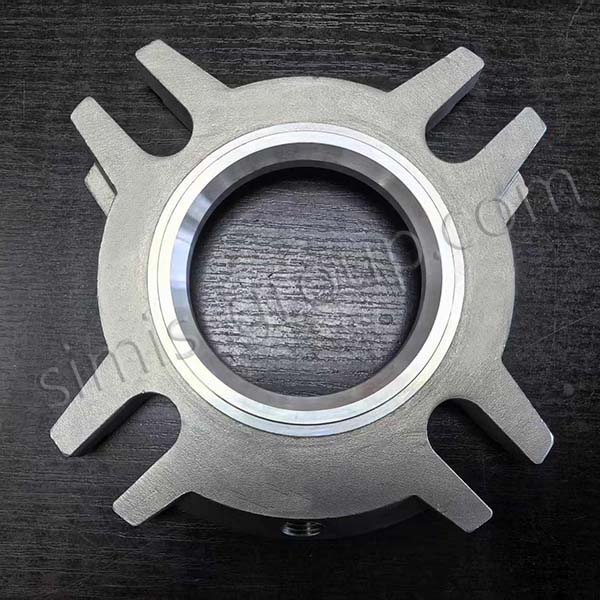
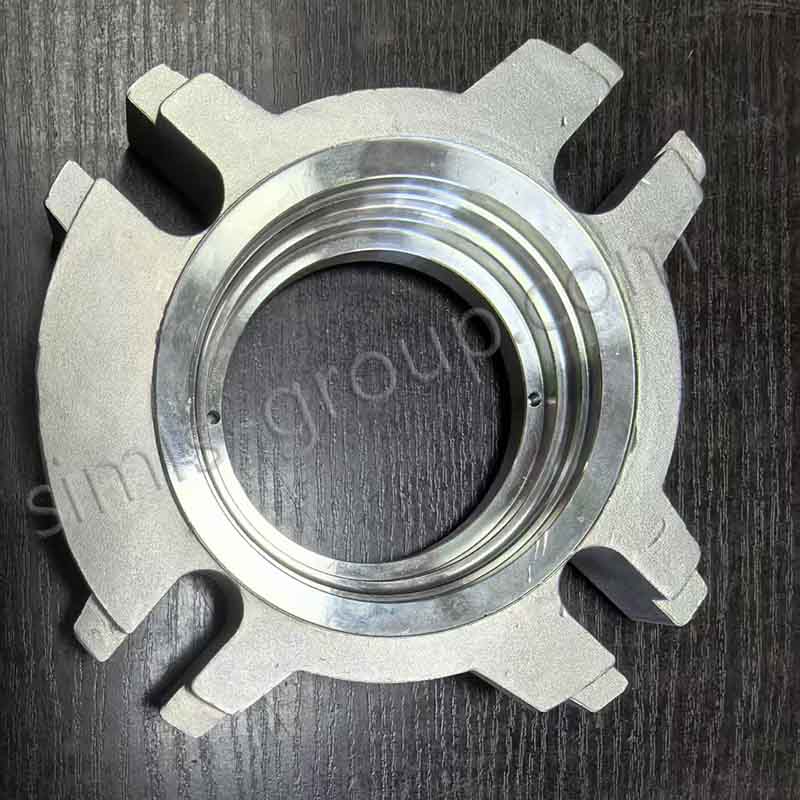
Cartridge Mechanical Seal

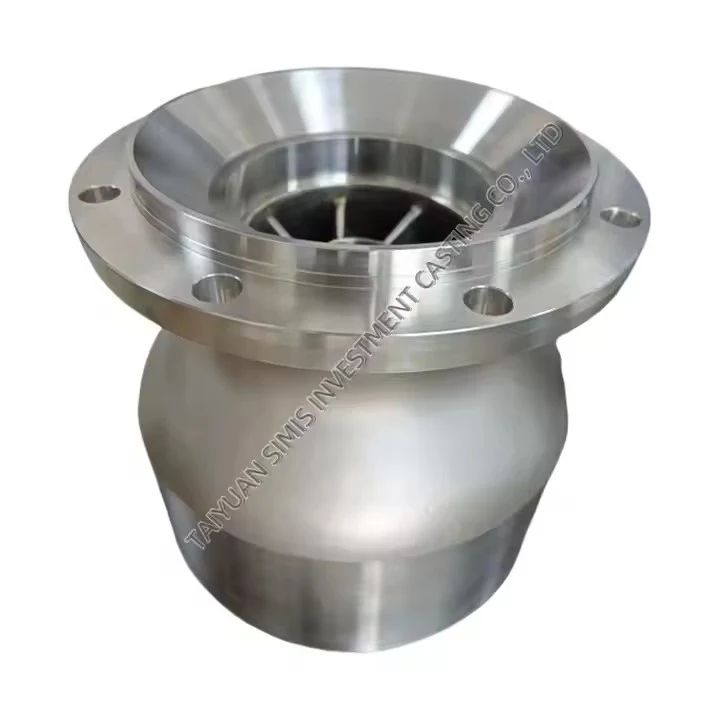
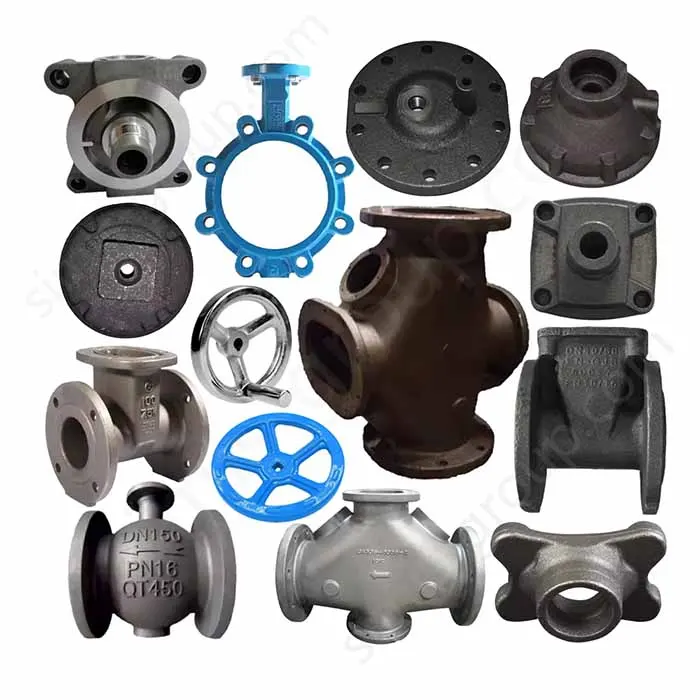
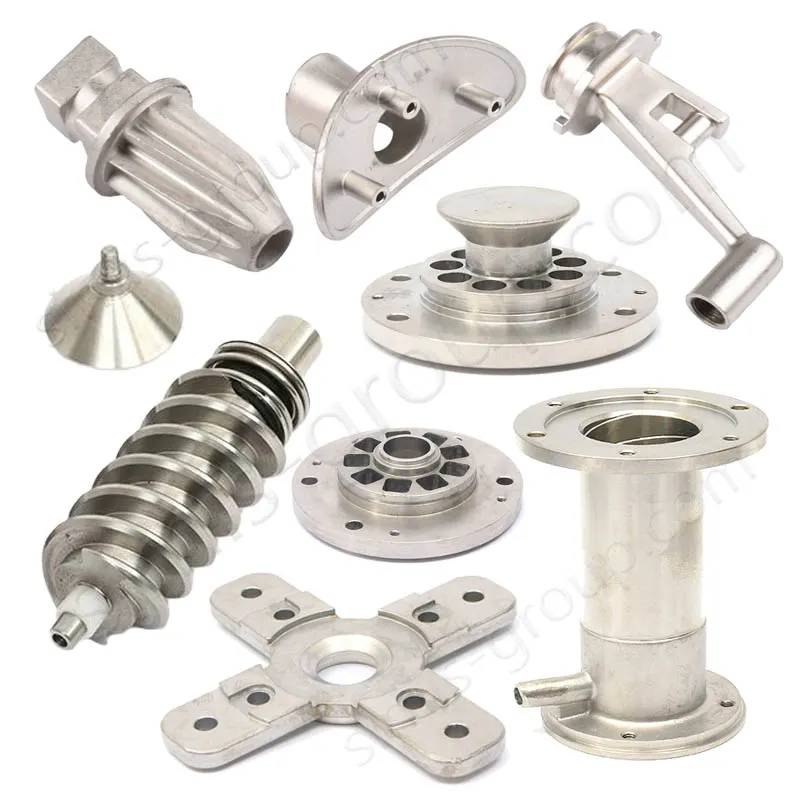
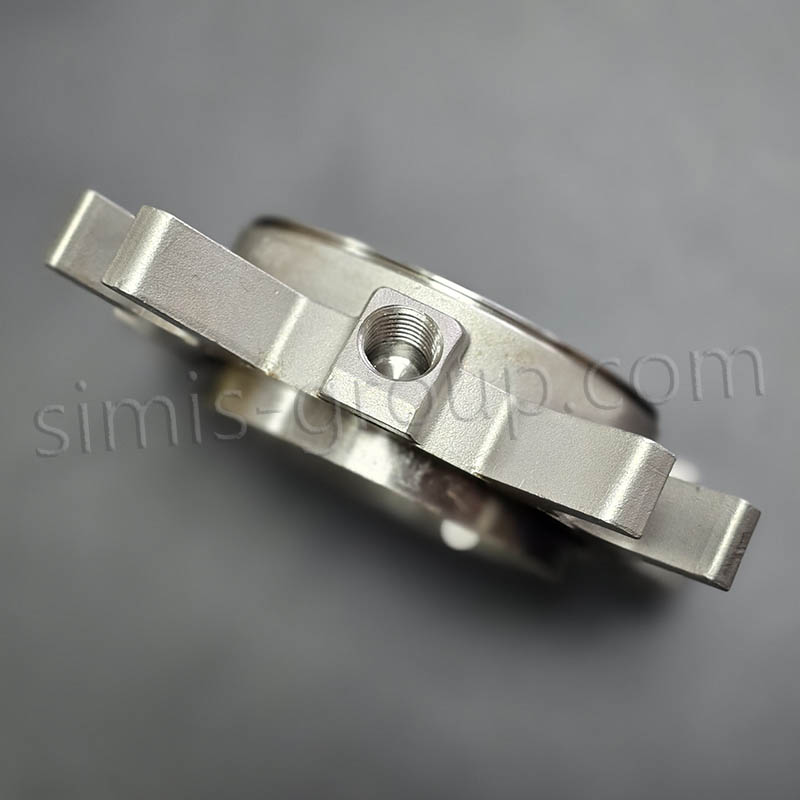
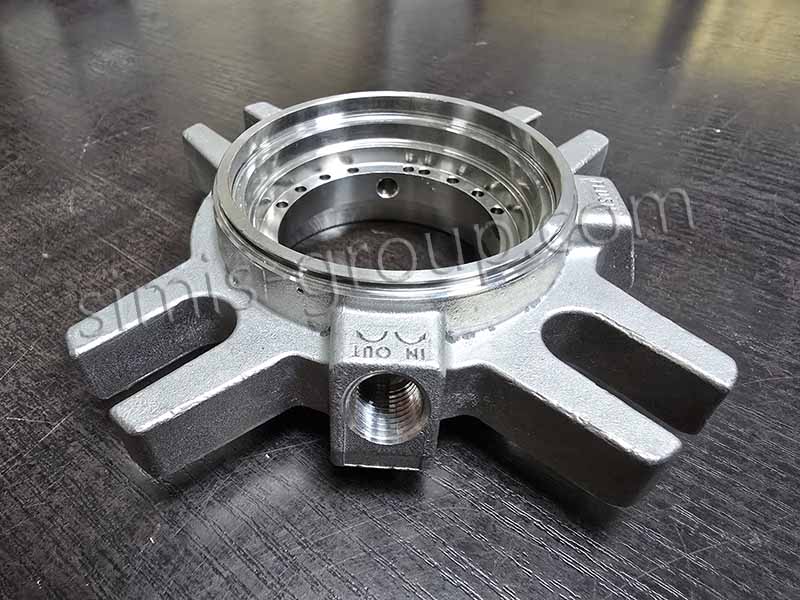
China Simis Company specializes in the custom manufacturing of Steel Cartridge Mechanical Seal Parts. These components—including the gland housing, sleeves, collars, and setting rings—form the essential stationary and rotary elements that prevent the leakage of process fluids in rotating equipment like pumps, agitators, and compressors. The integrity of the mechanical seal is vital for operational safety, environmental compliance, and machinery longevity.
Mechanical seal parts require exceptionally high dimensional stability, material density, and corrosion resistance to withstand high rotational speeds, system pressure, and exposure to corrosive or abrasive media (chemicals, food products, high-temperature water). We utilize a range of precision casting and forging techniques across Carbon, Alloy, and Stainless Steel to guarantee components that meet the demanding specifications of the petrochemical, pharmaceutical, and water treatment industries.
What Are the Component Classifications of Cartridge Mechanical Seal Parts?
This classification details how component requirements shift from static pressure containment to dynamic rotation and extreme precision for zero leakage. Each category is engineered to fulfill distinct functional roles within the seal assembly.
| Category | Component Name | Primary Functional Role | Key Performance Requirement | Typical Material & Process |
| Stationary Housing | Gland Plate, Housing Body, Static Ring Holders | Fixed to the equipment; contains system pressure; provides the mounting platform for the stationary sealing ring. | High Flatness, Zero Porosity, Chemical Compatibility, Pressure Integrity. | Investment Cast 316 SS (Corrosion); Sand Cast Alloy Steel (High Pressure). |
| Rotary Components | Rotary Collar, Sleeves, Drives, Drive Rings | Attaches to and rotates with the equipment shaft; transmits torque and positions the rotating sealing ring. | High Concentricity, Torsional Strength, Fatigue Resistance, Dimensional Stability. | Closed-Die Forged Alloy Steel/316 SS (Maximum Strength); Investment Cast Stainless Steel. |
| Sealing Interfaces | Sealing Ring Retainers/Holders | Provides the structural support and retention for the primary sealing rings (often Carbon or Ceramic, not metal components). | Extreme Perpendicularity to Shaft, Rigidity, Precision Locating. | Precision Investment Cast 316 SS; Precision CNC Machining. |
| Auxiliary & Retention | Setting Rings, Gland Bolts, Springs Seats | Aids in proper installation (setting rings); provides structural retention and compression force for the seal assembly. | High Tensile Strength, Corrosion Resistance, Dimensional Consistency. | Forged/Machined Alloy Steel/316 SS. |
What Core Manufacturing Processes Ensure Density, Precision, and Alignment of Mechanical Seal Parts?
Manufacturing must achieve near-perfect material density to ensure pressure integrity and extremely high geometric precision to maintain the alignment of the sealing faces. The selection of process is determined by component function, material grade, and performance requirements.
| Manufacturing Process | Material Focus | Key Advantage for Seal Parts | Specific Process Detail |
| Precision Investment Casting (Lost-Wax) | Stainless Steel, Alloy Steel. | Dimensional Precision and Complex Geometry. Ideal for intricate gland plates and collars, reducing machining on complex features and maintaining tight tolerance alignment critical for the seal environment. | Primary method for precision components requiring superior surface finish. |
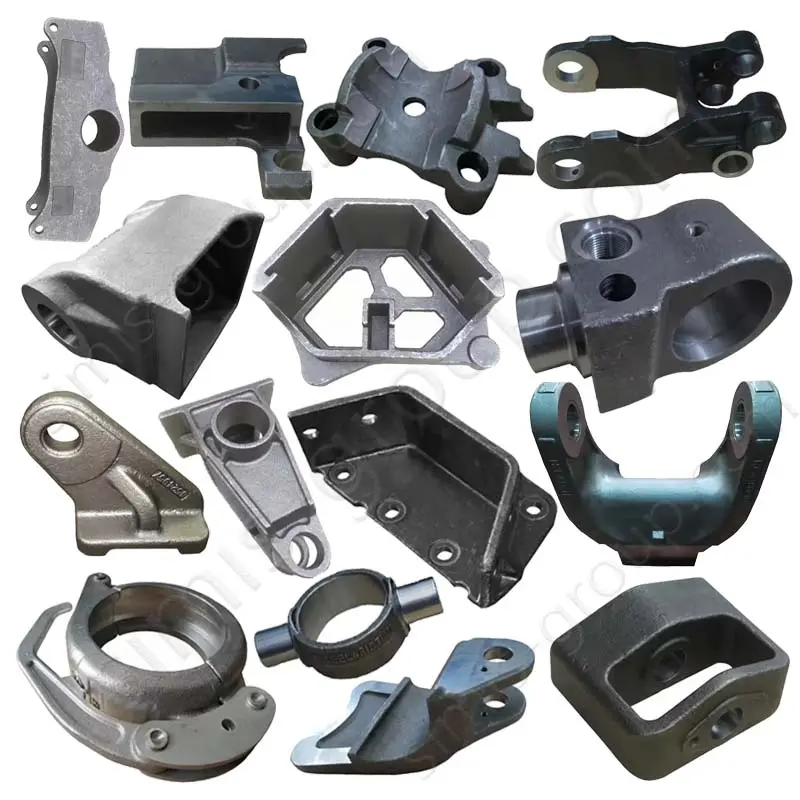
| Precision Closed-Die Forging | Stainless Steel, Alloy Steel. | Maximum Density, High Strength, and Fatigue Life. Used for sleeves, high-stress collars, and retention components to eliminate porosity and maximize the component's resistance to vibrational fatigue and pressure surges. | Guarantees structural integrity under continuous rotational stress. |
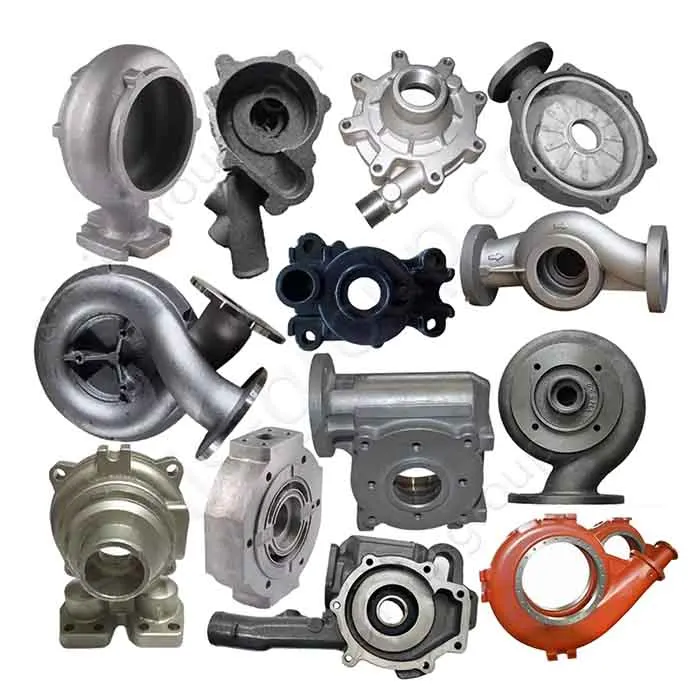
| Sand Casting / Shell Mold Casting | Carbon Steel, Alloy Steel. | Cost-Effective for Large Housings. Used for the main pump or compressor housings that form the stationary boundary for the cartridge seal assembly. | Used when thickness and overall structural rigidity are the main concerns. |
| Precision CNC Machining | All Steels. | Achieving Critical Tolerance and Flatness. Mandatory for all sealing faces, bore alignments, and gland surfaces to achieve the extreme flatness (Ra value) needed for zero fluid leakage. | Final step for all critical sealing and mounting interfaces. |
What Materials Ensure Chemical Resistance and Pressure Integrity of Cartridge Mechanical Seals?
Material selection is dictated entirely by the fluid being contained (corrosive nature, temperature, pH level) and the operating pressure of the system. We match material grades to application conditions to optimize performance and cost efficiency.
| Material Type | Primary Performance Focus | Typical Cartridge Seal Component Use |
| Stainless Steel (304/316) / Duplex | Maximum Corrosion and Chemical Resistance. | Components exposed directly to aggressive chemicals, pharmaceuticals, or food products. 316 is standard; Duplex is for high pressure/high chloride environments. |
| Alloy Steel (e.g., CrMo Grades) | High Pressure, High Temperature Strength, and Wear Resistance. | Sleeves and collars in heavy-duty petrochemical pumps and compressors where high strength at elevated temperatures is required. |
| Carbon Steel | High Mechanical Strength and Cost-Effectiveness. | Gland Housings and Static Components in water treatment or general industrial applications where chemical exposure is moderate. |
What Quality Assurance Measures Ensure Alignment and Zero-Leak Guarantee of Mechanical Seal Parts?
QA protocols ensure the components are dimensionally perfect to guarantee the integrity of the dynamic seal and long-term machinery performance. Every inspection step is calibrated to eliminate defects that could cause seal failure.
·Dimensional Inspection:
CMM Verification of critical bore concentricity, gland face flatness, and squareness to the shaft centerline is mandatory to prevent misalignment that leads to premature seal failure.
·Non-Destructive Testing (NDT):
Magnetic Particle Inspection (MPI) and X-ray Radiography (RT) are used on forged and cast components to check for internal flaws or porosity that could compromise strength under high pressure.
·Surface Finish:
Verification of surface roughness (Ra) on gland and housing faces, ensuring the level of finish is adequate for the dynamic seal environment.
What Are the Application Areas of Custom Cartridge Mechanical Seal Parts for Fluid and Process Control?
Our seal components are engineered for machinery operating in demanding process control environments where reliability is paramount. Each sector requires tailored material and process solutions to address unique operational challenges.
| Application Sector | Typical Equipment Component Focus | Primary Challenge | Recommended Material Focus |
| Petrochemicals & Refinery | Pump Glands, Compressor Sleeves. | High Pressure, High Temperature, Corrosive Hydrocarbons. | Alloy Steel (Forged) or Duplex Stainless Steel (Investment Cast). |
| Pharmaceuticals & Food | Agitator Seals, Pump Housings. | Sterilization/Sanitation, Chemical Compatibility, Zero Contamination. | Stainless Steel 316 (Investment Cast). |
| Water Treatment | Pump Housings, Gland Plates. | Corrosion from Treated Water/Chemicals, Continuous Operation. | Carbon Steel (Sand Cast) or Stainless Steel (Investment Cast). |
What Are the Advantages of Simis Custom Casting Mechanical Seal Parts?
Simis provides high-integrity mechanical seal components through a custom manufacturing approach that prioritizes precision and material integrity tailored to the application. Our solutions address the root causes of seal failure in harsh operating environments.
·Application-Specific Alloy Selection:
We customize the stainless steel alloy grade (304, 316, Duplex) based on the exact chemical composition of the process fluid (e.g., high chloride/acidic), ensuring optimal corrosion resistance and extending service life.
·Guaranteed Sealing Face Alignment:
Our combined Investment Casting and CNC machining processes ensure the flatness and perpendicularity of the gland housing faces are maintained to micron tolerances, eliminating the primary cause of seal leakage.
·Density for High Pressure:
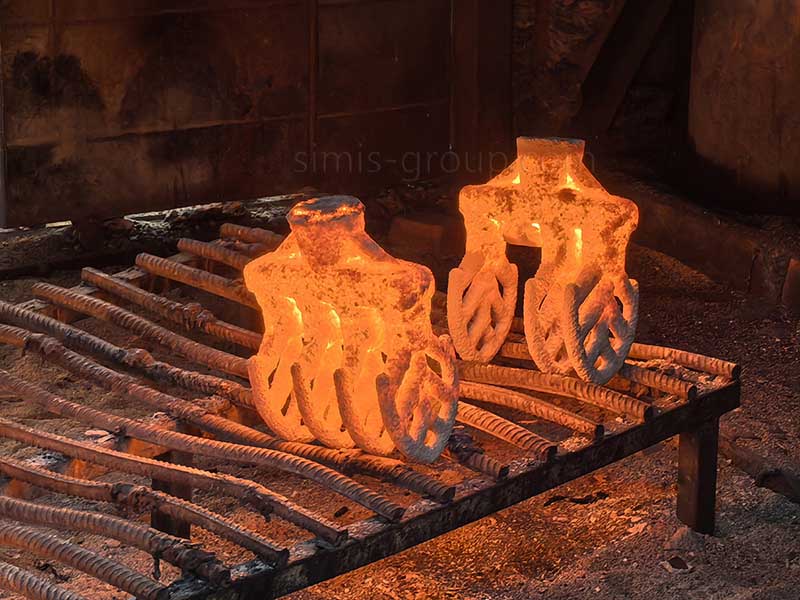
Utilization of Closed-Die Forging for critical sleeves and collars ensures maximum material density, providing the structural resilience needed for high-pressure compressor and pump applications.
·Design for Modularity:
Custom solutions allow us to cast complex internal features for seal circulation and cooling systems, enhancing the performance and efficiency of the overall cartridge assembly.
How to Get a Quote for Custom Steel Cartridge Mechanical Seal Parts?
China Simis Company is your expert partner for custom casting and forging high-precision steel mechanical seal components, providing solutions engineered for zero leakage, chemical compatibility, and long service life. To receive a detailed and accurate quotation for your project, please submit the following key technical documents and specifications to our professional engineering department:
2D technical drawings or 3D CAD models of the seal components
Specified material grade (e.g., Forged 316L SS, CrMo Alloy Steel)
Critical tolerance requirements (concentricity, flatness, surface roughness Ra value)
Process fluid details (chemical composition, temperature, pressure parameters)
Expected annual production volume and delivery timeline
Our engineering team will conduct a comprehensive feasibility analysis, including design optimization recommendations to enhance seal performance, and provide a full quotation package covering unit pricing, tooling costs, production lead time, quality control protocols, and delivery terms.