Custom Stair Handrail Components Manufacturer
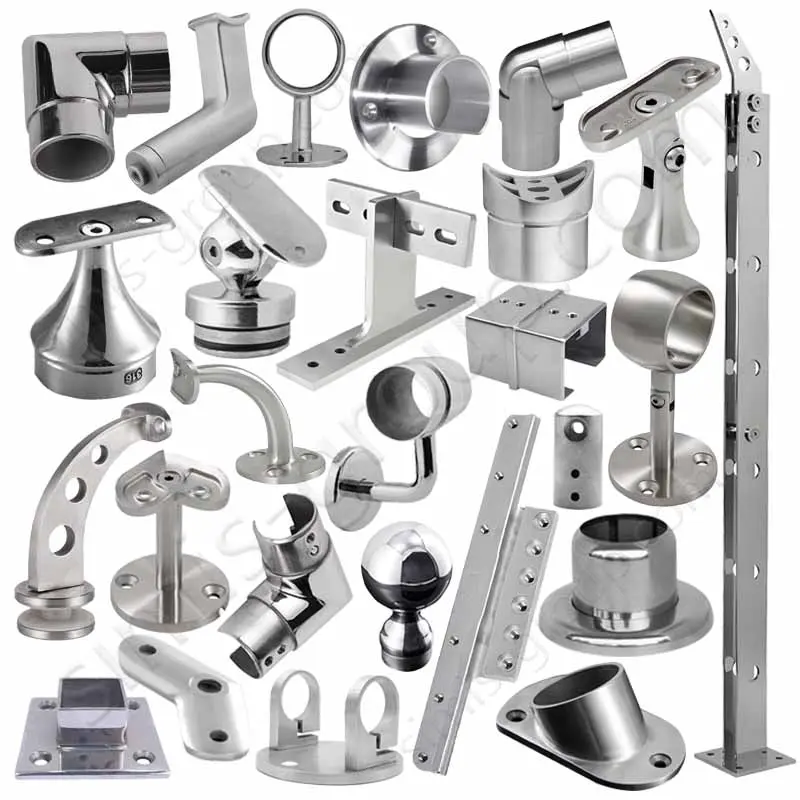


Stair Handrail Components

Custom Stainless Steel Stair Handrail Components: Manufacturing FAQs
Can SIMIS manufacture stainless steel handrail fittings from our drawings?
Yes. SIMIS provides OEM manufacturing support for custom stainless steel handrail fittings based on customer-supplied 2D drawings, 3D CAD files, material specifications, and project requirements. Parts such as handrail brackets, elbow connectors, wall flanges, glass clamps, and end caps can be reviewed for investment casting, machining, and finishing feasibility. Final manufacturability and quotations depend on the drawing and required quantities.
Which manufacturing process is suitable for custom handrail brackets and connectors?
For small, intricate stainless steel fittings, investment casting (lost-wax casting) may provide a near-net-shape starting point. Precision machining is then considered for threads, screw holes, tube seats, and other functional interfaces. Simpler geometries or larger assemblies may need a different manufacturing route. SIMIS evaluates the suitable combination rather than assuming every part needs the same process.
Should we specify 304, 316/316L, or duplex stainless steel?
Material selection depends on exposure to moisture, cleaning chemicals, chlorides, appearance expectations, structural loads, and the required product standard. Grade 304 is often considered for general indoor service; 316/316L can be preferable where chloride exposure is more demanding; duplex stainless steel may be evaluated for particular strength and corrosion requirements. A cast alloy must be specified using an appropriate casting grade where applicable; a wrought grade name alone is not a complete casting specification.
What should be included in an RFQ for custom stair handrail components?
Provide part drawings or 3D models, stainless steel grade or casting specification, mounting-hole locations, mating tube or glass dimensions, required surface finish, intended indoor or outdoor environment, estimated quantities, and any project-specific load, inspection, or compliance requirements. These details allow the manufacturing route, tooling, machining operations, and inspection plan to be assessed before quotation.
OEM Stainless Steel Handrail Fittings Made to Your Specifications
Stainless steel stair handrail components combine visible architectural appearance with demanding fit and attachment requirements. A polished bracket may appear simple, but the positions of its fastener holes, angle of the tube saddle, interface to the wall, and condition of the finished surface can all determine whether it assembles correctly on site. SIMIS focuses on custom metal component manufacturing rather than selling a fixed catalogue of finished railing systems.
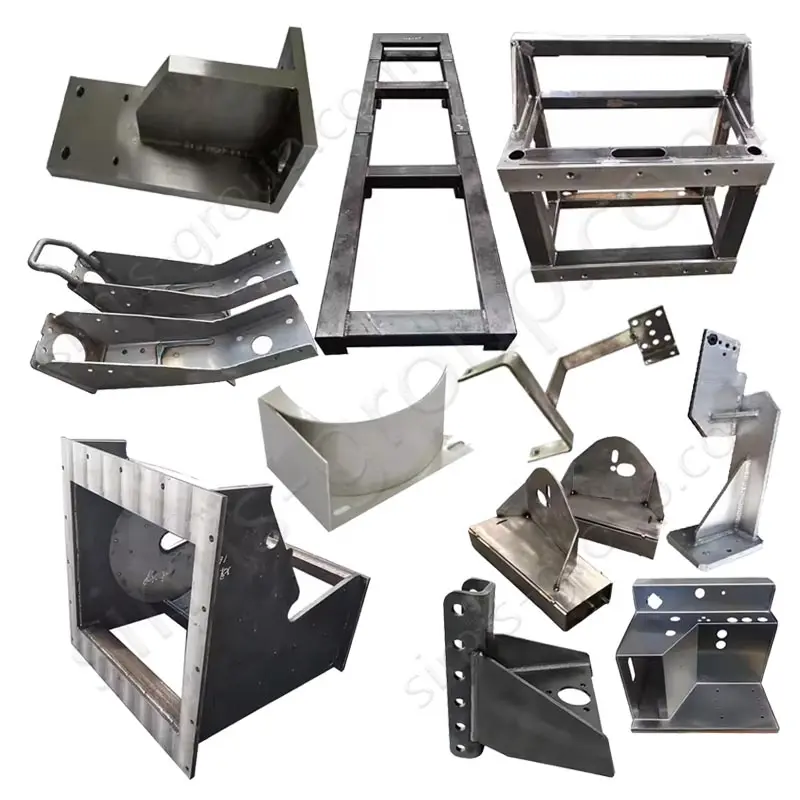
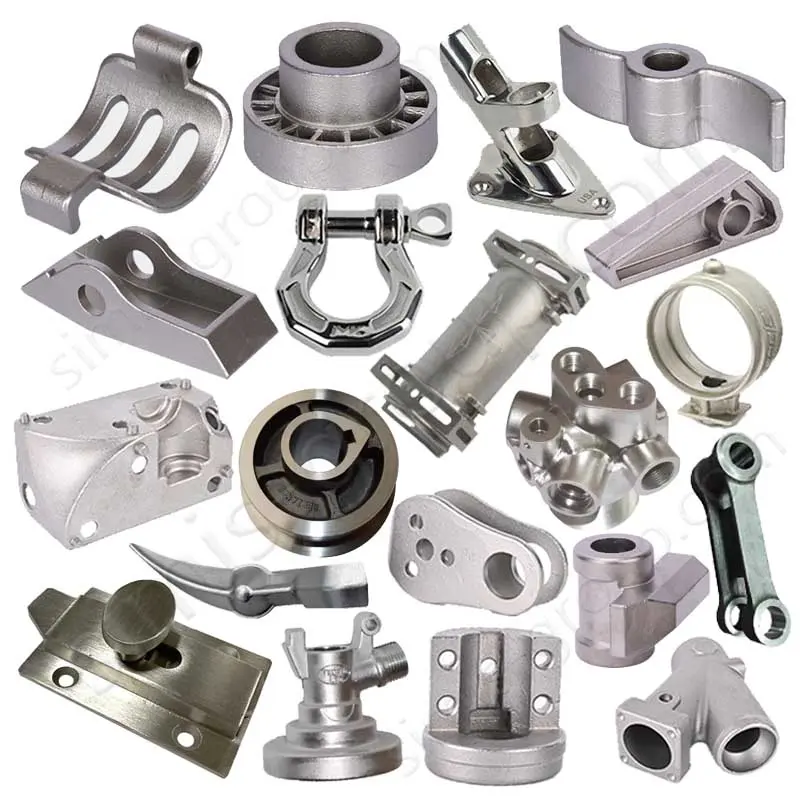
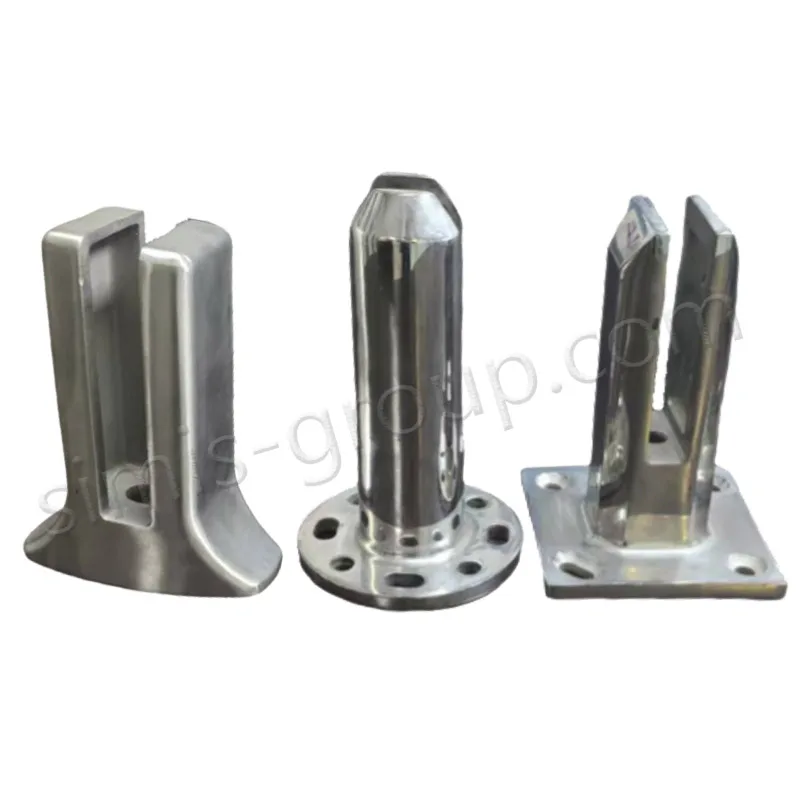
Typical drawing-based inquiries include wall-mounted handrail brackets, adjustable handrail supports, elbows and tube connectors, post base fittings, decorative end caps, rosettes, and selected glass-clamp hardware. Each design is reviewed individually for part geometry, material, surface finish, quantities, and necessary verification.

Handrail Components and Their Manufacturing Priorities
Different fittings in the same railing system have different engineering requirements. The table below highlights typical points to define on the drawing rather than applying a universal tolerance to every component.
| Component type | Important design features | Typical manufacturing consideration |
|---|---|---|
| Handrail brackets and wall flanges | Mounting-hole spacing, saddle angle, flatness, fastener clearance | Cast or fabricated blank with precision-machined mounting interfaces as needed |
| Elbows, tube saddles and connectors | Tube outer diameter, joint angle, engagement length, gap control | Near-net-shape casting or other suitable route, followed by interface finishing |
| Glass clamps and spigots | Glass thickness, gasket seats, clamping geometry, fastener position | Dimensionally consistent interfaces; assembly and load requirements set by the system designer |
| End caps, rosettes and finials | Visible surfaces, decorative detail, edge transitions | Surface-ready geometry; polishing allowances and appearance sample approval |


Manufacturing Routes: Casting, Machining and Finishing
Investment casting for intricate stainless steel shapes
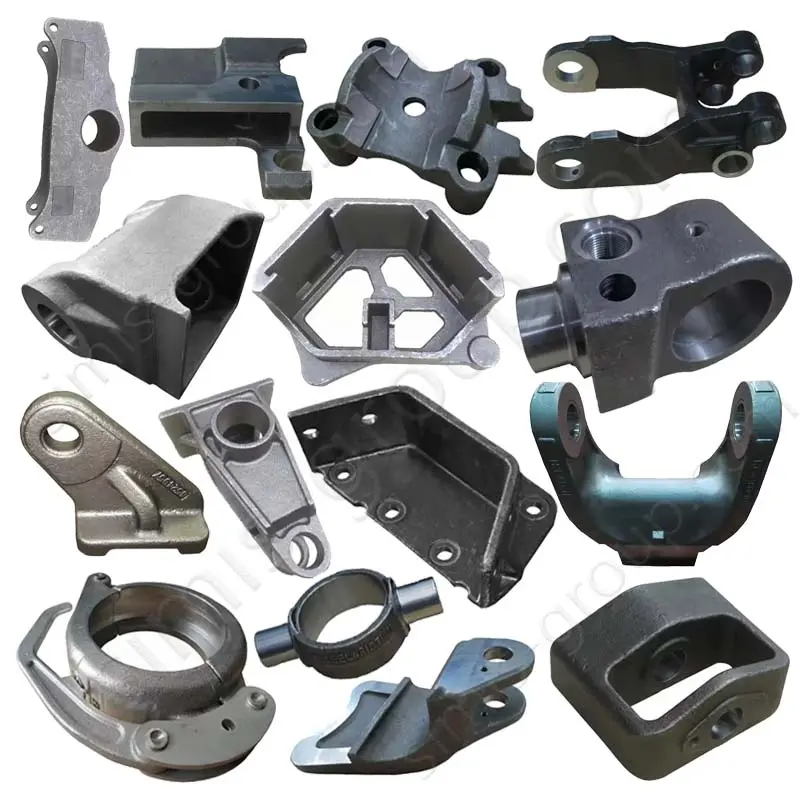
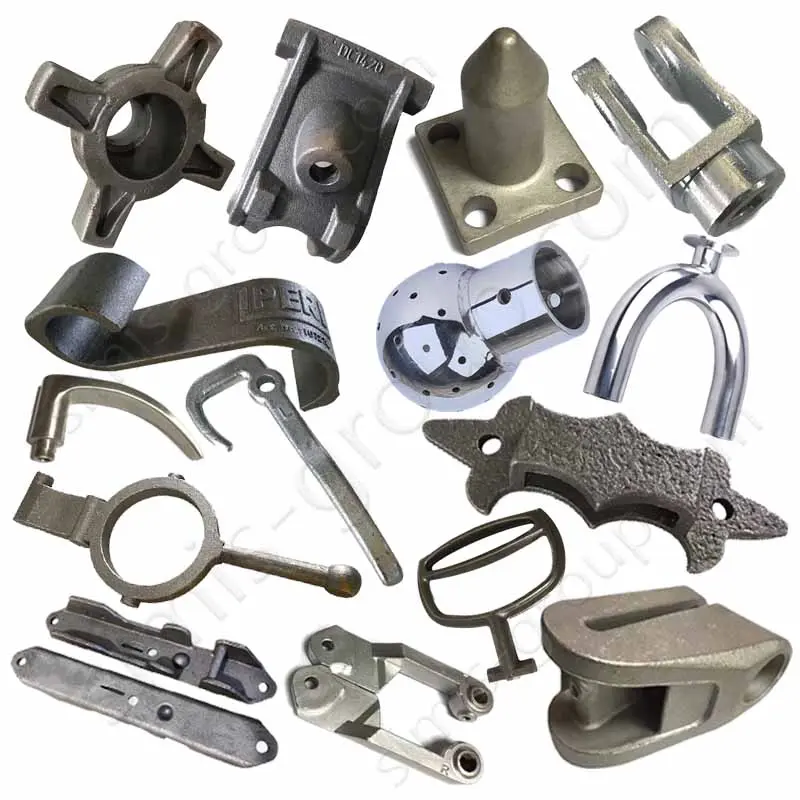
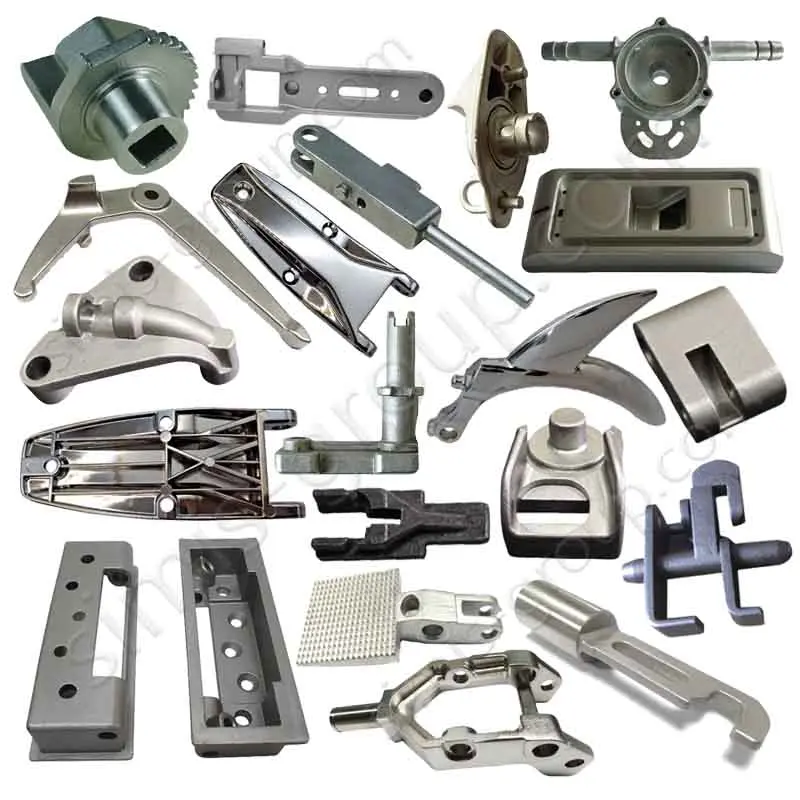
Stainless steel investment casting can be a useful option for small fittings with curved surfaces, integrated bosses, decorative contours, and shapes that would be inefficient to cut entirely from solid stock. During manufacturability review, key factors include wall-thickness transitions, fillet radii, draft or pattern constraints, accessible surfaces, and the locations where later machining is required.
Casting alone does not determine the final assembly tolerance or surface appearance. Functional fits and highly visible surfaces may need post-casting machining, grinding, or polishing. For other dimensions or production volumes, alternate routes should be assessed against tooling and piece-part cost.

CNC machining for assembly-critical interfaces
CNC machining may be used to finish threaded holes, bolt patterns, flange faces, tube seats, and locating surfaces. A good drawing should identify the functional datums so that mating parts are dimensioned consistently. In glass-related fittings, specify the mating glass or gasket dimensions and the intended assembly arrangement instead of relying on nominal part size alone.

Surface finishing for architectural appearance
Visible fittings may require brushed/satin, mechanically polished, or mirror-like finishes. Surface treatment and finishing requirements should define the visible zones, acceptable tooling marks, direction of brushing where relevant, surface texture if measurable, and any sample-approval process. Surface preparation may include removal of casting gates, blending, and suitable cleaning or passivation requirements, depending on the alloy and specification.
A mirror appearance cannot be guaranteed solely by naming the casting process. Tooling strategy, underlying surface integrity, part shape, polishing access, and the approved finish standard all influence the result.

Stainless Steel Material Selection for Handrail Hardware
The material should suit the intended environment as well as the selected manufacturing process. When investment casting is specified, the buyer and manufacturer should agree on the applicable cast grade and governing standard rather than treating all wrought stainless-steel designations as direct casting equivalents.
| Material option | Typical selection rationale | Points to confirm |
|---|---|---|
| 304-family stainless steel | General corrosion resistance and clean architectural appearance for many indoor uses | Exposure to cleaning agents, target finish, actual material specification |
| 316 / 316L-family stainless steel | Often selected where moisture and chloride exposure require improved resistance | Coastal conditions, crevices, cleaning regime, grade and surface condition |
| Duplex stainless steel / suitable cast equivalent | May be considered for particular combinations of strength and localized-corrosion performance | Actual casting availability, heat treatment, applicable specification and inspection requirements |
Even corrosion-resistant stainless steel can stain or corrode under unsuitable conditions, especially where salts or deposits remain trapped. Material selection, finish, installation design, and maintenance all matter.

Critical Design and Quality Checks Before Production
For architectural handrail fittings, a visually attractive surface is not a substitute for verified structural suitability. The part drawing, project specification, and applicable local codes determine what must be measured or tested. SIMIS can discuss an inspection plan based on the exact component and its intended use; compliance cannot be assumed without defined requirements and supporting records.
Dimensional and fit verification
Typical checks include mounting-hole spacing, hole diameter or thread condition, flange flatness, bracket projection, pipe-seat angle, and mating clearances. Where specified, gauges or coordinate-measuring equipment can be considered to validate critical interfaces before finishing and shipment.
Material identity and surface acceptance
Depending on the order, the quality control plan may identify chemistry or material-document checks, visual surface inspection, relevant dimensional records, and agreed acceptance criteria. For polished fittings, define appearance by reference samples and viewing conditions where practical; terms such as “flawless” are not sufficient inspection specifications.
Project-specific loading and code requirements
Brackets, base fittings, and glass-support parts may contribute to a safety-related railing assembly. The responsible railing designer must specify installation details, service loads, fasteners, substrate conditions, and the relevant building or project standards. Component-level proof or load testing should be agreed only when applicable and supported by an appropriate test plan.

Where Custom Stainless Steel Handrail Fittings Are Used
Applications may include interior stairs, commercial lobbies, hospitality projects, balconies, outdoor walkways, and glass-rail systems. The appropriate fitting for one location may be unsuitable for another: for example, a decorative indoor end cap has different demands from a glass-support component exposed to coastal air. The same drawing-led approach also applies to related products such as custom glass spigots and architectural metal hardware.

How to Request a Quote for Custom Stainless Steel Stair Handrail Components
SIMIS reviews custom part requirements to identify feasible manufacturing and finishing routes. To help make the quotation meaningful, please include the following information:
2D drawings or 3D CAD models, with critical dimensions and tolerances marked.
The required stainless steel grade or casting material specification.
Mating pipe, glass, gasket, mounting, and fastener dimensions where relevant.
Surface appearance requirements (brushed, satin or polished), preferably with a reference sample.
Environmental exposure, any engineering load/inspection requirements, and applicable project standards.
Prototype needs, expected batch size, annual volume, and requested delivery schedule.
With these details, the proposed process, tooling approach, machining scope, surface preparation, and inspection needs can be reviewed for quotation. Send your drawings to info@simis-group.com or use the contact form to discuss your OEM stainless steel handrail fitting project.