Custom Brake Drum Manufacturer
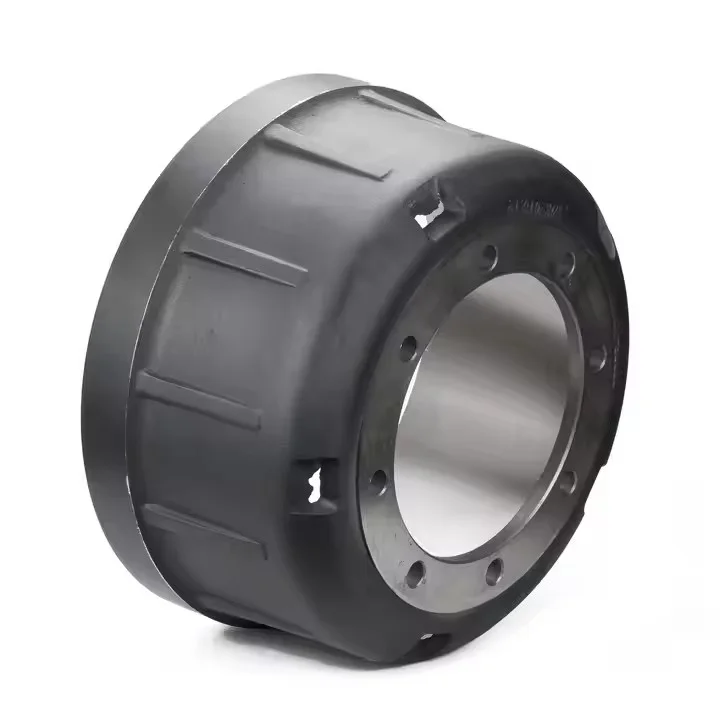


Brake Drum

Can SIMIS manufacture custom brake drums from our drawings?
Yes. SIMIS works on drawing-based OEM projects for brake drum castings and machined metal components. Customers can request gray iron casting blanks or components machined to the approved specifications. Please provide the drum design, material grade, friction-surface dimensions, mounting interface, order quantity and required documentation. Manufacturing feasibility and the final supply scope are confirmed during quotation; a brake drum casting is not automatically a fully validated brake system.
What casting process is suitable for a custom brake drum?
Sand casting is a common starting point for one-piece gray iron brake drums, particularly larger truck, trailer and industrial designs. Shell mold casting may be evaluated for selected geometries and volumes where the casting size and tooling economics are suitable. Both normally require machining of the friction inside diameter and critical mounting features. The choice is made against the drawing rather than assuming one casting process suits every drum.
Is gray cast iron or ductile iron better for a brake drum?
Gray cast iron is widely used for brake drum friction surfaces because it offers a useful combination of machinability, damping and thermal characteristics. Ductile iron has different mechanical and graphite characteristics and should only be selected where the OEM has qualified it for that design. Material substitution requires approval based on thermal behavior, friction pairing, fatigue conditions and the applicable product specification.
Which brake drum dimensions are critical during CNC machining?
Common critical characteristics include the nominal friction inside diameter, inner braking width, bore circularity (out-of-round), radial runout, concentricity to the mounting datum, mounting-face geometry, pilot diameter, bolt-circle position and minimum wall thickness. The drawing should also define measurement conditions and, where applicable, the maximum permitted service diameter. Tolerance values cannot be determined from a generic product description.
What information do you need for an OEM brake drum quotation?
Send 2D production drawings or 3D CAD files, the vehicle or equipment application, specified cast iron grade, overall dimensions, friction bore and mounting details, quantity, any mating hub information and the inspection requirements. Please also state whether you need a raw casting or a finished machined component, as well as any material records, balance criteria, markings or customer validation documents required for the program.
OEM Brake Drum Castings and Machined Components to Your Drawings
A brake drum provides an internal cylindrical friction surface for drum brake shoes. During braking, friction generates heat and mechanical loads in the drum wall and mounting region. For the manufacturer, the central challenge is producing a sound metal blank and machining the friction bore in the correct relationship to the installation features. The design and acceptance criteria remain those of the OEM or brake-system developer.
SIMIS supports buyers seeking custom cast iron brake drums, heavy-duty brake drum castings and machined drum components rather than retail replacement parts. We review the casting envelope, machining allowances, material callouts and inspection datums in the customer drawing. Whether the component is for a commercial vehicle, agricultural machine or industrial brake, the quote is based on its specified geometry and manufacturing scope.

Brake Drum Designs and Manufacturing Options
Brake drums differ significantly in size, outer contour, mounting architecture and service conditions. The manufacturing plan should be chosen for the actual component and the approved friction material, not from the name “brake drum” alone.
| Design or OEM component | Potential manufacturing route | Drawing considerations |
|---|---|---|
| One-piece gray iron brake drum | Sand-cast gray iron blank followed by turning, boring and drilling | Friction bore, wall section, mounting datum, fillets, material grade and batch quantity |
| Externally ribbed or finned drum | Cored or patterned sand casting; shell mold casting for suitable geometry | External fins or ribs, section transitions, castability, machining allowance and mass distribution |
| Hub-integrated drum design | Approved iron casting with finish-machined mounting and bearing-related interfaces | Pilot and mounting datums, hub geometry, hole pattern, local section thickness and fixture strategy |
| Special composite drum construction | Specified shell or structure with a separate qualified friction liner, as approved by the OEM | Material pairing, attachment or bonding method, thermal behavior and complete-system validation |
| Industrial machinery brake drum | Cast and/or machined metal blank according to component function | Mounting style, brake-band or shoe contact surface, operating speed and project-specific inspection criteria |
Sand Casting for Gray Iron Brake Drum Blanks
Sand casting can form the thick cylindrical walls, mounting features and outer profiles found in many truck and equipment drums. Parting-line selection, gating, feeding, section changes and solidification behavior influence casting quality. The blank also needs enough material for the finished friction bore and the specified mounting surfaces without producing unnecessary machining stock.
For a larger drum, foundry review should pay attention to abrupt wall changes, thermal hot spots, core positioning where applicable and the relationship between casting dimensions and post-cast machining. Tooling and sampling plans are agreed based on quantity and the critical features in the drawing.
Shell Mold Casting for Selected Brake Drum Geometries
Shell mold casting can be considered when a part size and production program suit that process. It may provide repeatable features and a consistent molding surface, but it does not eliminate the need to finish-machine the drum bore or verify its mounting relationship. Process choice depends on the required material, geometry, target volume and approved production route.
Why the Friction Bore Still Needs Precision Machining
Casting produces the main metal form; subsequent CNC machining creates the working inside diameter and specified installation interfaces. The sequence may include locating against cast or machined datums, turning the friction track, machining the mounting face and pilot, drilling the bolt pattern, and checking the finished dimensions. A stable setup helps prevent errors caused by using inconsistent reference surfaces.

Materials for Custom Brake Drum Manufacturing
Gray Cast Iron for Brake Drum Friction Surfaces
Gray cast iron is a widely used choice for automotive and heavy-duty brake drums. Its flake graphite microstructure contributes to useful vibration damping and thermal behavior, while the alloy and foundry process influence strength, hardness and machinability. The buyer should specify the appropriate grade and acceptance criteria, rather than requesting “cast iron” without a material designation.
SAE J431 is an example of an automotive gray iron casting specification that may be referenced by an OEM. An actual project must identify its required revision, grade and any additional inspection instructions. Referencing the standard in a manufacturing discussion does not establish that every SIMIS drum is certified or approved to it.
Ductile Iron and Special Material Requests
Ductile iron can provide higher tensile strength and different impact behavior than typical gray iron, but its graphite morphology and thermal response also differ. It should not be presented as an automatic upgrade for a friction drum. The manufacturer must follow the material qualified in the customer design, including any needed test coupons, hardness conditions or metallurgical acceptance criteria.
Some lightweight brake drum concepts use aluminum structures with a specified iron friction liner. An unlined aluminum casting is not a direct substitute for a conventional gray iron friction drum. Any composite or unusual alloy arrangement requires design-specific engineering and verification of the finished construction. For the broader range of cast iron components, see SIMIS iron casting manufacturing services.
Critical Machining Dimensions for Brake Drum Fit and Function
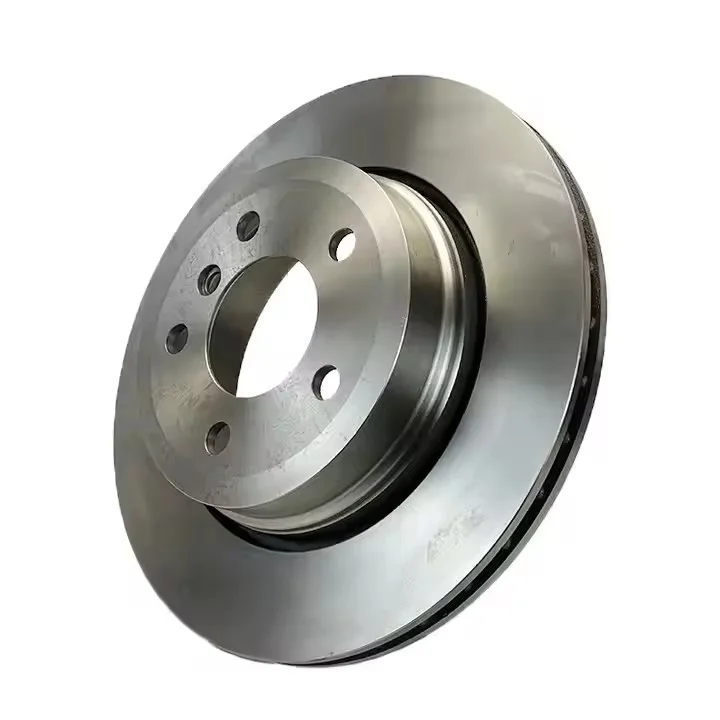
A brake drum differs from a brake disc: its braking track is on the inside cylindrical surface, not on two opposing flat faces. Accordingly, the main machining and inspection priorities focus on bore geometry, wall sections and correct mounting location.
Nominal friction inside diameter (ID): establish the specified bore size and surface condition in the new component, together with the approved machining allowance.
Out-of-round and bore geometry: evaluate variation around the friction circle at the measurement locations designated on the drawing.
Radial runout and concentricity: measure the friction ID relative to the specified hub pilot or mounting datum; the datum scheme and fixture matter.
Braking width and wall thickness: verify the usable friction track, shoulder geometry, wall distribution and applicable minimum dimensions.
Pilot bore, bolt-circle diameter and mounting face: inspect the features that locate and secure the drum to the mating hub or wheel.
Surface finish: finish the internal braking track to the OEM-specified roughness and machining texture; suitability depends on the chosen friction pair.
Maximum service diameter and identification: apply customer-approved limits and any marking instructions if specified; the allowable worn diameter is not a generic value.
Balance requirements may be relevant to some rotating drum designs, particularly larger or higher-speed applications. They are not a universal step that every customer order requires. When balance checking is part of the specification, the agreed method, datum, tolerance and any permitted material-removal locations should be established before production. Similarly, out-of-round and runout limits must be defined for the component; a manufacturer cannot infer a universally safe value from the product category.
Material Verification, Casting Inspection and OEM Acceptance
Brake drums are safety-related components. A manufacturing inspection plan can help establish whether a casting and its machined dimensions meet the purchasing specification, but it cannot substitute for validation of the complete vehicle or machinery brake system.
Material chemistry and hardness: check the specified gray iron or approved alternate grade against the customer-required acceptance limits.
Microstructure examination: use metallographic methods where specified to evaluate graphite and matrix characteristics. Ultrasonic testing is a separate technique and does not by itself identify graphite morphology.
Casting integrity: perform visual examination and any agreed nondestructive testing or additional evaluations appropriate to the component.
Dimensional checks: record friction ID, roundness-related characteristics, runout, mounting face, pilot and bolt-hole positions as required.
Balance or other special testing: carry out project-defined checks when included in the purchase specification and achievable within the agreed supply scope.
Traceability and records: agree on batch identification, inspection reports, test certificates and sampling requirements before production.
Requirements for thermal cycling, brake torque, stopping performance and full system compliance belong to the customer-defined design and validation program. We do not treat a dimensional inspection report or a material test certificate as evidence of a completed brake-system approval.
Typical OEM Applications for Brake Drum Castings
Commercial Trucks, Trailers and Heavy Vehicles
Large-diameter iron brake drum designs may serve commercial-vehicle and trailer programs. The engineering focus commonly includes thermal cycling, mounting accuracy, casting structure and repeatability across production lots. Individual truck drum requirements can vary considerably with the axle and brake assembly.
Construction and Agricultural Machinery
Off-road machinery may have different envelope constraints, contamination exposure, service speeds and mounting arrangements from road vehicles. The customer drawing determines whether the component is a conventional internal-shoe brake drum or an application-specific rotating brake part. The manufacturing approach should account for the actual operating conditions without assuming all heavy equipment shares one drum design.
Industrial Braking and Specialized Equipment
Industrial brake drums can involve external bands, internal shoes or other equipment-specific mechanisms. Such parts may have distinct mounting patterns and working surfaces even when their outer shape resembles an automotive drum. The same drawing-based manufacturing approach applies, but the dimensions and inspection targets must reflect the actual mechanism.
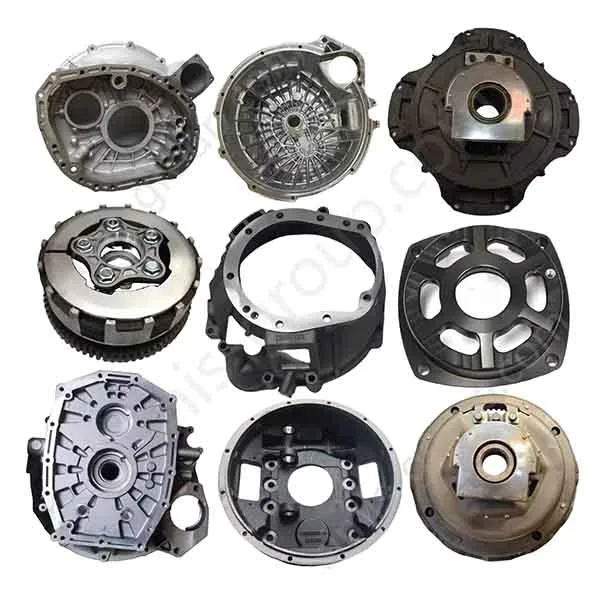
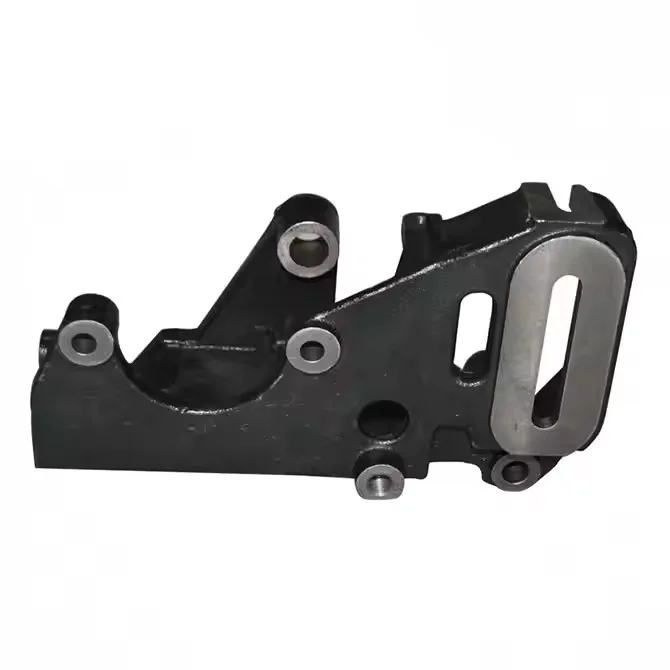
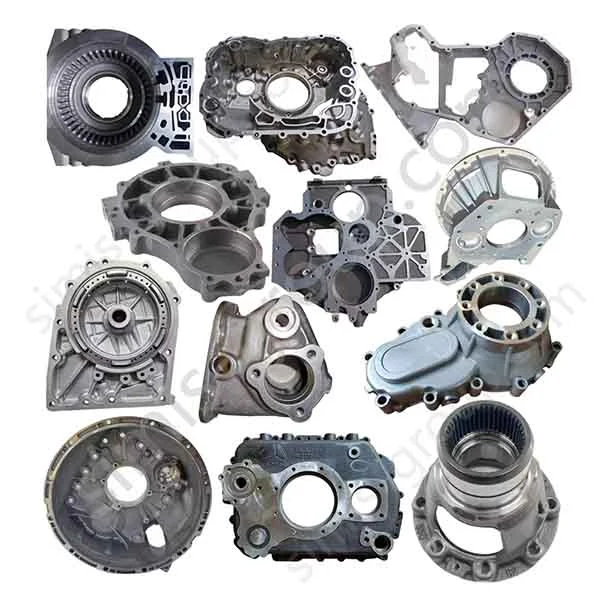
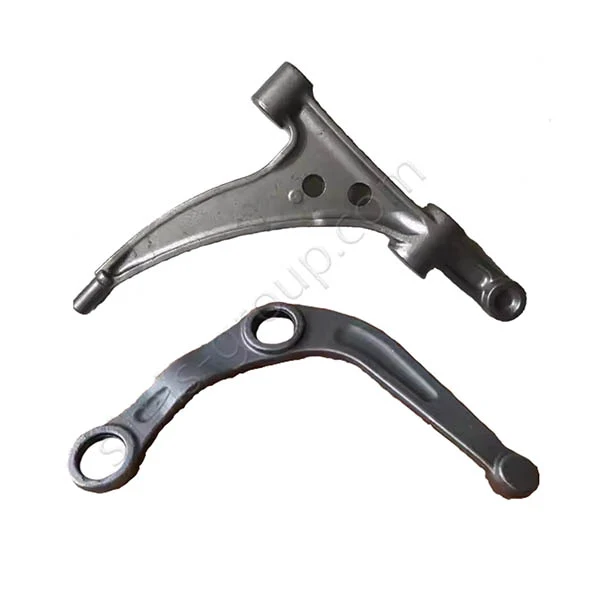
For complementary friction and mounting components, explore custom brake disc manufacturing and custom brake caliper components. More related OEM metal applications are shown under automotive and truck castings and forgings.

Request a Quote for Custom Brake Drums
SIMIS supports OEM purchasing teams that need custom iron castings and machined brake drum components made against approved technical drawings. Our manufacturing review focuses on the intended supply condition: raw casting, rough-machined blank or finished machined metal component. The quotation can then address tooling, sampling, production quantity, machining and the agreed inspection deliverables.
Drawing package: 2D production drawing and 3D model where available, with revision control and dimensioning datums.
Brake drum definition: nominal friction ID, braking width, overall dimensions, wall requirements, pilot, bolt pattern and mounting-face details.
Material requirements: approved gray iron grade or other specified alloy, hardness and any material test records.
Production information: estimated order quantity, annual demand, required supply condition and target delivery arrangements.
Validation and inspection: dimensional tolerances, balance criteria if applicable, metallurgical requirements, traceability and customer-specific standards.
To discuss a drawing-based OEM project, contact SIMIS or email info@simis-group.com with your drawings and request for quotation. We can review suitable casting and machining routes according to the information supplied.