Custom Tow Hook Manufacturer


Tow Hook

Custom Tow Hook Manufacturing FAQs
Can SIMIS manufacture tow hooks to our drawings rather than supply standard replacement hooks?
Yes. SIMIS focuses on OEM metal parts made from customer-provided 2D drawings, 3D CAD models and technical specifications. Hook shape, shank or mounting flange, hole pattern, material, finish and inspection requirements are reviewed for the intended assembly. The manufacturing route and commercial terms are evaluated per project; this page is not a catalog of stock-rated recovery equipment.
Should a custom towing or recovery hook be forged or cast?
Closed-die forged steel is often considered when toughness, load direction and repeated or sudden loading are important. Steel casting or ductile iron casting may be considered where geometry, integration with a bracket or production requirements favor a cast shape. Material properties, soundness, validation requirements and the complete load path must be assessed before any design is released for a load-bearing application.
Which dimensions matter most on an OEM tow hook?
Typical controlled features include the mounting-hole diameter and spacing, machined pin bores, mating-face geometry, hook throat opening, tip profile, section transitions and clearance around connected hardware. The designer also needs to define the applied force direction and how the hook attaches to the vehicle frame or equipment structure.
Can you provide proof-load, non-destructive or material inspection?
Inspection and testing can be planned against the customer specification, including dimensional reports, chemistry or mechanical-property records, surface examination and proof-load or other load testing when required. A working load limit (WLL), minimum breaking load (MBL) or conformity certificate should only be claimed when the relevant design, test method, acceptance criteria and documentation have been established and verified.
What information is needed for a custom tow hook quotation?
Please share drawings or CAD files, material and heat-treatment requirements, the mounting arrangement, expected load cases and directions, any target WLL or validation standard, corrosion conditions, annual quantities and the requested inspection documents. A defined use case makes manufacturing review and quotation more reliable.
OEM Custom Tow Hooks for Vehicles and Industrial Equipment
SIMIS manufactures custom metal tow hooks and related connection components for equipment builders and OEM programs. Depending on the design, these may be frame-mounted towing hooks, recovery attachment hooks, pintle-style connection components or special-purpose hooks integrated with a mounting bracket. Parts are made to customer drawings rather than selected solely by vehicle class or a generic load rating.
A hook is only one part of a force-transmitting system. The hook section, attachment pin or bolt, mounting plate, frame, welds and connected strap or drawbar must all be considered in the customer's design. For this reason, choosing an appropriate alloy or manufacturing method cannot by itself establish a safe towing or recovery capacity.

Tow Hook Types and Their Different Design Requirements
Frame-mounted towing and recovery hooks
Vehicle-mounted hooks may feature one or more through-holes, a locating boss or an integrated mounting plate. Critical design inputs include the pulling angle, available clearance, chassis interface and whether the application involves controlled towing, recovery or occasional handling. Dynamic recovery events can produce very different demands from steady towing; use must follow the equipment manufacturer's approved connection method.
Pintle-style and pin-retained connections
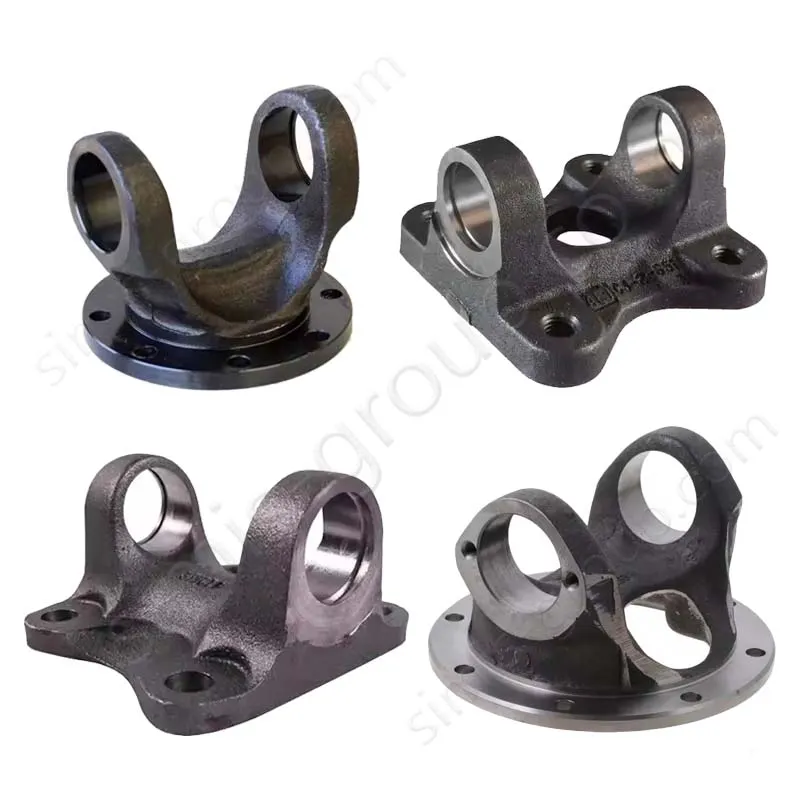
Pintle-style hooks and related couplings require coordinated geometry between the hook or jaw, mating ring, retention feature and mounting face. The interface needs to be considered as an assembly, including wear surfaces, pin fit and the possibility of unintended disengagement. A hook shown without its mating hardware should not be assumed to represent a validated coupling system.
Industrial and agricultural attachment hooks
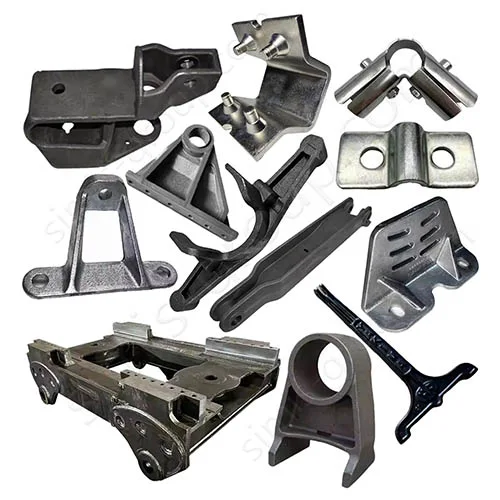
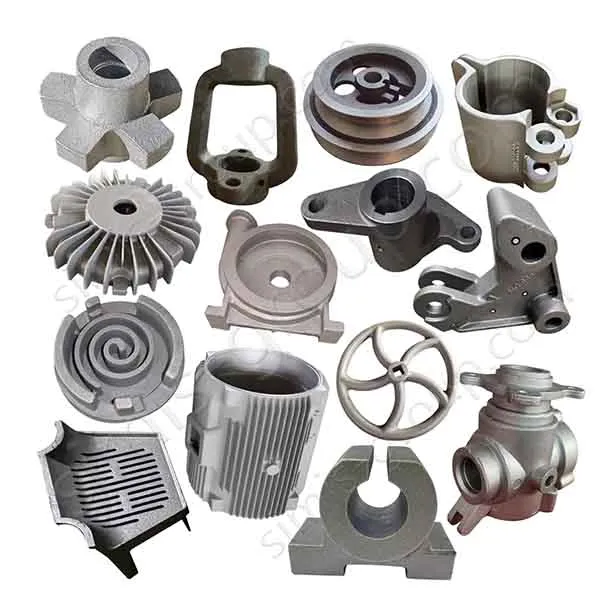
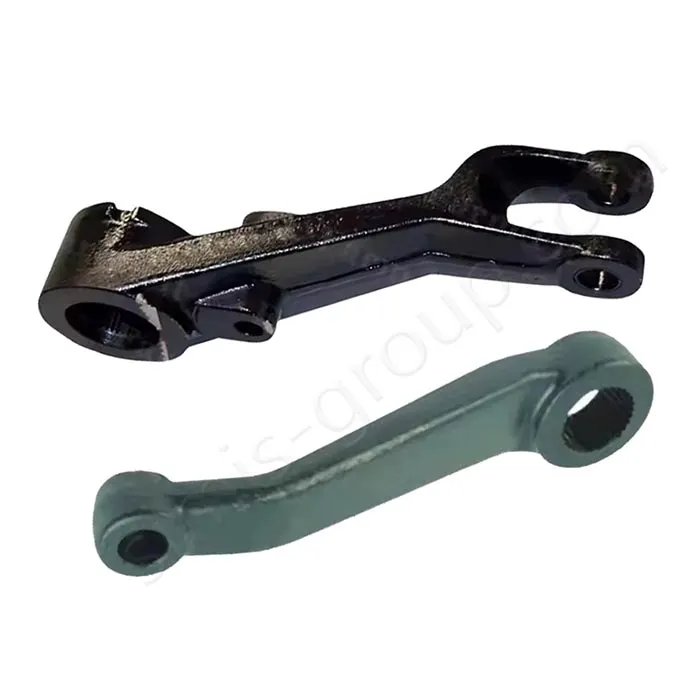
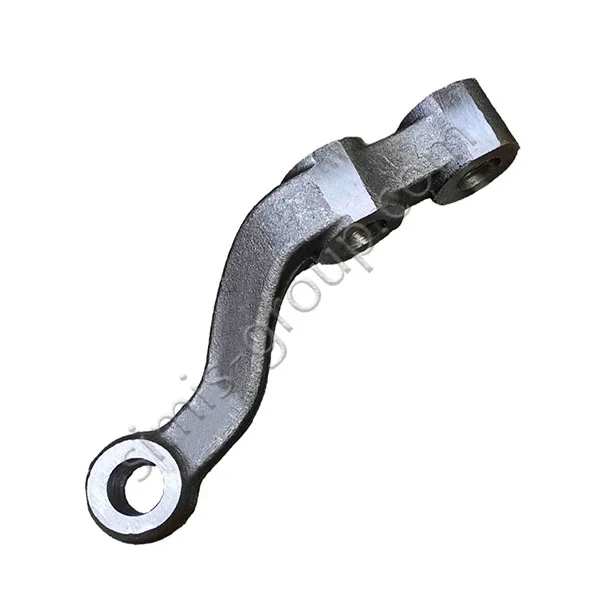
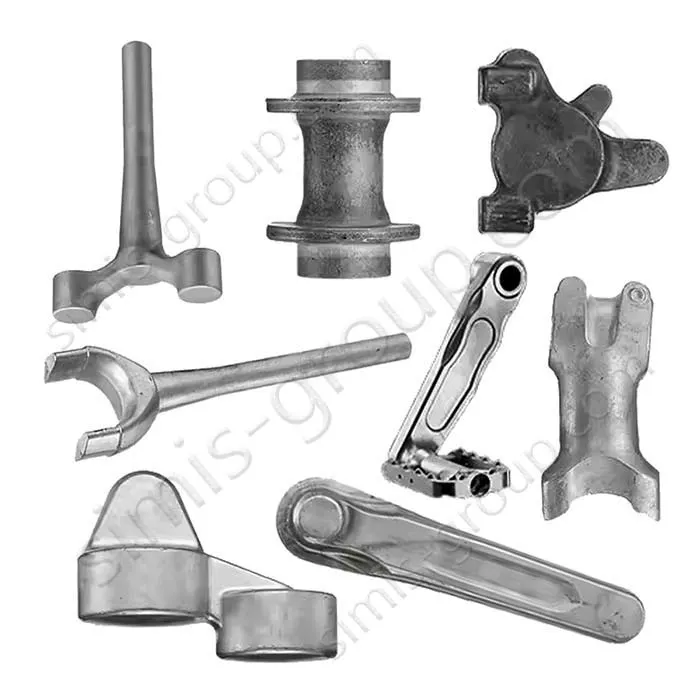
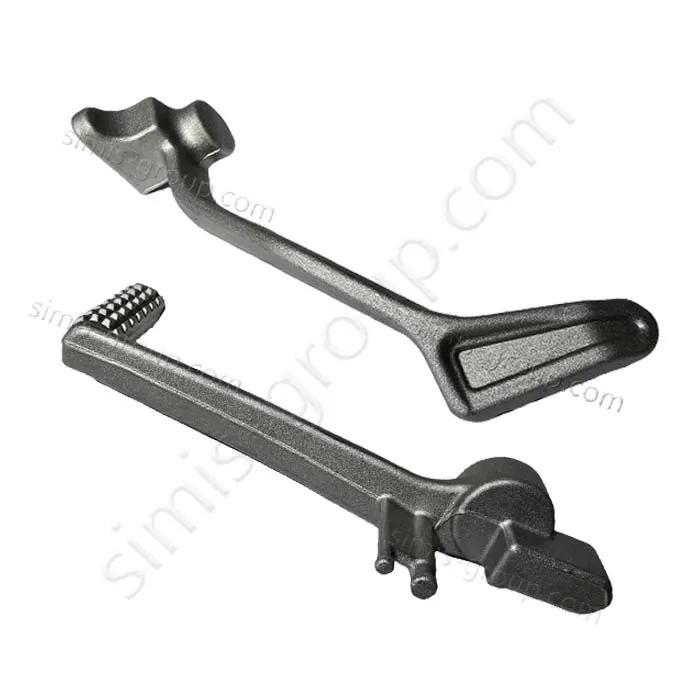
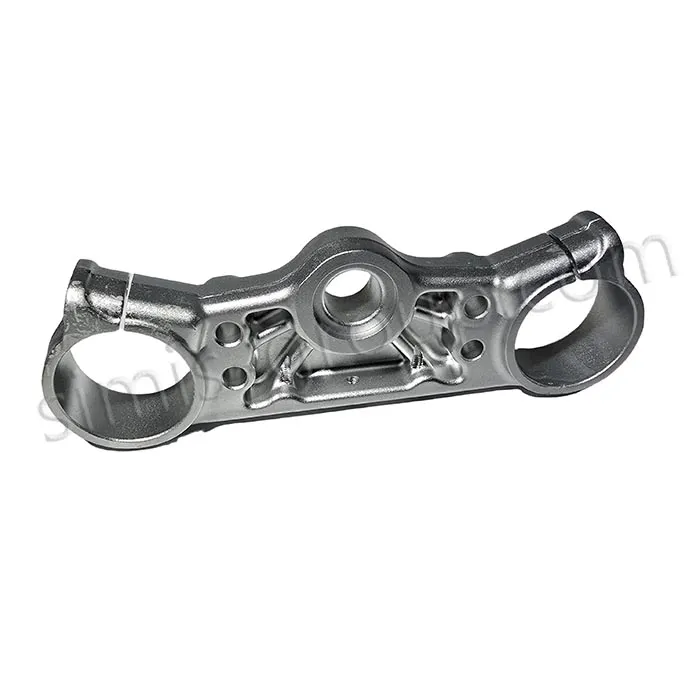
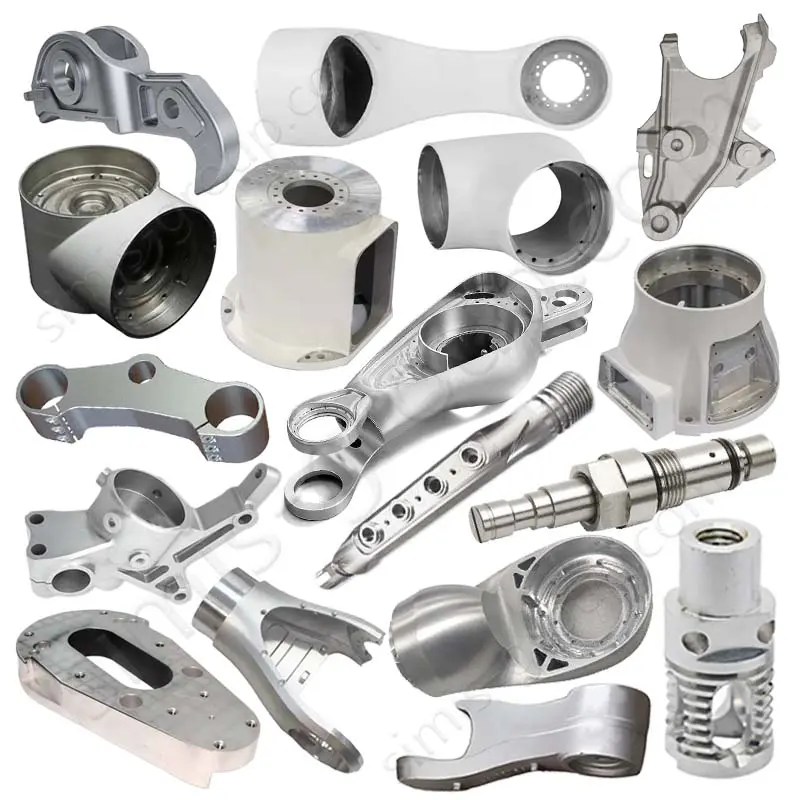
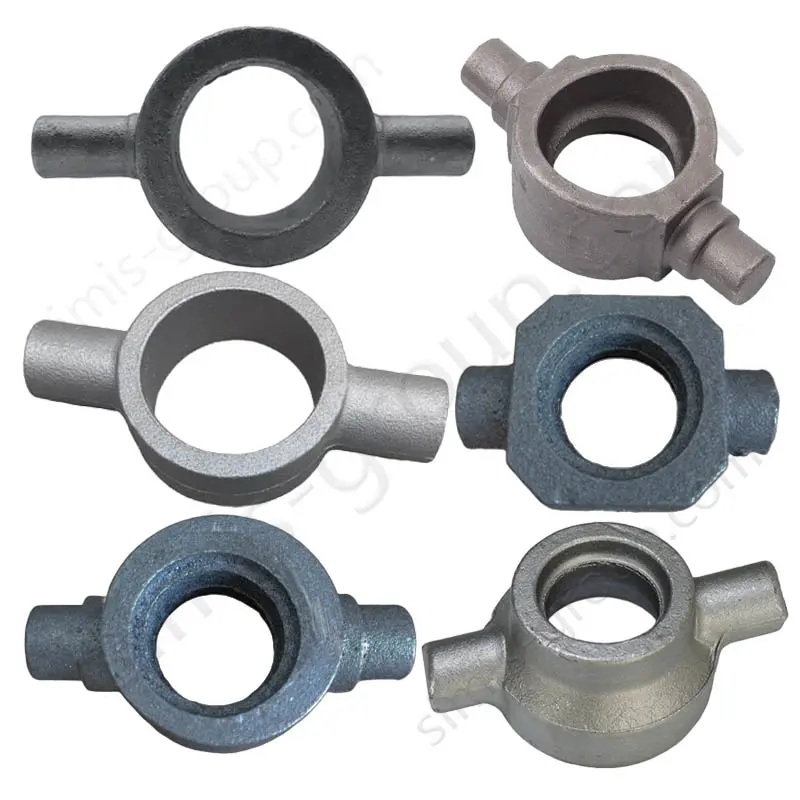
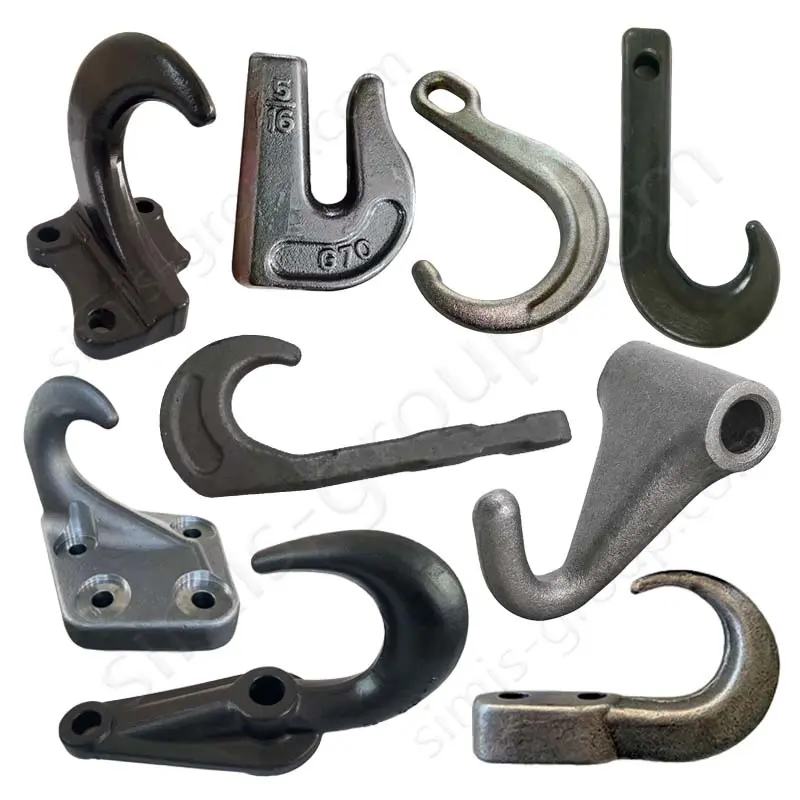
Equipment-specific hooks may be shaped around limited mounting space or unusual pulling directions. Some photos on this page show anchor-style and chain-handling hooks; their appearance alone does not establish an approved lifting, vehicle-recovery or load-handling rating. Each end use has its own governing requirements and must be reviewed separately.


Forging vs. Casting: Selecting the Manufacturing Route
For hooks with repeated loading and demanding structural requirements, closed-die steel forging is a commonly evaluated route. Heated steel is shaped in dies, followed by trimming, possible heat treatment and finishing. The forging design needs suitable draft, parting-line planning, radii and allowance for machined features. Forging can offer favorable material continuity, but the final properties still depend on steel grade, process control, heat treatment and examination.
Sand casting is an option for selected larger or more complex metal hook or integrated mounting configurations where a casting is acceptable under the required design and validation criteria. Investment casting can be evaluated for smaller intricate shapes and corrosion-resistant alloys when the geometry and specification support it. Neither casting method should be chosen solely because a hook has a complicated shape; service loading and acceptance criteria come first.
| Manufacturing route | Potential fit for custom hooks | Points to review before ordering |
|---|---|---|
| Closed-die steel forging | Repeatable steel hook shapes where strength and toughness are design priorities. | Die access, forging direction, section transitions, heat treatment, machining and validation plan. |
| Steel or ductile iron sand casting | Complex integrated bodies or mounting geometries when the approved design permits casting. | Section thickness, feeding, casting discontinuities, material properties and inspection scope. |
| Investment casting | Smaller detailed components or selected stainless/steel geometries. | Alloy selection, section size, soundness, surface quality and end-use approval. |
| CNC machining / finishing | Precision holes, datum faces, interfaces and final dimensions on forged or cast blanks. | Datum strategy, allowable stock, fillet preservation, coating allowance and inspection. |
Early design-for-manufacturing (DFM) review should establish where the parting line sits, which regions need machining, whether the hook can be formed without harmful section transitions and what testing the customer requires. Not every hook pictured on the page is necessarily produced using the same process.


Materials and Heat Treatment for Load-Bearing Hook Designs
Carbon steel and low-alloy steel are common engineering choices for forged hook components. Selection involves yield strength, tensile strength, elongation, impact behavior, hardenability, section size and the expected operating temperature. A specific grade such as AISI 1045 or 4140 is only an illustrative candidate; the approved drawing and material standard control the actual selection.
Cast steel or ductile iron may be considered for a suitably engineered casting, while stainless steel can be relevant when corrosion exposure is important. Corrosion resistance alone does not establish suitable impact toughness or load capacity. Especially for recovery or other safety-relevant service, the customer must validate both the material and the finished component.
| Material family | Engineering consideration | Design caveat |
|---|---|---|
| Carbon steel forgings | Useful balance of formability, machinability and mechanical properties after appropriate processing. | Final grade and heat treatment depend on section, loading and customer specification. |
| Low-alloy steel forgings | Offers options for toughness and through-section strength in demanding designs. | Excessive hardness or unsuitable heat treatment may reduce toughness. |
| Cast steel / ductile iron | May provide formability for complicated cast features or integral mounting structures. | Casting integrity and impact requirements need project-specific validation. |
| Stainless steel | Considered where moisture or corrosive environments govern material choice. | Mechanical properties and environmental suitability vary considerably by grade. |
When specified, heat treatment may include normalizing, quenching and tempering or another process suitable for the selected material. Hardness targets, mechanical-property tests and traceability should be defined by the drawing or purchase specification; a blanket heat-treatment recipe is not appropriate for every hook.

Critical Geometry: Mounting Holes, Hook Throat and Load Path
Mounting hole pattern and mating faces
Mounting-hole position, center distance, hole diameter, slot orientation, pin-bore alignment and the flatness of mating surfaces affect fit with the frame or bracket. Designs using bolted attachments also need engineering review of fastener grade, clamp conditions, hole edge distances and the load carried by the surrounding structure. SIMIS can machine specified locating and mounting features according to the supplied drawing.
Hook throat, tip and retention
The throat opening and inner contact radius must suit the approved ring, chain or mating part while avoiding an unintended loading condition. Hook tips, latches and keeper features must be treated as functional elements rather than decorative geometry. Local contact stress, wear allowance and unintended release need to be considered by the system designer.
Section transitions and pulling direction
Abrupt thickness changes, sharp internal corners and poorly placed machining marks can create stress concentrations near the hook root or mounting region. Generous transitions may be valuable where compatible with mating clearance and the forging or casting method. Lateral or angled pulls should not be assumed equivalent to axial loading; approved load directions must be clearly identified.
CNC machining is used for project-specific mating faces, precise holes and finished connection features. Inspection datum locations should match the functional mounting arrangement, rather than only convenient surfaces on the raw forging or casting.

Coatings and Surface Condition for Outdoor Service
Tow hooks may be exposed to road salt, water, soil, abrasion and repeated attachment cycles. Depending on the environment and specification, surface finishing may involve shot blasting, painting, powder coating, zinc-based treatments or another protective system. The customer should identify whether contact surfaces, threads or pin bores must remain uncoated or receive controlled coating thickness.
SIMIS supports project-based metal surface treatment after the forming and machining route is defined. Coating selection must account for adhesion, corrosion exposure, wear and fit. For high-strength steel parts, any plating or cleaning process with potential hydrogen embrittlement risk needs an appropriate specification and controls.
A durable-looking finish is not proof of corrosion resistance or safe service life. Coating performance, including salt-spray or other environmental testing where requested, must be assessed against the customer's acceptance criteria.

Quality Inspection and Load Verification for OEM Tow Hooks
Because a tow hook transfers substantial force into a vehicle or piece of equipment, inspection needs to be linked to the intended application, not to one generic checklist. The required scope may differ for a service tow point, a recovery attachment, a pintle coupling or a non-lifting industrial hook.
| Inspection / validation item | What it checks | How it is specified |
|---|---|---|
| Material identification and records | Approved grade, chemistry or mechanical properties of the supplied heat/lot. | Drawing, material standard, inspection plan or purchase agreement. |
| Dimensional inspection | Hole pattern, pin bores, mounting faces, throat and specified geometry. | Drawing tolerances and functional datums. |
| Surface / volumetric examination | Selected discontinuities in castings or forgings where examination is required. | Material-appropriate NDT method, coverage and acceptance level. |
| Hardness or mechanical testing | Consistency with specified material and heat-treatment properties. | Sampling frequency, specimen type and acceptance limits. |
| Proof-load / ultimate / fatigue testing | Performance under a defined loading direction and test configuration. | Customer-approved fixture, load cases, sampling and pass/fail criteria. |
The SIMIS quality control resources can be reviewed when defining inspection and documentation expectations. Magnetic particle testing, penetrant examination, ultrasonic testing, proof loading or destructive testing are not automatically performed on every tow hook; their suitability and scope depend on the project agreement.
WLL and MBL describe different concepts and must not be inferred from appearance, material grade or nominal size. Where a rated or certified part is required, the OEM must identify the applicable product standard, load directions, test procedures and responsible certification route before a capacity statement can be made. A component manufactured to a drawing is not, by that fact alone, a certified recovery or lifting device.

DFM Support and Integration With Related Towing Components
For new OEM designs, a manufacturing review can compare forging and casting feasibility, tool complexity, likely machining features, coating implications and the inspection approach. The review is especially useful when a hook is integrated with a welded or bolted plate and the drawing must control both the hook and the connection to the machine.
Where the design includes an attachment plate or frame interface, relevant experience with custom brackets and connectors may help organize the manufacturing discussion. Towing systems that require a receiver or trailer-ball interface involve different load paths and product definitions; those projects are better compared with custom trailer hitch ball mounts rather than treated as interchangeable with a recovery hook.
Applications discussed with SIMIS may include truck and agricultural equipment attachment points, off-road vehicle components, industrial towing interfaces and specialized machinery fittings. A part intended for lifting or personnel-related service requires a separate engineering and compliance assessment; no such use should be presumed from the images shown here.
Request a Quote for Custom Forged or Cast Tow Hooks
Please send SIMIS a 2D drawing or 3D CAD model showing the entire hook and its attachment interface. Include the material grade, geometry and tolerances, target mechanical properties, heat treatment, coating, loading direction(s), static and dynamic load requirements, expected quantity, required inspection and any project-specific regulatory or certification requirements. If the engineering team has not finalized a grade or production method, indicate the constraints and the manufacturing route can be discussed during the quotation review.
For load-rated towing or recovery hardware, include the customer's approved performance specification and verification responsibility. Quotation can then address the feasible blank-making route, finishing operations, tooling considerations, sampling and documentation scope without implying a load certification that has not been established.
Discuss your custom tow hook project: info@simis-group.com. Please reference your drawing revision and intended application in the inquiry.