Custom Servo Robot Parts Manufacturer
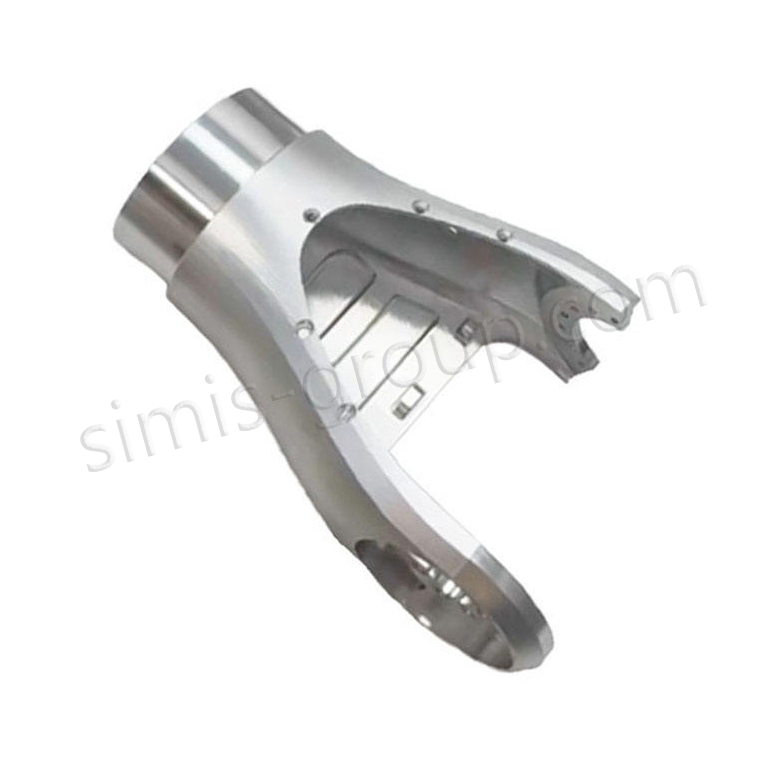
Servo Robot Parts

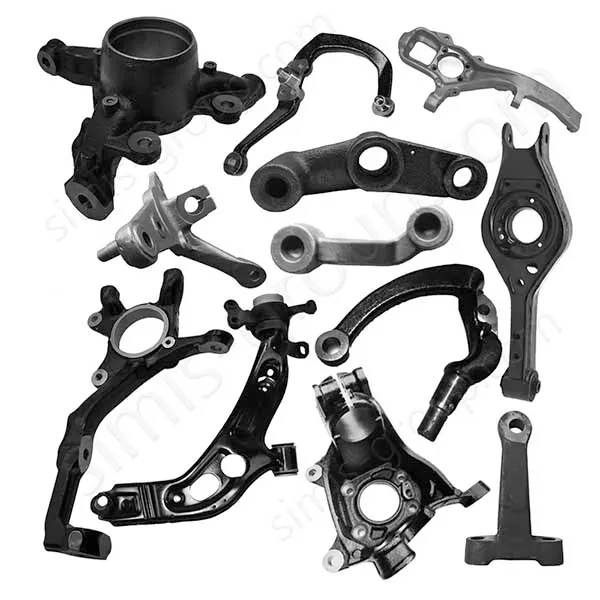
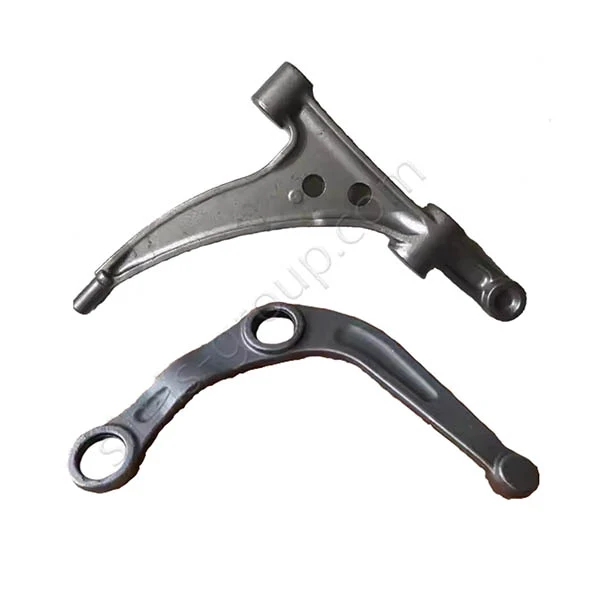
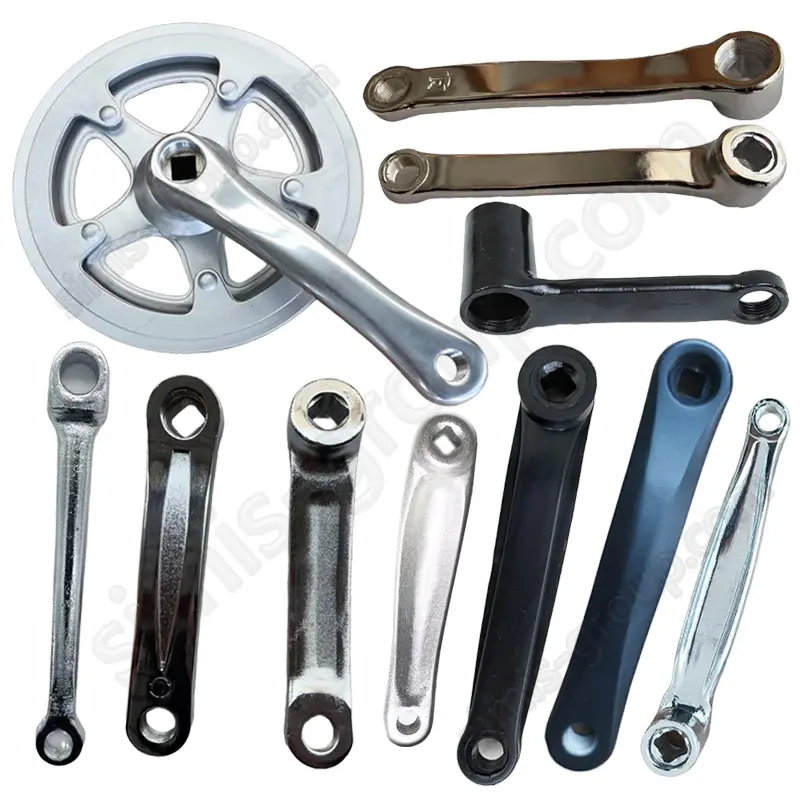
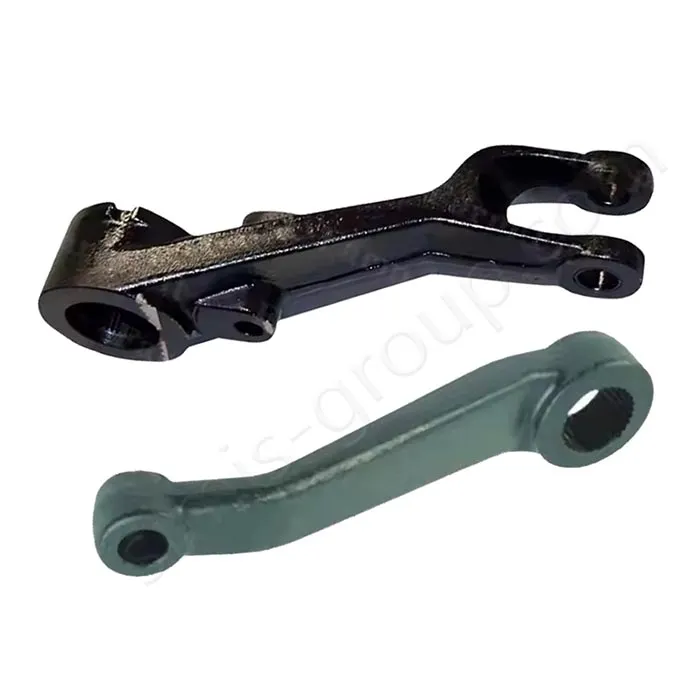
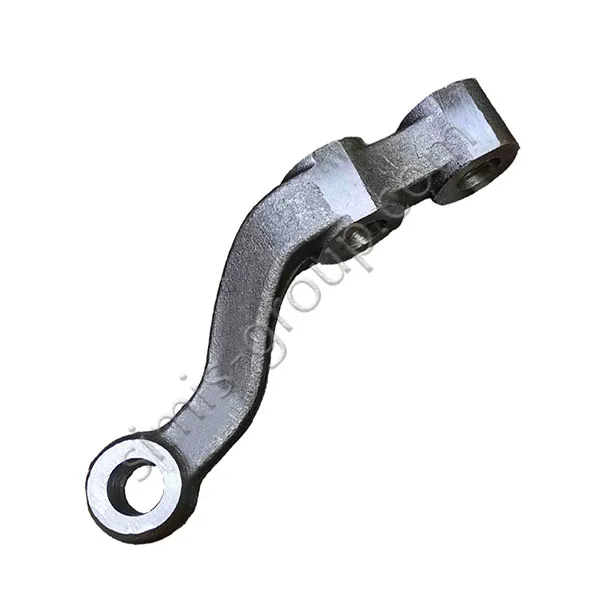
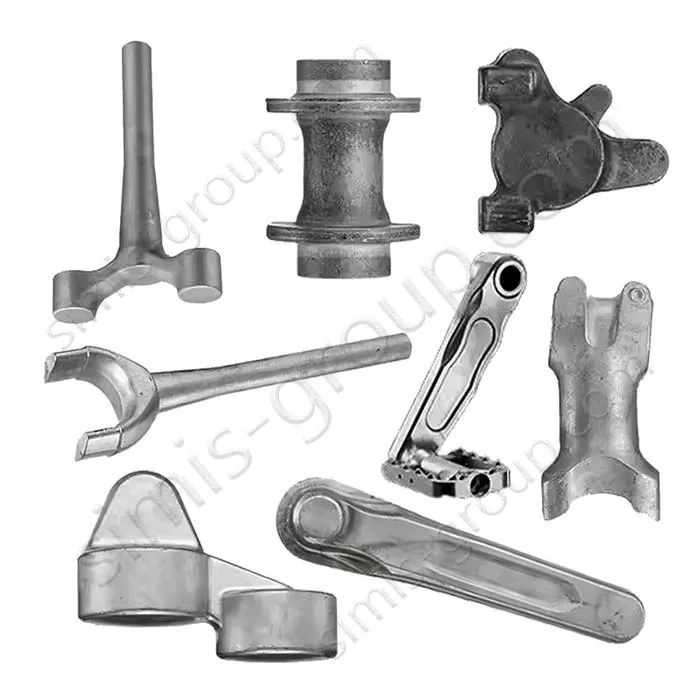
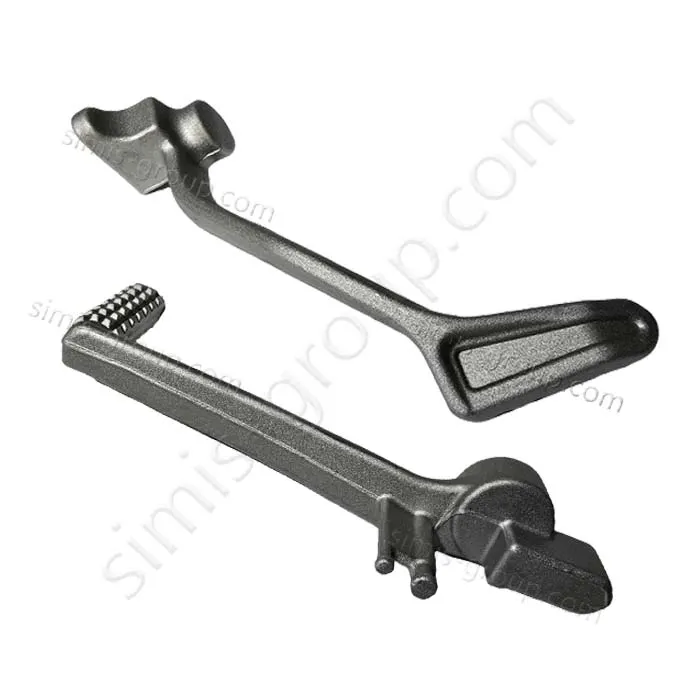
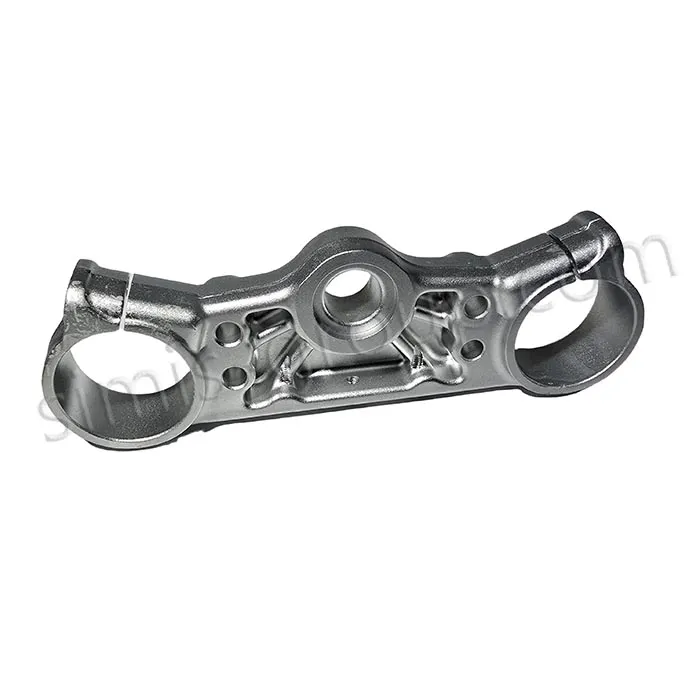
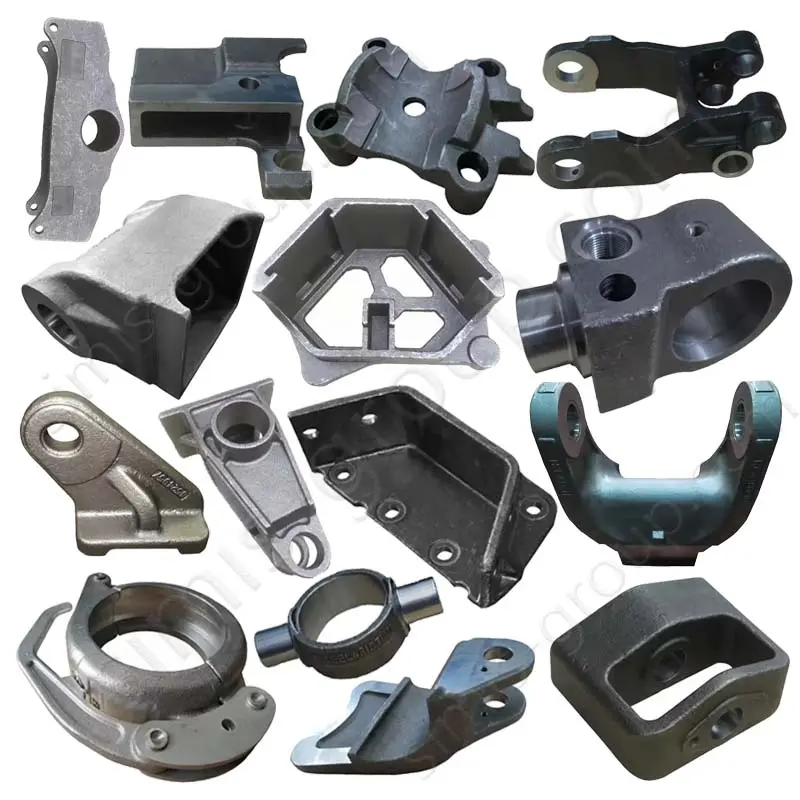
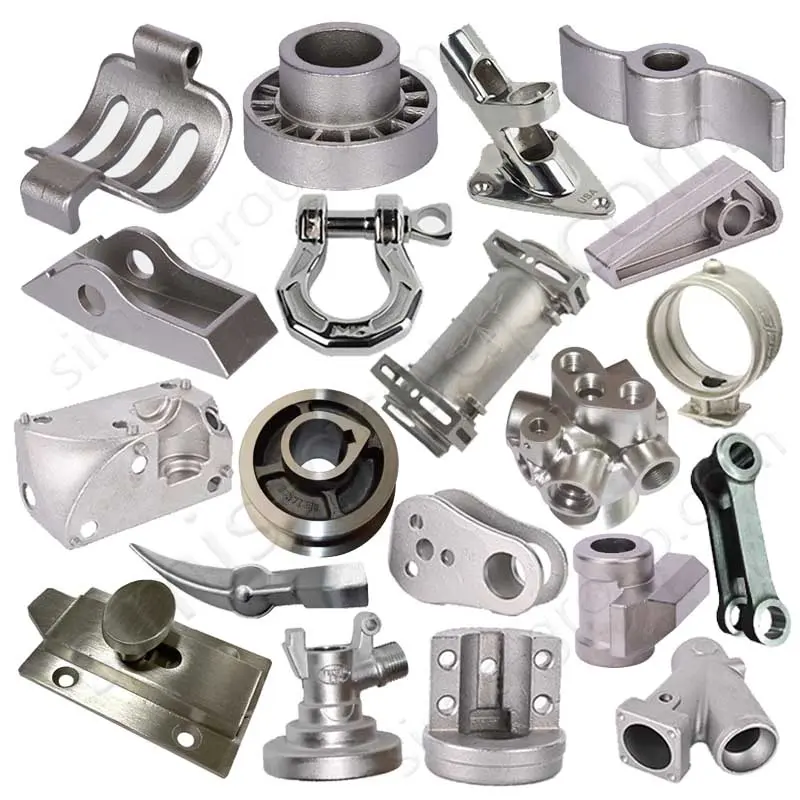
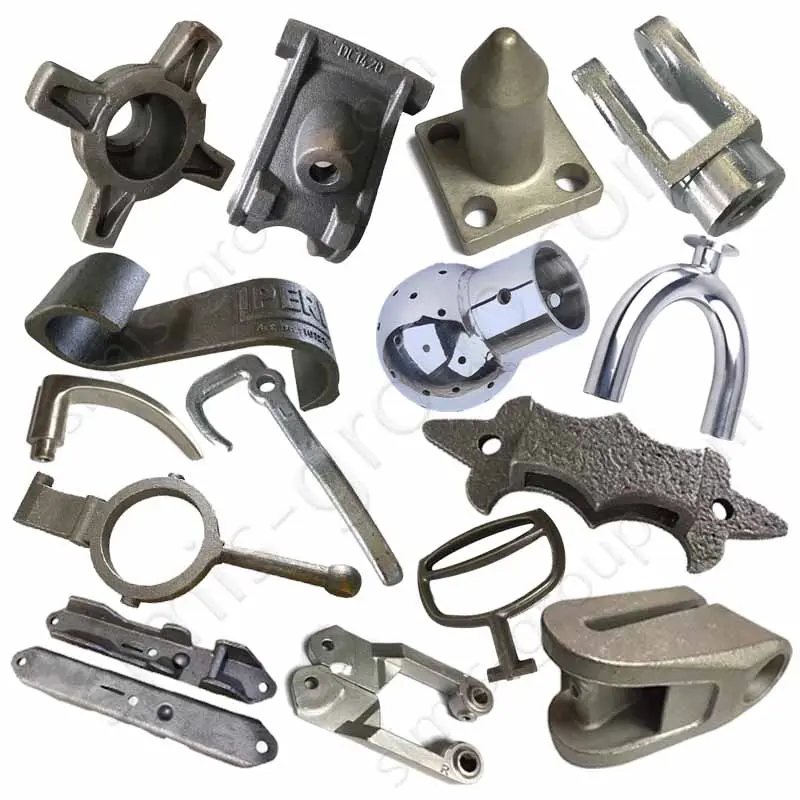
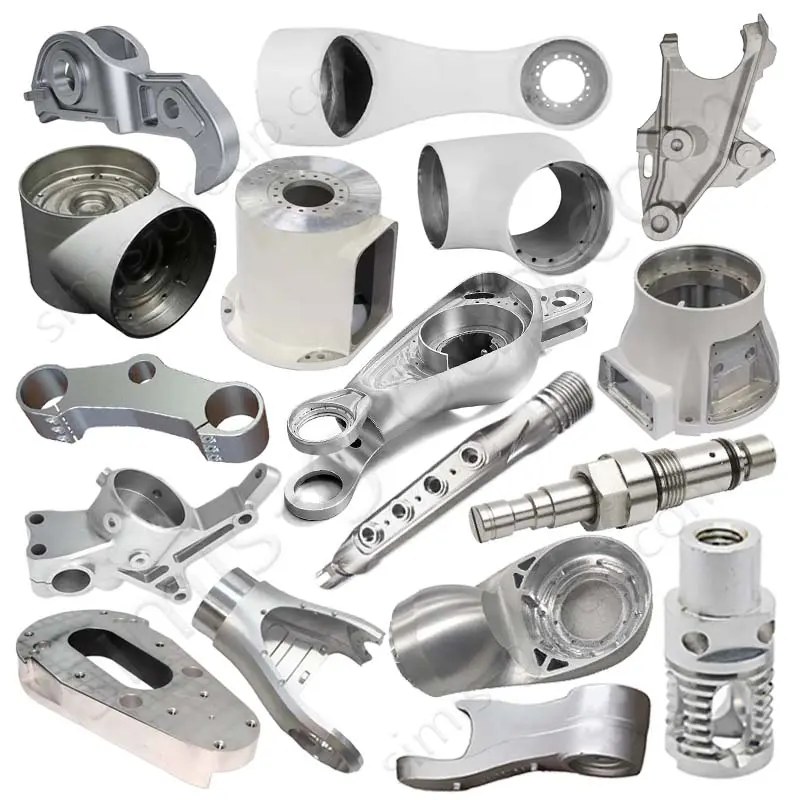
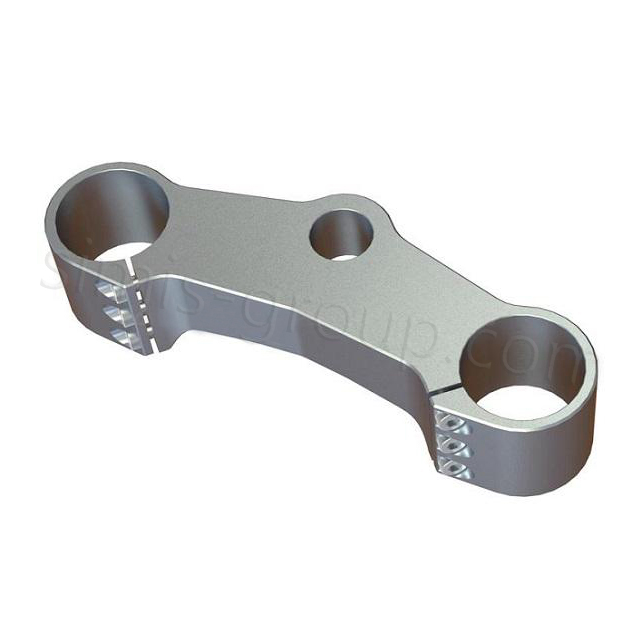
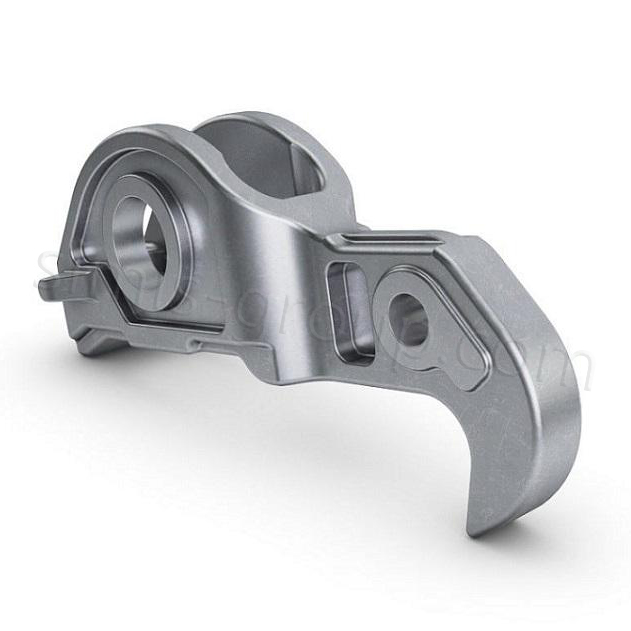
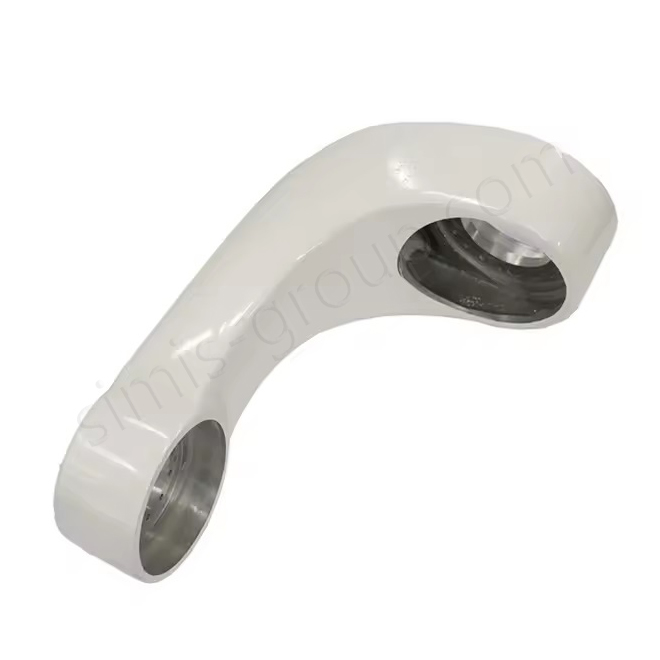
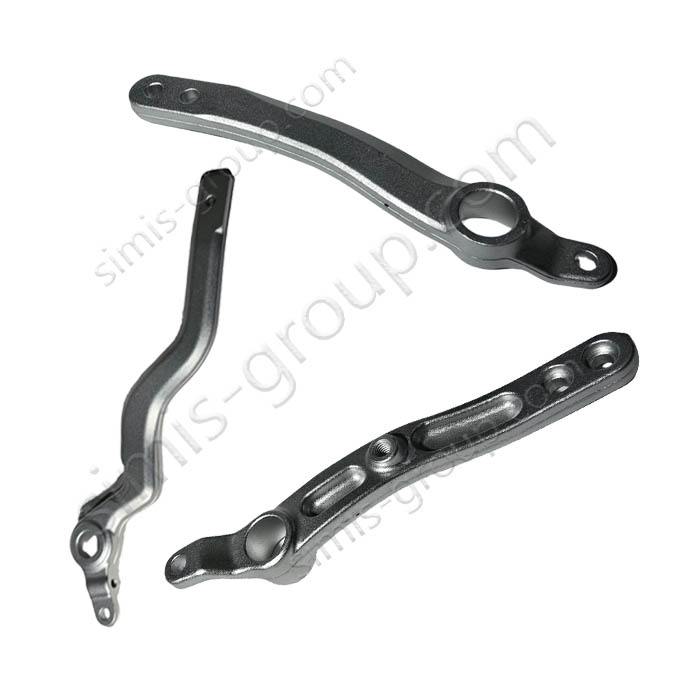
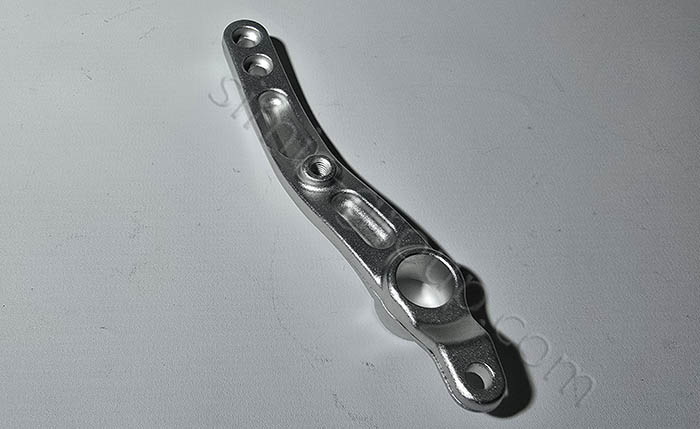
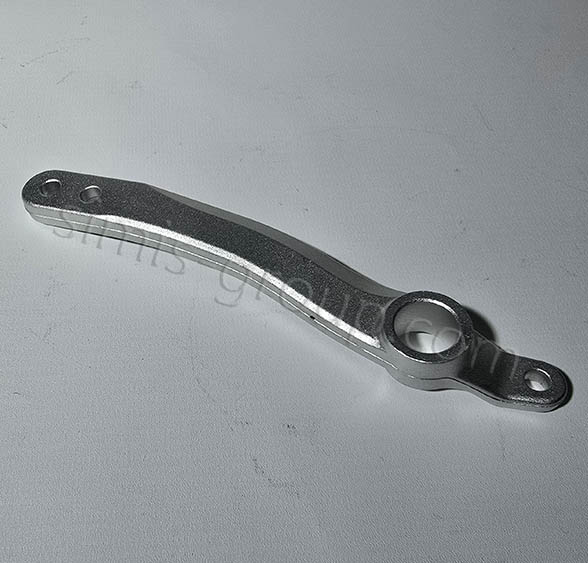
China Simis Company specializes in the custom manufacturing of Servo Robot Parts, including joint connectors, actuator brackets, arms, and bases. These components are foundational to industrial, medical, and specialized automation systems. The performance of a robotic system—its speed, repeatability, and precision—is directly determined by the quality and mechanical integrity of its structural parts.
Robotic components demand materials and processes that offer an exceptional stiffness-to-weight ratio and maintain extremely tight geometric tolerances to minimize backlash and deflection under dynamic cyclic loads. We utilize both advanced Forging and specialized Casting methods across a spectrum of high-performance alloys, including Aluminum, Titanium, and high-strength Steels.
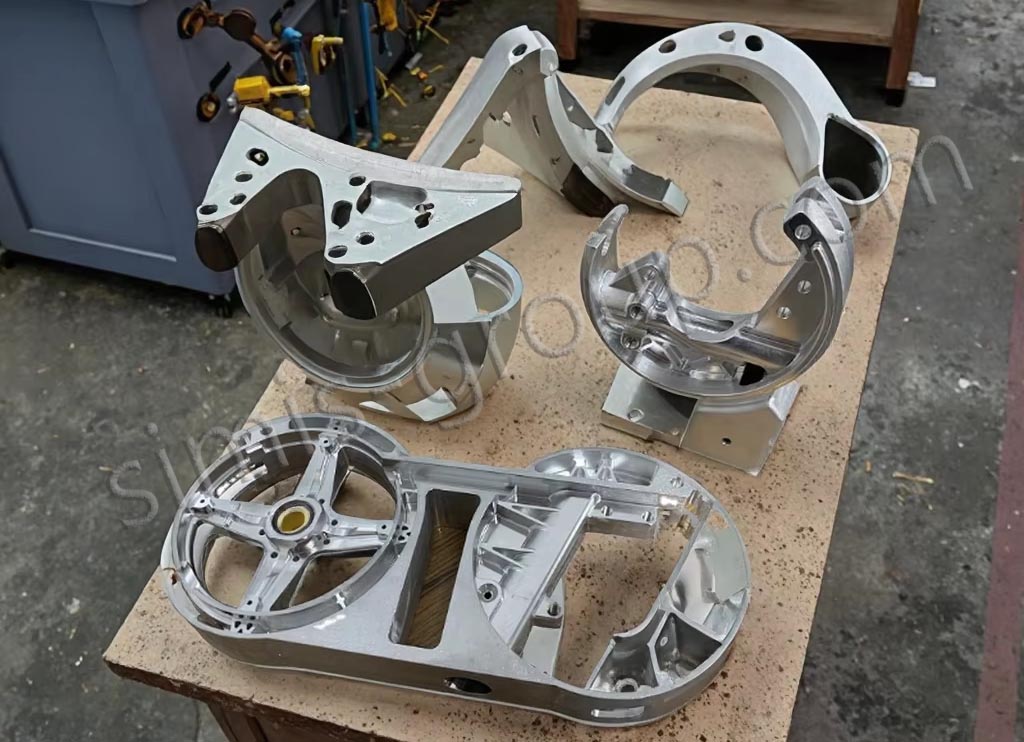
What Are the Component Classifications of Servo Robot Parts?
The components are classified based on their role in the robot's function: Kinematics (Motion), Actuation (Power), and Anchoring (Stability), with each category engineered to meet distinct performance criteria for robotic system operation.
| Category | Component Name | Primary Functional Role | Key Performance Requirement | Typical Material & Process |
| Kinematic Structure | Arms, Links, Frames | Provide reach, maintain positional accuracy, and withstand bending under dynamic acceleration/deceleration. | High Stiffness-to-Weight Ratio, Low Inertia, Torsional Resistance. | Forged Titanium Alloy or Forged Aluminum Alloy; Investment Cast Alloy Steel. |
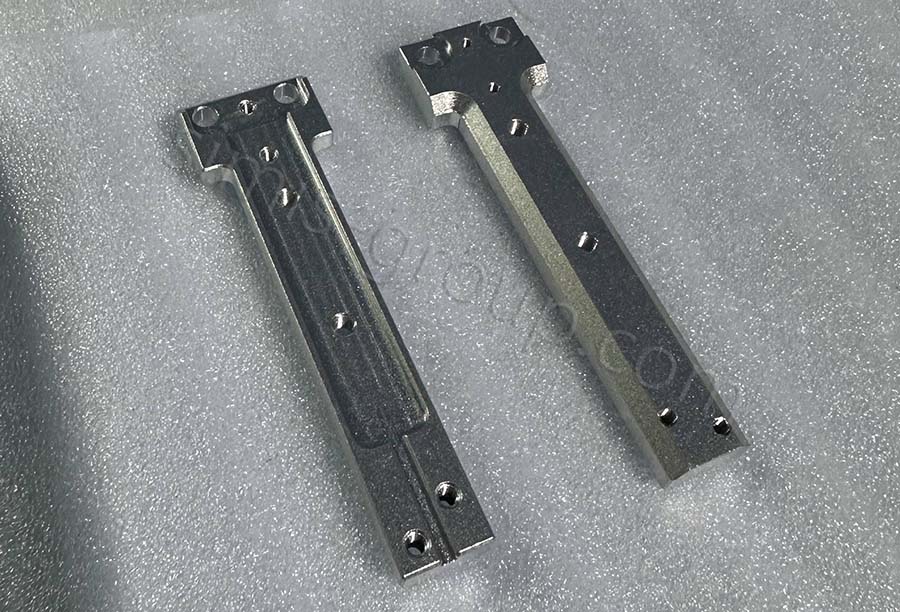
| Actuation & Jointry | Joint Connectors, Actuator Brackets | House the servo motors and bearings, and transmit drive torque between the robot segments. | Extreme Precision Tolerance (CNC required), Zero Backlash, High Fatigue Strength. | Closed-Die Forged Alloy Steel; Investment Cast Stainless Steel (316). |
| Base & Anchoring | Bases, Mounting Plates | Anchor the robot to the floor or gantry; dampen system vibration during operation. | Static Rigidity, Vibration Damping, Base Plate Flatness, High Mass (when needed). | Sand/Shell Cast Ductile Iron/Gray Iron; Die Cast Aluminum (for lightweight). |
| Specialty & End Effectors | Sensor Mounts, End Tool Housings | Interface with tools/grippers; often require cleanroom compliance or corrosion resistance. | Fine Surface Finish, Corrosion Resistance, Geometric Stability. | Investment Casting (Stainless Steel 316); Permanent Mold Casting Aluminum. |
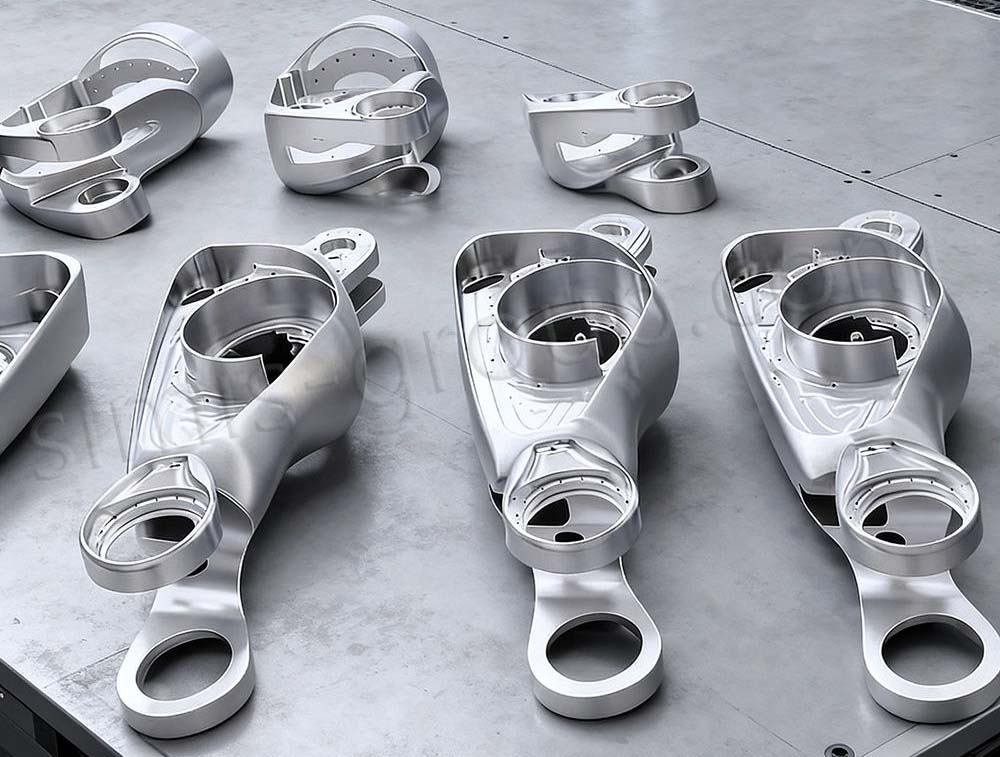
What Manufacturing Processes Ensure Stiffness, Precision, and Weight Reduction for Servo Robot Parts?
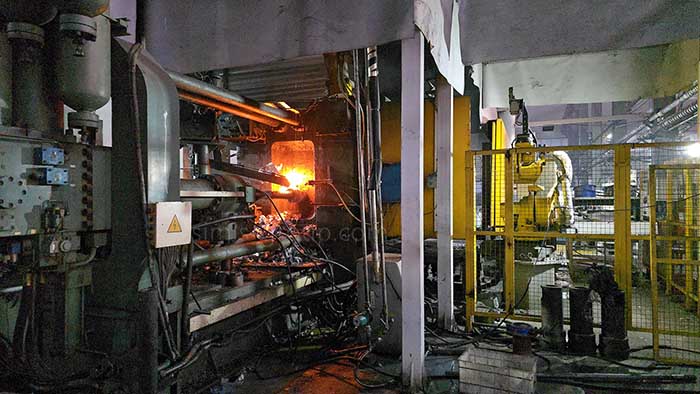
The process selection is critical, balancing the need for ultimate strength (Forging) against geometric complexity and lightweight volume production (Casting), with each process selected to match the functional demands of the robotic component.
| Manufacturing Process | Material Focus | Key Advantage for Robot Parts | Specific Process Detail |
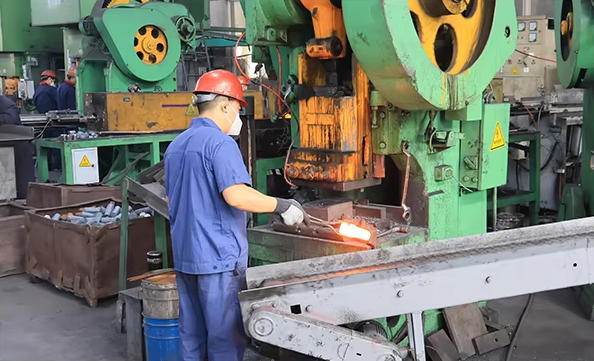
| Closed-Die Forging | Alloy Steel, Titanium Alloy, High-Strength Aluminum. | Maximum Strength-to-Weight Ratio. Creates optimized internal grain flow, providing unmatched strength and torsional stiffness for arms and dynamic brackets under cyclic stress. | Essential for high-load robotic arms and structural joints. |
| Investment Casting (Lost-Wax) | Stainless Steel, Titanium, Alloy Steel. | Extreme Precision and Complex Geometry. Excellent for highly intricate joint connectors and end effectors, minimizing post-casting machining and ensuring seamless fitment. | Ideal for complex valve bodies and precision linkage components. |
| Die Casting / Permanent Mold Casting | Aluminum Alloy. | Lightweight and High Volume. Provides excellent dimensional consistency and a smooth surface finish for structural components like actuator brackets and static bases. | Preferred for large-volume, lightweight housing components. |
| Sand Casting / Shell Mold Casting | Ductile Iron, Carbon Steel. | Heavy Load Resistance and Cost-Effective Stiffness. Used for large, highly rigid static bases or heavy machinery joint parts where stiffness is paramount and weight is less restricted. | Used for anchoring bases and heavy-duty structural frames. |
| Precision CNC Machining | All Materials. | Achieving Critical Tolerances. Mandatory for all bearing bores, mounting faces, spline interfaces, and actuator mounting points to ensure zero-backlash operation. | Final step to guarantee robot accuracy (repeatability). |
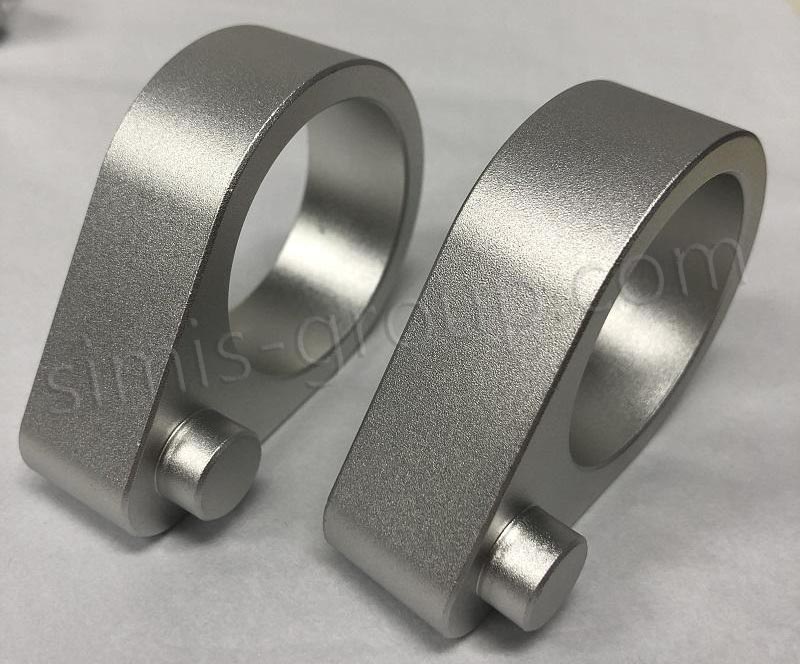
How to choose materials for servo robot parts?
Material selection is dictated by the robot's required speed, payload capacity, and operating environment (e.g., cleanroom, corrosive), with each material grade chosen to optimize the component’s performance in its specific application scenario.
| Material Type | Primary Performance Focus | Typical Robot Component Use |
| Titanium Alloy | Highest Stiffness-to-Weight Ratio, Corrosion Resistance. | High-speed, high-payload robotic arms and joints (premium aerospace/medical grades). |
| Alloy Steel (High Strength) | Maximum Torsional Rigidity and Dynamic Load Capacity. | Structural joints and heavy-duty actuator brackets (often forged). |
| High-Strength Aluminum Alloy | Excellent Lightweight Performance, Thermal Conductivity. | Robot bases, non-structural covers, and arm segments where inertia must be minimized. |
| Stainless Steel (304/316) | Corrosion Resistance, Cleanroom Compatibility. | Components for food processing, pharmaceutical, and medical/laboratory robots. |
| Ductile Iron / Carbon Steel | High Damping Capacity, Cost-Effective Rigidity. | Large, static mounting bases and frames requiring excellent vibration absorption. |
What Quality Assurance Measures Ensure Accuracy and Integrity of Servo Robot Parts?
QA is paramount in robotics, focusing on geometric precision and maintaining structural integrity under repeated dynamic stress, with a suite of testing protocols to verify every critical performance parameter of the components.
·Dimensional Tolerance:
CMM (Coordinate Measuring Machine) verification of bore concentricity, mounting face flatness, and critical distances to guarantee zero-backlash assembly and system accuracy.
·Non-Destructive Testing (NDT):
Magnetic Particle Inspection (MPI) and X-ray (RT) on forged/cast joints, arms, and brackets to ensure freedom from internal defects that could lead to fatigue failure.
·Material Integrity:
Ultrasonic Testing (UT) on critical titanium and alloy steel forgings to ensure optimized grain structure and density.
·Surface Finish:
Inspection of roughness (Ra) and coatings (e.g., anodizing, passivation) crucial for cleanroom and food contact applications.
What Are the Application Areas of Servo Robot Parts in High-Stakes Automation?
| Application Sector | Typical Component Focus | Primary Challenge | Recommended Process/Material |
| Industrial Automation | Joint Connectors, Actuator Brackets. | High Payload, High Cycle Life, Dynamic Stress. | Closed-Die Forging (Alloy Steel/Aluminum). |
| Medical / Pharmaceutical | End Effectors, Small Arms, Housings. | Cleanroom Compatibility, Corrosion Resistance, Lightweight. | Investment Casting (Stainless Steel 316), Titanium. |
| Heavy Machinery / Mining | Large Bases, Structural Frames. | Vibration Damping, Extreme Stiffness, Static Load Capacity. | Sand/Shell Casting (Ductile Iron/Carbon Steel). |
| Electronics Manufacturing | Fast Moving Arms, Linkages. | Low Inertia, Extreme Speed, Positional Repeatability. | Die Casting / Forging (Aluminum Alloy). |
What Are the Advantages of Simis Custom Servo Robot Parts?
Simis delivers high-performance robotic components engineered for dynamic environments where precision and reliability are non-negotiable, with a set of core advantages that set our products apart in the competitive automation market.
·Extreme Geometric Precision:
Specialized casting (Investment/Die) combined with CNC machining ensures tolerances critical for high-speed, accurate robotic movement.
·Optimized Stiffness-to-Weight:
Expertise in forging Aluminum alloys and Titanium allows us to create components that maximize payload and speed while minimizing inertia.
·Fatigue Resistance:
Utilizing closed-die forging for structural links ensures superior fatigue life under the high-frequency cyclic loading typical in automation.
·Application-Specific Materials:
Ability to deliver corrosion-resistant Stainless Steel components for medical and pharmaceutical industries.
How to Get a Quote for Custom Servo Robot Parts?
China Simis Company is your expert partner in custom casting and forging high-precision components for demanding robotic systems. To obtain a detailed, tailored quotation for your servo robot part project, please submit the following technical documentation and specifications to our professional engineering department: 2D technical drawings or 3D CAD models, specific material requirements (e.g., Forged Titanium Grade 5, Investment Cast Stainless Steel 316), required CNC machining tolerances, functional performance parameters (such as stiffness, load capacity, or corrosion resistance), and expected production volume. Our team will conduct a comprehensive evaluation of your requirements and provide a quotation package that includes unit pricing, production lead times, quality assurance protocols, and delivery terms aligned with your project timeline and application needs.