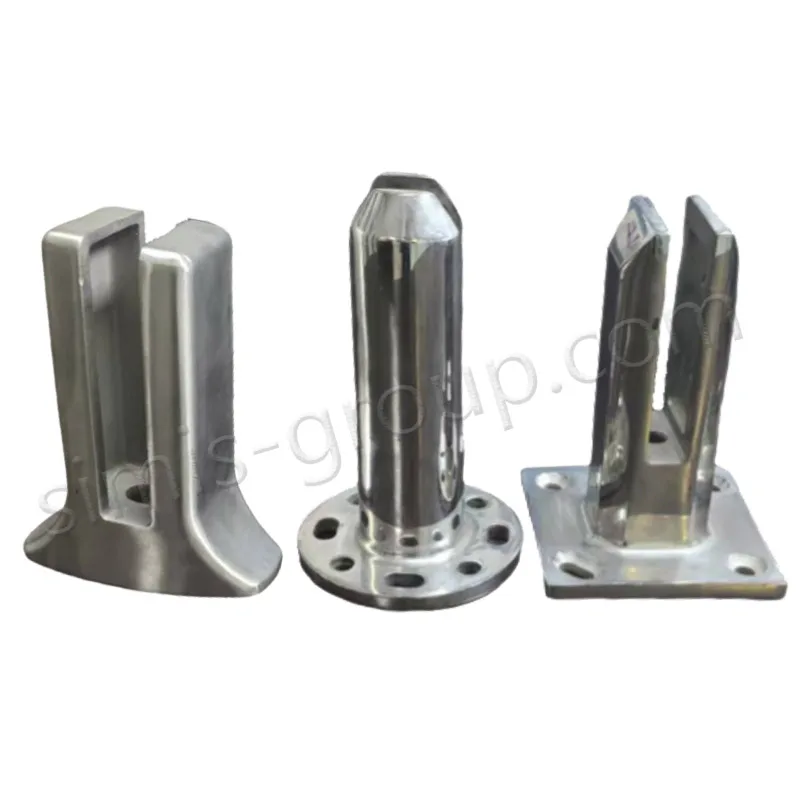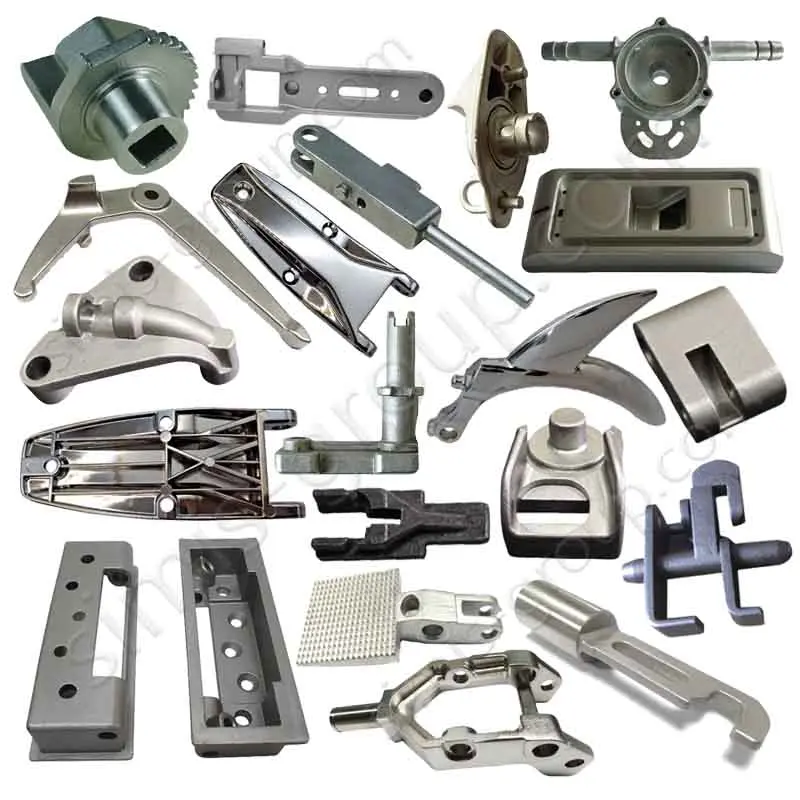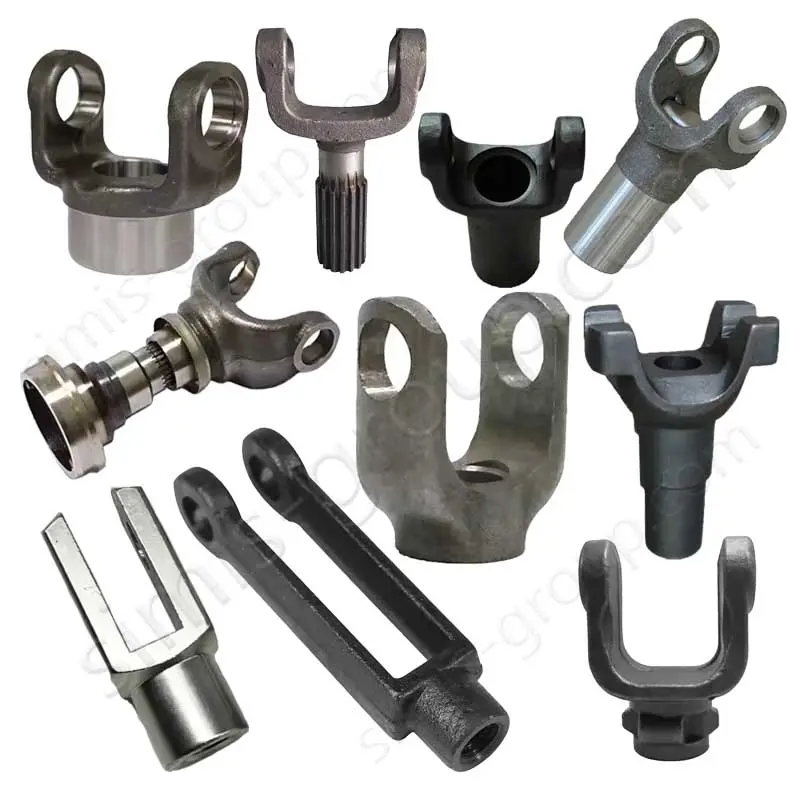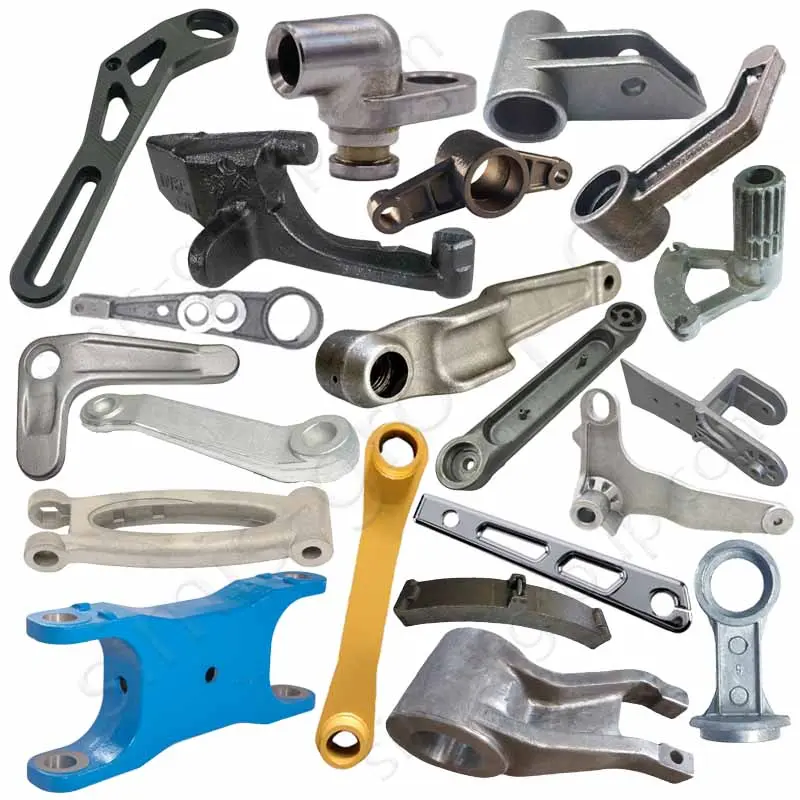
Custom Pedal Manufacturer
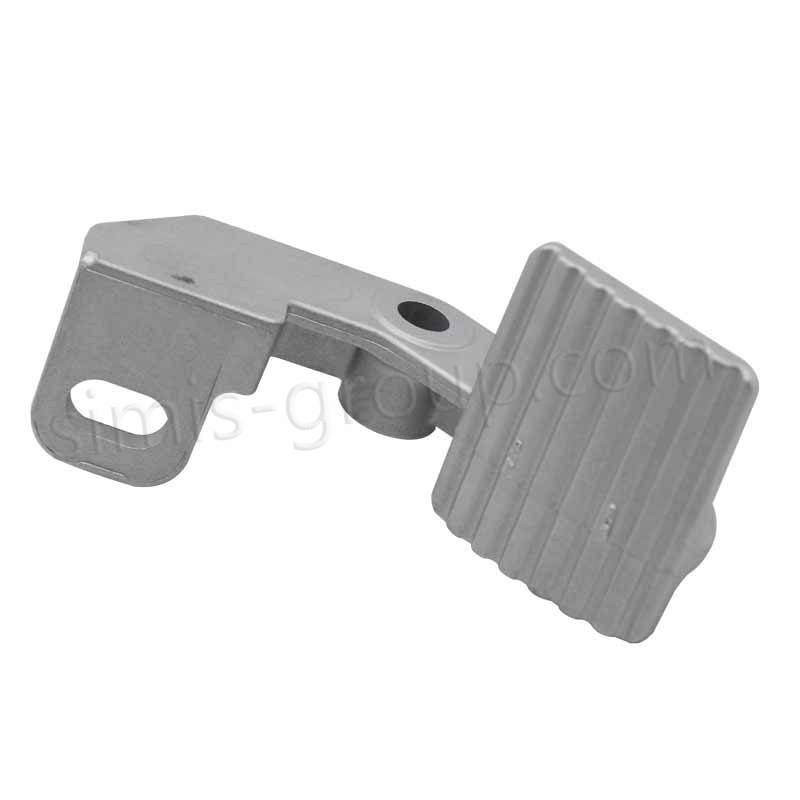
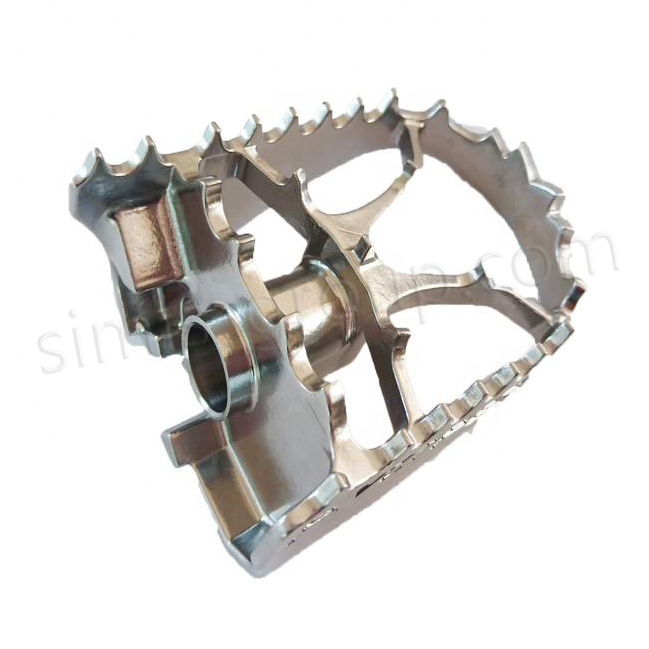
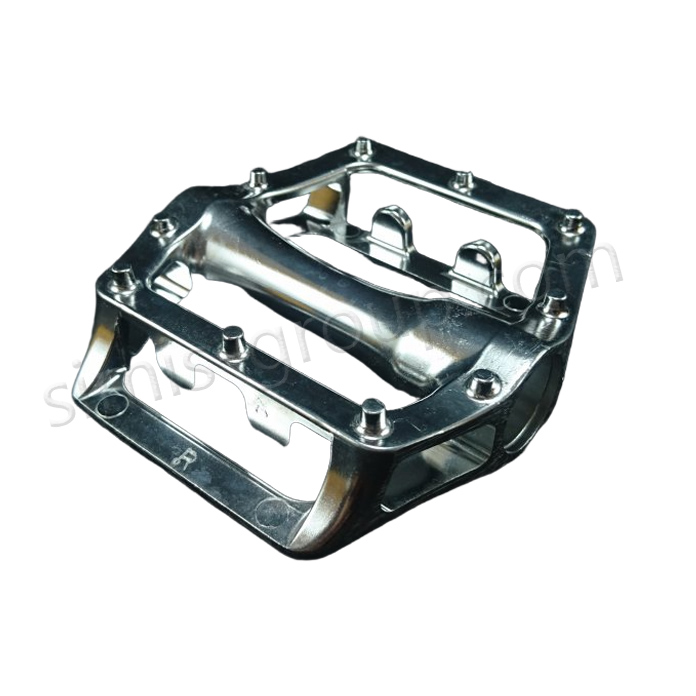
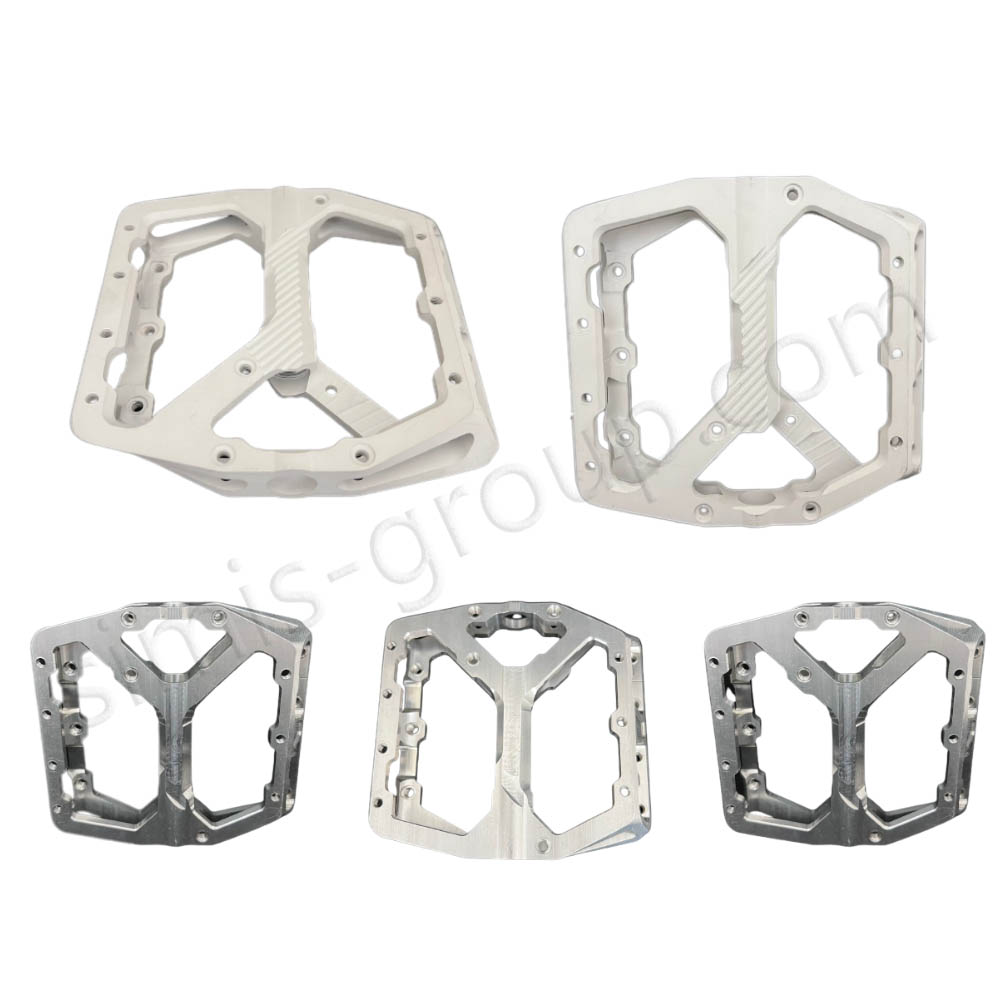
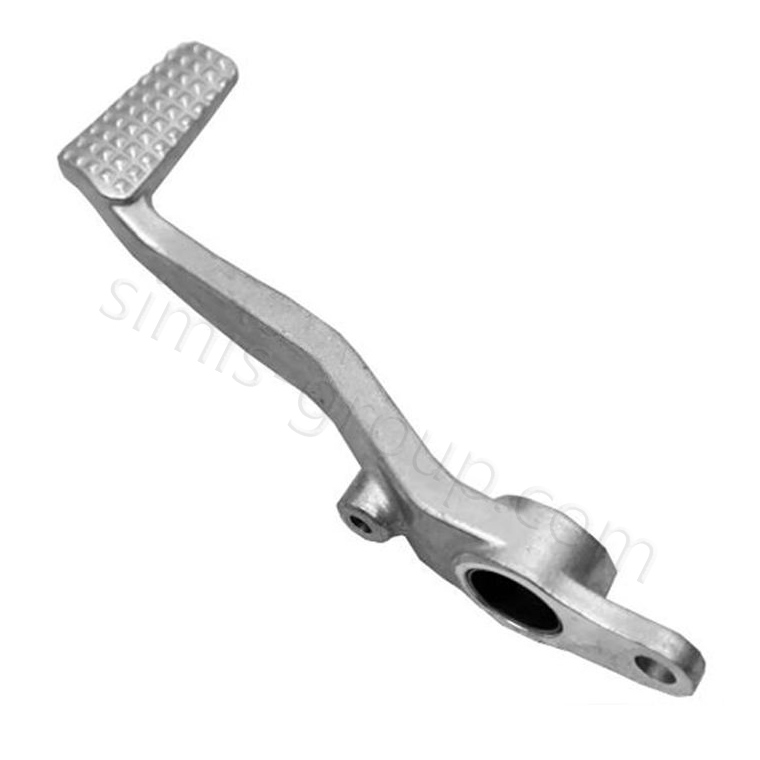
Pedal

Frequently Asked Questions About Custom Metal Pedals
1. What types of custom metal pedals can SIMIS manufacture?
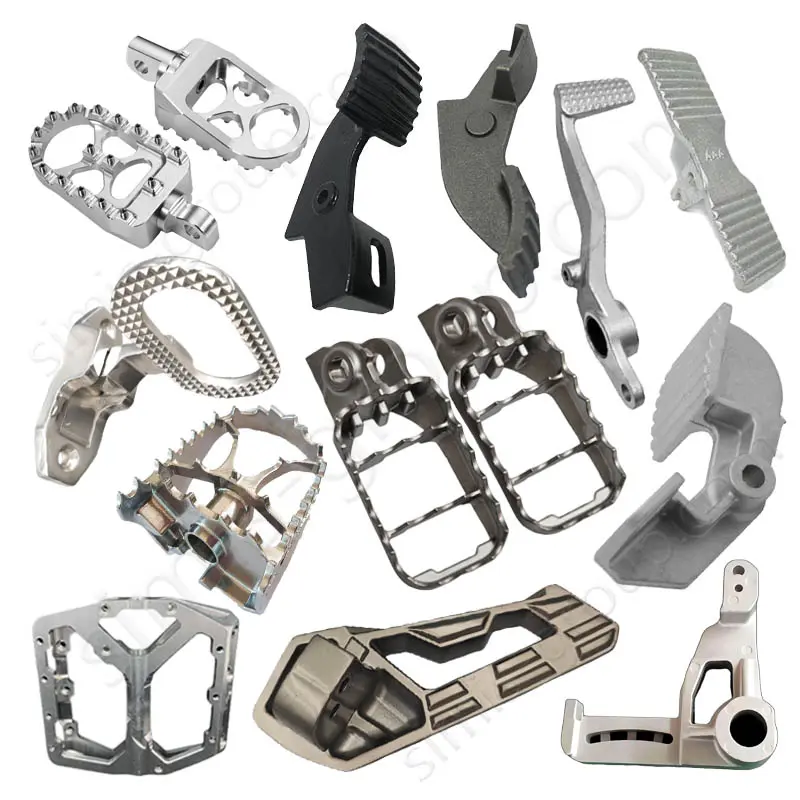
SIMIS supports drawing-based OEM manufacturing of custom metal pedals, including motorcycle foot pegs and footrests, bicycle pedal bodies, brake and clutch pedal arms, kick-start levers, industrial machinery foot controls and related mounting components. Depending on the design, manufacturing methods may include investment casting, shell mold casting, aluminum casting, closed-die forging, sheet metal fabrication and CNC machining. Supply can be limited to individual metal parts or a specifically agreed mechanical subassembly.
2. Is casting or forging better for load-bearing metal pedals?
Forging can be advantageous for certain highly loaded pedal arms, levers and spindles because controlled plastic deformation can produce favorable material flow and mechanical properties. Casting is often suitable for complex footrest platforms, integrated mounting bosses and detailed pedal bodies. However, neither method automatically guarantees higher fatigue life or compliance with safety requirements. Selection depends on alloy, geometry, load direction, production volume, manufacturing quality and the specified validation procedure.
3. Which metals are suitable for OEM pedals and footrests?
Common candidate materials include carbon steel, alloy steel, aluminum alloys, ductile iron and stainless steel. Forged or machined steel may be appropriate for highly loaded levers and spindles, while cast aluminum and forged aluminum are candidates for lightweight pedal components. Ductile iron and stainless steel castings may suit selected machinery pedals or footrests. The required material grade, product standard, heat treatment and mechanical properties must be specified according to the intended application and manufacturing route.
4. Can pivot holes, foot-grip features and pedal mounting connections be customized?
Yes. Custom features may include pivot bores, bearing seats, pin holes, mounting lugs, spindle threads, splines, linkage connections, serrated foot-contact surfaces, anti-slip ribs and mechanical stops. Critical dimensions should be established according to the mating equipment and actual load path. CNC machining may be required to achieve specified fits and positional tolerances, particularly at rotating connections and load-bearing interfaces.
5. What information is needed for a custom metal pedal quotation?
Please provide 2D drawings and available STEP or other 3D CAD models, pedal application, material grade, overall dimensions, critical interfaces, surface finish and expected order quantity. For load-bearing pedal components, the OEM should also identify the design loads, mounting arrangement, operating environment, fatigue requirements and any applicable product standards. These details allow SIMIS to evaluate manufacturing feasibility, suitable casting or forging routes, machining requirements and the agreed inspection scope.
OEM Custom Metal Pedals, Footrests and Pedal Components
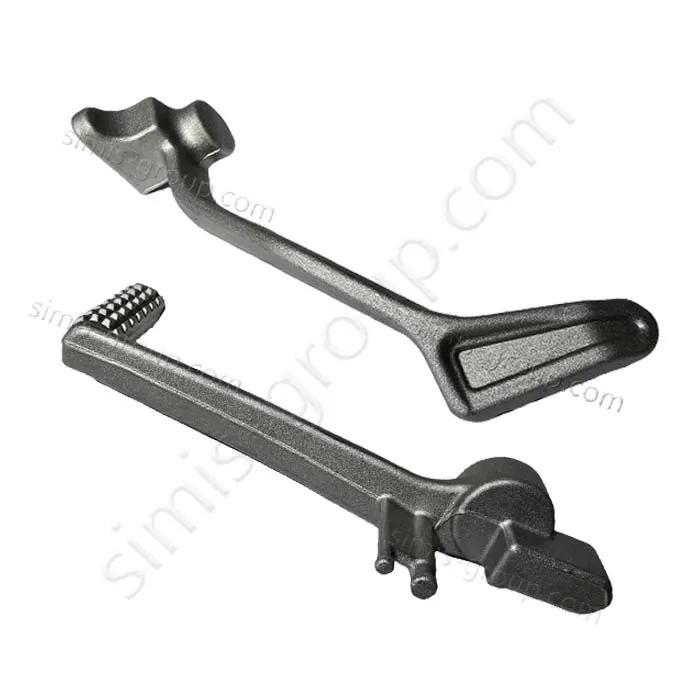
A custom metal pedal is a foot-operated or foot-supporting mechanical component manufactured according to the dimensional, material and functional requirements of a particular equipment design. Metal pedals are used in motorcycles, bicycles, automotive control systems, industrial machinery and other applications where foot-applied forces must be supported or transmitted through a mechanical structure.
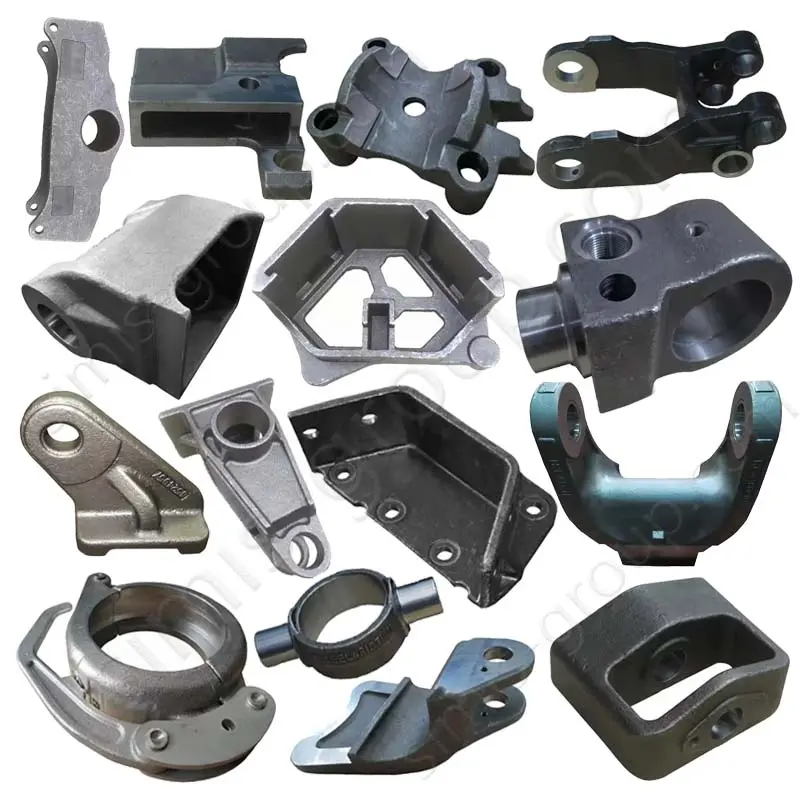
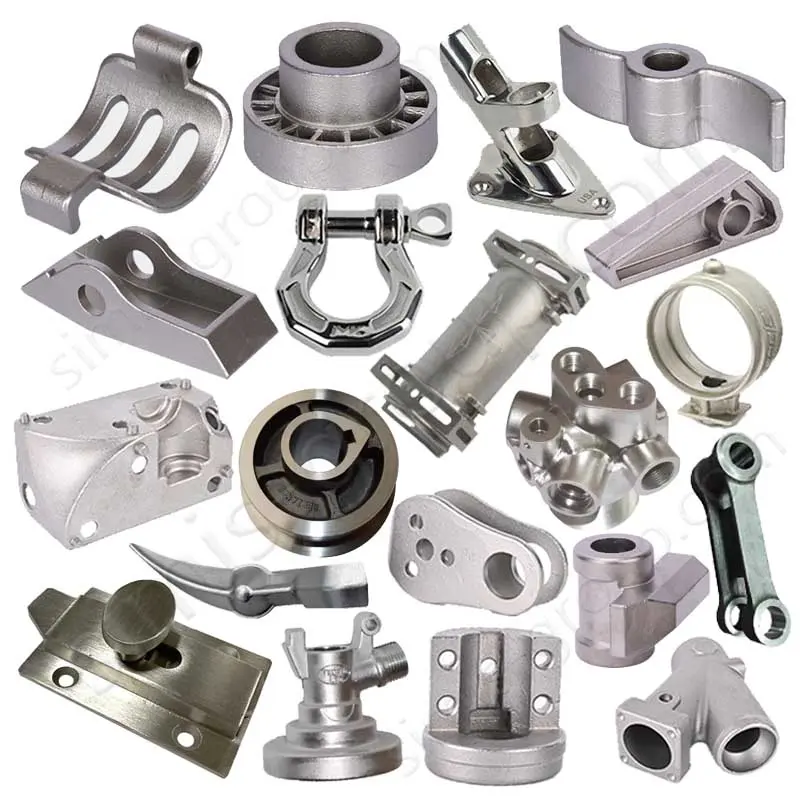
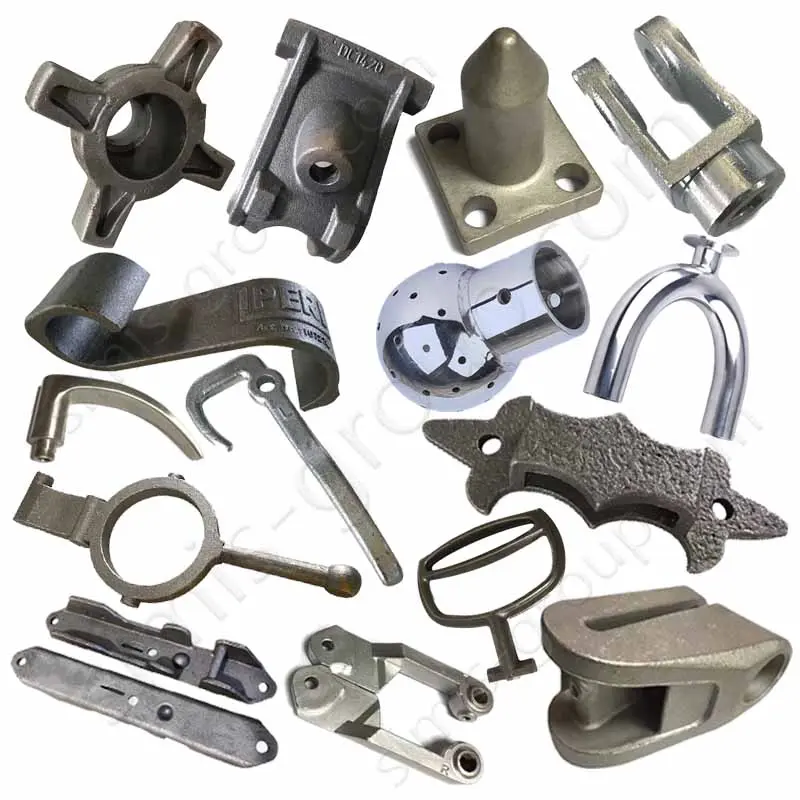
SIMIS provides OEM manufacturing solutions for cast metal pedals, forged pedal arms, aluminum pedal bodies, stainless steel footrests and machined pedal components. The manufacturing process is selected according to the actual part geometry, material properties, loading conditions, required tolerances and production volume.
Although these products are often grouped under the general term metal pedals, their engineering functions differ significantly. A motorcycle foot peg supports rider loading through its mounting hinge, while a vehicle brake pedal arm transmits foot force toward a linkage or actuator. A bicycle pedal transfers repeated loading through bearings and a spindle into the crank, whereas an industrial foot control may operate a mechanical switch or linkage.
These differences determine the important design features, manufacturing methods and inspection requirements. SIMIS focuses on custom metal component manufacturing rather than assuming that every order includes bearings, rubber pads, sensors, springs or a fully assembled control system. The required supply scope should be clearly defined in the engineering drawings and purchase specifications.
Types of Custom Metal Pedals and Their Mechanical Functions
Custom pedal design begins with identifying how the component receives and transfers force. Different pedal types require different pivot arrangements, supporting structures, surface features and material properties. A design suitable for one application should not be assumed interchangeable with a visually similar pedal used in another machine or vehicle.
| Metal Pedal Type | Main Function | Critical Engineering Features |
|---|---|---|
| Motorcycle Foot Peg / Footrest | Supports rider or passenger foot loading. | Platform stiffness, mounting lugs, pivot pin connection, grip features and impact resistance. |
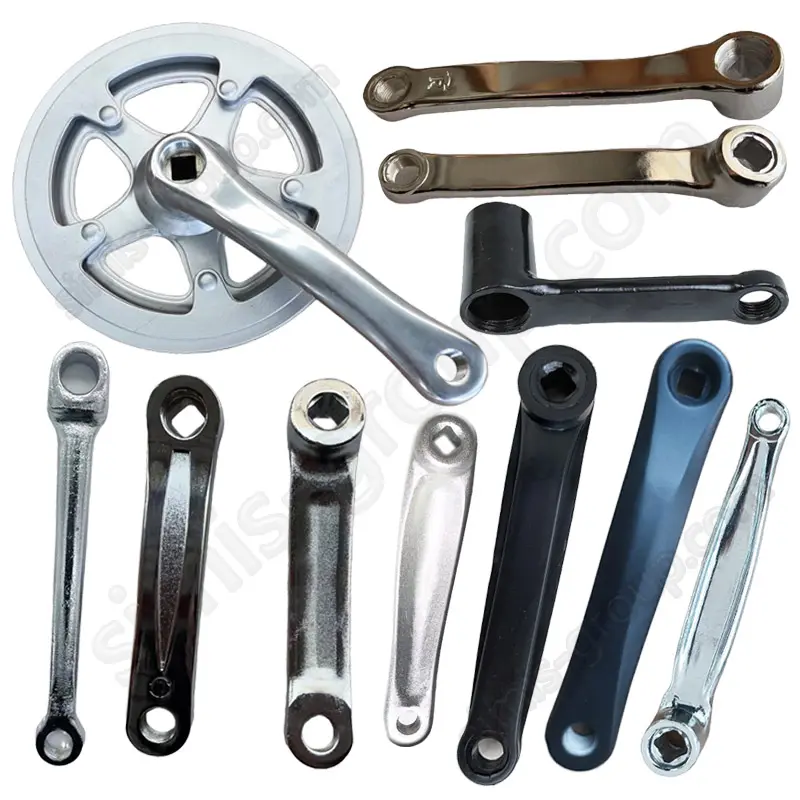
| Bicycle Pedal Body | Supports pedaling force and transmits loading through the spindle into the crank. | Bearing seats, spindle interface, platform geometry, axial retention and fatigue performance. |
| Automotive Brake / Clutch Pedal Arm | Transfers driver foot force to the corresponding actuator or linkage. | Lever geometry, pivot bore, actuator connection, rigidity, travel stops and fatigue resistance. |
| Kick-Start / Shift Pedal Lever | Converts foot-applied force into rotation or actuation of a mechanical shaft. | Shaft engagement, spline or clamp interface, bending strength and lever geometry. |
| Industrial Machinery Foot Pedal | Operates or supports a foot-controlled machine mechanism. | Mounting position, actuation travel, pivot alignment, mechanical stops and environmental protection. |
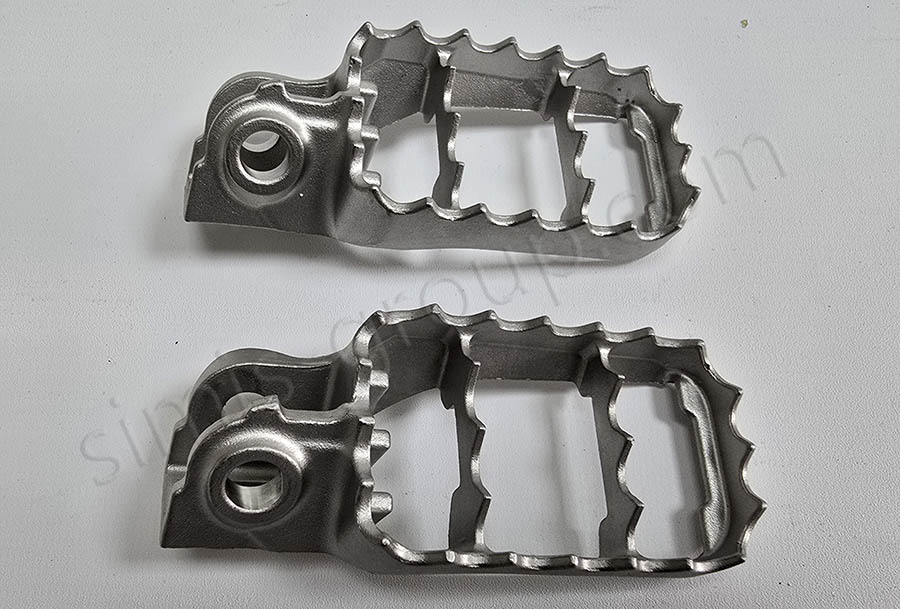
Motorcycle Foot Pegs and Custom Cast Footrests
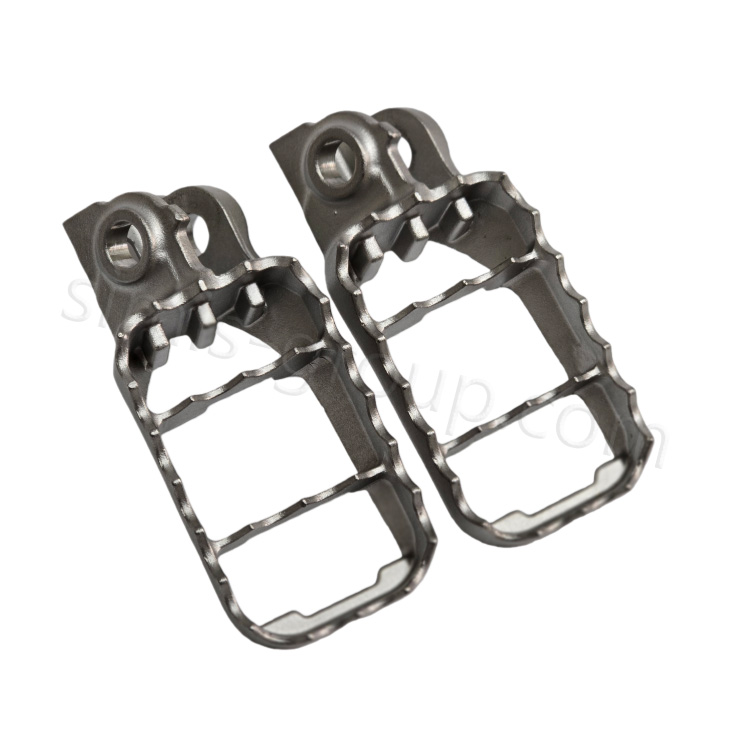
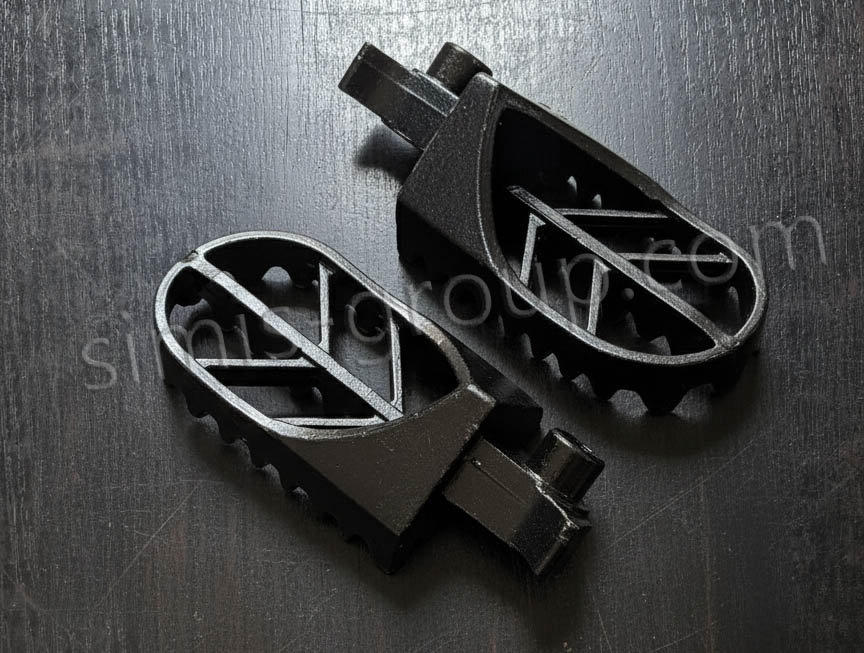
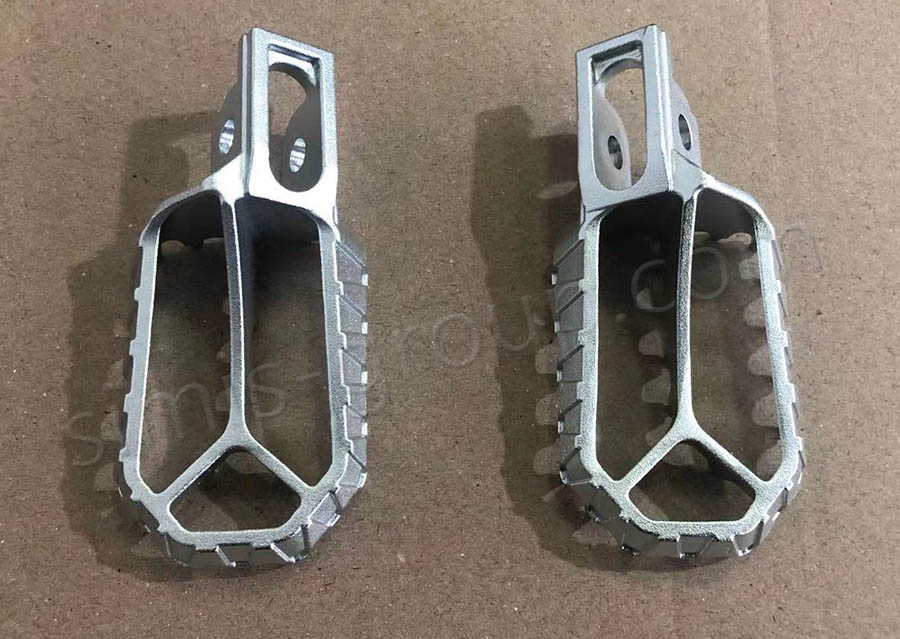
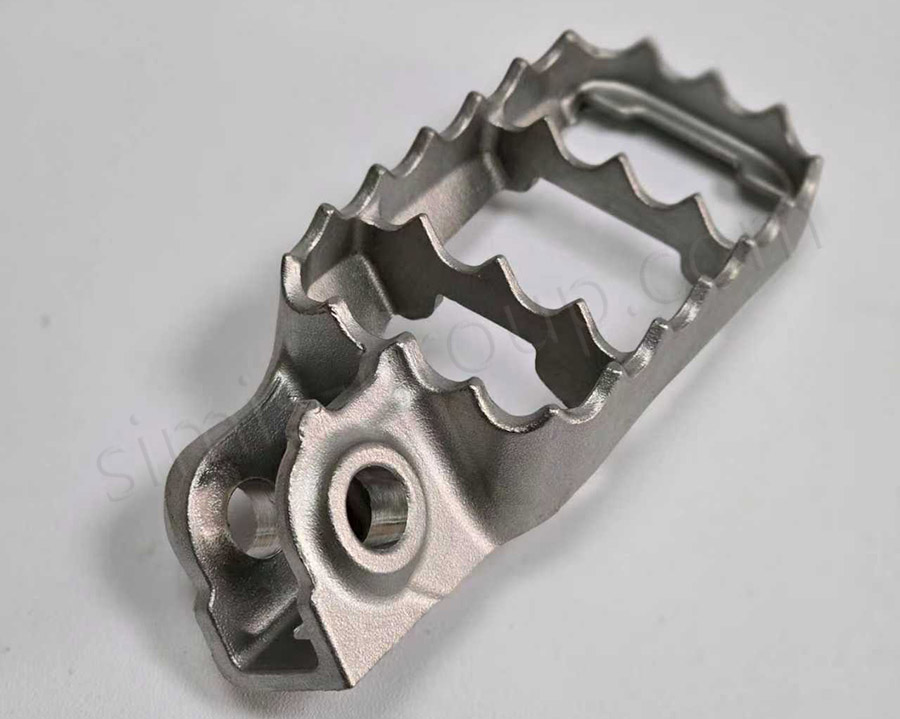
Motorcycle foot pegs and footrests often incorporate an open-frame platform, raised anti-slip edges and an integral mounting structure. The foot-contact platform distributes rider loading through ribs and side members, while the mounting boss transfers reactions into the motorcycle bracket or frame assembly.
Important dimensions include platform width, foot-contact length, mounting pin diameter, clevis width, hinge-axis position and the geometry of any retention or folding features. Serrations and raised teeth must provide the intended foot grip without creating unsuitable thin sections or stress concentrations.
Complex stainless steel or ductile iron footrests may be evaluated for precision casting where the geometry and mechanical requirements permit. Casting can integrate external ribs, bosses and traction features, but dimensional accuracy and casting integrity still need to meet the approved component specification.
Industrial Machinery and Equipment Foot Pedals
Industrial machinery pedals may serve as mechanical actuators, foot-operated levers or supporting platforms. Their construction varies from relatively simple formed-steel components to complex cast metal bodies with integrated mounting and pivot features.
For equipment used in dusty, wet or abrasive environments, design considerations include contamination around the pivot, corrosion protection, mechanical stop position and the ability to inspect or maintain moving interfaces. A cast iron machinery pedal may be suitable for particular operating loads, but material selection must consider ductility, shock loading and the consequences of component failure.
Aluminum Bicycle Pedal Bodies and Platforms
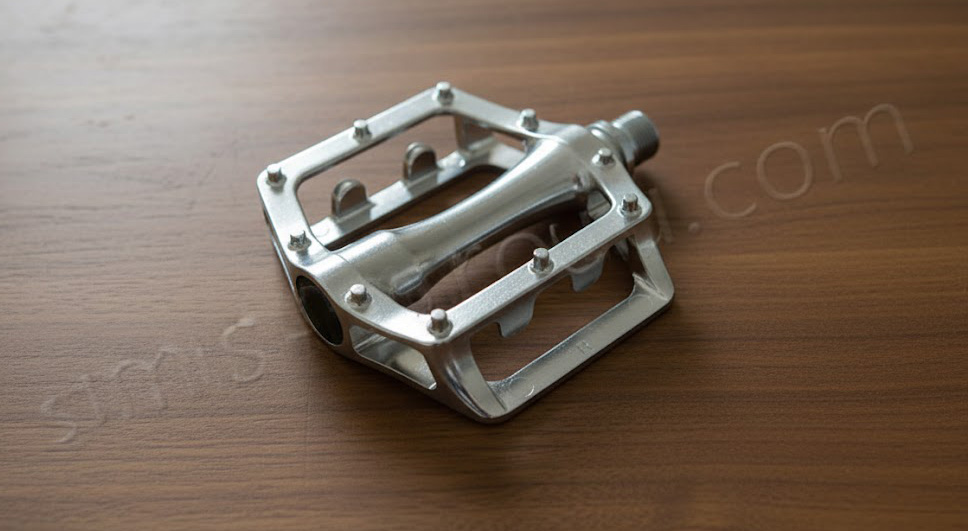
Bicycle pedals combine a load-bearing platform with a rotating spindle and bearing system. Aluminum alloy pedal bodies can reduce component mass while allowing different platform configurations, including compact commuter pedals and wider open-frame designs.
The pedal body must provide adequate material around bearing locations and the surrounding support structure. Casting process selection depends on the intended alloy, platform geometry, loading conditions and production quantity. Gravity casting and pressure die casting are different processes and must not be treated as interchangeable without examining the actual part design.
SIMIS also supports related custom bicycle parts manufacturing for OEM equipment projects. Pedal body manufacturing and complete pedal assembly qualification should be defined as separate responsibilities where applicable.
Metal Pedal Manufacturing Processes: Casting, Forging and Fabrication
Manufacturing process selection affects the mechanical properties, dimensional characteristics, surface condition and production cost of custom metal pedals. Casting is often useful for complex three-dimensional geometry, forging may be advantageous for suitable highly loaded components, and sheet metal fabrication can efficiently produce compatible pedal arms and brackets.
No single process should be described as the best choice for every pedal. The correct manufacturing route must account for load magnitude and direction, material grade, part size, section thickness, expected fatigue exposure, machining requirements and production volume.
| Manufacturing Process | Potential Pedal Applications | Engineering Considerations |
|---|---|---|
| Investment Casting | Intricate stainless steel footrests, brackets and integrated pedal structures. | Complex geometry, casting soundness, wall transitions and machining allowances. |
| Shell Mold / Sand Casting | Selected ductile iron pedals, equipment foot controls and mounting structures. | Section thickness, mold design, material properties, casting defects and machined interfaces. |
| Aluminum Gravity Casting | Selected aluminum pedal bodies and platforms. | Alloy suitability, mold filling, feeding, solidification and structural integrity. |
| Pressure Die Casting | Complex aluminum pedal bodies and equipment foot-control housings. | Tooling cost, porosity, die design, mechanical performance and validation of highly loaded sections. |
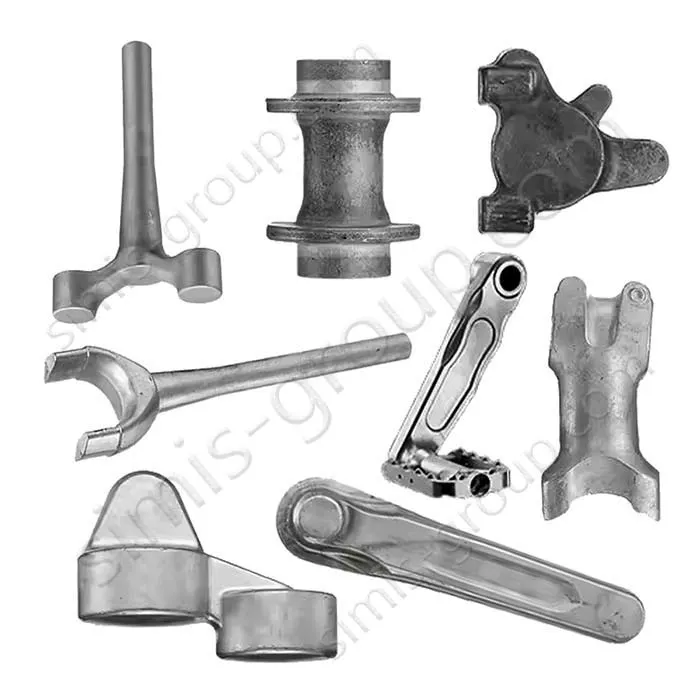
| Closed-Die Forging | Selected steel or aluminum pedal arms, spindles and kick-start levers. | Material flow, forging direction, die feasibility, heat treatment and subsequent precision machining. |
| Sheet Metal Fabrication | Pressed steel pedal arms, mounting brackets, reinforcing plates and welded structures. | Bend geometry, material thickness, weld design, distortion and fatigue loading. |
| CNC Machining from Stock | Custom spindles, prototype pedal components and precision mechanical interfaces. | Machining access, material removal, workholding, dimensional tolerance and production economics. |
Investment Casting and Shell Mold Casting for Metal Footrests
Investment casting is suitable for selected stainless steel pedals requiring detailed external geometry, mounting bosses and integrated traction features. SIMIS provides custom investment casting services for complex metal components.
Shell mold casting may be considered for suitable ductile iron pedal structures and equipment components. Compared with some conventional sand casting arrangements, shell molding can offer particular benefits in mold detail and repeatability, depending on part size, material and production conditions. SIMIS also supports shell mold casting manufacturing for appropriate industrial parts.
Casting design should consider rib thickness, local section transitions, feeding conditions and machining access around the pivot. Highly stressed mounting lugs require particular attention because internal discontinuities, sharp transitions or insufficient section properties may affect the intended structural performance.
Aluminum Die Casting and Gravity-Cast Pedal Bodies
Aluminum casting is used for certain lightweight pedal bodies and foot-control structures. Pressure die casting can incorporate complex ribs, mounting bosses and relatively thin sections in suitable production volumes. Gravity casting may be evaluated for different alloy and geometry combinations where mold filling, solidification and the required component properties can be controlled.
SIMIS provides custom aluminum pressure die casting for compatible OEM products. However, highly loaded pedal structures should not be accepted solely because they can be produced to the required external shape. Material properties, casting integrity, stress concentrations and component testing must be considered together.
Forged Pedal Arms, Spindles and Mechanical Levers
Closed-die forging can be considered for pedal components subject to substantial bending, torsion or repeated mechanical loading. Suitable designs include certain steel pedal arms, aluminum levers and shaft-connected components. SIMIS offers closed-die forging manufacturing for drawing-based structural metal parts.
Forging conditions, alloy selection, heat treatment and component geometry affect the resulting properties. Forging does not eliminate all material defects, and favorable grain flow alone cannot establish the fatigue life of a finished pedal. Machined surfaces, local notches and load-bearing interfaces must also be considered during engineering review.
Formed Steel Pedal Arms and Mounting Brackets
Some automotive and machinery pedal arms are efficiently produced by cutting, stamping, bending or welding steel stock. This route may be more appropriate than casting for compatible open sections, sheet-based structures and welded pedal assemblies.
SIMIS provides related custom sheet metal fabrication. Bend locations, weld joints and reinforcement features should be designed for the intended load path. Fabricated construction does not automatically imply a lower structural rating than casting or forging; suitability depends on the complete design and its validation.
Material Selection for Cast and Forged Metal Pedals
Material selection influences pedal strength, stiffness, weight, corrosion resistance, fatigue behavior and manufacturing cost. The required material specification should correspond to the actual production method and product form rather than relying only on a familiar alloy name.
| Material Family | Potential Applications | Grade and Specification Considerations |
|---|---|---|
| Carbon Steel | Forged or fabricated pedal arms, linkage parts and selected spindles. | 1045-type steel may be suitable for specified wrought or forged components. Casting requirements use separate cast steel specifications, such as ASTM A27/A27M where applicable. |
| Alloy Steel | Highly loaded pedal levers, shafts and mechanical connections. | 4140-type steel may be considered with an appropriate wrought or forging specification, heat treatment and required mechanical properties. |
| Forged / Wrought Aluminum | Lightweight pedal arms, supports and selected platforms. | 6061 and selected other wrought alloys may be suitable. ASTM B247/B247M may be applicable to aluminum alloy forgings. |
| Cast Aluminum Alloy | Complex pedal bodies, platforms and foot-control housings. | Die-cast aluminum alloys may be specified under ASTM B85/B85M. Gravity-cast alloys require the appropriate casting specification and condition. |
| Ductile Iron | Selected industrial foot pedals and cast support structures. | ASTM A536 specifies ductile iron castings. Grade, section properties, elongation and service loading require evaluation. |
| Stainless Steel | Corrosion-exposed footrests, pedal fittings and selected machinery components. | Wrought 304/316 and cast CF8/CF8M use different product specifications. ASTM A743/A743M may apply to specified corrosion-resistant castings. |
Cast Aluminum Is Not the Same as Forged 6061 Aluminum
A cast aluminum pedal body and a forged 6061 aluminum pedal arm may have similar external dimensions while possessing different material structures and mechanical properties. The alloy designation, temper, product standard and processing route must be considered together.
For safety-relevant applications, mechanical property requirements should reflect the actual production condition and critical sections. General-purpose aluminum die casting specifications do not, by themselves, provide all the component integrity and performance evidence needed for a highly loaded pedal design.
Ductile Iron and Stainless Steel Casting Considerations
Ductile iron offers useful combinations of strength, castability and ductility for selected structural components. However, its properties depend on the specified grade, microstructure, section thickness and material condition. The use of ductile iron in highly loaded or impact-exposed pedal parts requires application-specific assessment.
Stainless steel castings may be considered for pedal components operating in wet or corrosive environments. Cast CF8M and wrought 316 belong to related alloy families but are not identical manufacturing specifications. Corrosion resistance also depends on surface condition, exposure environment and mechanical design. Stainless steel should not be described as permanently corrosion-free.
Critical Pedal Geometry, Pivot Connections and Load-Bearing Features
Pedal Arm Length, Lever Ratio and Actuation Travel
For a pivoting control pedal, the position of the pivot relative to the foot-contact area and actuator connection influences the mechanical advantage and operating travel. The mechanical behavior of a pedal therefore cannot be evaluated from its overall length alone.
The design must account for the direction of applied foot force, pivot reaction, actuator load and any mechanical stops. Changes to the pivot position or linkage connection may affect the operating characteristics of the complete mechanism, even when the revised pedal fits within the available installation envelope.
Pivot Bores, Hinge Pins and Mounting Lugs
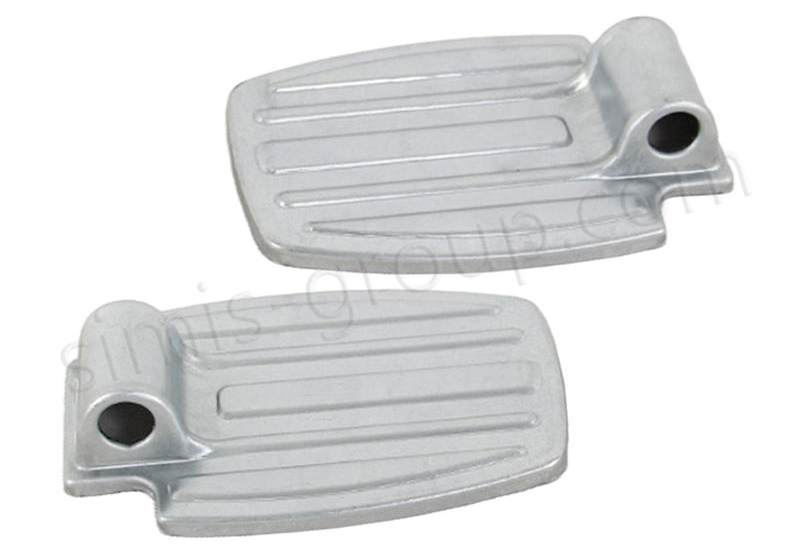
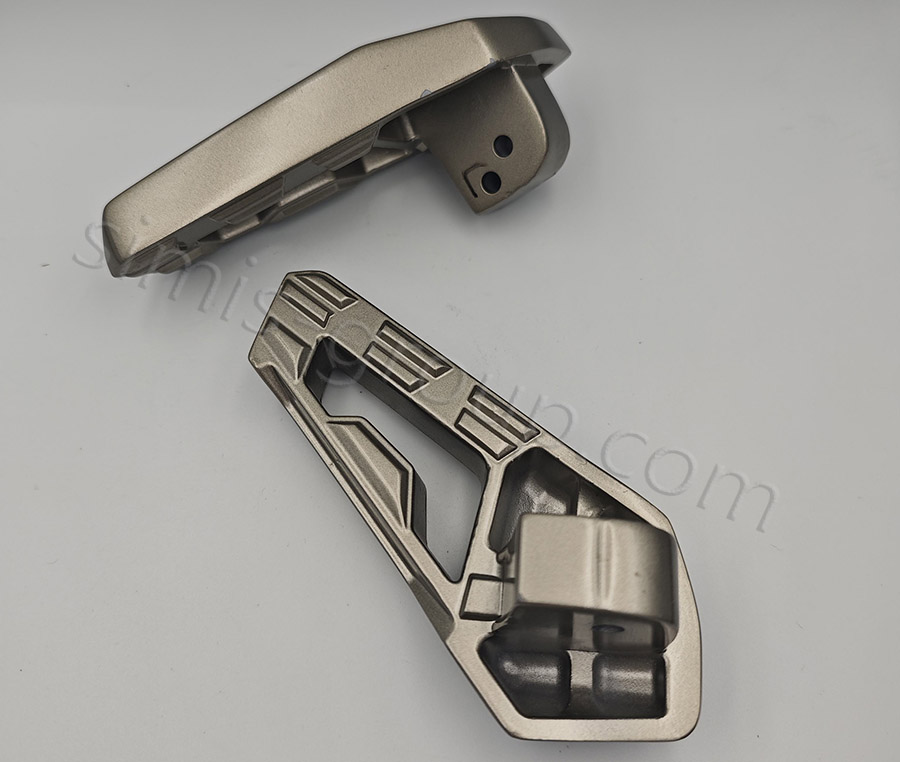
Pivot bores and hinge connections are critical interfaces in many pedal designs. The dimensions of the pivot bore, pin diameter, mounting-lug spacing and surrounding support material influence the fit and mechanical loading of the connection.
The required tolerances depend on whether the pivot uses a plain pin, pressed bushing, rolling bearing or another bearing arrangement. Coaxiality, bore position and axial retention may be important where multiple mounting features must align during assembly.
Mounting lugs should provide adequate material around their openings. Local wall thickness, fillet radii and transitions to the pedal platform or arm require attention because repeated bending or impact loads may concentrate stress in these regions.
Foot-Grip Teeth, Serrations and Platform Stiffness
Motorcycle footrests and certain platform pedals incorporate raised teeth, ribs or replaceable traction elements. These features help establish the intended contact between footwear and the pedal surface, but their shape must remain compatible with the component's mechanical strength and manufacturing method.
For cast platforms, thin ribs and sharp teeth should be evaluated for casting feasibility, local impact resistance and finishing requirements. Open-frame pedal bodies also require adequate stiffness around the platform perimeter and spindle or hinge attachment.
Kick-Start Lever Shaft Interfaces
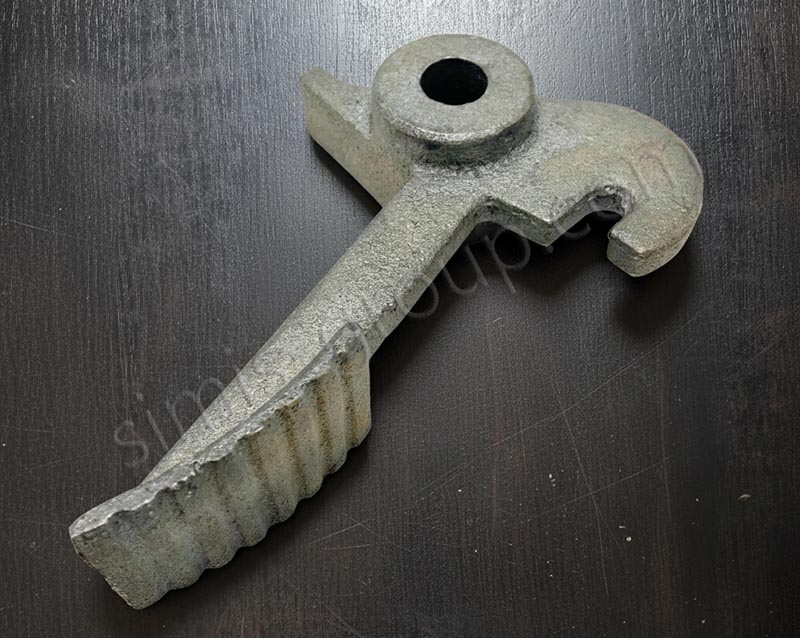
Motorcycle kick-start levers convert foot-applied force into torque at the shaft connection. Unlike a stationary footrest, a kick-start lever must be evaluated for bending and torsion around its shaft interface, as well as local stresses where the lever transitions into the mounting hub.
Depending on the design, the connection may use a spline, clamp arrangement or other specified coupling feature. These dimensions should be established from the mating shaft and approved assembly drawing. SIMIS also provides related custom motorcycle kick starter lever components.
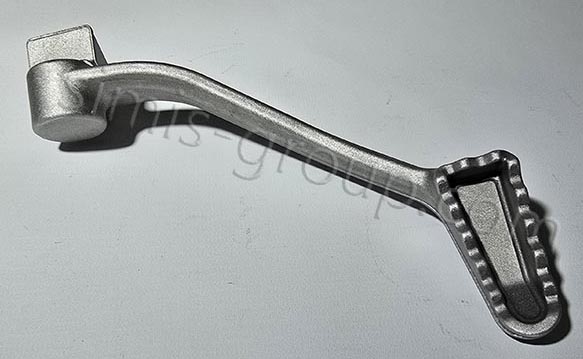
CNC Machining of Pedal Pivot Holes, Spindles and Mounting Interfaces
Casting and forging can establish the main shape of a metal pedal, but many functional interfaces require subsequent CNC machining. Pivot bores, bearing seats, threaded connections and locating surfaces must match the mating equipment and the dimensional requirements of the approved drawing.
SIMIS provides precision CNC machining for custom metal components, including suitable castings, forgings and stock-based parts. The machining sequence should be planned around the functional datum system so that critical features can be produced and inspected consistently.
Precision Bores, Bearing Seats and Linkage Connections
Depending on the pedal design, CNC machining operations may include drilling, reaming, boring, milling, turning, thread cutting and finishing of mounting faces. For rotating components, shaft journals and bearing interfaces may require tighter dimensional control than non-functional exterior surfaces.
The appropriate fit must be specified according to the actual mating components. For example, an H7 bore designation applies to a defined hole tolerance zone, not to every dimension of the pedal. Thread dimensions, thread direction, positional tolerances and surface roughness require separate specifications where relevant.
CNC Machining Allowances for Cast and Forged Pedals
Machining allowance should be incorporated into the casting or forging design when precision finishing is required. Insufficient allowance may prevent the finished part from meeting the required dimensions, while excessive allowance increases material removal and machining cost.
Workholding must also protect the component from deformation. Open-frame pedal bodies, thin platform ribs and projecting mounting lugs can be sensitive to inappropriate clamping forces. The machining plan should therefore consider the stiffness of the actual workpiece and the accessibility of functional surfaces.
Dimensional Control and Functional Assembly Fit
Dimensional inspection may include pivot bore size, hole position, spindle geometry, mounting-lug spacing, contact-face alignment and specified geometric tolerances. The inspection method should be appropriate to the tolerance and geometry of each feature.
A pedal that meets its dimensional requirements is more likely to fit the intended assembly correctly, but dimensional conformity alone cannot establish the fatigue life, load capacity or safety of the finished equipment. Functional verification must be performed at the appropriate component or system level.
Metal Pedal Surface Finishes, Wear and Corrosion Protection
Anodized Aluminum Pedals and Footrests
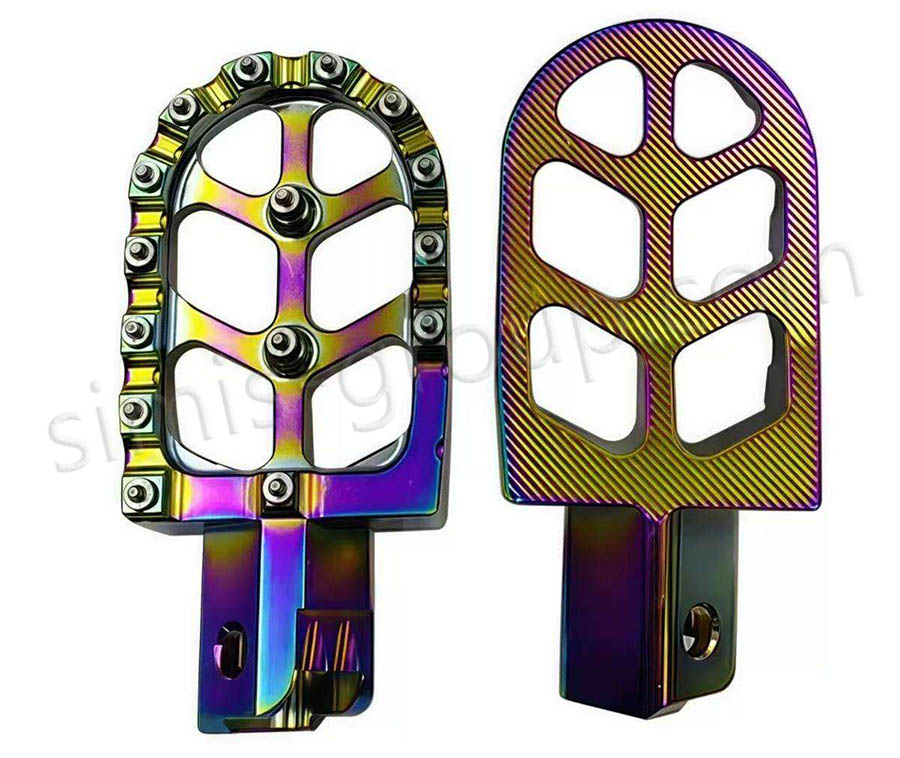
Anodizing is commonly considered for compatible aluminum pedal bodies and footrests. The treatment can improve certain surface characteristics and provide decorative color options. However, coating appearance and performance depend on the actual alloy, surface condition and anodizing specification.
Anodized surfaces must be evaluated in relation to the pedal's function. Repeated shoe contact, abrasion and impact can affect exposed edges or traction features. Coating thickness may also influence precision fits, threads or bearing interfaces. Masking or dimensional compensation should be specified when necessary.
Steel Coatings and Stainless Steel Finishing
Carbon steel and alloy steel pedals may require plating, painting, powder coating or other specified corrosion protection. The appropriate finish depends on water exposure, abrasive contamination, required appearance and the condition of critical mechanical interfaces.
Stainless steel footrests may require cleaning, deburring, polishing or passivation according to the manufacturing process and application. Surface finishing should not remove the intended traction geometry or alter functional dimensions outside the specified tolerances.
For high-strength steel components, the possibility of hydrogen embrittlement associated with certain electroplating processes should be considered where relevant. Finish selection and any required preventive procedures should follow the material condition, application risk and applicable purchase specification.
Metal Pedal Quality Inspection, Fatigue Testing and Safety Requirements
Custom metal pedals may be exposed to repeated foot loading, bending, vibration, impact or environmental wear. Their inspection requirements must reflect the actual application and mechanical consequences of failure. Material identification and dimensional checks are important, but they are not substitutes for component-level structural validation where such validation is required.
| Inspection / Test | Potential Method | Verification Objective |
|---|---|---|
| Material Conformity | Material certificates, chemistry checks and specified mechanical tests. | Verify the required alloy and specified material properties within the agreed scope. |
| Dimensional Inspection | CMM, gauges, bore measurement and profile inspection. | Confirm pivot geometry, mounting features, fits and drawing tolerances. |
| Surface / Internal Discontinuities | Visual examination and specified NDT where technically appropriate. | Identify relevant indications within the selected method's detection capability. |
| Static Load and Deflection | Agreed proof-load or structural test using defined fixtures. | Evaluate the component response under the specified applied load. |
| Fatigue Resistance | Application-specific cyclic loading with defined test conditions. | Assess durability under the tested load spectrum and acceptance criteria. |
| Coating and Surface Condition | Visual checks, specified coating measurements and corrosion tests. | Verify the agreed finishing requirements and specified environmental performance. |
Why Pedal Fatigue Resistance Requires Separate Verification
Repeated loading can generate fluctuating stresses around pedal pivot bosses, mounting lugs, sharp section transitions and machined interfaces. A metal pedal may satisfy the required static strength while still requiring additional fatigue evaluation for long-term cyclic operation.
Fatigue behavior depends on material properties, surface condition, residual stresses, manufacturing discontinuities, geometry and load history. A hardness result or nondestructive inspection report does not independently establish the component's fatigue life.
Where fatigue testing is required, the acceptance procedure should specify load magnitude, load direction, test frequency, number of cycles, fixture arrangement and permissible damage or deformation. The component design authority should identify the appropriate validation conditions before production approval.
Bicycle Pedal Testing and ISO 4210 Requirements
ISO 4210 addresses safety requirements for bicycles within its applicable scope. ISO 4210-8:2023 specifies pedal and drive-system test methods associated with ISO 4210-2. The relevant test requirements depend on the bicycle category and the complete pedal configuration being evaluated.
Manufacturing a pedal body or spindle according to a material and dimensional specification does not automatically establish compliance of the assembled bicycle pedal with the applicable requirements. Where standardized testing is necessary, the tested assembly, responsible party and required evidence must be defined in the OEM project documentation.
Automotive Brake Pedals and Vehicle-Level Safety
Automotive brake and clutch pedal components may be subject to demanding load and durability requirements. For applicable vehicle categories, FMVSS No. 135 addresses service-brake and associated parking-brake system performance. It should not be interpreted as a general material certification for an individual metal pedal arm.
A brake pedal arm that passes dimensional inspection or a specified component load test does not independently demonstrate compliance of the complete braking system. The vehicle manufacturer or responsible engineering authority must establish the applicable regulatory obligations, assembly-level requirements and necessary validation evidence.
OEM Component Acceptance and Certification Boundaries
The scope of acceptance should distinguish material conformity, component dimensional inspection, mechanical testing and finished-equipment certification. Each level addresses different requirements and cannot automatically replace the others.
For motorcycle, bicycle, automotive and industrial machinery applications, the applicable standards and testing responsibilities should be confirmed by the customer. SIMIS can manufacture metal components against approved drawings and agreed inspection specifications, while any specialized fatigue testing, equipment certification or third-party approval must be separately established within the project scope.
Request a Quote for Custom Cast and Forged Metal Pedals
SIMIS supports OEM custom metal pedal manufacturing for motorcycle footrests, bicycle pedal bodies, automotive pedal arms, industrial machinery foot controls, kick-start levers and related mechanical components. Depending on the approved design, manufacturing may involve casting, forging, sheet metal fabrication and CNC machining, followed by the specified finishing and inspection operations.
To support manufacturing feasibility review and an accurate quotation, please provide the following information whenever available:
Engineering drawings: 2D technical drawings and available STEP or other 3D CAD models, including drawing revision and units.
Pedal type and application: Motorcycle footrest, bicycle pedal, automotive brake or clutch pedal, kick-start lever, industrial foot control or another specified component.
Supply scope: Raw casting, forging blank, machined metal part or a specifically defined mechanical subassembly.
Material specification: Alloy grade, product standard, required temper or heat treatment condition and applicable mechanical-property requirements.
Functional dimensions: Pedal arm length, foot-contact position, platform geometry, critical thicknesses and available installation space.
Pivot and mounting interfaces: Bore dimensions, hinge pin size, mounting-lug spacing, bearing or bushing fits, spindle threads and coupling details.
Load requirements: Specified foot force, bending moment, torsional loading, overload conditions and expected operating duty cycle where relevant.
Critical tolerances: Positional requirements, geometric tolerances, contact surfaces, surface roughness and inspection datums.
Surface finishing: Anodizing, plating, painting, passivation, coating thickness, color and requirements for protecting functional interfaces.
Inspection and testing: Material certificates, dimensional reports, specified NDT, static-load testing, fatigue testing and relevant acceptance criteria.
Applicable standards: Any customer, industry or regulatory requirements relevant to the supplied component or finished equipment.
Production requirements: Prototype quantity, initial batch size, estimated annual volume, tooling expectations and requested delivery schedule.
If the manufacturing process has not yet been selected, SIMIS can review the available drawings and specified requirements to assess appropriate casting, forging, fabrication and machining options. Recommendations should consider component geometry, material suitability, load-bearing features, production volume and required inspection evidence before tooling arrangements are finalized.
Send your custom metal pedal drawings and RFQ to SIMIS: info@simis-group.com