Custom Expanded Metal Mesh Manufacturer
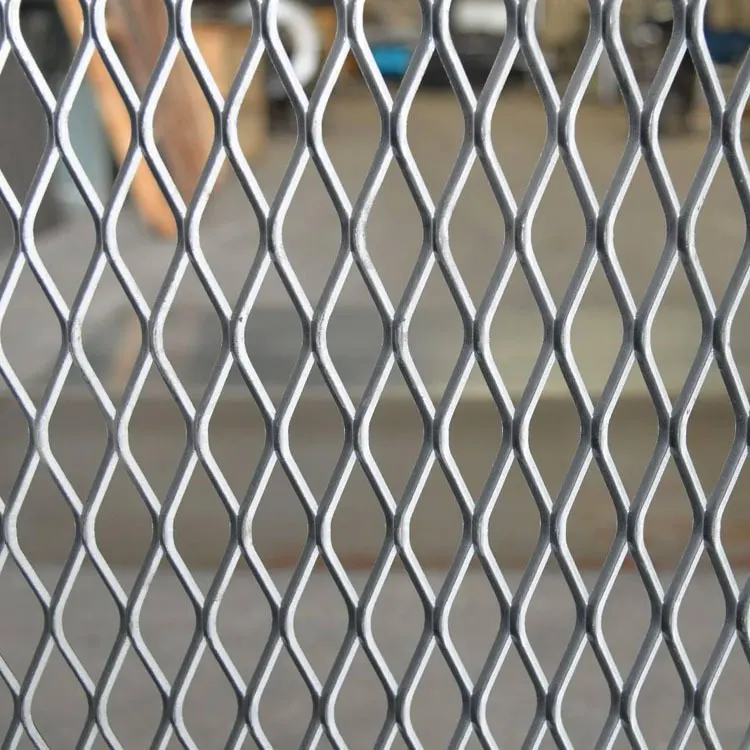
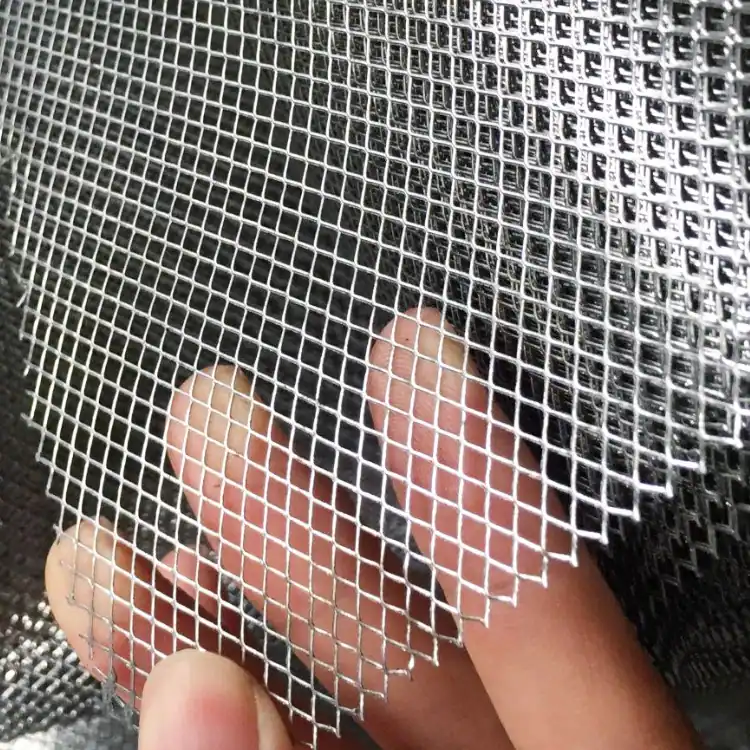
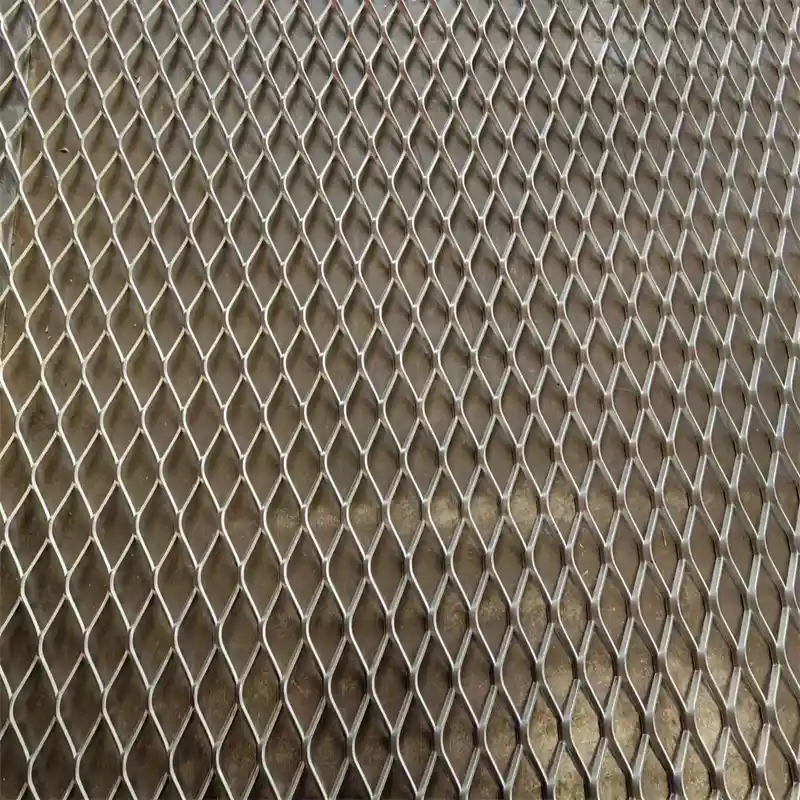
Expanded Metal Mesh

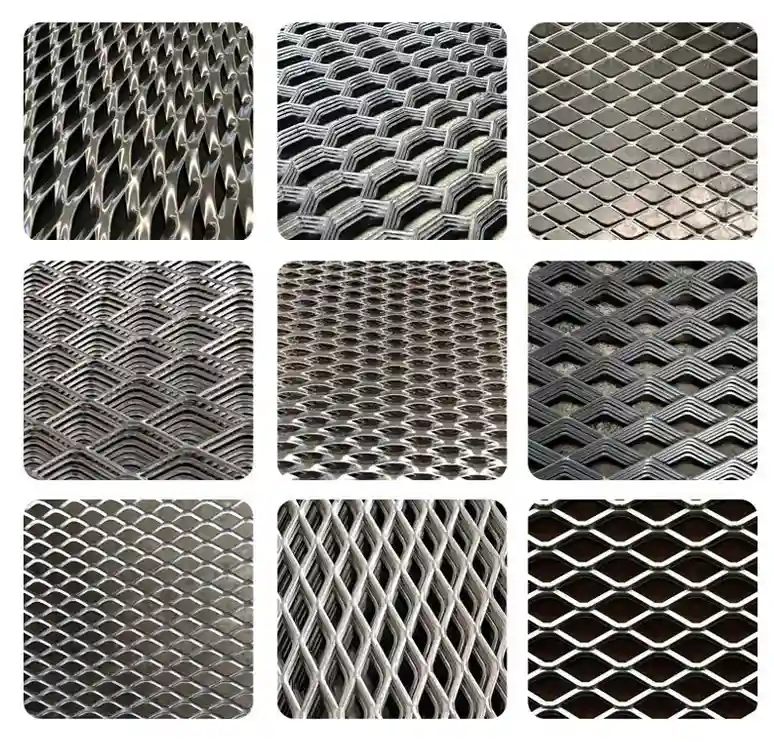
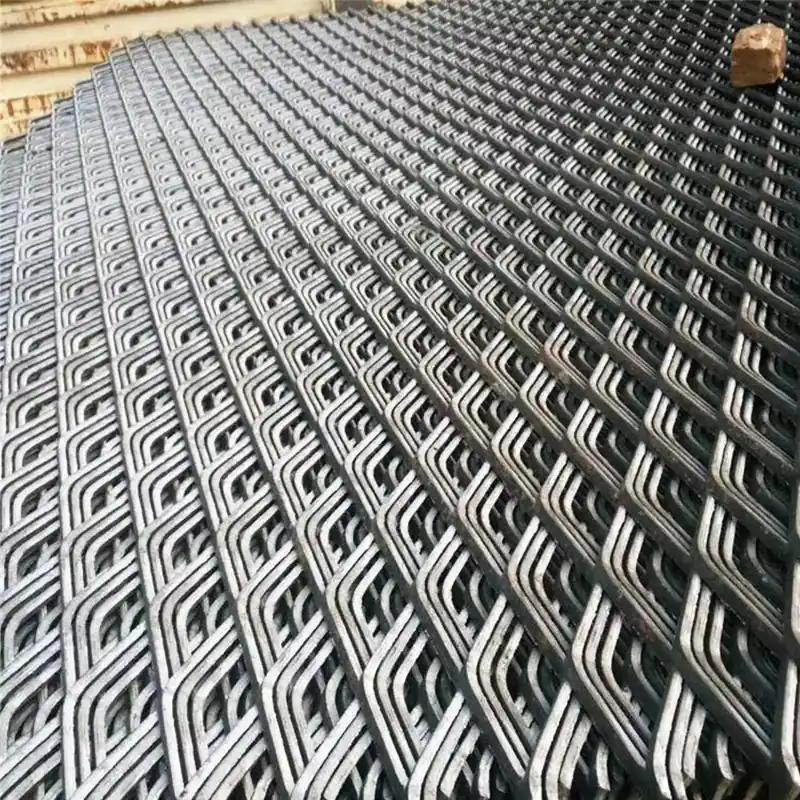
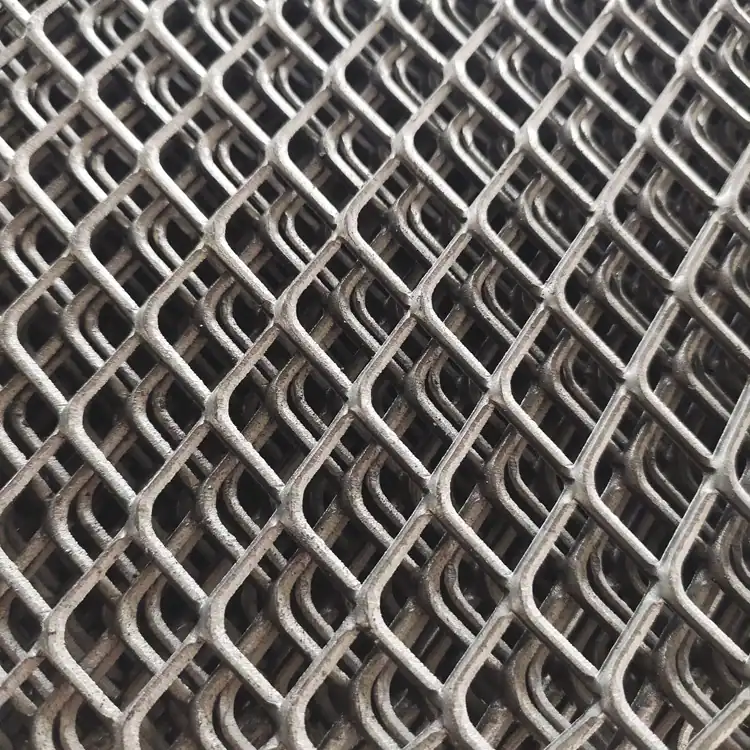
China Simis Company is a premier manufacturer and fabricator of high-quality Expanded Metal Mesh. Unlike woven or welded wire, expanded metal is formed by slitting and stretching a single solid sheet of metal. This continuous structural integrity means there are no joints to fail, no welds to break, and no fraying when cut.
Providing an exceptional strength-to-weight ratio, expanded metal allows for the free flow of light, air, and fluids while creating an unyielding physical barrier. From heavy-duty industrial catwalk gratings to aesthetic architectural facades and micro-filtration cores, Simis delivers both standard rolls and fully fabricated, ready-to-install panels.
What Manufacturing Processes Are Used for Expanded Metal Mesh?
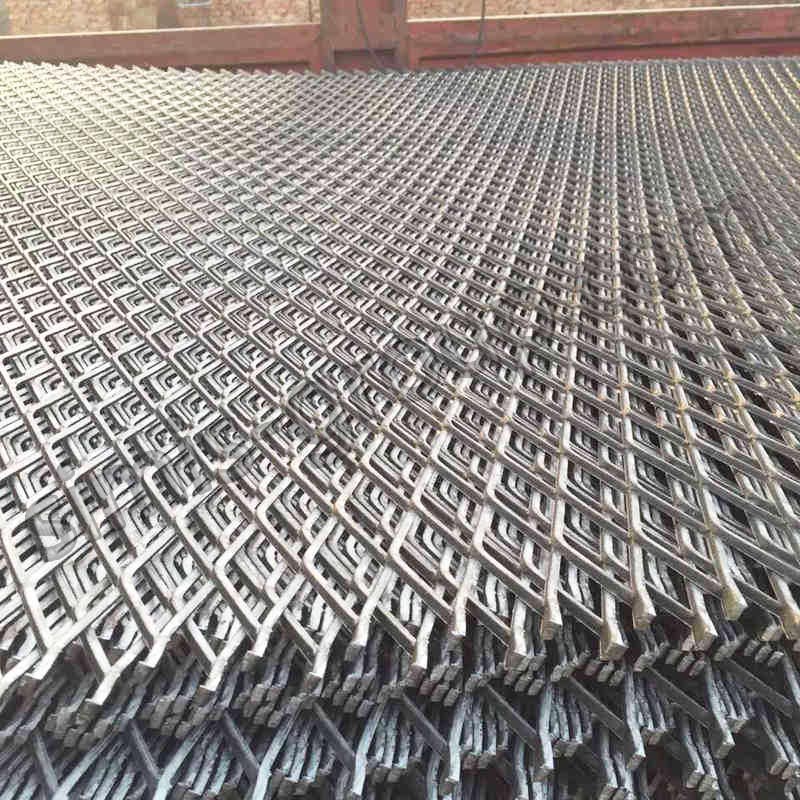
Simis uses four core forming and finishing processes for expanded metal: standard expanding, cold rolling, precision shearing, and U-edging & frame welding. Each process is selected based on application, surface requirement, and assembly needs to ensure strength, safety, and dimensional consistency.
| Process | Best For | Key Engineering Advantage |
| Standard Expanding (Raised) | Catwalks, ramps, and anti-slip flooring. | Maximum Stiffness. The strands are angled to the plane of the sheet, providing superior rigidity, load-bearing capacity, and a natural anti-slip surface. |
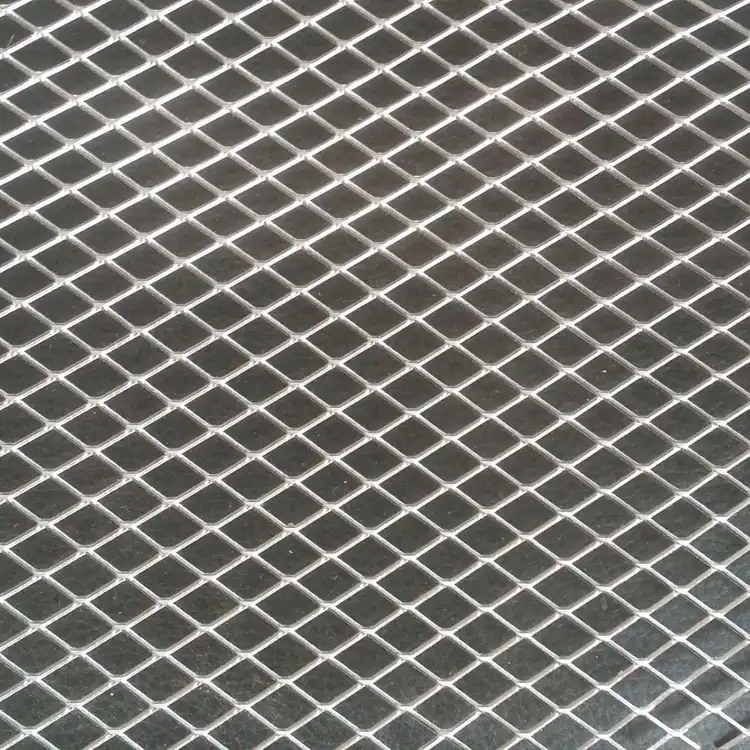
| Cold Rolling (Flattened) | Machine guards, fencing, shelving. | Smooth Surface. The raised mesh is passed through a cold-roll reducing mill, flattening the strands to be flush with the sheet for safe human contact. |
| Precision Shearing | Custom-sized architectural or filter panels. | Edge Integrity. Specialized shearing ensures panels are cut precisely along the "bond" (where strands intersect), preventing sharp, loose edges. |
| U-Edging & Frame Welding | Ready-to-install safety guards and grilles. | Turnkey Assembly. We weld continuous U-profile edges or angle iron frames around the mesh, delivering a rigid, safe, and easily mountable component. |
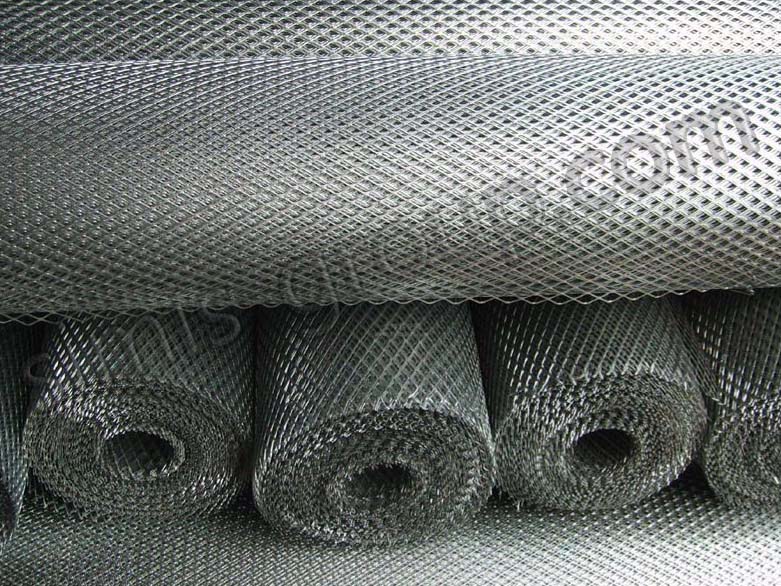
How to Select Materials for Expanded Metal Mesh?
Material selection is determined by environment, corrosion resistance, weight, and structural demand. Simis offers low carbon steel, galvanized steel, stainless steel, aluminum, and specialty metals to meet industrial, architectural, filtration, and marine requirements.
| Material Category | International Grades | Key Attributes | Recommended Environment |
| Low Carbon Steel | ASTM A1011 / Q235 | High impact strength, highly weldable, and cost-effective. | Heavy-duty industrial flooring, security fencing, reinforcement. |
| Galvanized Steel | ASTM A653 (Pre-Galv) / ASTM A123 (HDG) | Excellent rust prevention; HDG completely seals cut edges after expanding. | Outdoor infrastructure, exterior walkways, highway anti-glare screens. |
| Stainless Steel | AISI 304 / 316L (ASTM A240) | Ultimate corrosion and high-temperature resistance; hygienic. | Chemical plants, food processing, offshore rigs, and filtration. |
| Aluminum Alloy | 1060 / 3003 / 5052 | Extremely lightweight, non-magnetic, and easily anodized for aesthetics. | Architectural building facades, acoustic panels, aerospace components. |
| Specialty Metals | Copper / Titanium / Nickel | Excellent conductivity (Copper) or extreme chemical resistance (Titanium). | Battery electrodes, EMI shielding, desalination plant filters. |
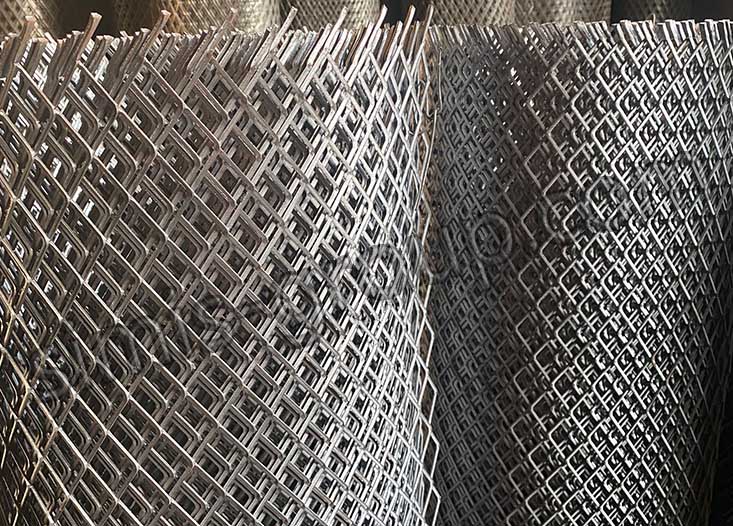
What Precision Fabrication & Secondary Operations Are Provided?
Simis provides complete secondary processing to convert raw expanded mesh into finished components, including custom forming, leveling, surface finishing, and laser cutting. These operations ensure fit, function, and appearance for architectural, industrial, and filtration applications.
·Custom Forming & Bending:
Press braking the mesh into cylinders (for filter tubes), V-shapes, or customized enclosures without fracturing the diamond strands.
·Leveling & Tensioning:
Passing the expanded sheet through a multi-roll leveler to ensure absolute flatness, which is critical for architectural cladding.
·Surface Finishing:
Options include Hot-Dip Galvanizing (HDG) for extreme outdoor life, Powder Coating / Fluorocarbon (PVDF) for vibrant architectural colors, and Anodizing for aluminum meshes.
·Laser Cutting:
For complex, non-rectangular panel shapes required by modern architectural designs or specialized machine guards.
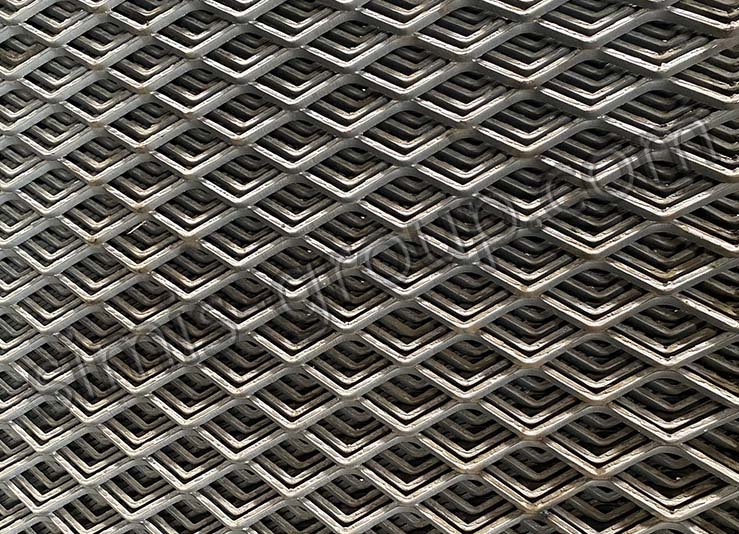
What Are the Industry Applications for Expanded Metal Mesh?
Expanded metal from Simis serves heavy industry, architecture, filtration, safety, and automotive sectors. Each application uses tailored materials and processes to meet structural, aesthetic, or functional performance requirements.
| Industry Sector | Typical Component | Material/Process Selection |
| Heavy Industry & Mining | Catwalks, stair treads, trench covers. | Raised Carbon Steel (HDG) for maximum load bearing and slip resistance. |
| Architecture & Construction | Building facades, sunshades, ceiling panels. | Flattened Aluminum (PVDF Coated) for lightweight, aesthetic visual barriers. |
| Filtration & Separation | Filter support cores, strainers, battery grids. | Micro-Expanded Stainless Steel / Copper for precise open-area percentage. |
| Safety & Security | Machine safety guards, perimeter fencing, window grilles. | Flattened Carbon Steel (Powder Coated) for a smooth, impenetrable barrier. |
| Automotive & Transportation | Trailer ramps, radiator grilles, highway anti-glare nets. | Galvanized Steel or Aluminum for weather resistance and high airflow. |
How Are Expanded Metal Products Categorized by Geometry?
Expanded metal is categorized by surface profile and opening size into four main types: raised, flattened, architectural, and micro expanded mesh. Each geometry is engineered for specific structural, visual, or functional performance.
·Raised Expanded Metal (Standard):
The strands and bonds are set at a uniform angle, adding strength and rigidity. Excellent for grip and anti-slip applications.
·Flattened Expanded Metal:
Processed to create a smooth, flat surface. Ideal for applications where materials or personnel brush against the mesh.
·Architectural Expanded Metal:
Features heavier strands, larger openings, or unique decorative diamond patterns designed specifically for visual impact.
·Micro Expanded Metal:
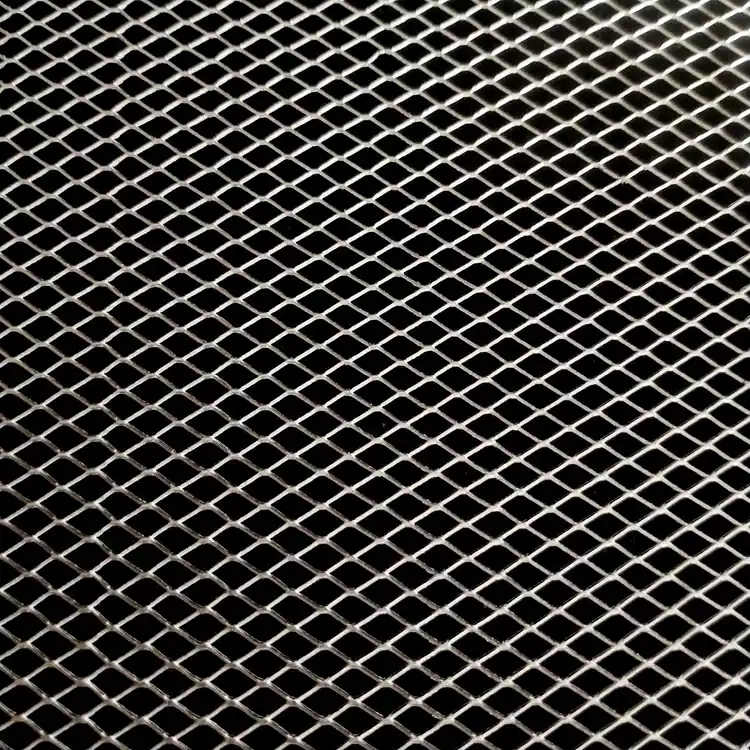
Extremely fine mesh (with openings as small as a fraction of a millimeter) used in acoustic dampening, filtration, and electromagnetic interference (EMI) shielding.
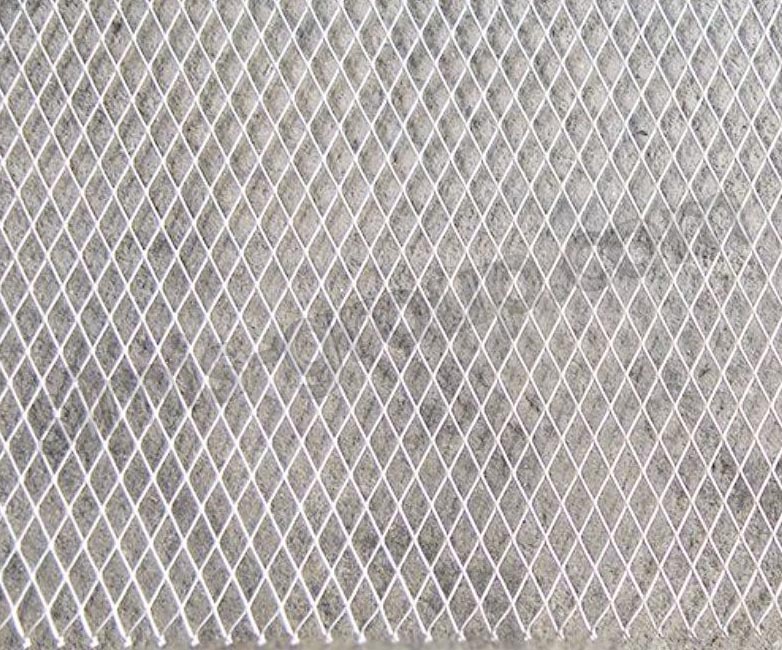
What Are the Simis Advantages for Custom Expanded Metal Solutions?
Simis provides specialized engineering advantages including geometric customization, zero-waste production, DfM support, and integrated design services. These benefits deliver cost efficiency, performance, and ease of installation for OEM and industrial customers.
·Geometric Customization (LWD/SWD):
We can precisely engineer the LWD (Long Way of Design), SWD (Short Way of Design), and Strand Width to achieve your exact required Open Area Percentage for optimal airflow or light diffusion.
·Zero-Waste Manufacturing:
Because the metal is slit and stretched rather than punched, there is zero material waste during the primary manufacturing process, making it an eco-friendly and highly cost-effective alternative to perforated metal.
·DfM for Fabrication:
Our engineers assist in designing the frame and mounting brackets integrated with the mesh, ensuring the final panel is structurally sound and easy to install on site.
What Quality Control & Performance Validation Are Performed?
Simis implements strict quality inspections covering dimensions, load performance, coating thickness, and flatness. These tests ensure compliance with safety standards and project specifications before shipment.
·Dimensional Audit:
Strict tolerance control on SWD, LWD, strand thickness, and overall panel dimensions to ensure seamless tiling of multiple panels.
·Load & Deflection Testing:
Simulating foot traffic or heavy equipment loads on grating panels to ensure compliance with occupational safety standards (e.g., OSHA).
·Coating Thickness Verification:
Using magnetic and eddy-current gauges to verify Zinc or powder coating thickness, guaranteeing long-term rust protection.
·Flatness Testing:
Ensuring flattened meshes meet strict camber and bowing tolerances before being shipped for architectural use.
How to Get a Quote for Custom Expanded Metal Mesh?
To receive an accurate technical quotation for custom expanded metal mesh, submit your full project requirements including material type, opening dimensions, strand specifications, and panel sizes. Simis will evaluate your needs and provide a detailed, engineered quote.
Please submit your requirements, including material, SWD/LWD dimensions, strand thickness, and panel sizes, for a detailed technical quotation.