Custom Fishplate Joints Manufacturer
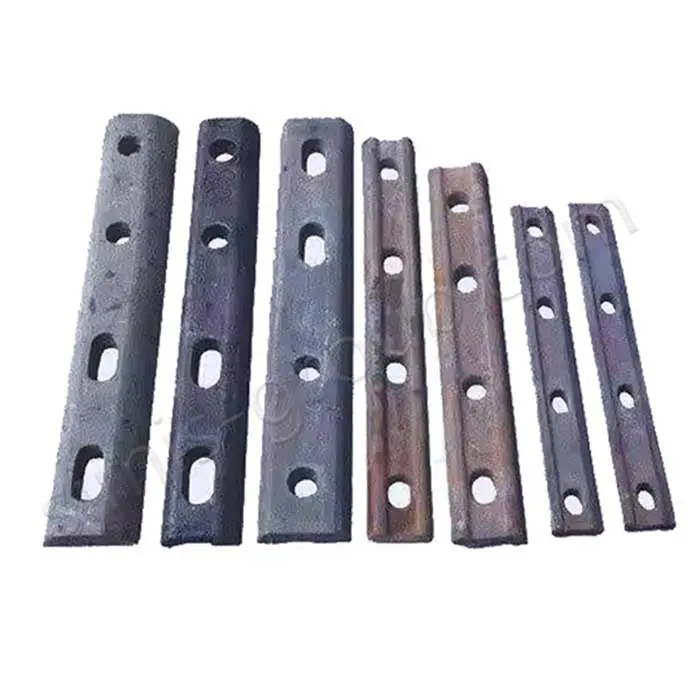


Fishplate Joints

Custom Fishplate Manufacturing FAQs
Can SIMIS manufacture railway fishplates from a rail profile and customer drawings?
Yes. SIMIS reviews customer-supplied 2D drawings, 3D models and rail-section information for OEM fishplates (also called rail joint bars). The drawing should define the joint-bar cross-section, overall length, bolt-hole pattern, material and inspection requirements. We evaluate whether forging, a specified casting route or machining is appropriate before confirming manufacturing feasibility and quotation scope.
Should a fishplate be forged, cast or machined from steel stock?
There is no universal manufacturing route for every rail joint. Steel forging or other approved steel stock processes may be specified for load-bearing railway joint bars. Machining may be used to create or finish the geometry and holes. Casting is only an option where the buyer’s design, applicable rail rules and approval process explicitly permit it. Process suitability must never be inferred from a rail section name alone.
Which dimensions matter most when specifying rail joint bars?
The bar must interface correctly with the specified rail-section profile and rail-joint assembly. Key dimensions can include contact geometry at the rail head and foot, bar length and thickness, bolt-hole diameter, pitch and edge distances, clearance requirements and the relationship between opposing bars. The correct fit is established from the applicable joint drawing, not a generic “zero-gap” or one-size-fits-all tolerance claim.
Can you supply parts for insulated or special rail joints?
We can review drawings for custom metal joint-bar components intended for repair, transition or insulated joint assemblies. Insulating components, bonding methods, the finished joint design and any electrical or full-assembly qualification need to be specified and approved separately by the responsible system supplier. A metal fishplate alone is not a certified insulated rail joint.
What information do you need for a fishplate OEM quotation?
Send a rail-joint drawing or sample dimensions, rail-section designation and edition, required material specification, bolt-hole layout, quantity, application, relevant standard or purchaser specification, coating requirements and any requested test records. For replacement joints, confirm whether the parts must interchange with an existing joint-bar assembly.
Custom Rail Fishplates and Joint Bars Made to Your Drawings
Fishplates are the steel or other specified metal bars fastened to the sides of adjacent rail ends to form a bolted rail joint. They help maintain rail-end alignment and carry forces across the joint in combination with the rail profile, fasteners and track support. These components are commonly referred to as fishplate joints, rail joint bars or railway joint plates.
For an OEM project, a fishplate cannot be specified by length alone. Rail-section shape, mating contact regions, bolt positioning and the intended service environment determine whether it fits the assembly. SIMIS provides drawing-based metal-part manufacturing and reviews the proposed material, production method and finishing operations with the customer before production.

Rail-Profile Fit and Bolt-Hole Layout: Essential Design Inputs
A joint bar is designed to work with a particular rail section and joint arrangement. The same nominal rail weight does not necessarily establish a fully interchangeable bar. OEM buyers should supply the approved rail-joint drawing, including mating surfaces and permissible clearances, rather than relying on a reference rail name without dimensions.
| Engineering feature | Why it matters to manufacturing | What to provide for the RFQ |
|---|---|---|
| Rail-section interface | The bar must seat against its intended rail contact regions without interference or an unapproved load path. | Rail profile or joint assembly drawing with contact geometry and reference datums. |
| Bolt-hole pitch and diameter | Hole position affects assembly compatibility and local stress concentration near each hole. | Center-to-center pitch, end distances, diameters, positional tolerances and hole condition. |
| Bar length, thickness and curvature | Overall geometry affects joint installation and how the bars engage the rail. | Finished dimensions, straightness or curvature requirements and dimensional tolerances. |
| Left/right and special configurations | Transition, compromise and insulated-joint metal parts may use nonstandard geometry. | Part identification, mating component drawings and orientation details. |
| Surface condition | Surface condition and protective finish influence assembly and service environment. | Specified finish, contact-region requirements and corrosion-protection instructions. |
In particular, not every contact region should automatically be machined. The required geometry may be produced by forming or by subsequent CNC machining depending on the approved drawing, process capability and final tolerance requirements.
Choosing a Manufacturing Process for OEM Fishplates
Steel Forging for Selected Rail Joint Bars
Forging may be a practical method where the fishplate geometry, production volume and material specification justify a dedicated tool or forged blank. SIMIS can review closed-die forging for suitable shaped parts and open-die forging for applicable steel blank requirements. Whether a specific rail joint bar must be forged is determined by the purchaser’s standard and approved manufacturing route—not by a universal rule for every rail application.
Casting for Specifically Approved Joint Components
Sand casting and shell mold casting may be evaluated for certain railway hardware or specially designed joint-related components when cast material is explicitly permitted. Casting must not be substituted for a specified forged, rolled or other steel joint bar without the customer’s engineering approval. In safety-related applications, the material specification, casting acceptance criteria and required validation are part of the initial feasibility review.
Machining and Hole Production
Operations may include sizing, hole drilling, reaming, profiling and local finishing as required by the design. Important planning factors include how the part is fixtured, what datums locate the bolt holes, how burrs are controlled and which features must be inspected after processing. SIMIS can evaluate drawing-based machining requirements through its metal machining services.

Fishplate Materials and Engineering Requirements
The material specified for a rail joint bar should reflect the approved rail system design and applicable material standard. Carbon steel and alloy steel are common engineering candidates for a wide range of railway hardware, but the exact grade, delivery condition and verification requirements must come from the customer’s drawing or procurement specification.
Carbon and alloy steels: strength, ductility, impact behavior, fatigue-related requirements and manufacturing availability must be evaluated together.
Cast steel or ductile iron: consider only for joint designs and service conditions where the governing specification expressly authorizes these materials; they are not automatic substitutes for specified steel fishplates.
Material documentation: identify the required grade, chemical or mechanical test records, batch traceability and any project-specific acceptance rules.
Production condition: if a material condition or treatment is specified, document the required properties and evidence before quotation.
A rail-section designation such as 60E1 or 136RE identifies a rail profile and does not, by itself, prescribe the fishplate material, guarantee interchangeability or certify the finished joint bar. The governing rail-joint drawing and specification control those decisions.
Inspection Planning for Railway Joint Bars
Railway joint bars can be safety-related components. Appropriate inspection depends on the material, manufacturing route, project risk and the purchaser’s approved criteria. Rather than asserting that every fishplate receives identical tests, SIMIS can review the inspection requirements during the technical quotation stage.
Dimensional checks: inspect rail-contact geometry, overall bar dimensions and identified assembly-critical features against the drawing.
Bolt-hole verification: measure hole size, positional accuracy, pitch, edge distances and burr condition as specified.
Material verification: evaluate material certificates or specified test results and traceability requirements.
Surface and discontinuity checks: use visual examination and any specified magnetic particle, ultrasonic or other examination methods appropriate to the material and route.
Special qualification: fatigue, proof, joint assembly or field-performance testing must be separately specified where required by the railway authority or OEM.
The railway owner, qualified design authority or responsible assembly manufacturer determines whether the completed joint and its components meet the applicable railway specification. A machining report or material certificate alone does not establish railway product approval.

Where Custom Fishplate Joints Are Used
Different rail networks can use different joint arrangements and qualification requirements. Potential application areas include conventional rail track, industrial sidings, mining railway infrastructure, transit systems and maintenance or repair programs, subject to the relevant operator’s design standards and approval procedures.
Industrial and mining track: replacement bars or custom geometry for specified rail sections and site conditions.
Rail maintenance: approved repair or transition joint-bar designs for defined rail configurations.
Urban transit: engineered metal components for operator-approved track-joint arrangements.
Mainline and heavy-haul railway: components requiring the exact applicable rail-joint standards, material selection, inspection and qualification.
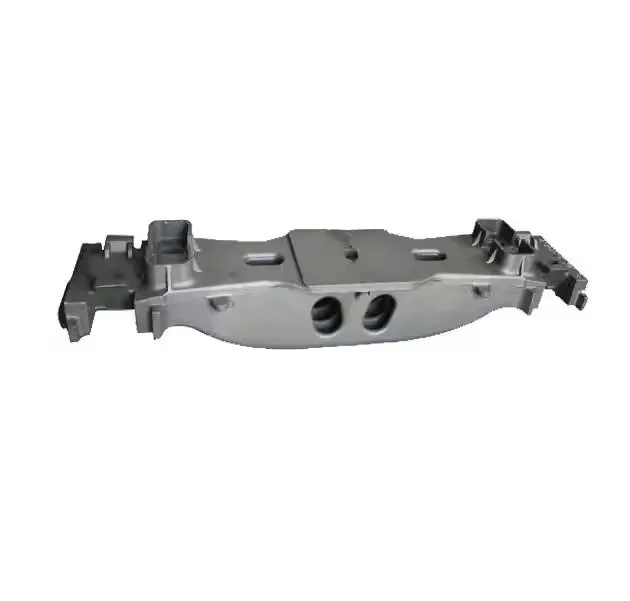
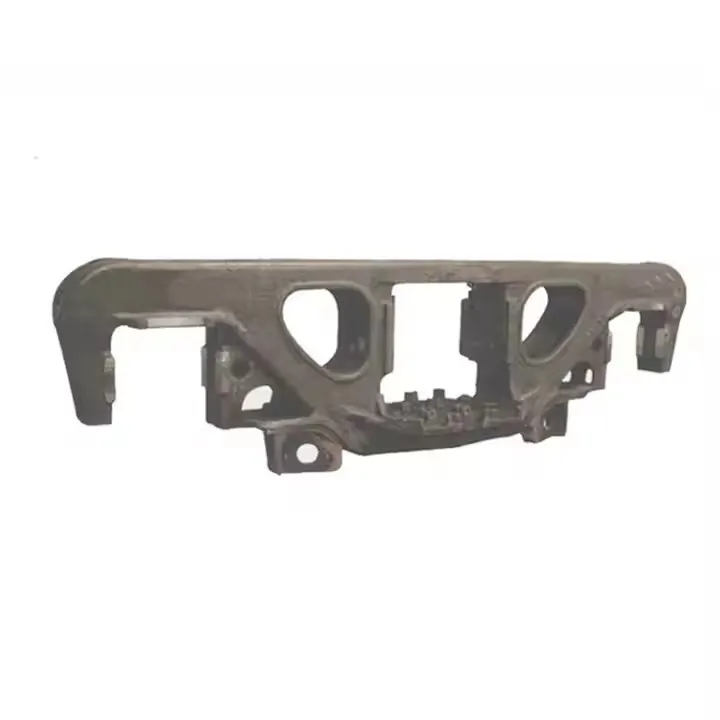
SIMIS manufactures other drawing-based rail components, including railway bogie bolsters and railway bogie side frames. Our broader rail and train parts page covers related castings and forgings for OEM buyers.
Request a Quote for Custom Fishplates and Rail Joint Bars
If you need custom fishplates, replacement joint bars or metal parts for an engineered rail-joint assembly, SIMIS can review the drawings and proposed production route. We aim to match the manufacturing method to the component geometry and specified material rather than assign one process to every fishplate.
Step 1: send the approved rail-joint or fishplate drawings, rail profile, hole pattern and application details.
Step 2: confirm the material standard, proposed manufacturing route, tolerances and order quantity.
Step 3: agree on samples, inspection requirements, documentation and any applicable approval responsibilities.
Step 4: request a quotation that separates tooling, sample and production requirements as appropriate.

To discuss your project, contact SIMIS or send drawings to info@simis-group.com. Please include your required rail standard and the approved fishplate design so we can evaluate manufacturing feasibility and prepare an OEM quotation.