Custom Railway Bogie Bolsters Manufacturer
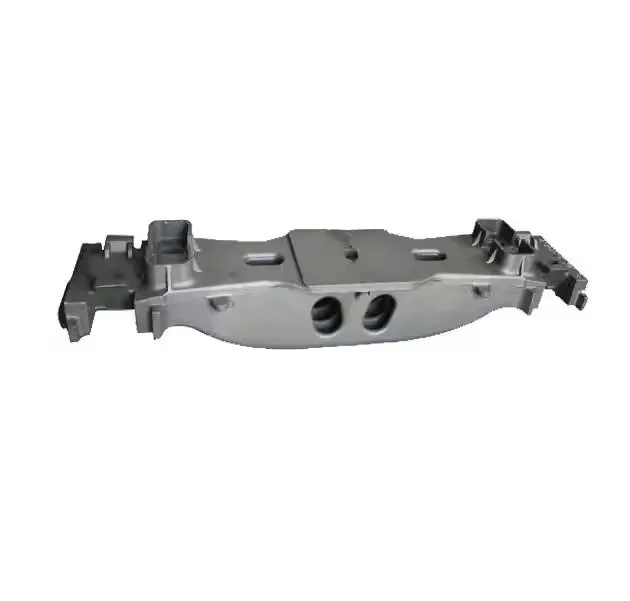


Railway Bogie Bolsters

Custom Railway Bogie Bolsters: Manufacturing FAQs
Can SIMIS manufacture railway bogie bolsters from customer drawings?
SIMIS supports OEM, drawing-based manufacture of railway bogie bolster castings and machined components. A quotation starts with the approved 2D drawings or 3D models, casting material specification, critical interfaces, intended rail application, order quantity and the required inspection or approval documents. We review manufacturing feasibility and the proposed production scope before confirming an offer; design validation and railway acceptance remain subject to the customer’s applicable requirements.
What manufacturing process is appropriate for a steel railway bogie bolster?
For a large, complex cast-steel freight-bogie bolster, sand casting is commonly evaluated because it can form ribbed sections, transitions and shaped load paths, with machining added at functional interfaces. Alternative cast, fabricated or other construction methods depend on the vehicle design. A forging is not automatically the correct or economical method for an entire hollow bolster; forging may instead suit specified connecting or related components.
Which dimensions matter most on a bogie bolster casting?
The critical features depend on the bogie design. On a typical three-piece freight bogie, these may include the center bowl or center-plate interface, side-bearing locations, spring-seat geometry, friction-wedge or column-guide interfaces, overall alignment and datum relationships. Buyers should identify drawing-defined contact surfaces, profile tolerances, machining allowances and any required wear-plate features before production.
Can you supply castings with NDT, mechanical test records and railway documentation?
The required inspection plan should be agreed at the quotation stage. Depending on the specified standard and risk areas, it may call for material traceability, mechanical testing, dimensional records and appropriate non-destructive examinations. Project-level fatigue validation, qualification, type approval or railway certification must be defined separately; supplying a casting or inspection report is not the same as obtaining approval for the finished bogie.
What information is needed to quote an OEM railway bolster?
Please provide CAD models or detailed drawings, material and casting specification, target weight or envelope dimensions, vehicle/bogie type, design load information if available, critical machined interfaces, applicable railway standards and editions, inspection requirements, purchase quantity and delivery destination. If the request concerns replacement or interchangeability, include the approved mating-part drawings and revision history.
OEM Railway Bogie Bolster Castings Made to Your Drawings
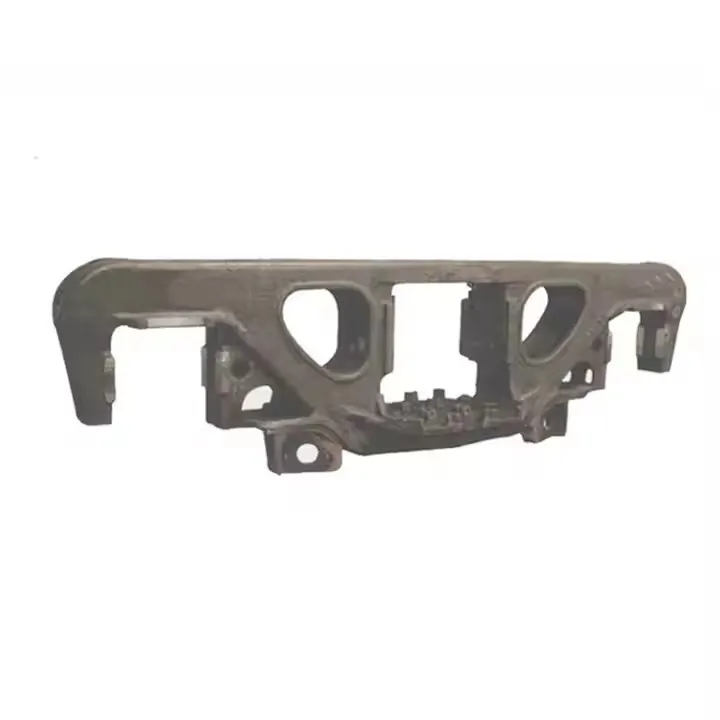
A railway bogie bolster is a load-carrying transverse component in certain bogie arrangements. In a conventional three-piece freight truck, it links the suspension interfaces to the carbody support location and transfers vertical and dynamic loads through the suspension and side-frame system. Its geometry must be considered together with the mating side frames, springs, center plate, side bearings and wear interfaces—not as a standalone generic metal beam.
SIMIS focuses on the manufacture of custom metal parts based on customer designs. For bogie bolsters, the main questions are whether a specified casting geometry is manufacturable, whether the required material can be produced with the agreed properties, which surfaces need finish machining, and which inspection records must accompany delivery. Related components can be explored through our custom railway bogie side frame and rail and train castings pages.

Casting Process Selection and Production Planning
Sand Casting for Large Cast-Steel Bolsters
Sand casting offers flexibility for medium and large ferrous components, including complex sections that need suitable gating and feeding arrangements. For a bolster, a manufacturability review should examine the overall casting envelope, wall transitions, rib and pocket geometry, solidification risk, draft and dimensional allowances. Tooling, molding route and production batch size are chosen around the actual part, not solely the product name.
Casting Geometry, Shrinkage and Machining Allowances
Stress-concentrating features deserve special attention: abrupt section changes, corners, contact-zone transitions, local bosses and areas near major load paths. Foundry engineers may propose casting-friendly radii, local stock allowances, gating changes or other adjustments, but any alteration to an approved rail component drawing must be authorized by the responsible design owner. Machining allowance should be reserved on the center bowl, side-bearing surfaces and other drawing-specified functional faces.
When Is Another Manufacturing Route More Suitable?
Not every rail vehicle uses a cast bolster or even the same bogie architecture. Some passenger, metro and high-speed applications employ different cross-member or welded-frame designs. Those parts should be evaluated under their own approved structural drawings and manufacturing specifications. The steel casting foundry page describes broader cast-steel process options; a particular route is recommended only after checking component weight, dimensions, geometry and project requirements.

Material Selection for Railway Bogie Bolsters
For conventional cast freight-bogie bolsters, specified cast-steel grades are an important starting point because strength, ductility, impact toughness, fatigue resistance and casting soundness all matter. The proper grade and acceptance criteria come from the buyer’s approved design documents and governing railway specification; material names alone cannot establish compliance or fatigue life.
| Material / construction option | Why it may be evaluated | Important qualification |
|---|---|---|
| Carbon or low-alloy cast steel | Common starting point for complex load-bearing cast bolsters where an approved cast-steel specification is provided. | Verify grade, chemistry, mechanical properties, casting acceptance class and the governing rail standard. |
| Ductile cast iron | May be reviewed for designs that expressly permit it and define the required strength, ductility and service conditions. | Not a general substitute for specified cast steel on safety-critical freight bolsters. |
| Fabricated or welded steel structure | Used for certain bogie designs with a different load path or component architecture. | Requires its own design approval, welding procedures and examination requirements; do not treat as equivalent to a cast bolster. |
| Special wear-resistant alloys | May be relevant to separate wear components where the design calls for localized wear performance. | High-manganese wear steel is not automatically suitable for an entire structural bolster. |
Steel composition and post-casting metallurgical processing can influence the final properties, but the exact route must follow the specified grade and approved process plan. Do not substitute one nominal material for another without the customer’s engineering authorization.
Key Functional Features and CNC Machining Requirements
A bogie bolster often requires selective finishing rather than machining every cast surface. CNC machining can be applied to drawing-designated contact surfaces, mounting features and datum locations. The critical parameters are the relationship between the functional features—not an unsupported claim that every dimension can meet the same tight tolerance.
Center bowl / center-plate region: review profile, mating diameter, surface condition, datum position and any liner or wear requirement.
Side-bearing interfaces: control relative height, alignment and contact-face geometry according to the mating assembly design.
Spring seats and column-guide features: confirm seat geometry, positional relationships, contact locations and specified local wear details.
Critical holes and attachments: define diameters, thread specifications, positions and edge clearances when they appear on the approved drawing.
Inspection datums: identify machining and measuring references so finished features can be checked consistently across batches.
These characteristics vary by vehicle type. For an accurate quotation, submit the bolster together with the relevant interface drawings wherever possible.
Railway Component Inspection and Structural Requirements
Rail bogie bolsters are safety-related structural components. Inspection scope and acceptance limits should be defined by the responsible OEM and the current applicable specifications, not by a generic website promise. For North American freight equipment, customers may specify relevant AAR requirements, such as M-201 for steel castings, M-202 for bolster design and testing, or M-210 for purchase and acceptance, as applicable to the project and edition. Other regions and vehicle categories may use different governing requirements.
Material identity and traceability: heat numbers, chemical analysis and mechanical test evidence as specified.
Dimensional conformity: casting envelope, key machined interfaces, datum relationships and approved drawing revisions.
Casting examination: visual checks, specified ultrasonic, magnetic-particle or other nondestructive tests with agreed acceptance criteria and coverage.
Process documentation: approved manufacturing and inspection plans, repair procedures where permitted, and required records.
Design-qualification testing: fatigue, static-load or other product-level tests only where the scope, responsible organization and test plan have been separately agreed.
An inspection certificate for an individual casting should not be described as a guarantee of rail vehicle safety or certification of a complete bogie. Project-specific compliance claims require supporting evidence and authorized acceptance.
Freight, Passenger and Special-Purpose Rail Applications
Freight rail bogies: cast bolsters are particularly relevant to many three-piece truck designs, where load transfer, spring seating and center-bowl interfaces determine the manufacturing focus. The product is normally evaluated together with its mating side frames.
Industrial and special-purpose rolling stock: unusual dimensions, operating cycles or local environmental conditions can require customized geometry, documentation and inspection plans. The applicable rail or plant specification should be identified before process selection.
Passenger and high-speed rolling stock: bolster arrangements vary considerably. SIMIS would first review the actual assembly drawings to determine whether the requested item is a cast bolster, a different structural cross member, or another bogie component. Do not infer interchangeability across vehicle categories.

How to Request a Custom Railway Bogie Bolster Quotation
To review a bogie bolster manufacturing project, SIMIS needs a clear definition of the component and its acceptance requirements. Our drawing-based quotation process can address casting feasibility, tooling, material selection against the specified grade, necessary machining operations and the agreed inspection deliverables.
1. Submit drawings: approved 2D technical drawings, 3D CAD data, revision level and mating-interface information.
2. Specify material and application: cast-steel grade or other approved material, bogie type and relevant railway specifications.
3. Identify critical requirements: machining datums, center bowl and side-bearing geometry, dimensional tolerances, NDT coverage and required records.
4. Share commercial details: annual volume, initial order quantity, destination, prototype or qualification needs, and requested delivery schedule.
Looking for a manufacturing partner for a custom cast-steel bogie bolster? Contact SIMIS or email info@simis-group.com with your technical drawings to discuss feasibility and request an OEM quotation.